Florida’s 10 Most Underrated Museums Offer Experiences You Won’t Soon Forget
Florida is famous for its theme parks and beaches, but hidden across the state are museums that tell surprising stories most visitors never discover. These lesser-known spots showcase everything from handcrafted castles to pirate treasure and Western art collections that rival anything out West.
Whether you’re a longtime resident or planning your next vacation, these underrated museums promise memorable adventures that go way beyond the typical tourist trail.
1. Morikami Museum and Japanese Gardens – Delray Beach
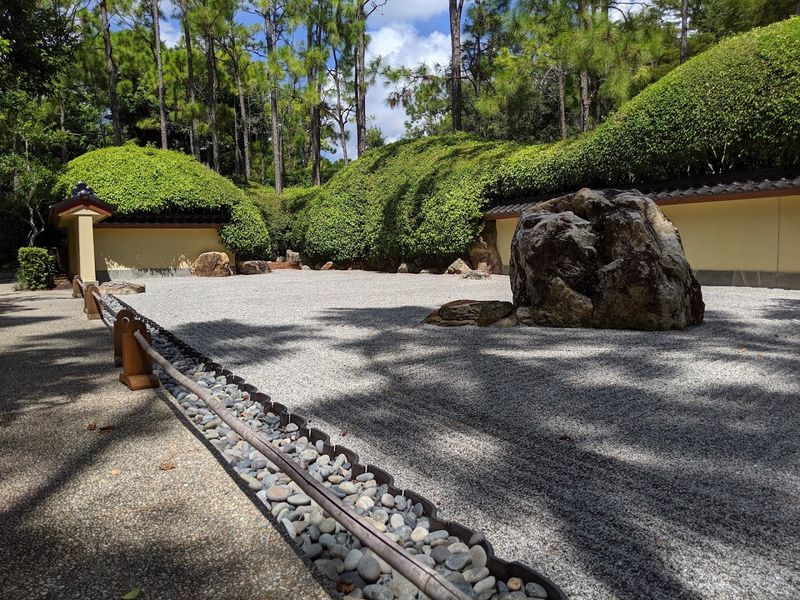
Picture yourself wandering through 16 acres of authentic Japanese gardens without ever leaving South Florida. The Morikami Museum celebrates the Yamato Colony, a group of Japanese farmers who settled in this area over a century ago.
Six distinct garden styles transport you across different periods of Japanese history. Stone lanterns line winding paths while koi fish glide beneath arched bridges.
The museum building itself houses rotating exhibits featuring everything from samurai armor to contemporary manga art.
Tea ceremonies happen regularly in the traditional teahouse, where you can learn proper etiquette while sipping matcha. The museum store stocks authentic Japanese crafts, snacks, and books you won’t find anywhere else in the region.
Seasonal festivals bring the grounds to life with taiko drumming, origami workshops, and cultural performances. Spring brings cherry blossoms while fall showcases stunning foliage changes.
Educational programs teach kids about Japanese culture through hands-on activities that make learning feel like play.
The on-site Cornell Cafe serves Asian-fusion cuisine with garden views that make lunch part of the experience. This hidden gem offers peaceful reflection and cultural education wrapped in natural beauty that feels worlds away from Florida’s usual attractions.
2. The James Museum of Western & Wildlife Art – St. Petersburg
Who says you need to travel west to experience frontier spirit and wildlife majesty? Downtown St. Petersburg houses an impressive collection that rivals museums in Montana or Arizona.
The James Museum opened in 2018 and immediately became a cultural treasure most people still don’t know exists.
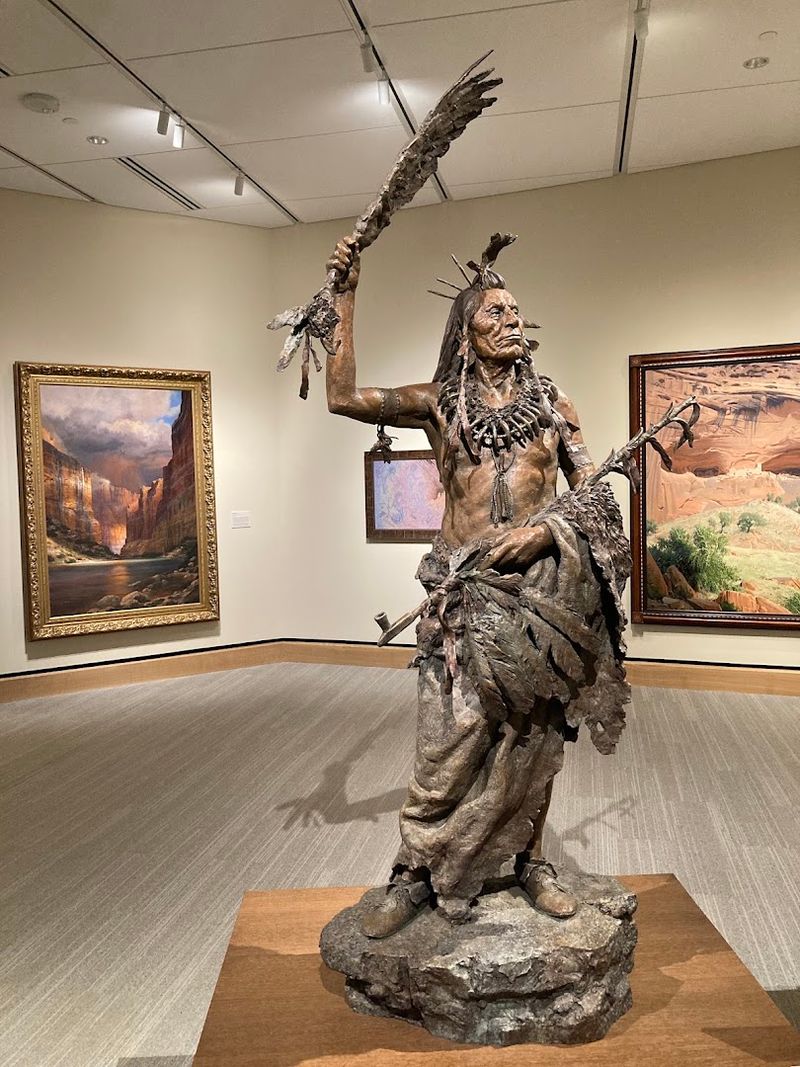
Three floors showcase over 400 works spanning 300 years of Western and wildlife art. Bronze sculptures of cowboys and Native Americans stand beside landscape paintings that capture the untamed beauty of the American frontier.
Contemporary pieces prove Western art didn’t stop evolving after the 1800s.
Interactive exhibits let visitors try their hand at lassoing or learn about different Native American tribes through touchscreen displays. The museum doesn’t just show pretty pictures—it tells stories about expansion, conservation, and the complex relationship between humans and nature.
Rotating exhibitions bring fresh perspectives throughout the year, featuring both historical masters and living artists. Educational programs for all ages include art classes, lectures, and family days with Western-themed activities.
Located in the vibrant downtown arts district, you can easily combine your visit with nearby restaurants and galleries. The James Museum proves that Florida’s cultural scene extends far beyond beach art and tropical themes into unexpected territories.
3. Bonnet House Museum & Gardens – Fort Lauderdale
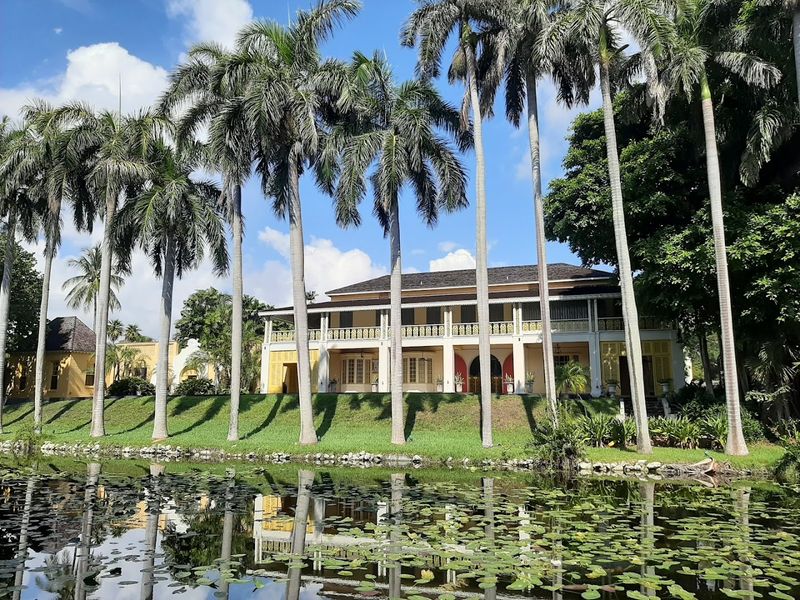
Stepping onto this 35-acre estate feels like discovering a secret world where art and nature collide in the most delightful ways. Built in 1920 as a winter retreat for artists Frederic and Evelyn Bartlett, Bonnet House preserves a slice of old Florida that developers never touched.
The whimsical house features hand-painted murals, carved monkeys peeking from unexpected corners, and collections ranging from seashells to circus memorabilia. Every room tells stories about the eccentric couple who made this their creative playground.
Tours reveal fascinating details about their artistic lifestyle and the property’s natural history.
Outside, the gardens burst with orchids, bromeliads, and native plants that attract butterflies and birds year-round. A freshwater slough connects to the beach, creating diverse ecosystems where you might spot monkeys that descended from Evelyn’s pets.
Peacocks strut across the lawns like they own the place.
Art studios on the grounds host classes where you can channel your inner artist. Special events include moonlight tours, garden concerts, and holiday celebrations that showcase the estate’s magical atmosphere after dark.
Unlike massive museum complexes, Bonnet House maintains an intimate scale that makes you feel like you’re visiting a friend’s extraordinary home rather than touring a formal institution.
4. Coral Castle – Homestead
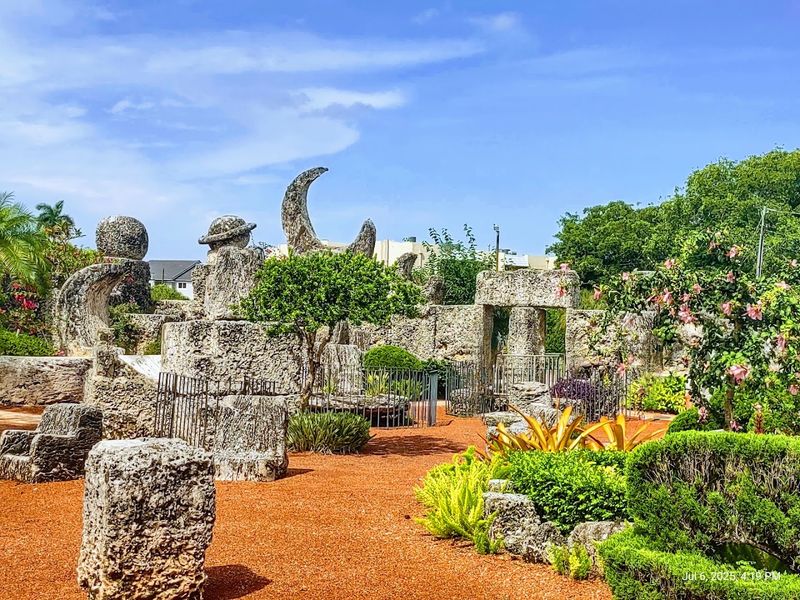
One man armed with handmade tools carved over 1,100 tons of coral rock into an architectural mystery that engineers still debate today. Edward Leedskalnin worked alone at night, refusing to reveal his methods, creating a monument to lost love that defies easy explanation.
Massive stone gates swing open with a finger’s touch despite weighing multiple tons. Coral furniture includes beds, rocking chairs, and a heart-shaped table carved from solid rock.
A nine-ton gate once rotated so perfectly on its center point that a child could push it.
Nobody knows exactly how Leedskalnin moved these enormous stones without modern machinery. He claimed to understand the secrets used to build the pyramids.
Scientists have proposed theories involving leverage, counterweights, and incredible patience, but the true methods remain mysterious.
The sculpture garden includes a sundial accurate to within two minutes, a Polaris telescope carved from rock, and various celestial markers that prove Leedskalnin understood astronomy. His living quarters show the simple lifestyle he maintained while creating this complex achievement.
Self-guided tours let you explore at your own pace while audio guides explain the history and theories. The gift shop sells books about Leedskalnin’s life and the various scientific investigations into his construction techniques that continue fascinating researchers worldwide.
5. St. Augustine Pirate & Treasure Museum – St. Augustine
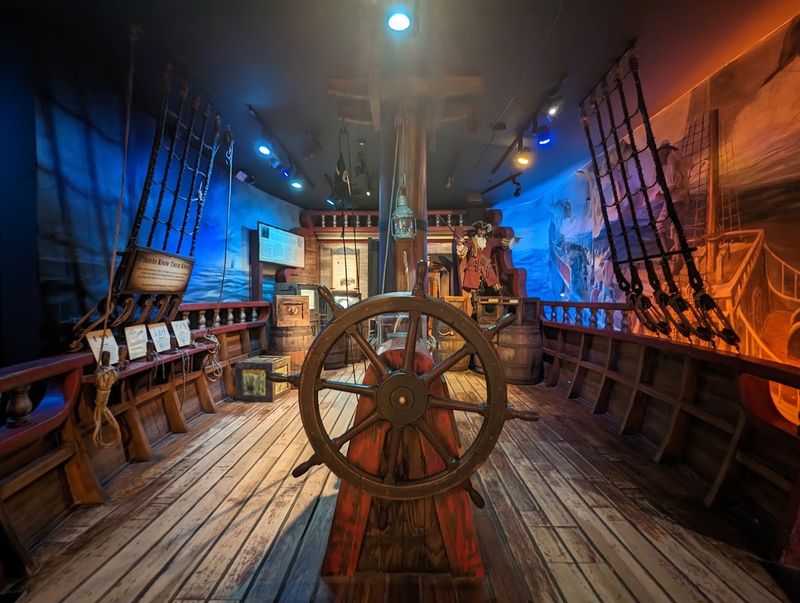
Forget everything Disney taught you about pirates—this museum reveals the gritty, fascinating reality of maritime outlaws who terrorized Florida’s coast. St. Augustine’s position as America’s oldest city made it a prime target for pirates, privateers, and buccaneers throughout history.
Authentic artifacts include weapons, navigation tools, and personal items recovered from shipwrecks. A replica pirate ship lets visitors experience cramped quarters where crews lived during long voyages.
Interactive displays explain the difference between pirates, privateers, and naval forces that often blurred together.
Real treasure recovered from sunken ships sparkles in display cases, proving that X-marks-the-spot stories had some truth behind them. Documents and maps show actual pirate havens along Florida’s coastline.
The museum doesn’t romanticize piracy but presents honest accounts of both the adventure and brutality involved.
Costumed interpreters demonstrate sword fighting, knot tying, and other sailor skills while sharing stories about famous pirates who sailed these waters. Kids can participate in treasure hunts and earn their own pirate certificates after completing educational challenges.
Located in historic downtown St. Augustine, the museum occupies an 18th-century building that adds authentic atmosphere. Evening ghost tours combine pirate history with haunted tales from the city’s dark past, creating spine-tingling entertainment for brave visitors.
6. A. E. Backus Museum & Gallery – Fort Pierce
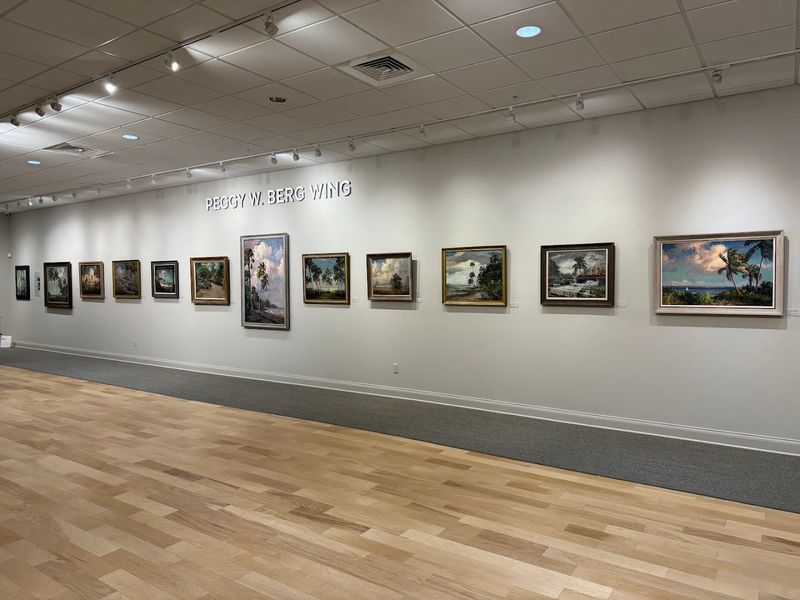
Florida’s natural beauty inspired one of its greatest artists, and this museum celebrates A. E.
Backus along with the artistic movement he sparked. Born in 1906, Backus became known as the dean of Florida landscape painters, capturing the state’s wild spaces before development changed them forever.
His paintings glow with the unique quality of Florida light filtering through palm fronds and reflecting off water. The museum’s permanent collection shows his artistic evolution from early works to mature masterpieces.
You’ll recognize Florida in ways you never noticed before after seeing it through his eyes.
Beyond Backus himself, the gallery showcases works by the Highwaymen—a group of African American artists he mentored who became legendary for painting Florida landscapes. Their vibrant, quickly executed works now sell for thousands of dollars, but they originally sold them roadside for pocket change.
Rotating exhibitions feature contemporary Florida artists continuing the tradition of capturing the state’s essence. Educational programs teach painting techniques and art history, making creativity accessible to beginners and experienced artists alike.
The museum occupies a restored 1960s building that maintains period charm while providing modern gallery spaces. Free admission makes this cultural treasure accessible to everyone, though donations help preserve both the collection and the building for future generations to enjoy.
7. Showmen’s Museum – Riverview
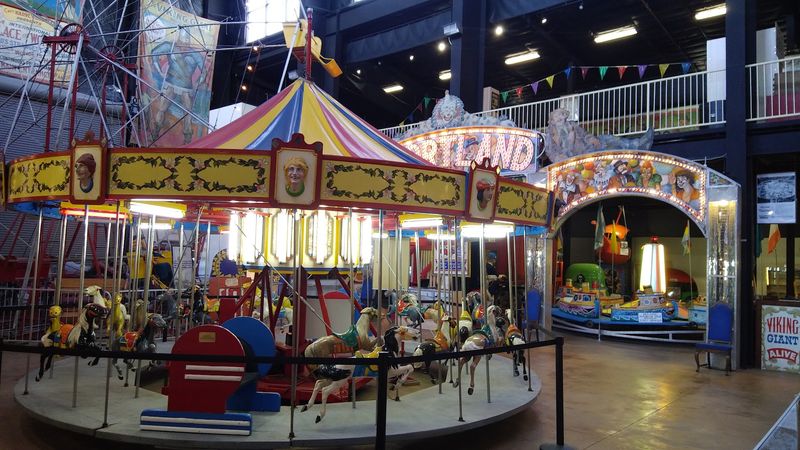
Before theme parks dominated Florida, traveling carnivals brought thrills to small towns across America, and this museum preserves that vanishing world. The International Independent Showmen’s Association established this collection to honor the carnies, ride operators, and performers who made their living on the road.
Vintage carnival equipment fills the space, from hand-carved carousel horses to ticket booths that once stood at county fairs. Photographs document the golden age of traveling shows when entire communities would turn out for the excitement.
Personal stories reveal the tight-knit culture among showmen who faced both adventure and hardship.
Sideshow memorabilia includes posters advertising amazing acts, costumes worn by performers, and equipment used in death-defying stunts. The museum doesn’t exploit but rather contextualizes this controversial entertainment form within its historical period.
You’ll gain respect for the skill and showmanship required to captivate audiences night after night.
A miniature carnival complete with working rides demonstrates the mechanics behind classic attractions. Interactive displays let visitors try their hand at carnival games while learning about the psychology and physics that make them challenging yet appealing.
Run mostly by volunteers with personal connections to the carnival industry, tours come with insider stories you won’t find in any textbook. This quirky museum celebrates an American tradition that shaped entertainment history before fading into memory.
8. The Wizard of Oz Museum & Van Gogh – Cape Canaveral
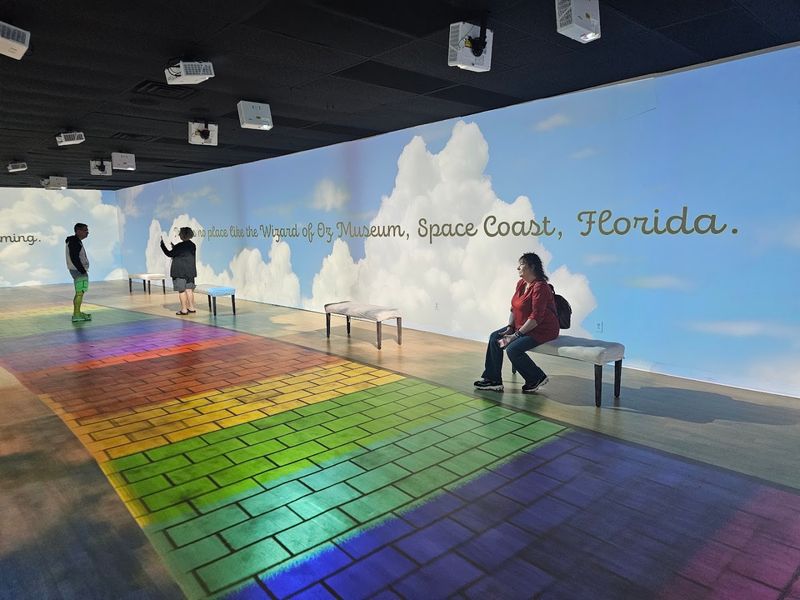
There’s no place like this museum, where one family’s passion for all things Oz created an enchanting collection that transports visitors over the rainbow. Opened by a devoted collector, this small museum packs incredible treasures into an intimate space near Florida’s Space Coast.
Original props from various Oz productions share space with rare merchandise spanning decades of Oz mania. First edition books, vintage lunch boxes, and limited edition figurines demonstrate how deeply the story embedded itself in American culture.
Movie posters from different countries show how Oz traveled worldwide.
A recreation of Dorothy’s Kansas farmhouse lets visitors step into the story, while a yellow brick road winds through displays. Ruby slippers sparkle under glass—not the original pair, but authentic replicas that capture their magic.
Costumes worn by stage actors in various productions show how interpretations evolved over time.
The museum screens the classic 1939 film on request, and many visitors find themselves getting emotional watching it in this dedicated shrine. Special events include Oz-themed birthday parties, trivia contests, and annual celebrations on the film’s anniversary.
Owner-guided tours provide deep knowledge about production history, cast stories, and collecting culture. This passion project turned public museum proves that sometimes the most memorable attractions come from genuine enthusiasm rather than corporate planning.
Follow the yellow brick road to Cape Canaveral for this unexpected Florida treasure.
9. Elliott Museum – Stuart
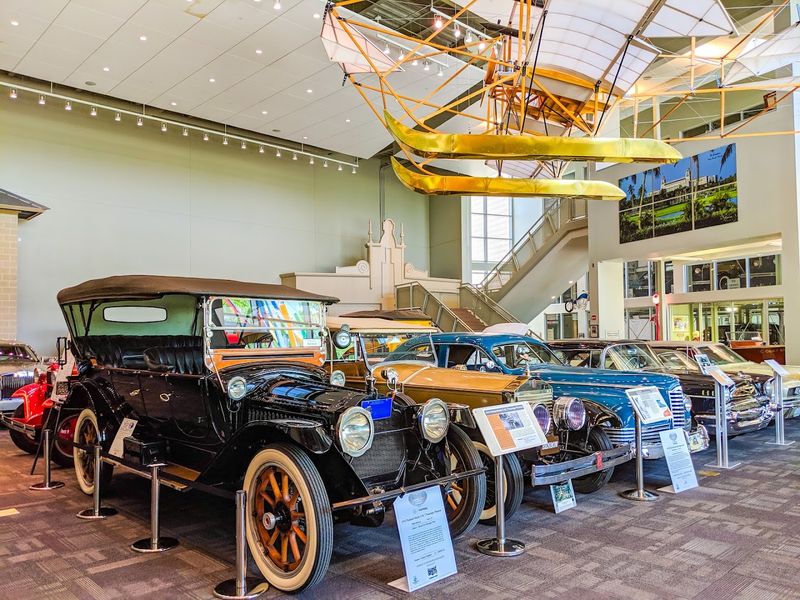
Sterling Elliott invented the addressing machine, automatic knot-tying device, and numerous other gadgets that changed daily life, and this museum celebrates both his genius and American innovation generally. His son built the original museum in 1961, making it one of Florida’s oldest cultural institutions.
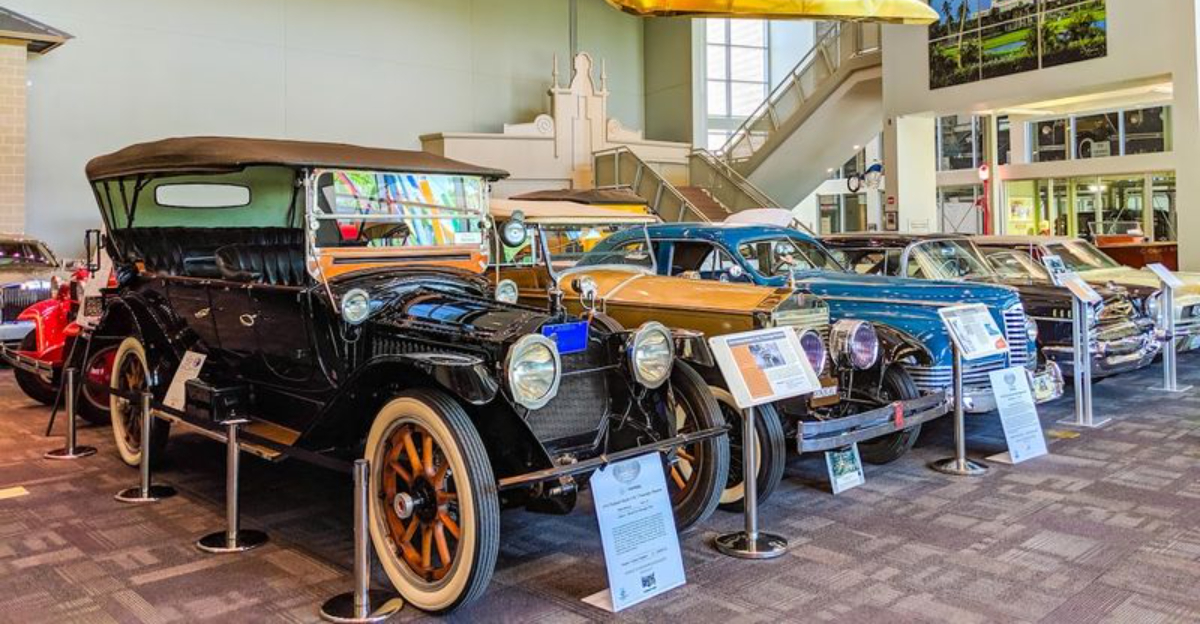
A stunning vintage automobile collection features beautifully restored cars from the early 1900s through mid-century classics. Each vehicle represents not just transportation but the technological optimism of its era.
Detailed placards explain innovations that modern drivers take for granted, from electric starters to safety glass.
Beyond automobiles, exhibits showcase everyday inventions that revolutionized home life—washing machines, refrigerators, and communication devices. A recreation of an old-fashioned Main Street includes storefronts displaying merchandise and advertisements from different decades.
The nostalgic atmosphere makes history tangible and relatable.
Local history galleries document Stuart’s development from a small fishing village to a thriving community. Photographs, artifacts, and personal stories preserve memories of old Florida before air conditioning and interstate highways transformed the state.
Native American artifacts represent the region’s deepest history.
The museum underwent major renovations in 2013, adding modern climate control and display techniques while maintaining its charm. Baseball memorabilia honors Stuart’s connection to spring training history.
Educational programs bring school groups through regularly, ensuring new generations appreciate innovation and local heritage that shaped their world.
10. The Bishop Museum of Science and Nature – Bradenton
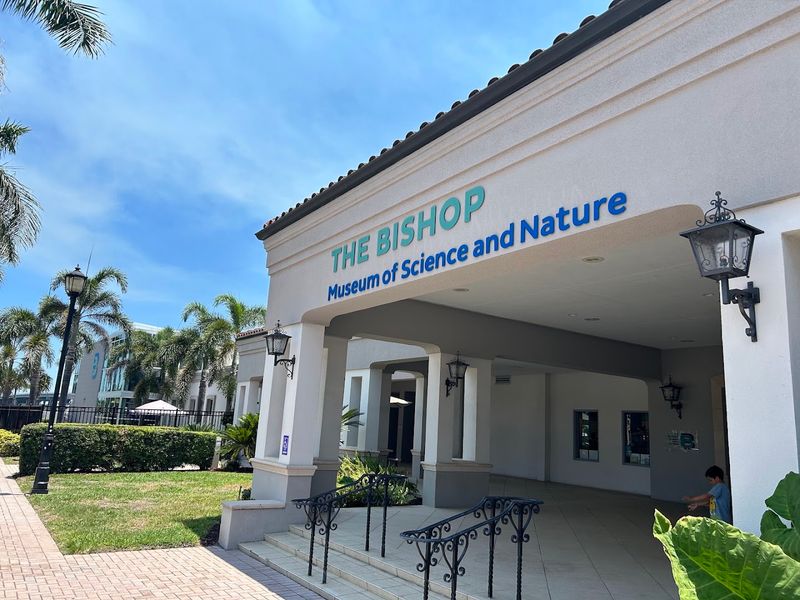
Spanish conquistadors searching for gold discovered a massive fossilized bone in 1559 that locals called the Bishop’s Bone, and centuries later, this museum carries that name while exploring Florida’s natural wonders. The Bishop Museum combines natural history, planetarium shows, and hands-on science in ways that educate without feeling like school.
Florida fossil collections include prehistoric creatures that roamed the state millions of years ago when it looked completely different. Megalodon teeth, mammoth bones, and giant sloth remains prove Florida once hosted wildlife that would terrify modern beachgoers.
Detailed explanations help visitors understand geological time and evolutionary processes.
A manatee rehabilitation aquarium lets you watch these gentle giants up close while learning about conservation efforts. Touch tanks allow hands-on encounters with marine life native to Florida waters.
The museum actively participates in wildlife rescue and research, making it a working science facility rather than just a display space.
The Parker Manatee Planetarium offers shows about astronomy, space exploration, and celestial navigation. State-of-the-art projection technology makes you feel like you’re traveling through the cosmos.
Special presentations tie into current space events and NASA missions launching from nearby Cape Canaveral.
Nature trails wind through 60 acres of preserve land where you can spot birds, butterflies, and native plants. The museum successfully balances entertainment with education, making science accessible and exciting for visitors of all ages seeking to understand Florida’s natural heritage.