This Historic Florida Cigar Factory Keeps Tampa’s Hand-Rolled Tradition Alive
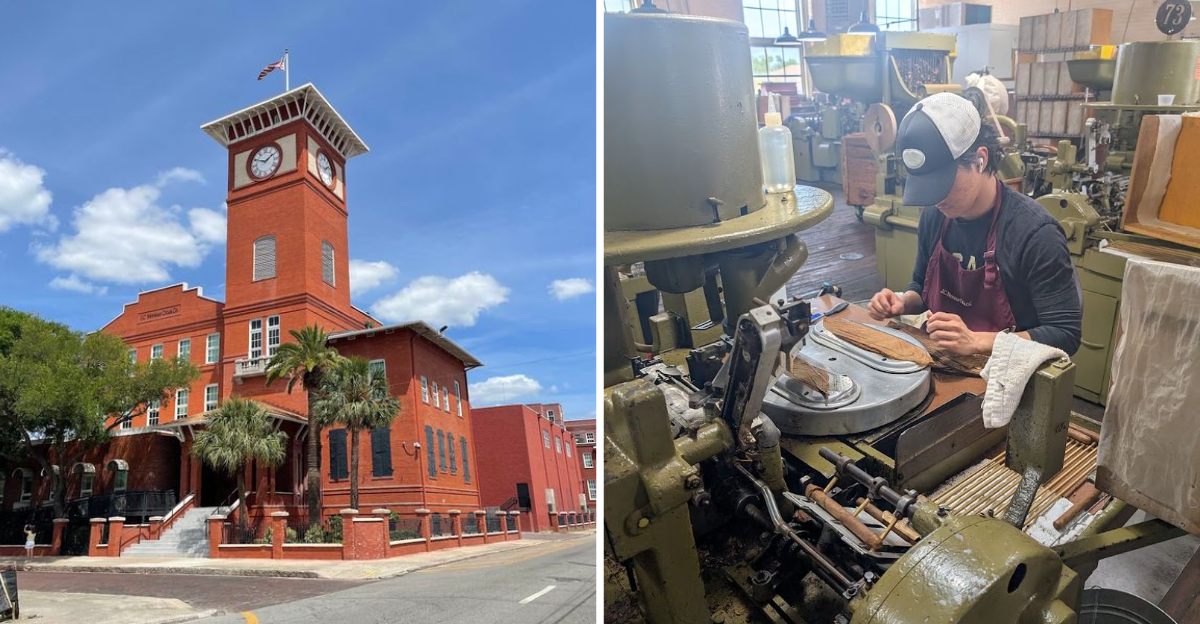
Tampa’s cigar-making legacy lives on at the J.C. Newman Cigar Company, where skilled artisans still roll premium cigars by hand just like they did over a century ago.
Tucked away in historic Ybor City, this family-owned factory has survived industry upheaval, changing tastes, and economic storms to remain America’s last standing large-scale cigar manufacturer. Walking through its doors feels like stepping into a time machine where tobacco leaves transform into masterpieces and the sweet aroma of aging cigars fills the air.
Whether you’re a lifelong aficionado or just curious about Tampa’s storied past, this working factory offers an unforgettable peek behind the curtain of a craft that refuses to fade away.
The El Reloj Factory Building: A Century-Old Architectural Gem
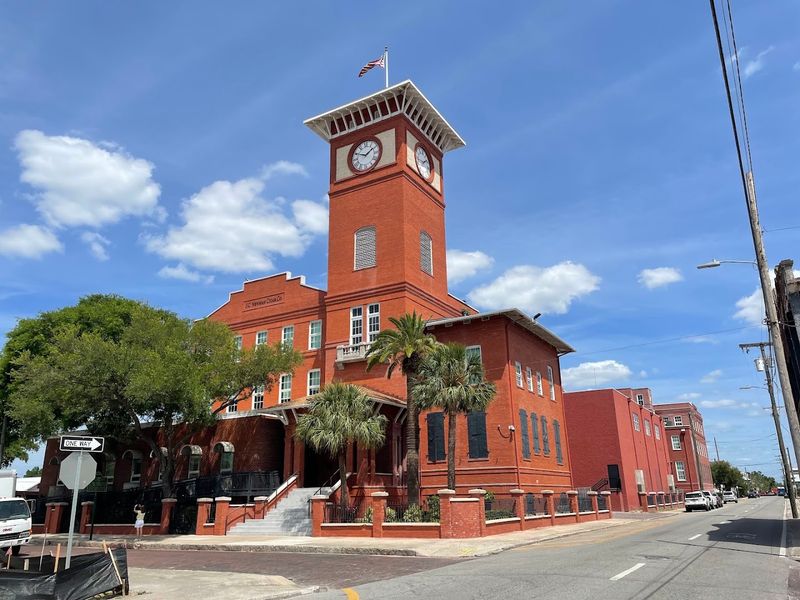
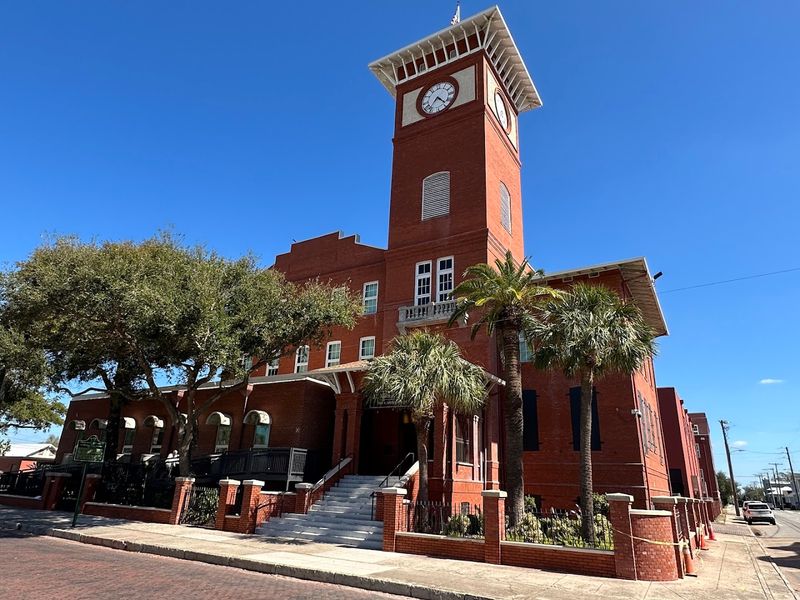
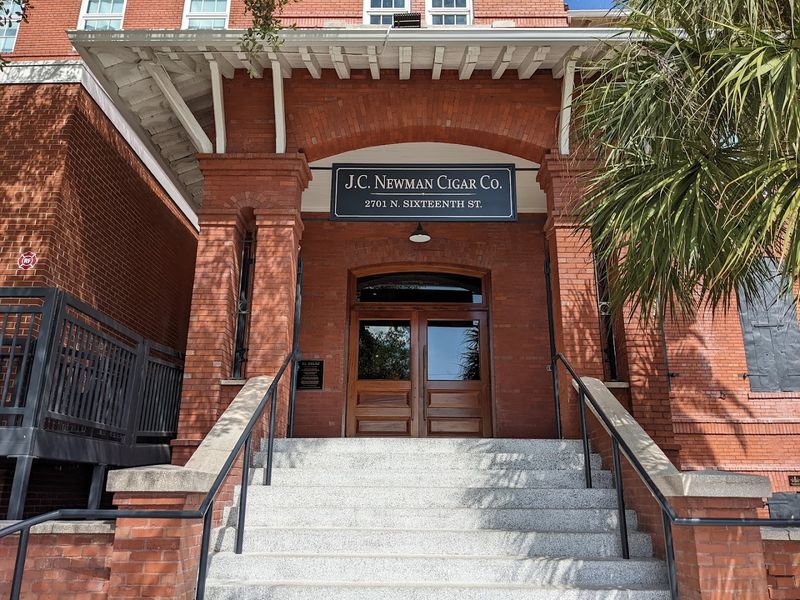
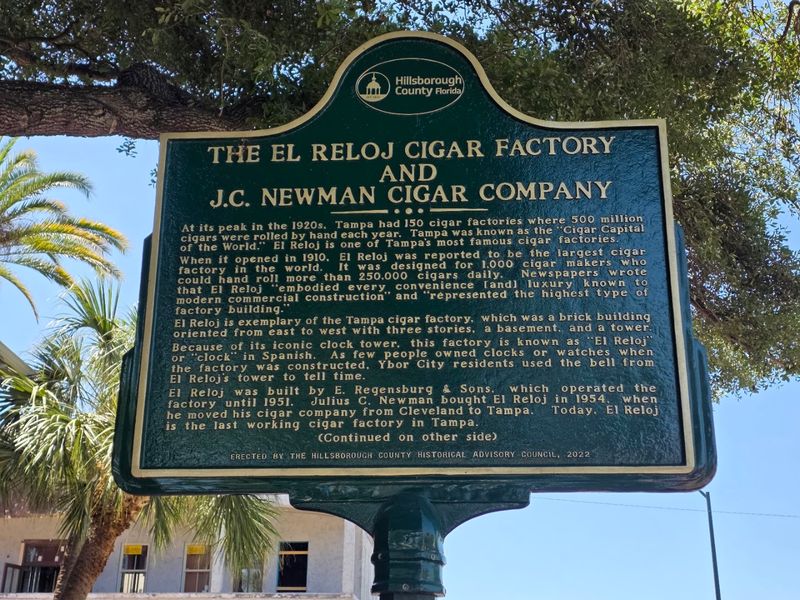
Standing tall at 2701 N 16th Street since 1910, the El Reloj factory building isn’t just a workplace—it’s a monument to Tampa’s golden age of cigar production. The name translates to “The Clock” in Spanish, referring to the distinctive clock tower that once helped workers track their shifts.
Back when Ybor City was churning out millions of cigars annually, this four-story brick beauty hummed with the energy of hundreds of rollers, packers, and craftspeople.
The Newmans rescued this crumbling treasure in 2007 and poured their hearts into a meticulous restoration. Original wooden beams, vintage machinery, and period details were carefully preserved, creating a living museum where history and production coexist beautifully.
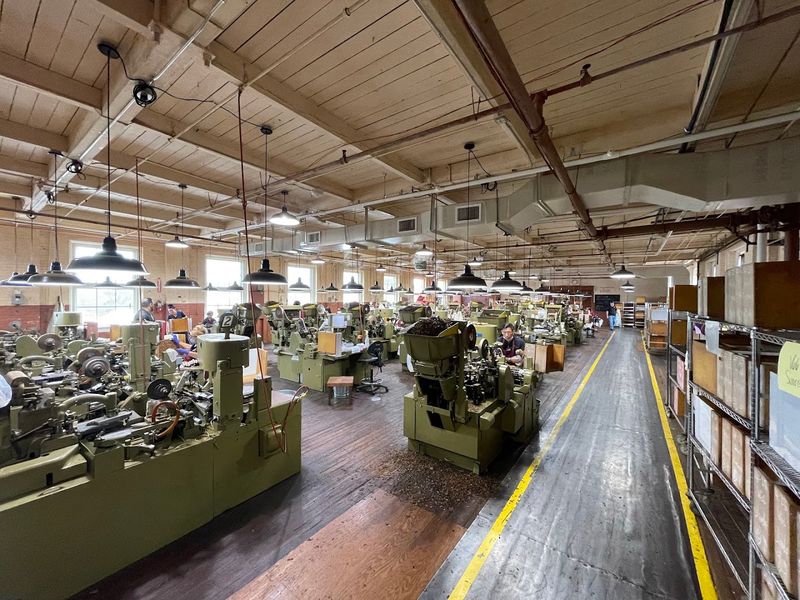
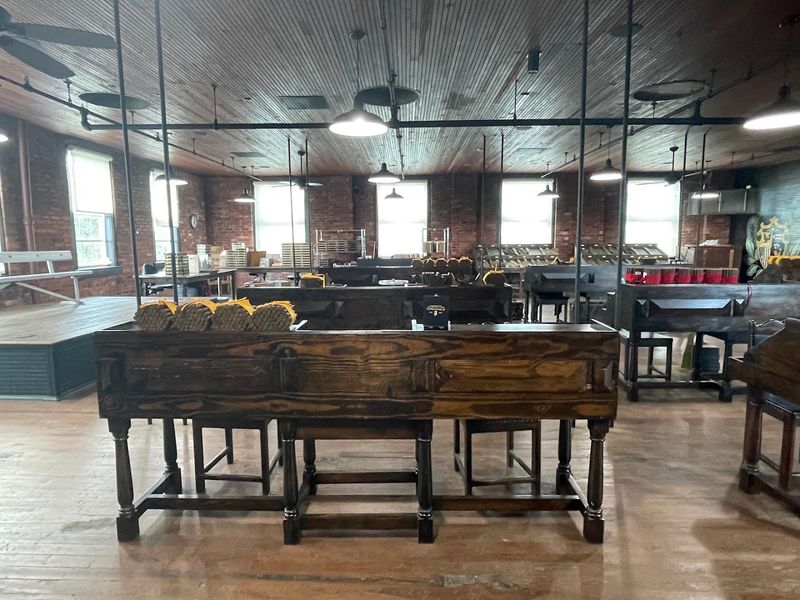
Natural light floods through massive windows that once provided illumination for hand-rollers before electric lighting became standard.
Today, the building operates exactly as it was designed to function. Upstairs, you’ll find modern hand-rollers crafting premium cigars in the same rooms where their predecessors worked generations ago.
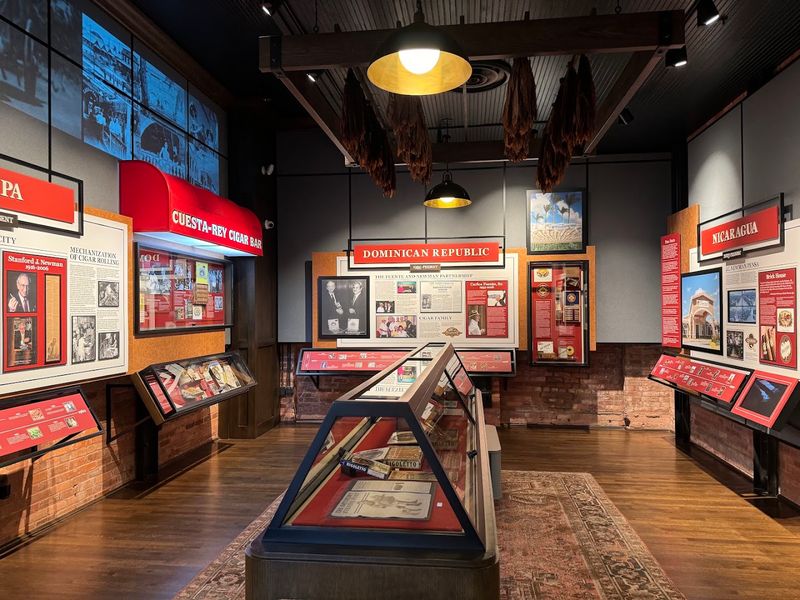
The ground floor houses a small museum packed with fascinating artifacts, vintage photographs, and cigar-making equipment that tells Tampa’s immigrant story through tobacco.
Visitors consistently rave about the building’s authentic atmosphere and careful preservation. Unlike sterile modern facilities, El Reloj maintains its soul—creaky wooden floors, exposed brick walls, and the lingering scent of aged tobacco create an immersive sensory experience.
The rooftop sign glows at night, serving as a beacon for cigar lovers and history buffs exploring the revitalized Ybor City neighborhood just blocks away from trendy restaurants and nightlife.
Factory Tours That Reveal Every Secret of Cigar Craftsmanship
For just fifteen bucks, you get a front-row seat to one of America’s last remaining cigar-making operations. These 75-minute guided tours take you through the entire production process, from raw tobacco leaves to finished cigars ready for your humidor.
Tour guide Holden gets mentioned by name in review after review for his encyclopedic knowledge, genuine warmth, and ability to make even non-smokers feel fascinated by the craft.
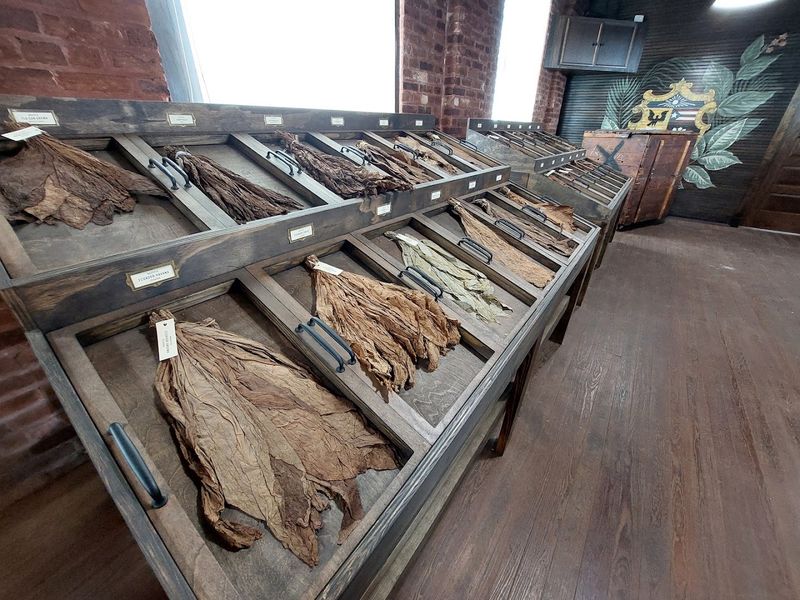
The journey starts in the aging room where massive bales of tobacco rest, developing the complex flavors that separate premium cigars from gas station smokes. Your guide explains how different leaves serve different purposes—wrapper, binder, and filler each play crucial roles.
Then you climb upstairs to watch actual hand-rollers at their benches, their fingers moving with practiced precision honed over decades of daily work.
What makes these tours special is the access you receive. You’re not peering through glass walls or watching from a distance—you walk right up to the rolling tables and observe skilled artisans who’ve been perfecting their craft for 20-plus years.
They’ll answer questions, demonstrate techniques, and share stories about learning their trade. Many employees are second or third-generation cigar workers whose families immigrated to Tampa specifically for these jobs.
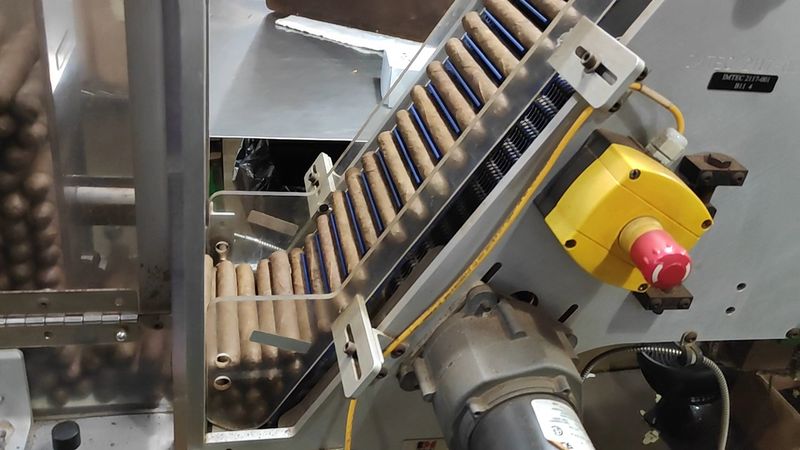
The tour also covers the semi-automated side of production, showing how machines assist with certain cigar lines while maintaining quality standards. You’ll visit the vault where finished cigars age in climate-controlled perfection, and explore the museum section filled with Newman family history and Tampa’s broader cigar heritage.
Tours run Monday through Friday during business hours, and advance booking is recommended since groups stay intentionally small for better interaction.
Hands-On Cigar Rolling Classes for First-Timers and Enthusiasts
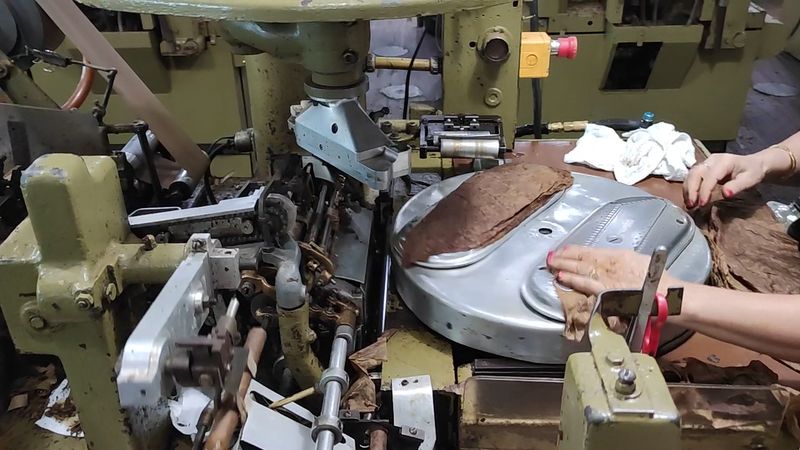
Ever wondered if you could roll your own stogie? The Newman factory offers cigar-rolling experiences that transform curious visitors into (somewhat) capable amateur torcedors.
Under Holden’s patient instruction, participants learn the surprisingly complex art of selecting leaves, judging moisture content, and rolling a smokeable cigar that won’t unravel in your hands.
The class happens right on the historic rolling floor where professionals work, giving you an authentic environment and the chance to appreciate just how skilled those career rollers truly are. What looks effortless when experts do it becomes humbling when you’re fumbling with delicate wrapper leaves that tear if you breathe on them wrong.
Most first-timers produce a lumpy, slightly crooked creation—but it’s YOUR lumpy, slightly crooked creation, and that makes it special.
Here’s the best part: you get to design custom bands for your handmade cigars and take them home in an elegant wooden box. These make fantastic conversation pieces and unique gifts for cigar-smoking friends or family members.
Even if your rolling skills need work, the personalized bands and presentation box elevate your amateur effort into something genuinely memorable and Instagram-worthy.
The experience typically runs about two hours and includes detailed instruction on tobacco selection, proper rolling technique, and the history behind different cigar shapes and sizes. You’ll gain massive respect for the professionals who can roll 100-plus perfect cigars daily while you struggle to complete one acceptable specimen.
Classes book up quickly, especially on weekends, so planning ahead is essential. Participants consistently describe the experience as fun, educational, and surprisingly challenging—exactly what makes it stick in your memory long after your vacation ends.
The On-Site Humidor and Gift Shop Packed with Premium Smokes
After your tour wraps up, resist the urge to leave immediately—the factory’s retail space deserves serious browsing time. The climate-controlled humidor stocks the full range of J.C.
Newman’s cigar brands at prices that beat most retail shops. You’re buying directly from the source with zero middleman markup, which means your wallet stays happier while your humidor gets stocked with quality sticks.
The knowledgeable staff can guide you through flavor profiles, strength levels, and which cigars pair best with bourbon versus rum. They’re not pushy salespeople but genuine enthusiasts who want you to find cigars you’ll actually enjoy.
Whether you’re a seasoned aficionado searching for rare limited editions or a curious beginner who needs recommendations, they’ll spend time answering questions without making you feel rushed or ignorant.
Beyond cigars themselves, the gift shop carries accessories that make perfect souvenirs or gifts. Think branded cutters, lighters, ashtrays, and apparel emblazoned with the Newman logo.
Many visitors mention grabbing t-shirts, hats, and other merchandise as mementos of their factory visit. The selection includes both practical smoking accessories and decorative items celebrating Tampa’s cigar heritage.
Sampler packs prove especially popular with tourists who want to try multiple Newman brands without committing to full boxes. These curated selections typically include cigars across different strength levels and flavor profiles, giving you a comprehensive introduction to the company’s offerings.
Staff members can also recommend local restaurants and bars where you can enjoy your purchases, since Florida’s indoor smoking laws mean you’ll need to find appropriate venues or outdoor spaces for lighting up your new acquisitions.
The Small Museum Chronicling Tampa’s Cigar City Glory Days
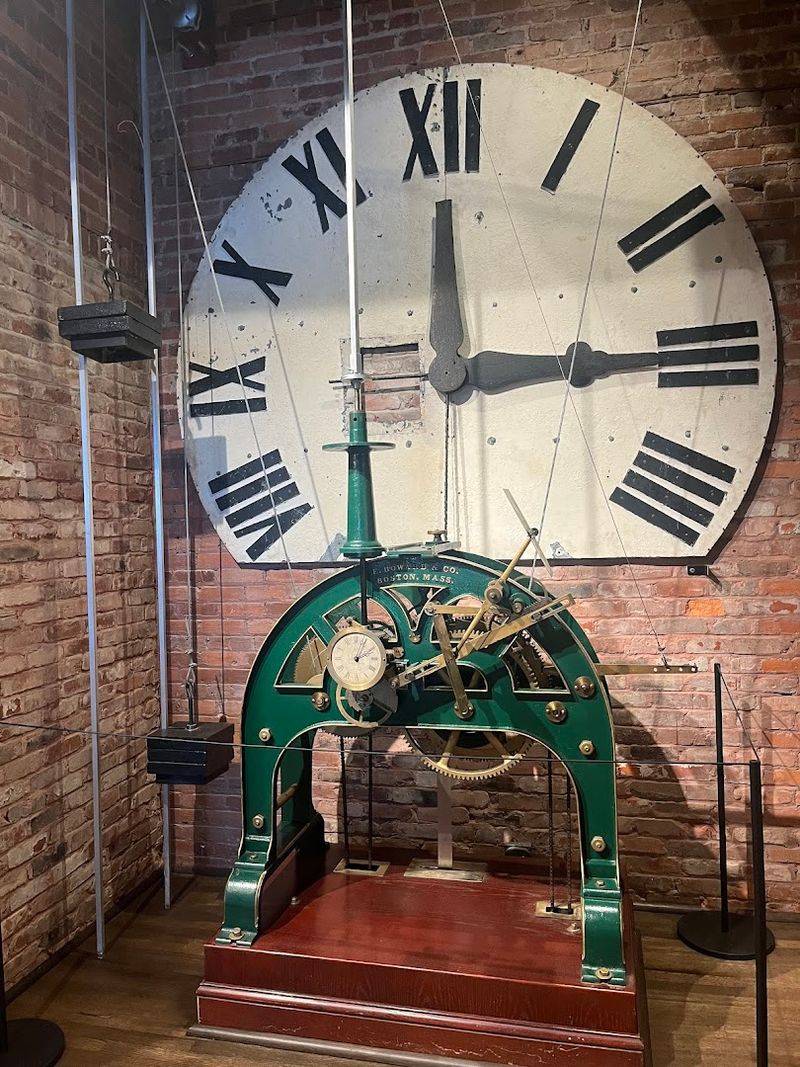
Tucked within the factory, a compact museum punches way above its weight in historical significance. Vintage photographs line the walls, showing Ybor City when it was the cigar capital of the world, producing more hand-rolled cigars than Havana itself.
These black-and-white images capture immigrant workers, bustling streets, and the cultural melting pot that made Tampa’s cigar industry unique.
Antique rolling equipment, wooden molds, and hand-operated presses demonstrate how the craft evolved before automation arrived. You’ll see the actual tools that generations of Cuban, Spanish, and Italian immigrants used to build new lives in Florida.
Display cases hold vintage cigar boxes with gorgeous lithographed labels, advertising materials from the early 1900s, and Newman family memorabilia spanning five generations of ownership.
One particularly fascinating exhibit covers the tradition of “lectores”—readers who sat on elevated platforms and read newspapers, novels, and political pamphlets aloud to workers as they rolled. This practice kept minds engaged during repetitive work and helped newly arrived immigrants improve their English and stay connected to world events.
The museum explains how this tradition strengthened worker solidarity and contributed to Tampa’s labor movement history.
Don’t rush through this section even though it’s small. The artifacts and stories provide crucial context that makes the active factory floor more meaningful.
Understanding how Tampa became Cigar City, why Cuban immigrants chose Florida, and how the industry survived Cuban embargo and changing smoking habits adds depth to everything else you experience. Lucky visitors might even encounter owner Eric Newman himself, who occasionally mingles with tour groups and shares family stories passed down through five generations of cigar making.
Meeting the Multi-Generation Newman Family Behind the Brand
Julius Caesar Newman founded this company in Cleveland back in 1895, but it’s the current generation—particularly Eric Newman and his family—who saved Tampa’s cigar heritage from extinction. When most American cigar manufacturers fled to cheaper labor markets overseas, the Newmans doubled down on domestic production and quality craftsmanship.
That decision preserved not just their business but an entire cultural tradition that might otherwise have disappeared.
Eric Newman isn’t some distant corporate figurehead—he’s genuinely hands-on and occasionally pops up during factory tours. Visitors consistently mention how personable and passionate he is about cigar history, Tampa’s immigrant heritage, and preserving traditional hand-rolling techniques.
He’ll chat about Rotary Club connections in Cuba, family decisions during industry crises, and why maintaining American production matters despite higher costs.
The family’s commitment extends beyond profit margins. They’ve invested millions into restoring the El Reloj factory when demolition would’ve been cheaper.
They maintain a workforce where employees stay for decades, creating multi-generational cigar-making families among their staff. This loyalty flows both directions—workers take genuine pride in the Newman name and the quality they produce.
What makes the Newman story compelling is their refusal to compromise. While competitors moved operations to the Dominican Republic, Honduras, or Nicaragua, the Newmans kept rolling cigars in Tampa.
They weathered the Cuban embargo, changing smoking regulations, and economic downturns by focusing on quality and heritage rather than chasing quick profits. Today, they’re reaping rewards as consumers increasingly value authenticity and American-made products.
Their story embodies immigrant success, family perseverance, and the power of staying true to your roots even when industry trends push elsewhere.
Watching Master Hand-Rollers Practice Their Vanishing Craft
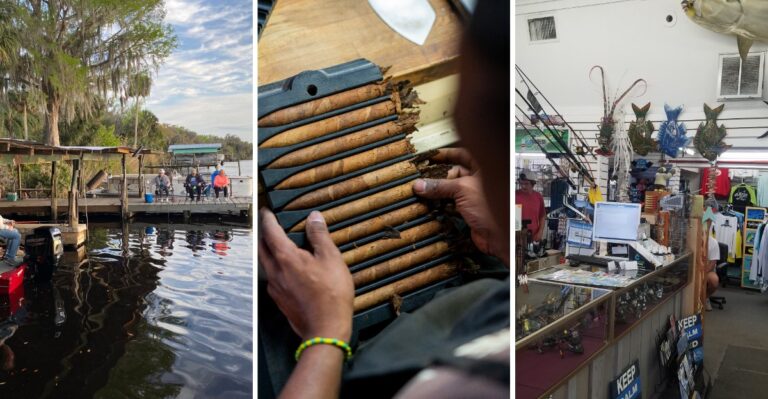
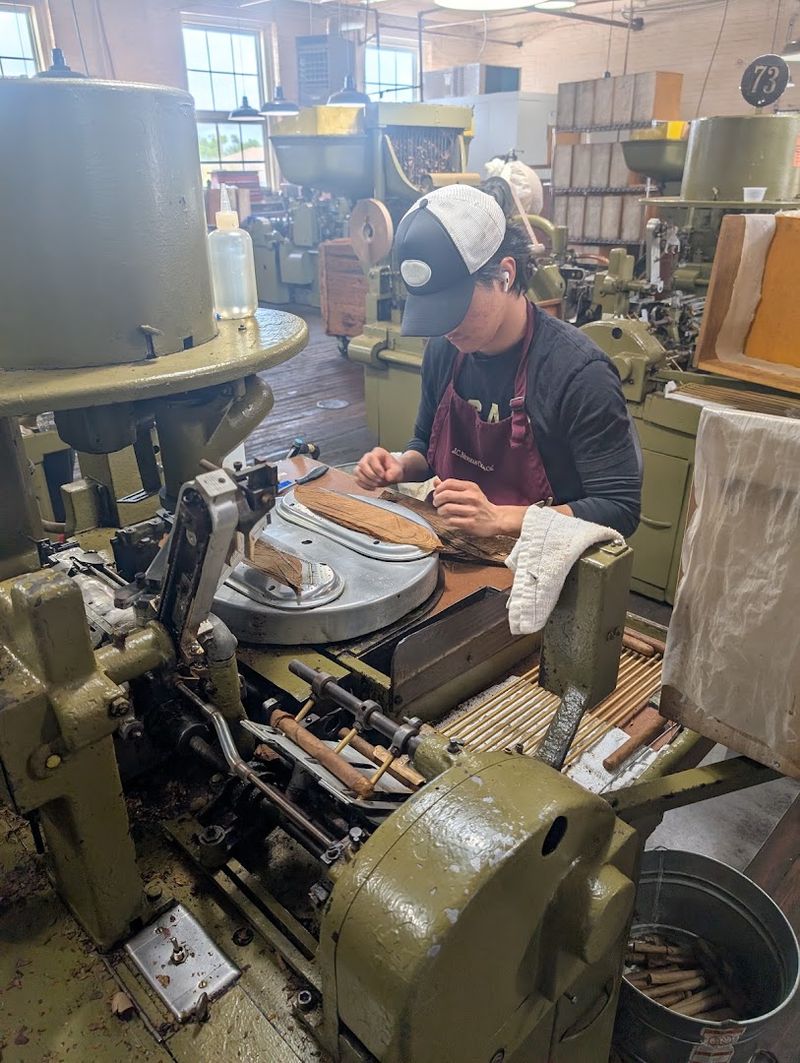
Climb the wooden stairs to the rolling floor and prepare for a masterclass in hand-eye coordination you’ll never match. Seated at traditional wooden benches, veteran torcedors transform humble tobacco leaves into perfectly cylindrical works of art with movements so fluid they seem choreographed.
Their fingers dance across wrapper leaves, tucking and rolling with zero wasted motion—the result of tens of thousands of repetitions over decades of daily practice.
These aren’t actors performing for tourists. They’re career craftspeople producing cigars that will actually be sold, and their pace never slows despite curious onlookers.
Most rollers at Newman have been perfecting their craft for 20-plus years, with some approaching 40 years of experience. Many learned from parents or grandparents who also rolled cigars, making them living links to Tampa’s immigrant past.
Watch closely and you’ll notice each roller has slightly different techniques and rhythms. Some work faster, others more deliberately.
Some chat with neighbors while rolling, others maintain focused silence. But the end product maintains consistent quality—that’s the mark of true mastery.
A skilled roller can produce 100 to 150 cigars daily, each one meeting strict quality standards for draw, burn, and appearance.
The sobering reality is that this craft is vanishing. Young people aren’t lining up to learn hand-rolling when easier careers beckon.
The artisans working at Newman today represent a dying breed, making your visit more than entertainment—it’s witnessing living history before it disappears. The factory actively trains new rollers to preserve these skills, but finding candidates willing to commit years to apprenticeship grows harder each year.
That’s why the Newmans opened their doors to tours: they want people to appreciate this craft before it’s too late.
The Outdoor Patio Perfect for Enjoying Fresh Purchases
Florida’s strict indoor smoking laws mean you can’t light up inside the factory, but Newman thoughtfully provides a pleasant outdoor patio where you can enjoy your purchases immediately. After buying cigars from the humidor, step outside to shaded seating areas designed specifically for smoking and relaxation.
It’s the perfect spot to test-drive your new acquisitions while the factory experience stays fresh in your mind.
The patio offers comfortable seating with views of the beautifully restored factory exterior. On pleasant days—which Tampa delivers most of the year—it’s genuinely enjoyable to sit outside, puff on a hand-rolled cigar, and reflect on everything you just learned.
The setting feels worlds away from parking lot smoking areas at airports or hotel loading docks where smokers typically get banished.
This outdoor space also serves as a social hub where fellow cigar enthusiasts strike up conversations. You’ll meet locals who regularly visit the factory, tourists from around the country, and occasionally even staff members taking breaks.
These impromptu interactions often yield great recommendations for other Tampa attractions, cigar-friendly restaurants, and local spots that welcome smokers without making them feel like pariahs.
The patio sees heavy use during special events like the annual Founder’s Day celebration mentioned in reviews. These gatherings feature food vendors, games, and cigar specials that draw crowds of aficionados to the factory grounds.
Even on regular weekdays, though, the outdoor area provides a welcoming environment that extends your visit beyond just the tour and shopping. Bring sunglasses and sunscreen if you’re visiting during summer months—Florida sun shows no mercy even in shaded areas.
The factory’s location in Ybor City also means you’re within walking distance of Cuban restaurants, craft breweries, and historic sites worth exploring after your cigar break.
Convenient Weekday Hours and Easy Access from Ybor City
The factory operates Monday through Friday from 9 AM to 5 PM, making it accessible for both locals and tourists planning weekday activities. Weekend warriors should note that tours don’t run on Saturdays or Sundays—this is an active production facility, not a theme park, so visiting hours align with actual work schedules.
That said, several reviewers mention scoring rare Saturday tour opportunities during special events, so checking the website or calling ahead might occasionally yield weekend options.
Located at 2701 N 16th Street, the factory sits in the heart of Ybor City’s historic district. This neighborhood, once known as the cigar capital of the world, has transformed into Tampa’s premier entertainment and dining destination while maintaining its historical character.
Brick streets, vintage architecture, and Cuban heritage create an atmosphere that perfectly complements your factory visit.
Parking is generally available near the factory, though Ybor City can get congested during evening hours and special events. Arriving earlier in the day typically means easier parking and potentially smaller tour groups.
The factory’s central location makes it simple to combine your visit with lunch at legendary spots like Columbia Restaurant (Florida’s oldest restaurant) or the Flan Factory, which Newman staff apparently recommend for authentic Cuban sandwiches.
Getting there from other Tampa areas is straightforward via major roads, and the factory is roughly 15-20 minutes from Tampa International Airport—making it feasible even if you’re just passing through town. Several reviewers mention stopping by between flights or on their way out of Tampa, suggesting the factory works well as either a destination unto itself or part of a broader Tampa/Ybor City exploration.
Calling ahead at 813-248-2124 to confirm tour availability and book your spot is strongly recommended, especially during peak tourist seasons when slots fill quickly.
Premium Newman Cigar Brands from The American to Brickhouse
J.C. Newman produces multiple cigar lines that cater to different tastes, experience levels, and budgets.
The American, mentioned specifically in reviews, represents their patriotic line emphasizing domestic production and traditional American tobacco blends. These cigars appeal to smokers who value heritage and want to support American manufacturing while enjoying quality smokes that won’t destroy your budget.
Brickhouse is another Newman favorite that delivers robust flavor at accessible prices. This line earned its name from the sturdy, reliable construction that makes each cigar burn evenly and draw smoothly—fundamental qualities that separate good cigars from frustrating ones.
Brickhouse cigars work well for everyday smoking rather than just special occasions, giving you premium experience without premium guilt about the cost.
Beyond these flagship brands, Newman produces numerous other lines including Diamond Crown (their ultra-premium offering), Perla del Mar, and Quorum. Each brand targets different segments of the cigar market, from beginners exploring the hobby to seasoned aficionados seeking rare, aged tobaccos.
The factory’s diverse portfolio means almost any visitor can find something matching their preferences and price point.
What distinguishes Newman cigars is consistent quality control and traditional production methods. Even their more affordable lines maintain standards that many competitors can’t match at similar prices.
The company’s longevity—over 125 years in business—stems partly from refusing to cut corners or chase trends. They stick with proven tobacco sources, time-tested blends, and skilled rollers who understand that reputation matters more than quarterly profits.
During your factory visit, staff can guide you toward brands matching your taste preferences. If you enjoy mild, creamy smokes, they’ll steer you differently than if you crave full-bodied, peppery cigars.
This personalized service beats browsing random cigar shops where employees may know little about what they’re selling. Plus, buying directly from the factory often means accessing special releases or limited editions before they reach wider distribution.
Special Events Including the Annual Founder’s Day Celebration
Beyond daily tours, the Newman factory hosts special events that draw cigar lovers from across Florida and beyond. The annual Founder’s Day celebration stands out as a highlight, featuring Cuban sandwich eating contests, food vendors, games for all ages, and special cigar releases.
These gatherings transform the factory grounds into festival spaces where Tampa’s cigar heritage gets celebrated with food, music, and plenty of premium smoke.
The Cigar Authority’s 16th anniversary weekend, mentioned in reviews, showcases how the factory serves as a gathering place for the broader cigar community. These multi-day events might include special tastings, meet-and-greets with industry figures, rolling demonstrations, and access to rare cigars not available to the general public.
Attending one of these events offers networking opportunities with fellow enthusiasts and deeper immersion into cigar culture than standard tours provide.
The factory also hosts private events, corporate gatherings, and group tours that can be customized based on size and interests. Rotary clubs, business groups, and tourist organizations have all booked special experiences that combine factory tours with cigar rolling classes or tasting sessions.
These private bookings allow for more flexible scheduling and personalized attention than drop-in visits.
Checking the factory’s website or social media channels before your Tampa trip might reveal upcoming events worth timing your visit around. While regular tours offer great value, special events provide unique experiences and festive atmospheres that elevate the visit from educational to memorable.
The family-friendly nature of events like Founder’s Day also makes them suitable for mixed groups where not everyone smokes but everyone can enjoy food, games, and Tampa’s cultural heritage. Just remember that popular events require advance registration since capacity is limited and demand runs high among the local cigar community.
Why This Factory Matters Beyond Just Making Great Cigars
Strip away the tours, retail sales, and tourist appeal—what you’re really experiencing at J.C. Newman is cultural preservation in action.
This factory represents the last major American cigar manufacturer still producing in the United States at scale. When this operation eventually closes, an entire chapter of American industrial and immigrant history closes with it.
That’s not melodrama; it’s reality in an industry that has almost completely moved offshore.
Tampa’s transformation into Cigar City happened because Cuban, Spanish, and Italian immigrants brought their rolling skills to Florida in the late 1800s. These workers built thriving communities in Ybor City, establishing mutual aid societies, restaurants, social clubs, and cultural institutions that shaped Tampa’s identity.
The cigar factories provided economic foundations that allowed immigrant families to achieve the American dream while maintaining connections to their heritage.
J.C. Newman’s survival preserves not just jobs but living links to that immigrant experience.
The employees rolling cigars today often descend from those original immigrant workers, making them walking embodiments of generational success stories. When you watch them work, you’re not seeing a quaint demonstration—you’re witnessing the continuation of family traditions that span more than a century.
The factory’s educational mission extends beyond entertainment. By opening their doors to thousands of visitors annually, the Newmans ensure that Tampa’s cigar history doesn’t fade into obscurity.
School groups, historians, and curious tourists all leave with greater appreciation for how immigrants built American industries through skilled craftsmanship and stubborn perseverance. That’s why even non-smokers consistently rate the tour as worthwhile—the human stories and historical significance transcend whether you personally enjoy cigars.
In an era of globalization and automation, J.C. Newman stands as a testament to the enduring value of tradition, quality, and keeping American manufacturing alive.