This Florida Museum Combines Science, Nature, and History Under One Roof
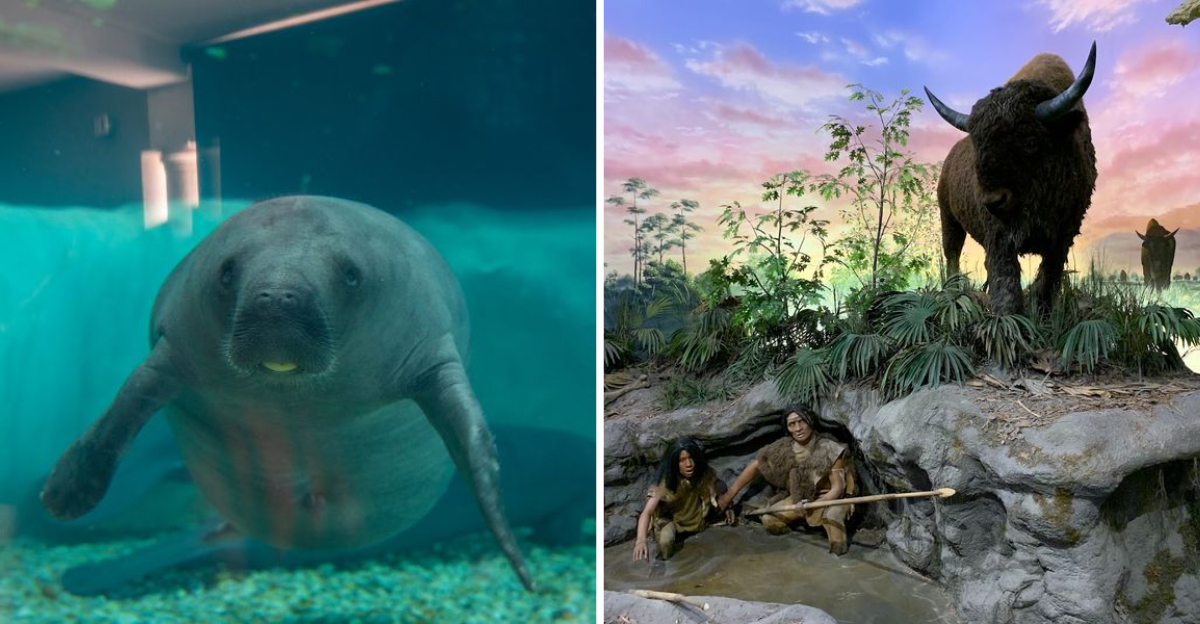
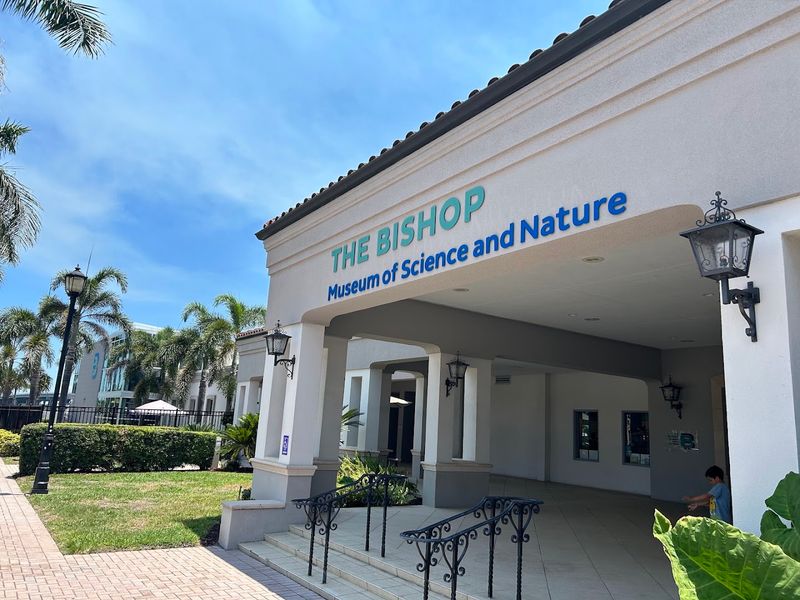
The Bishop Museum of Science and Nature in Bradenton offers an unforgettable journey through Florida’s remarkable past and vibrant natural world. As the largest natural and cultural history museum on Florida’s Gulf Coast, it brings together fascinating exhibits on prehistoric life, archaeology, space exploration, wildlife, and regional history all under one roof.
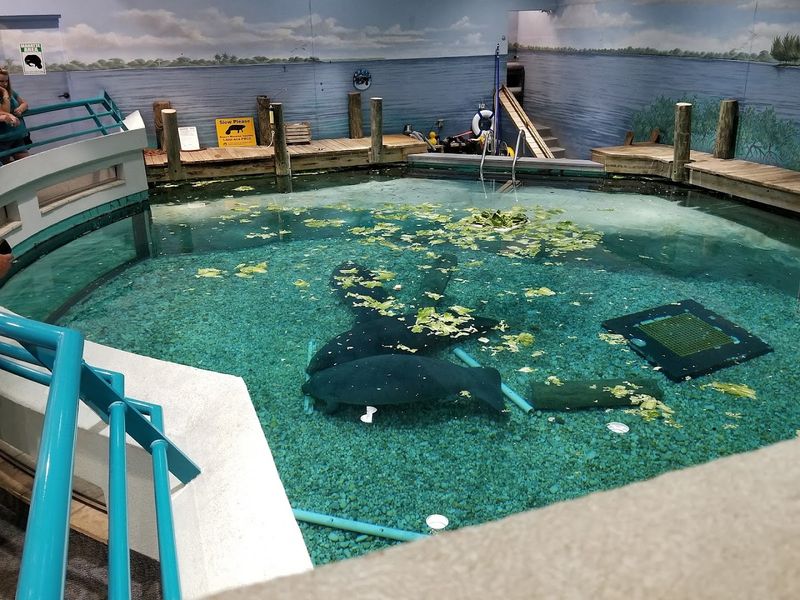
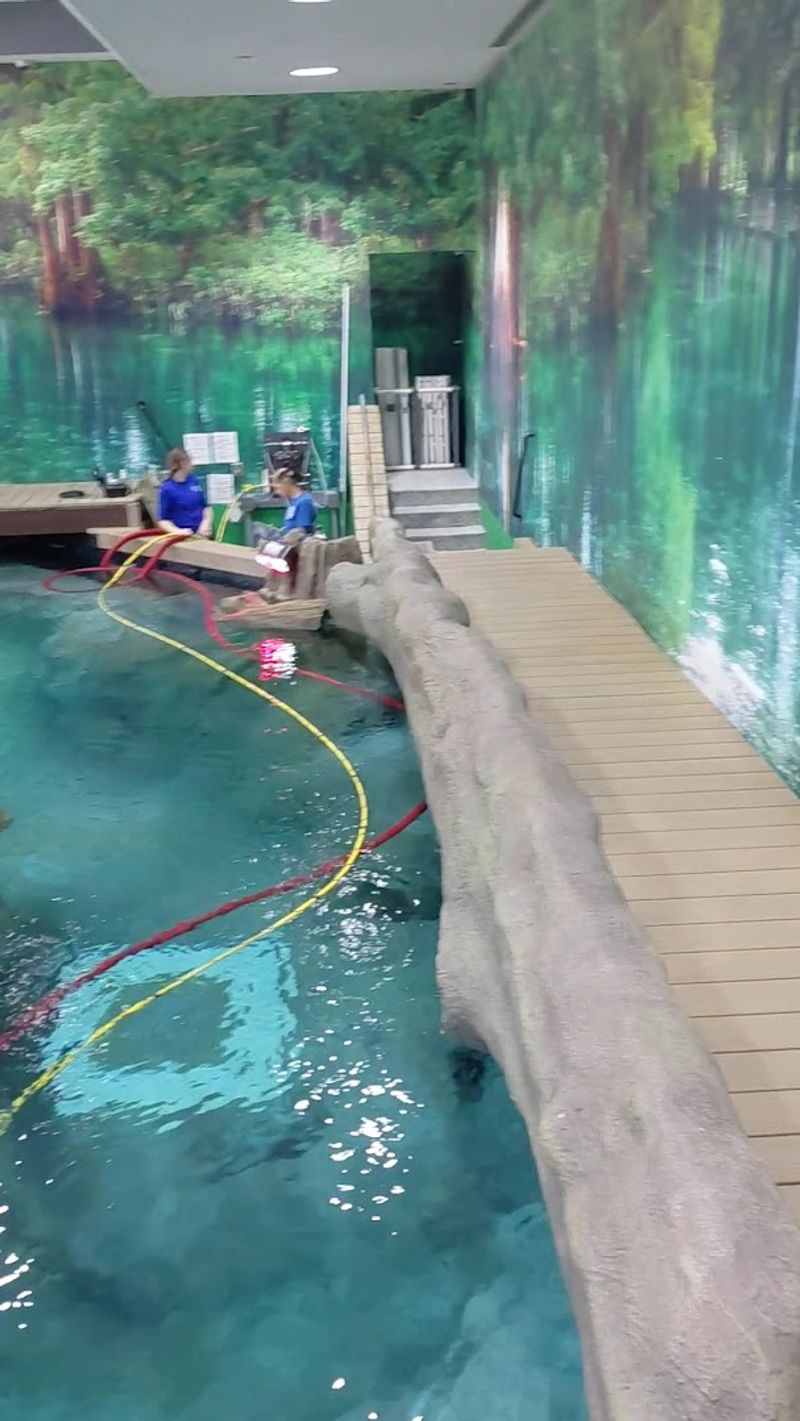
Visitors can explore towering fossil displays, discover the stories of Florida’s earliest inhabitants, enjoy interactive science exhibits, and experience immersive planetarium shows. The museum is also home to the Parker Manatee Rehabilitation Habitat, where rescued manatees receive care before returning to the wild.
Whether you’re traveling with family, exploring on your own, or simply curious about Florida’s rich heritage, The Bishop Museum of Science and Nature delivers an educational and engaging experience that appeals to visitors of all ages.
Rescued Manatees Living Their Best Rehabilitation Life
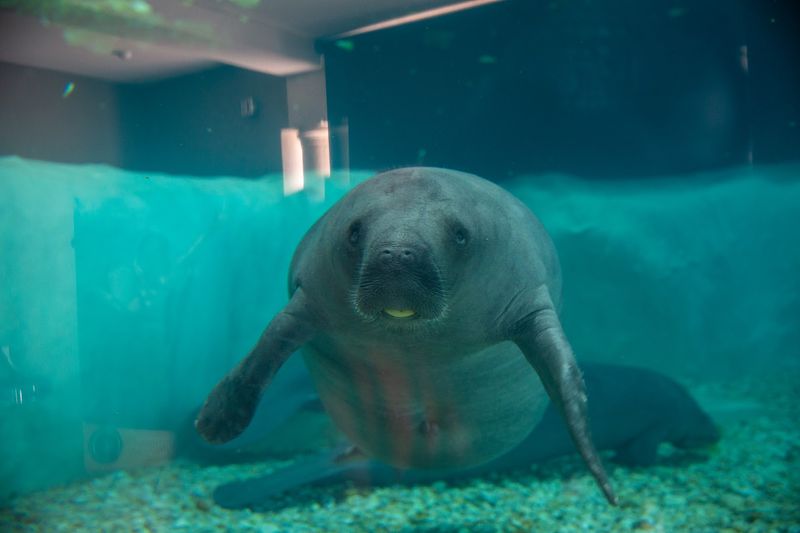
Two resident manatees call this museum home while they heal and prepare for their eventual return to Florida’s waterways. Watching these gentle giants glide past the viewing windows creates an instant connection that no textbook could ever match.
Staff members stationed near the exhibit share the rescue stories behind each manatee, explaining exactly what brought them here and what needs to happen before they can swim free again.
The rehabilitation area gives you a front-row seat to conservation in action. These aren’t just display animals living out their days in captivity.
They’re patients on a journey back to the wild, and you get to witness that process firsthand. The curious manatees often swim right up to the glass, seemingly as interested in observing humans as we are in watching them.
What makes this exhibit truly special is the personal interaction available. Real people stand ready to answer your questions, share updates on the manatees’ progress, and explain the broader challenges facing these vulnerable creatures.
You’ll learn about boat strikes, cold stress, and the ongoing efforts to protect Florida’s official marine mammal. Kids press their hands against the glass while adults find themselves surprisingly moved by these thousand-pound sweethearts.
Plan to spend solid time here because the manatees have a way of holding your attention. Their slow, graceful movements create a calming effect that contrasts beautifully with the energy of the rest of the museum.
Even if the manatees happen to be temporarily relocated for medical care, the exhibit space itself tells their compelling story through photographs, videos, and detailed information about manatee biology and conservation efforts throughout Florida’s coastal waters.
A Planetarium That Makes You Forget You’re Still on Earth
Stepping into the planetarium feels like boarding a spacecraft bound for destinations beyond our atmosphere. The dome overhead transforms into a window to the universe, wrapping you in visuals so convincing that several visitors report feeling genuinely motion sick during shows like “Mars: The Ultimate Voyage.” That’s not a complaint, by the way.
It’s proof that the technology here creates an experience intense enough to trick your inner ear into believing you’re actually traveling through space.
Multiple shows run throughout the day, all included with your admission ticket. No additional fees, no complicated scheduling, just show up and pick your cosmic adventure.
The programming ranges from educational journeys through our solar system to laser light shows set to music that appeal to different age groups and interests. Comfortable seating makes even the longest presentations feel like they fly by, though you might want to skip that extra coffee if you’re prone to motion sensitivity.
The planetarium represents old-school museum magic enhanced by modern technology. Instead of relying on screens and digital displays scattered throughout the building, the museum saves its high-tech wizardry for this dedicated space where it creates maximum impact.
Families with space-obsessed kids find this area particularly valuable, but adults without children report being equally captivated by the astronomical presentations.
Shows typically last around 45 minutes, giving you plenty of time to explore other exhibits between presentations. Check the daily schedule when you arrive so you can plan your visit around the shows that interest you most.
The planetarium staff keeps the space impressively clean and well-maintained, though some visitors mention strong air freshener scents that might bother those with fragrance sensitivities.
Florida’s Native Peoples Get the Spotlight They Deserve
Most Florida museums give Native history a quick nod before rushing toward Spanish explorers and modern development. Not here.
The Bishop dedicates significant space to showing exactly how indigenous peoples lived in this region, with detail that brings their daily existence into sharp focus. These aren’t generic displays that could apply to any Native group anywhere.
The exhibits specifically highlight the unique cultures that developed in Florida’s particular environment.
Beautifully crafted dioramas transport you back centuries. You’ll see how people adapted to Florida’s climate, what they ate, how they built their homes, and the sophisticated societies they created long before European contact.
The level of detail in these displays reflects genuine respect for the subject matter rather than treating it as a brief historical footnote. Artifacts, tools, and artwork tell stories about real people who thrived in this landscape.
What strikes many visitors is how these exhibits connect Florida’s natural history with its human history. You begin to understand how the same ecosystems that support today’s wildlife also sustained complex human societies for thousands of years.
The museum doesn’t romanticize or oversimplify. It presents Native peoples as the innovative, adaptive cultures they were, with their own technologies, trade networks, and environmental knowledge.
This section pairs perfectly with the natural history exhibits throughout the building. After learning about Florida’s plants, animals, and geography, seeing how humans wove themselves into that same ecosystem adds another layer of appreciation.
Teachers bringing student groups find these displays particularly valuable for Florida history curriculum, but they resonate just as strongly with adult visitors who realize how much of this story they never learned in school.
Prehistoric Florida Comes Alive Through Fossils and Dioramas
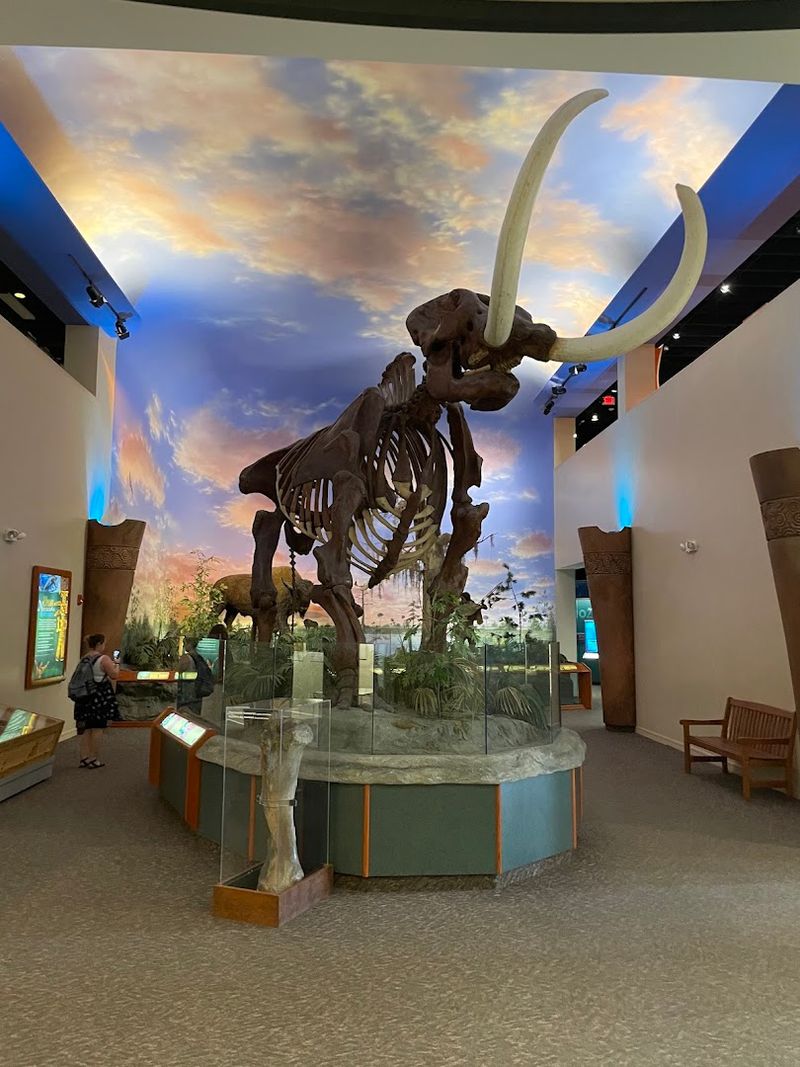
A massive mastodon greets you right after you pass the ticket booth, setting the tone for everything that follows. Staff members often pause to share facts about this impressive specimen, turning what could be a simple photo opportunity into an impromptu paleontology lesson.
Florida’s prehistoric past gets full treatment here, with fossils and displays that reveal a landscape dramatically different from today’s beaches and theme parks.
The fossil collection showcases creatures that once roamed this peninsula when it looked nothing like the Florida we know. Giant ground sloths, saber-toothed cats, and ancient horses all left their marks in Florida’s fossil record, and the museum brings them back to life through thoughtfully designed exhibits.
You’ll discover that Florida spent long periods underwater, explaining the abundance of marine fossils found throughout the state.
Dioramas throughout this section demonstrate the museum’s commitment to traditional display methods that encourage close observation rather than passive screen-watching. Each scene invites you to look carefully, notice details, and take your time absorbing information.
This approach feels refreshingly different in an era when many museums chase every digital trend. The classic museum aesthetic here isn’t outdated; it’s intentional and effective.
Kids particularly love the hands-on elements scattered throughout the prehistoric exhibits. Touchable specimens let them connect physically with ancient history, while the visual displays capture their imagination.
Parents appreciate that the information is presented at a level their children can understand without being dumbed down so much that adults lose interest. The balance keeps entire families engaged as they explore Florida’s deep past together, discovering that this sunny vacation destination has a wild backstory that predates humans by millions of years.
Hands-On Discovery Areas Where Touching Is Actually Encouraged
Here’s something unexpected: you can touch a 7,000-year-old meteorite. Not a replica.
Not a model. An actual chunk of space rock that’s been hurtling through the cosmos longer than human civilization has existed.
That single tactile experience captures what makes the Bishop’s interactive areas so memorable. They trust visitors with genuine artifacts and create opportunities for physical connection with science and nature.
The dedicated play area for younger children goes beyond the typical museum kids’ corner. A tree house structure invites climbing and exploration, while various stations encourage hands-on experimentation with scientific concepts.
Story time sessions like “Tales Under the Tree” add programming that makes repeat visits worthwhile. Craft activities tied to current exhibits, such as manatee-themed projects, help children process what they’re learning through creative expression.
Interactive carts appear throughout the museum, staffed by knowledgeable volunteers ready to demonstrate concepts and answer questions. These aren’t passive displays with buttons to push.
They’re opportunities for genuine interaction with people who love sharing their knowledge. The personal touch transforms a self-guided museum visit into something more dynamic and memorable.
You’ll find yourself stopping to chat, ask questions, and learn things you didn’t know you wanted to know.
Even exhibits that aren’t specifically designed as hands-on still encourage active engagement rather than passive observation. The museum’s philosophy seems to be that people learn better when they’re doing something rather than just reading labels.
This approach works equally well for energetic kids who need to move and touch, and for adults who retain information better through multiple sensory channels. The result is a museum experience that feels participatory rather than spectatorial, keeping energy levels high throughout your visit.
Classic Museum Design That Celebrates Observation Over Technology
Walk into most modern museums and you’re immediately surrounded by screens, apps, and interactive digital displays competing for your attention. The Bishop takes a different path.
Except for the planetarium, this museum deliberately embraces traditional exhibit design that invites you to slow down, look closely, and actually read the information presented. It’s not behind the times.
It’s making a conscious choice about how people learn best.
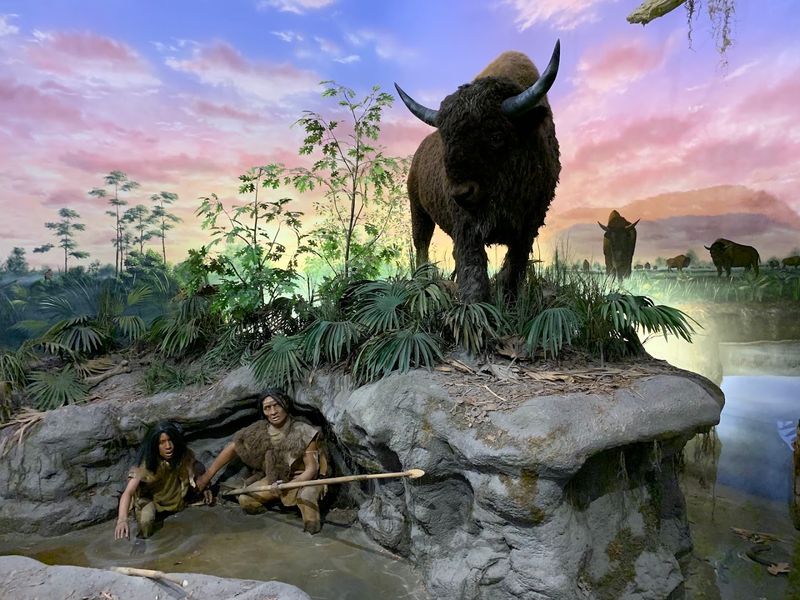
The extensive use of dioramas throughout the building creates windows into different worlds. These carefully crafted three-dimensional scenes capture moments in time with an artistry that flat screens can’t replicate.
You can stand in front of a diorama and notice something new each time you look. The depth, the detail, the lighting all work together to create an immersive experience without requiring any technology beyond skilled craftsmanship and thoughtful design.
This old-school approach resonates particularly strongly with visitors who remember when all museums looked like this. There’s something comforting and nostalgic about exhibits that don’t beep, flash, or require charging.
But younger visitors raised on digital everything also respond positively, often surprised to discover how engaging traditional displays can be when executed this well. The museum proves that classic doesn’t mean boring or outdated.
The thoughtful, unhurried atmosphere this creates stands in sharp contrast to the sensory overload of many modern attractions. You can take your time here without feeling like you’re missing something happening on a screen across the room.
Families report that this environment actually helps kids focus better because there’s less competition for their attention. The exhibits invite contemplation rather than rapid consumption, making the Bishop feel like a genuine educational experience rather than entertainment dressed up as learning.
Downtown Bradenton Location Makes This Museum Extra Accessible
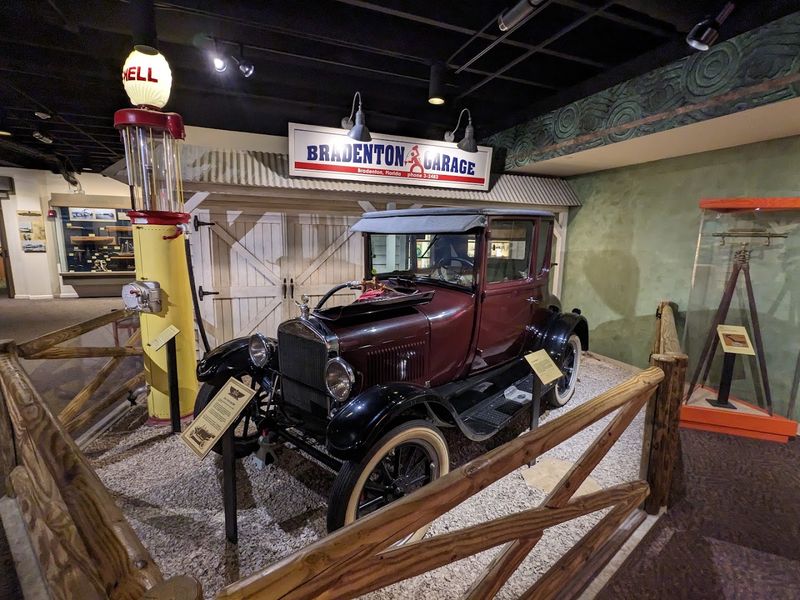
Finding this museum couldn’t be easier. Located right downtown at 201 10th Street West, it sits directly across from the Bradenton Police Department, giving you a landmark that’s hard to miss.
Street parking exists but fills quickly, so most visitors opt for the large parking structure right next door. That garage offers plenty of spaces and charges nothing, removing one of the usual headaches associated with downtown destinations.
You can focus on your visit instead of feeding meters or worrying about tickets.
The museum opens at 10 AM Tuesday through Saturday, and at noon on Sundays. Monday is their day off, so plan accordingly.
They stay open until 5 PM most days, giving you a solid window to explore without feeling rushed. Most visitors report spending between two and four hours here, depending on how many planetarium shows they catch and how thoroughly they explore each section.
That timing makes it perfect for a morning or afternoon adventure that doesn’t consume your entire day.
The downtown Bradenton location puts you within walking distance of other attractions once you finish at the museum. The harbor sits nearby, offering waterfront views and a pleasant stroll.
The city has been actively working to make this area more inviting, with visible improvements that enhance the overall experience. While the neighborhood is safe and welcoming, like any urban area, stay aware of your surroundings, particularly around the parking garage.
Staff and volunteers consistently earn praise for their friendliness and knowledge. From the moment you walk through the door, smiling faces greet you and offer assistance.
The facilities stay remarkably clean, including the restrooms, which matters more than you might think during a several-hour visit. Admission prices remain reasonable, with student discounts available and occasional promotions that make it even more accessible for families watching their budgets.