This Fascinating Florida Trail Leads Through an Abandoned Ghost Town
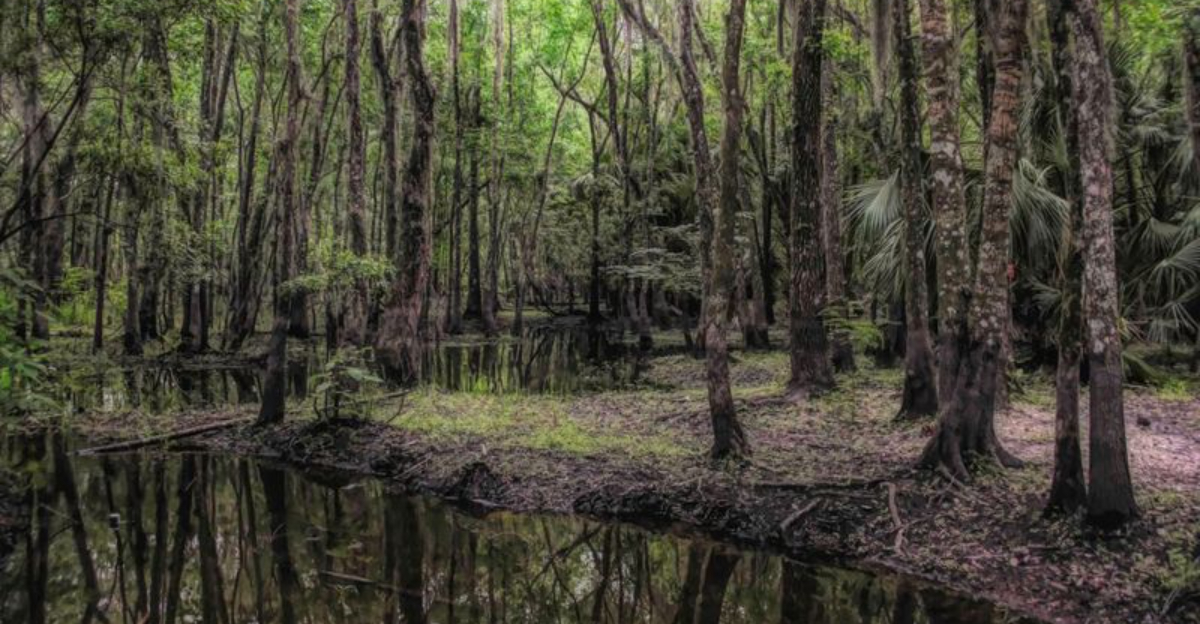
Deep in the Ocala National Forest near DeLand, a nearly 8-mile hiking trail winds through towering trees and wild Florida ecosystems before reaching the ruins of St. Francis, a forgotten settlement that once thrived along the St. Johns River. The St. Francis Yellow Trail offers adventurous hikers a journey back in time, where nature has reclaimed what was left behind by early settlers. While the trail presents some challenges including seasonal bugs and muddy patches, the reward of discovering this ghost town site makes it a bucket-list hike for anyone fascinated by Florida’s hidden history.
1. A Journey Through Wild Florida Ecosystems
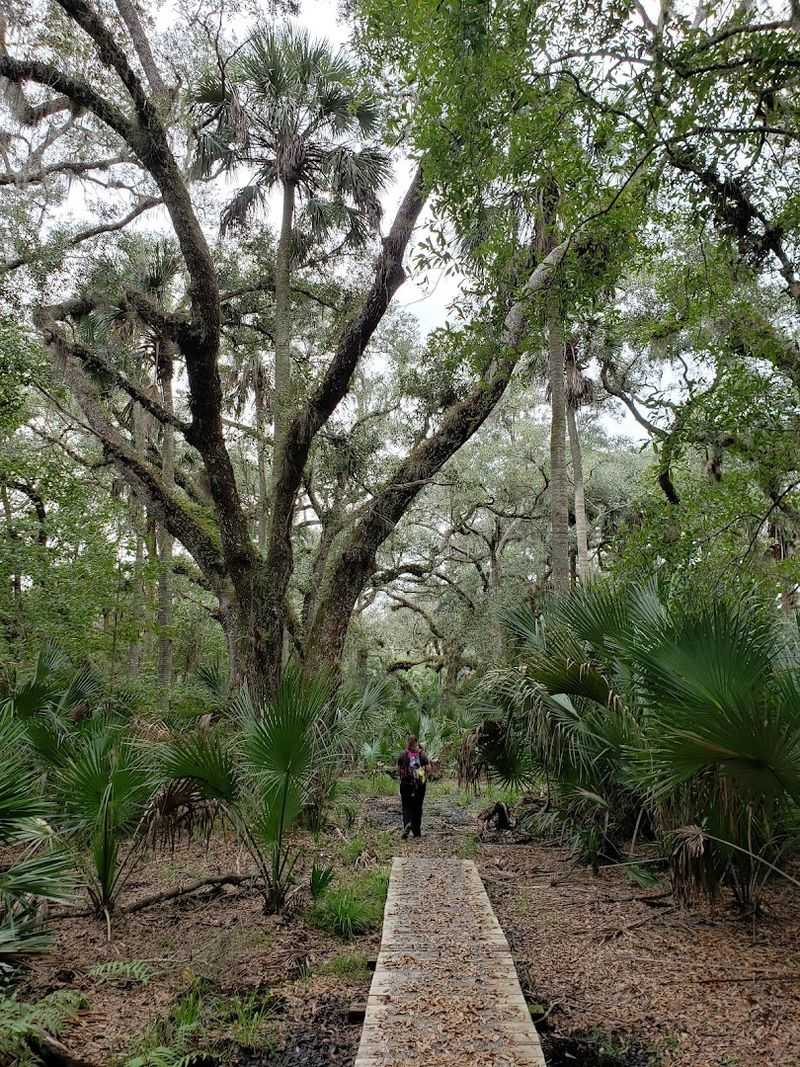
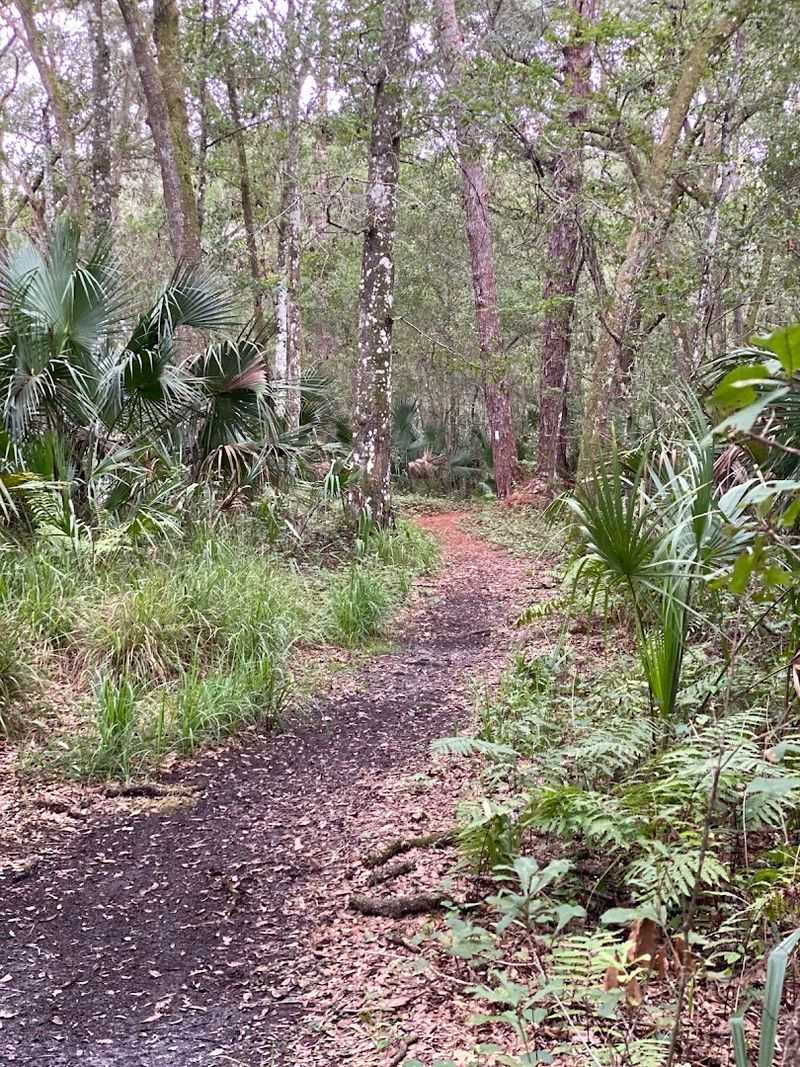
The St. Francis Yellow Trail takes you through several distinct Florida habitats in a single hike. You’ll start under a thick canopy of oaks and palms that provides natural air conditioning even on warm days. The shade stays consistent for most of the route, making this trail surprisingly comfortable during cooler months.
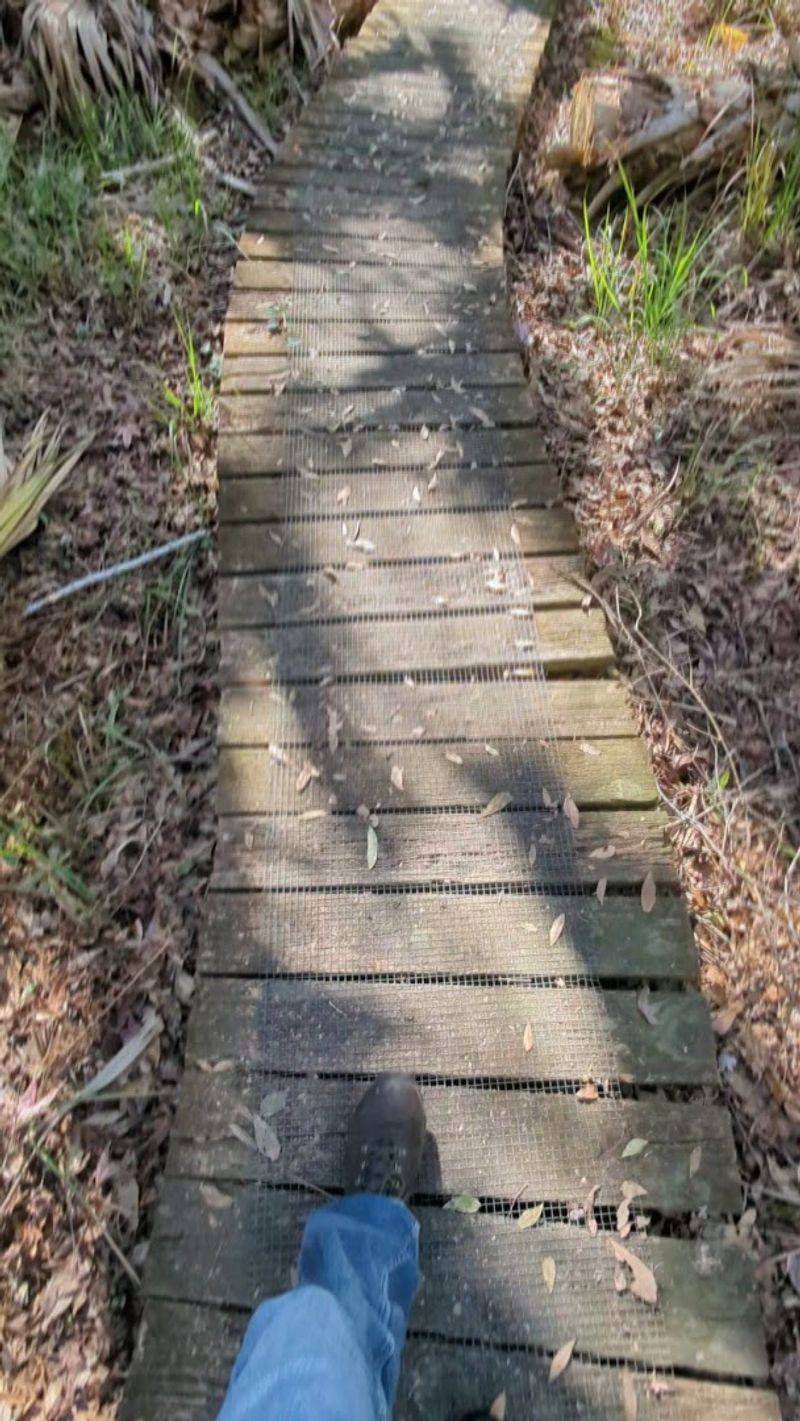
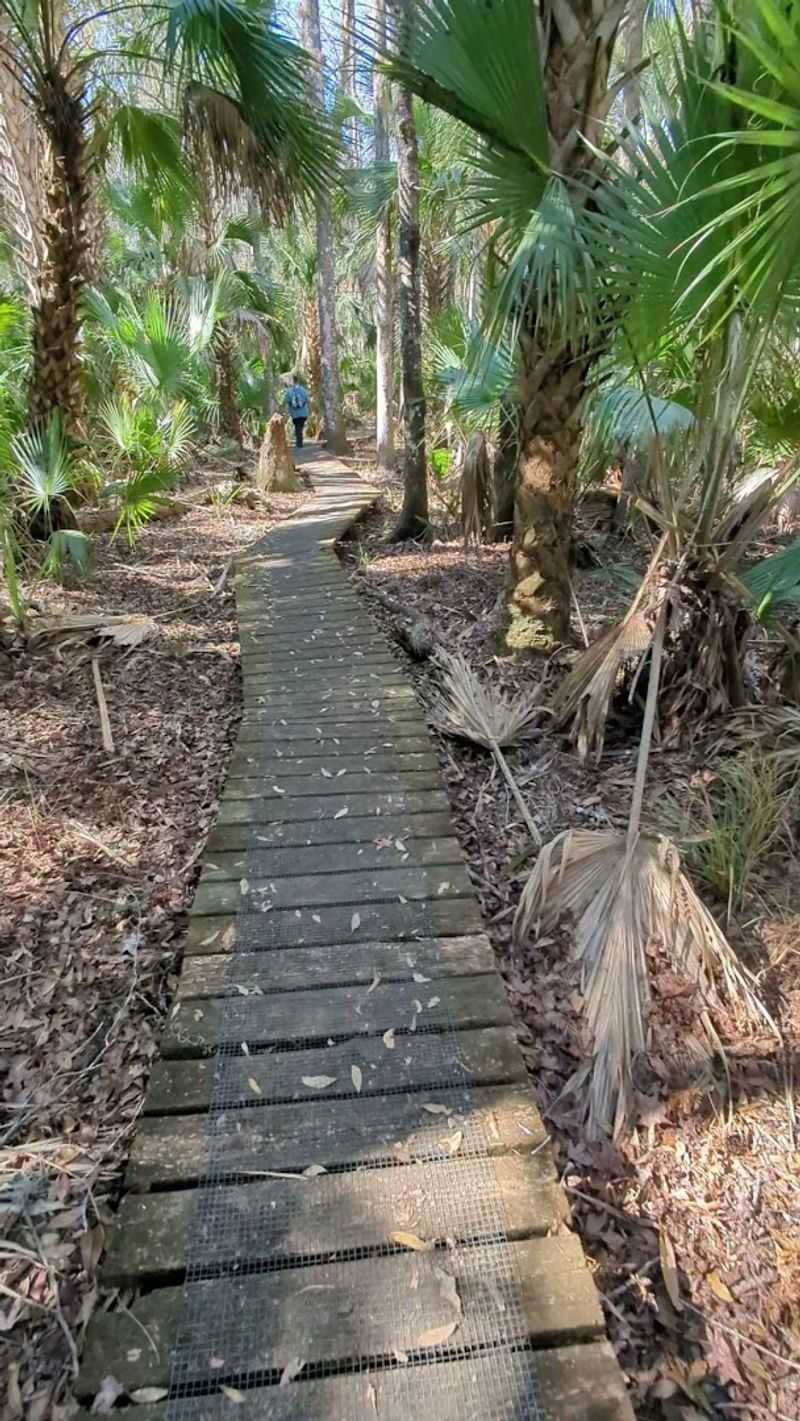
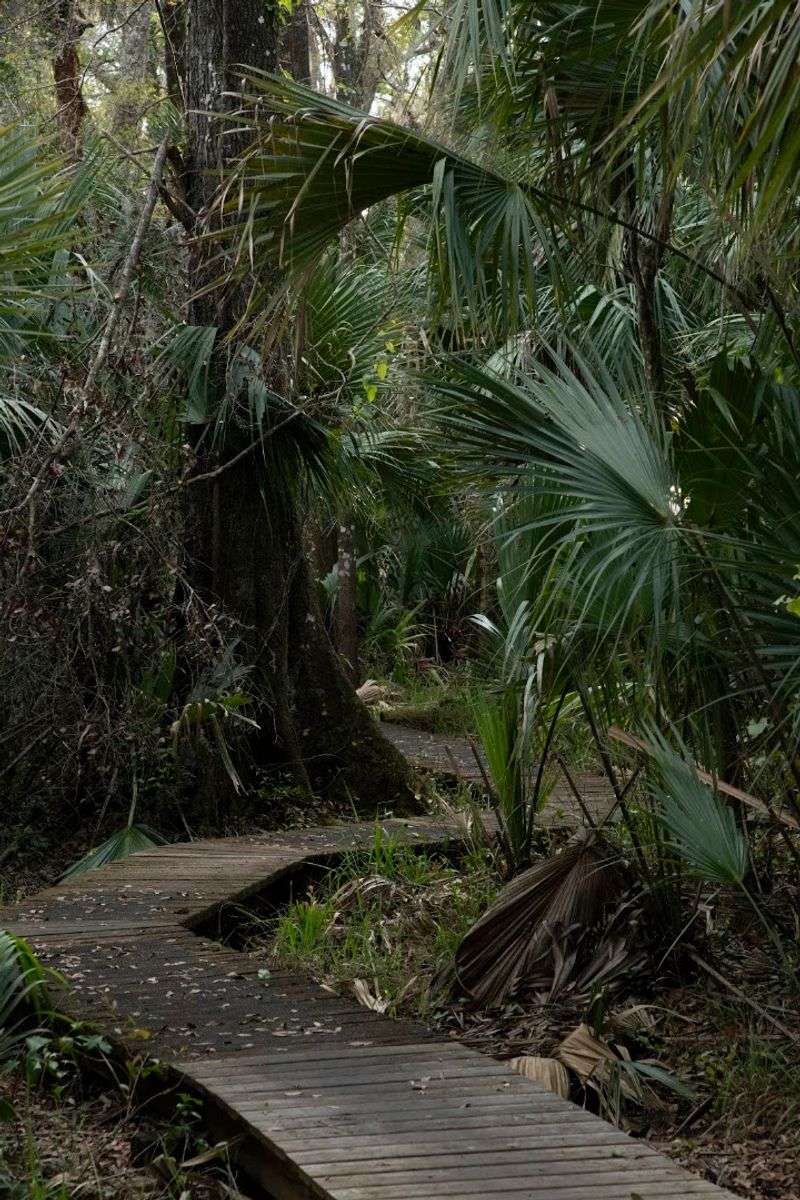
As you progress deeper into the forest, the landscape shifts from dry hammock to wetter lowland areas. Wooden boardwalks and puncheon bridges help you cross over creeks and soggy sections without getting your boots soaked. Some hikers describe these elevated walkways as the highlight of the experience, adding a sense of adventure as you navigate above the swampy ground.
The trail connects with the larger Florida Trail system at its northern point, offering ambitious hikers the option to extend their journey. Most visitors stick to the Yellow Trail loop, which covers about 7 to 8 miles depending on your exact route. The ecosystem diversity keeps things visually interesting throughout the entire walk.
Wildlife sightings vary by season and time of day. Some hikers report seeing deer, various bird species, and occasionally river otters near the water. Others walk the entire loop without encountering much fauna, which speaks to the peaceful solitude this trail offers.
2. The Ghost Town of St. Francis Awaits
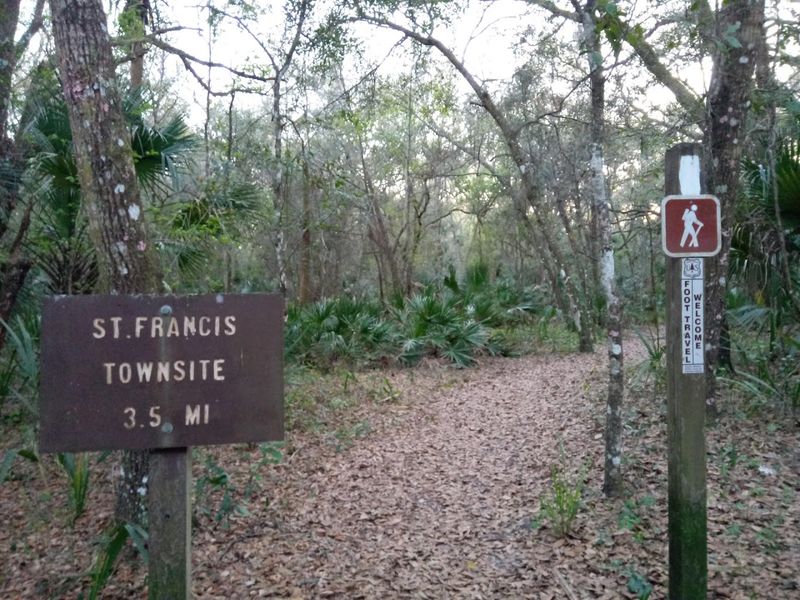
About 3.5 miles from the trailhead, you’ll reach the site where St. Francis once stood. Don’t expect dramatic ruins or clearly marked structures—nature has thoroughly reclaimed this spot over the decades. What you’ll find instead are subtle clues: slight depressions in the earth, scattered bricks hidden under leaves, and barely visible foundation outlines if you know where to look.
St. Francis was a small river community that depended on the St. Johns River for transportation and trade. Like many early Florida settlements, it eventually faded when transportation routes changed and residents moved to more accessible locations. The forest has been patient in erasing evidence of human habitation, leaving only whispers of the past.
The lack of interpretive signs at the actual town site disappoints some visitors who expect more obvious historical markers. You’ll need imagination and a sense of adventure to appreciate what once existed here. Bringing a historical photo or doing research beforehand enhances the experience significantly.
The real reward comes from standing in this quiet forest and contemplating the families who built lives here. The St. Johns River flows nearby just as it did when St. Francis thrived, providing the only constant connection between past and present in this hidden corner of Florida.
3. Navigating the Well-Marked Trail System
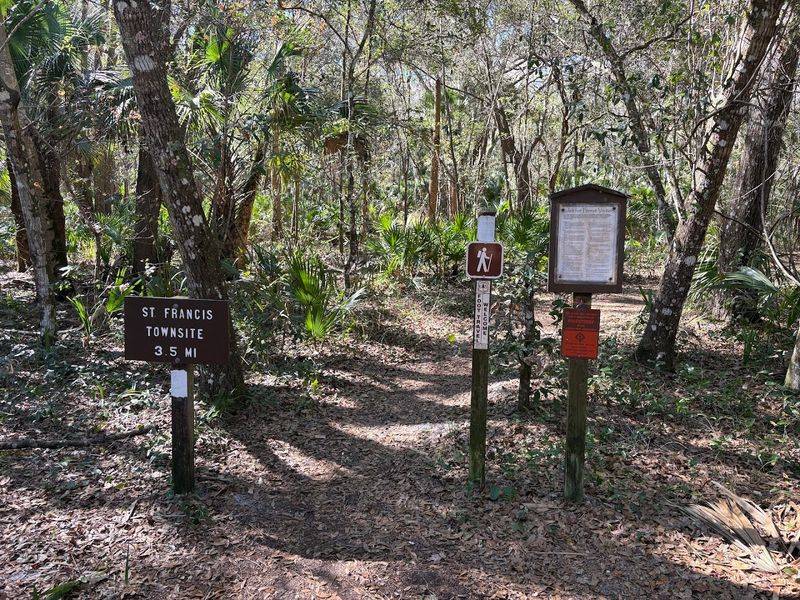
Trail markers along the St. Francis Yellow Trail generally do their job well. White blazes painted on trees guide you along the main route, with occasional yellow markers indicating the loop sections. Most hikers report feeling confident about their direction, though a few intersections require extra attention to avoid taking wrong turns.
The trailhead off River Forest Boulevard provides ample parking and feels secure for leaving your vehicle during longer hikes. There are no bathroom facilities or water sources, so plan accordingly before starting your adventure. This is genuine backcountry hiking where you need to be self-sufficient.
Some trail sections show signs of needing maintenance, particularly after heavy rains. Fallen logs occasionally block the path, though they’re usually easy to step over or walk around. The boardwalks can become slippery when wet, even with good hiking boots, so watch your footing on these elevated sections.
At certain intersections where the Yellow Trail meets other routes, pay close attention to the blazes. If you don’t see a white marker within reasonable distance, you’ve likely taken a wrong turn. Several hikers have accidentally ended up on service roads when they missed key trail markers, adding unexpected mileage to their day.
Downloading an offline trail map before your hike provides extra insurance against getting turned around in the woods.
4. The Infamous Tick Situation You Need to Know
Let’s address the elephant in the room—or rather, the ticks on the trail. This issue dominates reviews and for good reason. The St. Francis Yellow Trail has earned a reputation as tick central, particularly during warmer months.
Hikers consistently report finding anywhere from a few to dozens of these parasites crawling on clothing, shoes, and exposed skin.
The tick problem isn’t exaggerated. Multiple visitors describe stopping mid-hike to pick off 20 or more ticks, with some unfortunate souls counting close to 100 by the end of their walk. Both larger deer ticks and tiny seed ticks appear in abundance, making constant vigilance necessary.
Prevention becomes your best strategy here. Wear light-colored clothing so ticks are easier to spot. Tuck pants into socks, apply DEET-based repellent generously to shoes and lower legs, and consider treating clothes with permethrin before your hike.
Some experienced hikers recommend spraying your shoes and pant cuffs until they’re visibly wet with repellent.
Check yourself frequently during the hike, not just afterward. Stop every 15 to 20 minutes to scan your legs and remove any hitchhikers before they find skin. Bringing a lint roller or duct tape helps remove ticks from clothing quickly.
The tick situation improves significantly during winter months when temperatures drop, making November through February the smartest time to tackle this trail.
5. Reaching the St. Johns River Overlook
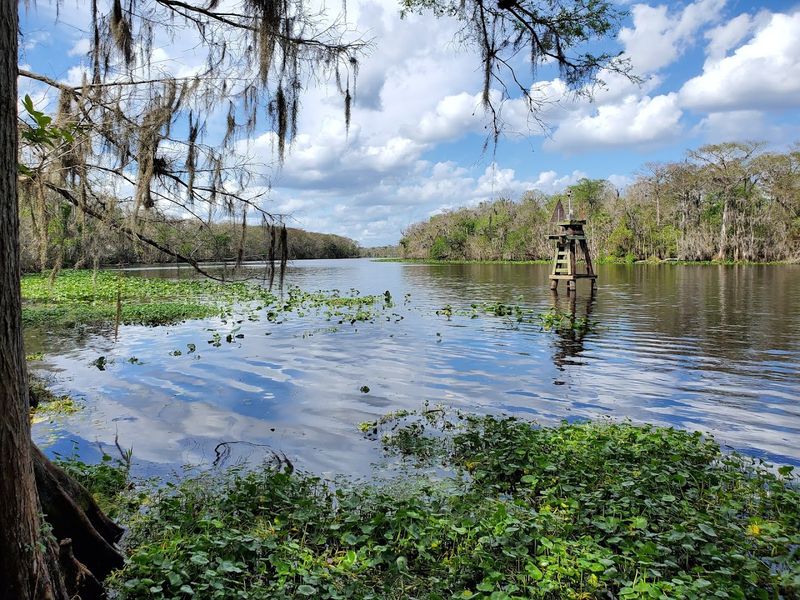
The northernmost section of the trail brings you close to the St. Johns River, though the actual river view requires a short detour onto a service road. This side trip adds about a half-mile to your total distance but rewards you with a glimpse of one of Florida’s most significant waterways flowing through pristine wilderness.
The river here looks much as it did centuries ago—wide, dark, and peaceful. Spanish moss drapes from cypress trees along the banks, creating that quintessential Old Florida atmosphere. It’s easy to understand why early settlers chose this location for their community when you see the river’s majesty firsthand.
Some hikers report finding good primitive camping spots near the river, particularly along the dirt road section. If you’re interested in overnight backpacking, this area offers a memorable place to pitch a tent under the stars. Just remember that all the same bug precautions apply double when you’re sleeping outdoors.
The river access point also provides a natural turnaround spot for those not completing the full loop. From the trailhead to the river and back makes for a solid 7-mile out-and-back hike if the complete loop feels too ambitious for your fitness level or available time.
Bring a camera for this section—the river views and surrounding forest create picture-perfect moments worth capturing.
6. Best Seasons and Weather Considerations
Timing your visit to the St. Francis Yellow Trail makes the difference between a memorable adventure and a miserable ordeal. Winter months from November through February offer the most pleasant conditions. Temperatures stay comfortable for sustained hiking, bugs decrease dramatically, and the trail tends to be drier underfoot.
Spring brings beautiful wildflowers and fresh green growth, but also marks the beginning of increased insect activity. March and April can still provide decent hiking before the heat and bugs reach peak intensity. Many locals consider early spring the sweet spot for this trail.
Summer hiking here borders on masochistic. Oppressive heat combines with maximum bug populations and frequent afternoon thunderstorms that can leave sections of trail underwater. Even experienced Florida hikers typically avoid this trail from June through September unless they’re gluttons for punishment.
Fall weather creates another good window for hiking, particularly October and early November. The worst heat has passed, bug populations start declining, and the forest takes on subtle color changes that make the scenery even more appealing.
Check recent weather before your visit. Heavy rains can flood low sections of the trail and make the boardwalks treacherously slippery. Give the trail a few days to dry out after significant rainfall.
The forest drains reasonably well in most areas, but some spots hold water longer than others.
7. What to Bring for a Successful Hike
Preparation separates an enjoyable hike from a survival situation on the St. Francis Yellow Trail. Start with plenty of water—at least two liters per person for the full loop, more in warmer weather. There are no water sources along the trail, and dehydration sneaks up quickly in Florida’s humidity.
Bug spray ranks as your second most critical item. Choose a DEET-based repellent with at least 30% concentration and don’t be shy about applying it liberally. Permethrin-treated clothing adds another layer of protection.
Bring the spray bottle with you to reapply during the hike.
A basic first aid kit should include tweezers for tick removal, antibiotic ointment, bandages, and any personal medications. Consider adding a tick removal tool specifically designed for the job—they work better than regular tweezers for grabbing these tiny parasites.
Snacks and lunch keep your energy up during this longer hike. The full loop takes most people 3 to 4 hours at a moderate pace, longer if you stop frequently to check for ticks or explore the ghost town site thoroughly.
Download offline maps on your phone as a backup to trail markers. Cell service can be spotty in the forest. A small flashlight or headlamp provides insurance if your hike takes longer than expected and daylight starts fading.
8. Making the Most of Your Ghost Town Adventure
Enhancing your St. Francis experience starts before you hit the trail. Research the history of the settlement online or at the DeLand library. Knowing what kind of community existed here and when it thrived helps you appreciate the subtle clues you’ll encounter at the site.
Bring a camera and take your time at the ghost town location. While obvious ruins are scarce, photographing the forest that has reclaimed this space creates its own powerful statement about nature’s persistence. Look for unusual depressions in the ground or arrangements of stones that might indicate former structures.
Consider hiking with a friend or small group. Having companions makes tick checks easier and more thorough—those tiny seed ticks on your back are impossible to spot yourself. Plus, discussing what you’re seeing and imagining what once stood here adds to the experience.
Start your hike early in the morning for the best wildlife viewing opportunities and to avoid afternoon heat. Dawn and dusk bring more animal activity, though you’ll want to finish before dark since the forest canopy blocks remaining light quickly.
Take breaks at the boardwalk sections to simply listen to the forest. The quiet here can be profound, broken only by bird calls and wind through the trees—the same sounds settlers would have heard over a century ago.