Think Florida’s Coolest Attractions Are Above Water? This Hidden Bay Proves Otherwise
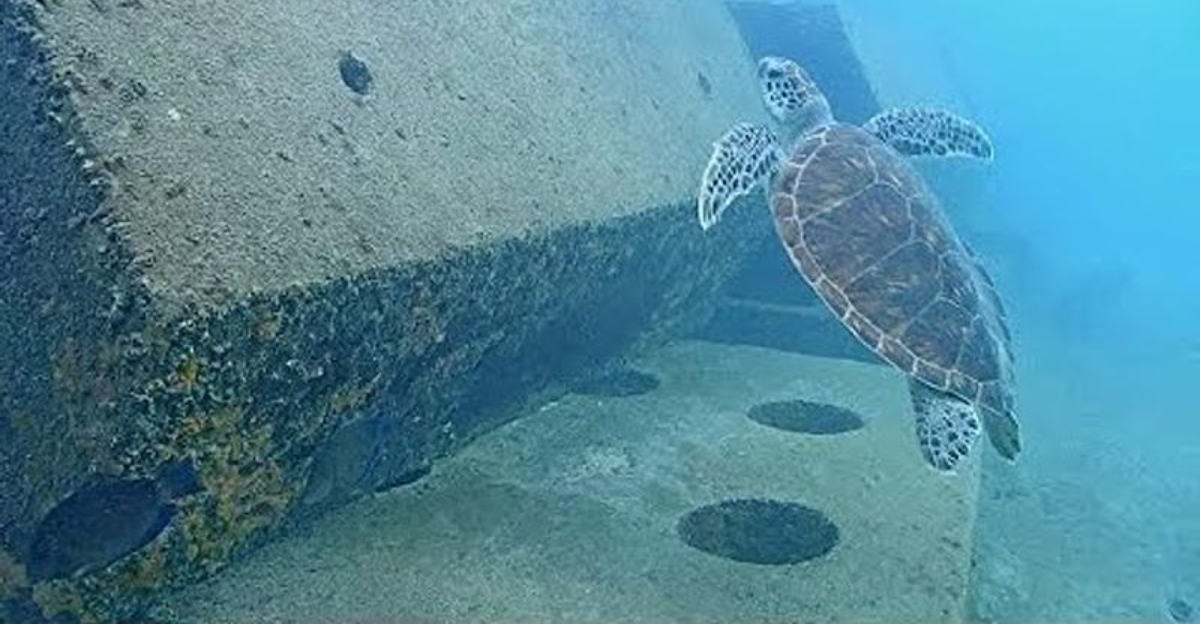
Most visitors to Pompano Beach never discover what lies beneath the surface at Wahoo Bay. This protected swimming spot tucked inside Roy Rogers Family Park offers something rare along Florida’s coast: a safe, shallow area where you can explore vibrant marine life without a boat or scuba certification. While tourists crowd the typical beach hotspots, locals have been keeping this underwater playground to themselves, where colorful fish dart between rocky outcrops just steps from shore.
1. Crystal-Clear Snorkeling Right From Shore
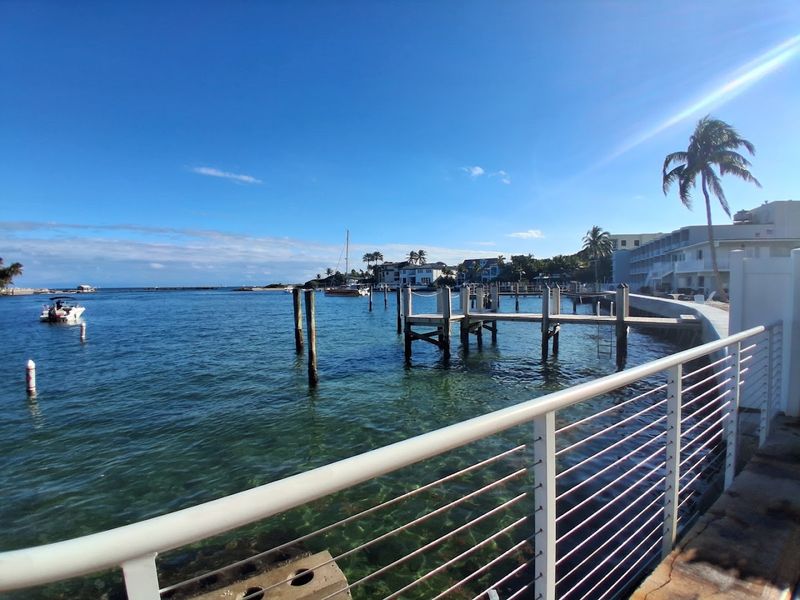
Forget booking expensive boat tours or fighting crowds at overcrowded dive sites. Wahoo Bay delivers world-class snorkeling from a simple beach entry that even nervous swimmers can handle with confidence.
The protected cove creates naturally calm conditions where visibility often stretches 20 feet or more on good days. You’ll spot parrotfish munching on coral, silvery schools of baitfish swirling in formation, and maybe even a curious sea turtle gliding past. The rocky bottom creates perfect habitat for marine life without the strong currents that make other Florida snorkel spots challenging.
Families love this setup because kids can stand up whenever they need a break, and parents can keep everyone in sight. The shallow depth means you’re not fighting to stay at the surface, so you can actually relax and watch the underwater show unfold naturally.
Early morning visits reward you with the clearest water before afternoon winds kick up. Bring your own gear or grab basic equipment from nearby shops. The bay stays swimmable year-round, though summer months bring warmer water and the most diverse fish activity.
No special skills required here, just curiosity and a mask. That’s what makes Wahoo Bay special compared to Florida’s flashier but harder-to-access snorkel destinations.
2. Free Swimming Access That Beats Crowded Beaches
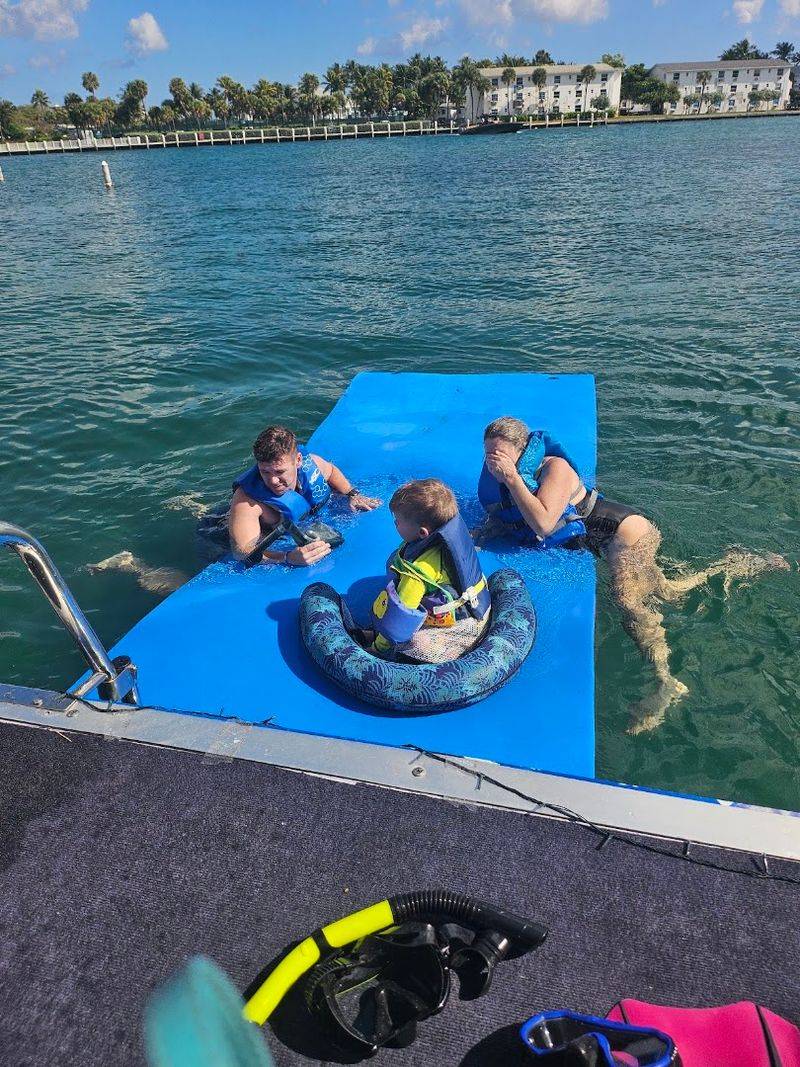
While other Pompano Beach spots charge parking fees that climb during peak season, Wahoo Bay keeps things refreshingly affordable. The nominal parking cost at Roy Rogers Family Park gets you access to this protected swimming area that feels like a private resort without the resort prices.
Compare that to the packed public beaches where you’re fighting for sand space and dodging jet skis. Here, the enclosed bay design naturally limits how crowded it gets, creating a more peaceful swimming experience even on busy weekends.
The gentle entry slope makes this spot ideal for introducing little ones to ocean swimming without the intimidating waves that crash at traditional beaches. Grandparents appreciate being able to wade in comfortably while keeping an eye on adventurous grandkids exploring the shallows.
Lifeguard presence varies by season, so always practice smart water safety regardless. The protected nature of the bay means fewer surprises from sudden drop-offs or rip currents that catch swimmers off guard elsewhere.
Clean restroom facilities and nearby picnic areas mean you can make a full day of it without constantly packing up and moving. Rinse-off showers help you leave the salt behind before heading home.
Local families treat this as their go-to summer hangout for good reason. You get legitimate ocean swimming without the chaos that defines most Florida beach experiences during tourist season.
3. Marine Life Encounters Without Leaving the Shallows
Wahoo Bay’s rocky bottom creates an artificial reef effect that attracts fish species you’d normally need to dive 30 feet down to see. Sergeant majors with their distinctive black stripes patrol the area like tiny security guards, while blue tangs flash past in electric bursts of color.
Patient observers often spot juvenile barracuda hanging motionless in the water column, looking far more curious than threatening at this size. Pufferfish waddle along the bottom, and if you’re lucky, a small stingray might cruise past, completely unbothered by snorkelers floating above.
The protection from boat traffic makes this a genuine marine sanctuary where fish behave naturally instead of scattering at every shadow. You’re watching their actual daily routines, not a scared population fleeing human presence.
Seasonal variations bring different visitors throughout the year. Summer months see the greatest diversity, while winter still offers solid encounters with the resident population that calls Wahoo Bay home permanently.
Photography enthusiasts love the shallow depth because natural light penetrates beautifully, eliminating the need for expensive underwater lighting equipment. Even smartphone cameras in waterproof cases capture surprisingly good shots here.
Kids become instant marine biologists, pointing out different species and making up names for their favorite fish. That educational component happens organically when sea life swims within arm’s reach instead of remaining a distant concept.
4. Lighthouse Views That Frame Your Beach Day
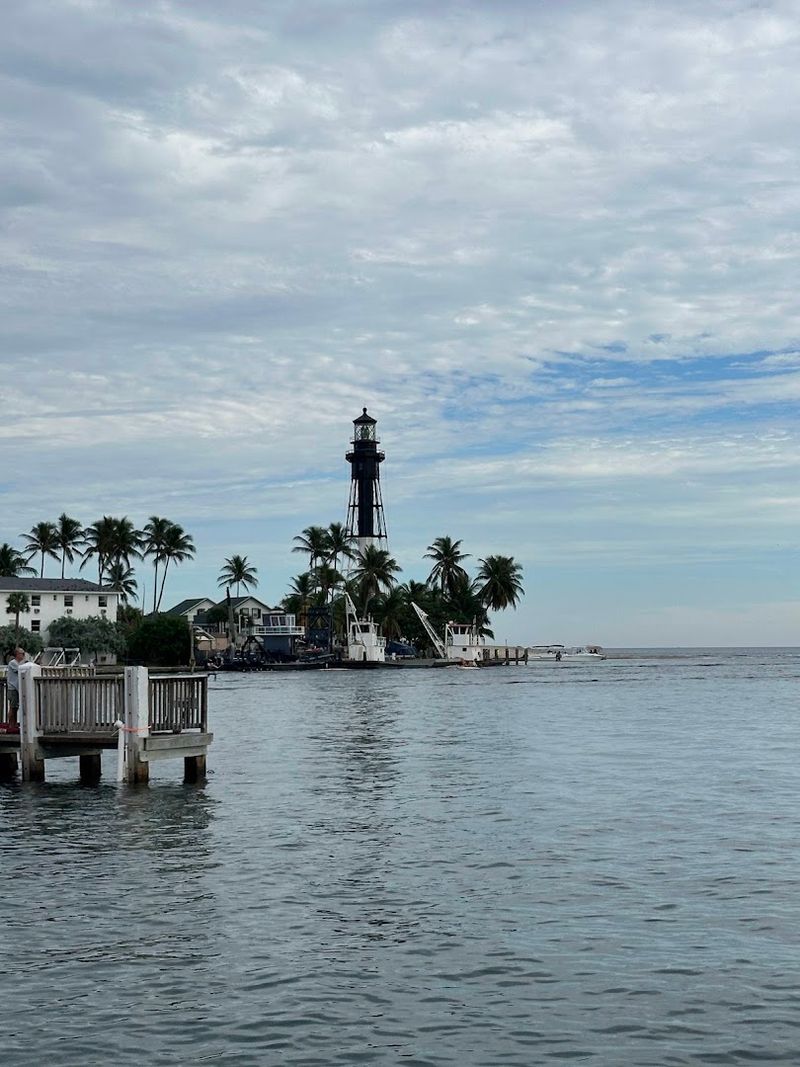
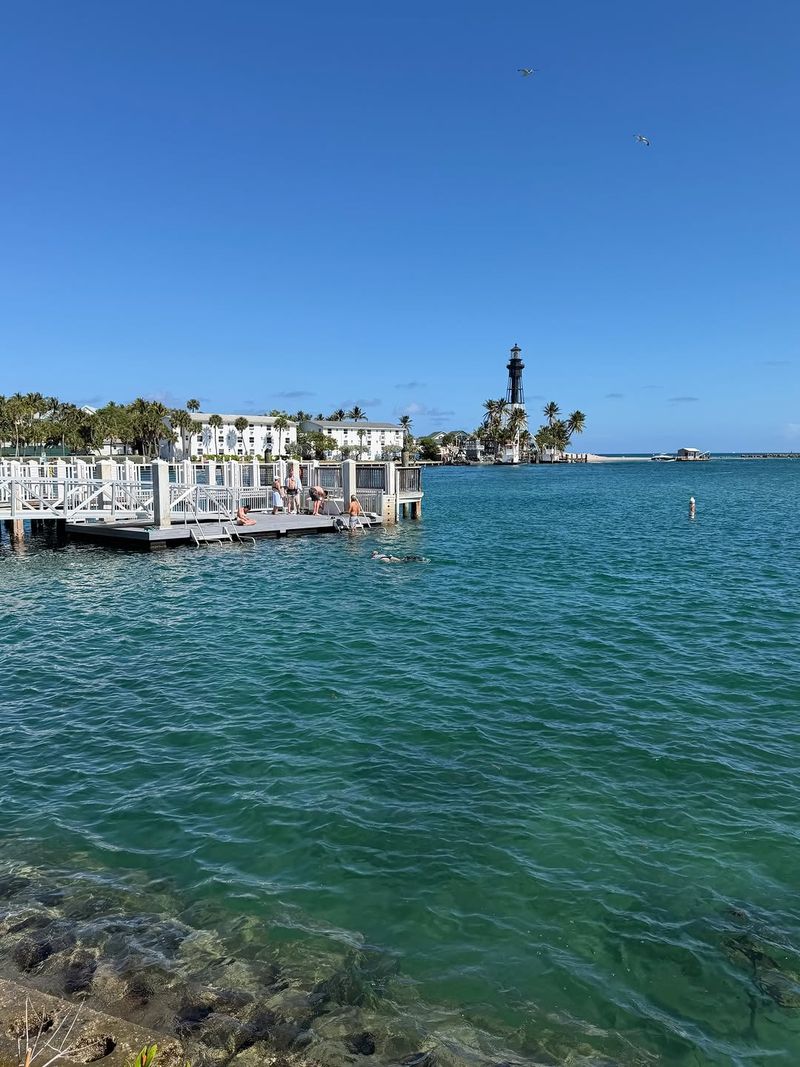
The historic Pompano Beach Lighthouse stands guard over Wahoo Bay like a red-and-white sentinel, creating postcard-perfect backdrops that make every photo look professionally composed. This isn’t just scenery, it’s a functioning piece of Florida maritime history that adds character most swimming spots completely lack.
From the water, you can float on your back and watch boats navigate the nearby inlet while the lighthouse tower rises against blue sky. That combination of active waterway and protected swimming creates a unique perspective on Florida’s coastal ecosystem.
The adjacent lighthouse museum offers a cultural dimension to what could otherwise be just another beach trip. After your swim, you can explore exhibits about shipwrecks, navigation history, and the lighthouse keepers who once maintained this beacon. Kids especially love climbing up for panoramic views that stretch from the Intracoastal Waterway to the Atlantic horizon.
Sunset visits turn the lighthouse into a glowing landmark as golden hour light paints everything in warm tones. The bay’s western exposure means you’re not staring directly into the setting sun, making late afternoon the most comfortable time for extended swimming sessions.
Local photographers stake out spots here during special events when the lighthouse gets illuminated for holidays. Even casual visitors end up with frame-worthy shots simply because the natural composition does half the work for you.
5. Perfect Playground Combo for Tired Swimmers
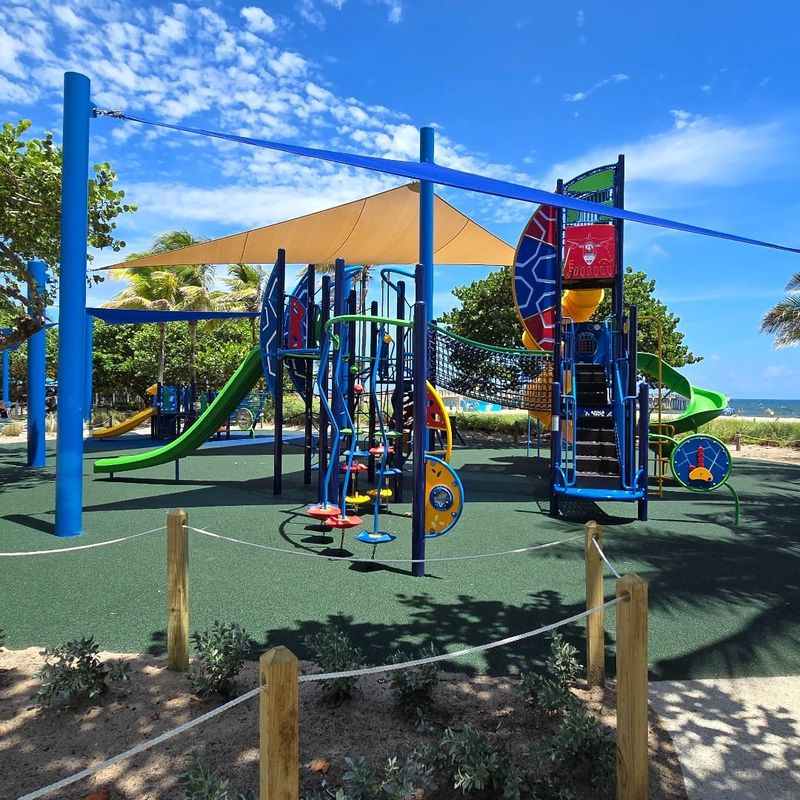
Smart parents know the secret to a successful beach day: alternate water time with land activities before anyone gets overtired or sunburned. Roy Rogers Family Park delivers with a genuinely impressive playground featuring the softest safety surface many visitors have ever encountered.
The squishy base material cushions falls better than traditional wood chips or sand, giving nervous parents one less thing to worry about. Climbing structures, swings, and slides keep kids engaged while they dry off between swimming sessions, preventing that cranky meltdown that ruins many beach trips.
Strategic shade trees and covered pavilions mean you can escape the intense Florida sun without packing up entirely. Families spread out picnic blankets, fire up the available grills, and turn a simple swim into a proper outdoor feast.
The playground’s proximity to the bay means you can genuinely supervise both areas if you’ve got kids at different activity levels. One parent watches swimmers while the other handles playground duty, then you switch without anyone feeling left out.
Clean restrooms with changing areas make the transition between activities much smoother than typical beach facilities where sand infiltrates everything. The thoughtful layout shows this park was designed by people who actually take kids to the beach regularly.
Local families often arrive mid-morning, swim until lunch, playground time during peak heat, then back in the water for the afternoon. That rhythm works because the facilities support it properly.
6. Fishing Spots Where Kids Actually Catch Something
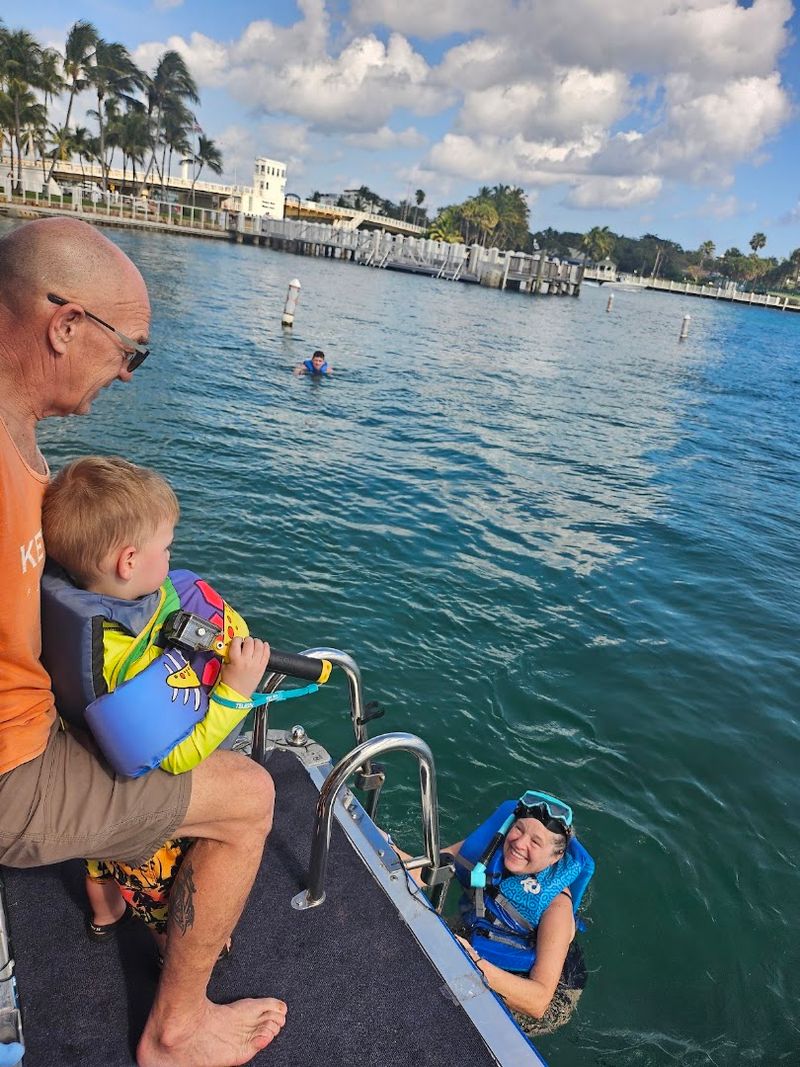
Nothing deflates a kid’s fishing enthusiasm faster than hours of waiting without a single bite. Wahoo Bay’s protected waters hold enough fish activity that young anglers actually experience success, creating fishing memories instead of boredom and complaints.
The rocky structure attracts baitfish, which in turn brings predators like snapper, small jacks, and feisty mangrove snapper that put up entertaining fights on light tackle. You’re not landing trophy fish here, but you’re getting consistent action that keeps children engaged and excited.
Experienced anglers appreciate the calm conditions for teaching proper casting technique without fighting wind and waves. The protected bay eliminates most of the frustration factors that make learning to fish genuinely difficult at exposed beach locations.
Local regulations apply, so check current rules about size limits and protected species before keeping anything. Many families practice catch-and-release here anyway, focused more on the experience than filling a cooler.
Early morning and late afternoon provide the best bite windows, though the bay maintains decent fishing throughout the day thanks to its structure and depth variation. Simple rigs with live shrimp or cut bait work consistently without requiring tournament-level knowledge.
The combination of fishing and swimming access means families with mixed interests can share the same location successfully. Some kids fish while others snorkel, and everyone stays happy without splitting up the group across different venues.
7. Intracoastal Waterway Views With Ocean Access
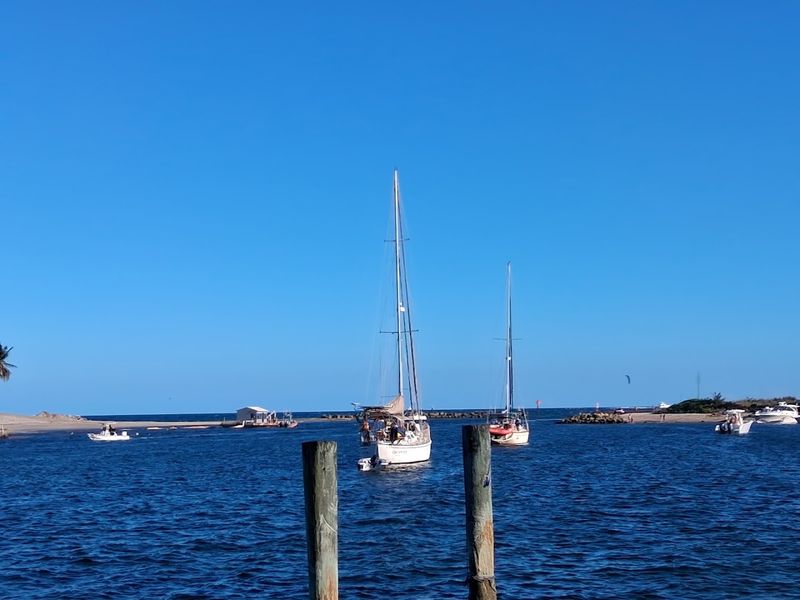
Geography enthusiasts love Wahoo Bay’s position at the meeting point between the Intracoastal Waterway and the Atlantic Ocean. You can literally watch the marine ecosystem transition from protected inland waters to open ocean, all while staying in comfortable swimming depth.
Boat traffic passing through the nearby inlet provides constant entertainment, from fishing charters heading offshore to sailboats cruising the Intracoastal. Kids become fascinated watching vessels navigate the channel, often sparking conversations about navigation, tides, and how waterways connect.
The mixing of water from both sources creates nutrient-rich conditions that support the diverse marine life making Wahoo Bay such a reliable snorkeling spot. That biological richness isn’t accidental, it’s the direct result of this unique geographic position.
Bridge views add another architectural element to the scenery, framing photos with interesting lines and perspectives. During busy weekends, you can watch the drawbridge lift for tall vessels, a spectacle that never gets old for visitors unfamiliar with coastal infrastructure.
The protected position means you get ocean swimming without the full force of Atlantic waves and currents. It’s the best of both worlds for families wanting authentic saltwater experiences without the intimidation factor of completely exposed beaches.
Sunset reflections off the Intracoastal create mirror-like effects that photographers chase obsessively. The western light bounces off calm water in ways the choppy Atlantic never allows, producing those golden-hour shots that make Instagram feeds jealous.
8. Year-Round Swimming When Other Spots Turn Rough
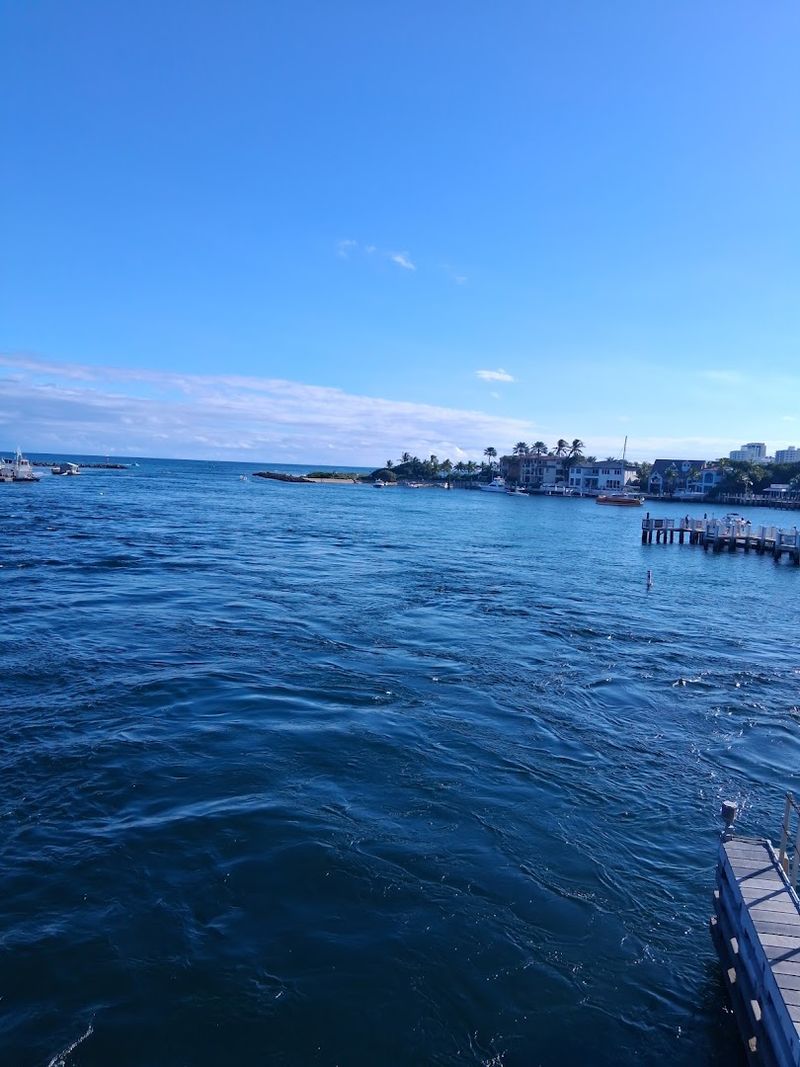
Winter months turn many Florida beaches into choppy, uncomfortable swimming conditions that send tourists back to their hotels disappointed. Wahoo Bay maintains its protected calm even when the Atlantic kicks up whitecaps and strong currents just beyond the inlet.
That reliability makes this spot valuable for visitors planning trips during shoulder seasons when weather becomes less predictable. You can confidently include Wahoo Bay in your itinerary knowing the swimming will likely be pleasant regardless of what the open ocean looks like.
Water temperatures stay swimmable year-round in South Florida, though winter months require a bit more tolerance for cooler conditions. Locals consider anything above 72 degrees perfectly acceptable, while visitors from northern states find even January water downright balmy compared to home.
The park’s extended hours from 6 AM to 11 PM accommodate different schedules and preferences. Early risers enjoy the bay in peaceful solitude before crowds arrive, while evening swimmers appreciate cooling off after hot afternoon activities elsewhere.
Consistent conditions also benefit marine life, creating stable habitat that supports the resident fish population through seasonal changes. You’ll see different species at different times, but the bay never turns into a barren underwater desert like some locations do when temperatures shift.
Families visiting during school breaks appreciate having a dependable backup plan when other beach activities get cancelled due to rough surf or weather warnings. Wahoo Bay delivers when flashier attractions fail to cooperate.