9 Florida Wildlife Viewing Spots Hidden Beside Busy Cities
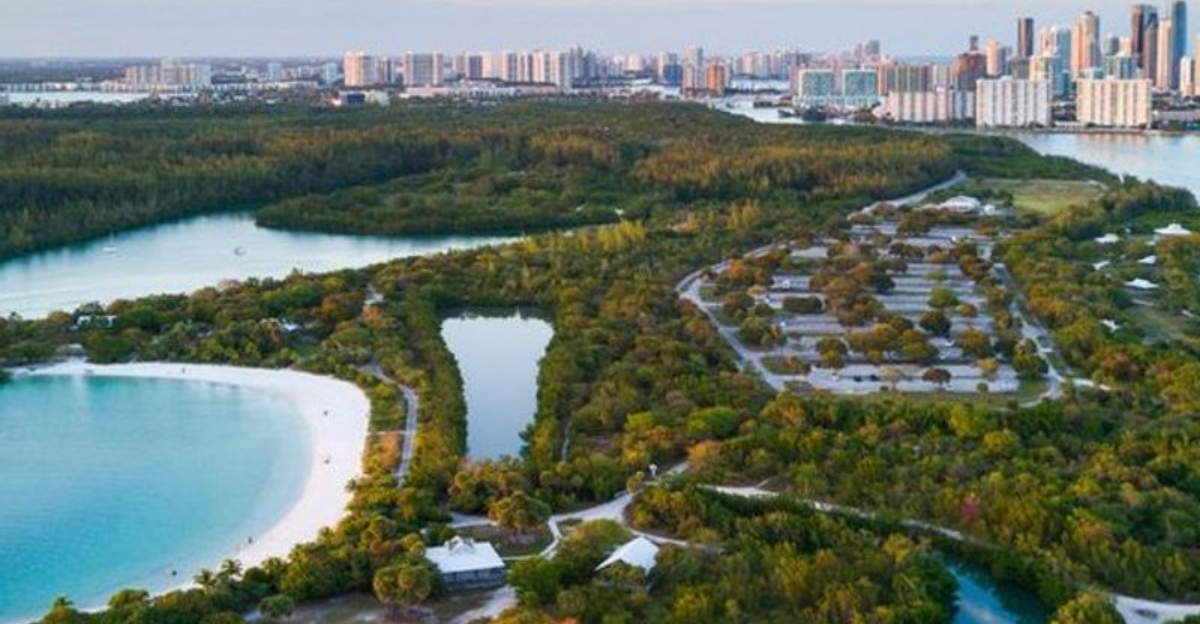
Florida’s cities sprawl across landscapes that wildlife called home long before highways and high-rises arrived. Surprisingly, some of the state’s best spots for watching herons, alligators, otters and other native animals exist just minutes from crowded streets and shopping centers. These hidden pockets of wilderness offer quick escapes where you can see Florida as it looked centuries ago, without spending hours on the road or fighting tourist crowds.
1. Boyd Hill Nature Preserve (St. Petersburg)
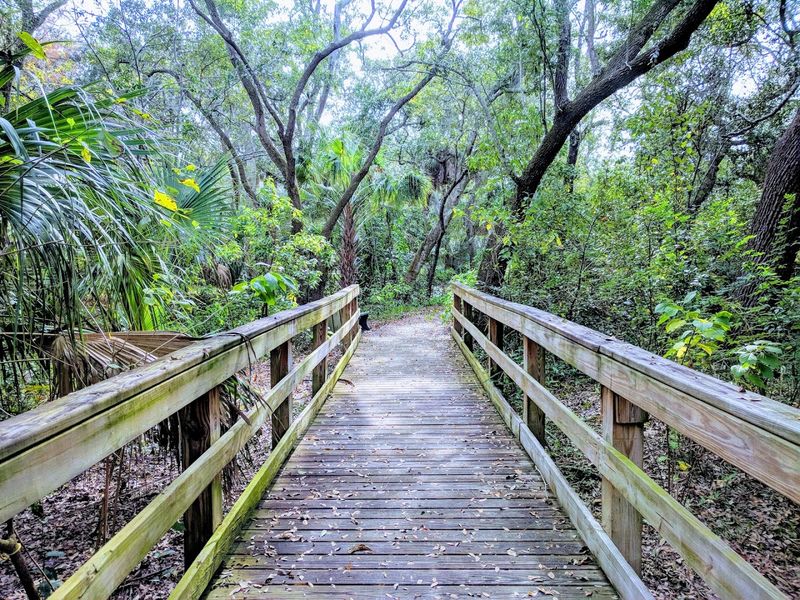
Four hundred acres of old Florida survive right inside St. Petersburg’s city limits, tucked away where most visitors never think to look. Boyd Hill Nature Preserve wraps around Lake Maggiore, creating a patchwork of pine flatwoods, willow marshes and hardwood hammocks that feel miles removed from nearby traffic.
Gopher tortoises dig their burrows along sandy trails, while marsh rabbits dart between palmetto clumps. Alligators claim the wettest corners, often visible from boardwalks that cross open water. Birds fill the canopy year-round, with migrants passing through during spring and fall to boost the daily count.
The preserve maintains five miles of trails, most of them easy enough for families. A small nature center near the entrance offers maps and field guides. Rangers lead walks on weekends, pointing out tracks, scat and other signs casual hikers might miss.
Arrive early on summer mornings to beat the heat and catch animals at their most active. Afternoon thunderstorms clear out quickly, leaving cooler air and excellent light for photography. The preserve closes at sunset, so plan your visit accordingly.
Parking costs a few dollars per vehicle, with residents paying less than out-of-towners. Restrooms and water fountains sit near the trailhead, but no food or drinks are sold on-site.
2. Oleta River State Park (North Miami Beach)
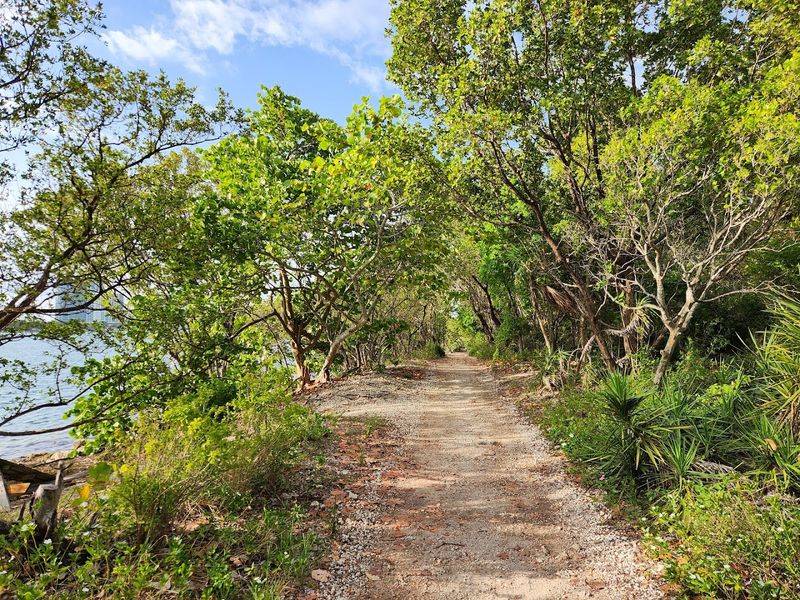
Miami’s traffic hums just beyond the tree line, but inside Oleta River State Park the noise fades beneath bird calls and rustling leaves. This 1,043-acre park claims the title of Florida’s largest urban park, protecting mangrove forests and tidal creeks that curve through North Miami Beach.
Mangrove-lined waterways create perfect habitat for wading birds that stalk fish in the shallows. Hawks perch in tall trees during winter months, scanning for prey. Warblers and other songbirds pass through during migration, turning quiet mornings into concerts of chirps and trills.
Kayak and canoe rentals let you explore the waterways up close, paddling beneath overhanging branches where herons and egrets nest. Mountain bike trails wind through upland sections, offering a different perspective on the same landscape. A swimming area and picnic shelters attract families on weekends.
The park opens at sunrise, giving early visitors the best wildlife viewing before heat and crowds arrive. Bring binoculars and a field guide to identify the dozens of bird species that use the park. Insect repellent helps during warmer months when mosquitoes emerge from the mangroves.
Parking fees apply, and the entrance gate closes at sunset. Restrooms and outdoor showers serve beachgoers and paddlers. No food is sold inside, so pack snacks and plenty of water.
3. Wakodahatchee Wetlands (Delray Beach)
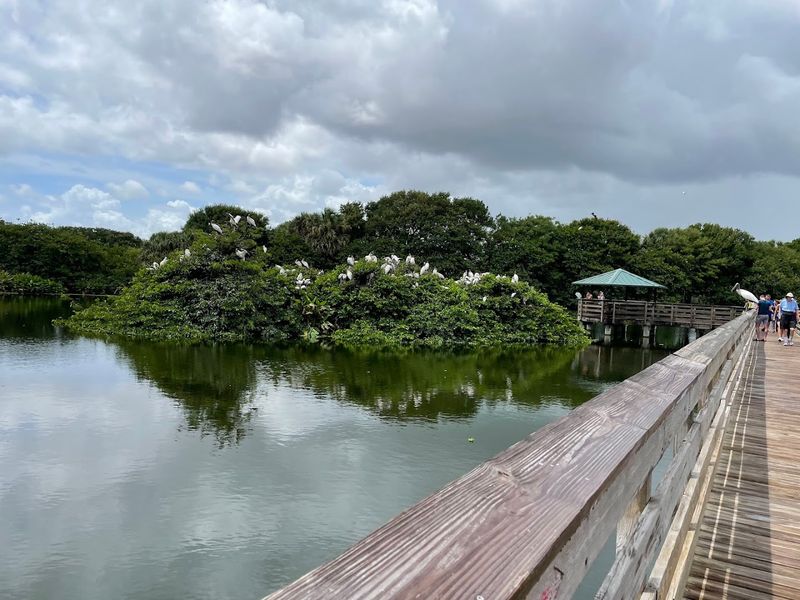
Suburban homes ring the edges of Wakodahatchee Wetlands, but step onto the boardwalk and the neighborhood disappears behind a wall of vegetation and bird activity. This three-quarter-mile elevated path loops through fifty acres of constructed wetlands that treat wastewater while providing exceptional wildlife habitat.
Nesting islands dot the open water, each one crowded with herons, egrets, ibis and wood storks during breeding season. Chicks balance on wobbly legs while parents deliver fish and frogs. Alligators patrol the channels, their eyes and snouts breaking the surface.
Turtles pile onto logs, soaking up sun between feeding sessions.
The boardwalk brings you within feet of the action, close enough to hear nestlings begging for food and watch courtship displays. Interpretive signs explain the dual purpose of these wetlands, describing both water treatment and wildlife benefits. Photographers claim spots along the railing before dawn, capturing birds in golden light.
Free parking fills quickly on winter weekends when snowbirds and locals both seek outdoor time. Restrooms and a small pavilion sit near the entrance. No shade covers most of the boardwalk, so bring sun protection and water.
Visit during early morning or late afternoon for the best light and most active wildlife. Respect nesting birds by staying on the boardwalk and keeping voices low.
4. Anne Kolb Nature Center (Hollywood)
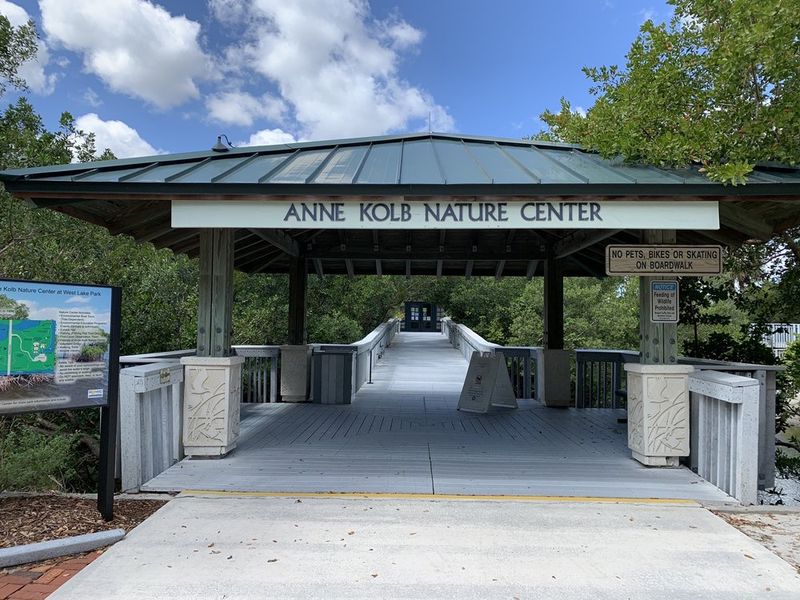
Hollywood’s beaches pack with tourists and traffic, but a short drive inland leads to 1,501 acres of protected mangrove wetlands where wildlife outnumbers people most days. Anne Kolb Nature Center sits at the edge of West Lake, preserving coastal habitat that once covered much more of South Florida’s shoreline.
A five-story observation tower offers views across the mangrove canopy, perfect for spotting hawks, ospreys and other raptors that hunt from above. Below, boardwalks wind through the tangled roots where small fish, crabs and shrimp create the foundation of a rich food web. Wading birds stalk the shallows at low tide.
The nature center building houses exhibits on mangrove ecology and local wildlife, with touch tanks and aquariums bringing the underwater world to eye level. Rangers lead guided walks and canoe trips, sharing knowledge about plants, animals and the wetland’s role in protecting the coast from storms.
Two miles of trails connect different habitats, from mangrove swamps to upland hammocks. Kayak launches provide water access for paddlers who want to explore the lake. Fishing is allowed in designated areas.
Parking costs a few dollars, and the center closes one day each week. Restrooms, water fountains and a small gift shop serve visitors. Mosquitoes can be fierce during summer, so bring repellent.
5. Lettuce Lake Conservation Park (Tampa)
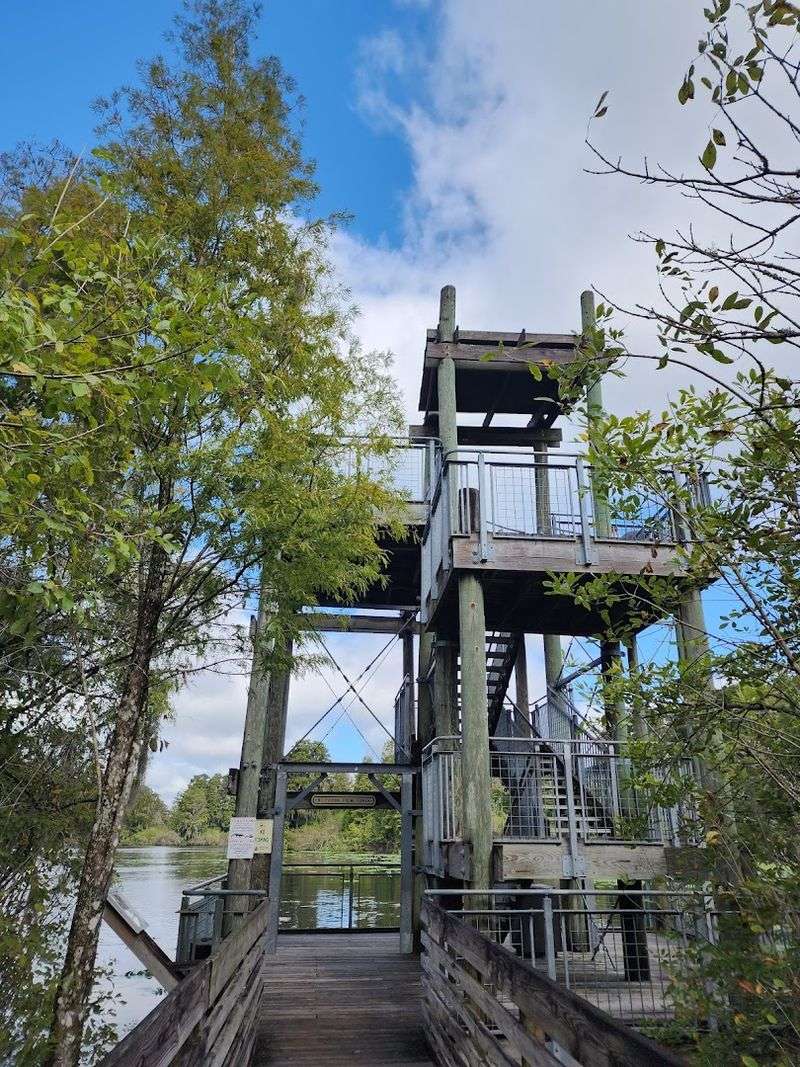
Tampa sprawls in every direction, but Lettuce Lake Conservation Park preserves a slice of the Hillsborough River floodplain where cypress trees and wildlife thrive just minutes from downtown. A 3,500-foot boardwalk and observation tower let you walk above the swamp without getting your feet wet.
The boardwalk crosses open water and winds between massive cypress trunks, their knees poking up through the surface. Alligators sun themselves on banks and logs, often close enough to see every scale. Turtles slide off their perches when footsteps approach.
Birds fill the trees and sky, from tiny warblers to great blue herons standing motionless in the shallows.
Climb the three-story tower for a canopy-level view of the forest and river beyond. Bring binoculars to scan for birds and watch alligators from a safe distance. Photography opportunities abound, especially during golden hour when light filters through Spanish moss.
The park also offers upland trails through oak hammocks, a playground for kids, and picnic shelters scattered throughout. Restrooms and water fountains sit near the parking area. Rangers occasionally lead nature walks, pointing out plants and animals most visitors overlook.
Parking is free and the park stays open from sunrise to sunset. Weekday mornings offer the quietest visits. Summer heat and mosquitoes can be intense, so plan accordingly with water, sun protection and repellent.
6. Green Cay Nature Center and Wetlands (Boynton Beach)
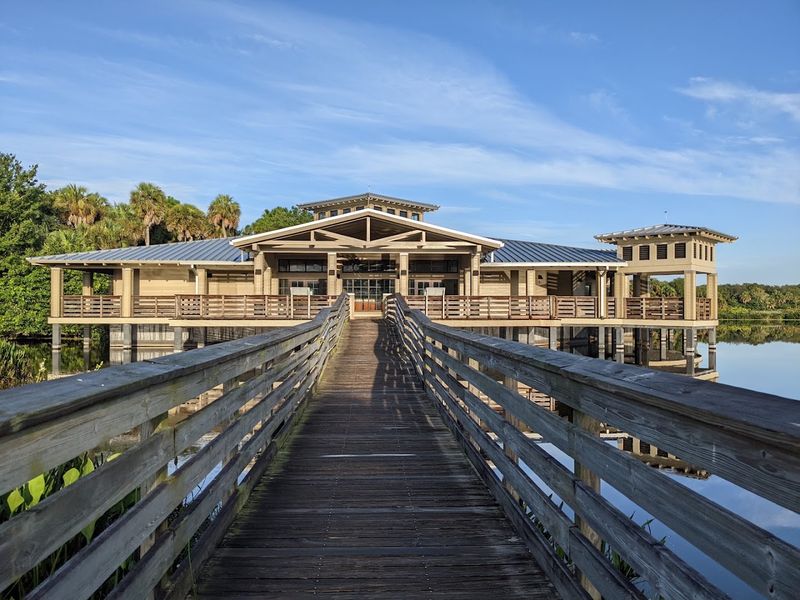
Boynton Beach’s neighborhoods creep right up to the edge of Green Cay Wetlands, but once you step onto the elevated boardwalk, the houses fade behind walls of cattails and sawgrass. This 100-acre constructed wetland filters stormwater while creating habitat that attracts surprising numbers of birds, reptiles and other animals.
The mile-and-a-half boardwalk loops through open water, marsh and cypress habitat, bringing you close to alligators that patrol the channels and herons that stalk fish in the shallows. Anhinga spread their wings to dry on wooden posts. Purple gallinules step across lily pads on oversized feet.
During winter months, migratory ducks join the resident birds.
A nature center at the entrance offers air-conditioned relief, exhibits on wetland ecology, and staff who answer questions about what you might see outside. Large windows overlook the wetlands, providing comfortable wildlife viewing when weather turns nasty.
The boardwalk includes several covered pavilions with benches, perfect for resting or watching wildlife without sun beating down. Interpretive signs explain wetland functions and identify common species. Photographers love the accessibility and close encounters with wildlife.
Free parking rarely fills completely, even on nice weekends. The site opens daily from sunrise to sunset. Restrooms and water fountains serve visitors.
No food is sold, so bring snacks if you plan to spend several hours exploring.
7. Six Mile Cypress Slough Preserve (Fort Myers)
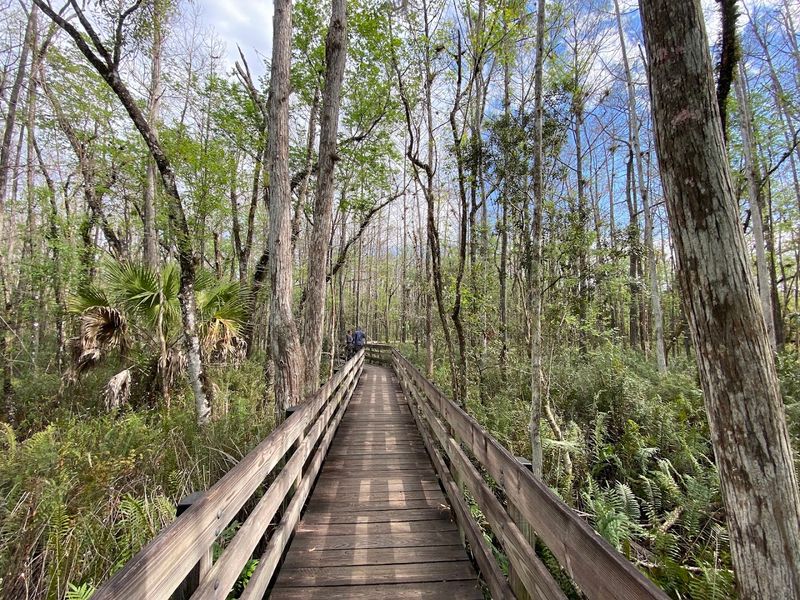
Fort Myers has grown into a sprawling city, but Six Mile Cypress Slough Preserve protects a narrow ribbon of old Florida that somehow survived the development boom. This 3,500-acre wetland corridor serves as a highway for wildlife moving between remaining wild areas, from the coast inland toward Lake Okeechobee.
More than a mile of boardwalk winds through the heart of the slough, passing beneath towering cypress trees that predate most of the surrounding buildings. River otters hunt in the dark water, often surfacing near the boardwalk. White-tailed deer browse in upland sections.
Wild turkeys scratch through leaf litter, and bobcats leave tracks in the mud, though spotting one requires luck and patience.
Birds dominate the soundscape, with woodpeckers hammering on dead trees, warblers flitting through branches, and wading birds stalking prey in shallow pools. The preserve’s wildlife list includes more than 200 bird species plus dozens of mammals, reptiles and amphibians.
A nature center near the parking area offers exhibits, a butterfly garden, and staff who provide trail maps and wildlife updates. The preserve also includes unpaved walking trails through pine flatwoods and wet prairies, expanding exploration options beyond the main boardwalk.
Parking is free and the preserve opens daily from dawn to dusk. Bring water, sunscreen and insect repellent. Restrooms and picnic tables serve visitors near the entrance.
8. Lake Apopka Wildlife Drive (Apopka)
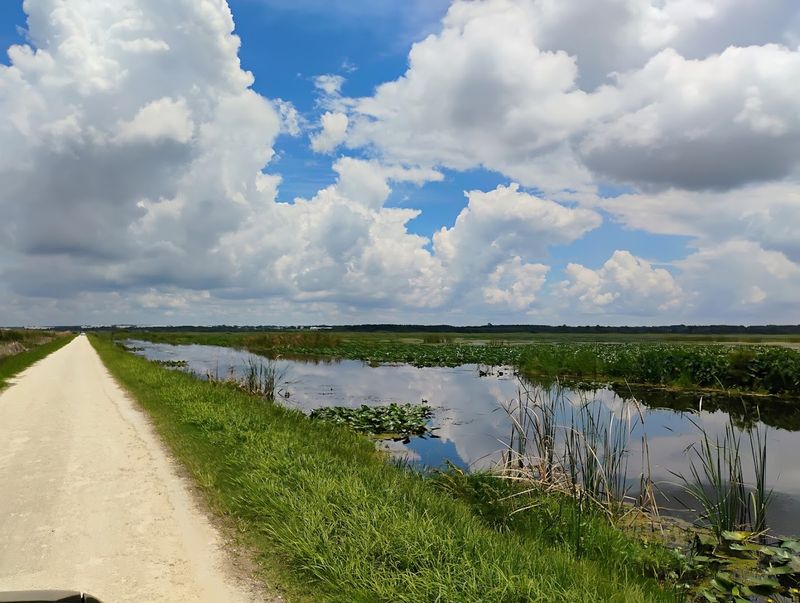
Orlando’s theme parks draw millions of visitors, but just northwest of the metro area, Lake Apopka’s north shore offers a completely different attraction that most tourists never discover. An eleven-mile gravel road loops through restored wetlands where more than 370 bird species have been recorded, making it one of Florida’s premier birding destinations.
The wildlife drive opens only on weekends and holidays, keeping human disturbance low and wildlife activity high. Alligators line the canal banks, sometimes dozens visible from a single spot. Wading birds cluster in the shallows, stabbing at fish and crayfish.
Turtles pile onto logs. Otters hunt along the water’s edge, and bobcats occasionally cross the road at dawn or dusk.
Winter brings the biggest bird numbers, with thousands of ducks, coots and other waterfowl covering the open water. Raptors perch on dead trees, scanning for prey. Sandhill cranes probe the mud with their long bills.
Spring and fall migration periods add warblers, shorebirds and other travelers to the resident species.
The drive takes one to three hours depending on how often you stop to watch wildlife. Bring binoculars, a camera with a good zoom lens, and field guides. Stay in your vehicle to avoid disturbing animals and to use your car as a blind.
Admission is free. Restrooms are available at the entrance. No food, water or services exist along the route, so come prepared.
9. Orlando Wetlands (Christmas)
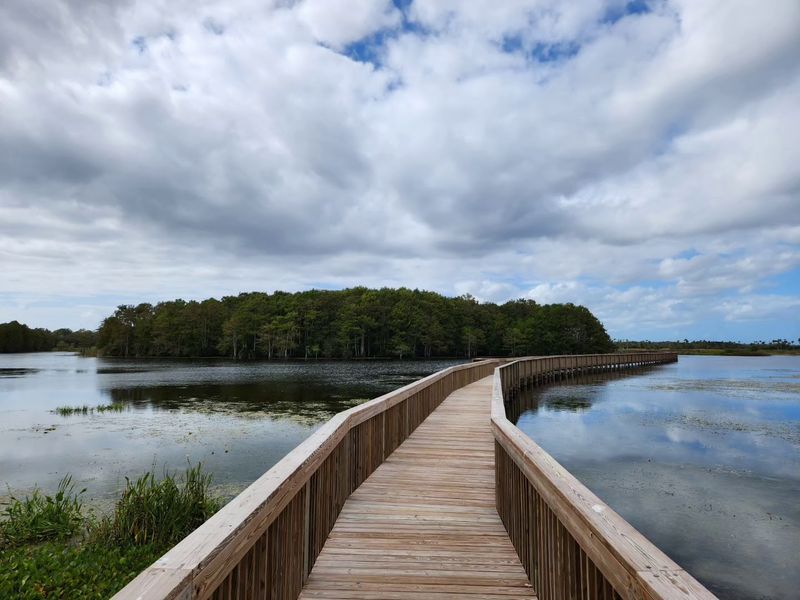
The town of Christmas sits east of Orlando’s sprawl, and just beyond it lies 1,650 acres of constructed wetlands that treat reclaimed water while creating exceptional wildlife habitat. Orlando Wetlands Park feels like a world away from the nearby theme parks, offering quiet trails and abundant animals without entrance fees or crowds.
These wetlands were built for water treatment, but they’ve become a magnet for birds, alligators, turtles and other wildlife that don’t care about the engineered origins. Wood storks wade through the shallows. Roseate spoonbills sweep their bills through the water.
Glossy ibis probe the mud. Alligators of all sizes claim territories throughout the cells.
Eighteen miles of trails and levees circle the treatment cells, with several observation platforms offering elevated views across the marsh. A visitor center provides maps, wildlife checklists, and interpretive information. Rangers lead guided walks and talks, sharing details about both water treatment and wildlife ecology.
The park hosts an annual butterfly festival and regular birding events that draw enthusiasts from across the state. Photographers love the combination of accessible trails and reliable wildlife sightings. Families appreciate the flat terrain and educational opportunities.
Free parking and free admission make this an easy choice for budget-conscious nature lovers. The park opens daily from sunrise to sunset. Restrooms are available at the visitor center.
Bring sun protection, water, and binoculars for the best experience.