Spend Less Than $20 at These 11 Florida Adventures You’ll Want to Visit Again
Florida is packed with amazing experiences that won’t drain your wallet. From natural springs where you can swim with manatees to world-class museums and stunning gardens, the Sunshine State offers incredible adventures for less than the cost of a movie ticket and popcorn. Whether you’re a local looking for weekend fun or a visitor trying to stretch your vacation budget, these affordable attractions prove that the best memories don’t have to come with a hefty price tag.
1. Bok Tower Gardens – Lake Wales
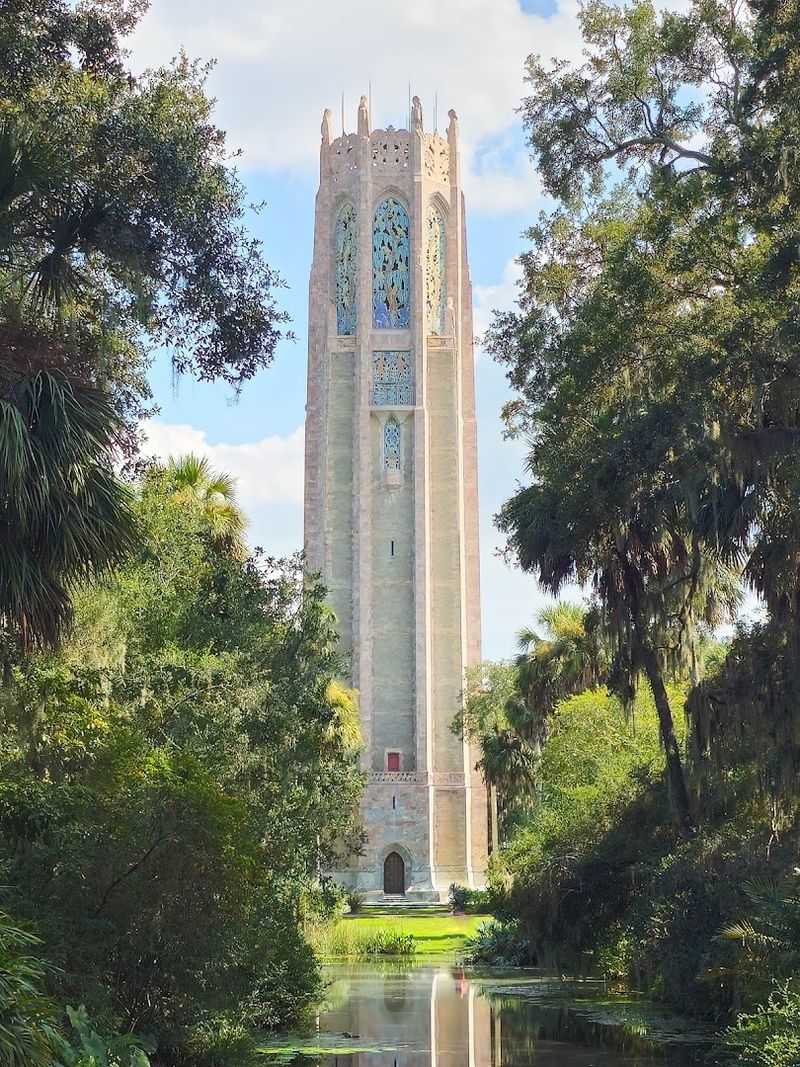
Picture a 205-foot tower made of pink marble rising above peaceful gardens where birds sing and butterflies flutter past. That’s what awaits you at Bok Tower Gardens, perched atop one of Florida’s highest points in Lake Wales. Edward Bok, a Dutch immigrant who became a successful magazine editor, created this sanctuary in the 1920s as a thank-you gift to America for the opportunities it gave him.
The gardens sprawl across 50 acres of carefully designed landscapes featuring native plants, winding paths, and quiet spots perfect for picnics or just sitting and thinking. The centerpiece is the Singing Tower, which houses a carillon with 60 bronze bells that ring out concerts daily at 1 and 3 pm. You can hear the music echoing across the gardens, creating a magical atmosphere that feels worlds away from everyday stress.
Kids love exploring the different garden areas, from the fern garden tucked into a shady ravine to the wide-open spaces where they can spot wildlife. The visitor center offers interactive exhibits about the tower’s history and the plants that make this place special. Admission runs around $15 for adults and $5 for kids, making it an affordable day trip.
Pack a lunch to enjoy at one of the shaded picnic areas, or grab snacks at the on-site cafe. The gardens stay cool even on hot days thanks to the elevation and mature tree canopy. Wear comfortable walking shoes because you’ll want to explore every corner of this peaceful retreat that proves Florida offers more than just beaches and theme parks.
2. Blowing Rocks Preserve – Hobe Sound
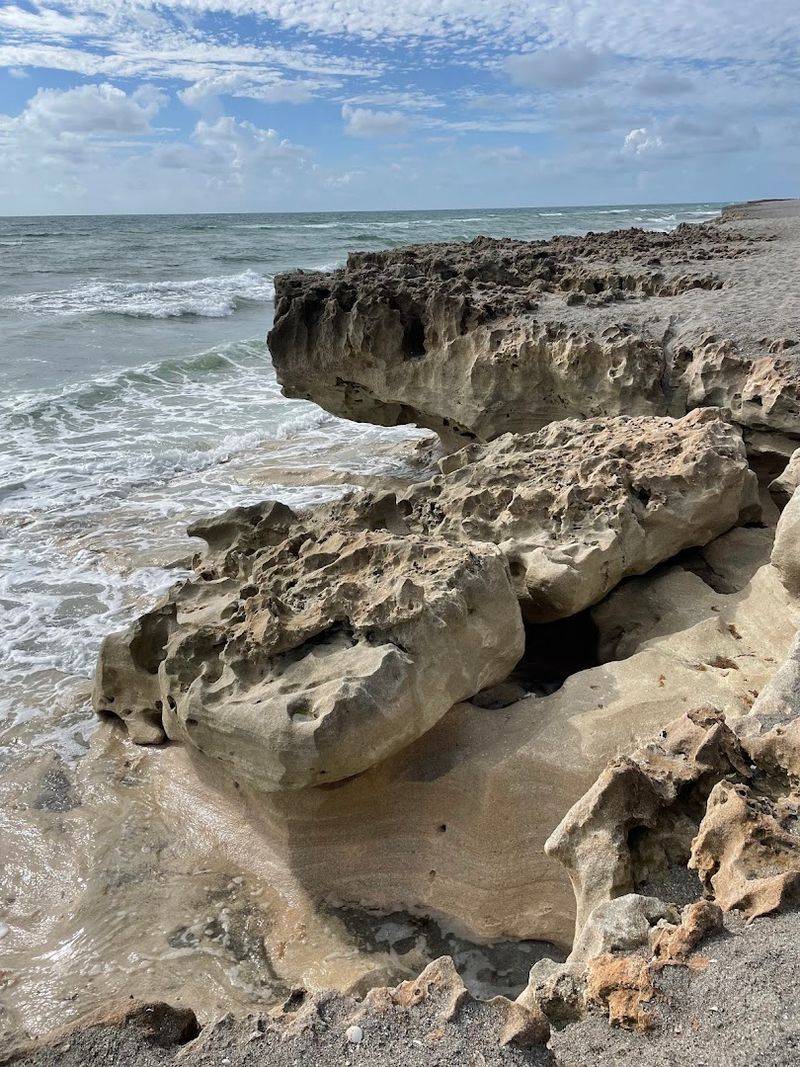
When waves meet ancient limestone along Florida’s coast, something spectacular happens. At Blowing Rocks Preserve in Hobe Sound, ocean swells crash against the largest nearshore outcropping of Anastasia limestone on the Atlantic coast, sending plumes of water shooting up to 50 feet into the air. It’s like nature’s own fountain show, and you can witness it for just a few dollars.
The preserve protects 73 acres of coastal habitat that includes not just the famous rocks but also mangrove wetlands, coastal strand, and beach dune communities. During high tide, especially when winds whip up the waves, the water forces through cracks and holes in the rock, creating the blowing effect that gives this place its name. The sound alone is worth the visit, a thunderous roar that reminds you of the ocean’s raw power.
Low tide reveals tide pools teeming with small fish, crabs, and sea creatures that kids find endlessly fascinating. The beach here feels wild and untouched compared to the developed stretches of sand elsewhere in Florida. Sea turtles nest here during summer months, and the preserve staff works hard to protect these ancient visitors.
A boardwalk trail leads through the coastal hammock where you might spot gopher tortoises, butterflies, and various birds. Admission is around $5 for members of The Nature Conservancy and $10 for non-members, with kids under six getting in free. Bring water shoes for exploring the rocks safely, and check tide schedules online before visiting to catch the blowing rocks at their most impressive.
3. Three Sisters Springs – Crystal River
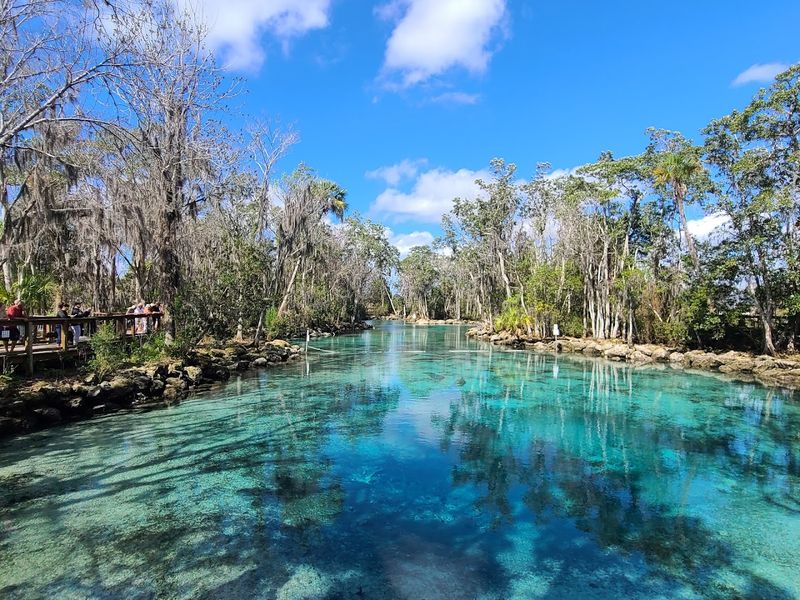
Imagine floating in water so clear you can see every grain of sand 20 feet below while gentle giants swim past you like underwater clouds. Three Sisters Springs in Crystal River offers one of Florida’s most magical wildlife encounters without the theme park price tag. This collection of three connected spring vents pumps out 67 million gallons of 72-degree water daily, creating a warm-water refuge that manatees flock to during cooler months.
From November through March, hundreds of manatees gather in these springs to escape the chilly Gulf waters. You can observe them from the floating boardwalk that winds through the spring run, getting close enough to see their whiskers and watch calves nursing from their mothers. The boardwalk features cutouts where you can dip your hands in the water and feel its constant temperature.
If you want to swim with the manatees, you’ll need to join a guided tour, but just visiting the springs and walking the boardwalk costs only $5 for parking at the refuge. The Crystal River National Wildlife Refuge manages the area carefully to protect the manatees while still allowing people to experience this natural wonder. Rangers are always around to answer questions and share fascinating facts about these gentle marine mammals.
Summer brings fewer manatees but crystal-clear snorkeling conditions where you can see fish, turtles, and the springs themselves bubbling up from underground caves. The surrounding nature trails let you spot birds and other wildlife. Bring a waterproof camera because you’ll want proof of the incredible sights you’ll see at this affordable Florida treasure.
4. De Leon Springs State Park – De Leon Springs
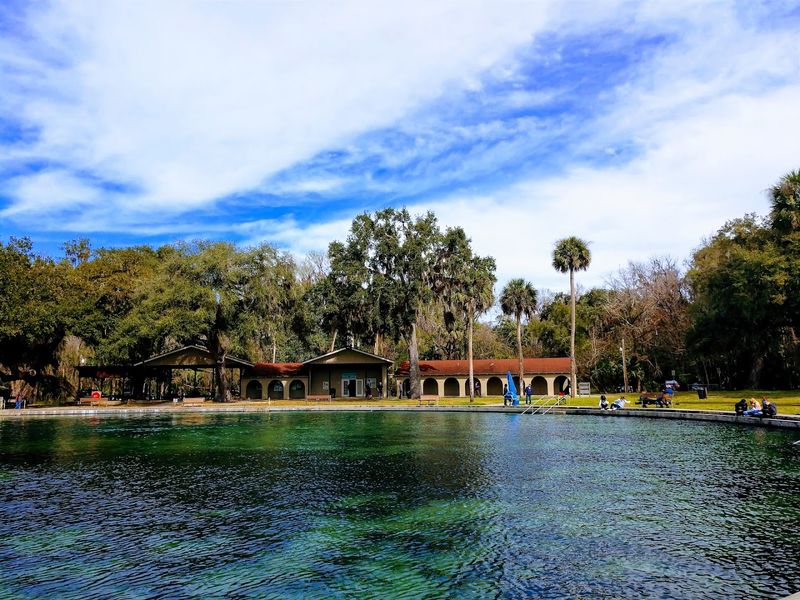
Ever made pancakes at your table while sitting in a state park? At De Leon Springs State Park, you can do exactly that at the Old Spanish Sugar Mill restaurant, where griddles are built right into the tables. But the real star here is the spring itself, a massive pool of crystal-clear water that stays a refreshing 72 degrees year-round, perfect for swimming even on the hottest Florida days.
Ponce de Leon supposedly searched for the Fountain of Youth here in the 1500s, though historians debate whether he actually visited this spot. What’s certain is that the spring has drawn people for thousands of years, with evidence of human activity dating back 6,000 years. The spring basin spans half an acre and reaches depths of 30 feet in some spots, with water so clear you can watch fish swimming far below.
Families love this park because there’s something for everyone. Little kids can splash in the shallow areas while stronger swimmers explore the deeper sections. The park rents kayaks and canoes for paddling along Spring Garden Creek, where you’ll glide under canopies of moss-draped trees and might spot alligators sunning on the banks.
Don’t worry, they’re more interested in fish than people.
Hiking trails wind through pine flatwoods and hardwood forests where you can see wild turkeys, deer, and countless bird species. Park admission costs just $6 per vehicle, making it one of Florida’s best bargains. Pack towels, sunscreen, and water shoes for the spring bottom.
The pancake breakfast is extra but still affordable, and making your own flapjacks adds a fun twist to your park visit.
5. Weeki Wachee Springs State Park – Spring Hill
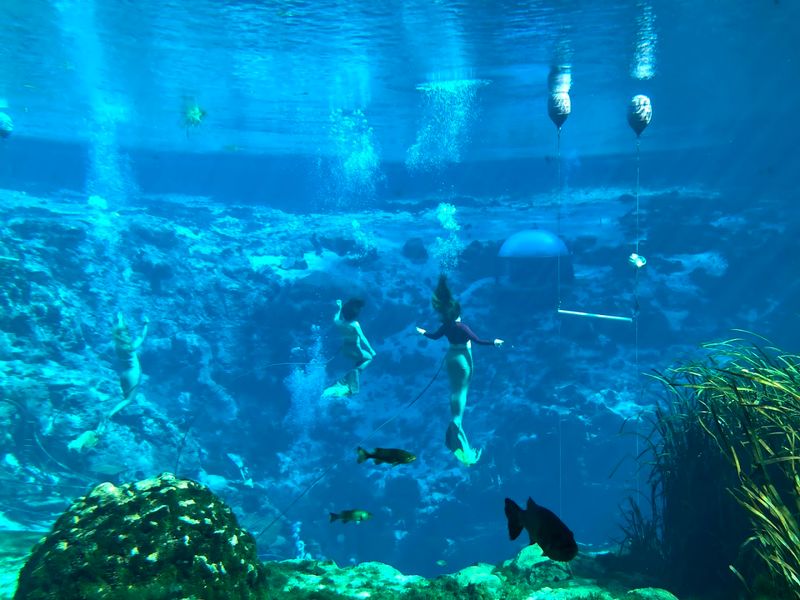
Mermaids are real, at least at Weeki Wachee Springs State Park where performers have been breathing underwater and flipping their tails since 1947. This quirky roadside attraction became a Florida legend, and today it’s a state park where you can watch mermaid shows in an underwater theater for less than $20. The spring itself pumps out 117 million gallons of fresh water daily from a cave system that divers have explored to depths of over 400 feet.
The mermaid shows happen in a unique theater with windows looking into the spring, so you’re watching real performers swimming in actual spring water, not a tank. They perform underwater ballet, drink soda through tubes, and even eat bananas while holding their breath for extended periods. It’s campy and charming in the best possible way, a throwback to old Florida before mega theme parks took over.
After the show, you can swim in Buccaneer Bay, the park’s spring-fed water park area with slides, a sandy beach, and that perfect 74-degree water temperature. Kids love the lazy river that follows the natural spring run, and there’s plenty of space to just float and relax. Kayak rentals let you paddle the Weeki Wachee River, one of Florida’s most beautiful waterways with clear water and abundant wildlife.
Admission ranges from $13 for adults to $8 for kids, covering the mermaid show, Buccaneer Bay, and the animal shows featuring river otters, turtles, and birds. Arrive early during busy seasons because the park caps attendance to protect the spring environment. Bring your own food and drinks to save money, or buy snacks at the concession stand.
6. St. Augustine Lighthouse & Maritime Museum – St. Augustine
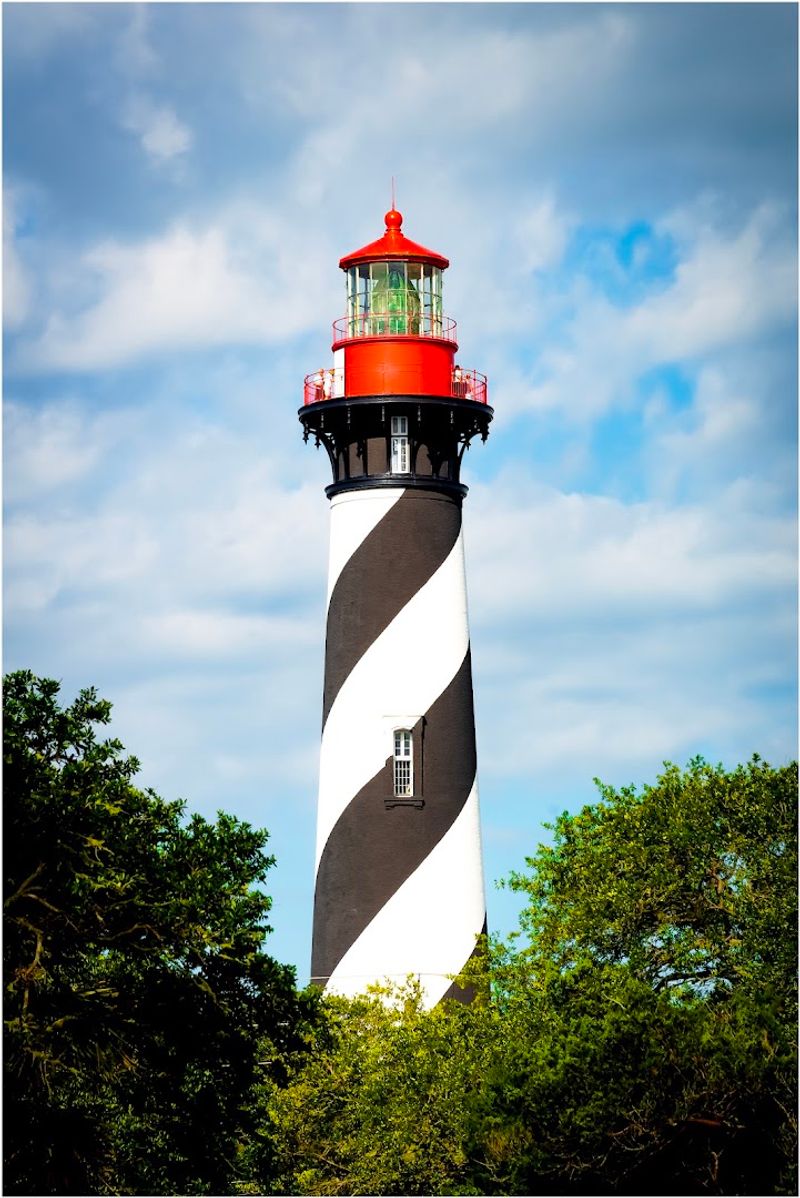
Climbing 219 steps up a spiral staircase might not sound relaxing, but the view from the top of the St. Augustine Lighthouse makes every step worthwhile. This black-and-white striped tower has guided ships since 1874, and today it stands as one of Florida’s most recognizable landmarks. The lighthouse and its museum offer a fascinating look at maritime history, shipwrecks, and the daily lives of lighthouse keepers and their families.
The keeper’s house at the base has been restored to its Victorian-era appearance, with rooms furnished as they would have been when families lived here. You can peek into bedrooms, the kitchen, and parlor while learning about the challenges of lighthouse life. The children who grew up here had unusual childhoods, with their home being a working lighthouse that required constant attention.
Maritime archaeology exhibits display artifacts recovered from shipwrecks along Florida’s coast, including cannons, pottery, and personal items that tell stories of sailors from centuries past. Interactive displays let you try tying nautical knots, learn Morse code, and understand how lighthouses worked before electricity. The boat house contains historic vessels and explains Florida’s fishing and boat-building traditions.
At the top of the lighthouse, 165 feet above sea level, you can see for miles across the Atlantic Ocean, Matanzas Bay, and historic St. Augustine. The working Fresnel lens still flashes every 30 seconds, visible from 24 miles out to sea. Admission costs around $15 for adults and $12 for kids.
The climb isn’t suitable for everyone due to the narrow stairs, but those who can’t climb can explore the extensive grounds, museum buildings, and exhibits at ground level.
7. Mote Marine Laboratory & Aquarium – Sarasota
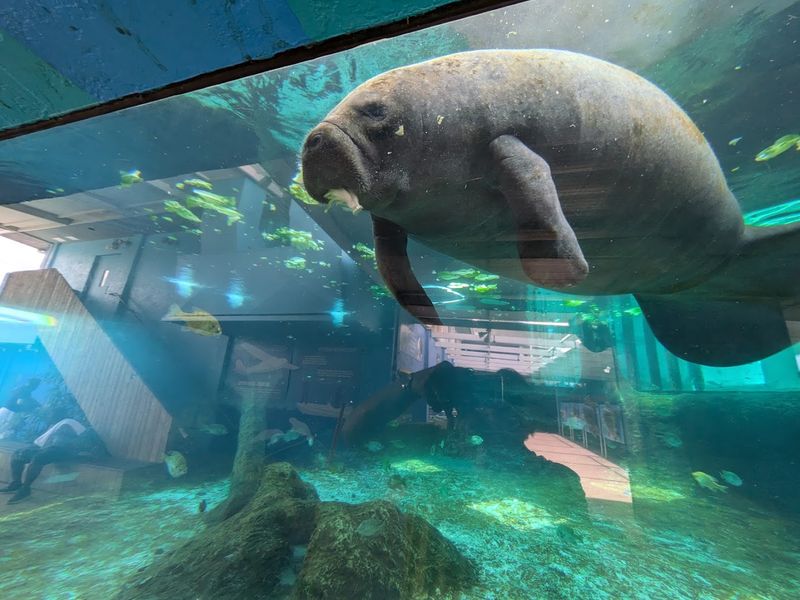
Sea turtles paddle past your face as you stand in the underwater viewing tunnel, their flippers moving in slow motion like they’re flying through water. Mote Marine Laboratory & Aquarium in Sarasota combines cutting-edge marine research with public exhibits that bring you face-to-face with Florida’s incredible sea life. Unlike massive commercial aquariums, Mote feels intimate and educational, focusing on local species and conservation efforts.
The shark tank houses several species found in Florida waters, from small bonnetheads to larger nurse sharks. Feeding times draw crowds as staff members explain each shark’s behavior and role in the ecosystem. Touch tanks let you gently feel stingrays as they glide past, their smooth skin surprising visitors who expect something rough or slimy.
Mote’s real mission is research, and you can learn about their work rehabilitating sea turtles, studying red tide, and protecting manatees. The manatee hospital area shows the medical care these injured animals receive before being released back into the wild. Seeing a 1,200-pound manatee up close helps you understand why boaters need to be careful in Florida waters.
The jellyfish gallery mesmerizes visitors with its glowing tanks of moon jellies, their translucent bodies pulsing rhythmically under special lighting. Seahorse exhibits showcase these delicate creatures that seem more mythical than real. Interactive displays explain how ocean currents work, why coral reefs matter, and what everyone can do to protect marine environments.
Admission runs about $19 for adults and $14 for kids, with discounts for Florida residents. The aquarium isn’t huge, so you can see everything in a couple of hours. Combine your visit with a trip to nearby Mote Beach for a full day of marine-themed adventure.
8. Butterfly World – Coconut Creek
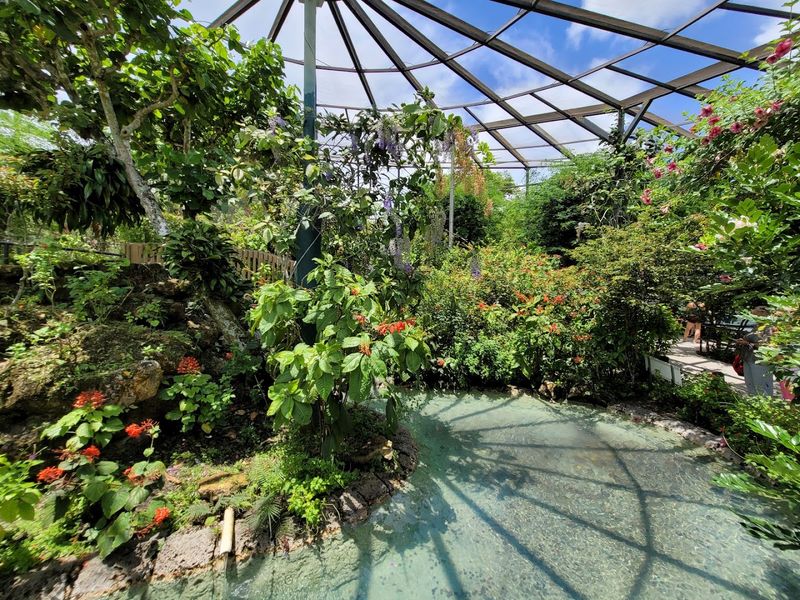
Walking into Butterfly World feels like stepping through a portal into a tropical paradise where thousands of butterflies float past like living flowers. Located in Coconut Creek, this attraction is the largest butterfly park in the world, housing over 20,000 live butterflies in climate-controlled environments that keep them happy year-round. Waterfalls cascade over rocks, exotic flowers bloom in impossible colors, and everywhere you look, butterflies land, feed, and flutter about their business.
The park divides into several screened aviaries, each representing different tropical ecosystems. In the rainforest section, humidity hangs heavy in the air while massive blue morpho butterflies flash their iridescent wings. The rose garden aviary features flowers arranged in beautiful patterns with butterflies perfectly color-matched to their favorite blooms.
You’ll see species from around the world, from tiny hairstreaks to giant swallowtails with wingspans measuring several inches.
A separate building houses the emerging butterfly area where you can watch new butterflies struggling out of their chrysalises, wings wet and crumpled before they pump them full of fluid and prepare for their first flight. It’s a reminder that these delicate creatures undergo complete transformation, starting as crawling caterpillars before becoming flying jewels.
The bug zoo adds variety with displays of giant beetles, walking sticks, tarantulas, and other insects that make kids squeal with delight or disgust. The hummingbird aviary lets these tiny birds zip past your head, their wings beating so fast they blur. Koi ponds and a lorikeet feeding area round out the experience.
Admission costs around $30 for adults and $25 for kids, making it pricier than some options but still under the $20 mark during special promotions.
9. Morikami Museum and Japanese Gardens – Delray Beach
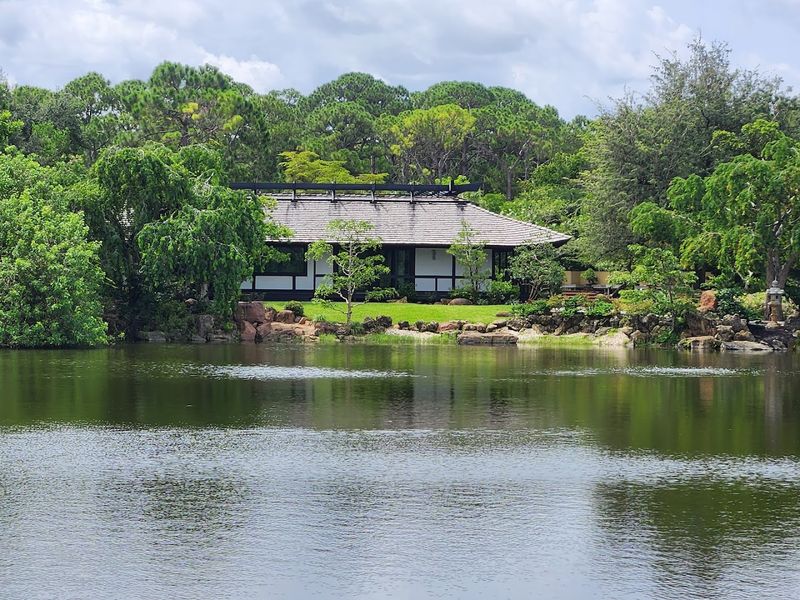
Tranquility washes over you the moment you enter Morikami Museum and Japanese Gardens in Delray Beach. This 16-acre park celebrates Japanese culture through six distinct garden styles, each representing a different period and philosophy of Japanese garden design. Winding paths lead you past koi ponds, waterfalls, bonsai collections, and carefully placed rocks that create scenes meant to inspire contemplation and peace.
The gardens were created on land once farmed by the Yamato Colony, a group of Japanese immigrants who settled here in the early 1900s attempting to grow pineapples and other crops. Most eventually left, but George Morikami stayed, farming his land for decades before donating it to Palm Beach County with the vision of creating this cultural center. His story adds depth to your visit, knowing this peaceful place honors the dreams and hard work of those early settlers.
Inside the museum building, rotating exhibits showcase Japanese art, from ancient pottery to contemporary installations. The permanent collection includes samurai armor, delicate kimonos, tea ceremony implements, and woodblock prints. Educational programs teach visitors about Japanese traditions, from calligraphy to origami to the precise movements of tea ceremony.
The Cornell Cafe serves Asian-fusion cuisine in a dining room overlooking the gardens, though you can also pack a picnic to enjoy at designated areas. A traditional Japanese house sits among the gardens, its sliding doors and tatami mats showing how space and simplicity define Japanese domestic architecture. The bonsai collection features trees decades old, their twisted trunks and carefully pruned branches creating miniature landscapes in pots.
Admission costs around $15 for adults and $9 for kids. Tuesday is free for everyone. The gardens offer something different in every season, making this a place you’ll want to return to throughout the year.
10. Manatee Lagoon – An FPL Eco-Discovery Center – West Palm Beach
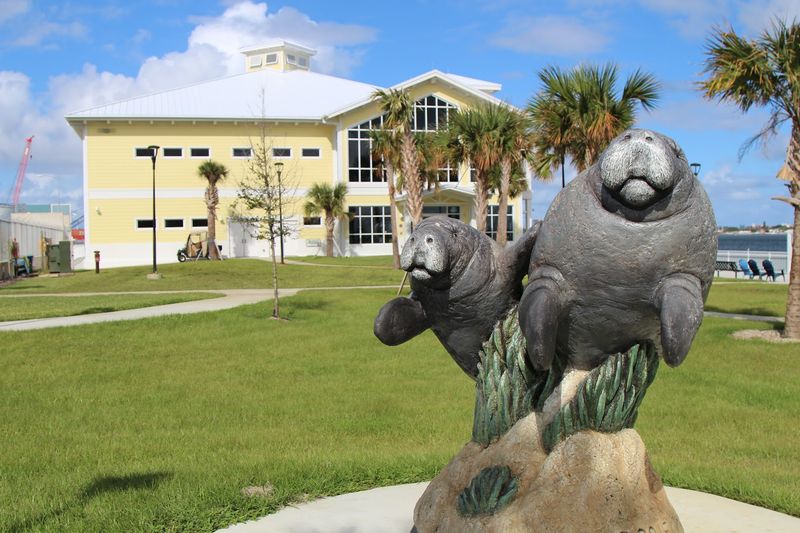
Who knew a power plant could be a great place to see wildlife? Manatee Lagoon sits next to Florida Power & Light’s Riviera Beach Next Generation Clean Energy Center, where warm water discharged from the plant creates a winter haven for hundreds of manatees. This free educational center lets you watch these gentle giants from observation decks while learning about manatee biology, Florida’s ecosystems, and how humans and wildlife can coexist.
During winter months, especially when water temperatures drop, manatees crowd into the warm discharge canal by the dozens. You can see them from multiple viewing levels, some so close you can make out the scars on their backs from boat propellers. These scars help researchers identify individual manatees and track their movements along Florida’s coast.
Inside the three-story facility, interactive exhibits explain manatee life cycles, their evolution from land mammals to aquatic herbivores, and the conservation efforts working to protect them from extinction. Touch screens let you explore Florida’s springs, rivers, and coastal waters while learning about the plants and animals that depend on these habitats. A 3,000-gallon aquarium displays fish species that share waterways with manatees.
The education center opened in 2016, designed specifically to help people understand and appreciate manatees while using the power plant’s warm water for a positive purpose. Rangers and volunteers staff the viewing areas, answering questions and helping visitors spot manatees in the water below. A gift shop sells manatee-themed items with proceeds supporting conservation programs.
Admission is completely free, making this one of Florida’s best wildlife viewing bargains. The center is open Tuesday through Sunday, and manatee numbers peak from November through March. Bring binoculars for better views, though you’ll see plenty with just your eyes.
Parking is free and plentiful.
11. Marie Selby Botanical Gardens Downtown Sarasota Campus – Sarasota
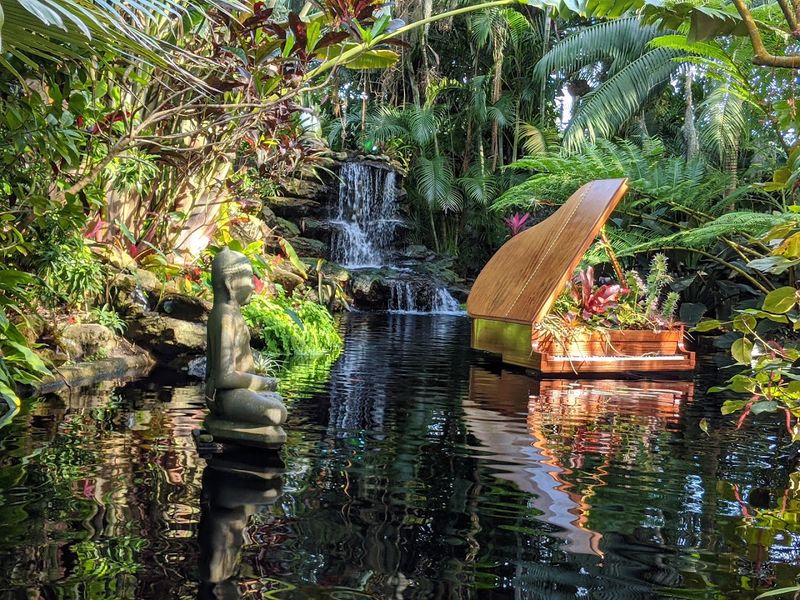
Orchids bloom in impossible colors and patterns throughout Marie Selby Botanical Gardens, perched on the shores of Sarasota Bay in the heart of downtown. This 15-acre garden specializes in epiphytes, plants that grow on other plants rather than in soil, including one of the world’s most comprehensive orchid collections. Walking through feels like exploring a tropical jungle, yet you’re steps away from city streets and waterfront restaurants.
The gardens spread across several distinct areas, each showcasing different plant families and garden styles. The Tropical Conservatory houses rare and delicate species that need controlled conditions, with pathways winding through multi-level displays where plants cascade from above and emerge from below. Bromeliads show off their colorful centers while carnivorous plants wait patiently in their pots for unsuspecting insects.
Bay views provide stunning backdrops for the garden paths, and strategically placed benches invite you to sit and soak in the scenery. The Mangrove Walkway extends over the water, letting you explore this unique ecosystem where land meets sea. Fish dart between mangrove roots while birds hunt for meals in the shallow water.
Educational signs explain how mangroves protect shorelines from erosion and serve as nurseries for countless marine species.
Inside the historic Selby House, rotating art exhibitions complement the living plant displays, often featuring nature-inspired works by regional and national artists. The Museum of Botany and the Arts adds cultural depth to your garden visit. Children love the koi pond where enormous fish surface hoping for food pellets from the dispensers.
Admission runs around $15 for adults and $10 for kids, with free entry for children under five. The gardens host special events, concerts, and educational programs throughout the year. Morning visits offer the best light for photography and fewer crowds.