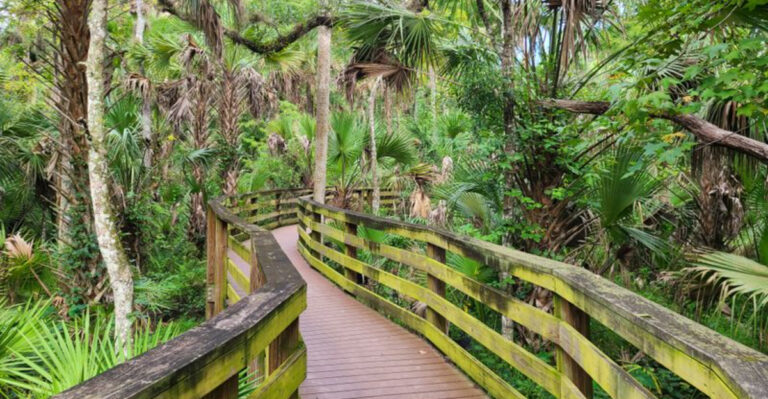
9 Overlooked Florida Towns That Deserve More Attention
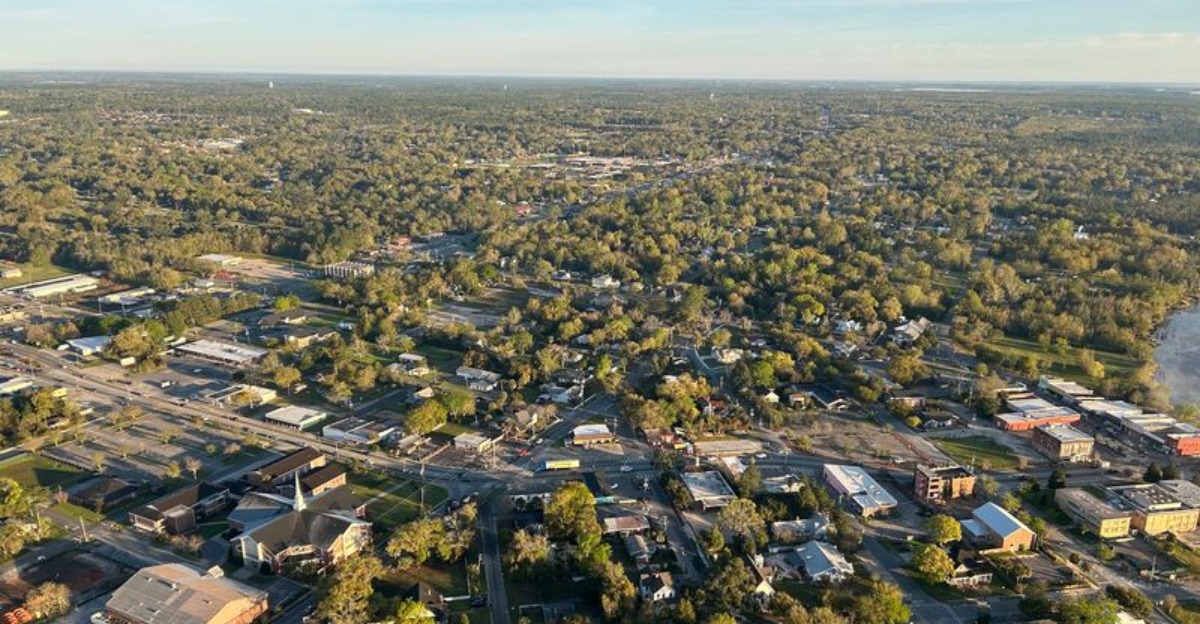
Florida has more to offer than crowded theme parks and packed beaches. Scattered across the state are small towns with quiet charm, real character, and plenty to see without the tourist chaos. These nine overlooked spots give you a genuine taste of Florida, from historic downtowns to waterfront walks, wildlife-filled preserves to antique-lined streets.
1. Micanopy
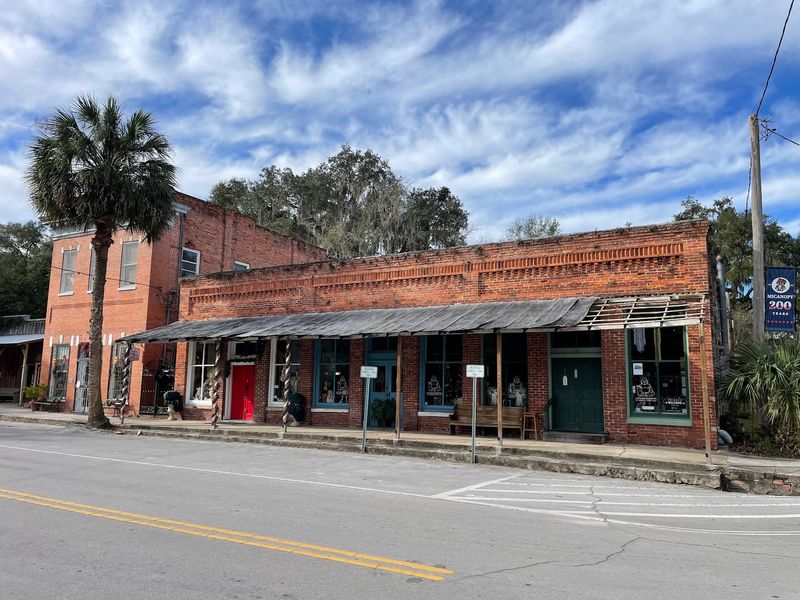
Spanish moss hangs from massive live oaks, framing a downtown that looks like it forgot to update since the 1800s. Micanopy sits just south of Gainesville and feels worlds away from anything resembling modern Florida sprawl.
Antique stores line the main drag, tucked into historic storefronts that actually have stories worth telling. You can spend an hour browsing old maps, vintage furniture, and dusty treasures without anyone rushing you out the door. The whole town moves at a pace that makes you wonder if clocks here run slower.
Paynes Prairie Preserve borders the town and adds serious outdoor appeal to the cultural side of the visit. Bison roam the prairie, wild horses graze near the trails, and alligators sun themselves along the wetlands. Hiking here feels like stepping into the Florida that existed before air conditioning.
The town itself spans only a few blocks, but those blocks pack in enough charm to justify the drive. Local cafes serve lunch without the corporate menu, and the whole experience feels refreshingly unhurried. Micanopy proves that Florida still has corners where Old Florida survives, complete with moss, history, and zero traffic jams.
2. Cedar Key
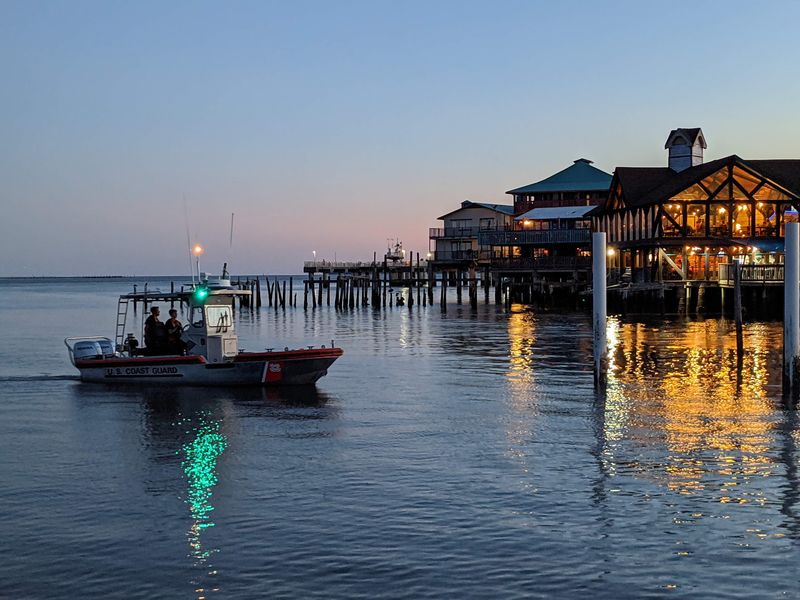
Most Florida beach towns feel like they were designed by the same resort developer. Cedar Key missed that memo entirely and stayed a working fishing village instead. Located on the Gulf Coast, it attracts visitors who want waterfront without the high-rise condos.
The downtown hugs the water, where weathered docks and seafood shacks serve clams pulled from local waters that morning. You can watch fishing boats unload their catch, then eat that same catch an hour later at a no-frills restaurant with plastic chairs and million-dollar sunset views. The vibe here is salty, genuine, and refreshingly low-key.
Kayaking around the Cedar Keys National Wildlife Refuge lets you explore mangrove islands, spot dolphins, and paddle through water so clear you can count fish below your boat. Birdwatchers come here for migrating species and nesting colonies that treat the islands like a five-star hotel.
The town itself stays small on purpose, with art galleries, quirky shops, and zero chain stores cluttering the experience. Weekends bring more visitors, but even then, Cedar Key never feels crowded in the way beach towns farther south do. It remains one of the last Gulf Coast spots where fishing boats outnumber jet skis.
3. Apalachicola
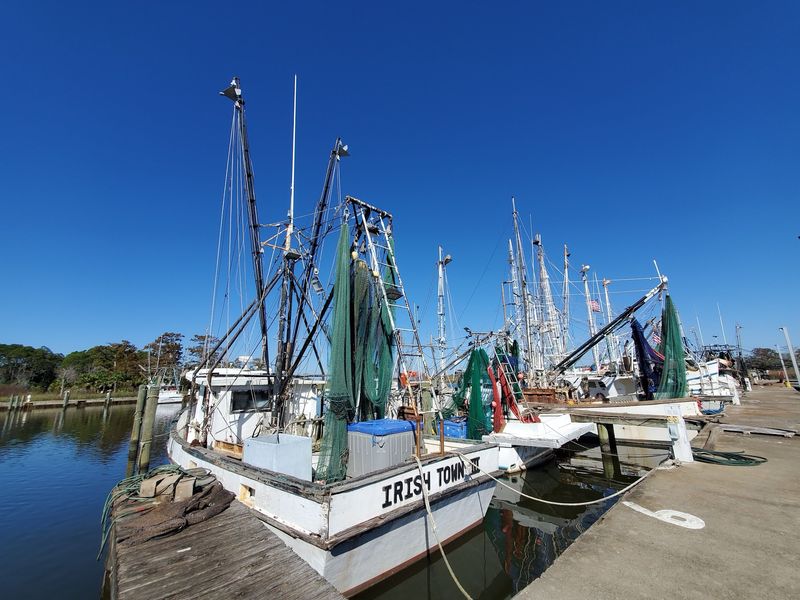
Apalachicola sits on Florida’s Forgotten Coast, a stretch of shoreline that somehow avoided becoming another beach resort clone. This port town built its reputation on oysters, shrimp, and maritime trade, and those industries still shape the rhythm of daily life here.
Downtown Apalachicola preserves its 19th-century architecture without turning into a theme park version of history. You can walk past buildings that housed cotton brokers, ship captains, and sponge merchants, many now converted into restaurants, galleries, and shops that respect the bones of the structures. The whole district feels like a living museum where people actually live and work.
Seafood here tastes better because it comes from boats you can see from your table. Apalachicola oysters have earned a reputation that reaches far beyond Florida, and eating them at the source beats any landlocked oyster bar. Fresh shrimp, grouper, and mullet round out menus that change with what the Gulf provides each day.
Fishing charters, kayak tours, and barrier island trips add outdoor options to the cultural attractions, but the town never pushes the resort-destination vibe. Apalachicola stays true to its working-waterfront roots while welcoming visitors who appreciate authenticity over manufactured charm. It remains a rare Florida coastal town where history and community still matter more than tourist dollars.
4. DeFuniak Springs
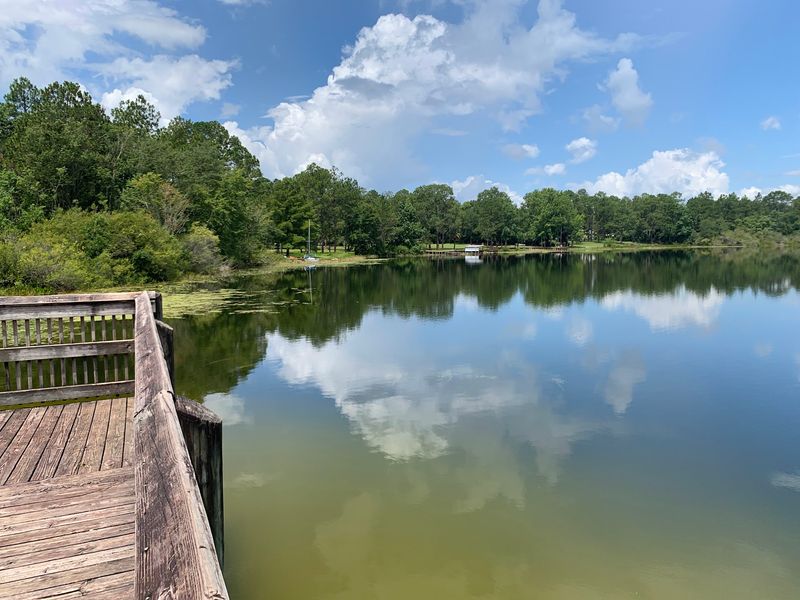
A perfectly round spring-fed lake anchors the center of town, surrounded by a collection of Victorian homes that would make architecture fans weak in the knees. DeFuniak Springs gets overshadowed by the Panhandle beaches to the south, but anyone interested in history and old buildings should skip the sand and head here instead.
The town grew up around the lake in the late 1800s, and hundreds of historic structures still stand in remarkably good condition. Walking tours reveal Stick-style cottages, Queen Anne mansions, and Craftsman bungalows that tell the story of Florida before it became synonymous with beach vacations. The whole downtown feels like a time capsule that someone actually bothered to preserve.
Chautauqua Hall, one of only two surviving Chautauqua buildings in Florida, hosts events and serves as a reminder of when small towns built their own cultural centers. The Walton-DeFuniak Library claims to be Florida’s oldest library still operating in its original building, complete with vintage charm and creaky floors.
Local shops and cafes fill the downtown blocks without the corporate sameness that plagues so many Florida towns. You can grab lunch, browse antiques, and circle the lake on foot without encountering a single chain store. DeFuniak Springs proves that Florida has architectural depth beyond Art Deco Miami and Spanish Revival everywhere else.
5. Milton
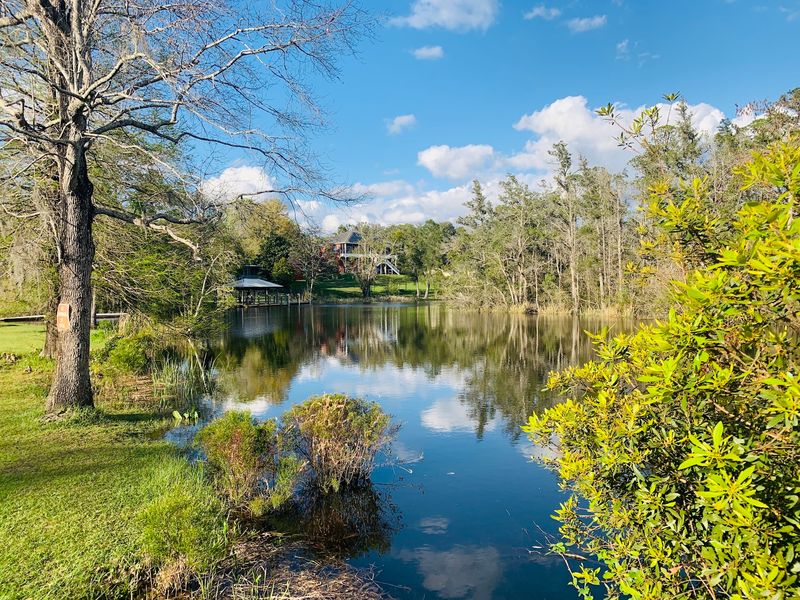
Sitting just northeast of Pensacola, Milton offers everything tourists want without the beach-town crowds that make summer weekends unbearable. The Blackwater River runs through town, providing a natural centerpiece that locals actually use instead of just admiring from a distance.
The riverwalk stretches along the water, connecting parks, restaurants, and historic sites in a way that makes exploring on foot easy and pleasant. You can watch kayakers paddle past, fish from the banks, or just sit on a bench and enjoy moving water that isn’t the Gulf. The whole setup feels designed for people who live here, not just visitors passing through.
Downtown Milton preserves its historic character with brick buildings, independent shops, and local restaurants that serve actual regional food. The West Florida Railroad Museum adds a quirky stop for train enthusiasts and history buffs who want to understand how railroads shaped this part of the state. Nearby preserves and paddling trails give outdoor lovers plenty of options beyond the riverwalk.
Milton stays close enough to Pensacola for convenience but far enough to avoid the tourist saturation that comes with beach proximity. Locals treat it like a hidden gem, and visitors who discover it tend to wonder why more people don’t make the short drive from the coast. It remains one of those rare Florida towns where community identity matters more than tourist appeal.
6. Palatka
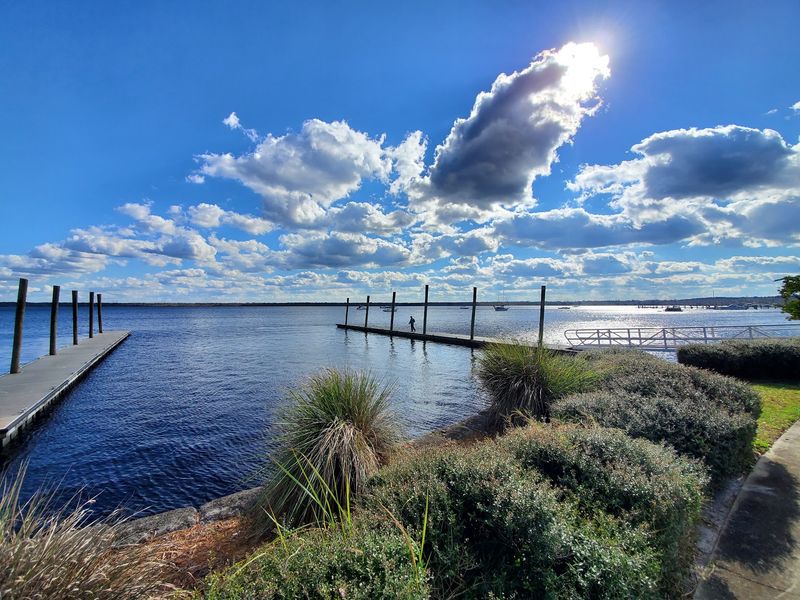
The St. Johns River flows through Palatka, giving this Northeast Florida town a waterfront setting that most inland cities would envy. Murals cover downtown buildings, turning ordinary brick walls into outdoor art galleries that tell local stories with color and style.
Ravine Gardens State Park sits just outside downtown and offers something rare in Florida: actual hills and dramatic topography carved by ancient water flow. Azaleas bloom in spring, turning the ravines into a riot of pink and red that draws photographers and garden lovers from across the state. Walking trails wind through the gardens, following paths that feel more Appalachian than Floridian.
The historic downtown mixes antique stores, local cafes, and riverside views into a walkable district that rewards slow exploration. Cycling trails connect to the larger Palatka-to-Lake Butler State Trail, and paddling opportunities on the St. Johns attract kayakers looking for lazy river floats through old-growth cypress swamps.
Palatka lacks the polish of more tourist-focused towns, but that rough-around-the-edges quality adds to its appeal for visitors tired of manufactured charm. The town works as a base for exploring inland Northeast Florida, with easy access to springs, state forests, and river adventures. It remains one of those places where locals outnumber tourists, and the town feels better for it.
7. Dade City
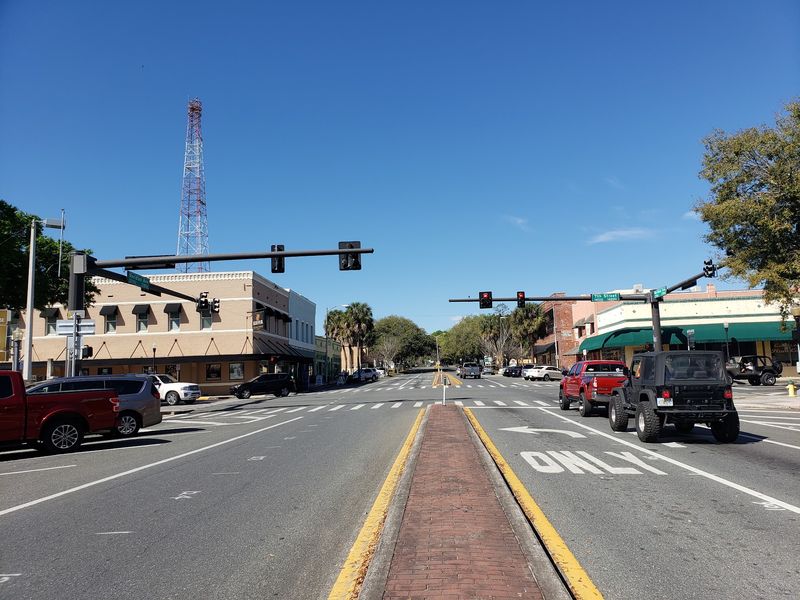
Rolling hills replace the flatness that defines most of Florida, giving Dade City a landscape that feels borrowed from Georgia. About 40 miles north of Tampa, this Pasco County town offers Old Florida charm without the theme park proximity that defines so much of Central Florida.
Downtown Dade City packs antique stores, independent restaurants, and local shops into a compact district that actually looks like a real town instead of a strip mall disguised as one. The Pioneer Florida Museum preserves buildings, artifacts, and stories from the state’s frontier days, giving history fans something substantial to explore beyond generic Florida tourism narratives.
A historic walking tour reveals architecture that spans from the late 1800s through the early 20th century, with buildings that tell the story of a town that grew up around citrus, cattle, and agriculture instead of beaches and tourism. The whole experience feels refreshingly grounded in actual Florida history rather than manufactured nostalgia.
Local cafes serve lunch menus that change with the seasons, and the surrounding countryside offers a glimpse of what Central Florida looked like before development swallowed everything green. Dade City stays small enough to explore in an afternoon but interesting enough to justify a longer stay. It remains one of those towns where charm comes from authenticity rather than careful branding.
8. Lake Placid
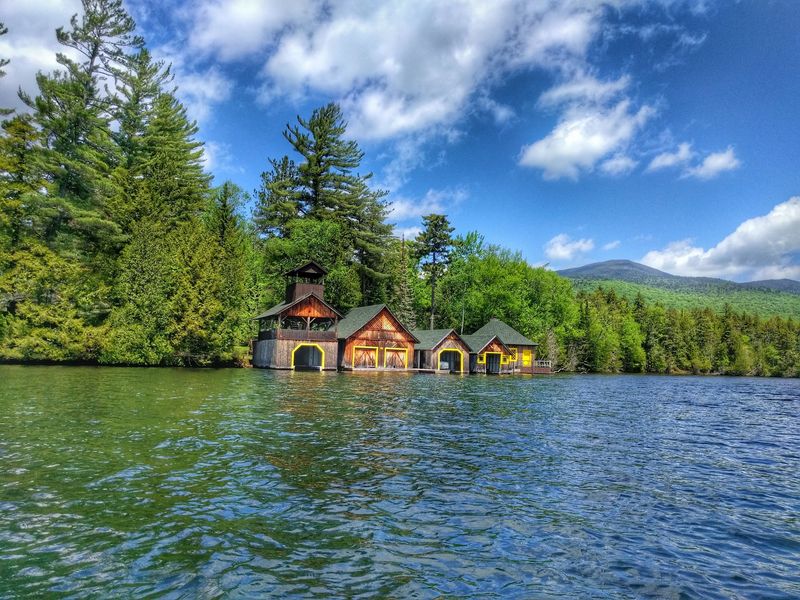
Twenty-seven freshwater lakes dot this South-Central Florida town, earning it the nickname “Town of Murals and Lakes” for reasons that become obvious within five minutes of arrival. Nearly 50 outdoor murals cover buildings throughout downtown, turning the whole town into an open-air art gallery that celebrates local history, wildlife, and caladium farming.
Caladiums thrive in the sandy soil around Lake Placid, and the farms here produce millions of bulbs shipped worldwide. Visiting during growing season reveals fields of heart-shaped leaves in wild color combinations that look almost artificial. The town celebrates its caladium industry with festivals and tours that give you more respect for ornamental plants than you thought possible.
Lake Istokpoga, the fourth-largest lake in Florida, attracts anglers chasing bass, crappie, and bluegill in waters that produce trophy fish regularly. Nature preserves surround the town, offering hiking, birdwatching, and wildlife photography opportunities that showcase Florida’s inland ecosystems beyond the usual coastal focus.
Downtown boutiques, restaurants, and cafes fill historic buildings that maintain small-town character without feeling stuck in the past. The whole town balances agricultural roots with outdoor recreation and artistic expression in a way that feels genuine rather than calculated. Lake Placid remains one of those Florida towns that locals love and visitors stumble upon by accident, then tell everyone about afterward.
9. Punta Gorda
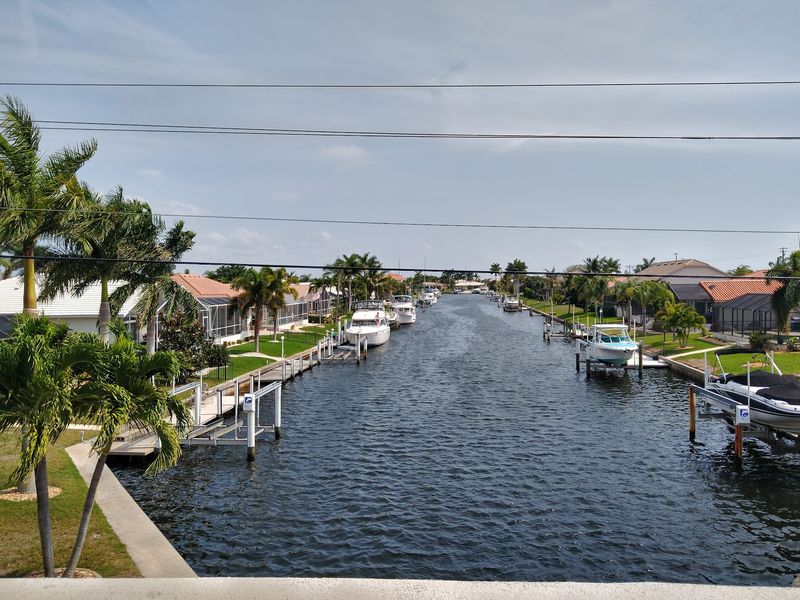
Charlotte Harbor stretches out from the downtown waterfront, providing Punta Gorda with views that rival better-known Southwest Florida destinations without the crowds that make those places unbearable in season. The Harborwalk connects parks, restaurants, and public spaces along the water, creating a pedestrian-friendly route that shows off the town’s best features.
Historic neighborhoods fan out from downtown, filled with well-preserved homes that range from early 20th-century bungalows to mid-century modern designs. Walking these streets reveals a town that took preservation seriously long before it became trendy, protecting architectural character while allowing the community to evolve.
Fishermen’s Village combines shopping, dining, and marina access into a waterfront complex that works for both boaters and landlubbers. Charter boats leave from here for fishing trips, island excursions, and sunset cruises that explore Charlotte Harbor and the surrounding waters. The whole setup feels designed for people who want easy water access without resort-town pretension.
Restaurants throughout town serve fresh seafood, but the variety extends beyond the usual Florida coastal menu of grouper and shrimp. Local chefs experiment with flavors and techniques that show actual culinary ambition rather than relying on tourist-friendly standards. Punta Gorda remains larger than some entries on this list but still gets overshadowed by Fort Myers and Naples despite offering comparable quality with fewer crowds and lower prices.