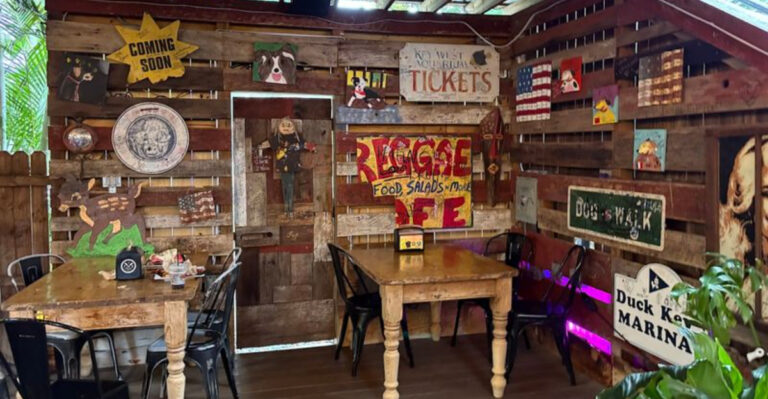
This Quiet Florida River Town Feels Like Old Florida Before the Crowds Arrived
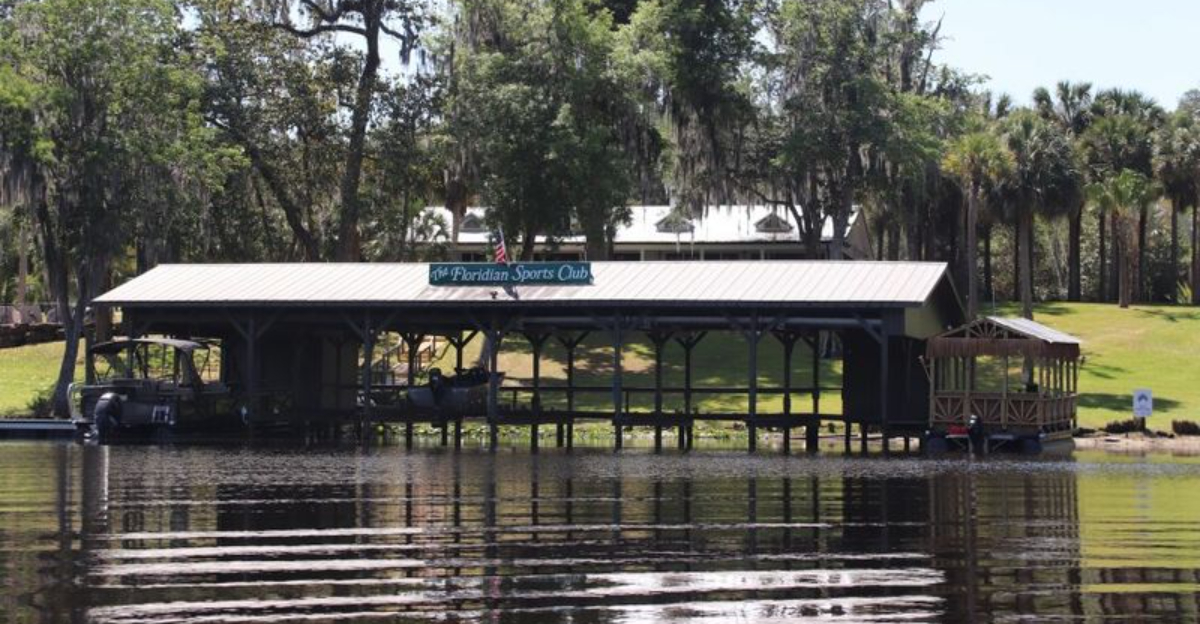
Welaka sits tucked along the St. Johns River in Putnam County, a small town where time moves slower and the crowds never showed up. With just over 700 residents, this riverside gem feels like stepping back into Florida before theme parks and tourist traffic took over. If you’re craving authentic Old Florida charm, moss-draped oaks, and genuine small-town warmth, Welaka delivers exactly that without the hassle of fighting for parking or waiting in lines.
1. The St. Johns River Runs Right Through Town
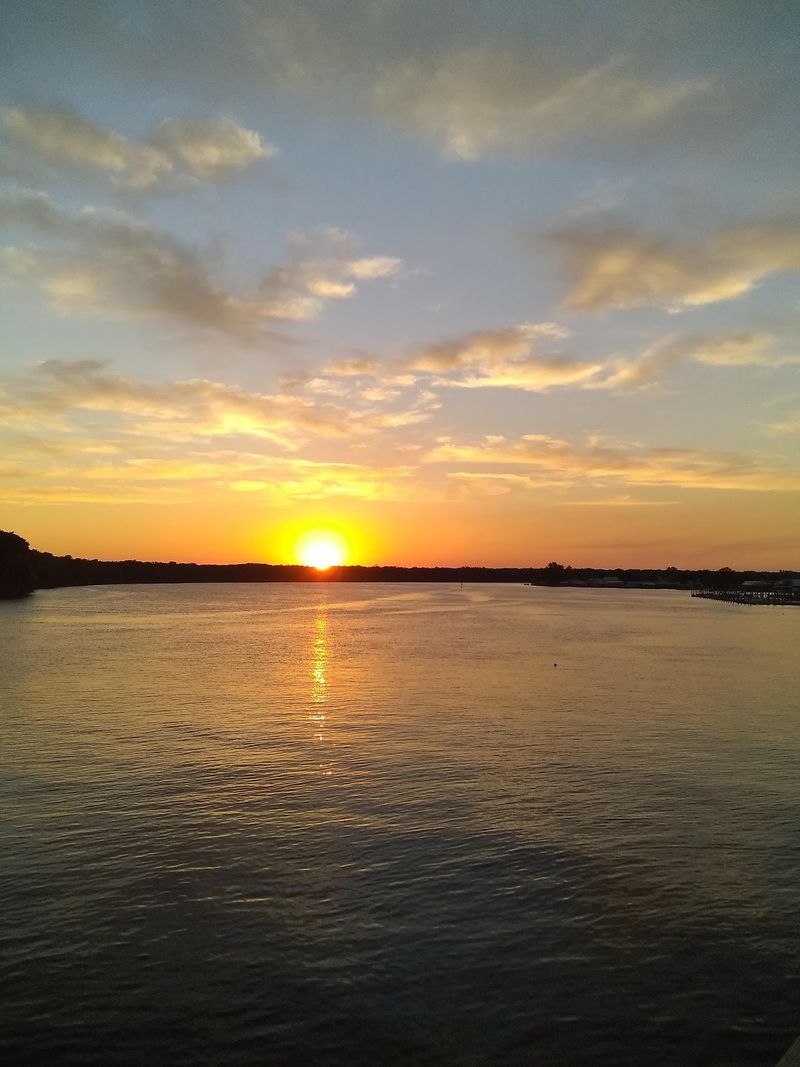
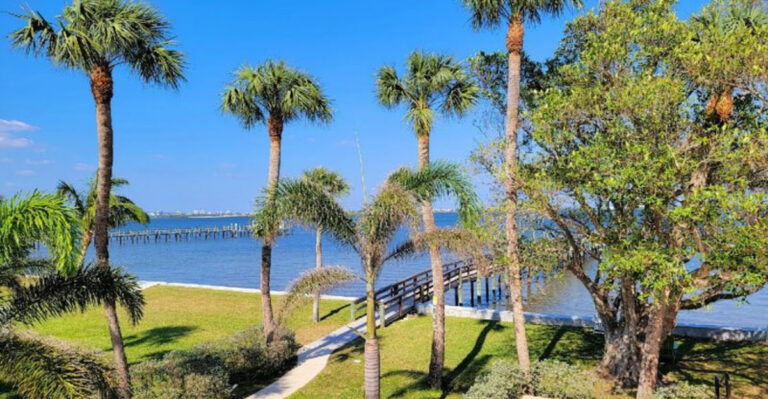
Welaka owes its entire character to the St. Johns River, one of the few rivers in North America that flows north. The river isn’t just scenery here. It’s the heartbeat of daily life, shaping everything from weekend plans to local conversation.
Fishermen launch their boats at dawn chasing bass and catfish, while kayakers glide past ancient cypress trees draped in Spanish moss. The water stays calm most days, perfect for beginners trying paddleboarding or families floating in tubes. You won’t find jet ski rentals or crowded marinas cluttering the shoreline.
Instead, you get quiet mornings watching herons hunt in the shallows and evenings when the sunset paints the water gold. The river here feels wild and untouched, the way Florida’s waterways looked generations ago before development swallowed the coast.
Local boat ramps stay free and easy to access, no reservations required. Manatees cruise through during cooler months, popping up near docks to the delight of anyone lucky enough to spot them. The riverfront doesn’t scream for attention with billboards or gift shops.
It simply exists, beautiful and unhurried, inviting you to slow down and remember what Florida felt like before it became a destination.
2. Population Under 800 Keeps Things Personal
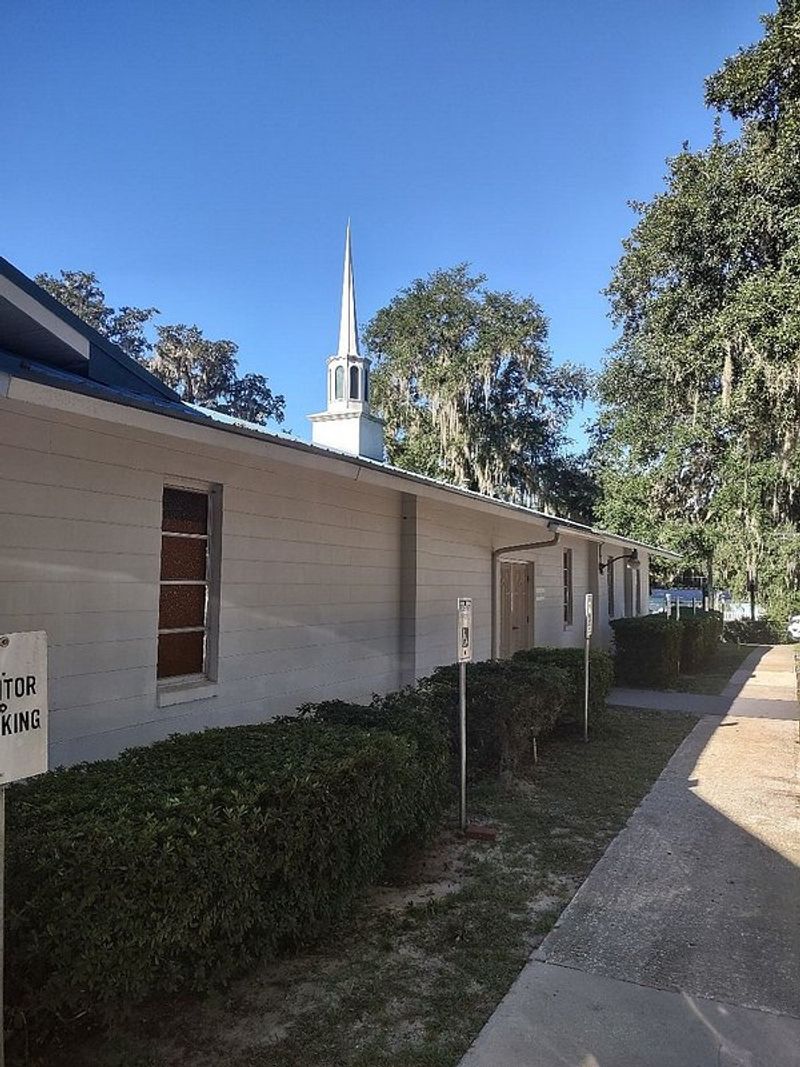
With only 714 people calling Welaka home, you’re not blending into anonymous crowds here. Everyone knows their neighbors, and newcomers get noticed right away, usually greeted with friendly waves and genuine curiosity about where you’re from.
This isn’t the kind of place where you grab coffee without chatting with the person behind the counter. Small talk happens naturally because people actually care about the answer when they ask how you’re doing. Kids ride bikes without helicopter parents hovering, and folks leave their doors unlocked more often than city dwellers would believe.
The town operates on trust and familiarity, values that vanished from most of Florida decades ago. You won’t find chain restaurants or big box stores competing for space. Local businesses survive because residents support each other, understanding that their neighbor’s success matters to the whole community.
Town meetings feel like family gatherings where everyone’s voice carries weight. There’s no traffic, no noise pollution, and no sense of being just another face in an endless crowd. People remember your name after one conversation.
They ask about your family and mean it. This level of connection feels rare in modern Florida, where growth and tourism turned most towns into revolving doors of strangers passing through without ever really seeing each other.
3. Old Florida Architecture Still Stands
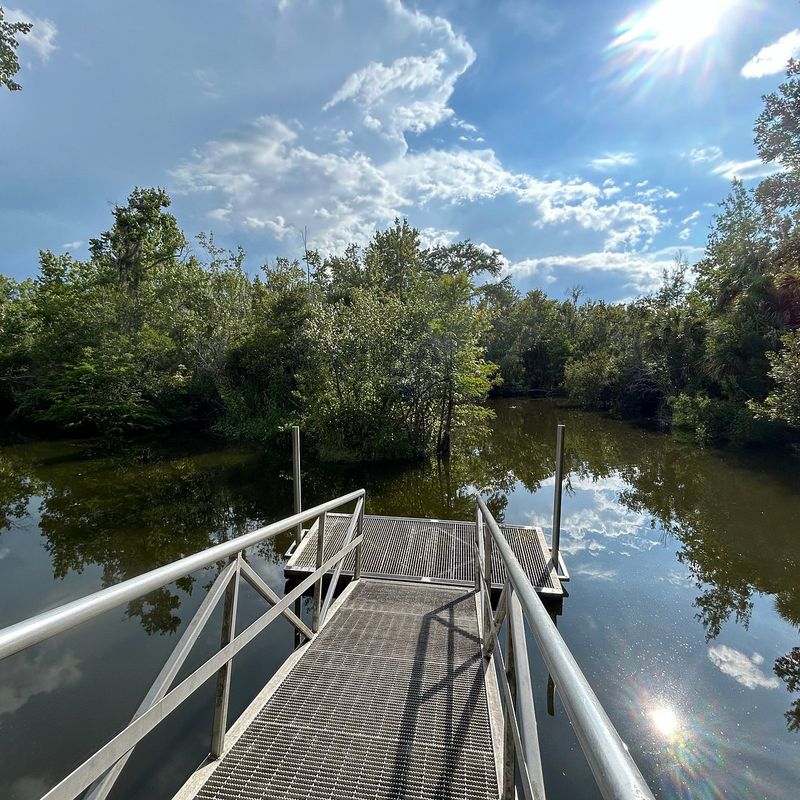
Walking through Welaka feels like touring a living museum of Old Florida architecture. Wooden homes with wide front porches and tin roofs sit shaded under massive oak trees, their designs dating back to when air conditioning didn’t exist and builders relied on cross breezes and ceiling fans.
You’ll spot Cracker-style houses with steep rooflines designed to shed rain fast and tall windows positioned to catch every breeze off the river. These aren’t carefully preserved tourist attractions. They’re actual homes where real families live, cook dinner, and watch storms roll in from their covered porches.
Nobody tore them down to build McMansions or modern condos. The town’s slow growth meant these structures survived simply because there was never pressure or money to replace them. Paint peels on some, showing layers of color that tell decades of stories.
Others stay meticulously maintained by owners who appreciate the craftsmanship and history. Metal roofs ping beautifully when rain falls, a sound that defined Florida summers before central air drowned out nature’s soundtrack. Front yards stay unfenced and informal, blending into each other with native plants and old citrus trees.
There’s no homeowners association dictating paint colors or landscaping choices. Houses express individual character, each one slightly different, reflecting the families who built or restored them over generations of quiet Florida living.
4. Welaka National Fish Hatchery Draws Nature Lovers
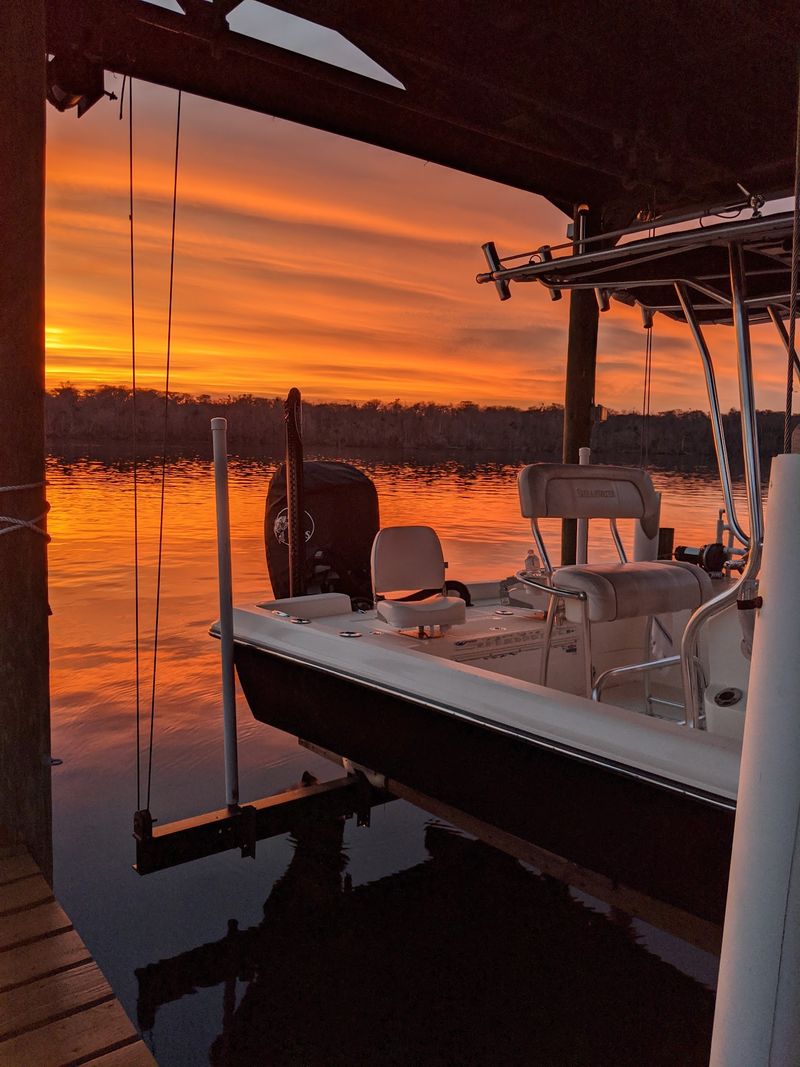
The Welaka National Fish Hatchery has operated since 1902, making it one of the oldest continuously running hatcheries in the country. Originally built to restore depleted fish populations in Florida’s rivers and lakes, it now focuses on raising endangered species like the Gulf sturgeon.
Visitors can walk the grounds for free, exploring ponds filled with different fish species while learning about conservation efforts that keep Florida’s waterways healthy. Educational signs explain breeding programs without boring you with scientific jargon. Kids love peering into the tanks watching thousands of tiny fish swirl in coordinated patterns.
The facility sits surrounded by natural wetlands, creating habitat for wading birds, turtles, and alligators that show up unannounced to everyone’s excitement. Photography enthusiasts bring cameras hoping to catch egrets fishing or otters playing along the pond edges. The hatchery doesn’t charge admission or push gift shop merchandise.
It exists purely for conservation and education, staffed by people genuinely passionate about protecting Florida’s aquatic ecosystems. Spring brings the best viewing when fish populations peak and wildlife activity increases. The grounds stay peaceful even during peak visiting hours because not many tourists know this place exists.
That’s Welaka’s secret advantage. The best attractions stay under the radar, appreciated by locals and the occasional traveler smart enough to wander off Florida’s beaten path into places that actually matter.
5. Fishing Culture Runs Deep Here
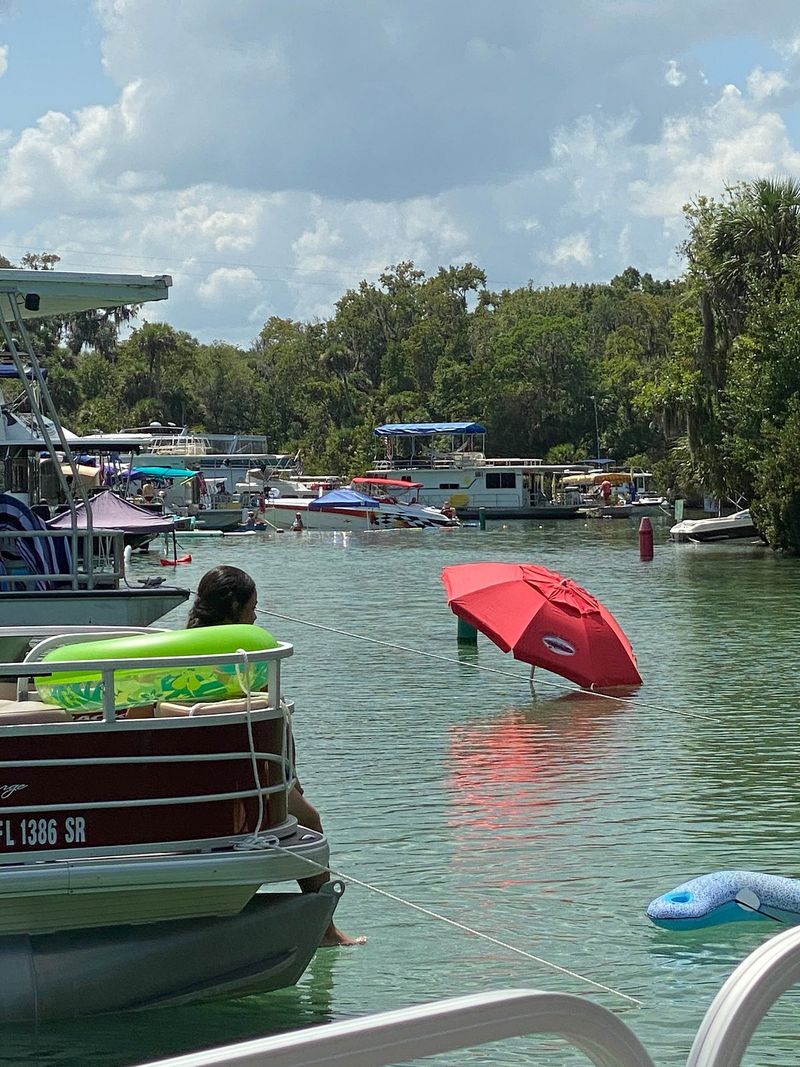
Fishing isn’t just a hobby in Welaka. It’s practically a religion, woven into the town’s identity as tightly as the river itself. Locals grew up learning which lures work best for largemouth bass and where catfish hide during summer heat.
They know the river’s moods, reading water levels and current changes the way city folks check weather apps. Tournament fishermen travel from across Florida to compete here because the St. Johns produces trophy catches that make other anglers jealous. But you don’t need professional gear or a fancy boat to enjoy Welaka’s fishing.
Bank fishing works perfectly well, with public access points scattered along the shoreline where you can cast a line and wait for dinner to bite. Old-timers share tips freely, pointing newcomers toward productive spots without gatekeeping their favorite holes. Kids catch their first fish here, creating memories that stick for life.
Early mornings bring the best action when mist rises off the water and fish feed aggressively before the sun climbs high. Evenings run a close second, especially during summer when cooler temperatures bring fish back to the shallows. Nobody judges your tackle box or questions your technique.
Fishing here stays relaxed and welcoming, focused on enjoying time outdoors rather than proving expertise. The river provides generously to those patient enough to learn its rhythms, rewarding quiet observation over loud intrusion into its timeless flow.
6. No Tourist Traps or Souvenir Shops
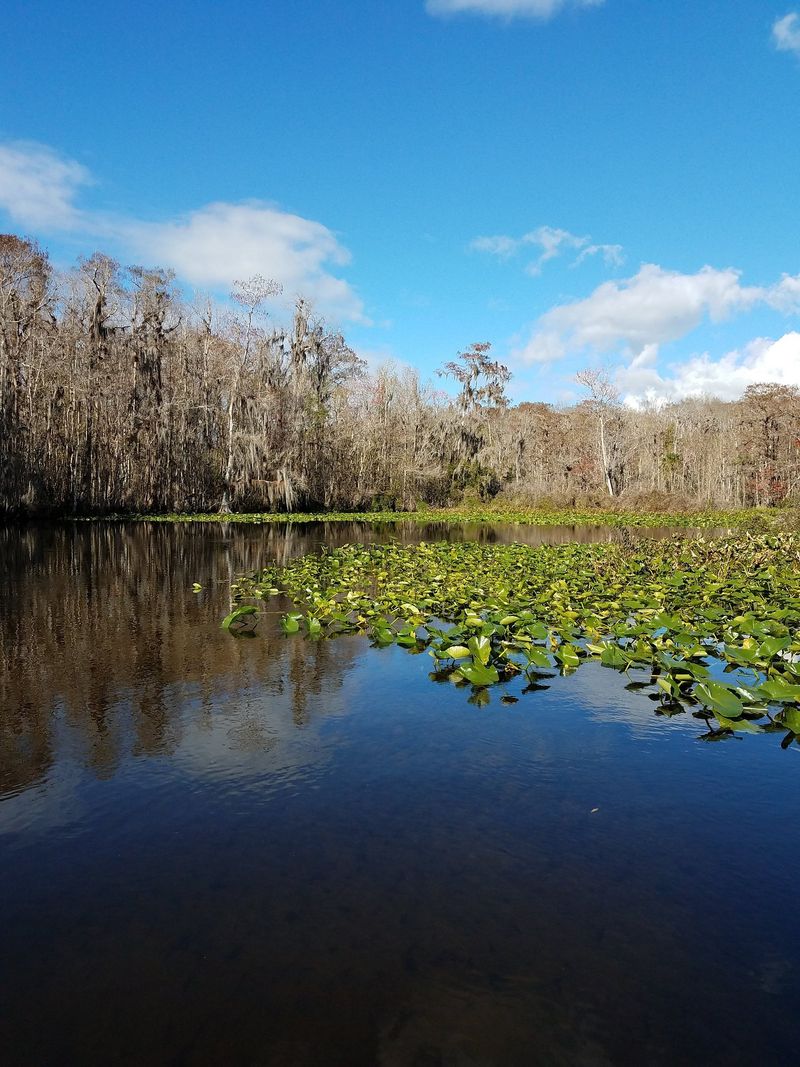
You won’t find airbrushed t-shirt shops or overpriced seafood restaurants with cartoon mascots in Welaka. The town simply never developed that tourist infrastructure because visitors never arrived in numbers large enough to justify it. What could feel like a disadvantage actually becomes Welaka’s greatest charm.
Without tourist traps, the town stays authentic, serving residents rather than catering to outsiders passing through with wallets open. The few businesses that exist focus on necessities, run by locals who’ve operated the same way for decades. Nobody’s trying to sell you alligator heads or seashell magnets.
There’s no miniature golf course with a pirate theme or zip line attraction promising adventure. Entertainment comes from the river, the wildlife, and genuine human connection rather than manufactured experiences designed to extract maximum profit. This absence of commercialization preserves something precious that most of Florida lost long ago.
Walking through town, you experience real life instead of a carefully staged performance for tourists. People go about their daily routines, grocery shopping and chatting on sidewalks, unbothered by cameras or vacation crowds. Restaurants serve food locals actually eat, priced for neighbors rather than tourists on vacation budgets.
The lack of development might disappoint visitors expecting entertainment on every corner. But for those seeking authentic Old Florida, this commercial emptiness feels refreshing, proof that not everywhere sold out to tourism’s easy money and hollow attractions.
7. Spanish Moss Creates Natural Canopy
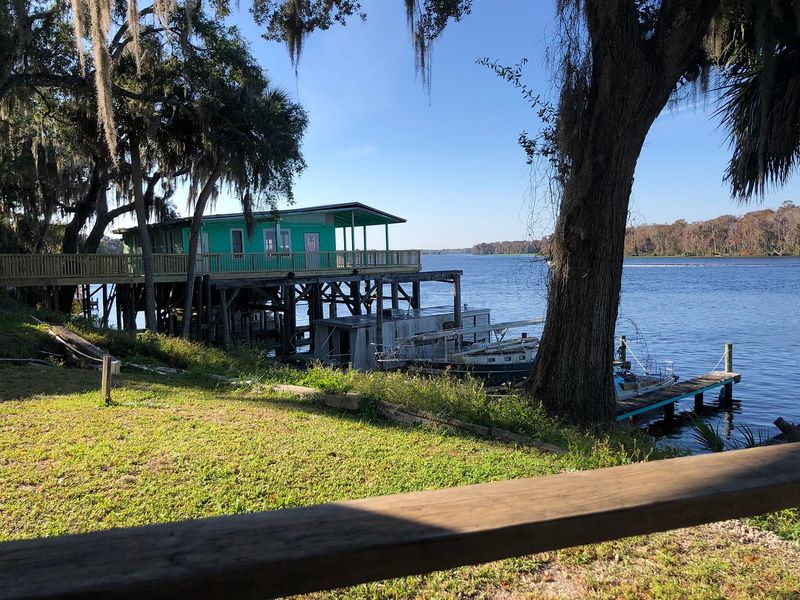
Spanish moss drapes from nearly every oak tree in Welaka, creating natural curtains that filter sunlight into dappled patterns across yards and streets. This silvery-gray plant isn’t actually moss. It’s an air plant that absorbs moisture and nutrients from the air, thriving in Florida’s humidity.
The effect transforms ordinary trees into something magical, especially when breezes set the moss swaying like ghost dancers performing silent routines. Newcomers often mistake it for something dead or parasitic, but Spanish moss doesn’t harm its host trees. It simply hangs there, adding atmosphere and Southern Gothic beauty to the landscape.
Photographers love how it frames shots, adding texture and depth to river scenes and historic buildings. The moss grows thickest near the water where humidity stays highest, creating tunnel-like canopies over roads leading to the river. Driving under these natural archways feels like entering another era.
The modern world fades away, replaced by timeless Florida scenery that existed long before highways and strip malls. Birds nest in the moss, and insects hide within its tangles, creating micro-ecosystems suspended in the air. During golden hour, sunlight catches the moss just right, making it glow silver against dark tree bark.
Some residents harvest fallen moss for crafts or garden mulch, but most leave it alone, appreciating how it defines Welaka’s character. Without Spanish moss softening every view, the town would lose much of its Old Florida magic.
8. Slow Pace Lets You Actually Relax
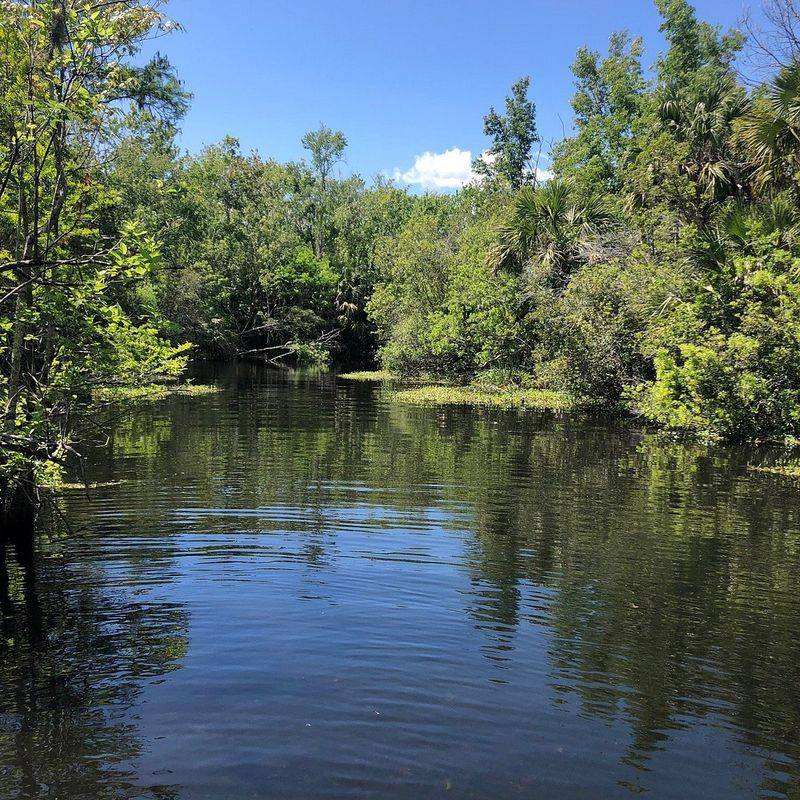
Welaka operates on a different clock than the rest of Florida. There’s no rushing between appointments or fighting traffic to meet arbitrary deadlines. People move deliberately, taking time to finish conversations before moving on to the next task.
This slower rhythm feels jarring at first if you’re used to urban speed and constant stimulation. But after a day or two, your shoulders drop, your breathing deepens, and you remember what relaxation actually feels like. Mornings start gently with coffee on the porch watching the river wake up.
Afternoons pass reading in the shade or fishing from the bank without checking your phone every five minutes. Evenings arrive softly, announced by changing light rather than alarm notifications. There’s nothing demanding your attention or pulling you in twelve directions simultaneously.
You can sit still without guilt, watching clouds drift past or listening to birds call across the water. This might sound boring to people addicted to constant entertainment, but for stressed-out souls craving peace, Welaka offers exactly what they need. The town doesn’t judge how you spend your time.
Nobody’s impressed by busy schedules or productivity hacks. Success here means knowing your neighbors, catching dinner from the river, and appreciating another sunset over water that’s flowed the same path for thousands of years. Slowing down stops being a luxury and becomes the natural state of existence in a place that never sped up in the first place.