8 Quiet Florida Beach Towns to Visit Before Everyone Else Finds Them
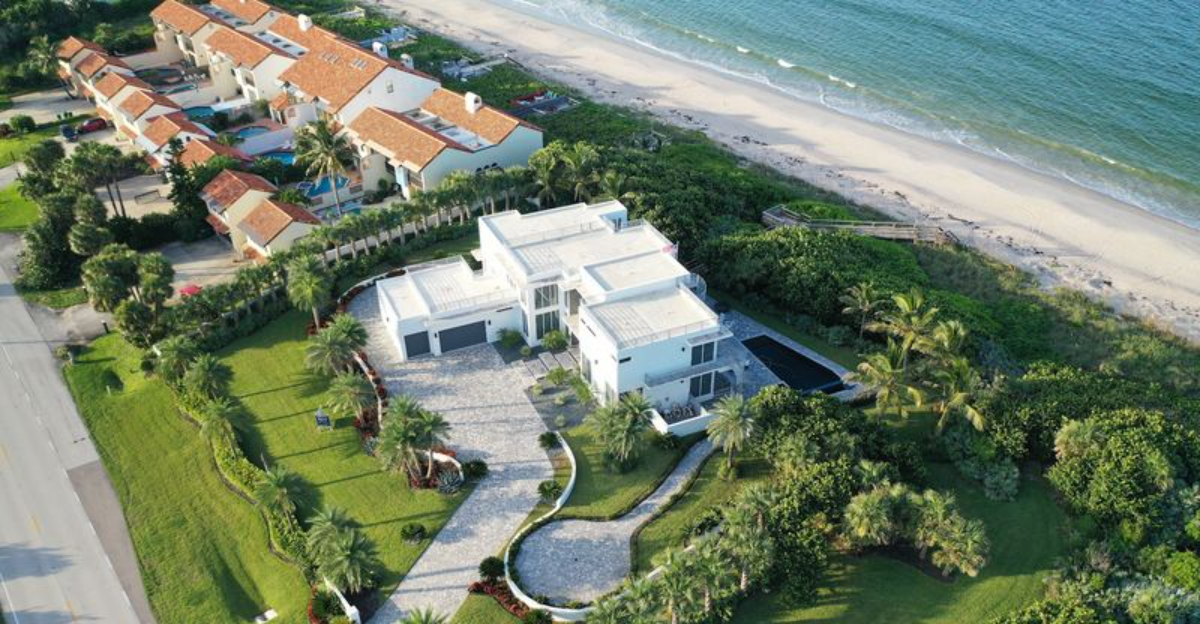
Florida’s coastline stretches over 1,350 miles, but most tourists flock to the same handful of crowded hotspots. Meanwhile, tucked between the big-name beaches are sleepy coastal communities where you can still find uncrowded sand, local seafood shacks, and that Old Florida vibe that’s vanishing fast. These eight towns offer everything you love about a beach getaway without the traffic jams, high-rise hotels, or spring break chaos that define Florida’s busier shores.
1. Mexico Beach
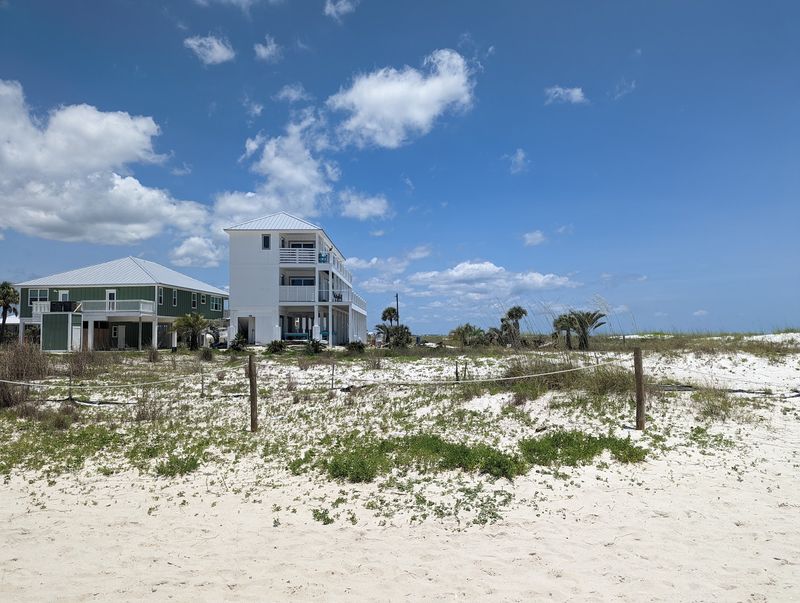
Hurricanes have a way of reshaping more than just coastlines. After Michael roared through in 2018, Mexico Beach rebuilt itself into something even better: a quiet, resilient little town that still refuses to go the high-rise route.
The sand here is some of the whitest you’ll see on the Gulf, and the water glows that unreal shade of green-blue that makes you want to wade in fully clothed. This isn’t a place with nightclubs or chain restaurants. It’s a place where you rent a beach house, grill grouper on the deck, and spend your days doing absolutely nothing productive.
You can walk the pier at sunrise without dodging selfie sticks. You can bike down the main drag and actually see local shops instead of the same tourist traps you’d find in Destin or Panama City Beach.
The vibe is low-key and family-friendly, with just enough going on to keep you fed and entertained. There’s a small state park nearby if you want to kayak through coastal dunes, and the fishing is solid year-round.
Mexico Beach doesn’t try to be trendy or Instagrammable. It just exists, quietly, beautifully, like Florida used to be before the developers showed up.
2. Cedar Key
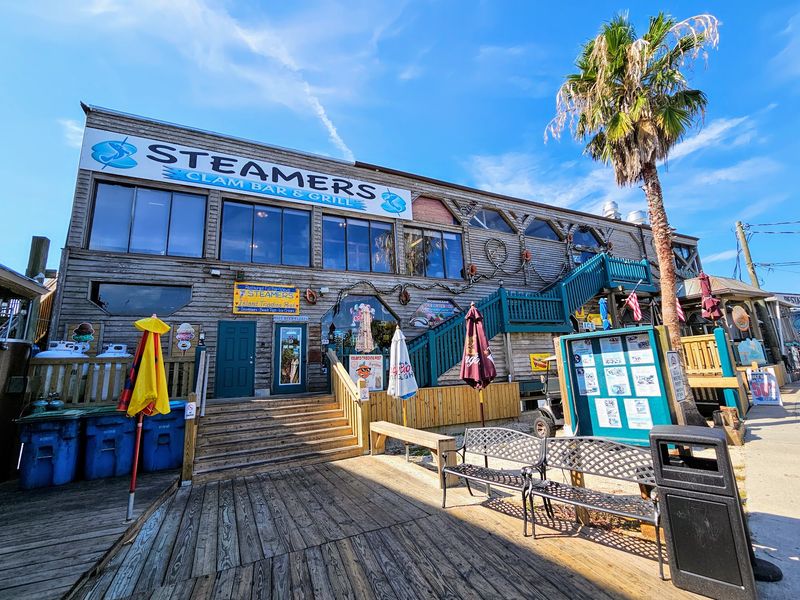
Most people zoom right past Cedar Key on their way to somewhere busier, which is exactly why you should stop. This cluster of islands off Florida’s Big Bend feels like it got stuck in a time warp somewhere around 1950, and nobody’s in a rush to update it.
The downtown area is tiny, walkable, and packed with art galleries, seafood joints, and mom-and-pop shops that have been around for decades. You won’t find a single chain store here. What you will find: clam chowder so good it ruins you for the canned stuff forever.
Cedar Key is all about the water. You can kayak through salt marshes where herons stalk the shallows, or charter a boat to explore the surrounding islands. The sunsets over the Gulf are ridiculous, the kind that make you stop mid-conversation and just stare.
Fishing is huge here, both recreational and commercial. The town still has working docks where real fishermen unload their catch, not just for show.
This isn’t a beach town in the traditional sense. The shores are more marsh than sand, and the appeal is less about lounging and more about soaking in that slow, salty, Old Florida rhythm that’s nearly extinct everywhere else.
3. Melbourne Beach
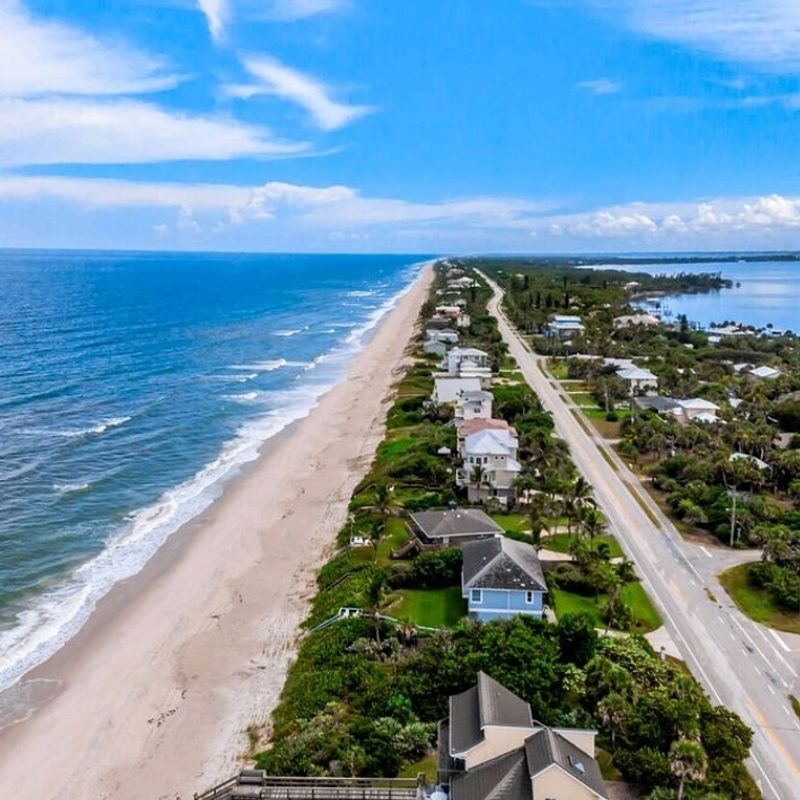
Sandwiched between the Space Coast’s rocket launches and the spring break madness of Cocoa Beach, Melbourne Beach somehow stays under the radar. It’s one of Florida’s older beach communities, and it wears that history with pride.
The houses here aren’t cookie-cutter condos. They’re quirky, colorful, and often older than your parents. The beach itself is wide, uncrowded, and perfect for long walks where you actually have space to think.
Sea turtles nest here in huge numbers during the summer, and if you time it right, you can watch hatchlings scramble toward the waves at dawn. It’s one of those experiences that reminds you why Florida’s coast matters beyond the vacation selfies.
Downtown Melbourne Beach has a laid-back surf-town feel. There are local cafes, a few good breakfast spots, and surf shops run by people who actually surf. No one’s trying to upsell you a timeshare.
The Eau Gallie Arts District is nearby if you want a dose of culture, and the Indian River Lagoon offers kayaking and paddleboarding through some of the most biodiverse estuaries in North America.
Melbourne Beach doesn’t shout for attention. It just quietly delivers the kind of beach experience that feels increasingly rare: authentic, unhurried, and refreshingly normal.
4. Jensen Beach
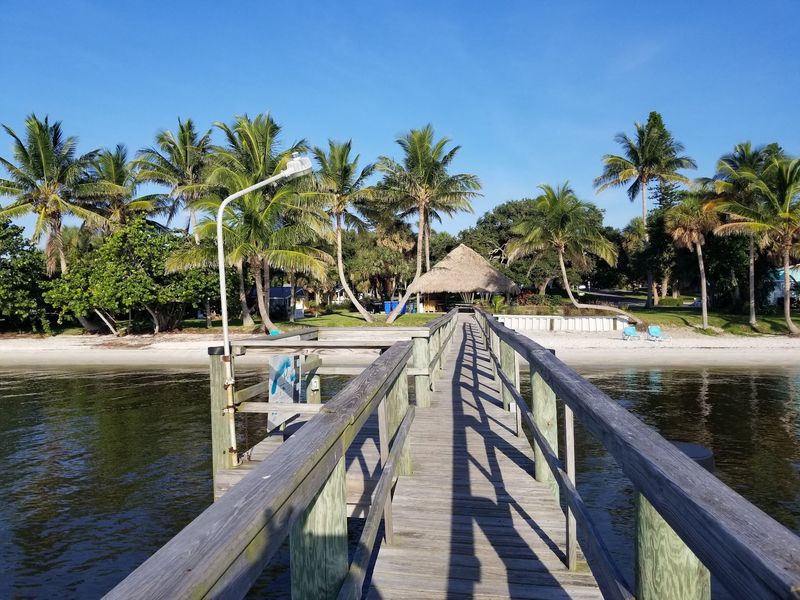
Jensen Beach has figured out something most Florida beach towns forgot: you don’t need to bulldoze charm to attract visitors. This Treasure Coast gem keeps things refreshingly small-scale and colorful, with local businesses that actually reflect the community instead of corporate branding exercises.
The beaches here are known for sea turtle nesting, especially loggerheads and leatherbacks. During nesting season, the shoreline becomes a protected nursery, and watching a massive turtle haul herself onto the sand to lay eggs is humbling in a way no resort pool ever will be.
Downtown Jensen Beach feels like a real neighborhood, not a tourist trap. You’ll find family-owned restaurants serving fresh catch, quirky boutiques, and an ice cream shop that’s been scooping cones since your grandparents were kids.
The pace here is slow, intentionally so. People fish off the causeways, paddleboard in the Indian River, and actually talk to strangers at the farmers market. It’s the kind of place where you can strike up a conversation without it feeling forced or awkward.
There’s also a thriving arts scene, with galleries and live music venues that draw locals and visitors alike. Jensen Beach doesn’t try to be Miami or even Naples. It’s content being itself, which makes it infinitely more interesting than the cookie-cutter beach towns further south.
5. Indian Rocks Beach
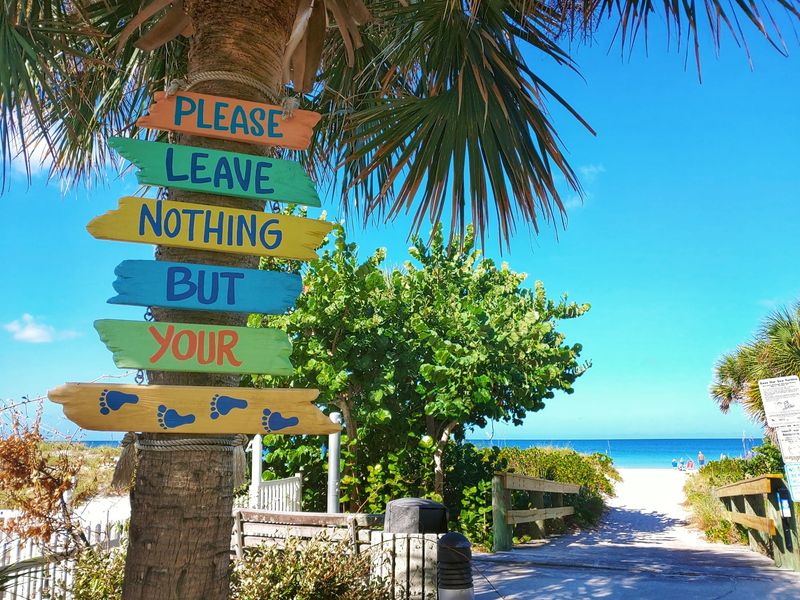
Clearwater Beach gets all the press, but just south, Indian Rocks Beach quietly delivers the same sugar-sand Gulf Coast experience without the cruise ship crowds and parking nightmares. It’s the kind of place where you can actually find a spot on the beach without staking your claim at dawn.
The town is small and walkable, with a mix of local seafood spots, beach bars, and casual restaurants that don’t require a second mortgage to enjoy. You can stroll from your rental to dinner without getting in the car, which is a luxury in sprawl-heavy Florida.
The beach itself is gorgeous: soft white sand, calm Gulf water, and enough space to spread out. Families love it because the waves are gentle and the vibe is chill. There’s no velvet-rope scene here, no Instagram influencers staging photoshoots every ten feet.
Indian Rocks Beach also has a quirky boardwalk and nature preserve where you can spot dolphins, manatees, and all kinds of coastal birds. It’s a nice break from the sun if you need one.
The community feels residential rather than resort-dominated, which means you’re more likely to chat with a local than get handed a flyer for a timeshare presentation. Sunsets over the Gulf are predictably stunning, and the laid-back energy makes it easy to unwind without trying too hard.
6. Flagler Beach
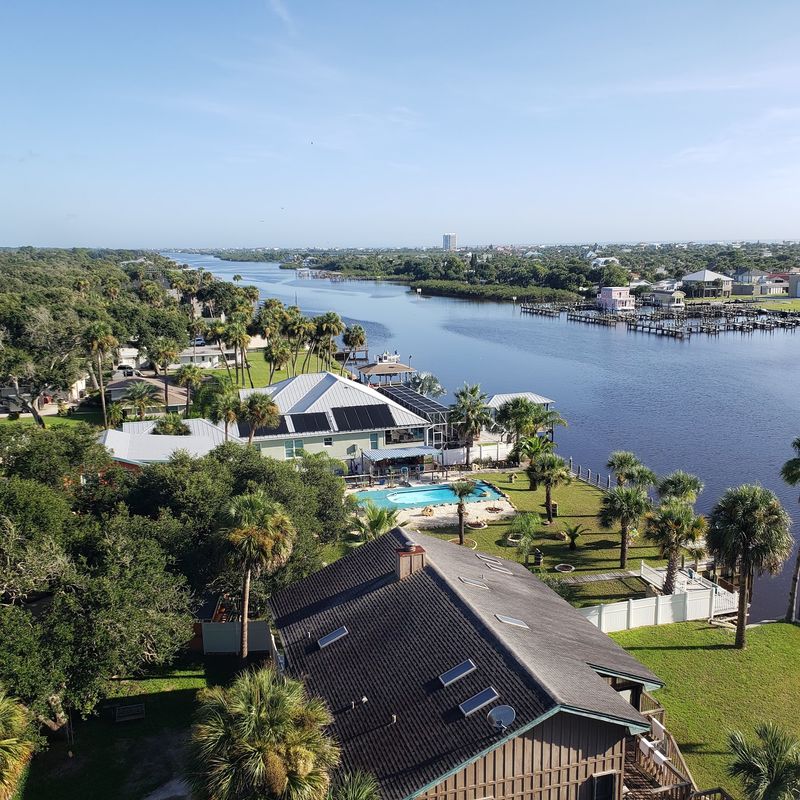
Flagler Beach sits just south of St. Augustine, close enough to visit the historic sites but far enough to escape the tourist crush. This is a surfer’s town, a fisherman’s town, and a place where people come to hang out rather than check boxes on an itinerary.
The beach runs for miles, backed by low dunes and coastal scrub instead of high-rise hotels. The waves are decent enough to draw a steady crew of surfers, and the fishing off the pier is a local tradition that’s been going strong for decades.
A1A runs right along the shore here, and it’s one of the most scenic stretches of highway in Florida. You can pull over at random spots, walk onto the sand, and have a whole section of beach practically to yourself.
Downtown Flagler Beach is small but lively, with local bars, seafood shacks, and breakfast spots that serve massive portions without the markup. There’s live music on weekends, and the vibe is friendly and unpretentious.
This isn’t a place with fancy resorts or curated experiences. It’s a place where you bring a cooler, a fishing rod, or a surfboard and just exist for a while. The lack of big-resort energy is the whole point.
Flagler Beach doesn’t want to be discovered. It just wants to keep doing its thing, quietly and well.
7. Lauderdale-by-the-Sea
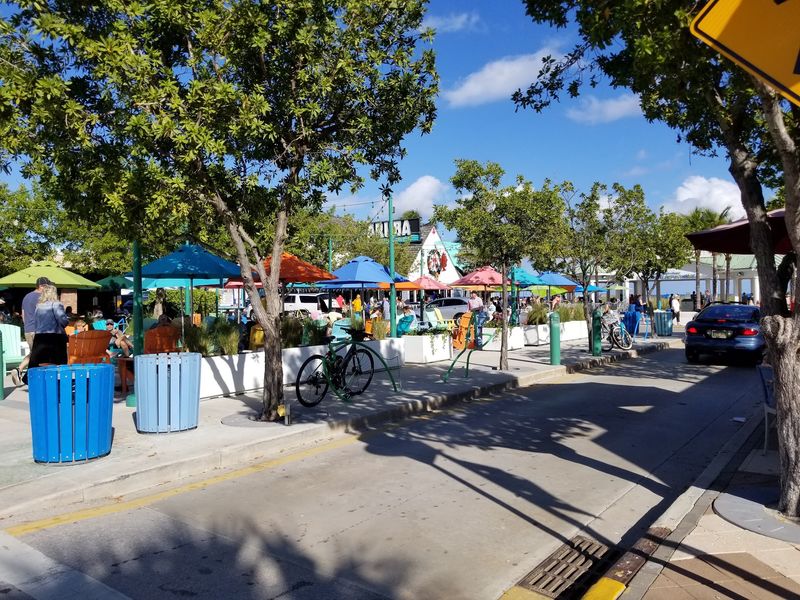
Fort Lauderdale sprawls for miles, but Lauderdale-by-the-Sea stays stubbornly small and charming, like a postcard from 1960s Florida that somehow survived the condo boom. It’s only 2.5 miles of shoreline, but that’s part of the appeal: everything’s walkable, and the town actually feels like a town instead of a strip mall with sand.
The beach here is excellent for snorkeling and diving. There’s a coral reef just offshore, close enough to swim to, and it’s teeming with tropical fish, sea turtles, and the occasional nurse shark. You don’t need a boat or a tour guide, just a mask and fins.
Downtown is a throwback to old Florida beach culture: mom-and-pop motels, local restaurants, and a pier where locals fish at sunrise. There’s no glitz, no velvet ropes, just good food and easy access to the water.
The town has resisted high-rise development, which means the skyline is low and the atmosphere is relaxed. You can watch the sunrise from your balcony without staring at another building’s concrete wall.
Lauderdale-by-the-Sea also hosts a weekly farmers market and regular community events that draw both residents and visitors. It’s close enough to Fort Lauderdale’s airport and amenities but far enough in spirit to feel like a completely different experience. This is Florida before it got too big for its own good.
8. Boca Grande
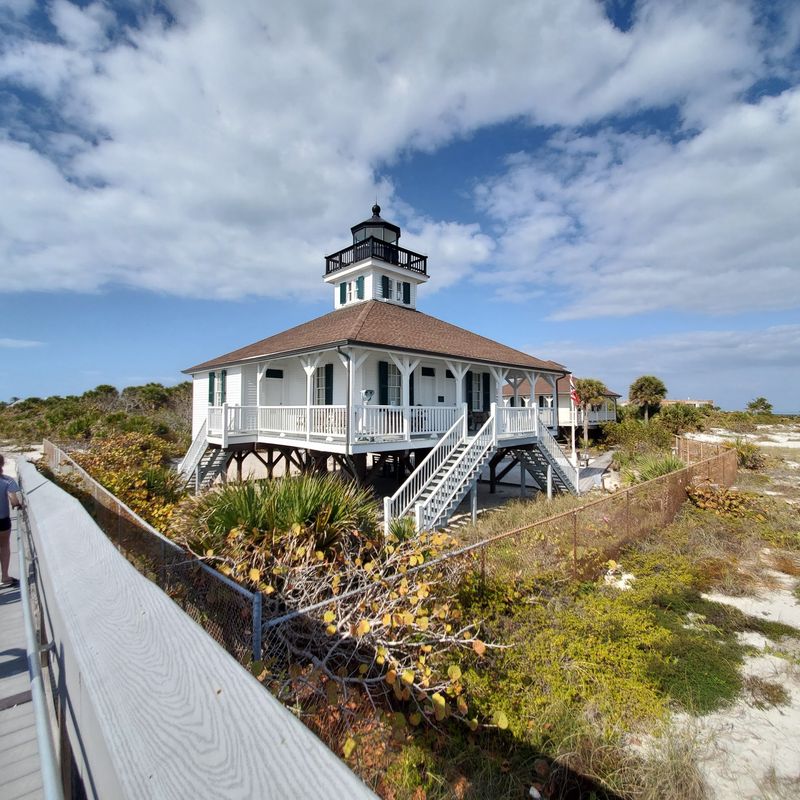
Boca Grande sits on Gasparilla Island, a narrow strip of land in Southwest Florida that’s intentionally kept its small-town soul intact. There are no high-rises here, no chain hotels, and no neon signs screaming for your attention. Just white sand, clear Gulf water, and a pace so slow you’ll forget what day it is.
The island is accessible by a toll bridge, which keeps the crowds manageable and the vibe exclusive without being pretentious. Once you’re across, you’ll find a historic downtown with boutiques, cafes, and a general store that’s been around since the early 1900s.
The beaches are stunning, with soft sand and water so clear you can see your toes even waist-deep. It’s a favorite spot for shelling, and tarpon fishing here is legendary. Anglers come from all over to test their skills against these massive silver fish.
Boca Grande also has a charming lighthouse and museum worth visiting, and bike paths crisscross the island, making it easy to explore without a car. Golf carts are a popular mode of transport, which tells you everything you need to know about the pace of life here.
This isn’t a party town or a spring break destination. It’s a place for people who appreciate quiet luxury, natural beauty, and a Florida that prioritizes preservation over profit. Boca Grande doesn’t want to grow.
It just wants to stay perfect.