Most Tourists Drive Right Past This Secluded Florida Coastal Town
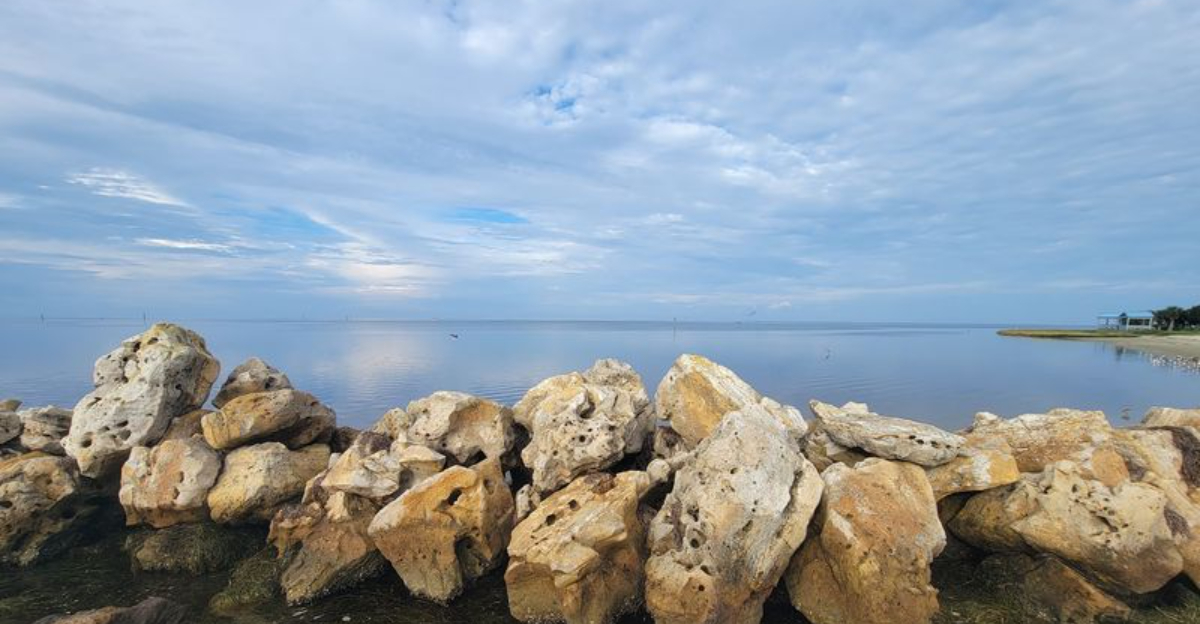
While most Florida visitors race toward crowded beaches and theme parks, a tiny coastal gem sits quietly along the Big Bend region, practically invisible to the tourist radar. Keaton Beach is the kind of place where locals still wave from their porches, where the fishing is legendary, and where you can actually hear the Gulf waves instead of car horns. This unassuming stretch of Old Florida coastline offers something increasingly rare: a genuine escape from the overdeveloped, over-commercialized beach towns that dominate the state.
If you’re tired of fighting for parking spots and dodging selfie sticks, this forgotten piece of paradise might just be your new favorite secret.
The Last True Old Florida Fishing Village
Keaton Beach feels like stepping into a time capsule, back when Florida’s coastline belonged to fishermen and families who actually lived here year-round. There are no high-rise condos blocking the sunset, no chain restaurants serving frozen grouper, and definitely no beach clubs charging you for the privilege of touching sand. What you will find are weathered docks stretching into the Gulf, locals mending nets in their driveways, and the kind of authentic coastal atmosphere that’s been bulldozed out of most Florida beach towns.
The village sits in Taylor County, one of the least-visited coastal counties in the entire state. Most travelers barrel past on Highway 98, never realizing what they’re missing just a few miles off the main road. That’s exactly what keeps Keaton Beach special.
Without the tourist infrastructure, it’s remained genuinely Floridian in a way that feels almost defiant.
You won’t find souvenir shops or parasailing operations here. Instead, there’s a small marina, a boat ramp that sees serious use before dawn, and residential streets lined with modest homes and fish-cleaning stations. The pace is slow, the vibe is unpretentious, and the locals prefer it that way.
Fishing isn’t just a hobby in Keaton Beach. It’s a way of life, an economy, and a culture that’s been passed down through generations. You’ll see it in the way people talk about tides, in the well-worn paths to favorite fishing spots, and in the respectful distance everyone maintains from each other’s preferred locations.
If you’re looking for Instagram-perfect beach clubs and frozen daiquiris, keep driving. But if you want to experience coastal Florida the way it used to be, before the developers arrived with their blueprints and bulldozers, Keaton Beach is still holding the line. It’s not trying to be anything other than what it is, and that authenticity is becoming priceless in modern Florida.
Scalloping Season Draws Insiders Who Know
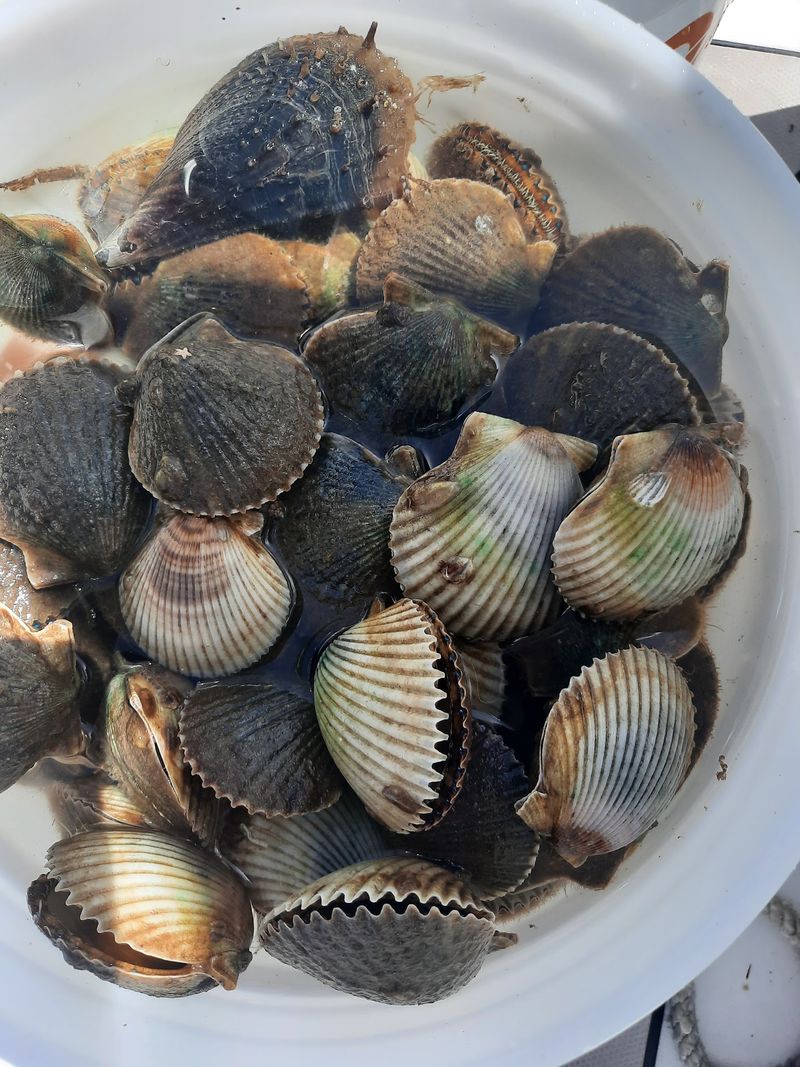
Every summer, from late June through September, Keaton Beach transforms into scalloping headquarters for those in the know. The shallow, crystal-clear waters of the Big Bend region create perfect conditions for bay scallops, and locals guard their favorite spots like family recipes. This isn’t the kind of activity that makes tourism brochures, but it’s become a beloved tradition for families who return year after year.
Scalloping requires nothing fancy. You need a mesh bag, a snorkel, and the ability to spot those little eyes peeking out from the seagrass beds. The water is typically waist-deep or shallower, making it accessible even for kids who can swim.
Unlike deep-sea fishing or other expensive water activities, scalloping is democratic and affordable, which fits Keaton Beach’s unpretentious character perfectly.
The daily limit is two gallons of whole scallops per person, and most people hit their limit within a couple of hours. Back at the fish-cleaning stations, you’ll see families working together to shuck their catch, sharing tips and techniques with anyone who asks. It’s communal in a way that feels increasingly rare in modern beach culture.
What makes Keaton Beach particularly special for scalloping is the lack of crowds compared to more famous spots like Homosassa or Crystal River. You can actually spread out, find your own patch of seagrass, and enjoy the hunt without bumping into a dozen other snorkelers. The water clarity is exceptional, and the scallop populations remain healthy because the area hasn’t been loved to death yet.
Local outfitters offer scalloping charters for those without boats, but many people launch from the public ramp and explore on their own. The sense of discovery, of finding your own scallops in water so clear you can count them from the surface, creates memories that outlast any theme park experience. Fresh scallops sautéed in butter that same evening taste like victory, especially when you caught them yourself in water that felt like bathwater under a relentless Florida sun.
A Coastline Built for Serious Anglers
Ask any serious saltwater angler about the Big Bend, and watch their eyes light up. This stretch of Florida’s Gulf Coast, with Keaton Beach at its heart, offers some of the most productive fishing in the state without the tournament crowds or charter boat traffic that plague more famous destinations. The extensive grass flats, oyster bars, and tidal creeks create a nursery for everything from redfish to spotted seatrout.
Redfish are the local celebrities here, cruising the shallows in schools that can make even experienced anglers forget how to cast. The flats around Keaton Beach provide textbook redfish habitat, with enough structure to hold fish but enough open water to sight-cast to tailing reds on calm mornings. It’s the kind of fishing that doesn’t require a massive boat or expensive guide, just local knowledge and patience.
Trout fishing peaks in spring and fall when the water temperatures hit that sweet spot. The grass flats light up with feeding activity, and topwater lures get smashed with regularity that borders on ridiculous. Local anglers work these areas methodically, reading the water like a favorite book, knowing exactly where fish stage during different tides and moon phases.
What separates Keaton Beach from more commercialized fishing destinations is the DIY spirit that still dominates. People launch their own boats, wade the flats in old sneakers, and share information freely at the cleaning tables. There’s no competitive atmosphere, no secret spots guarded with territorial aggression.
If you ask respectfully, locals will point you in the right direction, though they might be deliberately vague about exact GPS coordinates.
The offshore fishing is equally impressive for those willing to run out to the structure. Grouper, kingfish, and cobia all make appearances seasonally, and the relatively short run to productive water means more time fishing and less time burning fuel. For anglers tired of crowded boat ramps and combat fishing, Keaton Beach offers something increasingly precious: elbow room and fish that haven’t seen a thousand lures already this season.
Sunsets Without the Selfie Crowds
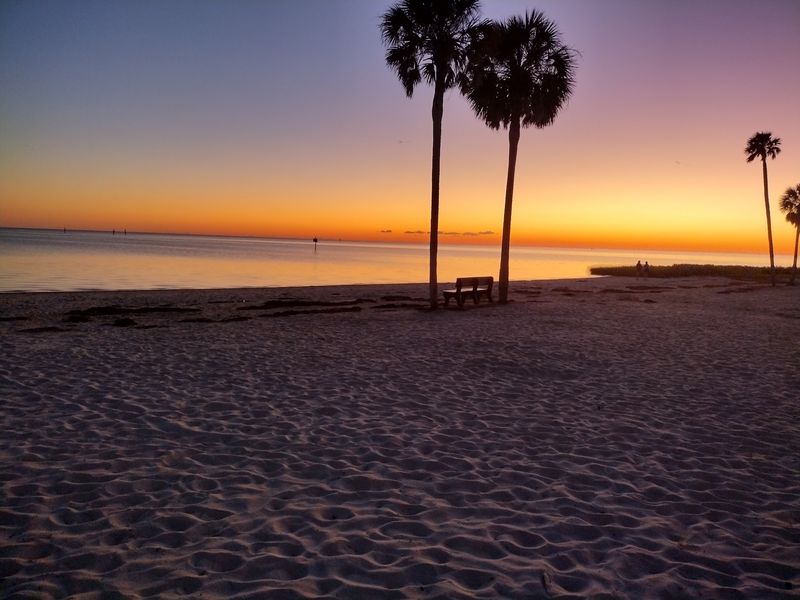
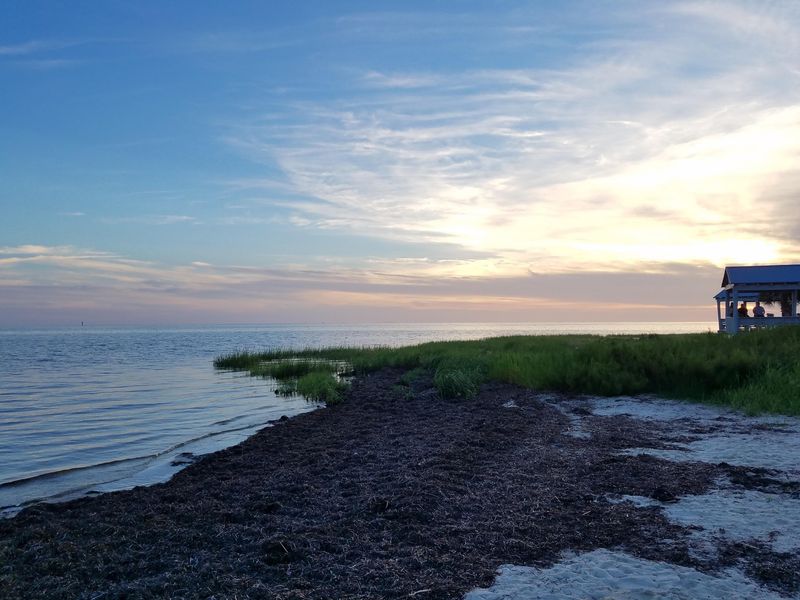
Sunsets are practically a competitive sport in most Florida beach towns, with tourists jockeying for position, tripods claiming territory, and the whole spectacle feeling more like a performance than a natural phenomenon. Keaton Beach offers the opposite experience entirely. Here, sunsets unfold over the Gulf with an audience of maybe a dozen people, scattered along the shoreline, each lost in their own quiet appreciation.
The Big Bend’s unique geography creates sunset conditions that differ dramatically from Florida’s west coast resort towns. The shoreline curves gently, the water stays shallow for what seems like miles, and the lack of development means nothing blocks your view except occasional fishing boats heading home. The colors reflect off the calm Gulf waters, doubling the intensity and creating mirror effects that photographers dream about.
There’s no boardwalk, no beach bars with Jimmy Buffett cover bands, no vendors selling glow sticks or airbrush tattoos. Just the sun doing what it’s done for millennia, sinking into the Gulf while the temperature drops a few merciful degrees. Pelicans cruise past in formation, mullet jump in the shallows, and the whole scene feels wonderfully indifferent to human presence.
Local families bring folding chairs and coolers, setting up informal gatherings that feel more like backyard barbecues than tourist events. Kids play in the shallow water while parents watch the sky change colors, and there’s an easy camaraderie among the handful of visitors who made the effort to find this place. Nobody’s performing for social media, nobody’s blocking anyone’s view for the perfect shot.
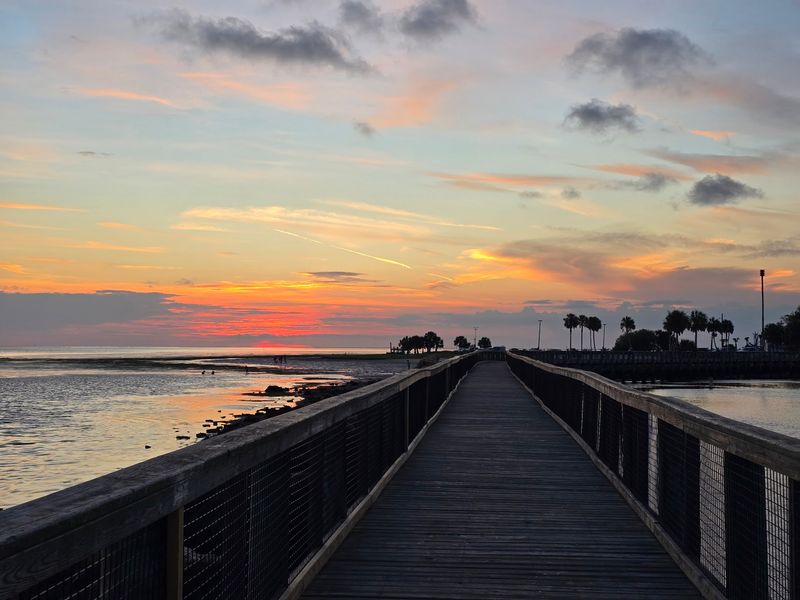
The best sunset viewing happens from the end of the public pier or along the beach access points scattered through the residential areas. Each spot offers slightly different perspectives, but all share that essential quality of spaciousness and calm. As the last light fades and the first stars appear, you realize you’ve just witnessed something that’s become rare in Florida: a sunset that belonged to the moment, not to a camera roll.
Wildlife Encounters That Feel Genuinely Wild
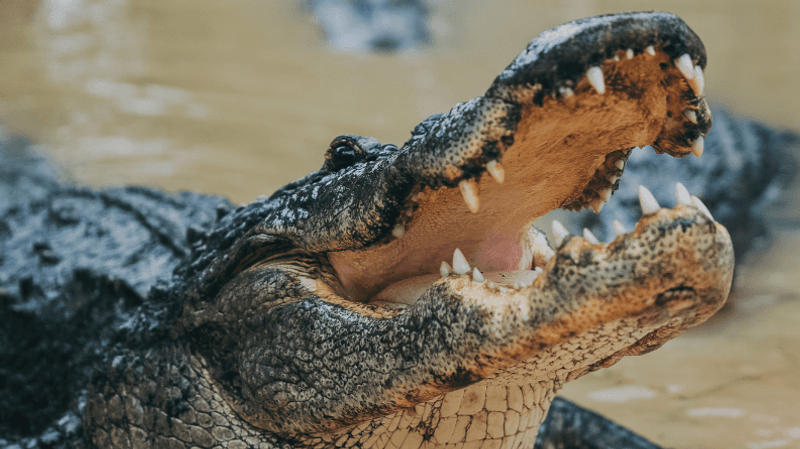
Most Florida wildlife experiences come packaged and narrated these days, with designated viewing areas and educational signage explaining what you’re supposed to see. Keaton Beach skips the curation entirely and just lets nature do its thing. The undeveloped coastline, extensive marshes, and healthy estuaries support wildlife populations that behave like wild animals instead of tourist attractions.
Dolphins are regular visitors to the shallow waters, often feeding so close to shore you can hear them breathe. Unlike the trained dolphins performing for cruise ship passengers, these are working animals hunting mullet in the grass flats, completely indifferent to human observers. Watching them work cooperatively to herd fish into the shallows offers a masterclass in marine mammal intelligence that no aquarium show can match.
Bird life is exceptional year-round, with seasonal migrations bringing species that birders travel thousands of miles to see. Roseate spoonbills wade through the shallows like pink lawn ornaments come to life. Great blue herons stand motionless in the marsh grass, waiting with prehistoric patience for prey.
Ospreys dive-bomb the surface, emerging with fish clutched in their talons, and the whole food chain plays out in real time.
Manatees appear seasonally, especially during cooler months when they seek the relatively warmer waters of the springs and coastal areas. Spotting one from the pier or while wading the flats creates that electric moment of connection that reminds you why wild places matter. They’re not performing, not habituated to handouts, just existing in their natural habitat the way they have for thousands of years.
Sea turtle nesting season brings loggerheads to the beaches, and while organized turtle walks happen in more developed areas, Keaton Beach offers the possibility of stumbling across nesting activity on your own. Finding fresh tracks in the sand at dawn, knowing a turtle came ashore during the night to continue a cycle older than human civilization, connects you to something larger than vacation itineraries and Instagram posts. The wildlife here doesn’t exist for your entertainment.
You’re just lucky enough to share space with it temporarily.
A Beach That Looks Different From The Postcards
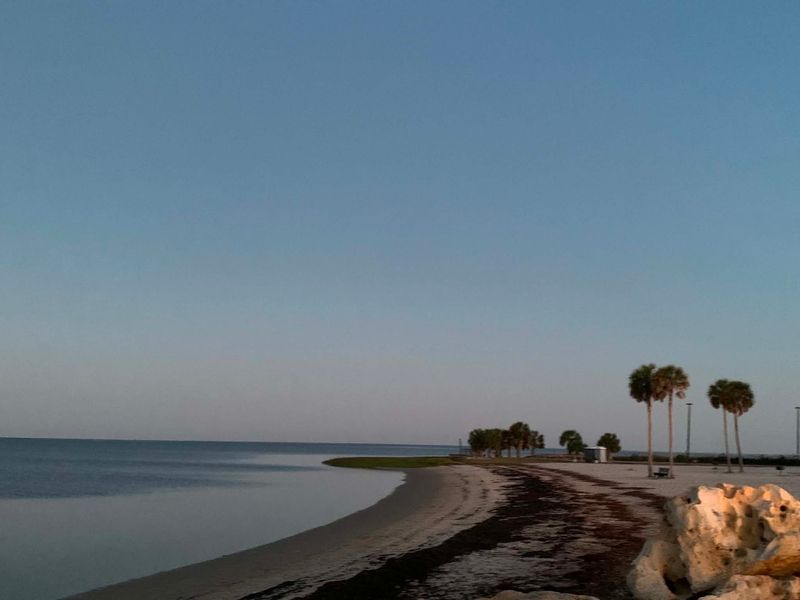
If you’re expecting sugar-white sand and turquoise water, Keaton Beach will confuse you. This isn’t the Florida of tourism brochures and resort commercials. The sand has a natural tan color, mixed with shell fragments and bits of seagrass.
The water is often greenish-brown, especially after storms or during tidal shifts, colored by tannins from the coastal marshes and sediment from the shallow bottom.
But here’s what the postcard beaches can’t offer: authenticity and ecological richness. That murky water is actually incredibly healthy, teeming with life that supports the entire coastal food chain. The shell-strewn sand tells stories of the creatures living just offshore.
The gentle slope and shallow depths create perfect conditions for juvenile fish, which is why the fishing is so good and why dolphins patrol these waters regularly.
The beach itself is narrow in places, more of a transitional zone between land and sea than a wide sandy playground. Marsh grass grows right down to the waterline in spots, and the high tide can reduce the beach to a thin strip. This isn’t a place for beach volleyball or sandcastle competitions.
It’s a place for wading, shell collecting, and appreciating coastal ecosystems that haven’t been manicured into submission.
Swimming is possible but different from resort beaches. The water stays shallow for a long distance, and the bottom is soft in places, firmer in others. You’re more likely to see people wading and looking for scallops than doing laps or riding waves.
The Gulf here is calm most days, with gentle ripples instead of surf, creating conditions that feel more like a massive warm-water lake than an ocean.
What Keaton Beach lacks in conventional beauty, it makes up for in character and ecological integrity. This is what Florida’s coastline looked like before development, before beach renourishment projects and seawalls, before anyone decided beaches needed to look a certain way to be valuable. If you can appreciate raw nature over manufactured perfection, Keaton Beach’s honest, unfiltered coastline offers something far more valuable than pretty pictures.
The Kind of Quiet That’s Becoming Extinct
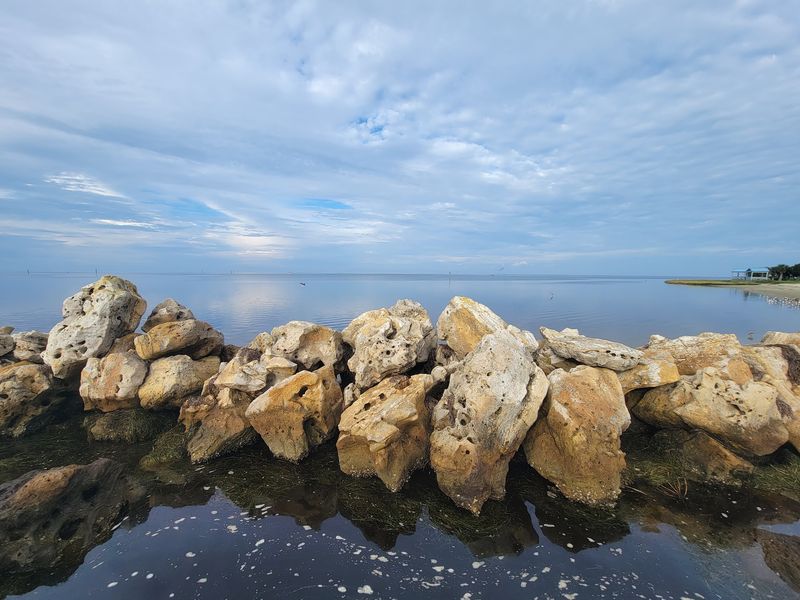
Silence has become a luxury commodity in modern life, and nowhere is this more apparent than in popular Florida destinations where noise is constant and inescapable. Keaton Beach offers something different: actual quiet. Not the manufactured quiet of a spa with whale sounds piped through speakers, but the real thing, where natural sounds dominate and human noise fades to background static.
Walk the residential streets in the early morning, and you’ll hear mockingbirds running through their repertoire, the distant sound of boat motors starting up at the marina, maybe a screen door closing. That’s it. No traffic roar, no construction noise, no music bleeding from beach bars.
The quiet feels almost confrontational at first, especially if you’re coming from urban Florida, but it seeps into your nervous system and reminds you what baseline calm actually feels like.
The lack of commercial development means no jet skis screaming across the water, no parasailing boats circling endlessly, no beach vendors hawking their wares at volume. The Gulf laps gently at the shoreline, pelicans fly past in silence, and the whole environment operates at a decibel level that allows actual conversation without shouting. You can hear yourself think, which might be exactly why some people avoid places like this.
Nighttime quiet is even more profound. Without streetlights and commercial lighting, the darkness is genuine, and the soundscape shifts to insects, distant waves, and maybe a dog barking somewhere down the street. Stars appear in quantities that seem impossible if you’re used to light-polluted skies.
The Milky Way stretches overhead, and the silence allows you to hear the subtle night sounds that usually get drowned out.
This kind of quiet is disappearing from Florida as development creeps into every available space. Keaton Beach preserves it not through any grand conservation plan but simply by remaining economically unattractive to the forces that transform quiet coastal towns into noisy tourist factories. The question isn’t whether you’ll enjoy the quiet.
The question is whether you can handle it, whether you’ve become so adapted to constant noise that silence feels uncomfortable. If you can embrace it, Keaton Beach offers a reset button for your overstimulated nervous system.