Skip the Airport—This Florida Ferry Takes You Straight to the Bahamas
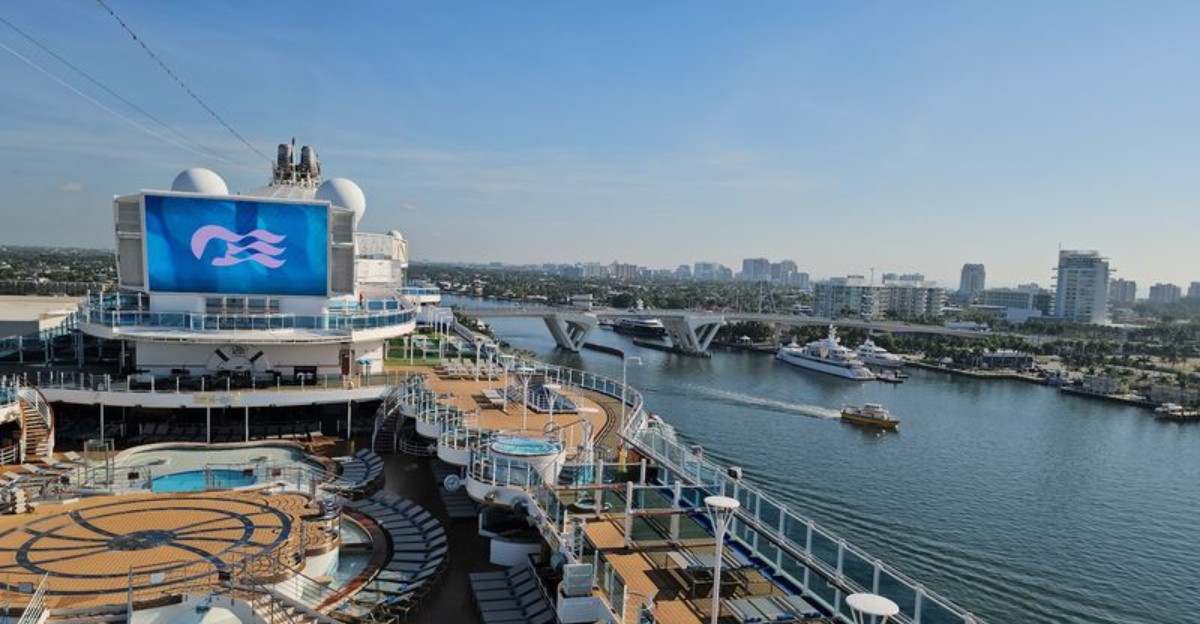
Flying to the Bahamas sounds exciting until you remember the airport hassles, long security lines, and cramped plane seats. What if you could swap all that stress for a relaxing ferry ride that takes you straight from Fort Lauderdale to the islands in just two hours? Port Everglades Terminal 21 offers exactly that experience, serving as the departure point for high-speed ferries headed to Bimini and beyond.
This cruise terminal combines the convenience of local access with the adventure of international travel, making your Bahamas getaway easier than ever.
1. Two-Hour Ferry to Paradise
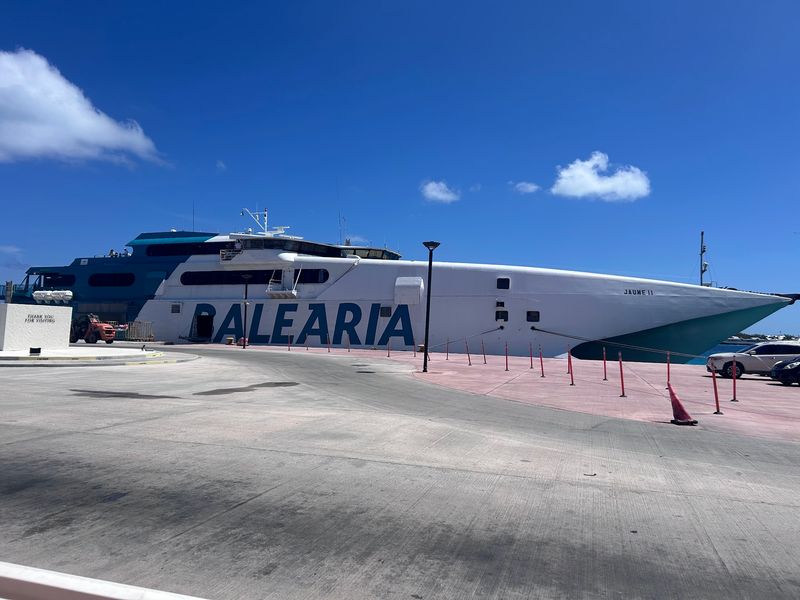
Forget spending half your day at the airport when you can board a high-speed ferry at Terminal 21 and reach Bimini in just two hours. The journey feels more like a mini-cruise than basic transportation, with comfortable seating and ocean views that beat staring at clouds from 30,000 feet. You’ll actually enjoy the travel time instead of counting down minutes until landing.
The ferry departs directly from Port Everglades, which sits conveniently close to Fort Lauderdale’s main roads and highways. Parking costs twenty dollars per day, and you can pay with a credit card or bank card at the garage. The facility keeps things simple, so even first-time ferry passengers can navigate without confusion.
Passengers rave about how quick the trip feels compared to flying. By the time you’d normally be sitting in an airport terminal waiting to board, you’re already halfway to the Bahamas on the water. The vessel moves fast enough to get you there quickly but smooth enough that you won’t feel seasick.
Once you arrive in Bimini, you can walk straight off the ferry and into the island without the usual airport chaos. No baggage claim carousels, no crowded shuttle buses, just immediate island access that lets your vacation start the moment you step onto Bahamian soil.
2. Easy Navigation for First-Timers
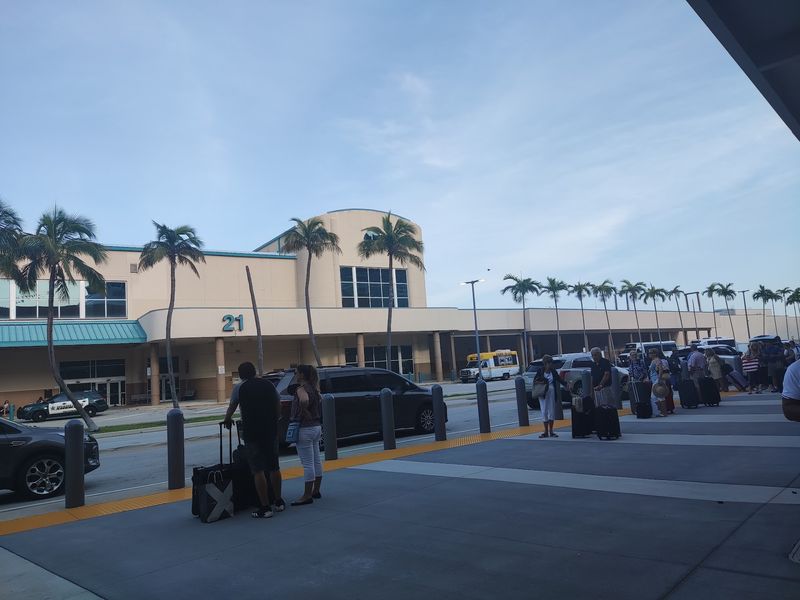
Walking into Terminal 21 for the first time might seem intimidating, but the layout actually makes sense once you’re inside. Security checkpoints sit on the first floor, where you’ll drop off your bags and go through standard screening. Then you head upstairs to show your boarding pass and passport before waiting in a large seating area until your group gets called.
Staff members position themselves throughout the terminal specifically to help lost or confused travelers. Law enforcement officers and port employees are everywhere, ready to point you in the right direction if you can’t find something. One reviewer mentioned how impressed they were with the sheer number of helpful people available to answer questions.
The parking garage connects closely to the terminal building, so you won’t wander around dragging luggage for ten minutes trying to find the entrance. Everything flows in a logical order from car to check-in to boarding. The design handles large crowds efficiently, which matters when hundreds of passengers are trying to catch the same ferry departure.
Some visitors suggest the terminal could improve with more detailed maps for absolute beginners, especially regarding traffic flow and where to enter. Still, most people figure things out quickly thanks to the visible staff presence and straightforward signage that guides you from one step to the next without too much guesswork.
3. Friendly Staff Who Actually Help
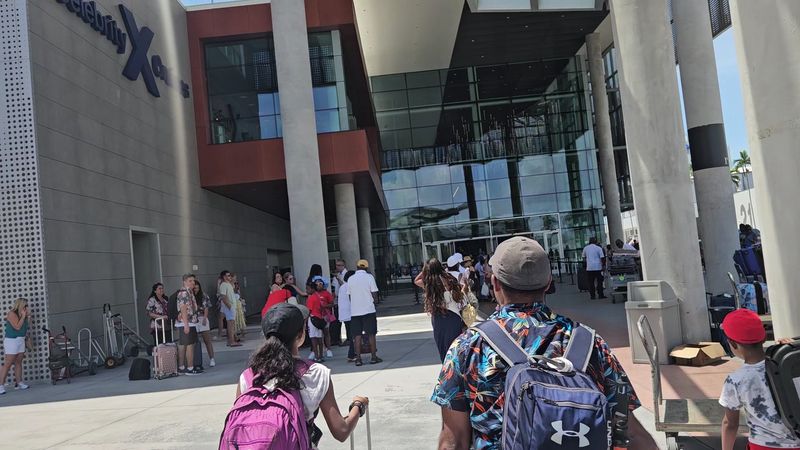
Eight separate reviews specifically mentioned the friendly staff at Terminal 21, which tells you something important about the people working there. These aren’t just employees going through the motions. They actively help passengers move through the boarding process, answer questions with patience, and even assist with loading luggage into cars during pickup to keep traffic flowing smoothly.
One family picking up relatives from a cruise described the entire team as amazing, polite, helpful, and patient despite the terminal being absolutely swamped with people. Security officers, cruise employees, and even the sheriffs directing traffic all contributed to making their experience positive. That kind of consistent friendliness across different departments doesn’t happen by accident.
The check-in process benefits enormously from having knowledgeable staff positioned at key points. When you’re unsure about which line to join or where to go next, someone’s usually within eyesight to guide you. They understand that many passengers are either first-time cruisers or ferry riders who need extra reassurance about doing things correctly.
Of course, not every interaction hits perfection. A handful of reviews mentioned encountering rude baggage porters or unhelpful individuals. But the overwhelming majority of feedback praised the staff’s courtesy and efficiency, suggesting that Terminal 21 generally succeeds at hiring people who genuinely care about passenger experience rather than just processing bodies through a system.
4. Quick Boarding Process
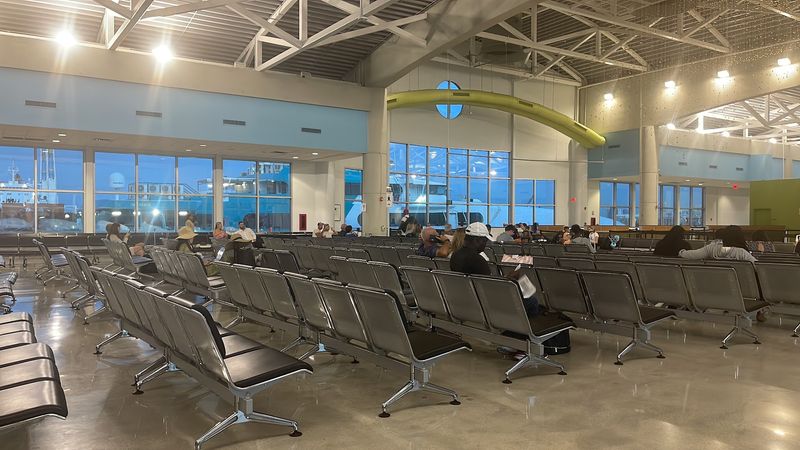
Nobody wants to spend their vacation standing in endless lines, which makes Terminal 21’s efficient boarding process such a pleasant surprise. One couple reported waiting just eight minutes from check-in until their boarding number got called. That’s faster than most restaurant waits, let alone typical cruise or ferry departures.
The system works by assigning passengers to numbered groups, then calling those groups in order once everything’s ready. You show your documents upstairs, then relax in the spacious seating area instead of crowding around a gate. When your turn comes, the process moves quickly because staff have already verified your paperwork and you’re just walking onto the vessel.
Multiple travelers described the boarding experience as seamless from start to finish. You drive up, drop your bags, clear security, check in, and board without hitting major bottlenecks or confusing detours. The terminal’s design supports this smooth flow by separating different functions across floors and spaces so groups don’t pile up in one spot.
Even during peak times when the terminal handles hundreds of passengers simultaneously, the organized approach prevents total chaos. Sure, things get crowded and a bit hectic outside where cars are dropping people off. But once you’re inside the building, the structured system takes over and moves everyone along at a reasonable pace that respects your time and reduces pre-trip stress.
5. The Return Trip Reality Check
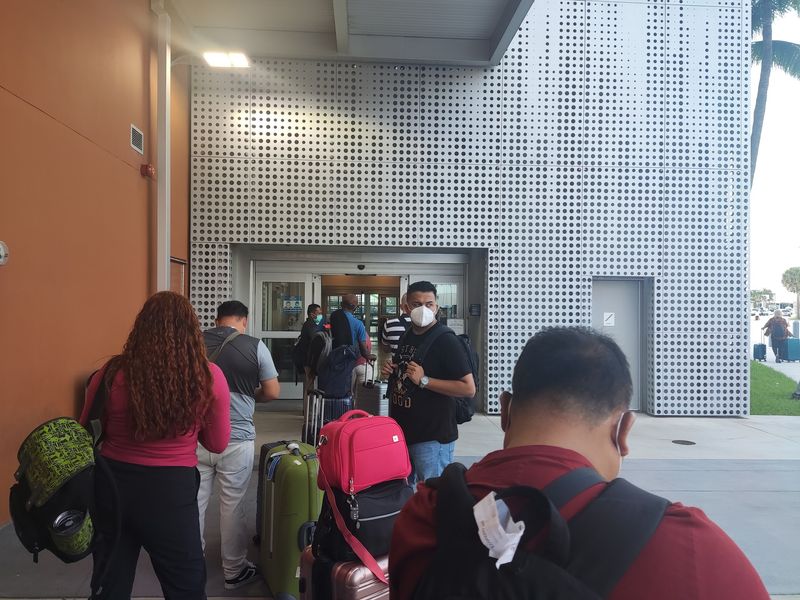
Here’s where the experience gets bumpy. Coming back from Bimini means facing U.S. customs and immigration, and Terminal 21 apparently struggles with staffing those checkpoints adequately. Multiple passengers reported waiting one to two hours in line with only one or two officers processing everyone.
That’s a long time to stand when you’re tired from a day trip.
The contrast between outbound and inbound experiences frustrates travelers who sailed through departure only to hit a wall on return. One reviewer joked that the immigration line would take longer than the actual ferry ride, which isn’t much of an exaggeration when 200 people are queued ahead of you. Another mentioned misery from standing so long with leg and back pain, made worse by having nowhere to sit.
The terminal itself doesn’t control federal staffing decisions, but the situation creates a sour ending to what should be a fantastic day. You walk off the ferry ready to head home, then spend the next hour or more shuffling forward in a packed line. Some officers apparently chat extensively with each passenger, which adds unnecessary time when efficiency matters most.
This isn’t a universal experience since some travelers reported smoother returns, but enough people mentioned the problem that it’s worth planning for. Bring water, wear comfortable shoes, and maybe download a podcast or two for the wait. The ferry part delivers on its promise, but re-entering the United States requires patience that not everyone packed.
6. Luggage Pickup System

After disembarking from a cruise or ferry, you’ll need to locate your luggage among potentially hundreds of other bags spread across the terminal floor. Terminal 21 organizes suitcases by tag colors and numbers, which helps narrow down your search area. Still, several reviewers described finding their bags as challenging when facing what looked like a vast sea of identical black rolling suitcases.
The system works better when you remember exactly what your luggage looks like and which color tag the crew attached. Port workers position themselves near the luggage areas to assist, and they’ll often help load bags into your vehicle once you’ve claimed everything. That extra service speeds up the exit process and prevents traffic jams at pickup points.
One passenger warned about luggage porters who might drop your bags at the wrong pickup location then quickly grab their tip before you notice the mistake. This traveler asked for drop-off at point A but received service at point B instead, which created unnecessary confusion. Paying attention to where your bags actually land matters more than trusting someone’s quick assurances.
Despite occasional hiccups, most people successfully reunite with their belongings without major drama. The terminal provides enough space to spread out luggage so families can gather around their pile without blocking others. Just give yourself extra time if you’re in a rush, especially during peak disembarkation hours when multiple ships or ferries release passengers simultaneously.
7. Parking and Transportation Access
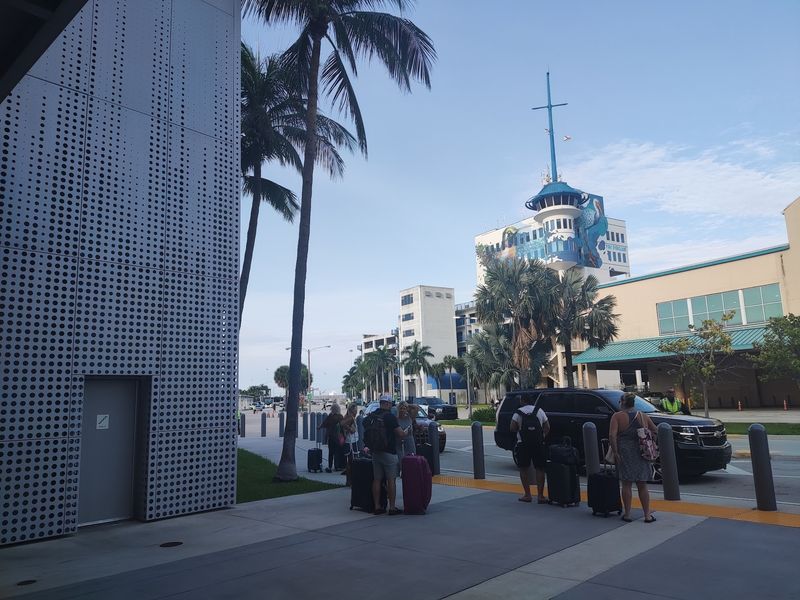
The parking garage sits close enough to Terminal 21 that you won’t get lost hauling your suitcases from car to check-in. That proximity matters when you’re managing multiple bags, kids, or elderly family members who can’t walk long distances. The setup eliminates the shuttle bus step that some cruise ports require, saving time and hassle.
Daily parking runs twenty dollars, payable by credit card or bank card at automated kiosks. The system accepts standard payment methods without requiring exact change or special preparation. You’ll want to factor that cost into your trip budget, especially for longer cruises where parking fees add up quickly over multiple days.
Traffic around the port can get hectic during peak embarkation and disembarkation times. Police and security personnel help direct the flow of vehicles, but expect some congestion when everyone’s trying to arrive or leave simultaneously. One reviewer specifically praised a sheriff who managed traffic with humor, turning a potentially frustrating situation into something more bearable.
For those using rideshare services, Terminal 21 designates specific pickup zones labeled A and B. Make sure your driver knows which zone you’re actually at, since some luggage porters apparently drop passengers at the closest point rather than the requested location. The terminal also accommodates shuttle services and taxis, with port workers actively helping load vehicles to keep the pickup area moving efficiently and prevent long waits.
8. What Makes This Different from Flying
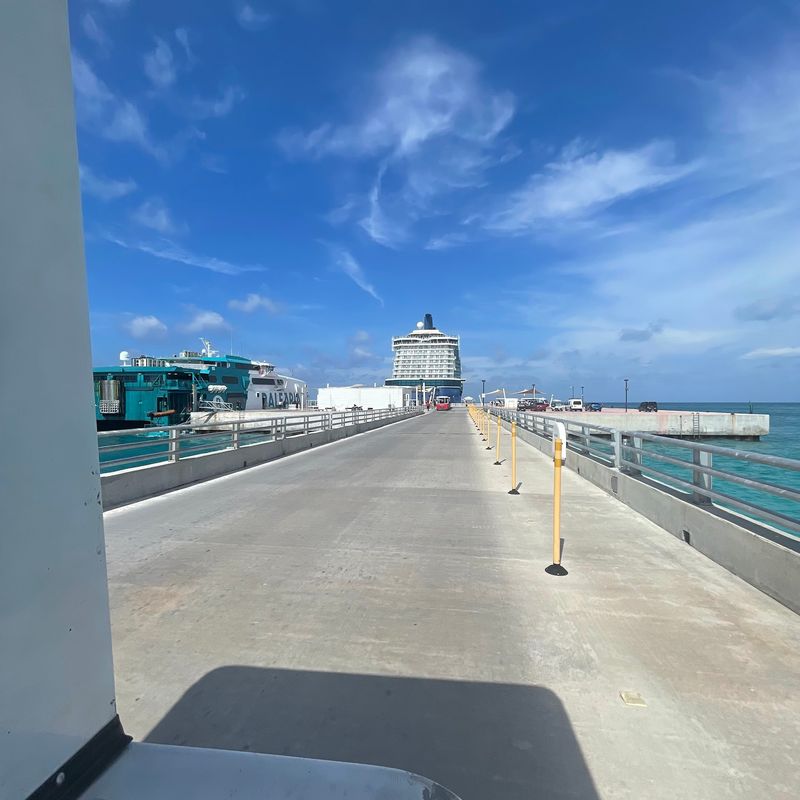
Airlines require you to arrive two hours early for international flights, pass through multiple security checkpoints, remove shoes and belts, limit liquids to tiny bottles, and cram into narrow seats where you can’t see anything except clouds or the headrest in front of you. The ferry experience skips most of that nonsense while still getting you to the Bahamas in roughly the same total time when you factor in all the airport waiting.
You’ll drive straight to Terminal 21, park nearby, check in with minimal fuss, and board a vessel where you can actually move around and enjoy the journey. The ocean views beat staring at wing flaps, and the two-hour ride passes quickly when you’re watching waves instead of being trapped in a metal tube. No crying babies in the seat behind you, no fight over armrest space, just open water and island-bound excitement.
The terminal handles passenger processing efficiently without the invasive security theater that airports have perfected. You’ll still show identification and go through screening, but the atmosphere feels less stressful and more vacation-oriented from the start. Staff treat you like a guest rather than a potential threat, which sets a completely different tone for your trip.
Cost-wise, ferry tickets often compete favorably with last-minute flight prices, especially when you add baggage fees and airport parking to the airline total. Plus you’re already in vacation mode the moment you board instead of enduring travel as something to survive before fun begins.