This Florida State Park Has an Awful Name but One of Tampa Bay’s Most Beautiful Paddles
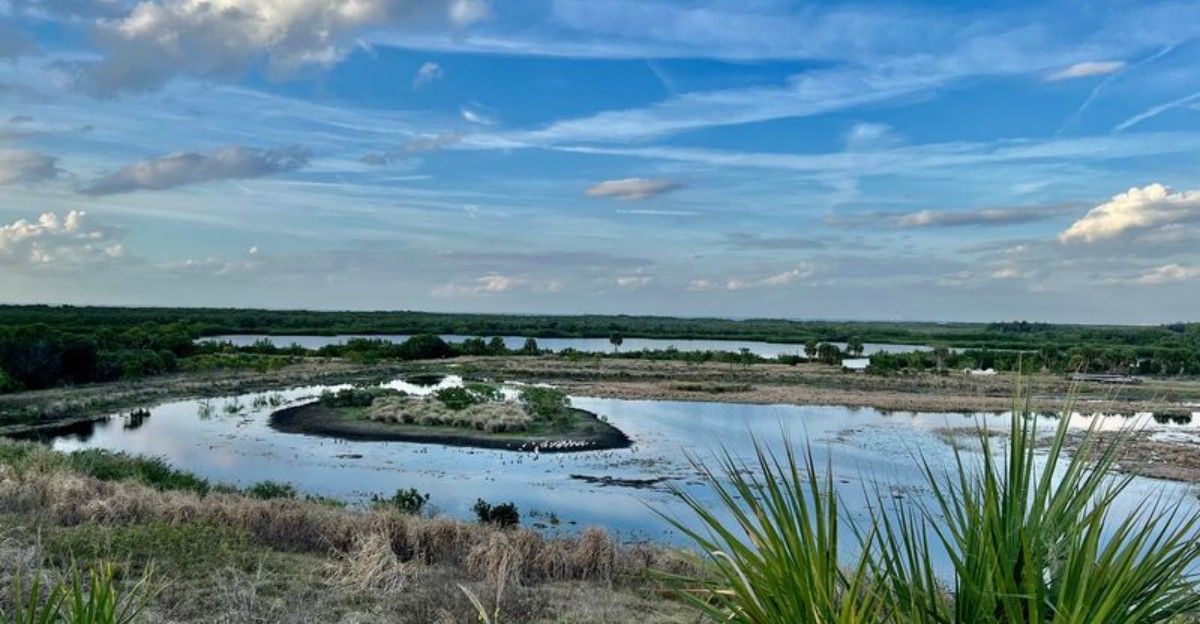
Yes, the name sounds terrible. Cockroach Bay Preserve State Park in Ruskin might make you cringe at first, but don’t let that stop you from discovering one of Tampa Bay’s best-kept secrets. This hidden gem offers stunning kayak trails, incredible wildlife, and some of the most peaceful paddling you’ll find anywhere in the region.
1. A Name That Makes You Laugh (But Scenery That Takes Your Breath Away)
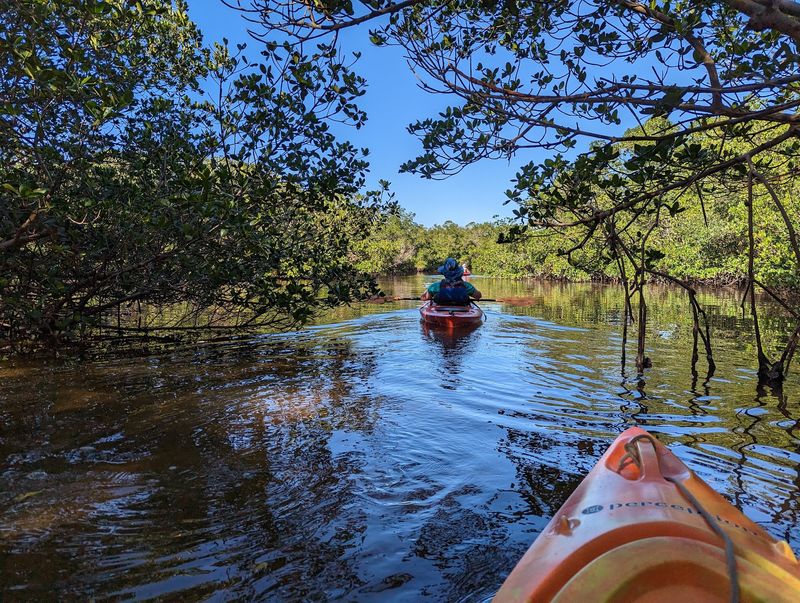
Let’s address the elephant in the room. Cockroach Bay sounds like the last place you’d want to spend a Saturday morning. The name alone probably makes you want to keep scrolling.
But here’s the thing: this preserve is absolutely gorgeous, and once you see it, you’ll forget all about those creepy crawlies.
The name actually comes from the cockle shells that used to wash up on shore, not the six-legged critters you’re imagining. Over time, “cockle” became “cockroach,” and the unfortunate label stuck. Despite the PR disaster of a name, this 640-acre preserve protects some of the most pristine estuary habitat left on Florida’s Gulf Coast.
First-time visitors often arrive skeptical and leave completely smitten. The mangrove islands, shallow flats, and winding waterways create a maze of natural beauty that feels worlds away from the busy Tampa Bay metro area. Wildlife thrives here because the habitat is so well-preserved.
If you can get past the name (and trust us, you will), you’re in for a real treat. This is Old Florida at its finest, minus the tourist traps and overpriced attractions. Just pure, unspoiled nature waiting to be explored by kayak, boat, or on foot.
2. Kayak Trails That Wind Through Mangrove Wonderlands
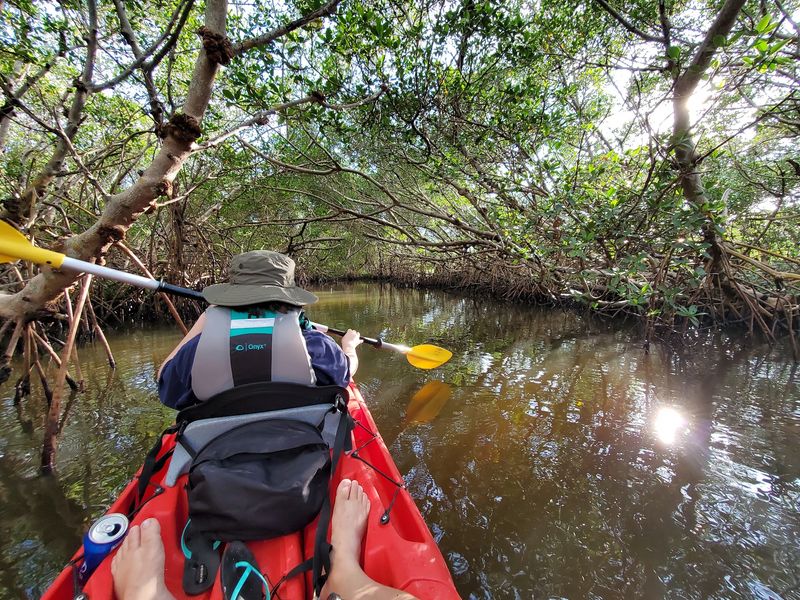
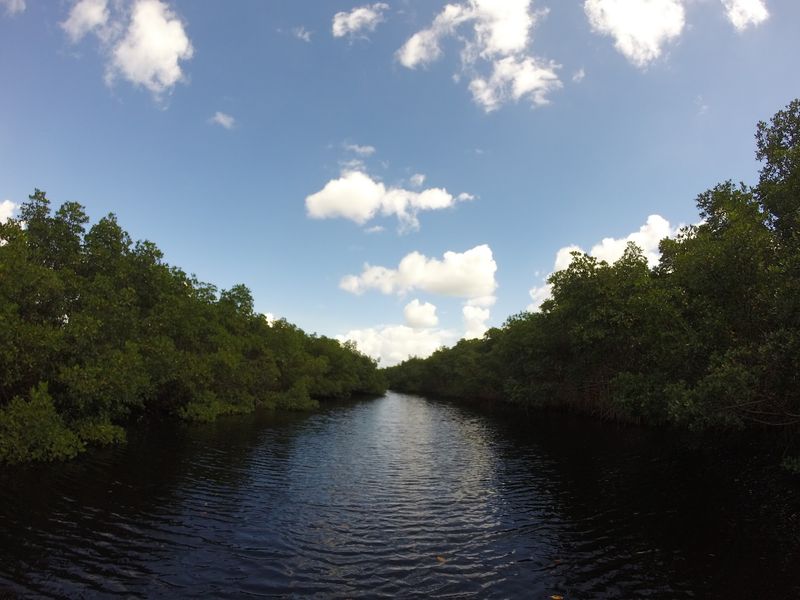
The kayak trails at Cockroach Bay are what make this place truly special. Marked routes guide you through narrow mangrove tunnels where the trees form natural archways overhead. Sunlight filters through the leaves in dappled patterns, and the water is so clear you can watch fish dart beneath your paddle.
Multiple trail options let you choose your own adventure. You can stick to shorter routes if you’re new to kayaking or venture out on longer expeditions that cover five miles or more. The trails wind between mangrove islands, offering endless opportunities to explore hidden coves and quiet channels.
One reviewer mentioned covering about five miles in two hours and seeing only one other group of paddlers. That kind of solitude is rare this close to a major city. You’ll feel like you’ve discovered your own private paradise out there among the mangroves.
Fair warning: the trail markers could be better. Some paddlers complain about confusing signage, so downloading an offline map or bringing a GPS device is smart. Don’t let that deter you, though.
Even if you wander off the marked route a bit, you’re surrounded by beauty in every direction, and the preserve is safe to explore at your own pace.
3. Free Boat Ramp Access (But Get There Early)
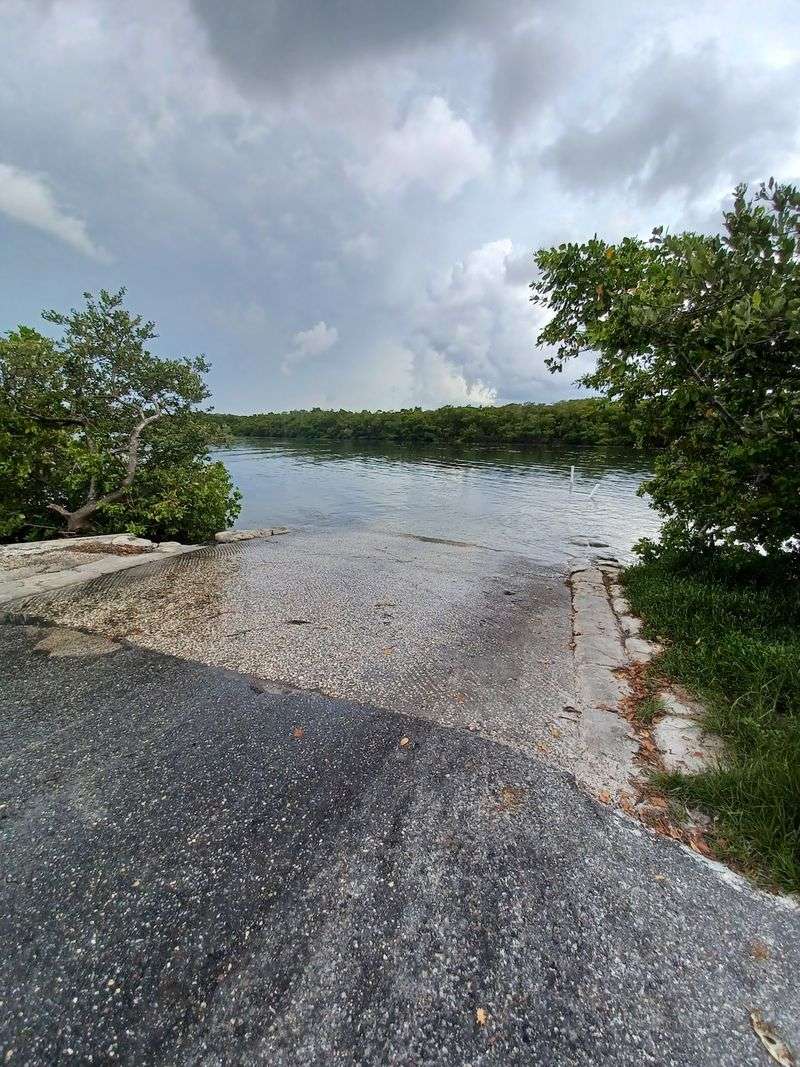
Here’s something you don’t see every day in Florida: a completely free boat ramp. No fees, no passes, no hassles. Cockroach Bay offers the southernmost paved boat ramp in Hillsborough County, and it won’t cost you a dime to use it.
The catch? It’s only one ramp, and it gets crazy busy, especially on weekends. Boaters from all over the Tampa Bay area know about this spot, so expect crowds during peak times.
Arriving early is your best bet for a smooth launch experience.
Proper boat ramp etiquette is essential here. Load your gear while waiting in line, not at the ramp itself. Have everything ready to go before you back down.
Other boaters will appreciate your efficiency, and you’ll avoid dirty looks from people waiting behind you.
The ramp provides quick access to Tampa Bay’s excellent fishing grounds. Within minutes of launching, you can be casting lines near mangroves or heading out to deeper waters. One reviewer mentioned successfully pulling a 27-foot sailboat with a 48-inch keel here, so it handles larger vessels just fine.
Just remember: there are no docks and no bathrooms at the launch area. Plan accordingly and bring whatever supplies you’ll need for your time on the water.
4. Fishing Paradise for Redfish, Snook, and Trout
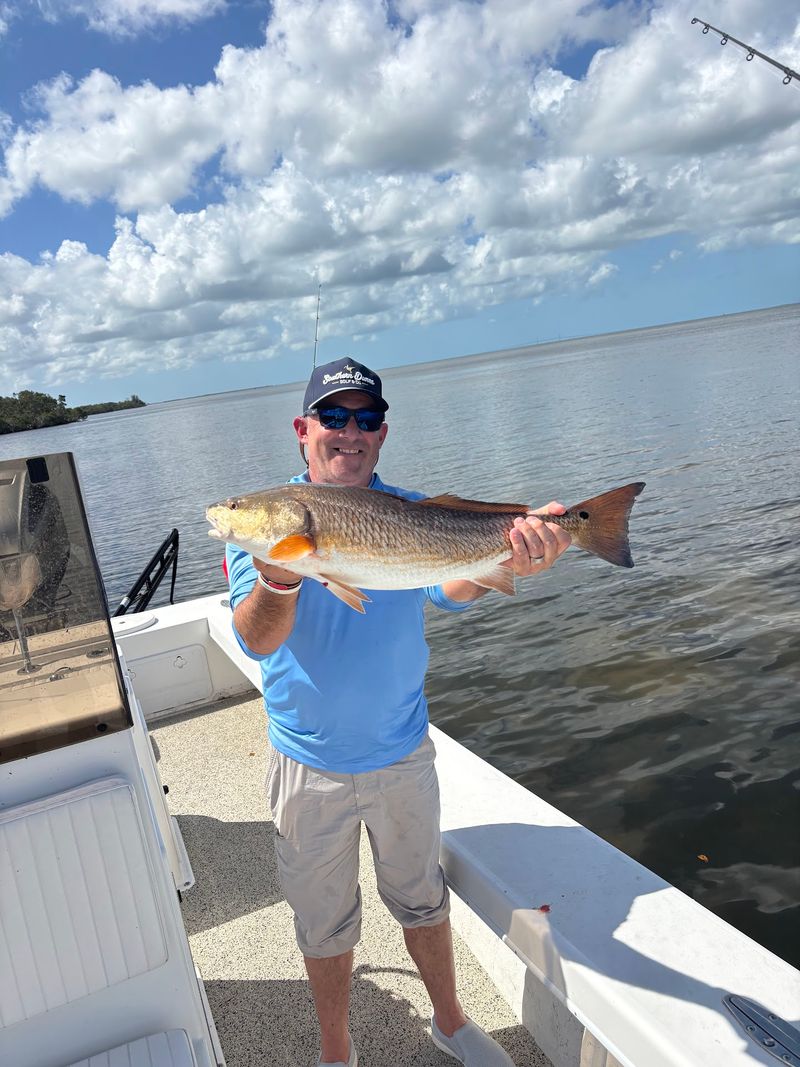
Anglers absolutely love Cockroach Bay, and for good reason. The preserve’s shallow flats and mangrove-lined shores create perfect habitat for redfish, snook, speckled trout, and even tarpon. This is hands-down one of the best estuaries on Florida’s Gulf Coast for fishing.
Shore fishing is possible right from the launch area if you don’t have a boat. You can cast your line while waiting for friends or just spend a relaxing afternoon trying your luck from land. Many locals do exactly that on quiet weekday mornings.
For serious anglers, launching a kayak or small boat opens up endless possibilities. The mangroves provide excellent structure where game fish love to hide and hunt. Experienced fishermen know to work the edges of oyster bars and grass flats where snook and redfish cruise looking for prey.
One thing to note: the mangroves are thick and invasive in many areas, which limits fishing spots from shore. Your best bet is definitely getting out on the water. Kayak fishing is particularly popular because you can sneak into shallow areas where bigger boats can’t reach.
If you’re lucky, you might run into local fish biologist Billy Wheat, who’s been studying the preserve’s fish populations for years. He’s a wealth of knowledge and loves talking about the area’s incredible marine life.
5. Wildlife Watching That Rivals Any Nature Documentary
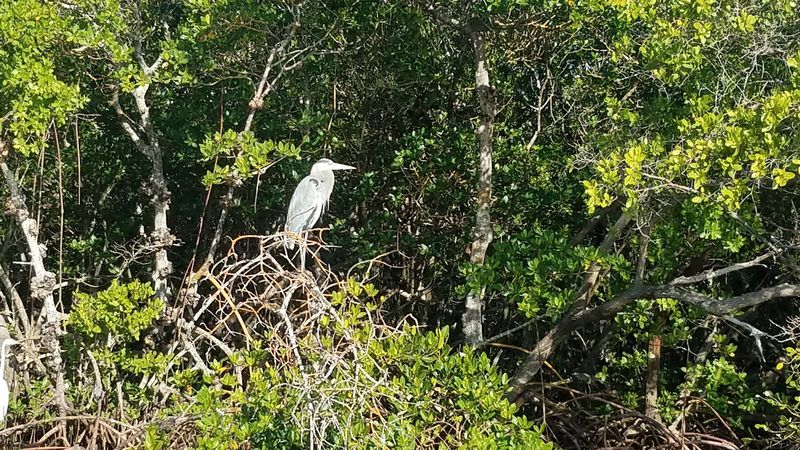
Bird lovers, bring your binoculars. Cockroach Bay is absolutely teeming with avian life. Ospreys, bald eagles, herons, egrets, and roseate spoonbills are just a few of the species you’re likely to spot during a visit.
The preserve’s diverse habitat supports an incredible variety of birds year-round.
Photographers find endless subjects here. One enthusiastic reviewer mentioned butterflies, dragonflies, jumping fish, and eagles all in one visit. The combination of water, mangroves, and open sky creates perfect conditions for wildlife photography.
Manatees and dolphins also frequent these waters, especially during warmer months. Paddling quietly through the channels, you might suddenly find yourself sharing the water with a curious manatee or a pod of dolphins hunting for fish. These magical encounters happen more often than you’d think.
The overlook area (locals jokingly call it “Mount Cockroach”) provides an elevated vantage point for spotting wildlife across the preserve. From up there, you can see for miles across the mangrove islands and out toward the Sunshine Skyway Bridge. It’s an excellent spot for getting your bearings before heading out on the water.
Early morning and late afternoon offer the best wildlife viewing opportunities. That’s when birds are most active and the light is perfect for photography.
6. Walking Trails With Surprisingly Big Views
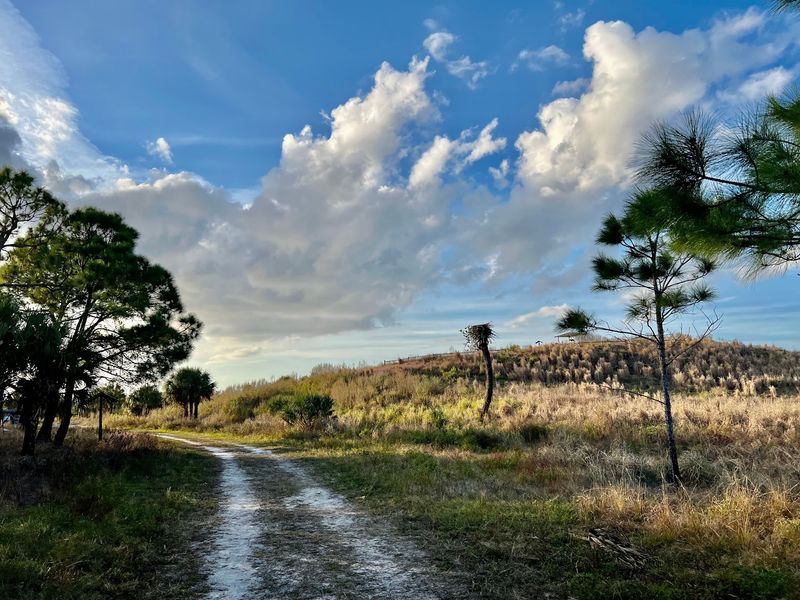
Not everyone wants to get out on the water, and that’s perfectly fine. Cockroach Bay offers well-maintained walking trails that wind through the preserve’s upland areas. These paths are easy to navigate and suitable for most fitness levels.
The main attraction on land is definitely the observation mound. This elevated spot (hence the “Mount Cockroach” nickname) provides panoramic views that’ll surprise you. On clear days, you can see the Sunshine Skyway Bridge, downtown St. Petersburg, and even Tampa’s skyline in the distance.
A picnic table and some shade await at the top of the overlook, making it a nice spot to rest and take in the scenery. One visitor mentioned it was 118 degrees when they visited, which definitely cut their exploration short. Summer heat is no joke in Florida, so morning visits are smarter during the hot months.
The trails also feature interpretive signs with information about local history, including details about Native American artifacts found in the area and historical battles that took place nearby. It’s a nice educational touch that adds context to your visit.
Trail distances are relatively short, so you won’t need hours to explore on foot. But the quality of the experience makes up for the quantity of miles available.
7. Important Security and Practical Considerations
Let’s talk about the less glamorous but important stuff. Cockroach Bay has some practical challenges you need to know about before visiting. First and foremost: vehicle break-ins are a real problem here.
Multiple reviews mention theft, with one person reporting their car window smashed while kayaking.
Don’t leave valuables in your vehicle, period. Take your wallet, phone, and anything else important with you or leave it at home. Park at your own risk signs are posted for a reason.
Law enforcement has confirmed that thieves regularly target this area because vehicles are left unattended for hours.
Parking is informal, basically roadside along the entrance road. There’s no official lot, just pull-off areas where people park trucks and trailers. It works, but it’s not the most organized system, especially when the place gets crowded.
No bathrooms exist at this preserve. None. Plan your visit accordingly and use facilities before you arrive.
This catches some visitors off guard, so consider yourself warned.
Bug spray is absolutely essential, particularly during morning and evening hours. Mosquitoes and no-see-ums are relentless in this environment. Bring the strong stuff with DEET if you want to avoid being eaten alive.
Despite these hassles, the preserve’s natural beauty makes it worth the extra precautions. Just be smart and prepared.
8. Hours, Location, and Planning Your Visit
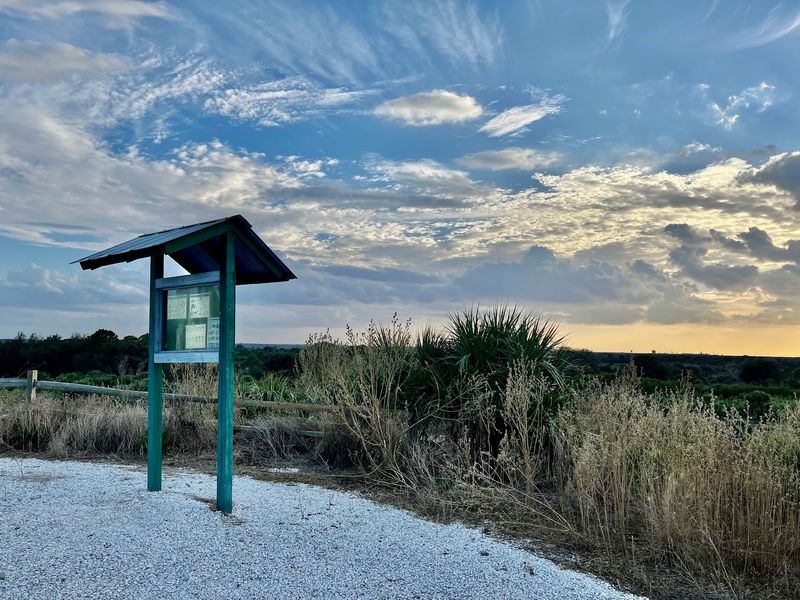
Cockroach Bay Preserve State Park is located in Ruskin, Florida, in the southern part of Hillsborough County. The official address is simply Ruskin, FL 33570. It’s about a 30-minute drive from downtown Tampa, making it an easy day trip from anywhere in the metro area.
The preserve is open daily from 8 AM to 5 PM. These hours are consistent throughout the week, so you don’t need to worry about different weekend schedules. Arriving right at opening time is your best strategy for avoiding boat ramp crowds and securing decent parking.
You can reach the park office at 239-253-0811 if you have specific questions before visiting. The official Florida State Parks website also has helpful information about the preserve, though some visitors wish there were better maps available for the kayak trails.
No entrance fees are charged, which is fantastic. Free boat ramp, free parking (such as it is), free trails. You really can’t beat that value, especially compared to some of Florida’s more tourist-heavy state parks.
The preserve works well as a half-day or full-day adventure, depending on how much exploring you want to do. Kayakers often spend several hours paddling the trails, while visitors who just want to walk around and enjoy the views can see everything in an hour or two.