Skip the City Lights and See the Milky Way at These 12 Florida Spots
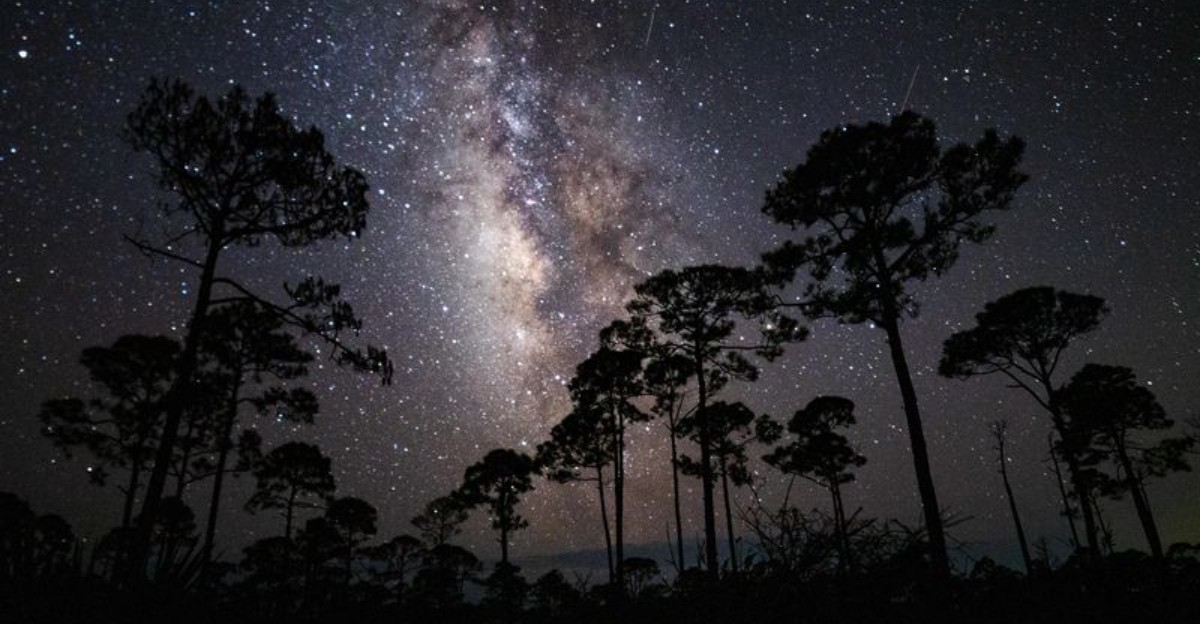
Florida might be famous for its beaches and theme parks, but some of the best nighttime shows happen when you escape the urban glow. In the right spots, far from streetlights and buildings, the Milky Way stretches across the sky like a glowing river of stars. Whether you are camping under ancient oaks or standing on a sandy shore, these dark-sky havens offer front-row seats to the cosmos without needing a telescope or special equipment.
1. Kissimmee Prairie Preserve State Park (Okeechobee)
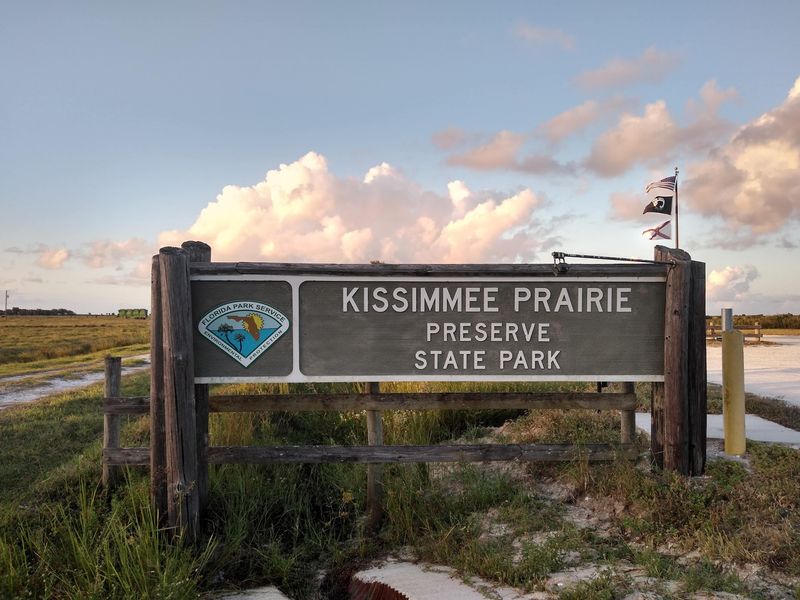
Out here, the sky feels infinite. Kissimmee Prairie sits on more than 50,000 acres of open grassland, which means nothing blocks your view when the sun goes down. The preserve earned official recognition as a dark-sky park, and once you see the stars overhead, you will understand why.
Plan your visit around a new moon for maximum visibility. Bring a blanket, a red flashlight to protect your night vision, and maybe a star chart app. The park offers guided night-sky programs on certain weekends, led by volunteers who know their constellations.
Camping here is an experience all on its own. The campsites have minimal lighting, so the stars take center stage. You might hear coyotes howling in the distance or catch the hoot of a barred owl while you gaze upward.
During the day, the preserve is home to bison, deer, and plenty of birds. But after dark, the real magic begins. The Milky Way appears as a cloudy band stretching from horizon to horizon, and if you are patient, you might spot a meteor or two streaking across the blackness.
2. Big Cypress National Preserve (Ochopee)
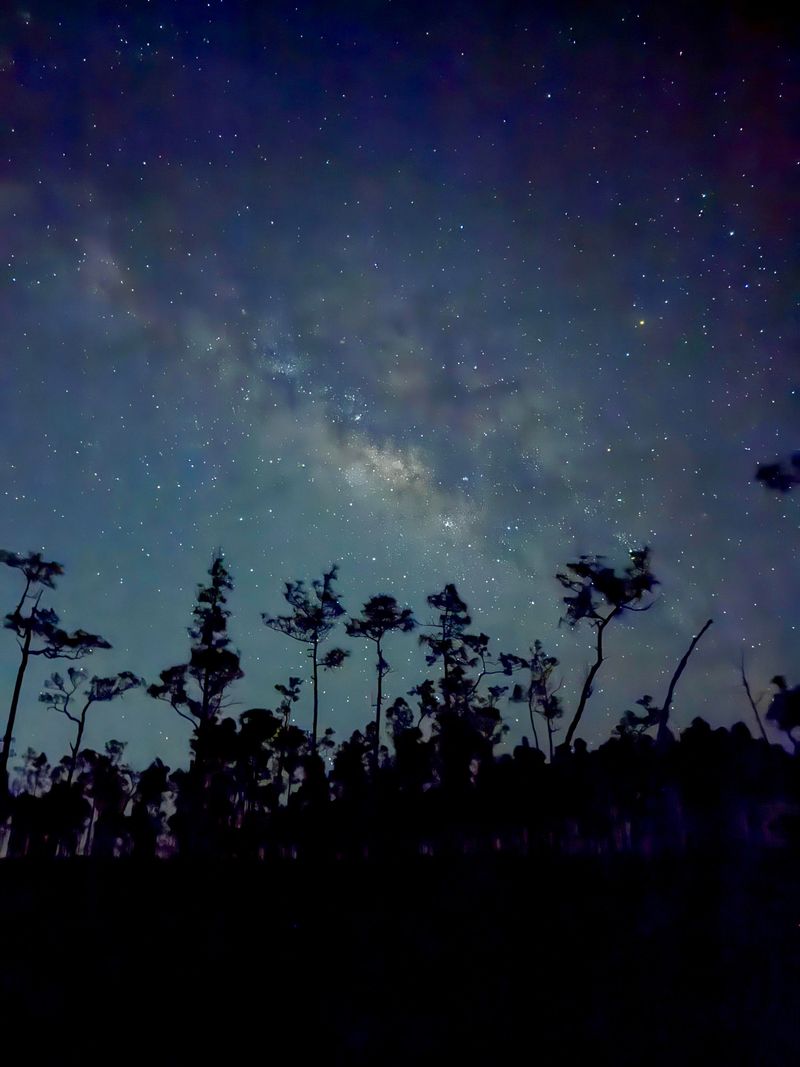
Big Cypress sprawls across nearly 730,000 acres of swamp, hardwood hammocks, and pinelands in South Florida. When night falls, the preserve transforms into one of the darkest places in the region. The lack of nearby development means the stars shine without competition.
Head to one of the backcountry campsites or pull off at a designated viewing area along the Tamiami Trail. The stillness here is profound. You will hear frogs calling, the rustle of nocturnal animals, and not much else.
Bring insect repellent because mosquitoes can be relentless, especially in warmer months. A folding chair or reclining camping chair makes stargazing more comfortable, and a thermos of hot coffee or cocoa adds to the experience.
The preserve is also a haven for wildlife. Alligators, panthers, and black bears roam these lands, so stay alert and respect their space. But the real draw after sunset is the sky.
On clear nights, the Milky Way arcs overhead in stunning detail, and you can see planets, satellites, and countless stars that vanish in city environments.
3. Dry Tortugas National Park (Key West)
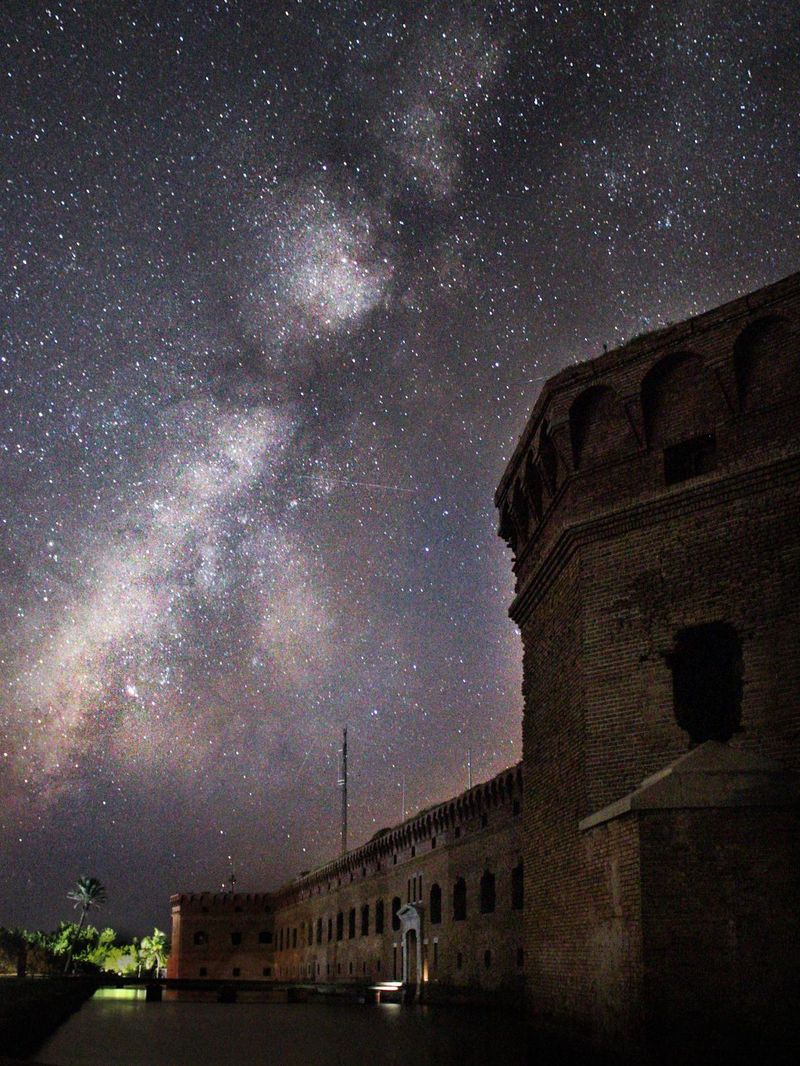
Reaching Dry Tortugas requires a seaplane or ferry ride from Key West, but the journey is part of the adventure. This remote cluster of islands sits 70 miles offshore, far from any artificial light. The result?
Some of the darkest, clearest skies in Florida.
Fort Jefferson, a massive 19th-century fortress, dominates the main island. After the day visitors leave, campers have the place to themselves. Set up your tent on the beach, and when the sun sets, the sky comes alive.
The Milky Way stretches across the heavens in vivid detail. You can see the bright core of the galaxy, the dark dust lanes, and even the faint glow of distant nebulae. Bring binoculars or a small telescope if you want a closer look at star clusters and planets.
The park is also a snorkeling paradise, so spend your days exploring coral reefs and shipwrecks. But save your energy for the night. The combination of warm ocean breezes, the sound of waves, and a sky packed with stars makes this one of the most unforgettable stargazing experiences in the state.
4. Everglades National Park (Homestead/Flamingo)
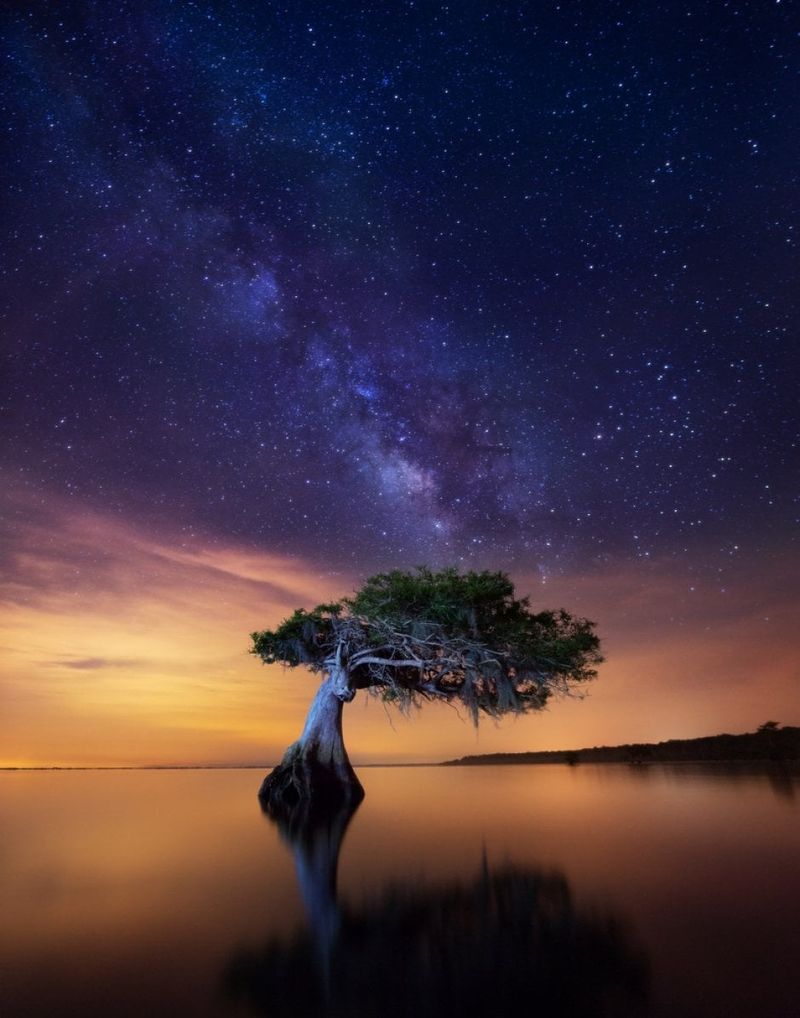
The Everglades is a vast wilderness of sawgrass prairies, mangrove forests, and winding waterways. It is also one of the few places in South Florida where you can escape light pollution and see the Milky Way in all its glory.
Flamingo, at the southern tip of the park, is a prime stargazing spot. The campground and boat ramp area offer open views of the sky. Arrive early to secure a good spot, and bring a hammock or reclining chair for comfortable viewing.
The park hosts occasional astronomy programs, where rangers and volunteers share telescopes and knowledge. Even without a guide, the sky speaks for itself. The Milky Way appears as a glowing river of stars, and you can often see Jupiter, Saturn, and Mars with the naked eye.
Wildlife is active at night, so keep your distance from alligators and be mindful of raccoons near your campsite. The sounds of the Everglades after dark are unforgettable: frogs, crickets, and the occasional splash in the water. Combine that with a sky full of stars, and you have a night to remember.
5. Bahia Honda State Park (Big Pine Key)
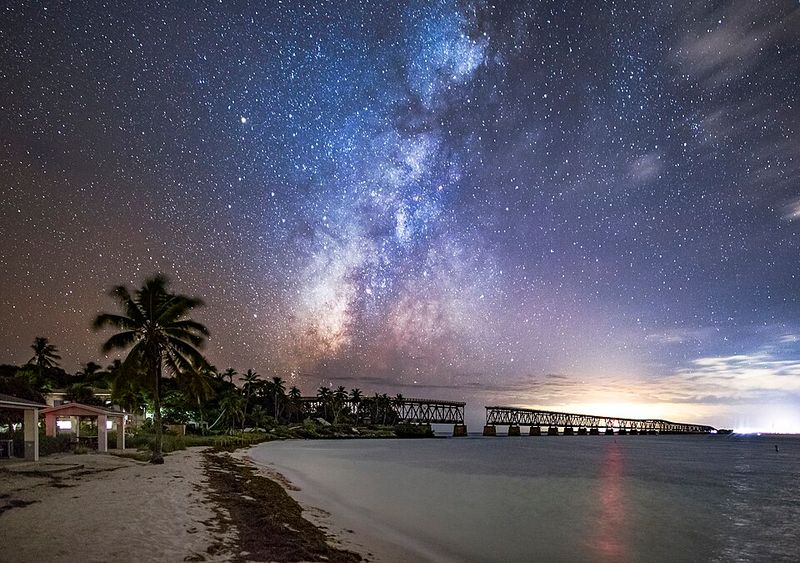
Bahia Honda is famous for its white-sand beaches and crystal-clear water, but the night sky here rivals the daytime scenery. Located in the Florida Keys, the park sits far enough from Miami and Key West to offer genuinely dark skies.
Set up on the beach or rent a cabin for a comfortable base. When the sun dips below the horizon, the stars begin to emerge. Within an hour, the Milky Way stretches across the sky, visible even to first-time stargazers.
The old railroad bridge makes a dramatic silhouette against the stars, perfect for photography. Bring a tripod and a camera with manual settings if you want to capture the scene. Even a smartphone can grab decent shots with the right app.
The park is small, so it fills up quickly, especially on weekends and holidays. Reserve your campsite or cabin well in advance. During the day, snorkel the reef or kayak the mangroves.
At night, relax under the stars and listen to the waves.
6. Curry Hammock State Park (Marathon)
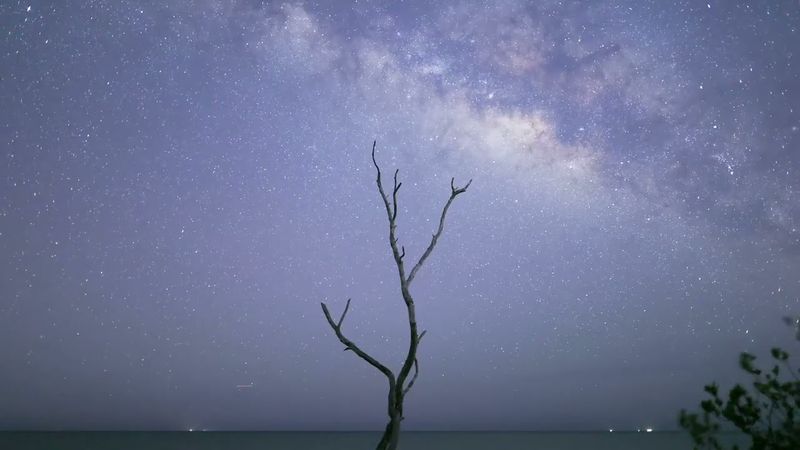
Tucked between Marathon and Big Pine Key, Curry Hammock offers a quieter alternative to some of the busier Keys parks. The 260-acre park features mangrove forests, seagrass beds, and a small beach, but the real treasure appears after dark.
The park has minimal lighting, making it an excellent spot for stargazing. Bring a blanket and stretch out on the beach or find a spot near the water. The Milky Way is visible on clear nights, and the lack of nearby development means you can see thousands of stars.
Kayaking at night is popular here, especially during bioluminescent blooms. Paddle through the mangroves and watch the water light up with each stroke. Combine that with a sky full of stars, and you have a surreal experience.
The park is also a great spot for windsurfing and kiteboarding during the day. But when the sun sets, the action shifts skyward. Meteor showers are particularly impressive here, with shooting stars streaking across the horizon.
Pack bug spray and a red flashlight to preserve your night vision.
7. Dr. Julian G. Bruce St. George Island State Park (St. George Island)
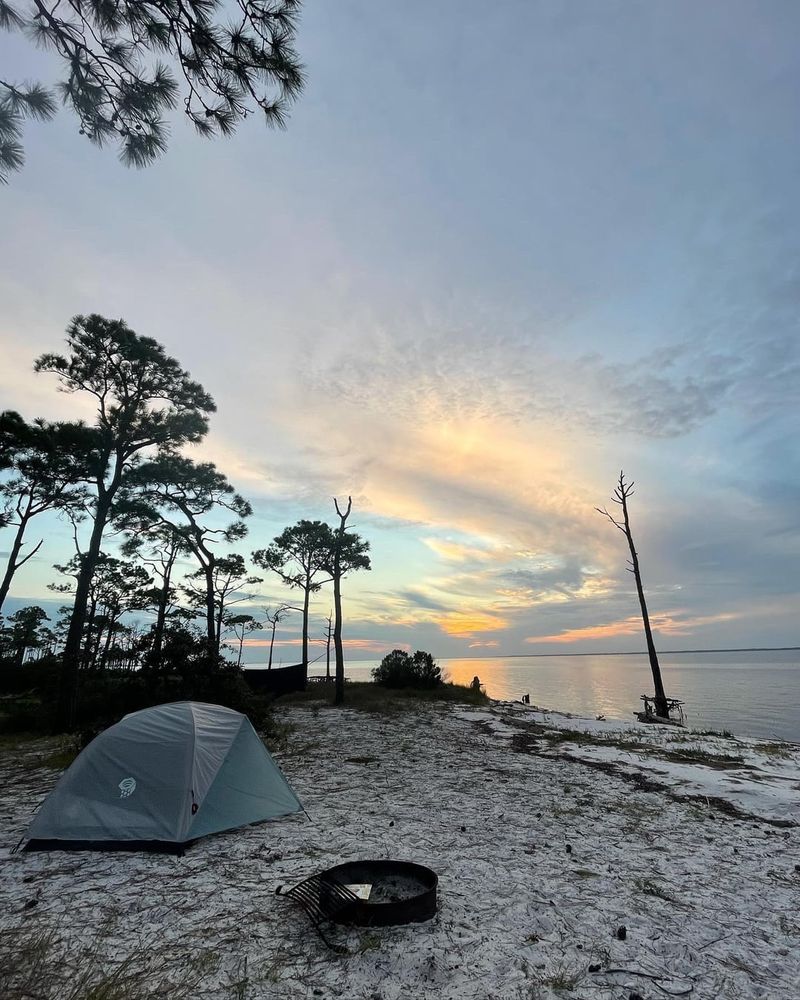
St. George Island sits along Florida’s Forgotten Coast, a stretch of Gulf shoreline that remains largely undeveloped. The state park occupies the eastern end of the island, offering miles of unspoiled beach and some of the darkest skies in the Panhandle.
Camp at one of the primitive sites for the full experience. These sites have no electricity, which means no light pollution. When the stars come out, they fill the sky from horizon to horizon.
The beach here is wide and flat, perfect for setting up chairs or lying on a blanket. The sound of the waves adds to the atmosphere. On moonless nights, the Milky Way appears as a glowing band stretching overhead, and you can often see satellites drifting silently across the blackness.
Bring everything you need because the nearest stores are several miles away. That includes water, snacks, and extra batteries for your flashlight. The isolation is part of the appeal.
You are alone with the stars, the surf, and the occasional call of a night heron.
8. Ochlockonee River State Park (Sopchoppy)
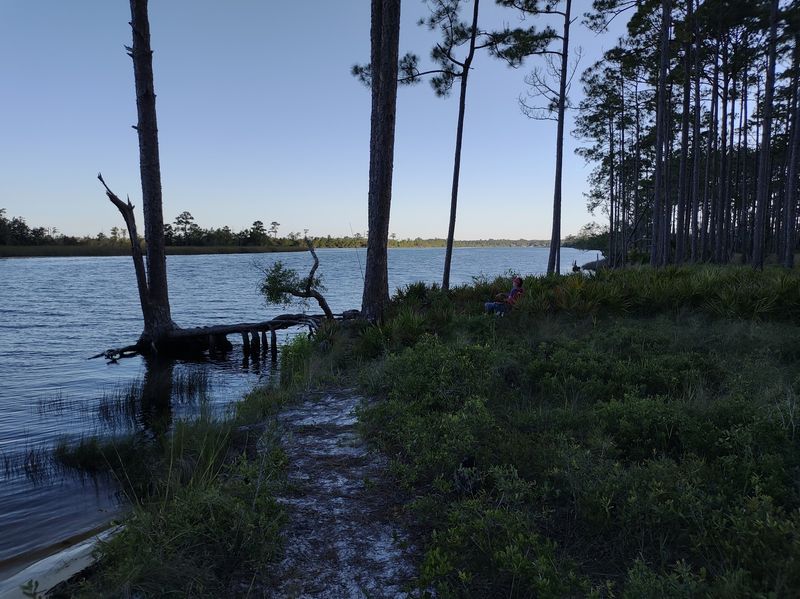
Ochlockonee River State Park sits along the banks of its namesake river, surrounded by pine flatwoods and hardwood forests. The park is small and quiet, which makes it ideal for stargazing. Light pollution from nearby towns is minimal, and the sky opens up beautifully after dark.
The campsites are shaded by tall pines, and many offer views of the river. Set up your tent or park your RV, then wait for nightfall. The Milky Way becomes visible within an hour of sunset on clear nights, and the lack of artificial light means you can see stars you have never noticed before.
Bring a star chart or download an astronomy app to help identify constellations. The park is quiet enough that you can hear the river flowing and the occasional rustle of wildlife in the underbrush. Owls call from the trees, and if you are lucky, you might spot a fox or raccoon passing through.
During the day, hike the trails or fish the river. At night, the focus shifts skyward. The stars here feel close enough to touch, and the Milky Way stretches across the heavens in vivid detail.
9. Big Lagoon State Park (Pensacola)
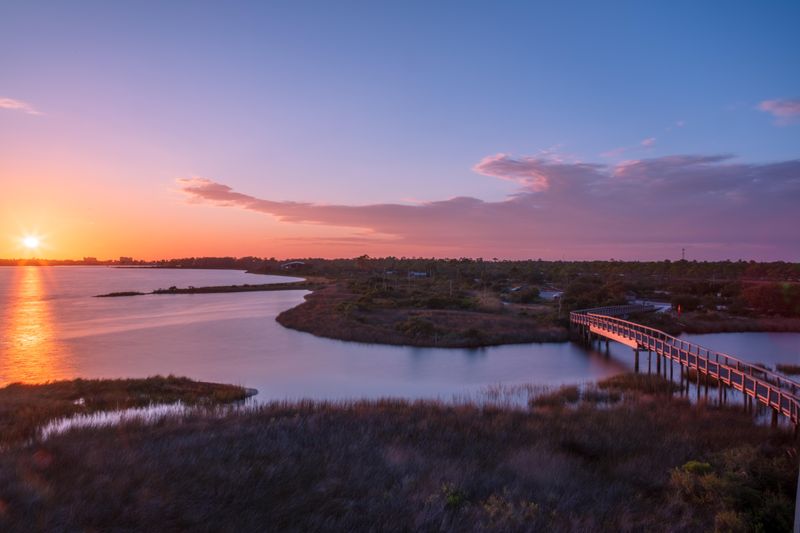
Big Lagoon sits just west of Pensacola, offering a mix of coastal dunes, salt marshes, and clear Gulf waters. The park is popular for kayaking and fishing, but it also happens to be one of the best stargazing spots in the western Panhandle.
The beach area provides an unobstructed view of the sky. Arrive late in the afternoon, set up your spot, and watch the sunset before the stars take over. The Milky Way appears as a glowing band across the sky, and on clear nights, you can see planets, star clusters, and even the occasional meteor.
Bring a blanket or reclining chair for comfort. The sand can get cool at night, so a light jacket or hoodie is a good idea, especially in the cooler months. The park has minimal lighting, which means your eyes can adjust fully to the darkness.
Wildlife is active after dark. Listen for the calls of marsh birds and the splash of fish in the lagoon. The combination of natural sounds and a sky full of stars makes for a peaceful, memorable evening.
10. Mike Roess Gold Head Branch State Park (Keystone Heights)
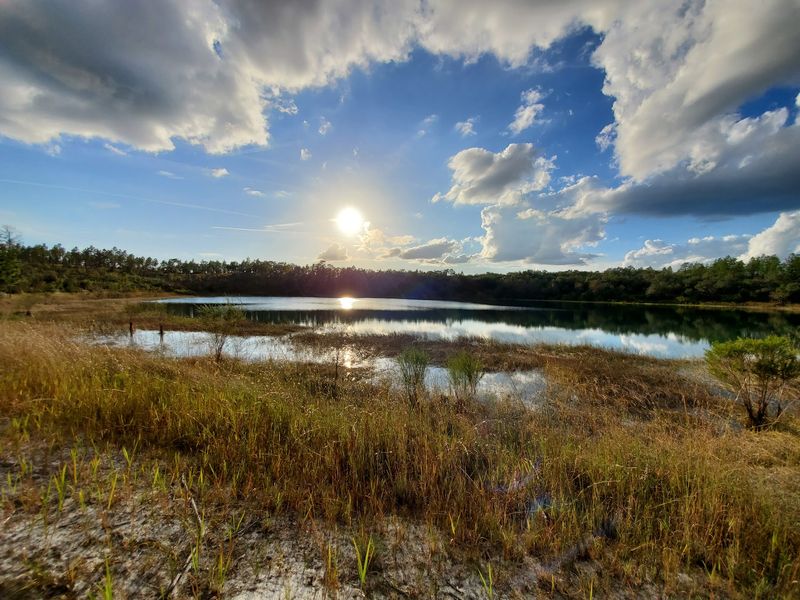
Gold Head Branch sits in the rolling sandhills of northeast Florida, a landscape shaped by ancient dunes. The park features steep ravines, clear lakes, and dense forests. After dark, it becomes a stargazer’s retreat.
Camp at one of the lakeside sites for the best views. The lake reflects the stars, doubling the visual impact. On calm nights, the Milky Way appears both above and below, creating a surreal mirror effect.
The park is far enough from Jacksonville and Gainesville to avoid significant light pollution. The sky here is dark and clear, perfect for spotting constellations, planets, and meteor showers. Bring a telescope if you have one, but even the naked eye reveals plenty.
During the day, explore the ravines and swim in the spring-fed lake. At night, the focus shifts skyward. The sounds of the forest add to the experience: rustling leaves, hooting owls, and the distant croak of frogs.
The combination of natural beauty and celestial wonder makes this park a hidden gem.
11. Lafayette Blue Springs State Park (Mayo)
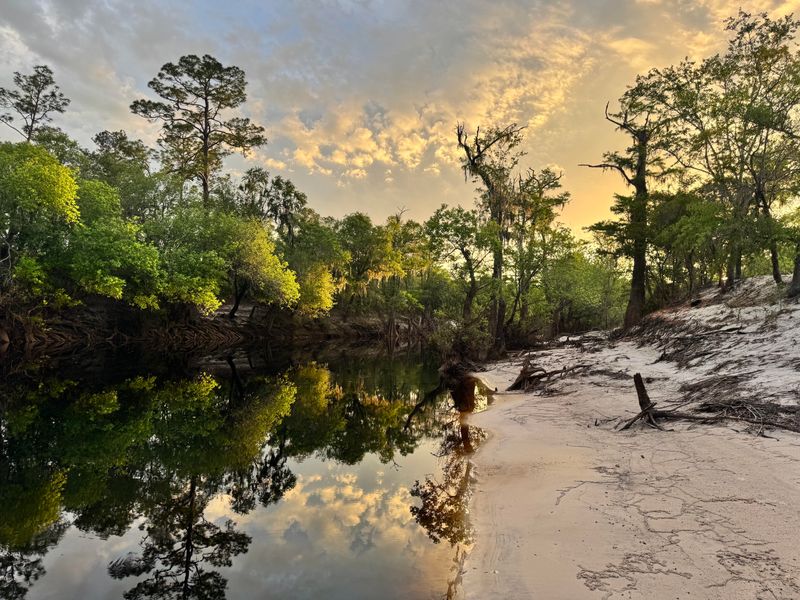
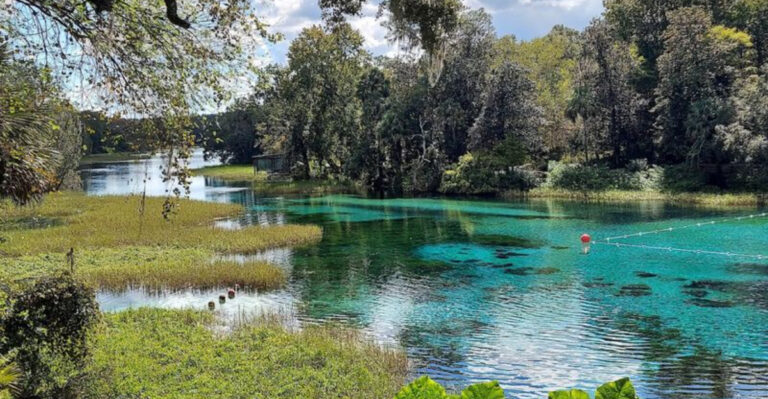
Lafayette Blue Springs sits along the Suwannee River, where a crystal-clear spring pumps out millions of gallons of water daily. The park is small and undeveloped, which means minimal lighting and excellent stargazing conditions.
Set up near the spring or along the riverbank. The water is so clear you can see the bottom even at night with a flashlight. When you turn off the light and look up, the stars take over.
The Milky Way stretches across the sky, and the darkness is profound.
The park is popular with divers and snorkelers during the day, but at night, it is all about the stars. Bring a red flashlight to preserve your night vision, and pack a blanket or camping chair. The sounds of the river and the forest create a peaceful backdrop.
Meteor showers are particularly impressive here. The lack of artificial light means you can see even faint meteors streaking across the sky. Plan your visit around peak meteor shower dates for the best show.
The park is remote, so bring everything you need, including snacks, water, and warm layers.
12. Waccasassa Bay Preserve State Park (Levy County)
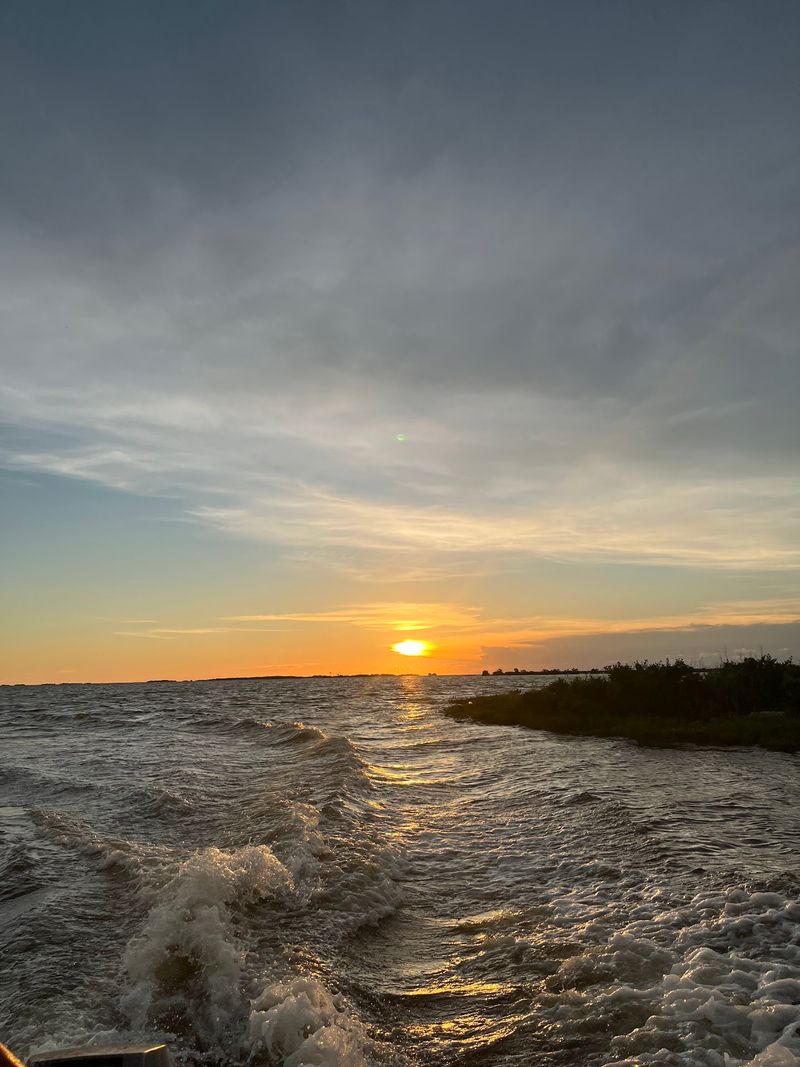
Waccasassa Bay sits on the Gulf Coast in Levy County, a wild and remote preserve that feels worlds away from civilization. The park protects thousands of acres of salt marsh, tidal creeks, and coastal forest. After dark, it offers some of the darkest skies on Florida’s Gulf Coast.
Access is limited, so plan ahead. The preserve has no campgrounds, but you can kayak in and camp on designated islands. Alternatively, park at one of the access points and stargaze from the shore.
The lack of development means zero light pollution.
The Milky Way is stunning here, stretching across the sky in vivid detail. Bring binoculars to explore star clusters and nebulae. The preserve is quiet, with only the sounds of the tide and nocturnal wildlife breaking the silence.
Wildlife is abundant. You might see raccoons, otters, or even a bobcat if you are patient. Birds call from the marshes, and fish splash in the shallows.
The combination of wild nature and a sky full of stars makes this one of the most unique stargazing spots in Florida.