Few People Know A Millionaire Gave This Florida Town 300 Acres In 1911
Back in 1911, something remarkable happened in a quiet riverside town along the St. Johns River. A wealthy businessman named Captain Isaac L. Tilghman decided to give Palatka, Florida a gift that would change the community forever: 300 acres of beautiful land.
This generous donation helped transform Palatka from a simple river port into a town with parks, recreational spaces, and a stronger sense of community pride that still exists today.
1. Captain Isaac L. Tilghman’s Extraordinary Generosity
Captain Isaac L. Tilghman wasn’t just another wealthy northerner who visited Florida for the winter. He fell genuinely in love with Palatka and its people, becoming a permanent resident who wanted to see the town flourish.
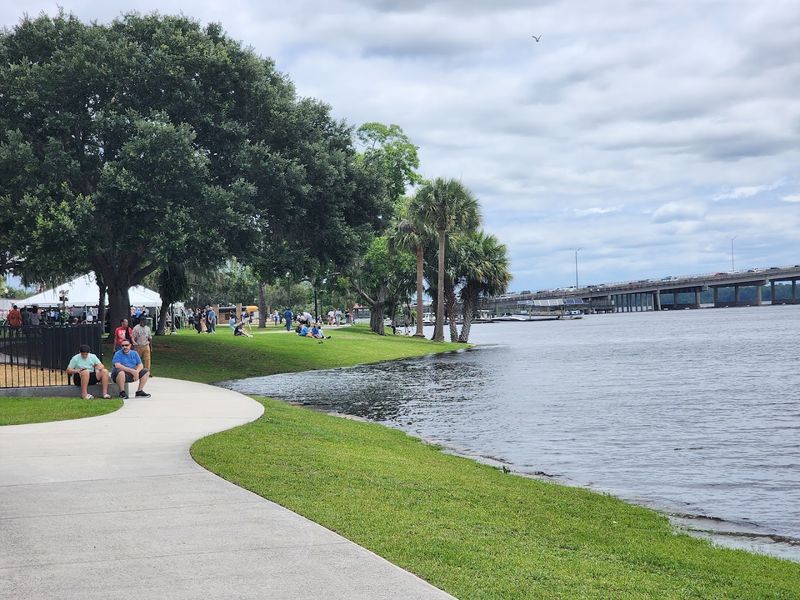
His decision to donate 300 acres came from a deep belief that communities needed green spaces where families could gather, children could play, and neighbors could connect.
The land he donated wasn’t just any random property either. Tilghman carefully selected acreage that would serve the greatest number of residents, choosing areas that were accessible and beautiful. His vision extended beyond simple parks, imagining spaces for recreation, community events, and future growth that would benefit generations to come.
What made this gift even more remarkable was that Tilghman didn’t attach strings or conditions to the donation. He trusted local leaders to use the land wisely for public benefit. This level of trust was unusual for such a substantial gift, especially during an era when wealthy donors often maintained tight control over their charitable contributions.
Tilghman’s generosity reflected the progressive spirit of the early 20th century, when civic-minded individuals believed private wealth carried public responsibilities. His legacy continues shaping Palatka’s character more than a century later, reminding residents that one person’s vision can transform an entire community’s future.
2. Palatka’s Position as Putnam County’s Heart
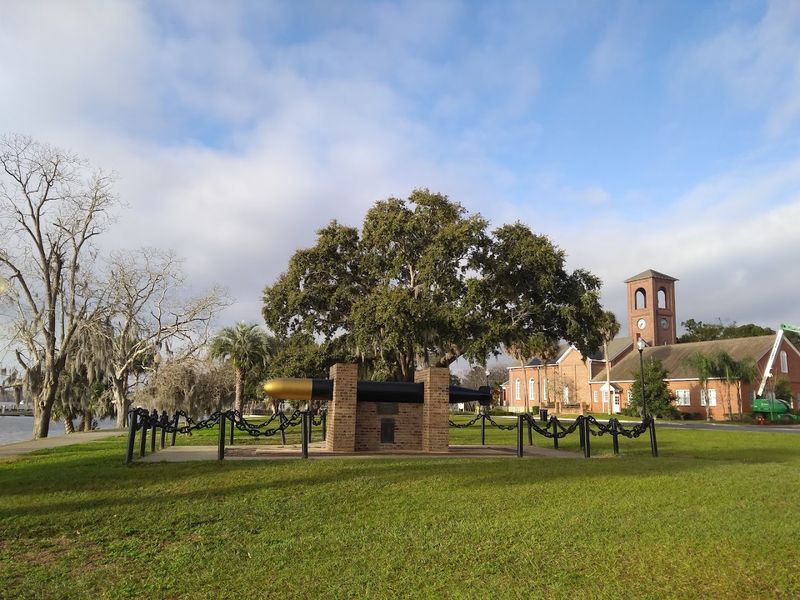
Sitting pretty along the St. Johns River, Palatka serves as the county seat of Putnam County and has done so since the area was officially organized. This designation means more than just housing government buildings. Being a county seat brought economic activity, legal proceedings, and political discussions that put Palatka at the center of regional decision-making for decades.
The town’s riverside location made it a natural hub for commerce and transportation during Florida’s early development. Steamboats regularly docked here, bringing goods and visitors from Jacksonville and points south. This strategic position helped Palatka grow from a small settlement into a proper town that needed parks and public spaces, exactly what Tilghman’s donation provided.
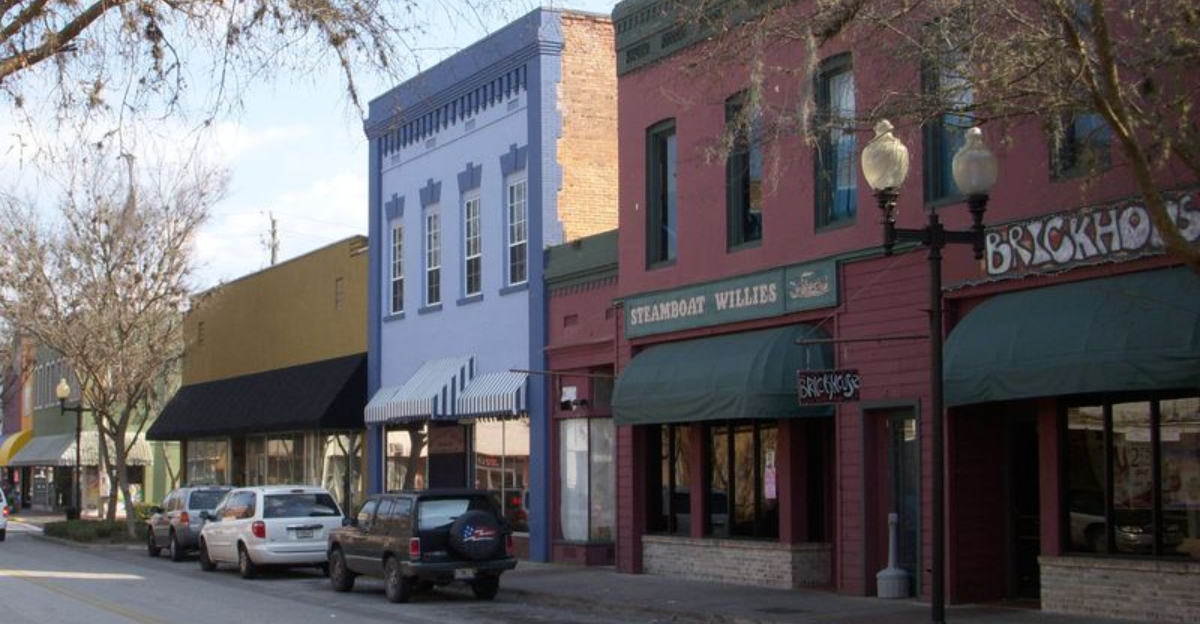
Today’s Palatka Micropolitan Statistical Area includes over 72,000 residents, though the city itself maintains a smaller, more intimate feel. The downtown area still reflects architectural choices from the early 1900s, with buildings that were contemporary when Tilghman made his famous gift. Walking these streets feels like stepping into Florida’s past, when the state was still finding its identity.
The city’s role within the larger Jacksonville-Kingsland-Palatka Combined Statistical Area connects it to broader regional growth while preserving its distinct small-town character. This balance between connection and independence defines modern Palatka, a town that honors its history while adapting to contemporary Florida life.
3. Transforming Raw Land Into Community Treasures
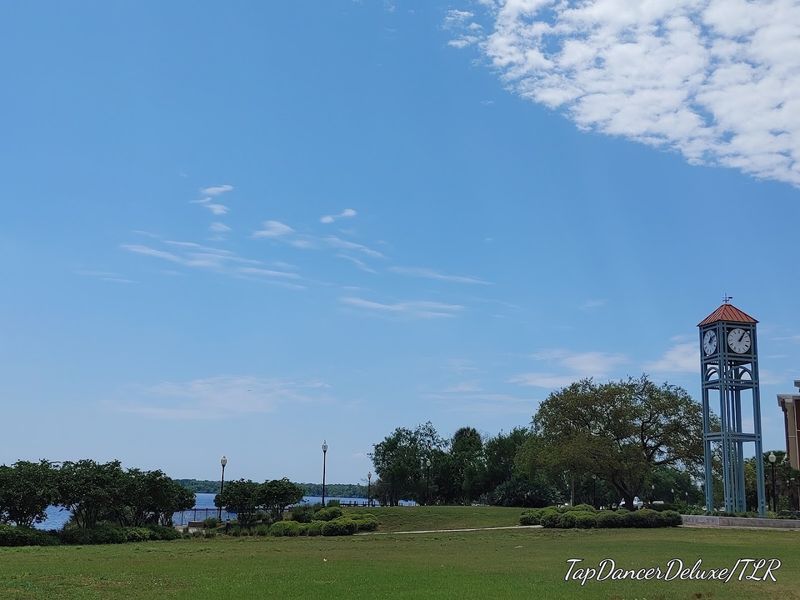
When Palatka received those 300 acres in 1911, city leaders faced an exciting challenge: how to transform raw land into spaces that would serve residents for generations. The process wasn’t instantaneous. Careful planning went into deciding which portions would become parks, which areas might accommodate future civic buildings, and how to preserve natural features that made the land special in the first place.
Early development focused on creating accessible green spaces where working families could escape crowded living conditions. Remember, this was an era before air conditioning, when outdoor shade and river breezes provided the only relief from Florida’s intense heat. Parks became essential gathering places where communities formed bonds that strengthened the entire town’s social fabric.
Some portions of Tilghman’s gift were developed immediately, while other sections were held in reserve for future needs. This foresight proved invaluable as Palatka grew and community requirements changed. What seemed like excess land in 1911 became crucial spaces for schools, recreational facilities, and other public amenities as the 20th century progressed.
The transformation of donated land into beloved community spaces required ongoing maintenance and investment from local government. Tilghman’s gift covered the initial cost of acquisition, but Palatka residents themselves had to commit resources to developing and preserving these areas, demonstrating that successful philanthropy requires partnership between donors and communities.
4. The Gilded Age Spirit of Public Giving
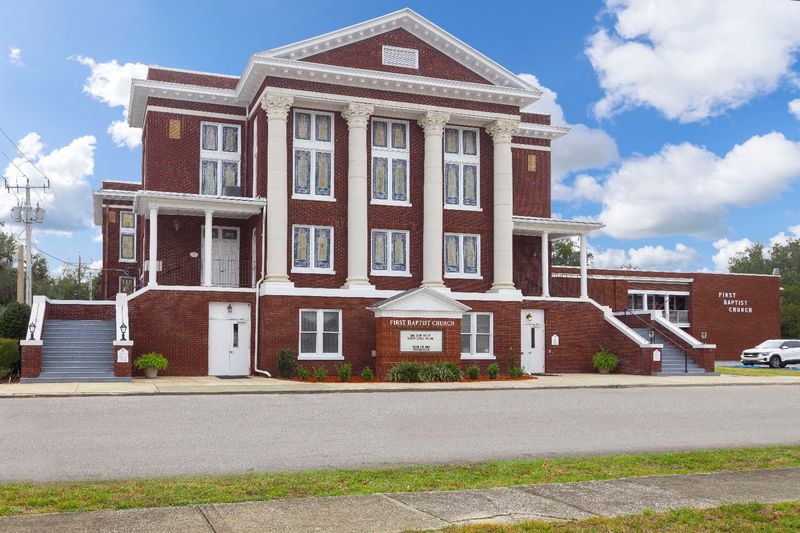
Tilghman’s 1911 donation reflected broader trends among America’s wealthy during the Gilded Age and Progressive Era. Industrialists and successful businessmen increasingly viewed philanthropy as a moral obligation, believing their fortunes should benefit society beyond their immediate families. This philosophy drove the creation of libraries, universities, parks, and other public institutions across America.
Florida attracted numerous wealthy northerners during this period, many of whom invested in the state’s development through business ventures and charitable gifts. Henry Flagler’s railroad and hotel empire represented one approach, while quieter philanthropists like Tilghman chose to strengthen individual communities through land donations and civic improvements. Both strategies helped transform Florida from a frontier territory into a modern state.
The scale of Tilghman’s gift was significant even by Gilded Age standards. Three hundred acres represented substantial wealth, especially in a growing town where land values were appreciating. His willingness to transfer this asset to public ownership, rather than developing it for profit or holding it for speculation, demonstrated genuine commitment to Palatka’s future over personal gain.
This era’s philanthropic spirit eventually influenced modern tax policies and charitable giving structures. The idea that private wealth carries public responsibilities, so clearly demonstrated by donors like Tilghman, became embedded in American civic culture and continues shaping how successful individuals approach community involvement today.
5. Palatka’s River Heritage and Economic Foundation
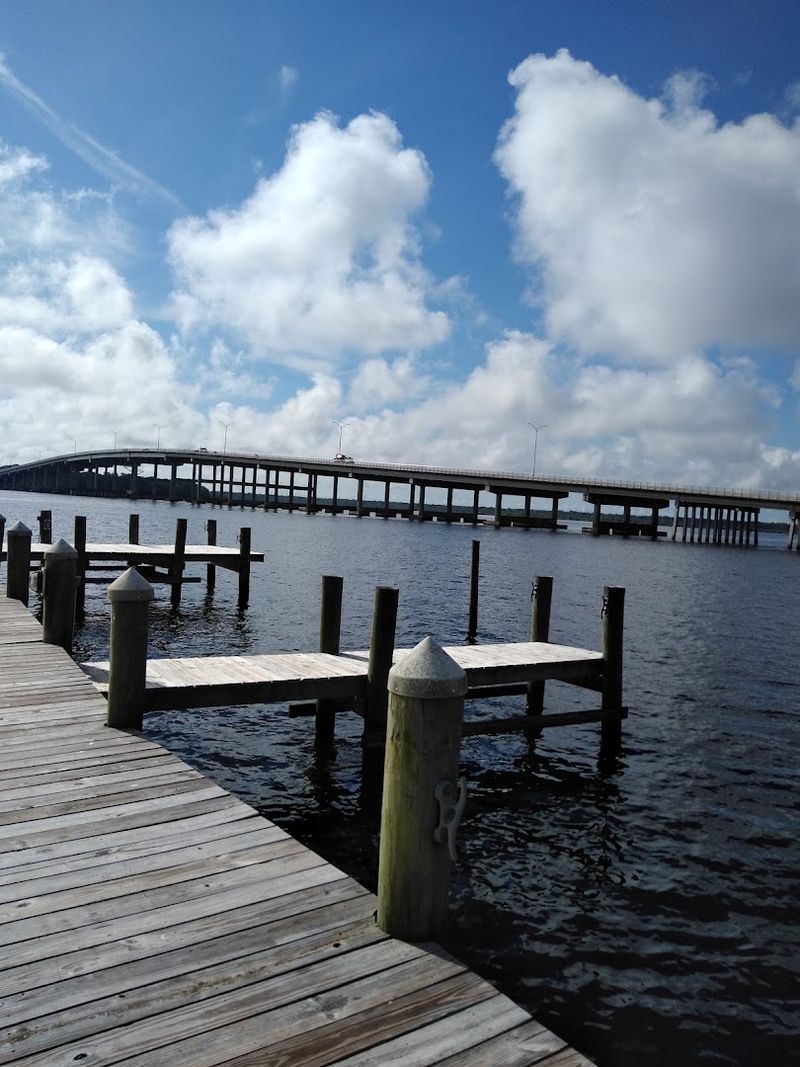
Long before Tilghman’s generous donation, Palatka’s identity centered on the St. Johns River, one of the few rivers in North America flowing northward. This unusual waterway connected the town to Jacksonville, the Atlantic Ocean, and inland areas, making Palatka a vital transportation hub during Florida’s territorial and early statehood periods. River traffic brought economic opportunity that attracted residents and businesses alike.
The steamboat era represented Palatka’s golden age of river commerce. Paddle wheelers regularly stopped here, loading citrus, timber, and other agricultural products for transport to northern markets. Passengers traveling through Florida’s interior inevitably passed through Palatka, bringing money and stories that enhanced the town’s reputation as a pleasant stopover destination.
By 1911, when Tilghman made his donation, Palatka’s economy was diversifying beyond pure river commerce. Railroads were challenging steamboats for freight dominance, and the town needed to adapt to changing transportation patterns. The donated land provided space for this economic evolution, allowing Palatka to develop new industries and attractions beyond its traditional riverfront focus.
Today’s Palatka still honors its river heritage through festivals, historic preservation, and recreational activities centered on the St. Johns. The waterfront areas that once bustled with commercial steamers now welcome pleasure boats, fishing enthusiasts, and visitors seeking natural Florida beauty. This transition from working waterfront to recreational amenity reflects broader changes in Florida’s economy and culture.
6. How Land Donations Shaped Florida Towns
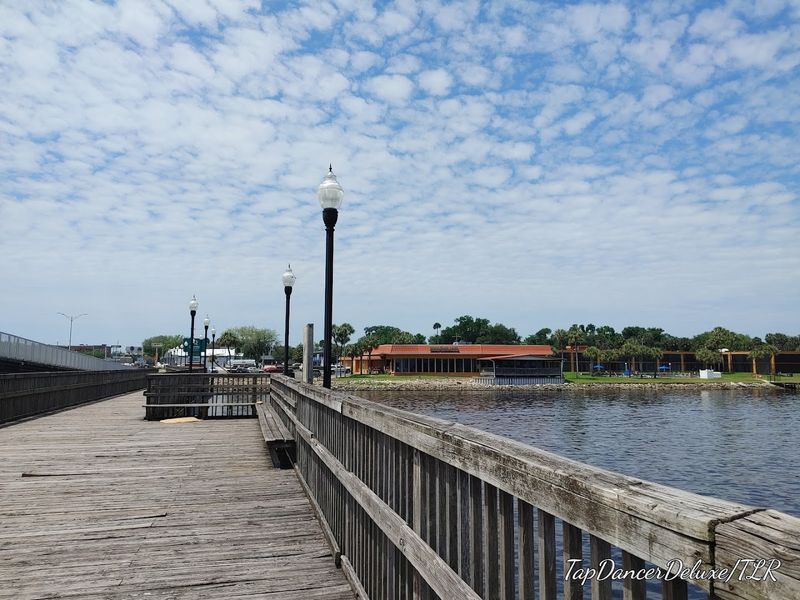
Tilghman’s gift to Palatka wasn’t unique in Florida history, though its scale was impressive. Throughout the state’s development, wealthy individuals donated land for schools, parks, libraries, and other public purposes. These donations often determined where towns expanded, which neighborhoods developed prestige, and how communities allocated limited public funds for other priorities beyond land acquisition.
Winter Park, DeLand, and numerous other Florida communities benefited from similar philanthropic land gifts during the late 1800s and early 1900s. Wealthy northerners who spent winters in Florida often developed genuine affection for their adopted communities, choosing to invest in local improvement rather than simply extracting resources or profits. This pattern helped Florida develop civic institutions faster than states relying solely on government funding.
The legal mechanisms for such donations were relatively straightforward, though ensuring land remained in public use required careful deed restrictions and ongoing vigilance. Some donated properties eventually returned to private ownership through legal challenges or government sales, making Palatka’s successful stewardship of Tilghman’s gift particularly noteworthy. Maintaining public ownership across multiple generations requires consistent community commitment.
Modern land donations face different tax and legal considerations, but the underlying principle remains valuable. Communities still benefit when successful individuals invest in public spaces and civic infrastructure, creating legacies that outlast any single generation’s memory while providing tangible benefits that improve daily life for countless residents.
7. Preserving Green Spaces in Growing Communities
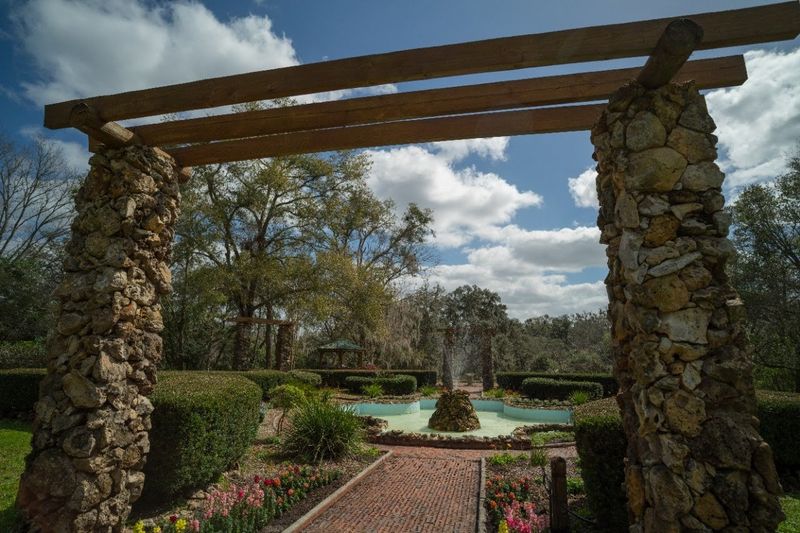
Tilghman’s 1911 donation anticipated a challenge that wouldn’t become obvious for decades: how growing communities preserve green spaces amid development pressure. As Palatka expanded throughout the 20th century, that donated land became increasingly valuable, both financially and as irreplaceable public amenity. Without Tilghman’s foresight, much of this acreage would likely have been sold for private development during budget crises or growth spurts.
Florida’s explosive population growth after World War II put enormous pressure on undeveloped land throughout the state. Towns that had seemed to have excess park space in 1911 suddenly found themselves scrambling to preserve any green areas at all. Palatka’s situation was cushioned by Tilghman’s gift, which provided a foundation of protected space that couldn’t easily be converted to strip malls or subdivisions.
The ecological value of preserved green spaces has become increasingly recognized in recent decades. Urban parks provide habitat for wildlife, reduce heat island effects, manage stormwater, and improve air quality beyond their obvious recreational benefits. What seemed like simple generosity in 1911 now represents sophisticated environmental planning, even though Tilghman couldn’t have anticipated modern ecological understanding.
Contemporary Palatka faces ongoing decisions about balancing development with preservation, just like communities throughout Florida. The donated land provides a core of protected space, but maintaining its quality requires ongoing investment and community support that honors Tilghman’s original vision while adapting to modern recreational needs and environmental challenges.
8. Palatka’s Ongoing Legacy of Community Investment
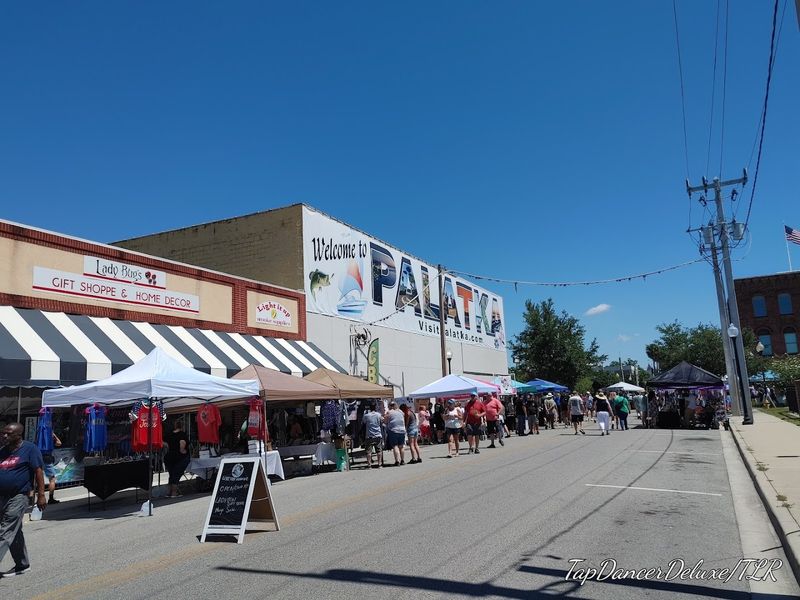
More than a century after Tilghman’s donation, Palatka continues benefiting from community-minded individuals who invest in the town’s future. The spirit of civic philanthropy he demonstrated hasn’t disappeared, though modern contributions often take different forms than outright land donations. Local businesses support youth programs, individuals fund scholarships, and organizations maintain historic properties that preserve Palatka’s distinctive character.
The town’s relatively modest size, with a population far smaller than nearby Jacksonville, actually strengthens community bonds that encourage ongoing investment. Residents know each other, understand shared challenges, and recognize how individual contributions create collective benefits. This intimacy makes philanthropy personal rather than abstract, connecting donors directly to people and projects they’re supporting.
Palatka’s designation within the larger Jacksonville-Kingsland-Palatka Combined Statistical Area provides economic connections without overwhelming the town’s independent identity. Residents can access big-city employment and amenities while maintaining small-town living, a balance that appeals to families seeking Florida’s opportunities without surrendering community cohesion. This positioning helps attract new residents who appreciate Palatka’s historic character and community focus.
Looking forward, Palatka faces typical small-town challenges: maintaining infrastructure, attracting economic development, and competing with larger communities for residents and resources. However, the foundation established by donors like Tilghman provides both physical assets and cultural traditions that give the town advantages in meeting these challenges while preserving the character that makes Palatka special.