Miles of Untouched Florida Coastline Await at This Historic National Wildlife Refuge
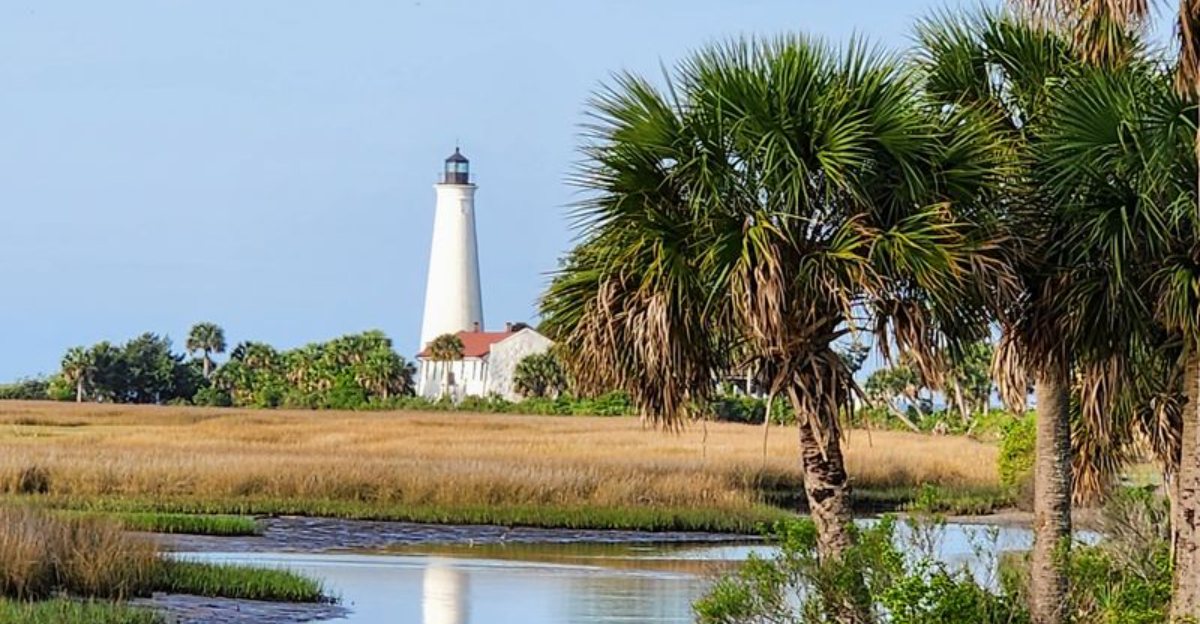
Stretching across more than 80,000 acres of wild Florida coastline, Saint Marks National Wildlife Refuge offers something most of the Sunshine State has lost to development: raw, untouched nature. This isn’t a manicured park with paved paths and gift shops at every turn. Instead, you’ll find salt marshes teeming with life, ancient forests, and a historic lighthouse that’s watched over the Gulf for nearly two centuries.
Whether you’re chasing rare birds with binoculars, hoping to spot a bald eagle soaring overhead, or just craving a break from the noise of everyday life, this refuge delivers an authentic Florida experience that feels worlds away from the theme parks and beach resorts.
Over 80,000 Acres of Diverse Wilderness
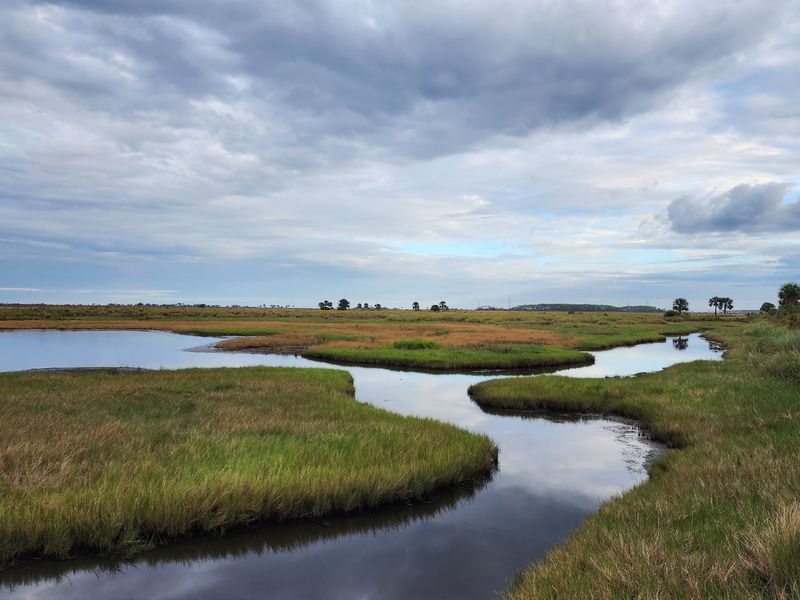
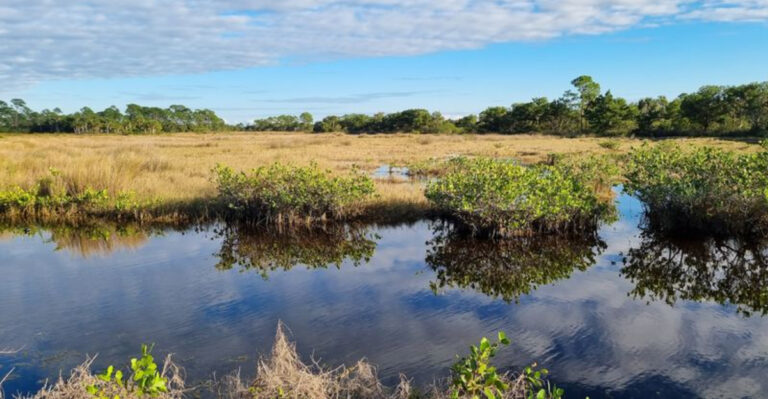
Most wildlife refuges give you a slice of nature. Saint Marks hands you the whole pie. Spreading across three counties, this massive sanctuary protects everything from salt marshes and tidal creeks to pine forests and freshwater swamps.
What makes this place special isn’t just its size. It’s the variety packed into those 80,000-plus acres. Walk one trail and you’re surrounded by towering pines.
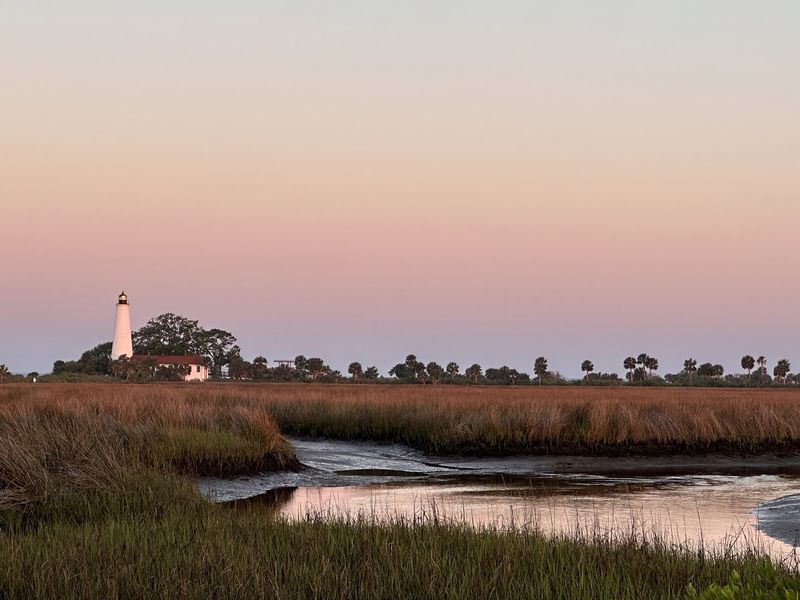
Drive a few miles down Lighthouse Road and suddenly you’re staring at endless marsh grass swaying in the Gulf breeze.
The refuge sits where land meets sea, creating habitats that support an incredible range of wildlife. Freshwater pools attract wading birds and alligators. Salt marshes become nurseries for fish and crabs.
Upland forests shelter deer, wild turkeys, and countless songbirds.
Visitors often underestimate how much ground there is to cover here. You could spend a full day exploring and still only scratch the surface. Some folks focus on the lighthouse area at the end of Lighthouse Road.
Others prefer the quieter trails that wind through inland sections where otters play and butterflies dance through clearings.
Spring and fall bring massive migrations, with thousands of birds stopping to rest and refuel. Winter draws bald eagles and other raptors. Summer might be buggy, but it’s also when you’ll see baby alligators and blooming wildflowers.
The sheer scale of protected land means wildlife actually acts wild here. Deer don’t just tolerate your presence. They bolt.
Alligators sun themselves on canal banks without a care. Birds nest in trees that haven’t seen a chainsaw in decades. This is Florida before the bulldozers arrived, preserved for anyone willing to slow down and look around.
The Historic Saint Marks Lighthouse
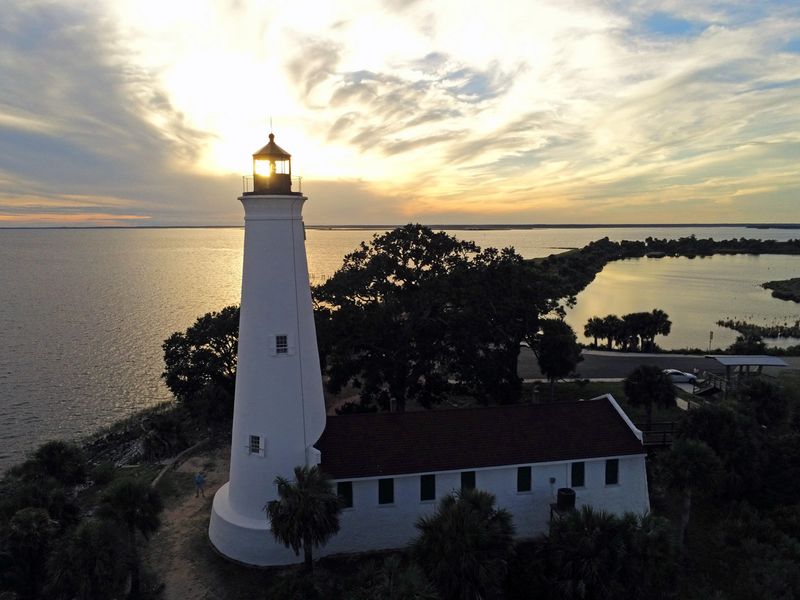
Built in 1831, the Saint Marks Lighthouse has guided sailors through these waters for almost two centuries. Standing at the end of a scenic drive, this white tower isn’t just a pretty photo opportunity. It’s a genuine piece of Florida history that’s survived hurricanes, wars, and the relentless Gulf weather.
The lighthouse marks the spot where the Saint Marks River meets the Gulf of Mexico. Confederate forces used the area during the Civil War to produce salt, a precious commodity back then. The tower itself replaced an earlier lighthouse that collapsed, making this the second attempt to keep ships from running aground on the shallow coast.
These days, the lighthouse opens to visitors on select days, typically Tuesdays from 11 AM to 2 PM, though hours can shift with seasons and circumstances. Inside, you’ll find artifacts and displays about the lighthouse keepers who lived here over the decades. Their stories paint a picture of isolation, hard work, and dedication to keeping that light burning every single night.
Even when the lighthouse itself is closed, the surrounding area draws crowds. A narrow beach stretches along the Gulf, perfect for beachcombing or watching the waves. Walking trails hug the shoreline, offering views that change with the tides and weather.
Fog can roll in without warning, transforming the scene into something almost mystical.
Photographers love this spot at sunrise and sunset when the light turns golden and birds silhouette against colorful skies. The drive out to the lighthouse is part of the experience too. Pull off at the marshy spots along the way and you might spot alligators, herons, or even a bald eagle perched in a dead tree, surveying its kingdom.
World-Class Birding Opportunities
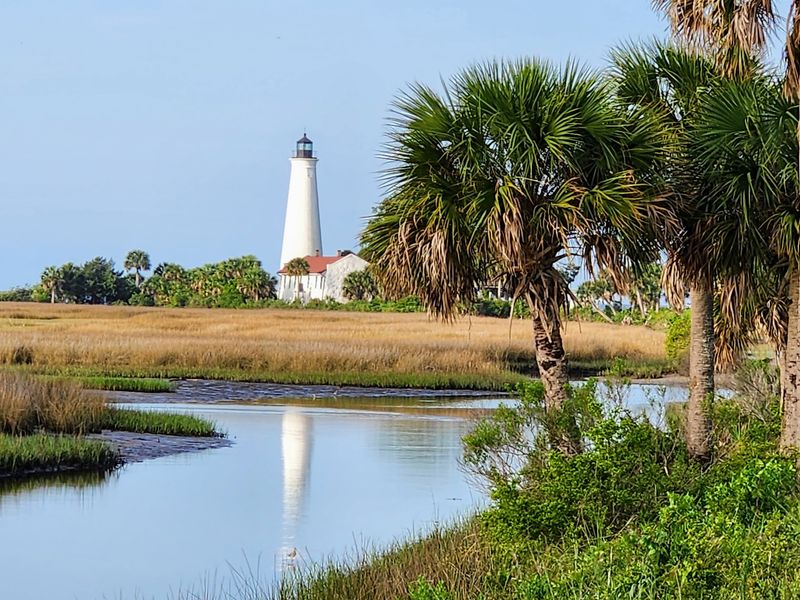
Birders from across the country make pilgrimages to Saint Marks, and once you see the species list, you’ll understand why. This refuge sits smack in the middle of major migration routes, making it a layover spot for birds traveling between North and South America.
Fall migration is particularly spectacular. Warblers, tanagers, and other neotropical migrants pour through in waves, resting in the trees before continuing south. Spring brings them back, often in breeding plumage that makes identification easier and more colorful.
The variety of habitats means you can rack up an impressive day list without driving far. Salt marshes attract wading birds like herons, egrets, and roseate spoonbills. Freshwater impoundments draw ducks and shorebirds.
Forest edges host woodpeckers, flycatchers, and vireos.
Winter is bald eagle season. These magnificent raptors nest in the refuge, and patient observers can watch adults feeding their young. The headquarters pond viewing platform offers a front-row seat to eagle activity, along with whatever else decides to show up.
Don’t forget your binoculars, though the visitor center keeps loaners on hand if you forget. Bug spray is essential during warmer months. The refuge staff and volunteers are generous with tips about recent sightings and which trails are producing the best action.
Even non-birders get drawn into the excitement here. There’s something addictive about spotting a new species or watching an osprey plunge into the water and emerge with a struggling fish. The refuge makes it easy with well-maintained trails and observation points positioned where wildlife actually hangs out, not just where it’s convenient to build a platform.
Miles of Scenic Hiking and Biking Trails
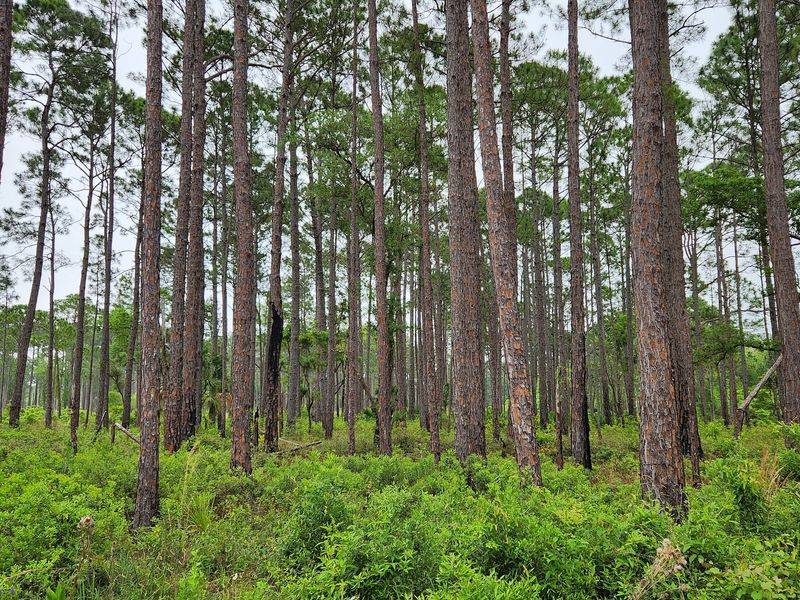
The Florida Trail cuts right through Saint Marks, offering hikers a taste of one of the state’s premier long-distance paths. But you don’t need to be a thru-hiker to enjoy the trail system here. Multiple paths crisscross the refuge, ranging from easy strolls to longer treks that’ll test your endurance.
Lighthouse Road itself doubles as a popular biking route. The flat, paved surface runs about seven miles from the visitor center to the lighthouse, passing through different ecosystems along the way. Cyclists love the lack of hills and the frequent wildlife sightings that make you stop and stare.
For hikers, the Plum Orchard Pond Trail and Stony Bayou trails offer different experiences. Some paths wind through shaded forests where the temperature drops noticeably. Others cross open marshland where the sun beats down but the views stretch for miles.
Summer hiking requires preparation. Bring more water than you think you’ll need because there’s limited availability once you leave the visitor center. Sunscreen is non-negotiable on exposed trails.
Shade can be scarce in the marshier sections, and the Florida sun shows no mercy.
Fall and winter are ideal for longer hikes. Temperatures stay comfortable, bugs diminish, and wildlife becomes more active during daylight hours. Spring brings wildflowers and baby animals, though it also marks the return of mosquitoes and other biting insects.
Mountain bikers appreciate the varied terrain and the chance to cover more ground than on foot. The refuge allows bikes on certain trails, giving riders access to remote areas where wildlife sightings increase simply because fewer people make the effort to get there. Just remember to ride quietly and watch for animals that might dart across the path.
Abundant Alligator Viewing
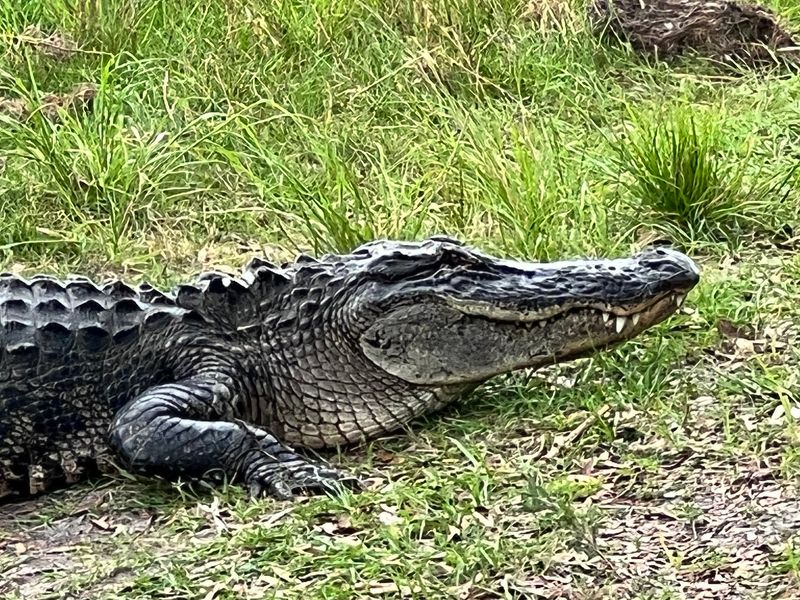
Alligators own the waterways at Saint Marks. These prehistoric predators sun themselves on canal banks, glide silently through tidal creeks, and occasionally cross Lighthouse Road, stopping traffic while they take their sweet time getting to the other side.
The canals that parallel Lighthouse Road are prime gator-watching territory. Drive slowly and scan the banks. You’ll often spot them basking in the sun, mouths open to regulate their body temperature.
They look lazy and harmless until you remember those jaws can snap a turtle shell like a potato chip.
Spring brings out the babies. Tiny gators, just inches long, cluster near their mothers who guard them fiercely. It’s adorable until you realize mama gator is nearby and extremely protective.
Admire from a distance, preferably from inside your vehicle.
Cool mornings are perfect for alligator spotting. They’re cold-blooded, so they need to warm up in the sun before becoming active. On chilly winter days, you might see dozens lined up along sunny banks, looking like logs until one suddenly moves.
The refuge reminds visitors constantly: keep your distance. Alligators can move surprisingly fast on land for short bursts. They’re wild animals, not attractions.
Feeding them is illegal and dangerous because it teaches them to associate humans with food, which never ends well.
Photography enthusiasts love the gator opportunities here. Bring a zoom lens because getting close is foolish. The best shots come from patient observation, waiting for interesting behavior like a gator catching a fish or two males posturing during mating season.
Even people who claim to hate reptiles find themselves fascinated by these ancient creatures. There’s something humbling about watching an animal whose basic design hasn’t changed in millions of years, perfectly adapted to this environment long before humans showed up.
Fishing and Boat Launch Access
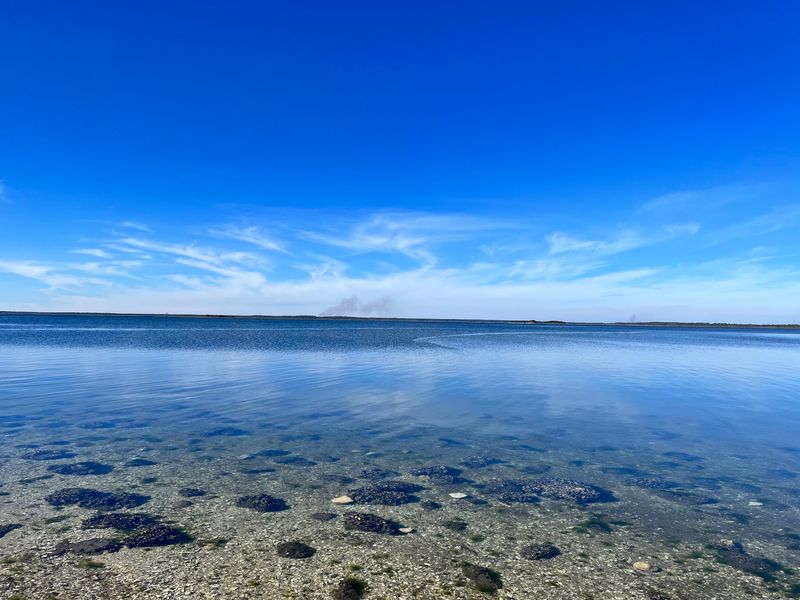
Anglers find plenty to love at Saint Marks. The refuge provides access to some of the Gulf Coast’s most productive fishing waters, from tidal creeks teeming with redfish to offshore spots where bigger game cruises.
The boat launch near the lighthouse puts you directly into Apalachee Bay. This massive shallow water fishery is legendary among saltwater anglers. Trout, redfish, flounder, and tarpon all call these waters home at various times of year.
Scalloping is popular in season, with families wading the grass flats to collect their limit.
Shore fishing is allowed in designated areas. The rocks around the lighthouse attract baitfish, which in turn attract predators. Bring appropriate tackle and check current regulations because rules can change.
The visitor center staff can point you toward productive spots and let you know what’s biting.
Kayak fishermen appreciate the calm, protected waters inside the bay. Launch from the boat ramp or one of the designated kayak launch sites and paddle into areas powerboats can’t reach. The shallow grass flats hold redfish that’ll test your tackle and your patience.
Mullet run in huge schools through these waters, and watching them leap and splash is entertainment even if you’re not fishing. Local anglers cast nets to catch them for bait or the table. The sight of thousands of mullet moving as one, pursued by predators from below and birds from above, is pure natural drama.
Fishing regulations apply, so make sure you’ve got proper licenses and know the size and bag limits. Conservation is serious business here. The refuge exists to protect wildlife, and that includes the fish populations that support both recreational fishing and the larger ecosystem.
Whether you’re a serious angler chasing a personal best or a family teaching kids to bait a hook, the refuge offers fishing experiences that remind you why Florida earned its reputation as an angler’s paradise.
Spectacular Sunset and Stargazing Spots
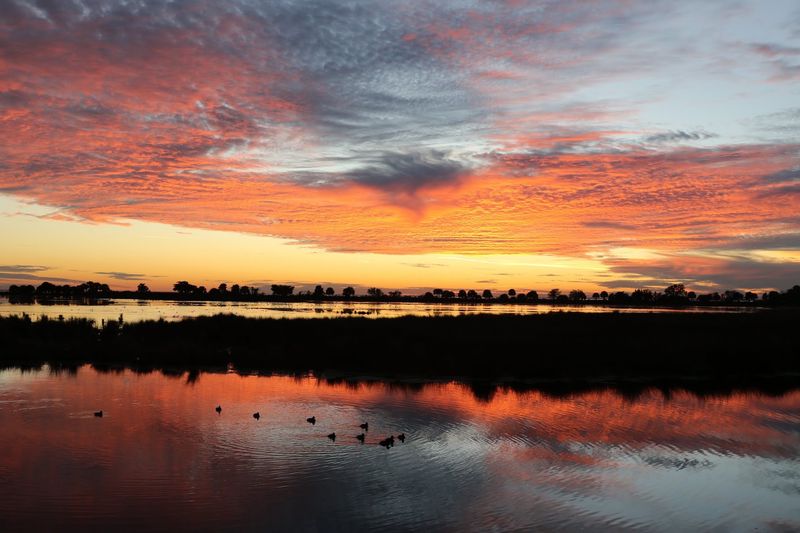
The lighthouse area transforms as the sun drops toward the horizon. Colors explode across the sky, reflecting off the water and turning the whole scene into something worth framing. Photographers arrive early to claim their spots, but there’s room for everyone to enjoy the show.
Unlike many parks that boot you out at sunset, Saint Marks lets you stay later. The gate is automatic, so you can leave anytime even after the official closing time. This makes it a rare opportunity for stargazing in a location with minimal light pollution.
On clear nights, the Milky Way stretches overhead in a glowing band. Constellations pop out sharp and bright. Shooting stars streak across the darkness with surprising frequency.
Bring a blanket, lie back, and let your eyes adjust. The longer you watch, the more stars appear.
The lighthouse itself makes a dramatic silhouette against twilight skies. As darkness falls, the surrounding marsh comes alive with sounds. Frogs chorus from hidden pools.
Night birds call. The Gulf whispers against the shore in a rhythm older than memory.
Full moon nights offer a different experience. The moonlight turns the landscape silvery and strange. Shadows deepen.
Wildlife that avoids daylight hours emerges. You might spot owls hunting or raccoons prowling the beach for crabs and whatever else the tide delivered.
Photographers obsess over the golden hour light just before sunset and the blue hour just after. The colors and quality of light during these brief windows create images that look almost unreal. Even phone cameras capture decent shots, though serious photographers arrive with tripods and multiple lenses.
The combination of sunset and stargazing makes Saint Marks worth visiting even if you never hike a trail or identify a single bird. Sometimes the best nature experiences come from simply being present in a beautiful place as day transitions to night.
Educational Visitor Center and Museum
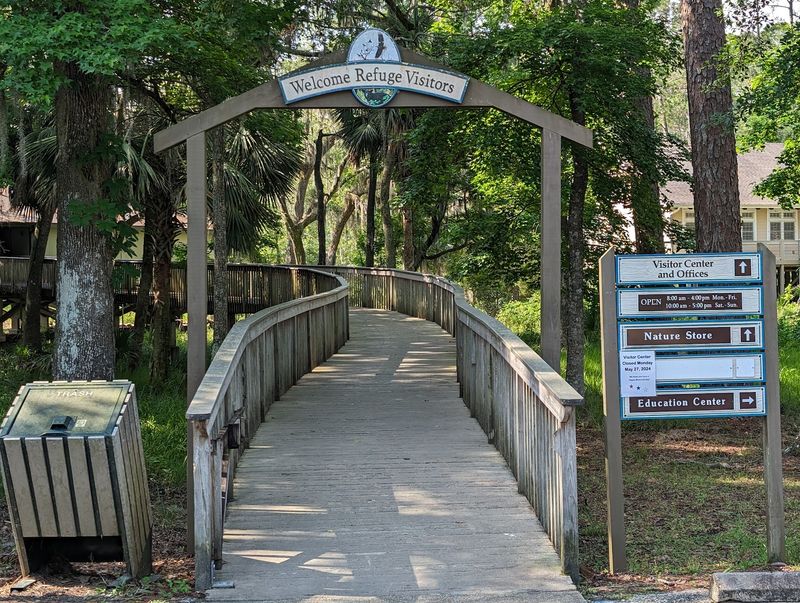
Start your visit at the headquarters and visitor center. This isn’t just a place to grab a map and use the restroom, though it serves those purposes too. The center functions as your introduction to everything the refuge offers, staffed by knowledgeable people who genuinely want to help you have a great experience.
Inside, you’ll find displays about the refuge’s history, wildlife, and ecosystems. Interactive exhibits explain how salt marshes work and why they matter. Historical artifacts tell stories of the people who’ve lived and worked in this area over the centuries, from Native Americans to lighthouse keepers to modern conservationists.
The gift shop stocks field guides, binoculars, bug spray, and other essentials you might have forgotten. Proceeds support the refuge, so buying that bird identification book actually helps protect the place. The volunteers who run the shop are usually locals with decades of experience exploring these trails and can offer insider tips about current conditions.
A viewing platform overlooks headquarters pond, one of the refuge’s most reliable wildlife-watching spots. Eagles nest nearby. Alligators cruise the water.
Wading birds stalk the shallow edges. You can add species to your list before you even leave the parking lot.
The staff and volunteers deserve special mention. Many are retired biologists, teachers, or lifelong naturalists who volunteer because they love this place. Ask questions.
They’ll tell you where the otters have been spotted lately, which trails are muddy, and what birds are moving through on migration.
Educational programs run throughout the year, from guided walks to lectures about specific wildlife. Check the refuge website or call ahead to see what’s scheduled during your visit. These programs offer deeper insights than you’d get wandering alone, though solo exploration has its own rewards.
The visitor center is closed certain days, so verify hours before making the drive. Even when it’s closed, the grounds remain accessible and the trails stay open for those who came prepared with their own maps and supplies.
Year-Round Wildlife Photography Opportunities
Saint Marks is a photographer’s dream location. The combination of diverse habitats, abundant wildlife, and dramatic coastal scenery creates endless opportunities for compelling images. Every season offers something different, which means you could visit monthly and never capture the same shot twice.
Bald eagles draw photographers during winter months. These magnificent birds are surprisingly tolerant of observers if you keep a respectful distance and use a decent telephoto lens. Catching one in flight or feeding its young requires patience, but the refuge gives you better odds than most locations.
Shorebirds and wading birds pose beautifully against marsh backgrounds. The golden light of early morning or late afternoon makes their plumage glow. Herons strike statuesque poses while hunting.
Egrets provide stark white subjects against green and blue backgrounds. Roseate spoonbills add shocking pink to the color palette.
Alligators photograph well year-round, though their activity levels vary with temperature. Spring babies are irresistible subjects. Summer gators draped over logs in perfect light.
Fall and winter animals basking in the sun, breath visible on cold mornings.
The lighthouse provides a focal point for landscape shots. Frame it with marsh grass in the foreground. Capture it against storm clouds or sunset skies.
Photograph it from the beach with waves in the foreground or from inland trails where it appears as a distant white speck.
Macro photographers find plenty of subjects too. Butterflies nectar on wildflowers. Dragonflies perch on reeds.
Fiddler crabs scuttle across mud flats by the thousands. Spider webs jeweled with morning dew stretch between grass stems.
Bring extra batteries and memory cards because you’ll shoot more than planned. The refuge has a way of presenting perfect moments when light, subject, and background align. Those who arrive prepared capture images that remind them why they fell in love with nature photography in the first place.