Henry Flagler’s Spectacular 75-Room Estate Is One of Florida’s Most Impressive Museums
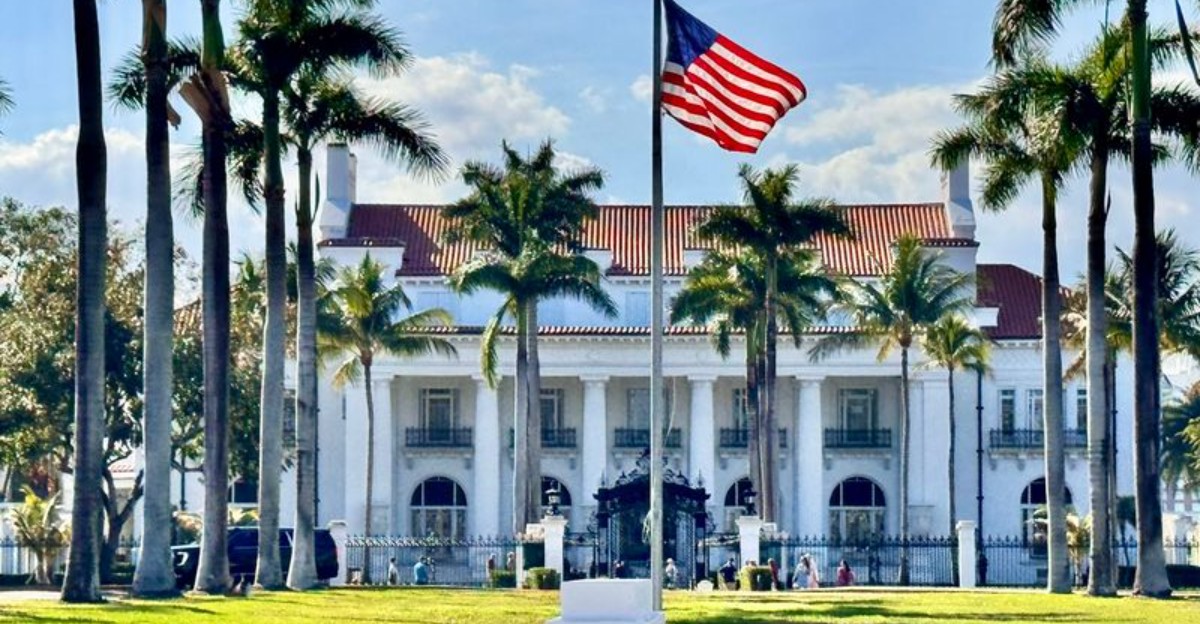
Palm Beach’s crown jewel sits on a pristine stretch of waterfront, where one man’s winter retreat became a monument to the Gilded Age. Henry Flagler built Whitehall in 1902 as a wedding gift for his third wife, and the mansion’s 75 rooms still dazzle visitors with their original splendor. Today, the Flagler Museum offers an intimate look at how Florida’s most influential pioneer lived, worked, and shaped the state we know now.
1. A Palatial Wedding Gift That Changed Florida Forever
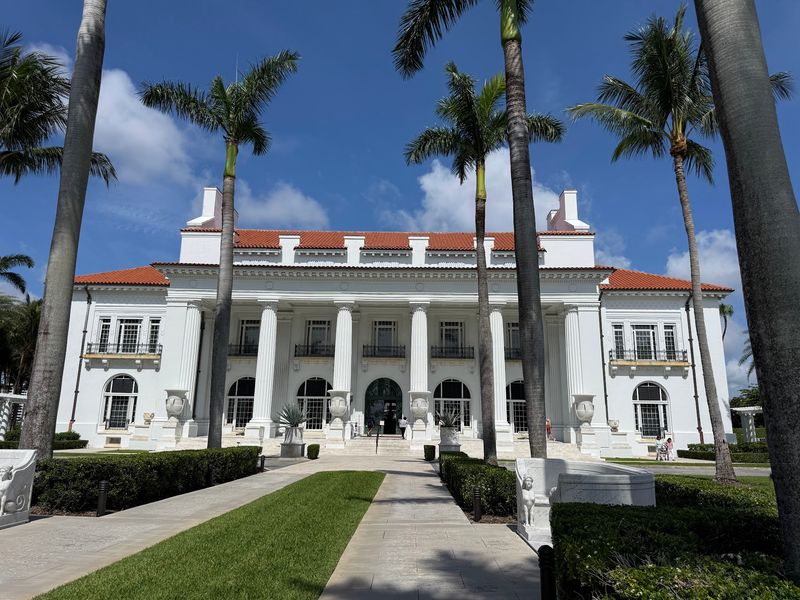
Henry Flagler didn’t do anything halfway. When he married Mary Lily Kenan in 1901, he commissioned architects Carrère and Hastings to create a palace that would rival European estates. The result was Whitehall, a 100,000-square-foot masterpiece that cost $2.5 million to build (roughly $75 million today).
The mansion’s white marble facade and towering columns announce its grandeur before you even step inside. Flagler spared no expense importing materials from around the world. Italian marble, rare woods, and custom furnishings filled every corner.
But this wasn’t just a lavish home. Flagler’s vision for Florida extended far beyond his personal comfort. His railroad and hotel empire transformed the state from swampland into a tourist destination.
Whitehall served as his winter headquarters, where he entertained influential guests and continued planning Florida’s development.
The couple only spent about six weeks each year at the estate, yet every detail received meticulous attention. Flagler understood that creating something extraordinary required commitment, whether building a mansion or an entire state’s infrastructure. Walking through Whitehall today, you’re seeing the same opulence that greeted America’s wealthiest families over a century ago.
The mansion became a museum in 1960, preserving this remarkable chapter of Florida history for future generations to experience firsthand.
2. The Grand Marble Hall That Rivals European Palaces
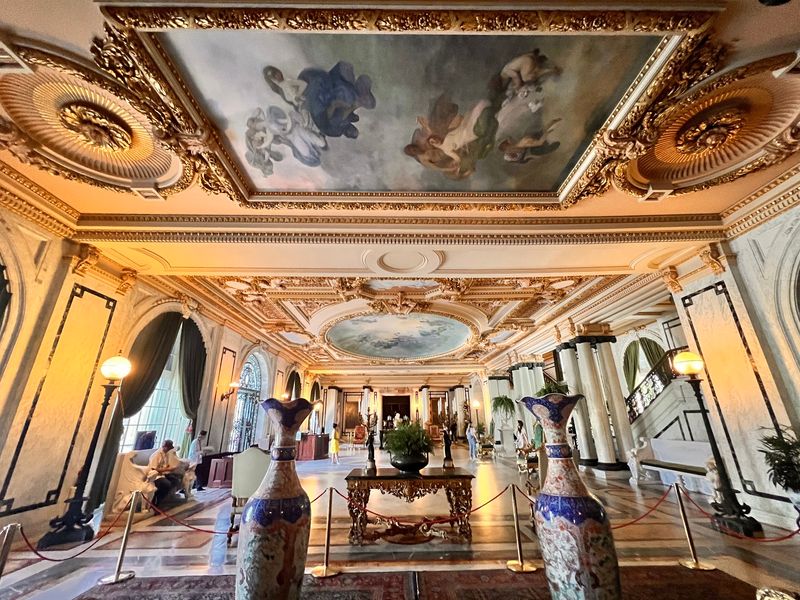
Step through the front doors and prepare for your jaw to drop. The Marble Hall spans the entire length of the mansion, featuring seven different types of marble imported from Italy. The space feels more like entering a European palace than someone’s winter home.
Look up and you’ll see a painted ceiling that stretches 40 feet overhead. The barrel-vaulted design showcases intricate details that change depending on the light streaming through tall windows. Massive columns frame the space, each one carved from solid marble blocks that workers carefully fitted together.
Flagler designed this room to impress his guests immediately upon arrival. The scale alone communicates wealth and power, but the craftsmanship reveals his appreciation for artistry. Every surface received attention, from the polished floors to the ornamental plasterwork.
During the Gilded Age, America’s richest families competed to outdo each other with increasingly elaborate homes. Flagler succeeded spectacularly with this entrance hall. Visitors in period clothing would have gathered here before formal dinners, their conversations echoing off the marble surfaces.
Today’s guests still feel that same sense of awe. The Marble Hall remains one of the museum’s most photographed spaces, and it’s easy to understand why. This room perfectly captures the excess and elegance that defined turn-of-the-century American aristocracy.
3. Original Furnishings That Tell Stories of Gilded Age Luxury
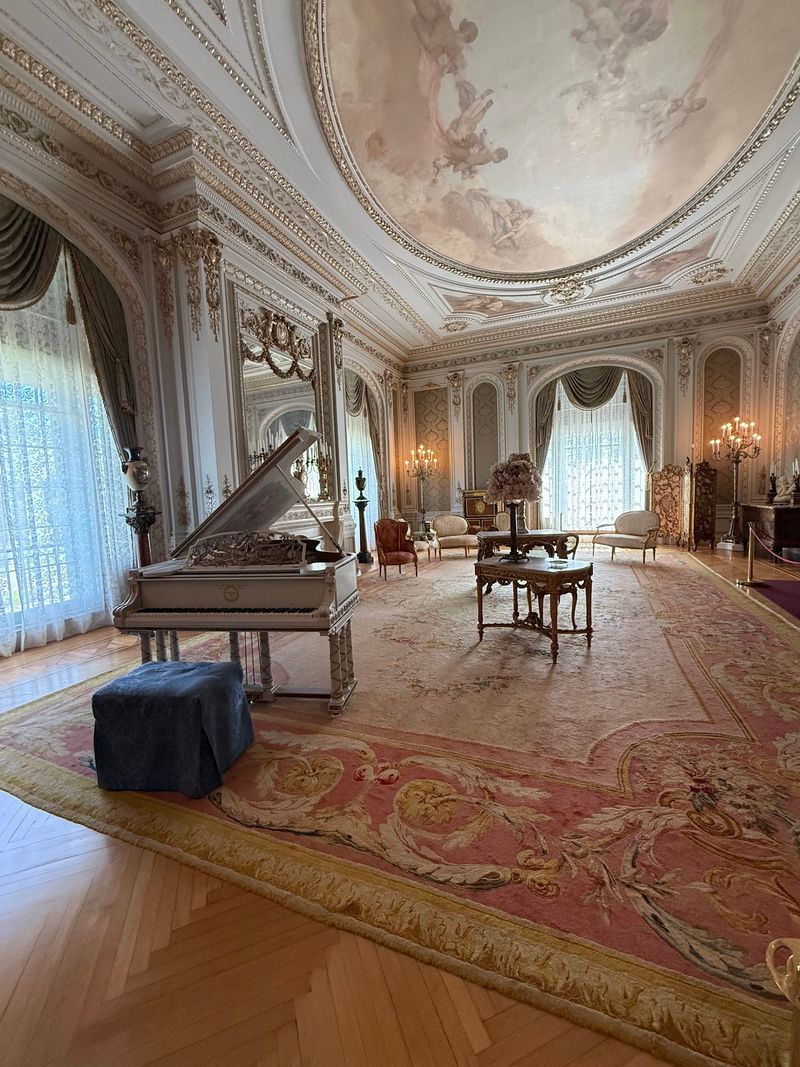
Walking through Whitehall feels like time travel because roughly 75 percent of what you see belonged to the Flaglers themselves. Unlike many historic homes that recreate period rooms with similar pieces, this museum showcases the actual furniture, artwork, and decorative objects the family used daily.
Each room reflects a different design style, from French Louis XIV to Italian Renaissance. Mary Lily Flagler’s music room features a custom-built pipe organ and delicate French furniture upholstered in silk. Henry’s study contains his original desk, where he conducted business that shaped Florida’s future.
The attention to detail extends to smaller objects you might overlook. Crystal chandeliers, porcelain vases, and silver serving pieces all bear the family’s provenance. Many items display maker’s marks from Europe’s finest craftsmen.
What makes these furnishings particularly valuable is their context. You’re not just seeing beautiful antiques behind velvet ropes. You’re experiencing how one of America’s most influential industrialists actually lived.
The placement of chairs around a fireplace, the books on library shelves, and the paintings on walls all reflect the Flaglers’ personal tastes.
Preservation efforts have maintained these pieces in remarkable condition. The museum’s climate control and conservation work ensure that future visitors will see the same splendor. It’s rare to find such a complete collection still housed in its original setting.
4. The Breathtaking Ballroom Where High Society Gathered
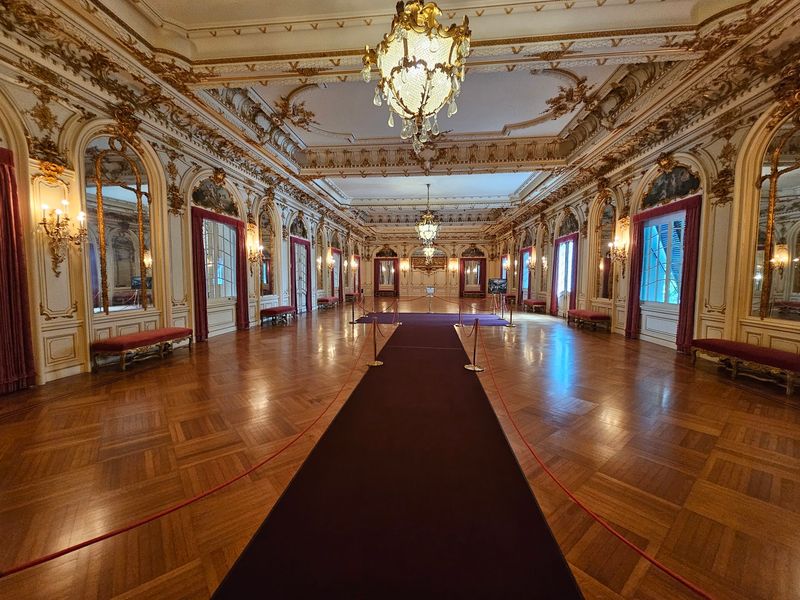
Picture 300 guests in formal attire, orchestra music filling the air, and champagne flowing freely. The Flagler ballroom hosted some of Palm Beach’s most legendary parties during the winter social season. This 40-by-60-foot space was designed specifically for entertaining on a grand scale.
The ceiling alone deserves several minutes of your attention. Painted panels depicting classical scenes are framed by elaborate gilt moldings that catch the light from massive crystal chandeliers. The room’s proportions create perfect acoustics for both conversation and music.
White and gold dominate the color scheme, giving the space an airy elegance despite its size. Tall windows along one wall would have been opened during parties to let in ocean breezes. The polished floor still gleams, ready for dancers who will never return.
During the Gilded Age, a home’s ballroom served as a status symbol and social hub. Invitations to Whitehall events were highly coveted among America’s elite. Being seen here meant you’d arrived in the highest circles of society.
Today the ballroom stands empty but no less impressive. The museum occasionally hosts special events here, giving modern visitors a taste of that bygone era. Standing in this space, you can almost hear the rustle of silk gowns and the clink of crystal glasses as the orchestra plays on.
5. Flagler’s Personal Railway Car Shows Travel in Ultimate Style
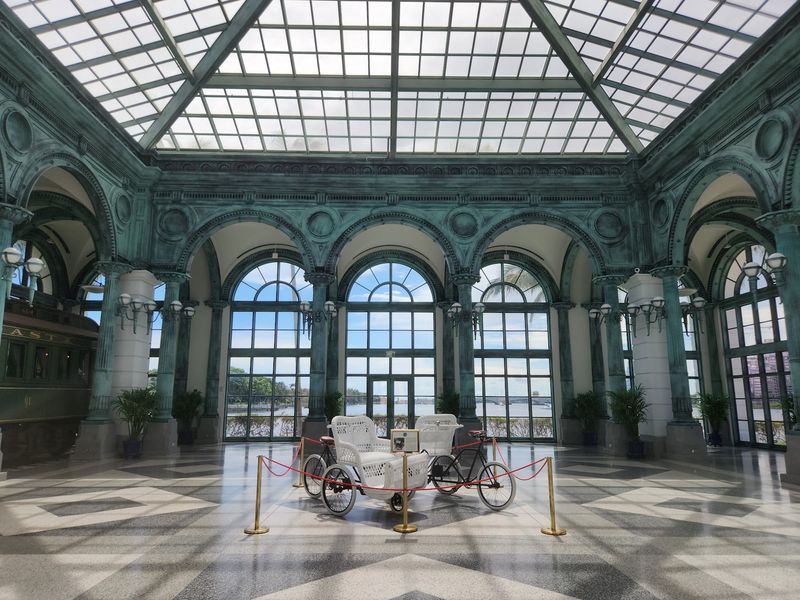
Behind the main mansion sits one of the museum’s most unique attractions. Railway Car No. 91 was Flagler’s personal coach, and stepping inside reveals how America’s railroad baron traveled between his various properties. This isn’t your typical train experience.
The 80-foot car features mahogany paneling, velvet upholstery, and all the comforts of a fine home. There’s a full kitchen, dining area, sleeping quarters, and an observation lounge. Flagler could conduct business or entertain guests while rolling down the tracks at speeds that seemed miraculous in the early 1900s.
The car’s restoration required painstaking work to return it to original condition. Craftsmen matched period fabrics, refinished woodwork, and repaired mechanical systems. The result looks like it could roll out tomorrow for another journey.
What makes this exhibit particularly meaningful is understanding Flagler’s role in Florida’s development. His Florida East Coast Railway opened up the entire state to tourism and commerce. This private car wasn’t just a luxury item but a mobile office where he planned expansions and sealed deals.
The railway pavilion housing the car recreates a period train station, complete with historical photographs and interpretive displays. You’ll learn how Flagler’s railroad literally built modern Florida, connecting previously isolated communities and making Palm Beach accessible to wealthy northerners seeking winter sunshine.
6. Audio Tours That Bring History to Life Room by Room
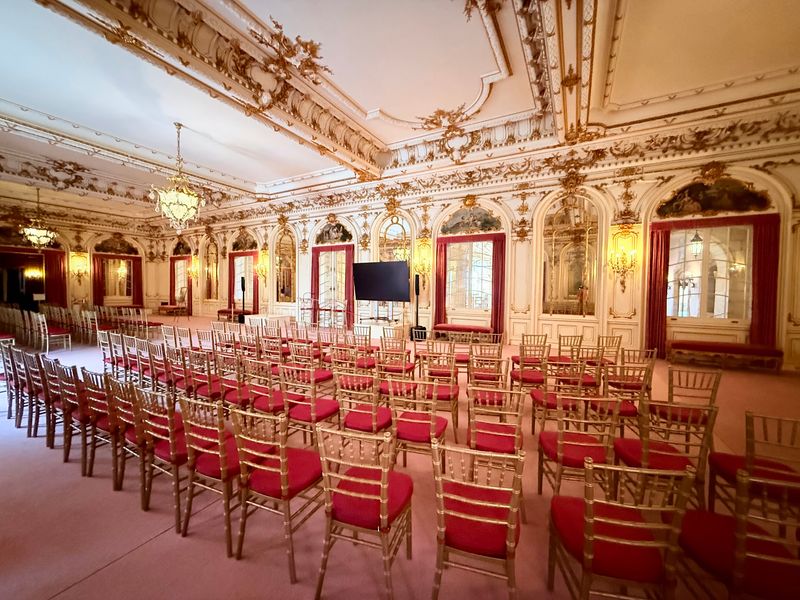
Don’t skip the audio tour option when you visit. The museum offers handheld devices that provide detailed commentary for every major room, and the information dramatically enhances your experience. You’ll learn stories and details that aren’t visible just by looking around.
Each room has a numbered marker corresponding to an audio stop. The narration explains the room’s purpose, describes significant objects, and shares anecdotes about the Flaglers’ daily life. You control the pace, spending extra time in spaces that interest you most.
Kids particularly enjoy the audio tour because it turns the visit into a treasure hunt. They search for the next number while learning about history without realizing they’re getting an education. Parents appreciate that everyone can explore at their own speed without rushing through or waiting around.
The audio content includes information you won’t find on wall labels. You’ll hear about dinner parties, family relationships, and Flagler’s business dealings. Some stops include period music or sound effects that add atmosphere.
Docents are also available for guided tours if you prefer a more interactive experience. They can answer questions and provide additional context based on current research. Many visitors combine both approaches, using the audio tour for most rooms but joining a guided group for specific highlights like the ballroom or railway car.
7. Waterfront Views and Gardens That Frame the Estate Perfectly
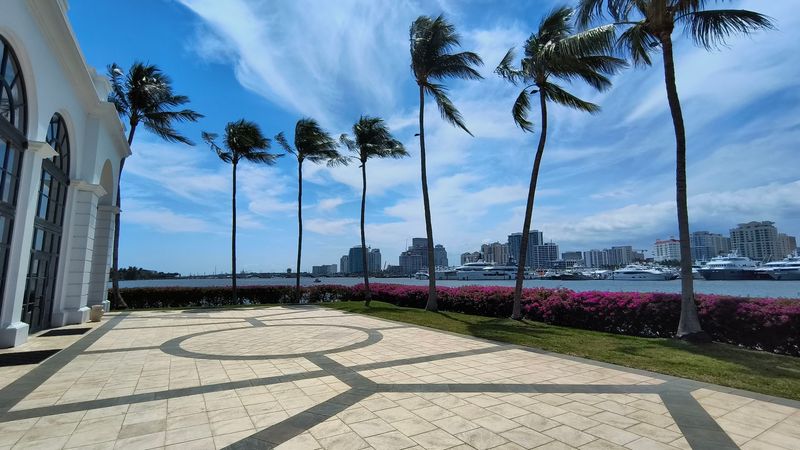
After touring the mansion’s interior, step outside to discover grounds that are equally impressive. Whitehall sits on prime waterfront property overlooking the Intracoastal Waterway, and the views alone make the visit worthwhile. Flagler chose this location specifically for its natural beauty and strategic position.
The landscaping combines formal gardens with tropical plants that thrive in South Florida’s climate. Towering royal palms line walkways, while colorful flowers add splashes of brightness against the mansion’s white exterior. The original fountain still operates in the courtyard, its gentle splashing creating a peaceful atmosphere.
Walk to the water’s edge and you’ll understand why wealthy northerners fell in love with Palm Beach. The sparkling blue water, warm breezes, and palm trees represented paradise to people escaping harsh winters. Flagler’s hotels and railway made this tropical escape accessible to America’s elite.
Photography enthusiasts should definitely explore the exterior spaces. The combination of classical architecture and lush Florida vegetation creates stunning compositions. Morning light is particularly beautiful, casting long shadows across the lawn.
The grounds also include the pavilion housing Flagler’s railway car and a small cafe area where you can rest between exploring. Benches are scattered throughout the property, inviting visitors to sit and imagine what life was like when this was a private residence rather than a public museum.
8. Special Exhibits That Add Fresh Perspectives to Each Visit
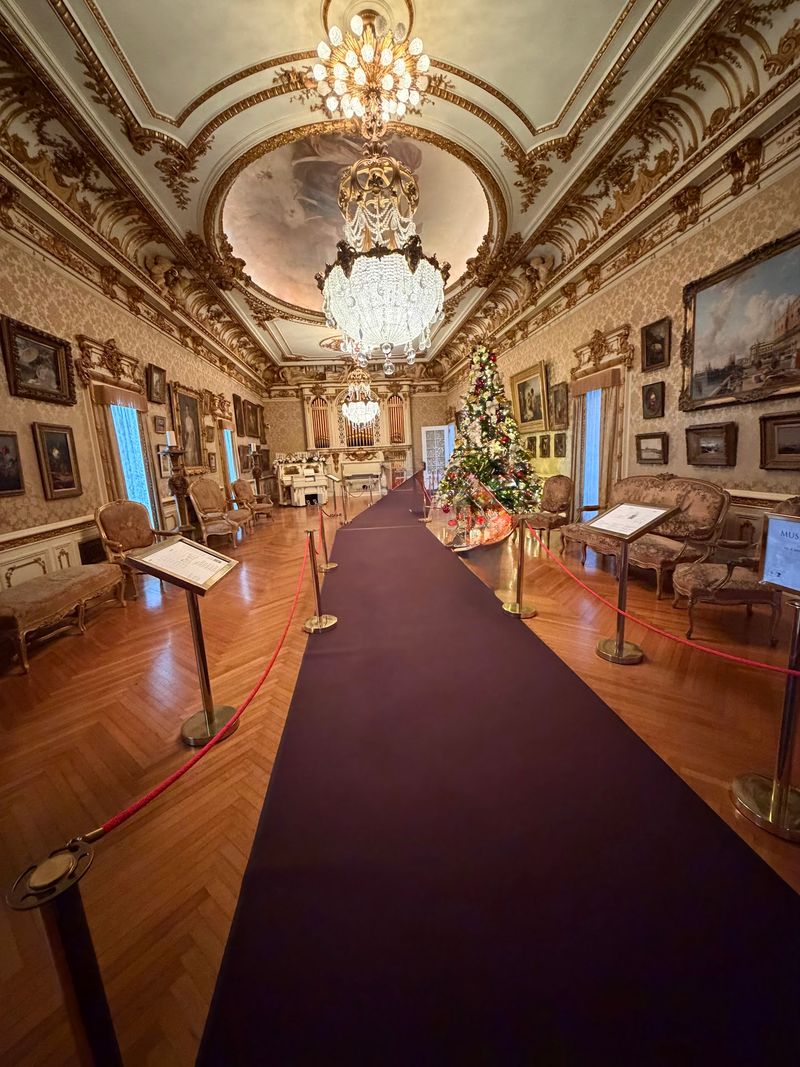
The permanent collection would be reason enough to visit, but the museum regularly rotates special exhibitions that explore different aspects of Gilded Age life. Past exhibits have focused on fashion, department store history, photography, and decorative arts. These temporary displays give repeat visitors new reasons to return.
Recent exhibitions have showcased vintage clothing that reveals how the wealthy dressed during Flagler’s era. Seeing actual gowns, accessories, and undergarments helps you understand the formality and complexity of period fashion. Other exhibits have displayed rare photographs documenting Palm Beach’s transformation from wilderness to resort destination.
The museum’s curators draw from their extensive archives and partner with other institutions to create these focused displays. You might see original Macy’s catalogs, antique jewelry, or historical documents that provide context for the main collection. Each exhibit is carefully researched and beautifully presented.
These changing exhibitions occupy specific rooms within the mansion, so they feel integrated rather than separate. You’ll encounter them naturally as you move through the house. Wall text and display cases provide detailed information without overwhelming casual visitors.
Check the museum’s website before your visit to see what special exhibits are currently showing. Some focus on local history, while others explore broader themes from the Gilded Age. Either way, they add depth to your understanding of this remarkable period in American history.