One of Florida’s Finest Western Art Collections Is Hiding in St. Petersburg
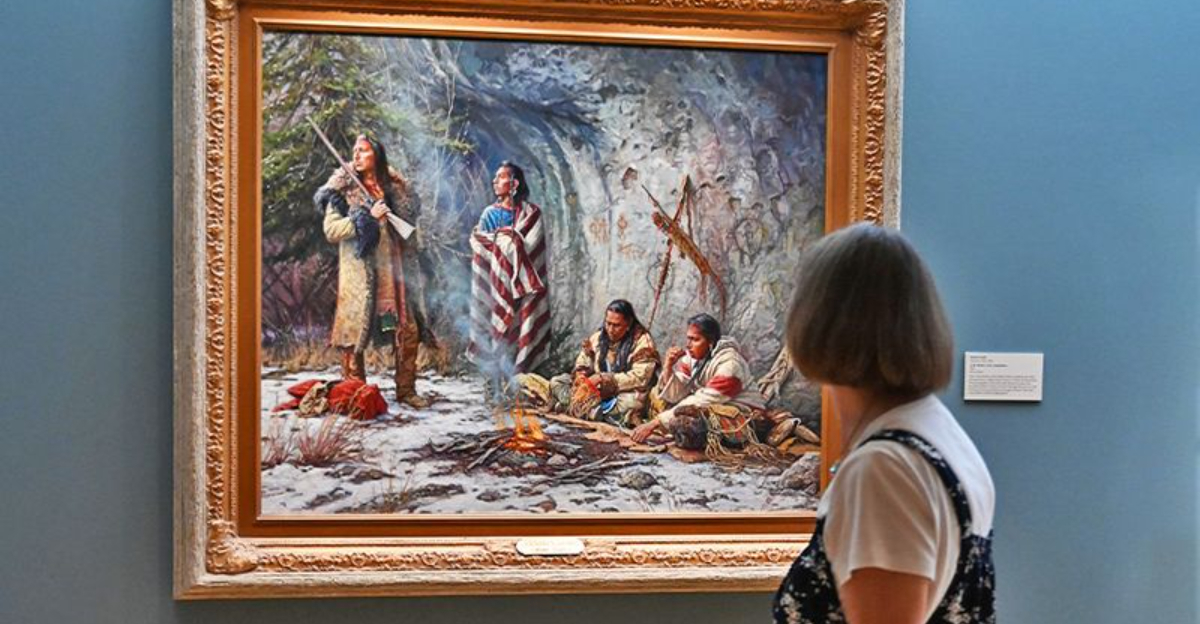
Most people think of beaches and theme parks when they picture Florida, but tucked away in downtown St. Petersburg sits something completely unexpected. The James Museum of Western & Wildlife Art houses one of the most impressive collections of Western art outside of states like Montana or Wyoming. With eight galleries packed with paintings, sculptures, Native American artifacts, and frontier photography, this hidden gem proves that Florida’s cultural scene goes way deeper than you might imagine.
1. A Surprising Architectural Marvel in the Heart of Downtown
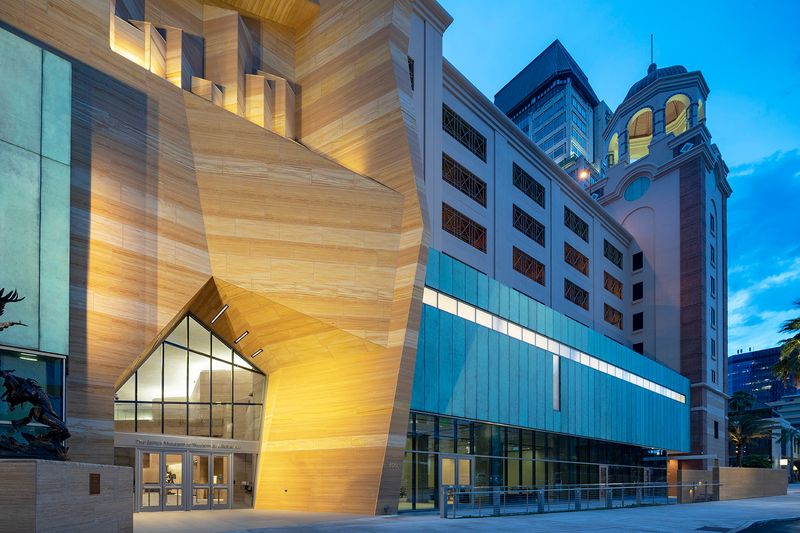
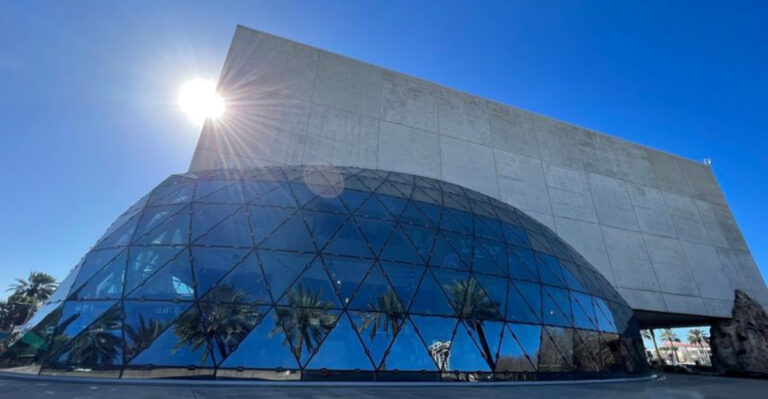
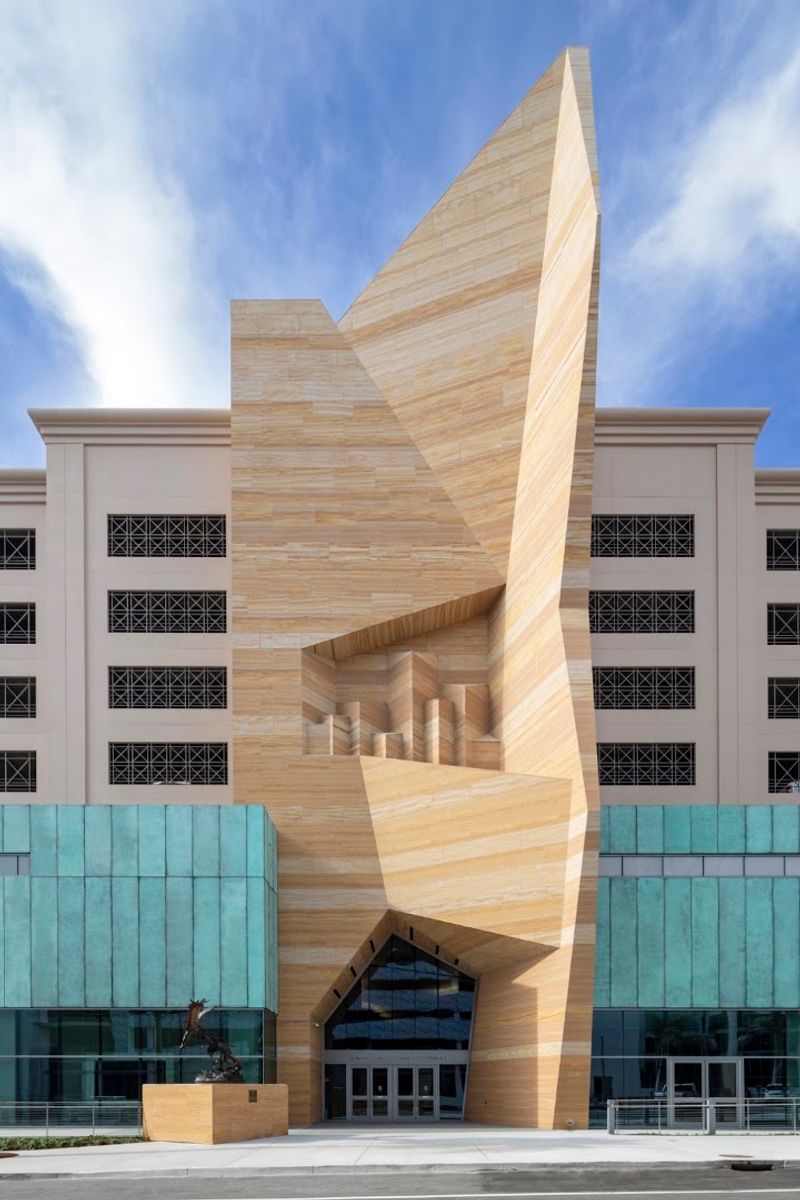
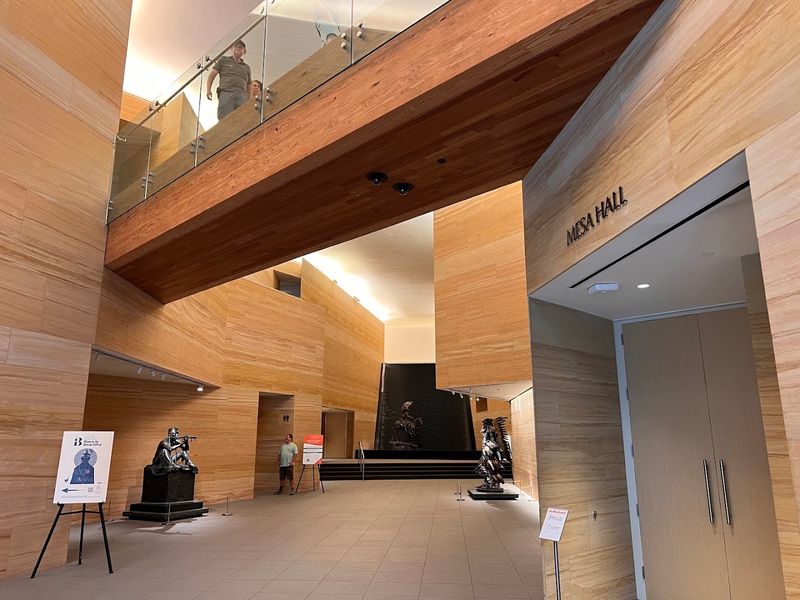
Walking down Central Avenue, you might do a double take when you spot this stunning building. The architecture alone makes The James Museum worth visiting, blending modern design with Western elements in a way that feels both sophisticated and welcoming. Opened in 2018 thanks to the generosity of Tom and Mary James, the $75 million facility stands as a testament to their passion for preserving Western heritage.
The building’s design creates an immersive experience before you even step inside. Natural light floods through carefully planned windows, and the layout guides visitors on a journey through American history. Every corner of this space was crafted with intention, from the grand entrance to the intimate gallery spaces.
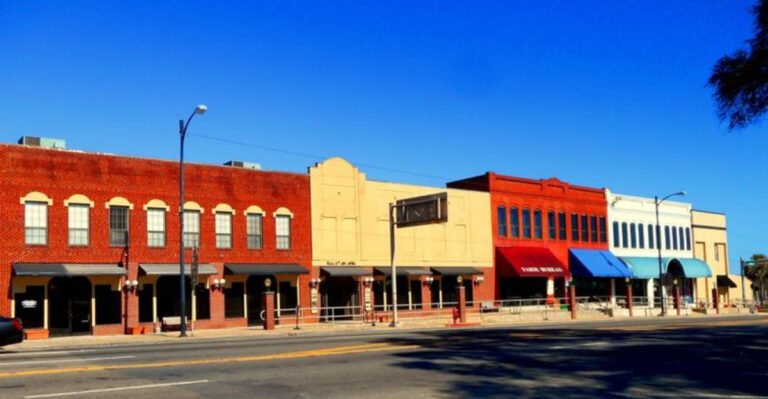
Located at 150 Central Avenue, the museum sits perfectly positioned among St. Petersburg’s other cultural attractions. You can easily combine your visit with stops at nearby restaurants, shops, and the famous Dali Museum. The neighborhood’s walkability makes it simple to spend an entire day exploring this artistic corner of the city.
Admission costs just $10 on Tuesdays, making it incredibly accessible for families and budget-conscious art lovers. Regular admission prices remain reasonable year-round, and the value you receive far exceeds the cost. Members of the military, students, and seniors receive additional discounts throughout the week.
2. Eight Galleries Packed With Authentic Western Treasures
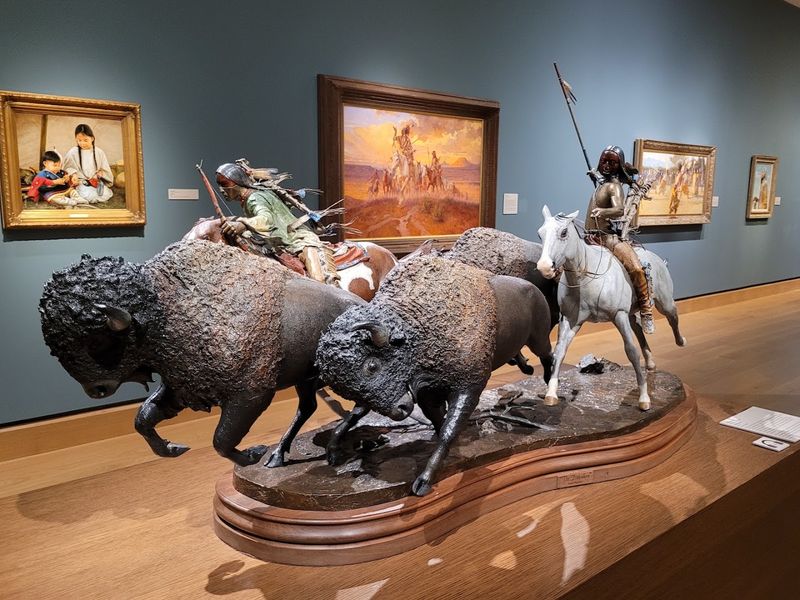
Prepare to spend way more time here than you originally planned. The museum features eight distinct galleries, each one offering a different perspective on Western life, Indigenous cultures, and wildlife. Visitors consistently report needing at least 90 minutes to two hours to properly appreciate everything, though many wish they had budgeted even more time.
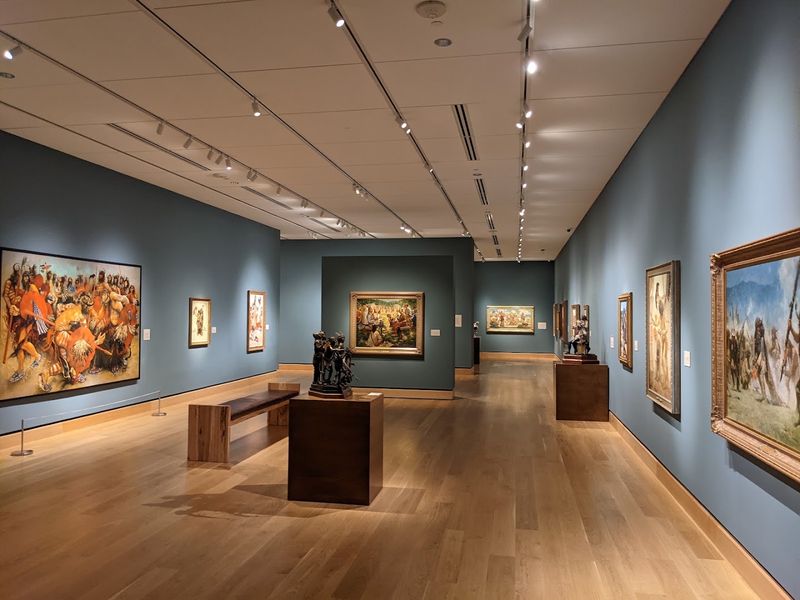
The collection includes hundreds of paintings depicting sweeping landscapes, dramatic cattle drives, and intimate portraits of frontier life. Bronze sculptures bring three-dimensional life to cowboys, Native Americans, and wildlife, with pieces so detailed you can almost feel the texture of leather chaps and feathered headdresses. The diversity of artistic styles keeps every gallery feeling fresh and engaging.
What sets this museum apart is how it balances famous artists with lesser-known creators who deserve recognition. You’ll find works that capture both the romanticized version of the West and the harder truths of frontier expansion. The curation tells honest stories about westward migration, including the experiences of Chinese railroad laborers and the impact on Indigenous peoples.
Each gallery flows naturally into the next, creating a cohesive narrative without feeling rigid or overly structured. The spacing between pieces gives you room to appreciate individual works without feeling crowded, even on busy days. This thoughtful arrangement makes the museum feel larger than its footprint suggests.
3. Native American Art That Honors Indigenous Stories
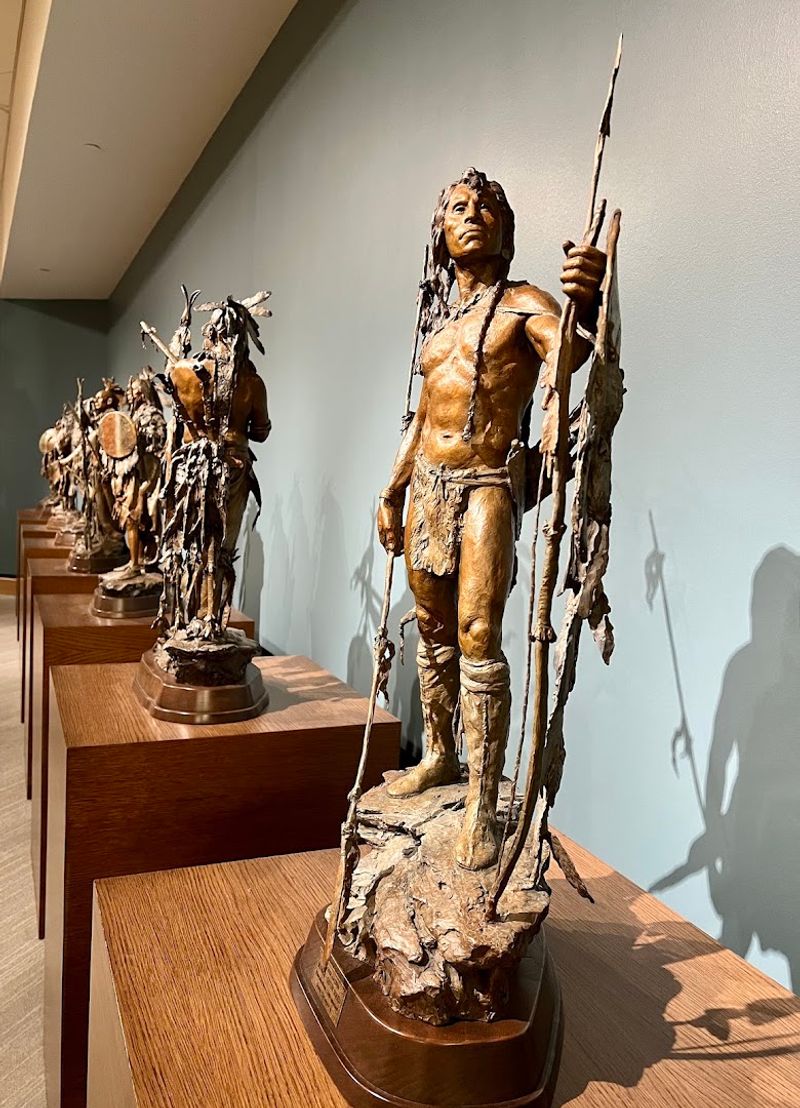
One section of the museum consistently leaves visitors speechless. The Native American galleries showcase pottery, jewelry, photographs, and ceremonial objects with a level of respect and context often missing from other institutions. These aren’t just pretty things behind glass—they’re windows into living cultures with deep histories.
The jewelry display deserves special mention for its educational approach. Different types of turquoise from various mines are organized to show how location affects color and pattern, turning a simple jewelry case into a geology and cultural lesson. You’ll learn to spot the difference between Sleeping Beauty turquoise and Kingman turquoise, knowledge that enriches your appreciation for Native craftsmanship.
Ruth, one of the museum’s guides, has earned particular praise for her engaging presentations to school groups. She uses hands-on materials and large vocabulary cards to help kids understand artistic concepts like movement and contrast. Her approach makes complex ideas accessible without talking down to young visitors, creating memorable first museum experiences.
The museum works to identify subjects in historical photographs, giving names and stories back to people who were often treated as anonymous subjects. This ethical approach to curation shows genuine respect for Indigenous dignity and challenges older museum practices that objectified Native peoples.
4. Edward S. Curtis Photography Exhibition With Important Context
Photography lovers shouldn’t miss the Edward S. Curtis exhibition, which presents his famous early 20th-century portraits with crucial historical context. Curtis traveled extensively to document Native American tribes, creating hauntingly beautiful images that remain iconic.
However, modern scholars recognize that his work reflected romanticized ideas about Indigenous peoples as a “vanishing race.”
The James Museum handles this complicated legacy thoughtfully. Rather than simply displaying Curtis’s photographs as neutral historical documents, the exhibition acknowledges the photographer’s biases and the staged nature of some images. This honest approach helps visitors appreciate the artistic merit while understanding the problematic assumptions behind the work.
Museum staff have made efforts to identify the individuals in Curtis’s portraits, restoring personhood to people who were often presented as generic representatives of their tribes. When names and biographical information are available, they’re prominently displayed alongside the photographs. This simple act of recognition matters deeply and sets this exhibition apart from others featuring Curtis’s work.
The photography section typically takes about 40 minutes to explore properly, though you could easily spend longer studying the intricate details in each image. The prints are exceptionally high quality, allowing you to see textures in clothing, landscape backgrounds, and facial expressions that reveal personality beyond the formal poses.
5. Wildlife Art That Captures Florida’s Wild Spirit
Recent visitors have raved about special exhibitions featuring wolves and other wildlife. While the museum’s name includes “Wildlife Art,” some guests arrive expecting only Western themes and find themselves pleasantly surprised by the animal-focused galleries. These works celebrate the natural world with the same attention to detail and storytelling found in the frontier pieces.
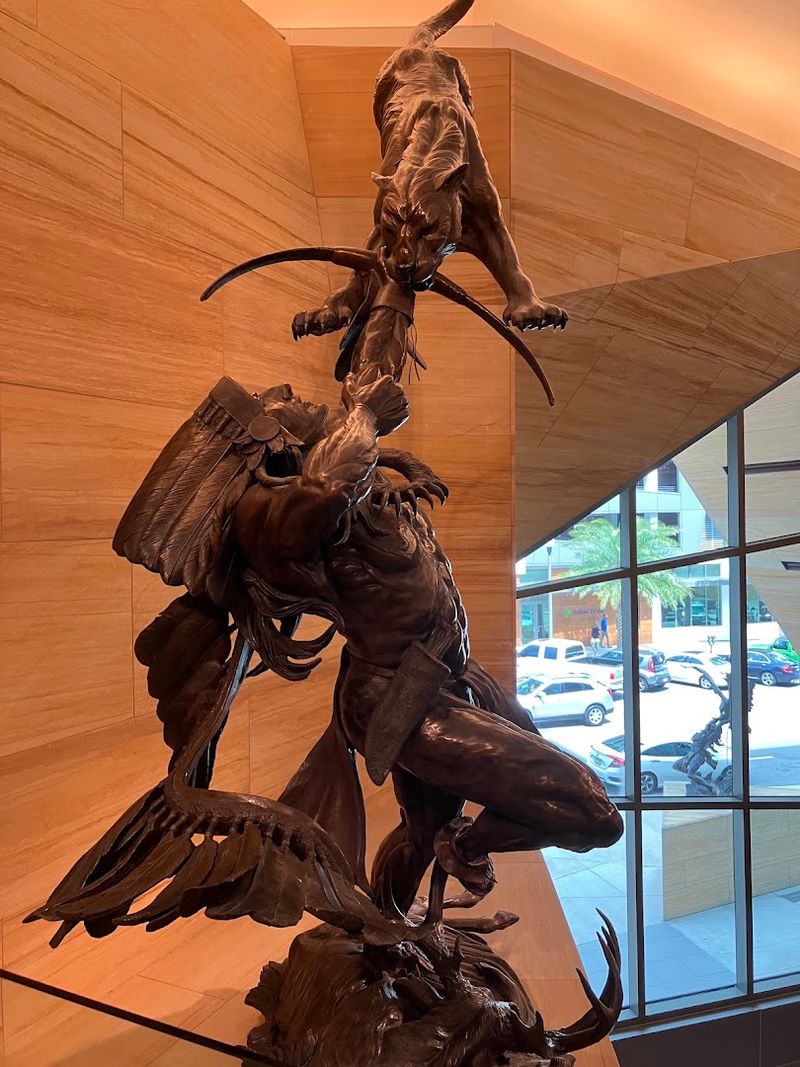
The wildlife paintings range from scientifically accurate portraits to more impressionistic interpretations of animals in their habitats. Sculptors capture moments of motion—a wolf mid-stride, a bear rearing up, an eagle spreading its wings—with bronze work so lifelike you half expect them to move. The technical skill required to achieve this realism becomes obvious when you study these pieces up close.
What makes the wildlife collection particularly relevant for Florida audiences is how it connects to conservation conversations happening today. Many of the animals depicted face habitat loss and other environmental pressures, making these artworks not just beautiful but also meaningful reminders of what we stand to lose. The museum doesn’t preach, but the implicit message about preservation comes through clearly.
Kids especially love the animal galleries, finding them more immediately accessible than some of the historical Western scenes. Parents report that even children who claimed they weren’t interested in museums got drawn into discussions about the wildlife art, making it a great entry point for young visitors.
6. Interactive Educational Programs That Bring History to Life
Teachers and parents consistently praise The James Museum for understanding how to engage young minds. Field trip groups regularly visit, and the educational programming goes far beyond typical museum tours. Docents like Ruth use tactile objects that students can handle, bringing abstract artistic concepts into the physical world where kids can grasp them more easily.
During guided tours, children might examine replicas of tools, feel different fabric textures, or study large laminated cards displaying art vocabulary. This multisensory approach works wonders for different learning styles, helping visual, auditory, and kinesthetic learners all find ways to connect with the material. The museum provides these experiences without charging extra fees for school groups, making quality arts education accessible.
Even adult visitors benefit from the friendly staff who share interesting tidbits and lesser-known stories about the collection. You might encounter a costumed interpreter dressed as a cowboy who can answer questions about life on the frontier. These informal interactions add personality to your visit without feeling forced or gimmicky.
The introductory video shown at the beginning of visits provides excellent context for what you’re about to see. It’s informative without being boring, setting the stage for your journey through the galleries. First-time visitors especially appreciate this orientation, which helps them understand the scope of the collection and how to navigate the space.
7. An Unexpected Event Venue With Western Flair
Here’s something you probably didn’t expect: The James Museum doubles as one of St. Petersburg’s most unique event venues. Multiple organizations have hosted everything from corporate luncheons to wedding receptions in this stunning space, with overwhelmingly positive feedback. The combination of world-class art and flexible event spaces creates an atmosphere that standard hotel ballrooms simply cannot match.
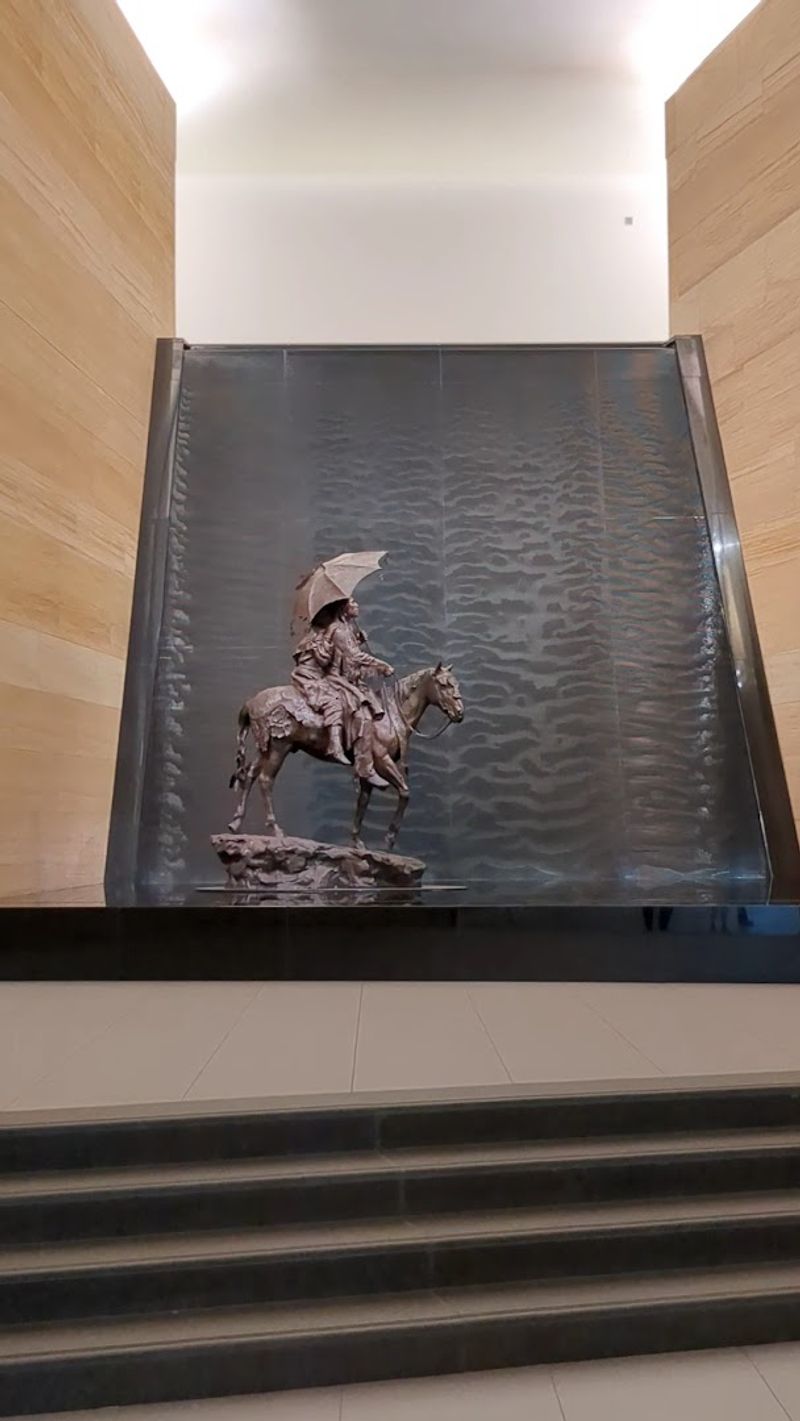
Wedding couples particularly love the Arroyo, an indoor space featuring a waterfall and bronze sculptures that provide a dramatic backdrop for ceremonies. Imagine exchanging vows surrounded by Western art and the sound of flowing water—it’s memorable without requiring an outdoor location subject to Florida’s unpredictable weather. The galleries remain accessible during cocktail hours, giving guests something fascinating to explore between ceremony and reception.
Event coordinator Holly receives consistent praise for her professionalism and responsiveness. She works with groups to customize their events, handling audio-visual needs, coordinating with caterers like Kelly’s Catering, and ensuring every detail comes together smoothly. Her patience during the planning process and flexibility with special requests make what could be a stressful experience actually enjoyable.
The venue can accommodate over 250 guests with space for silent auctions, dance floors, photo booths, and VIP areas. Despite the capacity, the layout maintains an intimate feel that encourages conversation and connection. Corporate groups appreciate the professional atmosphere, while social events benefit from the artistic surroundings that naturally spark conversation.
8. Practical Details That Make Your Visit Easy
Planning your visit takes almost no effort thanks to convenient hours and location. The museum opens at 10 AM most days, staying open until 8 PM on Tuesdays and until 5 PM other days. It’s closed only on major holidays, making it reliably available when you want to visit.
The Tuesday extended hours pair perfectly with the $10 admission special, creating an ideal date night or after-work activity.
Free parking can be found in the surrounding downtown area, though it may require a short walk depending on when you arrive. The museum’s central location means you’re never far from restaurants for pre- or post-visit meals. St. Petersburg’s downtown is extremely walkable, so you can easily make the museum part of a larger day exploring the waterfront and arts district.
The on-site cafe and gift shop both deserve visits in their own right. The authentic wooden bar—reminiscent of Old West saloons—serves refreshments in an atmosphere that extends the museum’s theme. You can grab a drink that feels appropriate to the setting, perhaps a sarsaparilla to complete the frontier experience.
The gift shop offers quality merchandise beyond typical museum tchotchkes, including books, jewelry, and art prints.
Accessibility features ensure all visitors can enjoy the galleries comfortably. The staff maintains spotless facilities and creates a calm, inviting atmosphere that never feels stuffy or intimidating. Whether you’re an art expert or someone who “doesn’t usually like museums,” the friendly environment welcomes you.