Every Winter, Hundreds of Manatees Take Over This Crystal-Clear Florida Spring
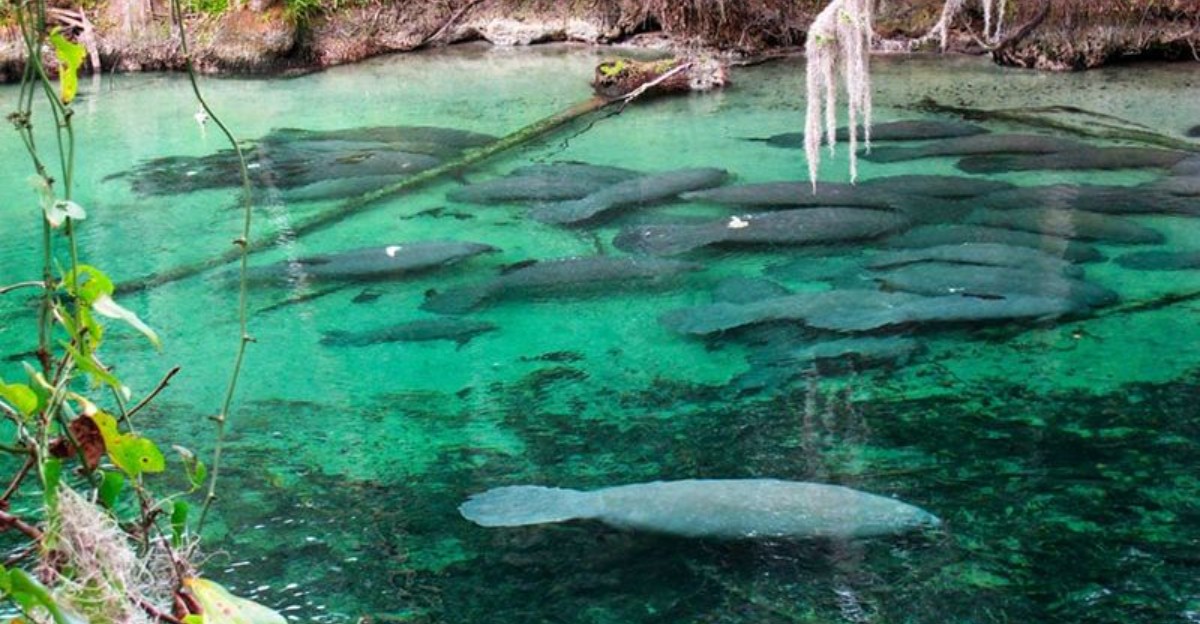
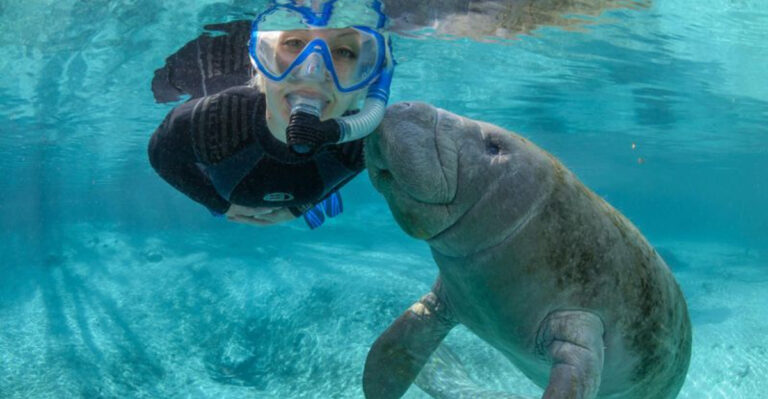
Picture a natural spring so clear you can count fish from 20 feet above the surface, where water stays a perfect 72 degrees year-round. Blue Spring State Park in Orange City transforms into Florida’s most spectacular manatee sanctuary when temperatures drop. Between November and March, hundreds of these gentle giants escape the chilly St. Johns River and crowd into the warm spring waters, creating one of the state’s most unforgettable wildlife experiences.
1. The Manatee Migration Starts When Water Temps Drop
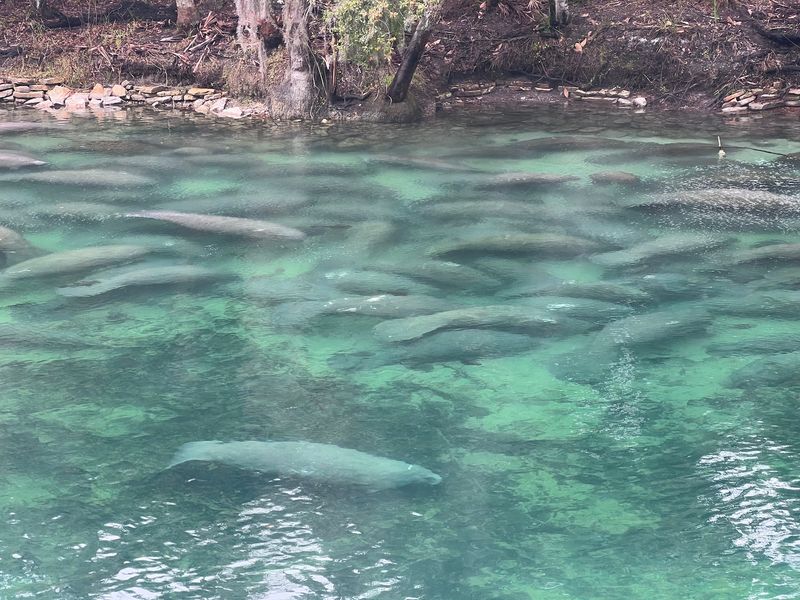
When the St. Johns River dips below 68 degrees, manatees know exactly where to go. The constant 72-degree water pouring from Blue Spring becomes their winter hotel, and they check in by the hundreds. Park rangers count every single manatee each morning during the cold season, with numbers sometimes reaching over 700 individuals on the coldest days.
These marine mammals can’t regulate their body temperature like we do. Cold water actually makes them sick, which is why they seek out warm springs for survival. Blue Spring pumps out 104 million gallons of perfectly heated water every single day, creating a manatee spa that never closes.
The viewing platforms along the spring run offer front-row seats to this natural phenomenon. You’ll spot mothers with calves, playful juveniles, and massive bulls all sharing the same cozy space. Early morning visits give you the best counts since manatees often venture back into the river to feed during warmer afternoon hours.
Swimming isn’t allowed in the spring during manatee season, which protects these endangered animals from harassment. But honestly, watching from the boardwalk beats getting in the water. You can see their whiskers twitch, watch them surface for air, and count the barnacles on their backs without disturbing their winter retreat.
2. Crystal Water Reveals an Underwater World
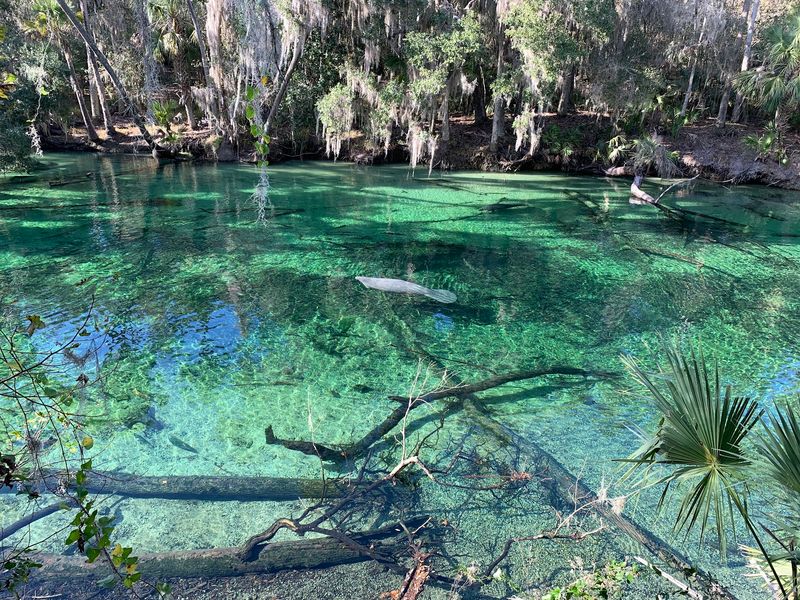
The water at Blue Spring looks fake at first glance. It’s that impossibly clear shade of blue you usually only see in heavily filtered photos, except this is 100 percent real and zero percent edited. The spring maintains such incredible clarity that you can spot individual fish swimming along the bottom from the boardwalk above.
During summer months when manatees head back to the river, the spring transforms into a swimmer’s paradise. The water stays refreshingly cool while air temperatures soar into the 90s, making it the perfect natural air conditioning. Families float on tubes, snorkelers explore the spring run, and kids splash in the designated swim area with steps leading right into the water.
Giant gar fish cruise through the crystal depths like prehistoric submarines. These long-bodied fish have survived basically unchanged for millions of years, and they’re completely unfazed by swimmers. You’ll also spot bass, bream, catfish, and even some tropical species that probably escaped from someone’s aquarium upstream.
The spring pumps fresh water at such high volume that it creates a gentle current pushing toward the St. Johns River. Tubers ride this natural lazy river through a canopy of ancient cypress trees, drifting past turtles sunbathing on logs and birds hunting from overhanging branches.
3. The Boardwalk Delivers Nonstop Wildlife Encounters
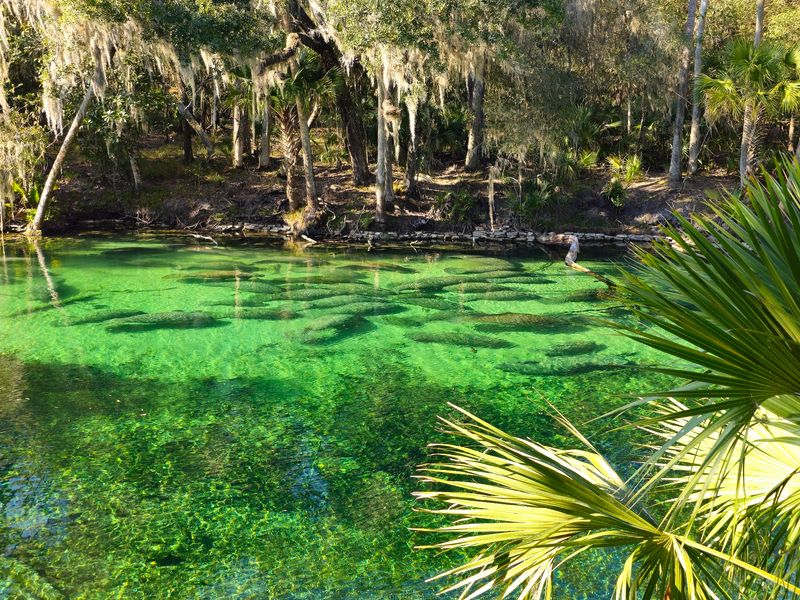
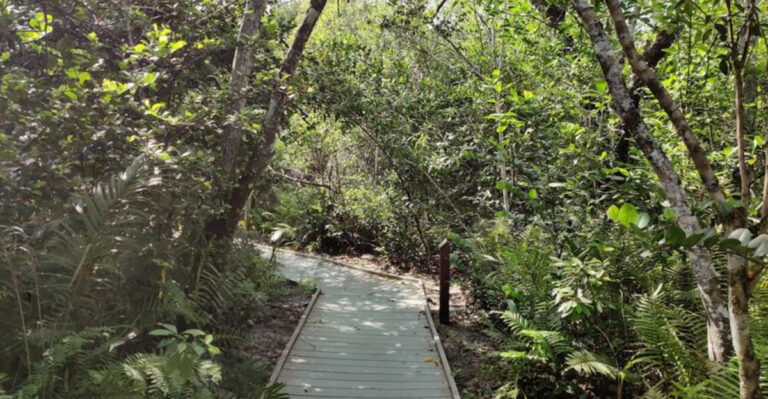
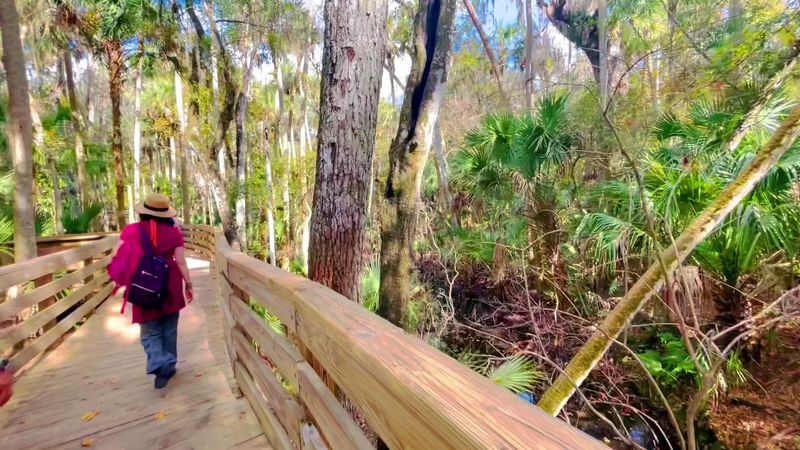
A half-mile boardwalk hugs the spring run from the swimming area all the way to the St. Johns River. This elevated pathway puts you at perfect eye level with the action below while keeping your feet dry and the ecosystem protected. Benches positioned along the route let you stop and soak in the scenery without blocking other walkers.
Alligators sunbathe on the opposite bank like scaly speed bumps. During warmer months, you’ll count dozens of them lounging in the grass or floating motionless in shallow water. They’re well-fed and completely uninterested in people, which makes for excellent photo opportunities from a safe distance.
Bird nerds bring their binoculars and life lists because the diversity here is outstanding. Anhingas spread their wings to dry in the sun, looking like feathered crucifixes. Great blue herons stalk the shallows with prehistoric patience.
If you’re extremely lucky, you might spot a bald eagle perched in the tallest cypress, surveying its kingdom.
The boardwalk also connects to dirt nature trails that wind through hammock forests. These shaded paths offer a completely different experience from the spring area, with opportunities to spot deer, armadillos, and the occasional wild turkey. Rangers recommend bug spray and closed-toe shoes for trail exploration, especially during summer.
4. Kayaking the St. Johns River Adds Adventure
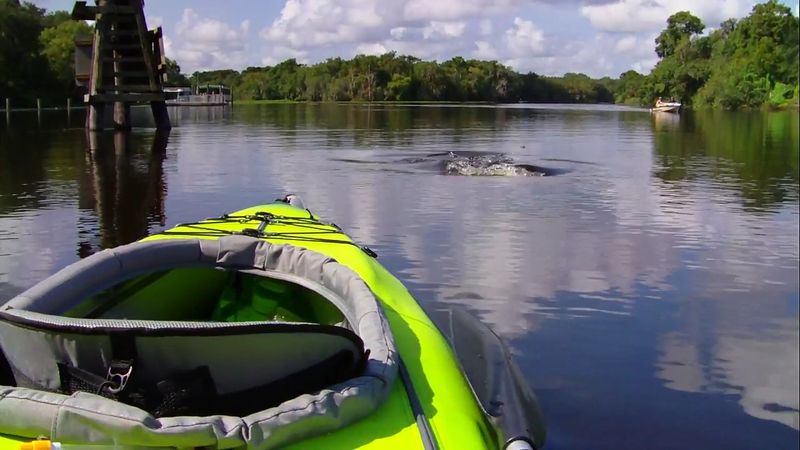
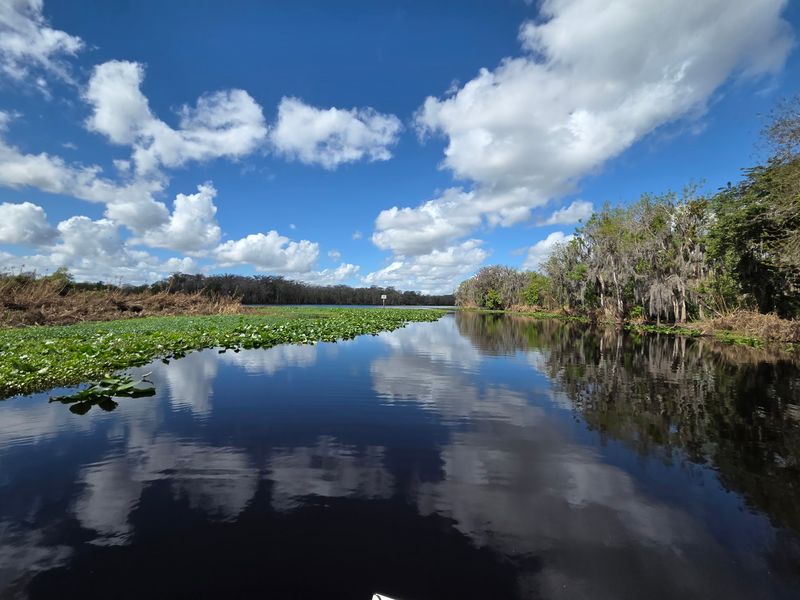
Renting a kayak or canoe from the park opens up miles of exploration along the St. Johns River. This ancient waterway flows north instead of south, making it one of the few rivers in North America that defies gravity’s usual rules. Paddling upstream takes you deeper into wild Florida, while downstream leads toward more developed areas.
The river moves slowly enough that beginners feel comfortable, but it’s wide enough that you’ll get a solid arm workout. Wildlife viewing from a kayak beats any tour bus experience. Manatees sometimes surface right next to your boat during warmer months when they’re out feeding.
Dolphins occasionally venture this far inland, creating double-take moments when you spot a dorsal fin in freshwater.
Rental prices stay reasonable, and the park provides life jackets and basic paddling instruction. You can rent by the hour or for a full day, depending on how ambitious you’re feeling. Most paddlers stick close to the spring area, but adventurous souls can spend hours exploring the river’s twists and turns.
Bring a waterproof bag for your phone and snacks. The river’s tannin-stained water looks dark compared to the spring’s clarity, but it’s perfectly safe. Just watch for submerged logs and give alligators plenty of personal space when you encounter them lounging on the banks.
5. The Historic Thursby House Tells Old Florida Stories
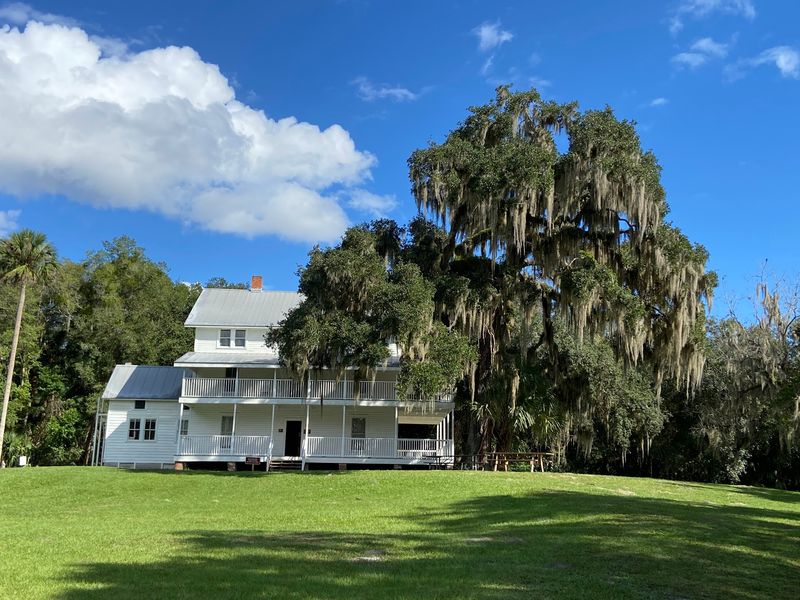
Before Blue Spring became a state park, it was a steamboat stop and winter retreat for wealthy northerners. The Thursby House stands as the last remaining building from that era, now restored and open for tours. Walking through its rooms feels like stepping into a time machine set for the 1870s.
Louis and Kate Thursby bought the property in 1872 and built their winter home overlooking the spring. Steamboats chugged up the St. Johns River regularly back then, dropping off passengers and supplies. The spring served as a reliable landmark for riverboat captains navigating Florida’s wilderness waterways.
Inside the house, you’ll find period furniture, old photographs, and interpretive displays explaining what life was like during Florida’s steamboat days. A park guide usually hangs around to answer questions and share stories about the Thursby family. The house stayed in family hands until 1970, when it was finally sold to the state.
The building’s architecture reflects practical Florida design from that period. High ceilings and large windows catch every breeze, while the wraparound porch provides shaded outdoor living space. No air conditioning existed back then, so people built smart or suffered through summer.
The Thursbys clearly built smart, creating a home that stays surprisingly comfortable even on hot days.
6. Boat Tours Offer Guided Wildlife Spotting
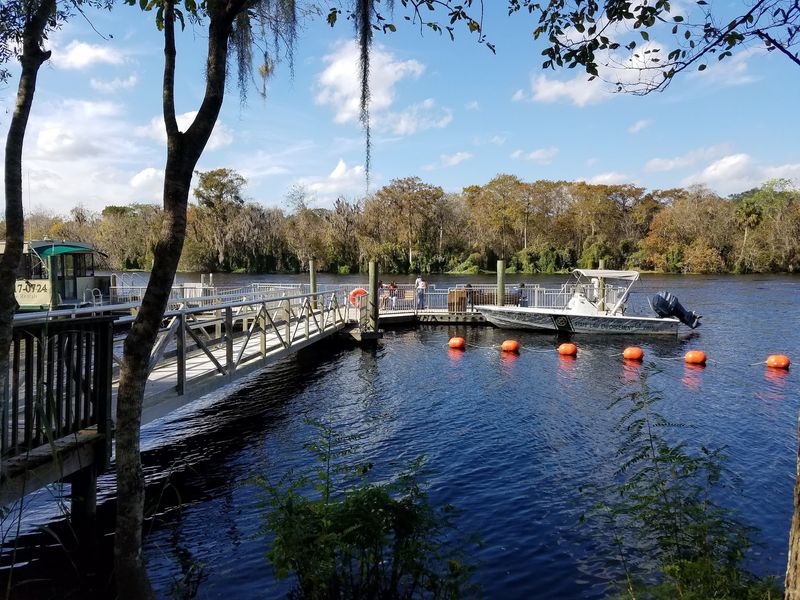
Climbing aboard the park’s pontoon boat for a two-hour river tour gives you wildlife access without the paddling workout. The captain navigates the St. Johns while sharing local history, terrible dad jokes, and pointing out every alligator, bird, and turtle along the route. These tours run year-round, though schedules vary by season.
The boat’s flat design and wheelchair accessibility make it perfect for visitors who can’t manage kayaks or long walks. Rangers ensure everyone gets a good view when interesting wildlife appears. Spotting a dozen alligators during a single tour is pretty standard, along with various wading birds and the occasional river otter.
Tour guides know the river’s hot spots and seasonal patterns. They’ll position the boat for optimal manatee viewing during winter or seek out nesting ospreys in spring. Their knowledge transforms a simple boat ride into an educational experience that kids and adults both enjoy.
Reservations are highly recommended, especially during peak manatee season when tours fill up fast. If you’ve booked a tour, you can bypass some of the entrance wait by letting the ranger at the gate know. The park tries to accommodate tour participants since the boats run on strict schedules.
Bring sunscreen, sunglasses, and a hat because shade on the boat is limited. The breeze feels great while moving, but you’ll still catch plenty of Florida sun during the two-hour excursion.
7. Camping and Cabins Let You Stay Overnight
Staying overnight at Blue Spring means waking up to bird songs instead of alarm clocks and catching sunrise over the spring before day visitors arrive. The park offers both traditional campsites for tents and RVs, plus newer cabins for people who prefer walls and air conditioning.
The cabins come surprisingly well-equipped with full kitchens, linens, and functioning AC that works overtime during summer. Reviewers consistently praise how clean and updated these units feel. You’ll find pots, pans, and cooking utensils already stocked, so you only need to bring food and personal items.
Campground sites vary from basic tent spots to full-hookup RV sites with water, electric, and sewer connections. Bathhouses stay clean, and rangers patrol regularly to keep things safe and quiet. Picnic tables and fire rings at each site make outdoor cooking easy, and the camp store sells firewood along with forgotten essentials.
Booking ahead is basically mandatory during winter manatee season and summer weekends. The park’s popularity means sites fill up weeks or even months in advance for peak times. Off-season weekdays offer your best chance at last-minute availability.
Overnight guests get a huge advantage by already being inside the park when gates open. You can hit the boardwalk or swimming area before crowds arrive, making for a much more peaceful experience than fighting midday traffic and parking chaos.
8. Park Reservations Are Now Required Year-Round
Gone are the days of casually showing up at Blue Spring whenever the mood strikes. The park implemented a mandatory reservation system to manage crowds and protect the natural resources that make this place special. You absolutely must book your entry time through the Florida State Parks website before arriving, even if you have an annual pass.
The reservation system confused some visitors initially, and a few online reviews mention frustration with the process. But the system actually works in your favor once you understand it. Reserved time slots prevent the nightmare traffic backups that used to stretch for miles during peak season, when cars would wait an hour or more just to enter.
Booking is straightforward on the state parks website. Select your date, choose your entry time window, and pay the entrance fee online. Fees stay incredibly reasonable at $6 per vehicle for up to eight people.
Annual pass holders still need to make reservations, though they won’t pay the entrance fee again.
The reservation requirement applies year-round now, not just during busy periods. This means summer weekdays and fall shoulder seasons all need advance booking. Most time slots remain available if you book a few days ahead, but weekend spots during manatee season disappear fast.
Rangers at the gate check reservations on their tablets, so have your confirmation email ready on your phone or printed out. The whole check-in process takes seconds once you’ve got your reservation squared away.