10 Orlando Day Trips That Cost Less Than $10
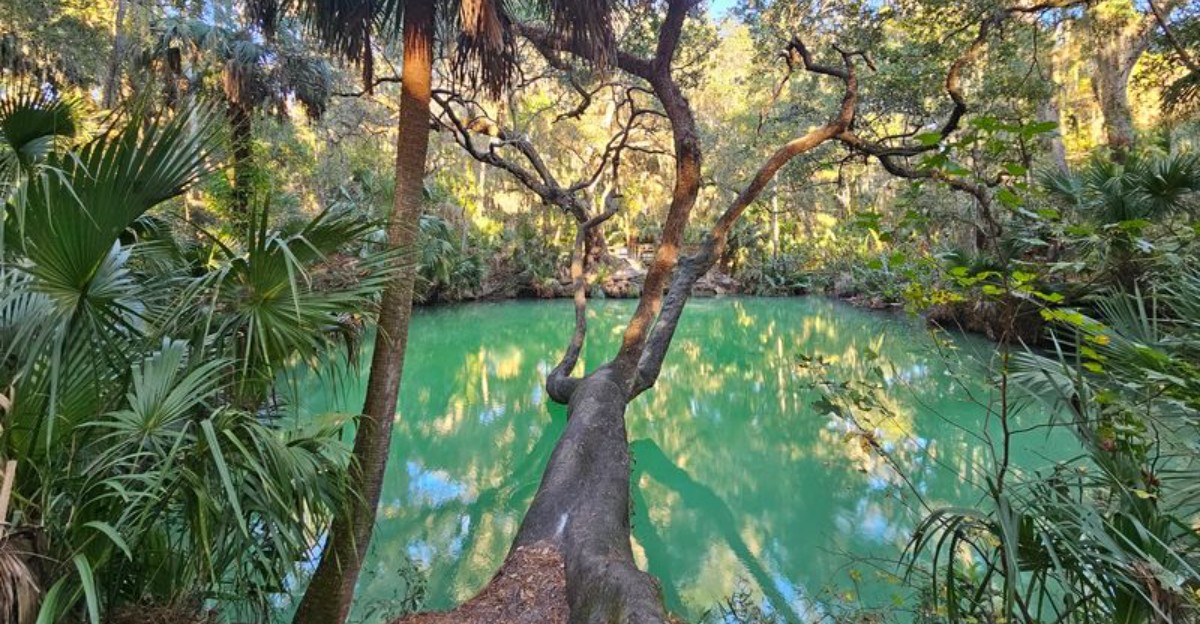
Central Florida is packed with natural beauty and outdoor adventures that won’t drain your wallet. You don’t need a theme park ticket or a fancy resort reservation to have an amazing day exploring the area around Orlando. From crystal-clear springs perfect for swimming to wildlife-rich trails where you can spot alligators and wading birds, these budget-friendly escapes offer the kind of experiences that locals treasure and visitors often miss.
1. Lake Apopka Wildlife Drive (Apopka)
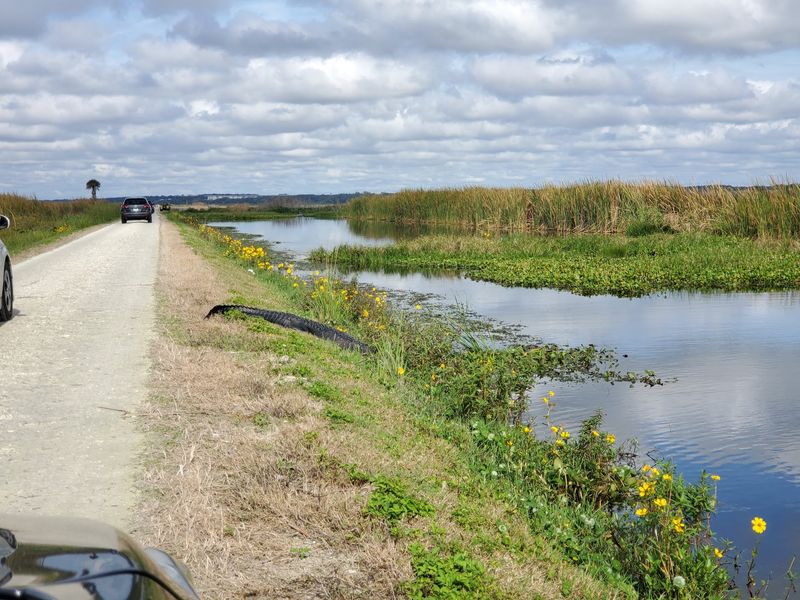
Every Saturday and Sunday morning, a 11-mile loop opens up along the western shore of Lake Apopka, and it costs absolutely nothing to experience. This former farmland has been restored into thriving wetlands that attract more bird species than you can count on both hands.
Bring binoculars if you have them. Alligators sun themselves on the banks while herons, egrets, and ibises wade through shallow waters looking for breakfast. During winter months, migratory birds stop here by the thousands, creating a birdwatcher’s paradise that rivals any paid attraction.
The drive moves slowly by design, with plenty of spots to pull over and snap photos or just soak in the view. Early risers get the best wildlife action, especially in cooler months when animals are most active. Pack snacks and water since there aren’t any facilities once you enter the loop.
Most people complete the entire circuit in about an hour, but you could easily spend half a day here if you’re into photography or wildlife observation. The road is unpaved but well-maintained, suitable for regular cars. Just remember it’s only open on weekends and certain holidays, so plan accordingly and check the current schedule before making the trip out.
2. Wekiwa Springs State Park (Apopka)
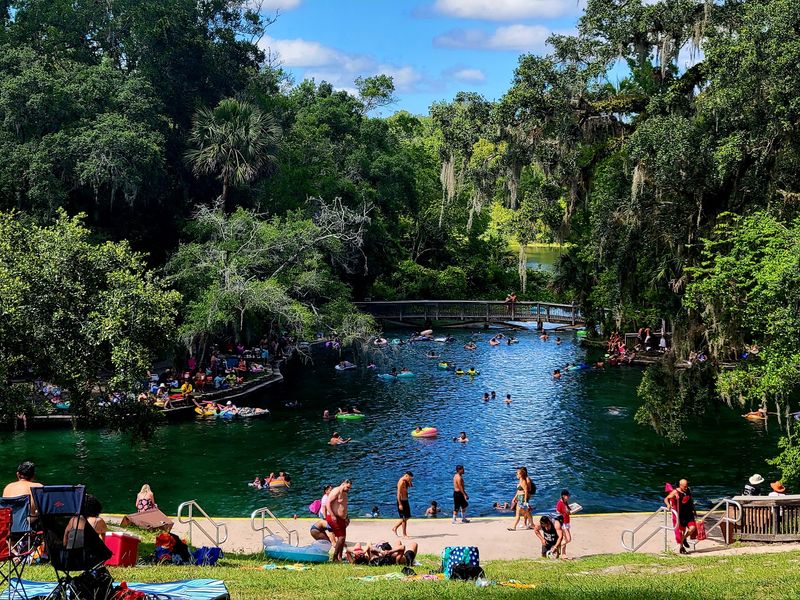
Six bucks gets your entire carload into one of Central Florida’s most beautiful spring-fed swimming holes. The water stays a constant 72 degrees year-round, which feels refreshing in summer and surprisingly warm when winter air temperatures drop.
Wekiwa pumps out 42 million gallons of crystal-clear water every single day, creating a natural pool that’s perfect for swimming, snorkeling, or just floating around on a hot afternoon. Rent a canoe or kayak if you want to explore the spring run that winds through cypress and palm hammocks. You might spot otters, turtles, or even a black bear if you’re exceptionally lucky.
The park has over 13 miles of hiking trails that range from easy strolls to more challenging treks through sand pine scrub and hardwood swamps. Picnic pavilions dot the grounds, making this an ideal spot for a budget-friendly family gathering. Arrive early on weekends because the park closes to new visitors once parking lots fill up.
Facilities include restrooms, outdoor showers, and a concession stand near the spring. If you fall in love with the place, consider camping here for an extended stay at very reasonable rates. Just don’t forget your swimsuit and a towel.
3. Kelly Park / Rock Springs (Apopka)
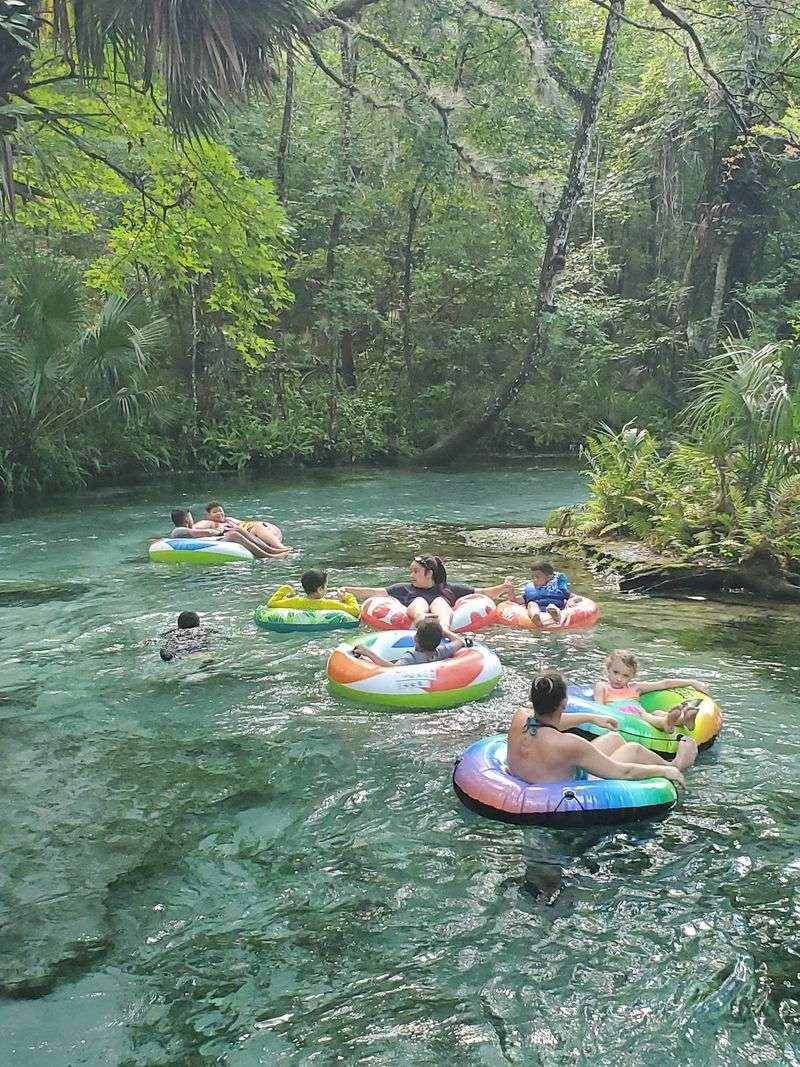
For just three to five dollars per vehicle, you get access to what locals call nature’s lazy river. Rock Springs flows through Kelly Park creating a quarter-mile natural tube run that’s become legendary among Central Floridians who know where to find the good stuff.
Grab an inner tube and float down the spring-fed stream that winds through shaded forest. The current does all the work while you relax and enjoy water so clear you can count fish swimming below. When you reach the end, walk back up and do it again as many times as you want.
The main spring basin offers excellent swimming for those who prefer to stay in one spot. Water temperature holds steady around 68 degrees, creating that perfect balance of cool and comfortable. Families spread out on grassy areas between tube runs, turning visits into all-day affairs with packed lunches and plenty of sunscreen.
Weekend crowds can be intense, especially during summer months, so weekday visits offer a more relaxed experience. The park enforces a vehicle capacity limit, meaning they close the gates once full, sometimes as early as 10 a.m. on popular days. Bring your own tubes if possible since rentals aren’t always available, and pack everything in reusable containers because single-use plastics are prohibited here.
4. Blue Spring State Park (Orange City)
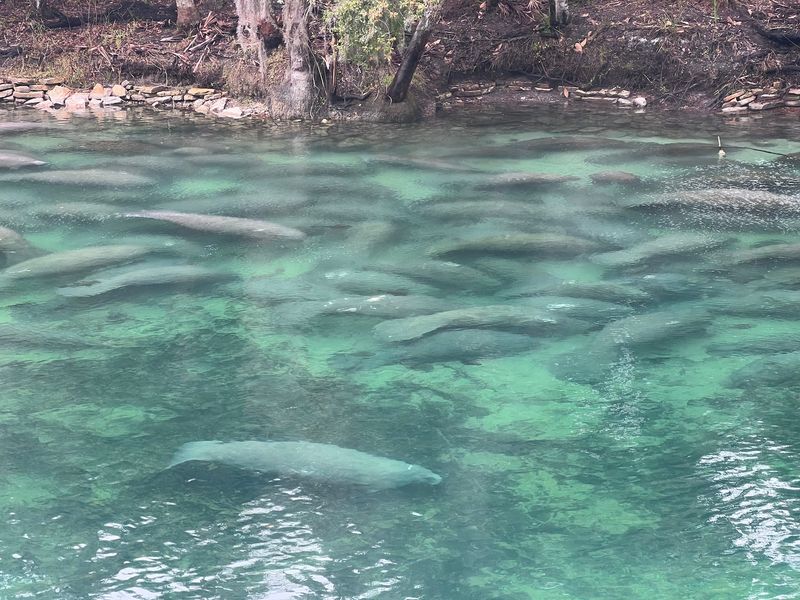
Winter transforms this $6-per-car park into manatee central. When temperatures drop, these gentle giants migrate from the St. Johns River into the constant 72-degree spring water, sometimes gathering by the dozens in the clear basin where you can watch them from elevated boardwalks.
Between November and March, swimming is off-limits to protect the manatees, but observation opportunities are phenomenal. You’ll see mothers with calves, watch them surface to breathe, and might even hear their underwater vocalizations. Rangers give talks throughout the day, sharing fascinating details about these endangered marine mammals.
Come summer, humans reclaim the swimming area and the spring becomes a refreshing escape from Florida heat. Snorkeling here reveals an underwater world of fish, turtles, and aquatic plants thriving in the pristine spring water. The park also offers canoe and kayak rentals if you want to paddle the scenic river.
Several hiking trails wind through the property, including a boardwalk through cypress swamp where you might spot woodpeckers, owls, or even a bobcat. Historic Thursby House sits near the spring, offering a glimpse into Old Florida history. Pack a picnic and make a full day of it, because once you pay that entrance fee, there’s easily enough to keep you entertained for hours.
5. De León Springs State Park (De Leon Springs)
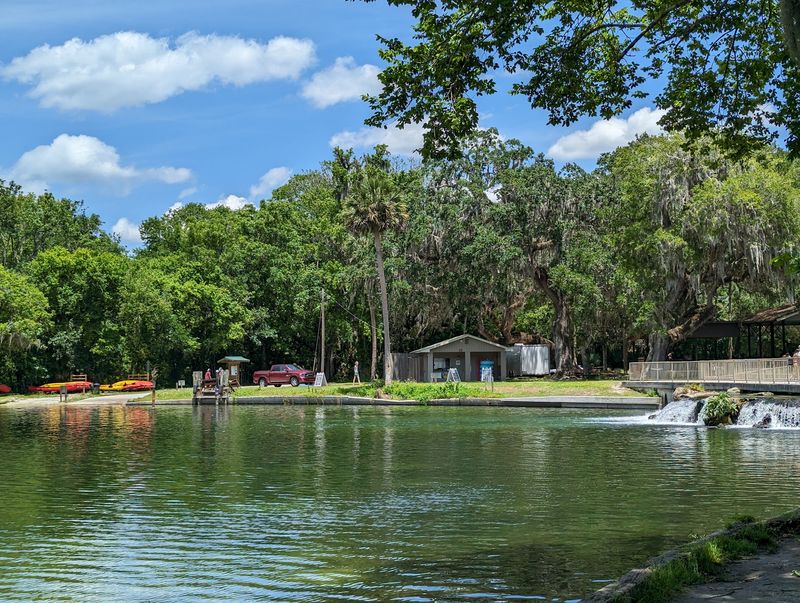
Six dollars admits your vehicle to a park where you can swim in a massive spring basin and make your own pancakes at the Old Spanish Sugar Mill restaurant. Yes, you read that correctly. Griddles are built right into the tables, and you flip your own flapjacks while waiting staff brings batter and toppings.
The spring pumps 19 million gallons daily, creating a large swimming area that stays comfortably cool even during the hottest months. Rent a canoe or kayak to explore Spring Garden Creek, a beautiful waterway shaded by ancient cypress trees draped in Spanish moss. Wildlife sightings are common, from sunbathing turtles to wading birds hunting for fish.
History buffs appreciate the park’s deep past. The spring was used by Timucuan peoples for thousands of years before Spanish explorers arrived. Later, it powered a sugar mill, and eventually became a tourist attraction in the early 1900s.
Remnants of these different eras are scattered throughout the property.
Hiking trails offer peaceful walks through hammock and floodplain forest. The park feels less crowded than some of the closer-to-Orlando springs, giving it a more secluded atmosphere. Arrive hungry if you plan to hit the pancake house because there’s often a wait, especially on weekend mornings when locals flock here for that unique dining experience.
6. Lake Louisa State Park (Clermont)
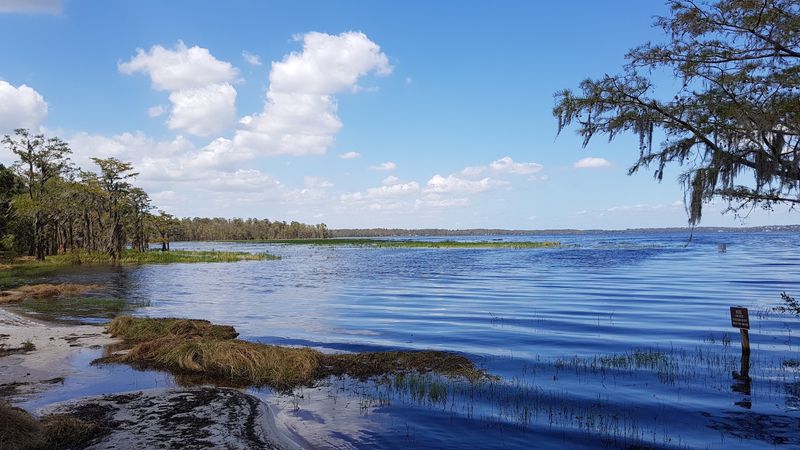
Five dollars opens the gate to over 4,500 acres of surprisingly hilly terrain that feels nothing like typical flat Florida. Lake Louisa sits in what locals call the Lake Wales Ridge, an ancient sand dune system that creates elevation changes you won’t find in most of the state.
Multiple lakes dot the property, connected by over 20 miles of trails perfect for hiking, mountain biking, or horseback riding. The terrain ranges from wetland boardwalks to scrubby upland paths where you might encounter gopher tortoises, deer, or wild turkeys. Bald eagles nest here during winter months, offering spectacular viewing opportunities for patient observers.
Swimming is allowed in Lake Louisa itself, though the sandy bottom and tannin-stained water create a different experience than the crystal springs. Canoe and kayak rentals let you explore the interconnected waterways at your own pace. Fishing is popular too, with bass and bluegill being common catches.
The park maintains a full-facility campground if you want to extend your visit beyond a day trip. Picnic areas with grills make lunch easy, and the relatively remote location means you’ll encounter fewer crowds than parks closer to major population centers. Bring insect repellent during warmer months because mosquitoes can be aggressive near the water, and pack plenty of drinking water since facilities are limited once you hit the trails.
7. Oakland Nature Preserve (Oakland)
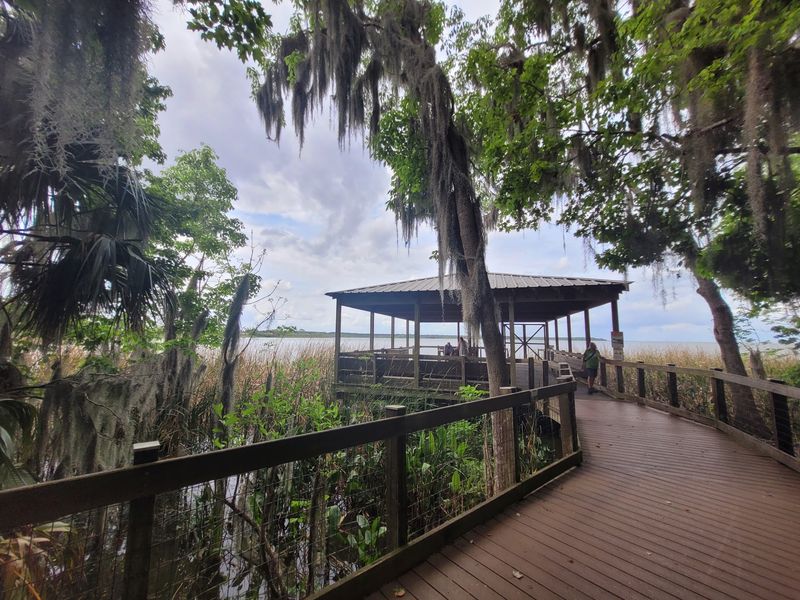
Completely free and surprisingly peaceful, this 128-acre preserve protects a slice of genuine Florida wilderness right in the middle of growing development. Boardwalks and natural-surface trails loop through cypress swamp, oak hammock, and pine flatwoods, showcasing the incredible plant and animal diversity that once covered much of Central Florida.
The preserve serves as an outdoor classroom where you can learn to identify native plants, spot different bird species, and understand how Florida’s unique ecosystems function. Interpretive signs along the trails explain what you’re seeing, making this an educational experience as well as a recreational one. Photography enthusiasts love the varied landscapes and abundant wildlife subjects.
Unlike some larger parks, Oakland Nature Preserve feels intimate and manageable. You can walk the entire trail system in about an hour, or take your time and spend a whole morning exploring. The preserve hosts guided nature walks and educational programs throughout the year, many of them free to attend.
Benches are strategically placed at scenic overlooks where you can sit quietly and watch for wildlife. Great blue herons stalk the shallows, woodpeckers hammer on dead trees, and if you’re observant, you might spot an otter or even a bobcat. There are no facilities beyond a small parking area, so come prepared with water and snacks, and remember to pack out everything you bring in.
8. Orlando Wetlands (Christmas)
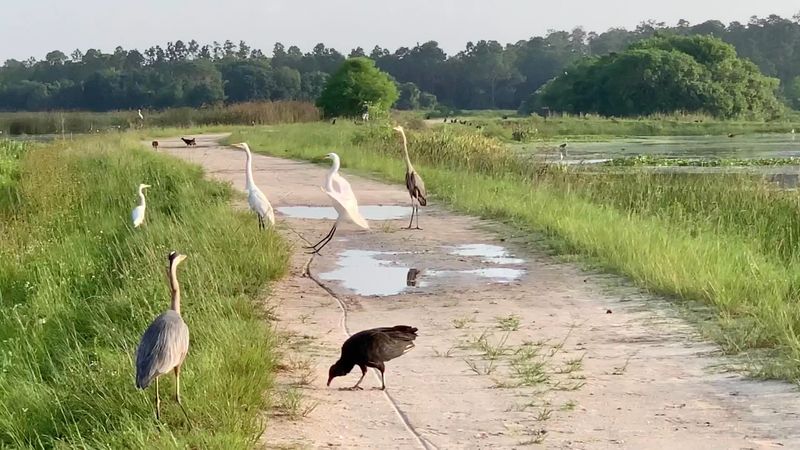
Zero admission cost gets you into 1,650 acres of constructed wetlands that have become an accidental birding paradise. Originally built to filter reclaimed water, these wetlands now attract more than 200 bird species throughout the year, making it one of Florida’s premier birdwatching destinations.
An 8-mile dirt road loops through the property, open to hikers and bicyclists from sunrise to sunset on Fridays, Saturdays, and Sundays. The flat terrain makes for easy walking, and the open landscape provides excellent sight lines for spotting wildlife. Bring binoculars and a bird identification guide because you’ll want them.
Winter months are peak season when migratory species join year-round residents, creating spectacular concentrations of waterfowl, wading birds, and raptors. Photographers set up with long lenses to capture images of roseate spoonbills, wood storks, and dozens of other species. Alligators are abundant, so keep a respectful distance and never approach them.
The remote location in Christmas (yes, that’s the actual town name) means you’ll encounter few other visitors even on open days. There are no facilities whatsoever, so bring everything you need including water, snacks, sunscreen, and insect repellent. The exposed nature of the wetlands means little shade, making early morning visits more comfortable during hot months.
Check the website before going because the park occasionally closes for maintenance or after heavy rains.
9. Green Springs Park (Enterprise)
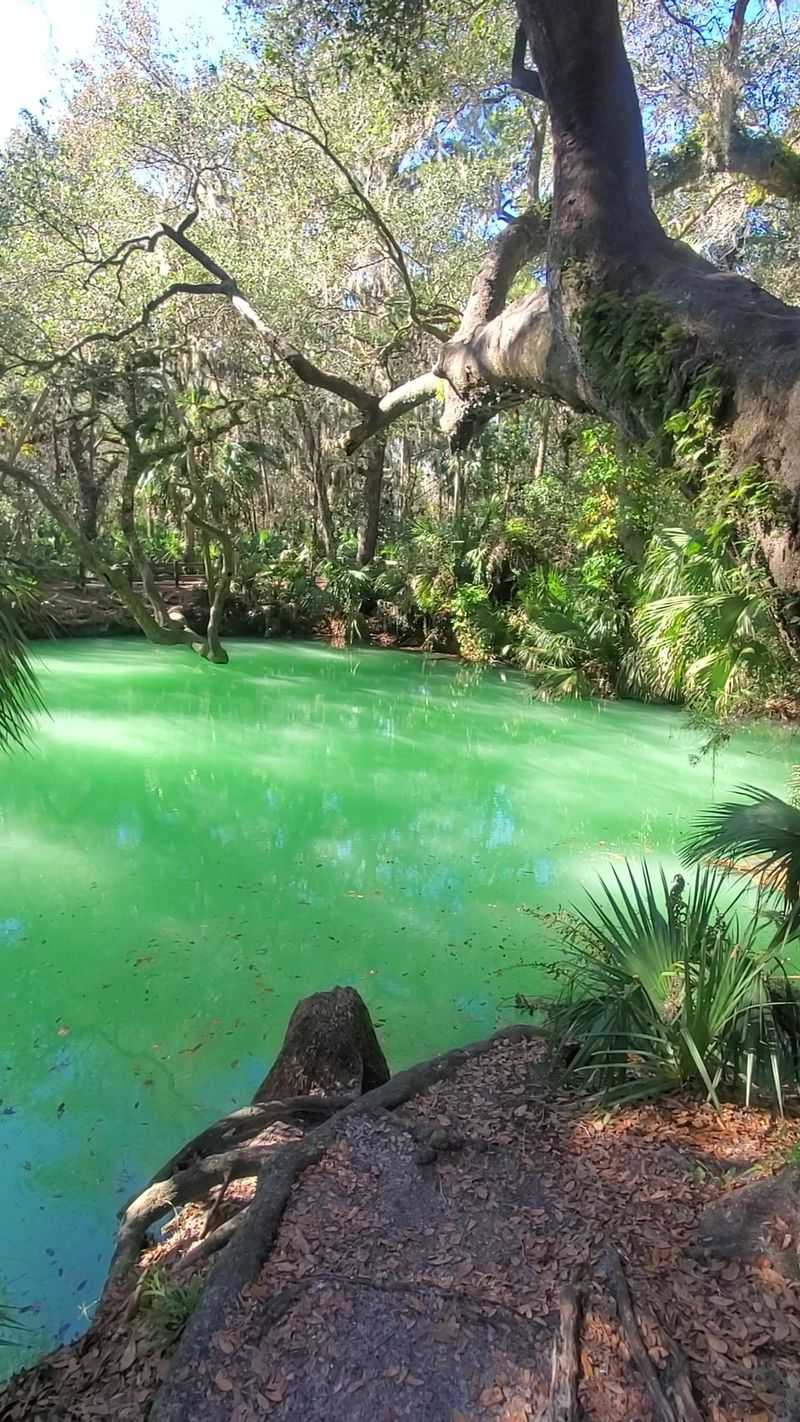
This free Volusia County park flies under the radar for most Orlando visitors, which means you’ll often have the beautiful spring-fed swimming hole mostly to yourself. Green Springs flows into the St. Johns River, creating a scenic waterway perfect for swimming, snorkeling, or paddling.
The spring basin isn’t as large as some of the more famous spots, but the water is just as clear and refreshing. A rope swing adds an element of fun for kids and adventurous adults. Picnic tables and grills scattered throughout the park make it easy to spend several hours here without spending a dime beyond gas money.
Canoe and kayak launches provide access to the spring run and the St. Johns River beyond. Paddling upstream into the spring run offers a peaceful journey through overhanging vegetation where turtles sun on logs and fish dart through crystal-clear water. Downstream, the river opens up into wider waterways where you might encounter manatees during cooler months.
The park maintains a small network of nature trails if you want to stretch your legs between swims. Wildlife is abundant, from the usual Florida suspects like egrets and herons to less common sightings of limpkins and river otters. Facilities are basic but adequate, with restrooms and a small parking area.
The lack of crowds and commercial development gives Green Springs an authentic Old Florida feel that’s increasingly hard to find.
10. Mead Botanical Garden (Winter Park)
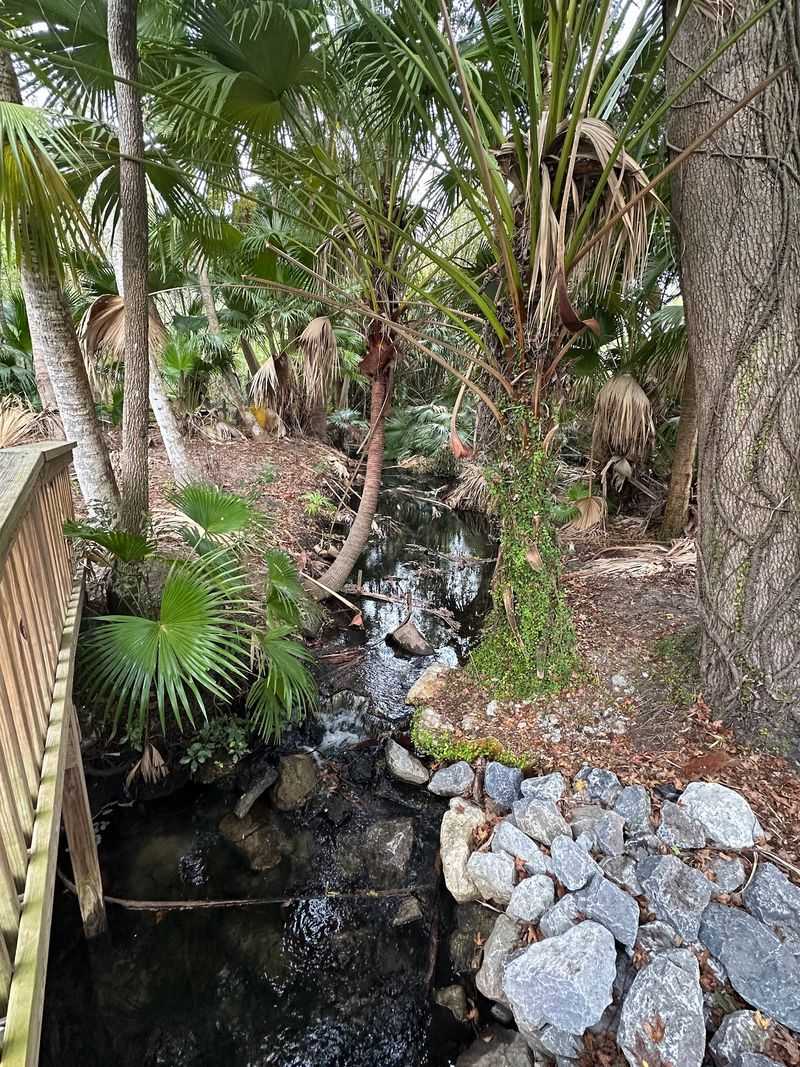
Right in the heart of Winter Park sits this free 48-acre garden that most tourists drive past without ever knowing it exists. Boardwalks wind through swamp forest where massive cypress trees create a canopy overhead and bromeliads cling to branches like natural ornaments.
The garden showcases native Florida plants in their natural habitats, offering a living textbook of the state’s botanical diversity. Interpretive signs help identify trees, shrubs, and wildflowers, while benches invite you to sit and absorb the peaceful atmosphere. A small amphitheater hosts occasional events and programs, many of them free to attend.
Unlike manicured botanical gardens with exotic imports, Mead emphasizes preservation of natural Florida ecosystems. You’ll walk through environments that once covered much of Central Florida before development changed the landscape. The property includes wetlands, hammocks, and upland areas, each supporting different plant and animal communities.
Butterflies are abundant during warmer months, attracted by native flowering plants selected specifically to support pollinators. Birds flit through the understory, and you might spot a barred owl roosting in the dense canopy. The garden connects to the Dinky Dock Park trail system, extending your walking options if you want more mileage.
Parking is plentiful and the location makes this an easy add-on to other Winter Park activities. There’s no admission fee, no time limit, and no pressure to buy anything. Just pure nature in the middle of a sophisticated city.