It Makes Me Angry That These 11 Old Florida Places Don’t Get the Love They Deserve
Florida is more than theme parks, crowded beaches, and giant hotels. Tucked away on back roads are tiny towns, clear springs, and fishing villages that still feel like the state did long ago. Too many people drive right past them without a second look, and honestly, that drives me nuts.
Here are the spots that deserve way more attention, plus tips for making the most of a visit.
1. Micanopy: The Town Time Forgot on Purpose
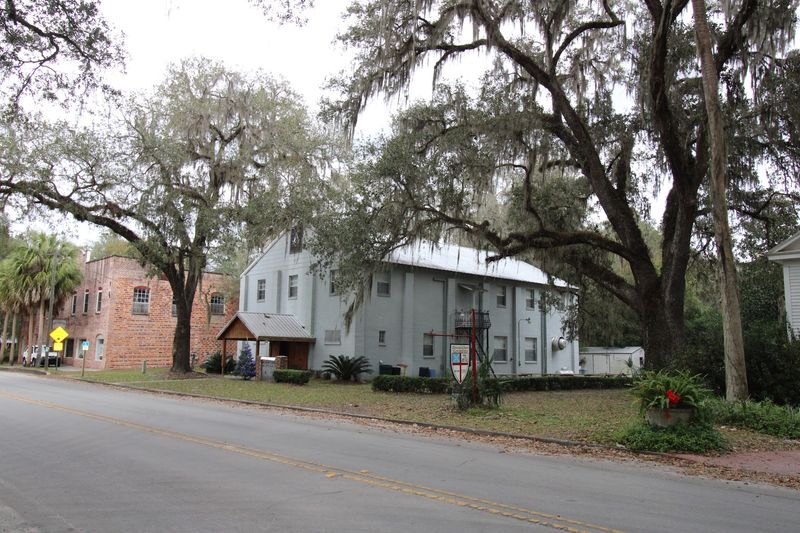
Picture a main street where the loudest sound is a screen door slamming shut. Micanopy sits just south of Gainesville, and it feels like somebody pressed pause on the whole town decades ago. Giant live oaks hang over the road, dripping with Spanish moss like curtains.
Locals like to say it is one of the oldest inland towns in Florida, and you can feel that history everywhere. The old brick buildings now hold antique shops, used bookstores, and little cafes. You could easily spend a whole afternoon digging through dusty shelves for treasures you did not know you needed.
Here is my insider tip. Park once and walk everything, because the downtown is tiny and best enjoyed slowly. Peek down the side streets too, where older homes and a quiet historic cemetery add even more character.
Movie fans might recognize the town, since it has shown up on the big screen as a stand-in for a sleepy small town. It plays the part perfectly because it does not need much makeup.
Pair your visit with nearby Paynes Prairie Preserve State Park, where you might spot wild horses, bison, or alligators. That combo makes for a full day of Old Florida charm. Just remember that some shops keep short hours, so weekends are your safest bet for finding doors open.
2. Cedar Key: Sunsets, Clams, and Zero Rush
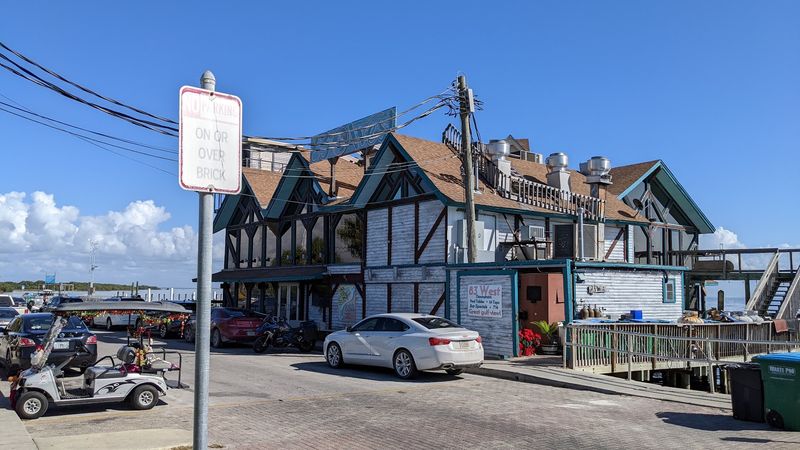
No stoplights. No high-rise condos. No chain hotels blocking the view.
Cedar Key is a cluster of small islands on the Gulf Coast, and it proudly refuses to hurry for anyone.
The town grew up around fishing, timber, and even pencil-making, thanks to the cedar trees that once covered the area. Today, it is famous for farm-raised clams, so ordering a bowl of clam chowder here feels almost required. Many restaurants sit right over the water, which means pelicans may watch you eat.
Golf carts are a popular way to zip around, and renting one is half the fun. Cruise past colorful old buildings, quirky shops, and quiet docks. Then grab a kayak and paddle out toward nearby islands in the Cedar Keys National Wildlife Refuge, where birds outnumber people by a mile.
Sunset is the main event every single night. Folks gather along the waterfront to watch the sky turn pink and gold, and nobody seems to be in a rush to leave afterward.
A quick heads-up: the drive in is long and winding through marshes and pine forests, so fill up your gas tank before you go. Also, bring bug spray. The sand gnats here take their job very seriously, especially in the early evening hours.
3. De Leon Springs: Pancakes You Cook Yourself
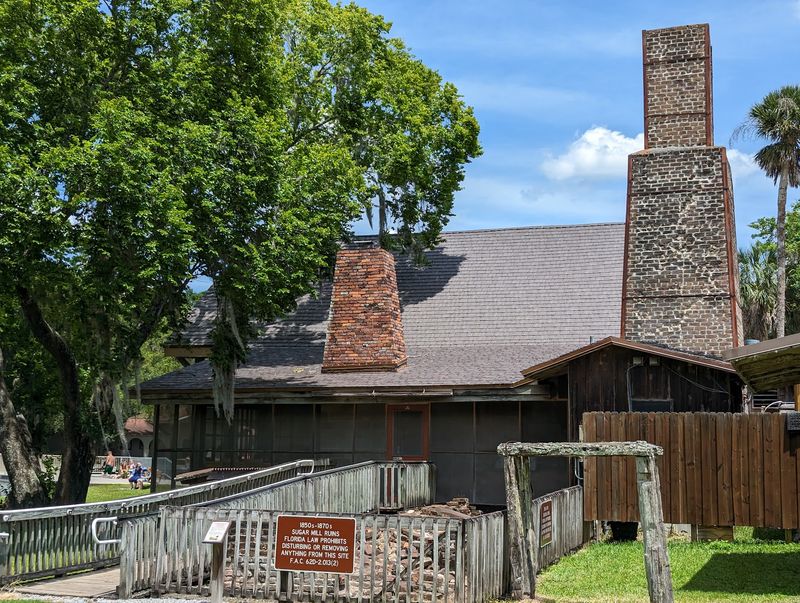
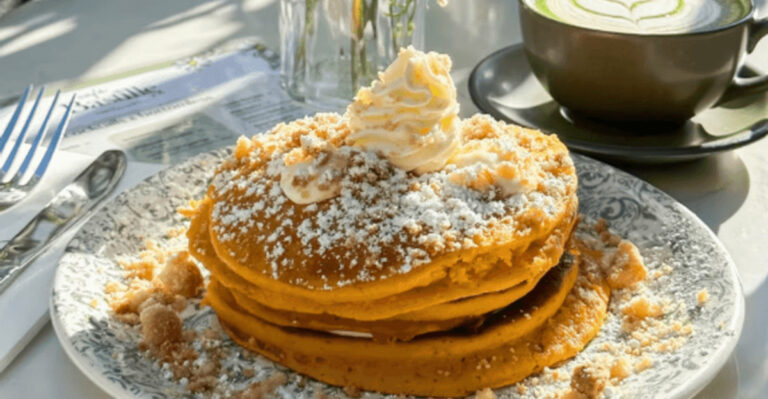
Breakfast at a state park where you flip your own pancakes at the table? Yes, that is a real thing, and it is wonderful. At De Leon Springs State Park, the Old Spanish Sugar Mill restaurant puts a hot griddle right in the middle of your table.
You get pitchers of batter and add-ins like blueberries, bananas, or chocolate chips. Then you cook to your heart’s content. Kids think it is the coolest thing ever, and honestly, so do grown-ups.
Lines can get long on weekends, so arriving early is a smart move.
After you are stuffed, walk it off. The spring itself is a big, clear swimming area that stays cool all year long. It is perfect for floating around on a hot Florida day.
There are also hiking trails through shady forest, including a path that leads to an enormous old cypress tree locals call Old Methuselah. Standing next to it makes you feel tiny in the best way.
Want more adventure? Rent a canoe or kayak and paddle out into the nearby wildlife areas. Turtles, wading birds, and the occasional gator are common sights.
Bring a towel, a change of clothes, and plenty of appetite. You will want all three before the day is done.
4. Wakulla Springs: Hollywood History in the Swamp
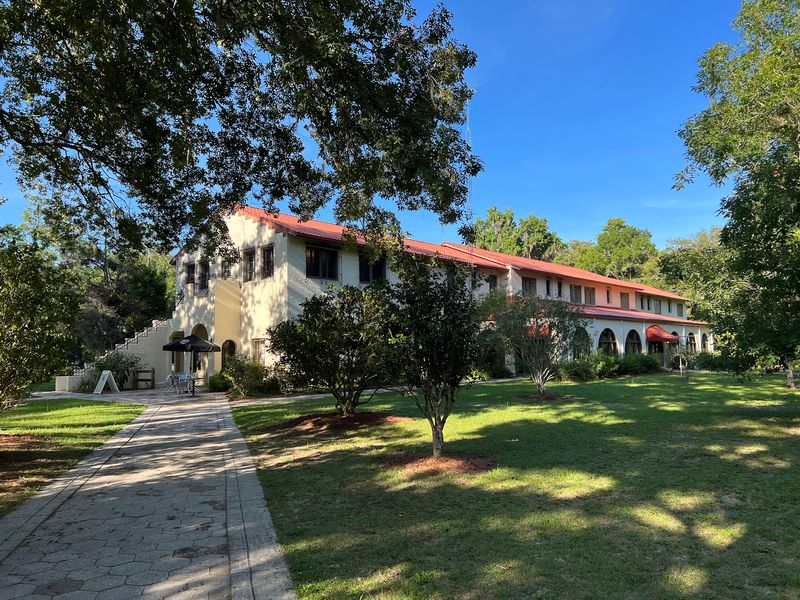
Old movie buffs, listen up. Edward Ball Wakulla Springs State Park, south of Tallahassee, served as a filming spot for classic Tarzan movies and Creature from the Black Lagoon. Once you see the wild, jungle-like river, you will understand why Hollywood loved it.
The spring is one of the largest and deepest in the world, and the water can look shockingly blue on a clear day. Riverboat tours glide past cypress trees, where you can often spot manatees, alligators, turtles, and birds like anhingas drying their wings. Guides share fun stories along the way, so keep your ears open.
Then there is the lodge. Built back in the 1930s, it is full of old-school charm, with painted ceilings, marble floors, and a long soda fountain counter. You can even stay overnight, which feels like checking into a time capsule.
During warm months, swimming is a huge draw. There is a platform for jumping into the cool water, and brave kids line up again and again for one more leap.
My advice is simple: take the boat tour first, then swim, then grab a treat at the lodge. That order lets you see the most wildlife before the crowds and heat build up. It is a full Old Florida experience in one spot.
5. Silver Springs: The Original Florida Attraction
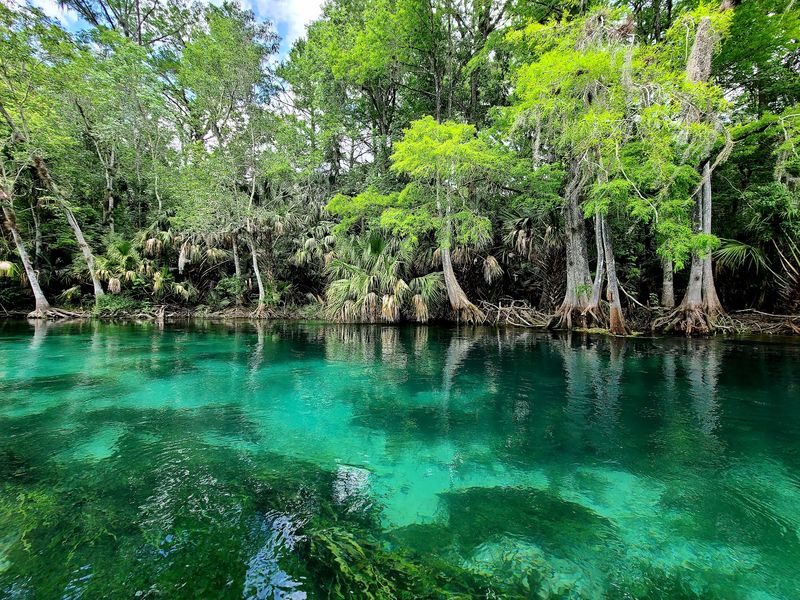
Long before the mouse moved into Orlando, families were already lining up at Silver Springs. This spot near Ocala is often called one of Florida’s very first tourist attractions, and its claim to fame is still floating on the water: glass-bottom boats.
Riding one is like looking through a window into another world. The water is so clear you can see fish, eelgrass, and the openings where spring water bubbles up from deep underground. Guides point out cool details and tell stories about the park’s long history.
Keep your eyes peeled along the banks too. Silver Springs is known for its wild rhesus monkeys, a quirky leftover from decades past. Spotting them is never guaranteed, which makes it extra exciting when you do.
Prefer to paddle? Kayaks and canoes let you explore the Silver River at your own speed. Early mornings are calm and quiet, and wildlife tends to be more active then.
You might glide right past turtles sunning on logs.
Swimming is not allowed in the main spring, so plan accordingly. Instead, pack a picnic and enjoy the shady grounds. History lovers should also check out the old exhibits and signs that show what this place looked like in its glory days.
It is a fun peek at vintage Florida tourism.
6. Weeki Wachee: Yes, the Mermaids Are Real
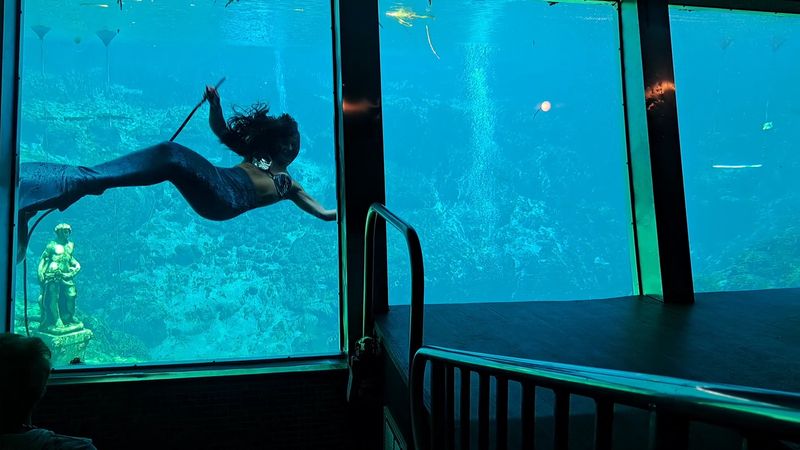
Mermaids. Real, live, smiling mermaids swimming in a crystal-clear spring. If that does not make you grin, check your pulse.
Weeki Wachee Springs State Park has been putting on mermaid shows since the 1940s. Performers in shimmering tails dance, twirl, and even sip from soda bottles underwater while the audience watches through a giant glass window. They breathe through air hoses hidden in the scenery, which is a lot harder than they make it look.
The underwater theater feels wonderfully retro, like stepping into an old postcard. Grab a seat early, because shows can fill up fast, especially on weekends and holidays.
Once you have had your fill of fins, there is plenty more to do. A river boat cruise floats down the Weeki Wachee River, where manatees sometimes visit during cooler months. In summer, the park’s water area is a great place to splash around.
Paddling the river is another favorite. The water is so clear it looks almost fake, and the current gently carries you along. Many people rent kayaks from outfitters nearby and float downstream.
Fun fact: the spring is so deep that its bottom has never been fully reached, according to park lore. That mystery only adds to the magic of this totally one-of-a-kind Florida gem.
7. Homosassa Springs: Face to Face With Manatees
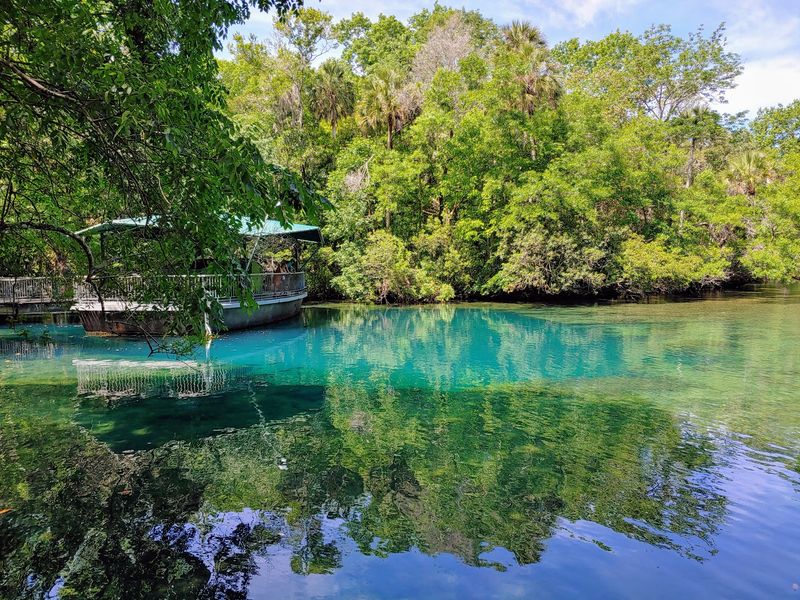
Ever looked a manatee in the eye? At Ellie Schiller Homosassa Springs Wildlife State Park, you can, and without getting wet. The park has a floating underwater observatory where you walk down and watch manatees and fish swim right past the windows.
It feels a bit like being inside an aquarium, except the water is a natural spring. Thousands of fish drift by in big silver clouds. In cooler months, more manatees show up, so winter is a fantastic time to visit.
This park focuses on native Florida wildlife, and many animals here cannot survive in the wild. You can see black bears, Florida panthers, red wolves, river otters, and tons of birds. Daily talks explain each animal’s story, and kids soak up the info like sponges.
Oh, and there is a hippo. His name is Lu, and he became a beloved local celebrity over the years. His story is one of the park’s funniest pieces of history, so ask about it.
A handy tip: start your visit with the boat ride from the visitor center. It drops you at the main part of the park and gives you a scenic cruise along the way. Then take your time on the boardwalks, which are flat and easy for strollers and little legs.
8. Cortez: Where Fishing Is Still a Family Business
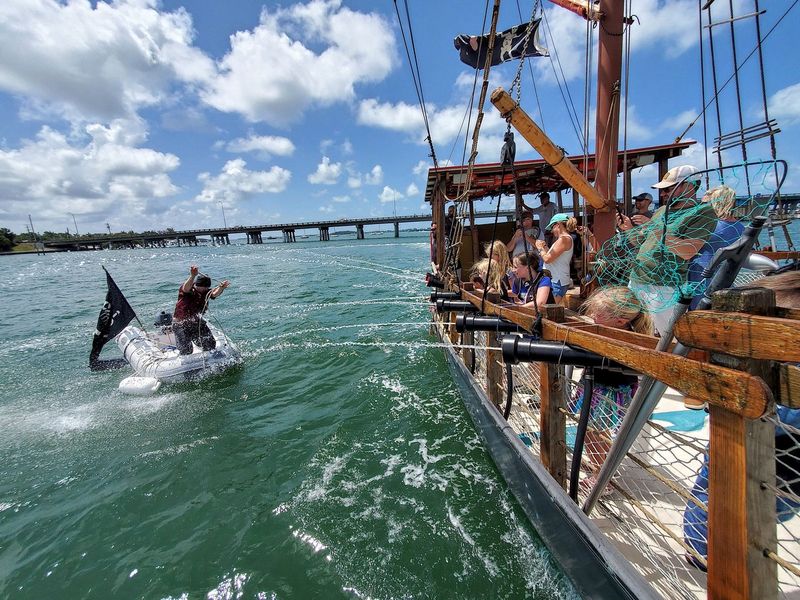
Just a short drive from the beaches of Anna Maria Island, Cortez quietly keeps doing what it has done for generations. Fish. Families here have worked these waters for a very long time, and the village is one of the last working fishing communities on Florida’s Gulf Coast.
You can smell the salt air and see it in the details. Weathered fish houses sit on pilings over the water. Boats come and go, nets pile up on docks, and pelicans hang around hoping for a snack.
Hungry? This is the place to eat seafood that was likely swimming very recently. Casual waterfront spots serve grouper sandwiches, mullet, and shrimp without any fancy fuss.
Sit outside, watch the boats, and enjoy the show.
Do not skip the Florida Maritime Museum, housed in an old schoolhouse. It tells the story of local fishing families, boatbuilding, and how hard life on the water could be. It is small but packed with neat stuff.
If you visit in February, keep an eye out for the Cortez Commercial Fishing Festival, a fun local celebration with music, food, and boats. Just remember that Cortez is a real working village, not a theme park. Be respectful of docks, boats, and private property, and you will fit right in with the locals.
9. Apalachicola: Oysters, Brick, and Big History
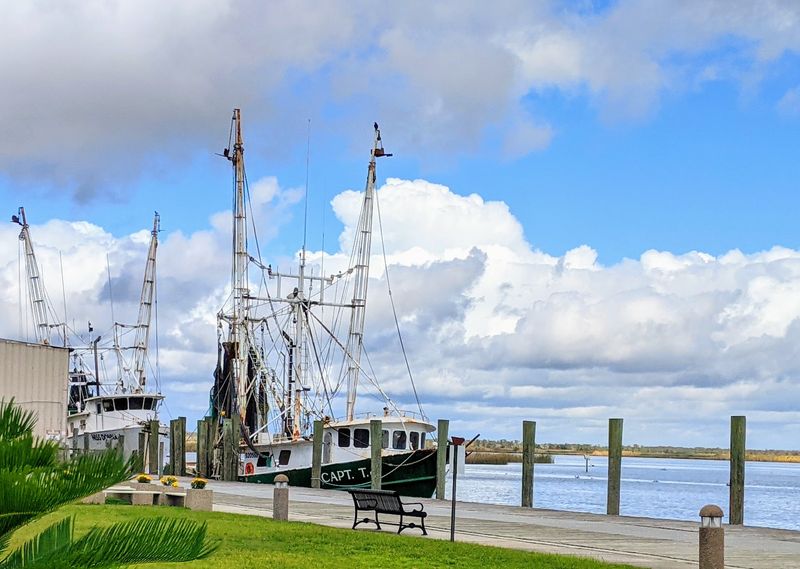
Walking through Apalachicola feels like flipping through a storybook about Old Florida. This Panhandle town was once a busy cotton port in the 1800s, and many brick buildings from that era still line the streets. Now they house bookstores, galleries, boutiques, and restaurants.
The town is famous for its oyster history. For generations, Apalachicola Bay produced some of the most loved oysters in the country. Local menus still celebrate seafood, so come hungry and try whatever the kitchen recommends that day.
Science fans, here is a cool one. A local doctor named John Gorrie worked on early ideas for ice-making and air conditioning right here while trying to help fever patients. There is a small museum honoring him, and every Floridian should thank him on hot August days.
The best way to see the historic district is on foot. Grab a walking map and wander past old churches, grand homes with wide porches, and the riverfront where shrimp boats dock.
Got extra time? Head to nearby St. George Island for beaches that feel wide open and peaceful. It makes a great pairing with town exploring.
Apalachicola moves at its own easy rhythm, so slow down, chat with shop owners, and let the afternoon stretch out.
10. Barberville Pioneer Settlement: Hands-On Old Florida
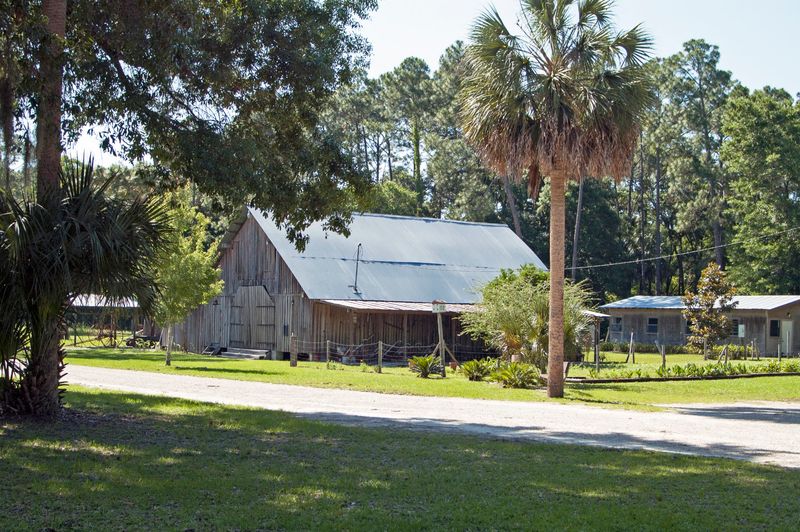
Smell that? It is wood smoke from a blacksmith’s forge, and it is your first clue that Barberville is not your average museum. The Pioneer Settlement for the Creative Arts, in western Volusia County, brings Florida’s frontier days back to life.
Instead of just reading signs, you get to see how people actually lived and worked. Historic buildings have been gathered on the grounds, including an old train depot, a general store, a church, and log structures. Volunteers often demonstrate skills like blacksmithing, weaving, pottery, and broom-making.
Kids especially love it because it feels real. They can see how much work went into everyday chores, from making tools to cooking without a microwave. It is a sneaky way to learn history without anyone yawning.
Timing matters here. Check the settlement’s schedule before you go, because special events and festivals bring out more demonstrators, music, and crafts. The fall country jamboree is a local favorite with live music and old-time activities.
Wear comfy shoes, since the grounds involve plenty of walking on dirt paths. Bring water on warm days too. Afterward, De Leon Springs is just a short drive away, making it easy to build a fun day trip.
Pioneer crafts in the morning, pancakes and a swim after? That is a winning plan.
11. Smallwood Store: The Edge of the Everglades
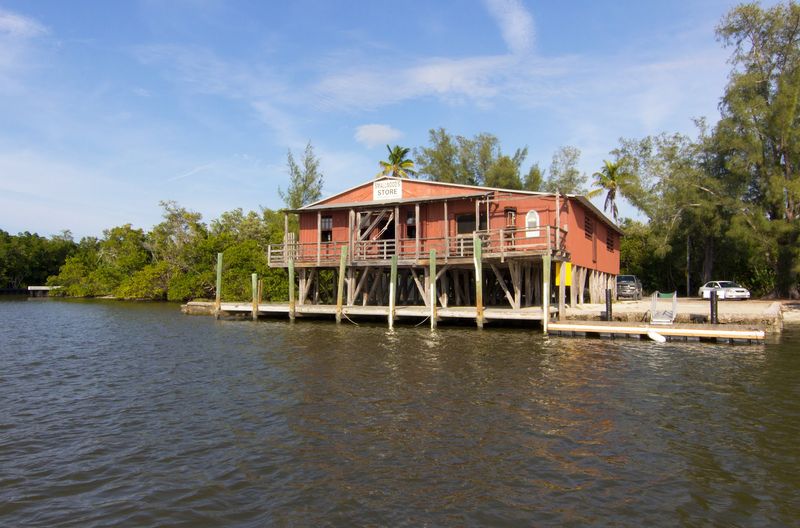
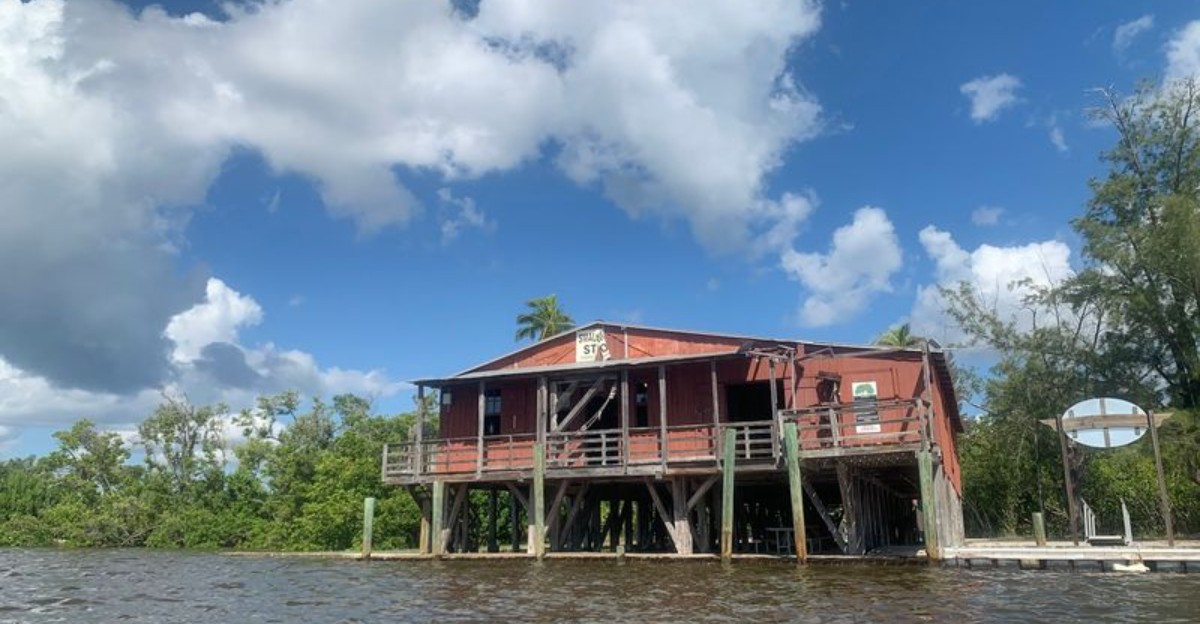
At the very end of the road in Chokoloskee, past mangroves and wide-open water, stands a white wooden building on stilts. That is the Smallwood Store, and it has watched over this corner of the Everglades for more than a century.
Back in the early 1900s, Ted Smallwood ran it as a trading post. Local settlers, fishermen, and Seminole families came by boat to trade goods like furs, hides, and produce. It also served as a post office, making it the heart of this remote community.
Today, it is a museum, and stepping inside feels like opening a time capsule. Shelves still hold old cans, bottles, tools, and supplies. Faded photos and documents tell stories of tough people who carved out a life in a wild place.
There is also some drama in its history. A famous and violent showdown with a local planter named Ed Watson happened nearby in 1910. That tale inspired books and still sparks plenty of chatter.
Plan to combine your stop with Everglades City, just up the road. Airboat rides, kayak trips in the Ten Thousand Islands, and fresh stone crab during the season are all close by. Bring cash for small purchases, wear bug spray, and slow down.
Out here, the Everglades sets the pace.