You Can Feed Alligators and Hold One at This Little-Known Tampa Wildlife Sanctuary
On Bowles Road in Tampa sits a reptile sanctuary where you can toss food to gators and even hold a baby one. Croc Encounters gives rescued reptiles a safe home, and visitors get a front-row seat to their stories. The guided tour is packed with surprises, from chatty parrots to snoozing giants.
Here is what to expect before you go.
1. A Sanctuary With a Mission
Most wildlife stops feel like a show. This one feels more like a rescue story you get to walk through. Croc Encounters is a not-for-profit sanctuary that takes in reptiles that were abandoned, seized, surrendered, or labeled nuisance animals.
Many of the residents had nowhere else to go. Some were unwanted pets that grew too big, and others were gators removed from places where people and wildlife bumped heads. Here, they get steady meals, space, and caretakers who know them by name.
Money matters too. Visitors have noted that the place runs on ticket sales, with no big outside funding. That means your admission goes straight toward feeding, housing, and caring for the animals.
The team also focuses on education, and it shows. Guides explain why these animals matter to Florida’s ecosystems, and why wild ones deserve space. Reviewers often say they came for a fun outing and left with a new respect for scaly neighbors.
If you like your attractions with a purpose, this one delivers. You spend a couple of hours having fun while supporting a cause that quietly does good work in Tampa.
2. Feeding Time at the Gator Pool
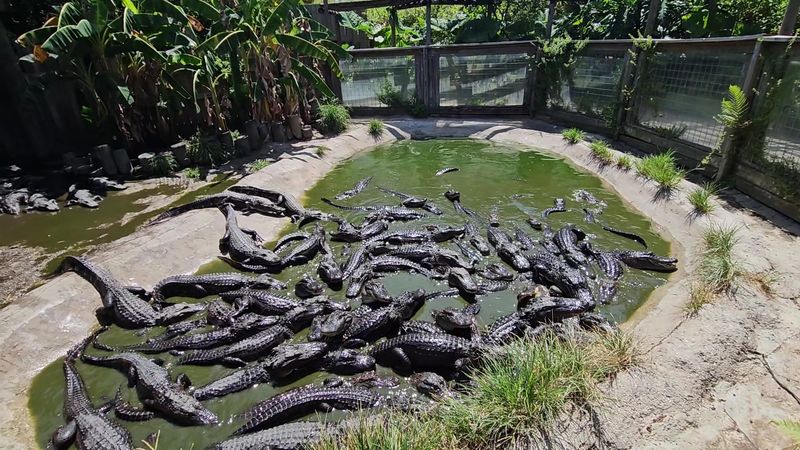
Picture a big pool packed with gators, all waiting for a snack. Reviewers say feeding time is a highlight, and it is easy to see why. Watching those powerful jaws snap up food from a safe distance gets everyone talking.
The boardwalk has stops where guests can help feed the reptiles under guide direction. Your guide will explain what the animals eat, how often they eat, and why they can go a long time between big meals. You will pick up facts you will want to repeat at dinner.
One guest counted more than a hundred gators on the property, in every size you can imagine. Some giants live in their own enclosures with their own backstories, while smaller ones share the big pool.
Keep a firm grip on phones and sunglasses near the rail. Gators are quick when food is involved, and the splashes can surprise you.
Follow the guide’s instructions and you will be fine. It is a thrilling moment that feels wild but stays well organized.
3. Holding a Baby Gator
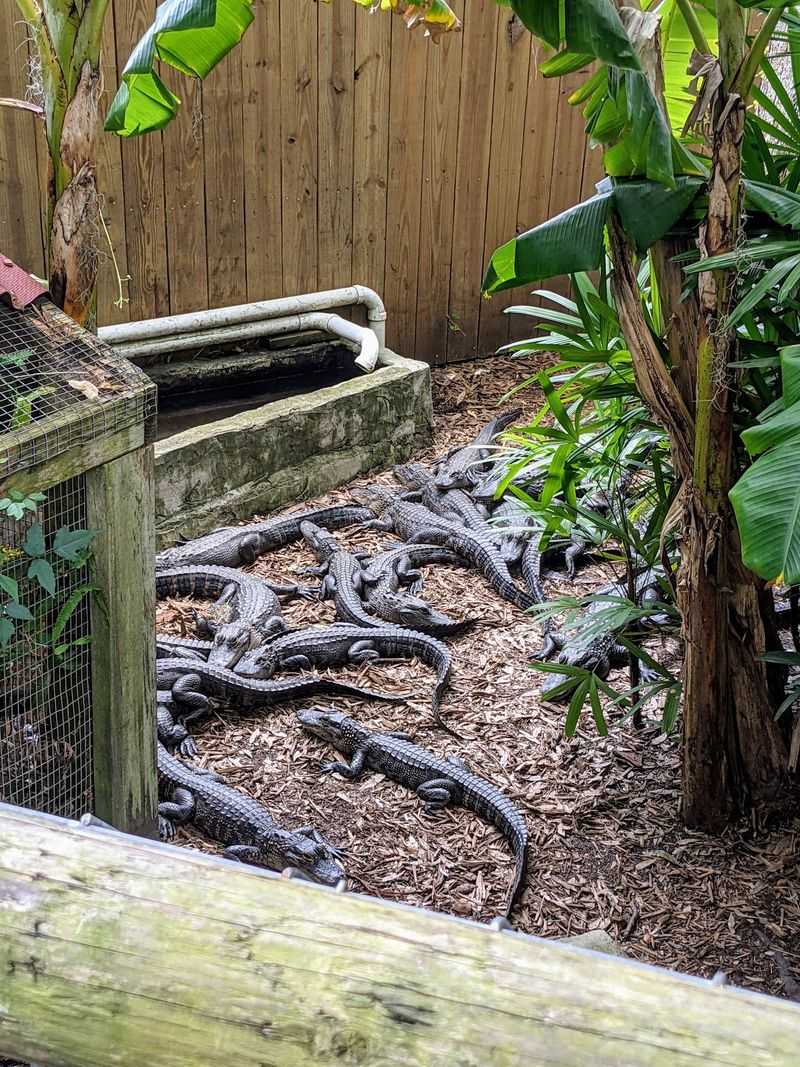
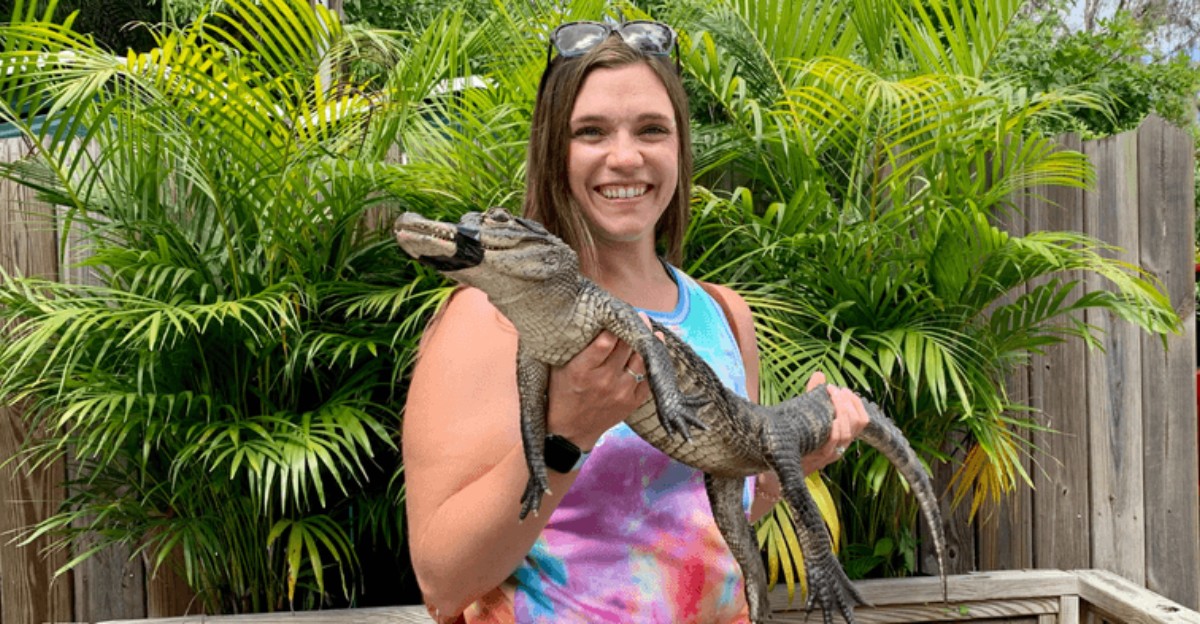
Smiley is small enough to sit in your hands, and that is the whole charm. One parent shared that their daughter, not even three years old, got to hold a baby alligator named Smiley with a grown-up nearby. Moments like that stick in a family’s memory.
Guides handle the introductions. They show you how to support the little gator, where to place your hands, and how to keep calm. The animal feels surprisingly light, and its skin is bumpy and cool.
Visitors also mention holding baby crocodiles during the tour. Each encounter comes with a short lesson, like how to tell a gator from a croc by the shape of the snout.
Nervous about it? Watching first is completely fine. Many guests warm up after seeing others go, and guides never rush anyone.
Bring your camera and let a friend take the photos. Your hands will be busy, and you will want proof that you held a real alligator in Tampa.
4. Snakes You Can Actually Meet
Snake fans, this stop is for you. One visitor described a huge grin in her photo because she loves snakes, and the tour has a handful to see plus one to hold. That mix keeps both fans and skeptics happy.
The guide sets the tone here. You will hear about how snakes move, what they eat, and why so many myths about them are wrong. Suddenly the scary noodle looks a lot more interesting.
Holding a snake feels different than you might guess. The body is strong and smooth, and it moves slowly across your arms like a warm, living rope. Guides stay close and explain each step.
Reviewers say even nervous guests ended up trying it. A little toddler did it too, with a parent by her side.
You are free to skip it, of course. Standing back and asking questions is welcome, and the guides seem happy to answer every one.
5. Tortoise Pen and Lettuce Snacks
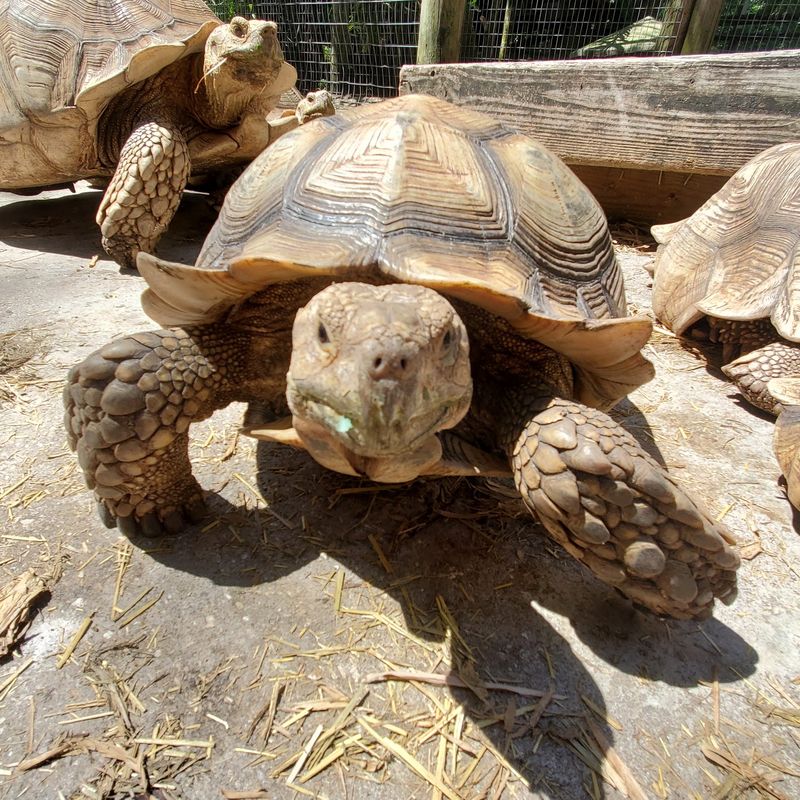
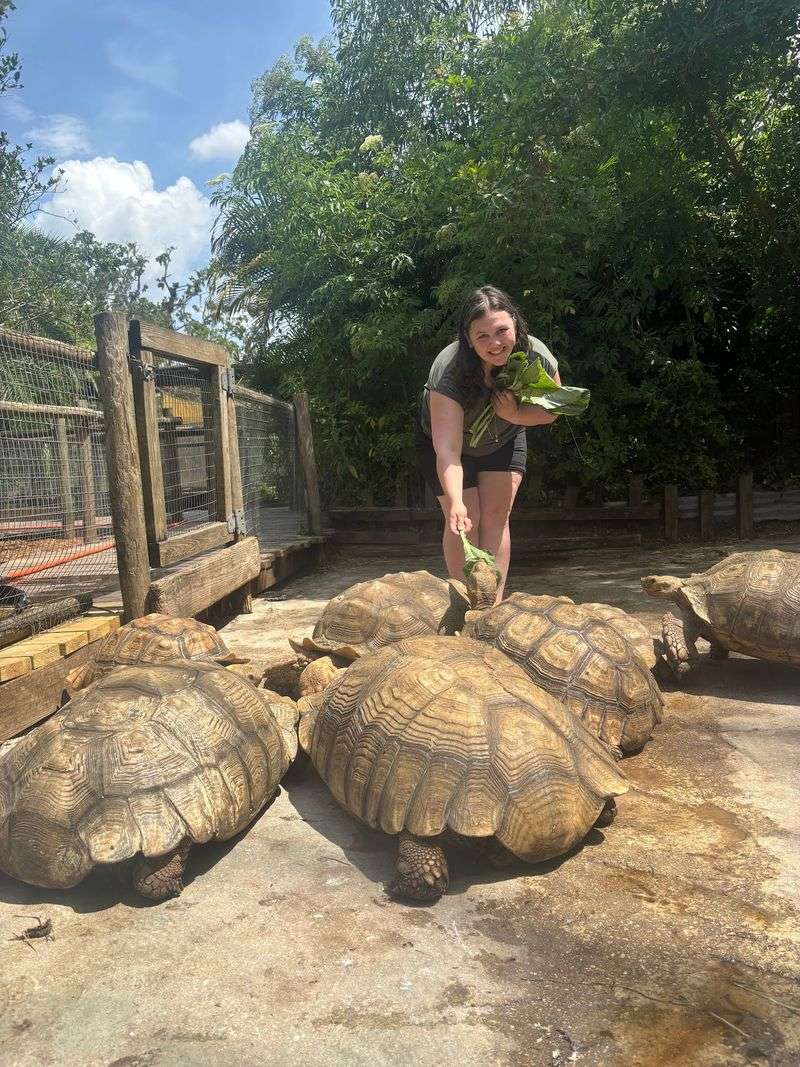
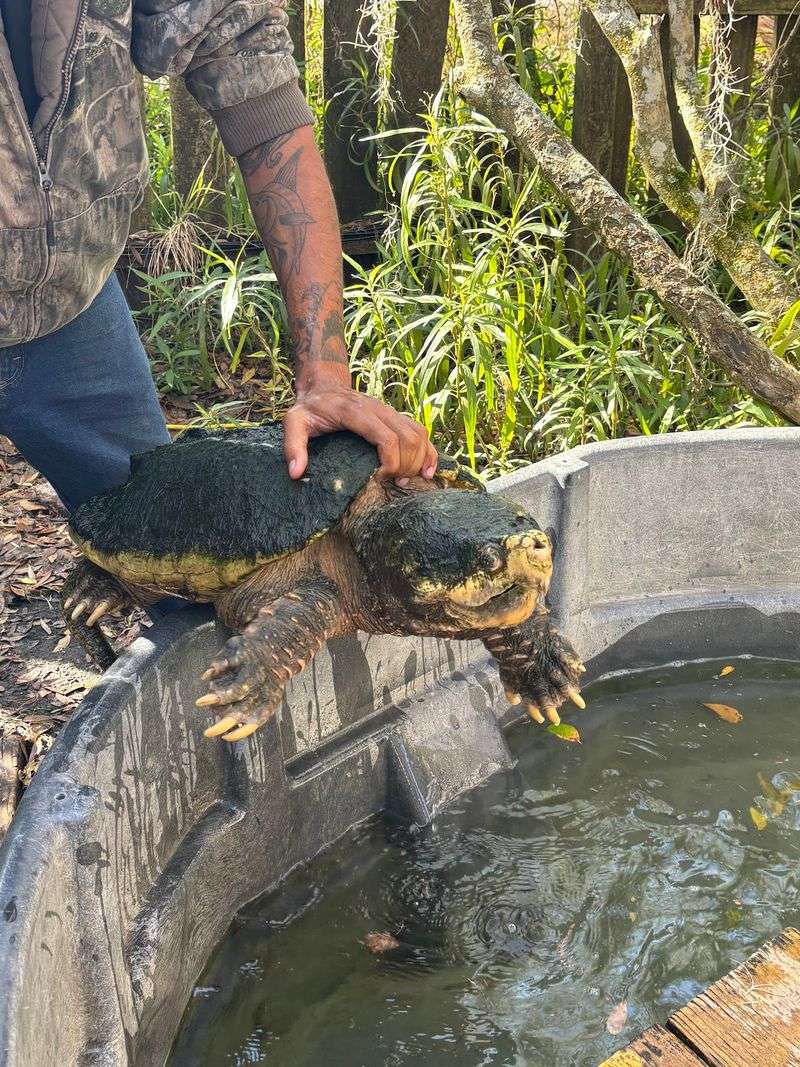
Slow food is the best food, at least for the tortoises. Guests step into a pen, hand over lettuce, and watch these gentle giants munch as fast as they can, which is not very fast. It is oddly calming after the gator excitement.
Petting is part of the fun. Shells feel hard and bumpy, while necks and legs look wrinkled like old leather. Guides remind everyone to be kind and steady with their touch.
Kids love this stop because it has zero pressure. There is no jumping back from splashes, only crunching sounds and curious faces.
One reviewer called the lettuce feeding loads of fun, and a friend said you can pet and feed the tortoises before leaving a small donation. Tortoises pop up in the popular topics of past visitors again and again.
Tip: tortoises are not shy about reaching, so hold leaves firmly. Wash your hands afterward, and take a moment to notice how each animal has its own personality.
6. Guides Who Know Every Name
Ask a question, any question. The guides here seem to have an answer ready, plus a story about the animal you are looking at. Visitors mention guides by name again and again, praising Gabby, Kayla, Kiana, TJ, and DJ.
That storytelling makes the difference. Many animals have names and personal histories, so you are not just spotting reptiles. You are meeting characters, from a mischievous parrot at the front door to giant gators with tales of their own.
Guides also adjust to the group. Reviewers say they were patient with toddlers, funny with teens, and thorough with curious adults. One guest said his hard-to-impress son called the guide the most interesting person he had ever met.
Tours run in small groups. On one Wednesday, a visitor counted about fourteen people across three groups, which meant plenty of time for questions.
If you enjoy the tour, consider tipping your guide. Several guests did, and they said it felt well earned.
7. Crocs, Turtles, and Other Surprises
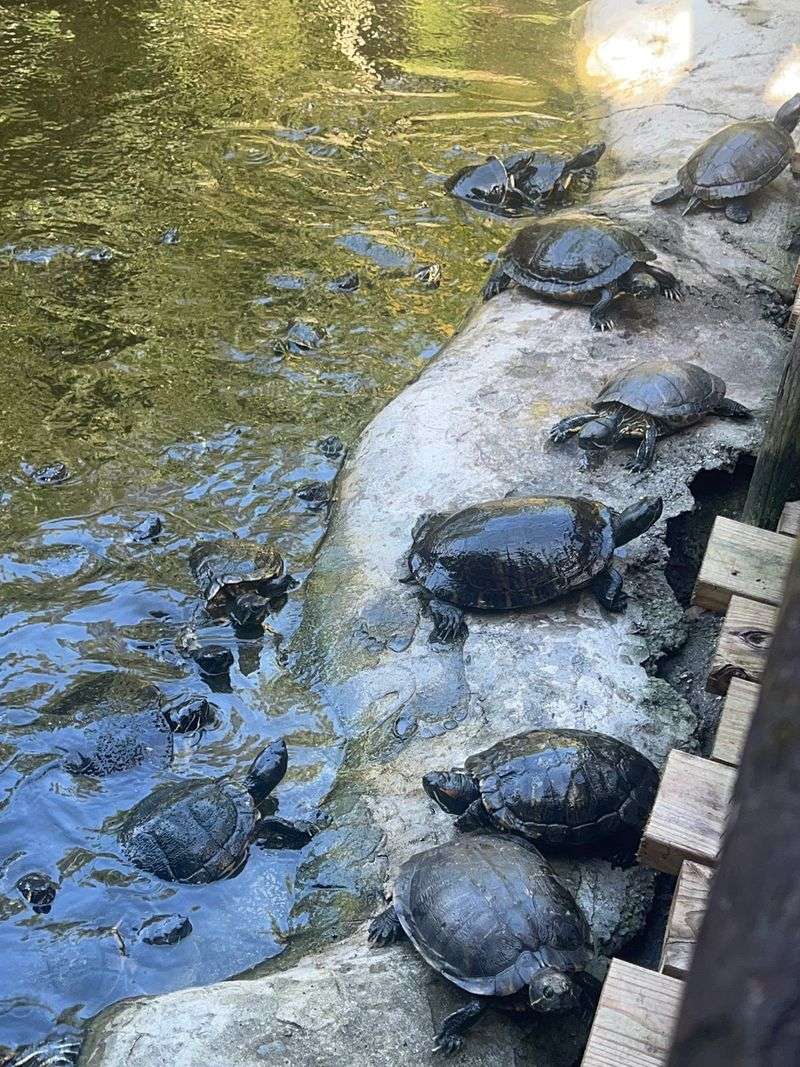
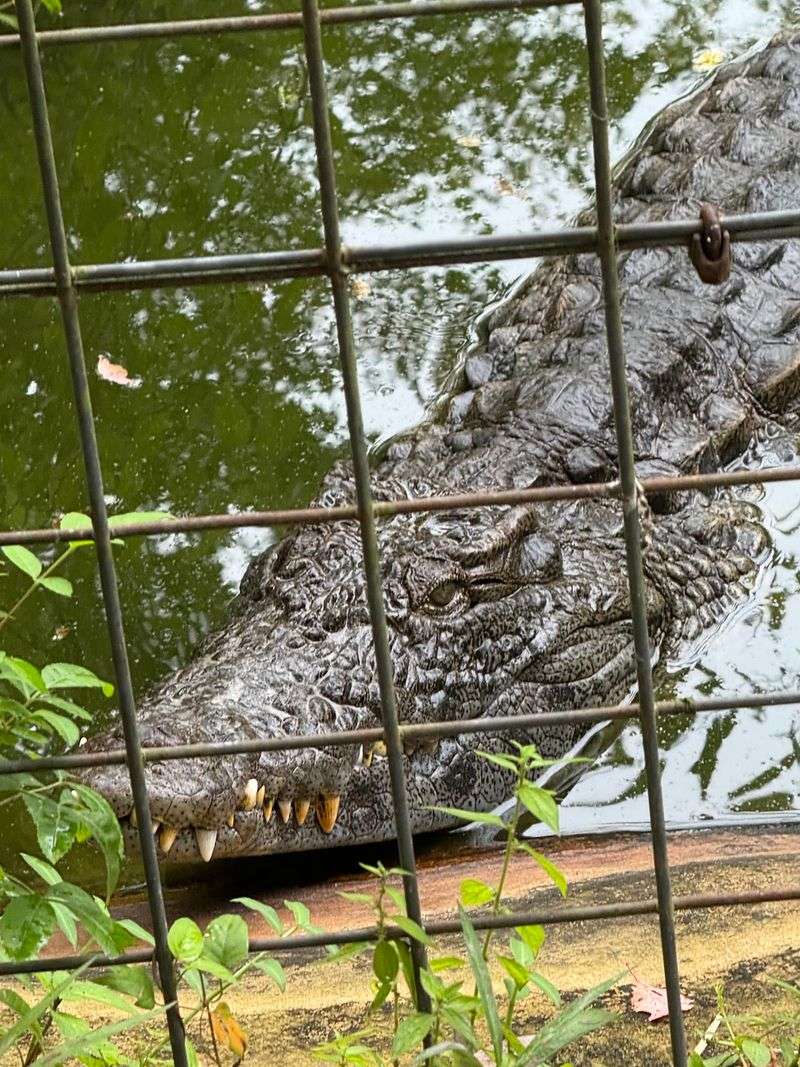
Gators may be the headline act, but the supporting cast steals plenty of scenes. Real crocodiles, turtles, lizards, and monitors share the property, and each has its own habitat. Seeing them side by side helps you spot the differences fast.
Crocodiles look leaner, with a pointier snout and a toothy grin that shows even when the mouth is shut. Gators have wider, rounder faces. Your guide will point out these clues so you can play detective.
Turtles add a splash of color and calm to the route. Some bask in the sun while others paddle around, and guides share fun facts about how long they can live.
Then there is the parrot near the entrance. He was rescued too, and his vocabulary may not be family friendly, so take it with a laugh.
Give yourself time to linger at each stop. The variety here is bigger than most first-timers expect, and reviewers often say they saw more animals than planned.
8. Planning Your Visit
A little prep goes a long way here. The address is 8703 Bowles Rd in Tampa, and the sanctuary is open daily from 8 AM to 8 PM. Tickets are sold online only, and reviewers say buying more at once brings the price down.
The whole experience is outdoors. One guest visited on a 95-degree day and suggested bringing lots of fluids and cooling towels for little ones. Add sunscreen, a hat, and bug repellent, since Tampa mosquitoes never take a day off.
Timing matters too. Tours run at set times, such as 2:00 and 4:30, so arrive a bit early. One family stuck in traffic called ahead and was moved to a later tour, which shows how helpful the team can be.
Birthday parties and private tours are also available. A parent who booked a party praised the sand playground and said email was the easiest way to reach the team.
Call 813-217-4400 with questions, or check the website. Wear closed-toe shoes and get ready for a very memorable Tampa afternoon.