Step Back in Time at These 11 Historic Forts Across Florida
Florida’s coastline has witnessed centuries of battles, strategic standoffs, and territorial disputes that shaped American history. Scattered across the state, from the Atlantic shores to the Gulf Coast and down to the Keys, historic forts stand as monuments to these dramatic chapters. Whether you’re a history buff, a curious traveler, or a family looking for an educational adventure, these remarkable fortifications offer a fascinating glimpse into the past while providing stunning views and engaging experiences.
1. Castillo de San Marcos National Monument – St. Augustine
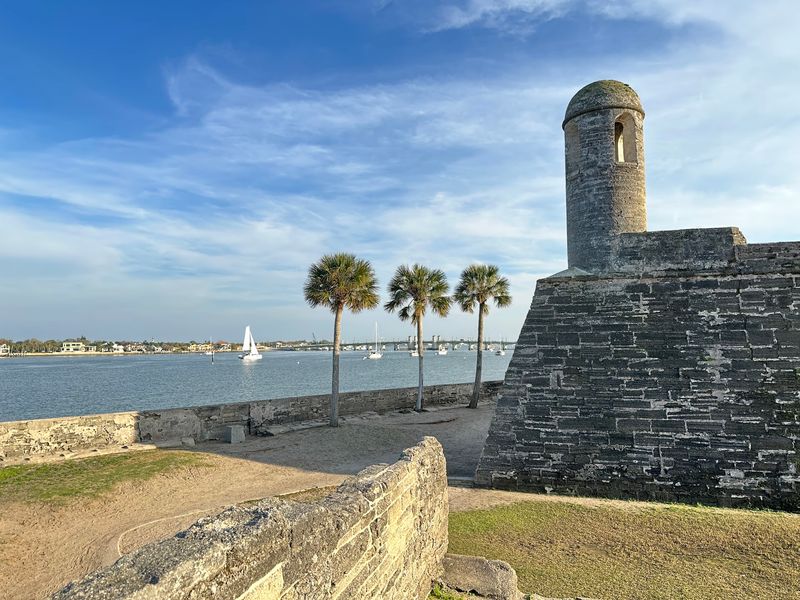
Standing guard over St. Augustine’s harbor since 1695, this massive stone fortress represents the oldest masonry fort in the continental United States. Built by the Spanish using coquina, a unique shell-stone found locally, the fort’s walls have withstood centuries of cannon fire, hurricanes, and sieges without crumbling. The material’s porous nature actually absorbed cannonball impacts rather than shattering, making it remarkably effective for defense.
Walking through the massive wooden gates feels like stepping into another era entirely. The courtyard opens up to reveal thick walls, dark gunpowder storage rooms, and a chapel where Spanish soldiers once prayed before battle. Climbing to the gun deck rewards you with sweeping views of Matanzas Bay and the city’s historic district spreading out below.
Rangers in period costume demonstrate cannon firings on weekends, and the thunderous boom echoes across the water just as it did centuries ago. Kids love exploring the dark corners and imagining life as a Spanish soldier stationed far from home. The fort changed hands multiple times between Spanish, British, and American forces, each leaving their mark on the structure.
Plan to spend at least two hours here to fully appreciate the exhibits and explore every corner. The surrounding grounds offer shaded areas perfect for picnicking while watching sailboats glide past. Evening visits provide especially beautiful lighting for photography as the sun sets over the ancient walls.
2. Fort Matanzas National Monument – St. Augustine
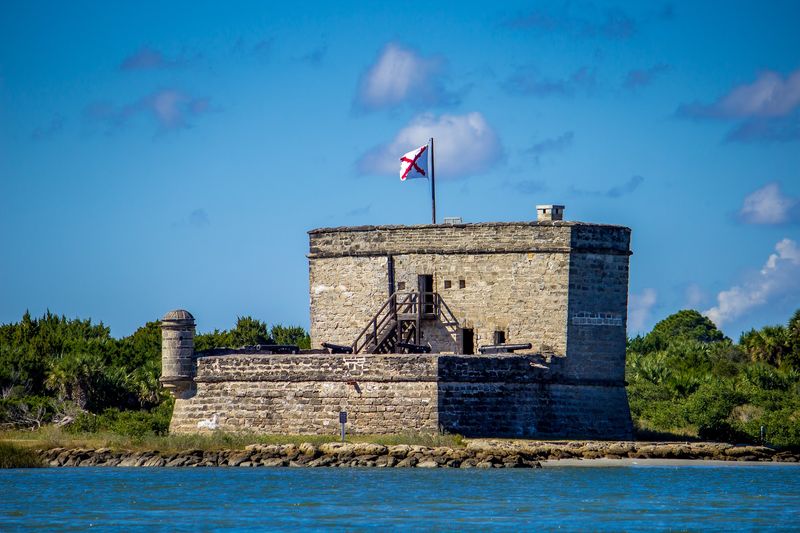
Perched on Rattlesnake Island fourteen miles south of St. Augustine, this compact Spanish watchtower tells a darker story than its larger cousin. The name “Matanzas” translates to “slaughters,” commemorating a 1565 massacre of French sailors by Spanish forces. Built in 1742, the fort served as an early warning system to protect St. Augustine’s vulnerable southern approach from enemy ships.
Getting there is half the adventure since the National Park Service operates a free ferry to the island. The short boat ride across the Matanzas River offers excellent opportunities for spotting dolphins, manatees, and various seabirds. Once on the island, a boardwalk trail leads through coastal hammock vegetation to the fort itself.
The two-story stone structure may be small, but it packs considerable historical punch. Only five soldiers typically manned this isolated outpost, living in cramped quarters while scanning the horizon for threats. Imagine spending months here with minimal supplies, surrounded by water, mosquitoes, and the constant tension of potential attack.
Rangers provide fascinating context about daily life at this remote station during guided tours. The observation deck offers panoramic views of the Intracoastal Waterway and Atlantic Ocean beyond. Unlike busier tourist sites, Fort Matanzas maintains a peaceful, contemplative atmosphere that lets you truly connect with the past without crowds.
3. Fort Clinch State Park – Fernandina Beach
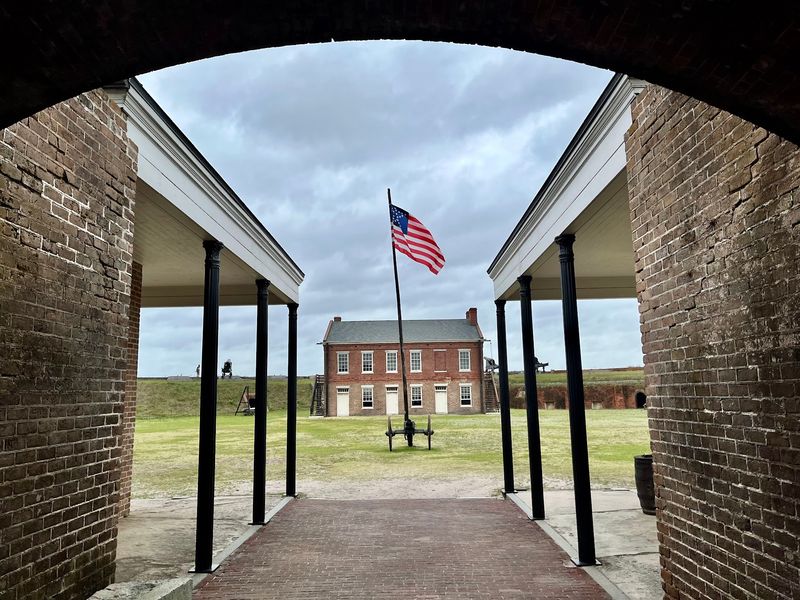
Amelia Island’s northernmost point hosts this remarkably intact Civil War-era fortification that never actually saw combat. Construction began in 1847 but wasn’t completed until Confederate forces occupied it briefly in 1862. Union troops then took control without firing a shot, using it as a base for the blockade of Southern ports throughout the war.
What makes Fort Clinch special is the incredible preservation and interpretation. The first weekend of each month, costumed reenactors portray Union soldiers going about their 1864 duties, cooking over open fires, drilling on the parade ground, and maintaining equipment. You can chat with them in character and learn about everything from military rations to medical practices of the era.
Beyond the historical structures, the surrounding state park offers pristine beaches, fishing piers, and nature trails through coastal maritime forest. The fort itself features restored officers’ quarters, barracks, and a fully equipped kitchen that looks ready for the next meal. Dark passageways and staircases lead to gun emplacements where massive cannons still point seaward.
Sunrise at the fort is absolutely magical, with golden light washing over brick walls and the Atlantic stretching endlessly beyond. The nearby fishing pier attracts anglers year-round, while beachcombers search for shells and shark teeth along the shore. Camping facilities within the park let you extend your historical immersion overnight under star-filled skies.
4. Fort Pickens – Pensacola Beach
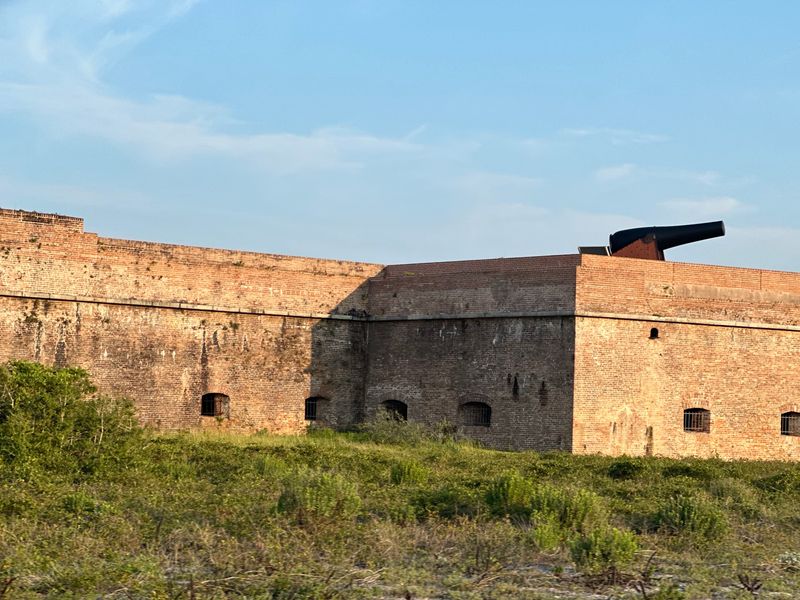
Guarding the entrance to Pensacola Bay, this pentagonal masonry giant played crucial roles in both the Civil War and Spanish-American War. Construction finished in 1834, making it one of the largest forts built to defend the Gulf Coast. Apache leader Geronimo was famously imprisoned here from 1886 to 1888, adding another layer to its complex history.
The fort’s massive scale becomes apparent as you approach its weathered brick walls rising from the sugar-white sand. Over 21 million bricks went into its construction, creating walls up to twelve feet thick in places. Walking through the cool, dark corridors provides welcome relief from Florida’s heat while transporting you back to an era of coastal defense strategy.
Hurricane damage from Ivan in 2004 and Sally in 2020 temporarily closed sections, but ongoing restoration continues to preserve this National Historic Landmark. The Battery Langdon area, added during World War II, shows how military technology evolved from cannons to modern artillery. Exploring both the original fort and later additions illustrates changing defense philosophies across different conflicts.
The surrounding Gulf Islands National Seashore offers spectacular beaches that rank among Florida’s finest. After touring the fort, cool off with a swim in crystal-clear emerald waters or search for shells along pristine shoreline. Sunset views from the fort’s ramparts paint the sky in brilliant oranges and purples reflected in the calm bay waters.
5. Fort Barrancas – Pensacola
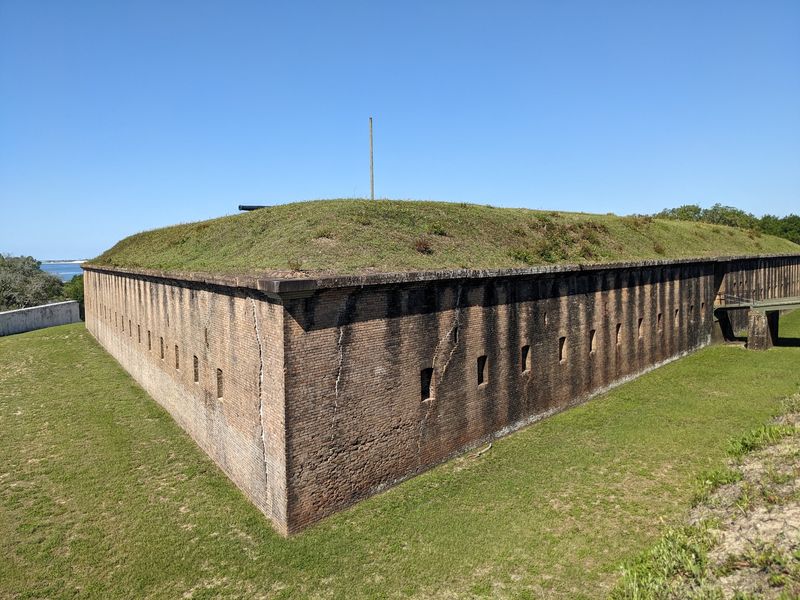
High on a bluff overlooking Pensacola Bay, Fort Barrancas represents layers of military history stacked literally one atop another. The current brick fortress, completed in 1844, sits on the ruins of earlier Spanish and British forts dating back to the 1690s. This strategic location has been fortified continuously longer than almost any other spot in North America.
The approach through a deep, dry moat surrounded by earthwork defenses immediately sets a dramatic tone. Crossing the drawbridge, you enter a world of vaulted casemates, spiral staircases, and gun rooms designed for coastal artillery. The Advanced Redoubt, a separate defensive structure connected by a tunnel, showcases innovative military engineering of the pre-Civil War period.
Archaeological investigations have uncovered artifacts from Spanish, British, Confederate, and Union occupations, each adding chapters to this site’s story. The National Park Service maintains excellent interpretive displays explaining how defensive strategies evolved as weapons technology advanced. You can still see modifications made during the Civil War when Confederate forces briefly held the position.
Because Fort Barrancas sits on Naval Air Station Pensacola, you’ll need to pass through base security with valid identification. The extra effort proves worthwhile for those seeking a less crowded historical experience. The adjacent Barrancas National Cemetery contains graves of soldiers from every American conflict since the Civil War, adding solemn context to your visit.
6. Fort Zachary Taylor Historic State Park – Key West
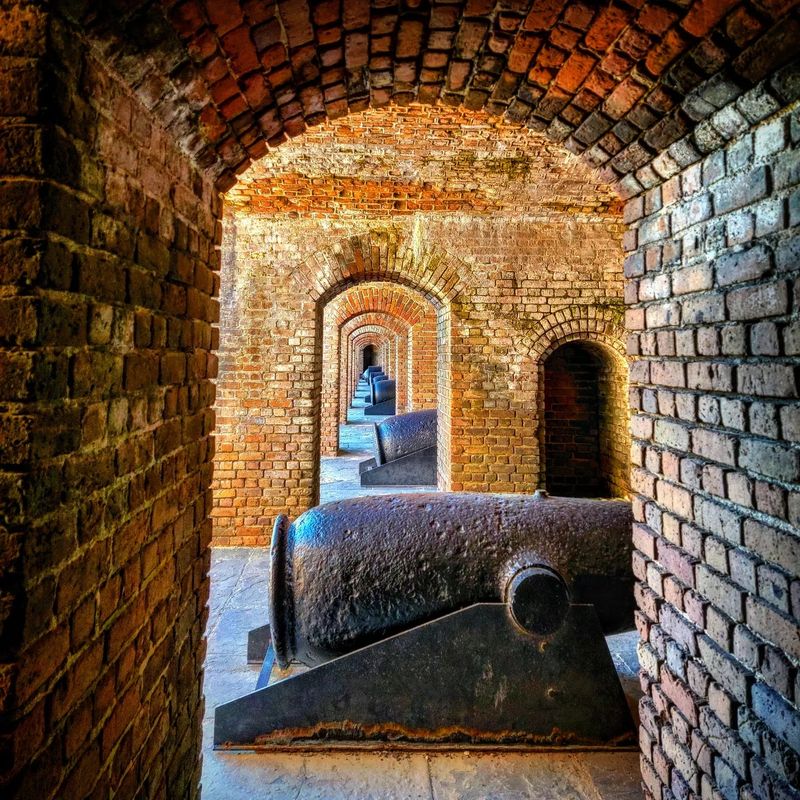
At the southernmost point of the continental United States, this mid-1800s fortress guarded Key West’s deep-water harbor during some of America’s most turbulent times. Federal forces held Fort Zachary Taylor throughout the Civil War, making it a crucial Union stronghold that helped maintain the blockade of Confederate ports. The fort’s strategic position controlled shipping lanes through the Florida Straits.
What sets this fort apart is the incredible collection of Civil War cannons discovered during 1960s excavations. Sand had buried much of the fort’s lower level, perfectly preserving the largest collection of Civil War artillery in the United States. These massive guns, some weighing several tons, remain on display where soldiers once loaded and fired them.
The state park surrounding the fort offers one of Key West’s best-kept secrets: a gorgeous beach with some of the clearest water in the Keys. After exploring historical exhibits and climbing to observation points with views across to Cuba on clear days, you can snorkel among tropical fish or relax under sea grape trees. The rocky beach creates excellent habitat for marine life.
Rangers lead guided tours that bring the fort’s history alive with stories of soldiers stationed far from home in tropical heat. The fort saw action again during the Spanish-American War when new batteries were added. Today’s peaceful setting makes it hard to imagine the thunder of cannon fire that once echoed from these walls.
7. Fort De Soto Park – St. Petersburg
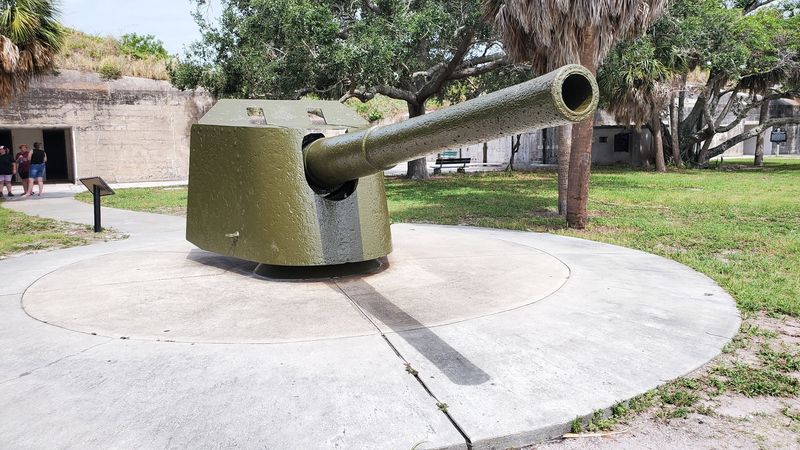
Spread across five interconnected islands at the mouth of Tampa Bay, Fort De Soto combines military history with some of the Tampa Bay area’s most beautiful natural scenery. The fort itself, built during the Spanish-American War in 1898, never fired a shot in anger but represents an important chapter in coastal defense evolution. Four massive twelve-inch seacoast mortars remain in their original positions.
Unlike older masonry forts, Fort De Soto used reinforced concrete and earthworks to withstand modern explosive shells. The low-profile design blended into the landscape, making it harder for enemy ships to target. Walking among the gun batteries and ammunition storage rooms shows how military architecture adapted to new technologies and threats.
The surrounding 1,136-acre park has become a beloved recreation destination offering pristine beaches consistently ranked among America’s best. Two fishing piers, a dog beach, kayak trails through mangrove forests, and miles of paved bike paths provide endless outdoor activities. Families often combine fort exploration with a full day of beach fun and wildlife watching.
Birders flock here during migration seasons when hundreds of species pass through these coastal islands. The historic fort area includes shaded picnic pavilions and interpretive signs explaining both military and natural history. Camping facilities let you wake up to sunrise over Tampa Bay, then spend your day alternating between historical discovery and beachside relaxation in one spectacular setting.
8. Dry Tortugas National Park – Key West
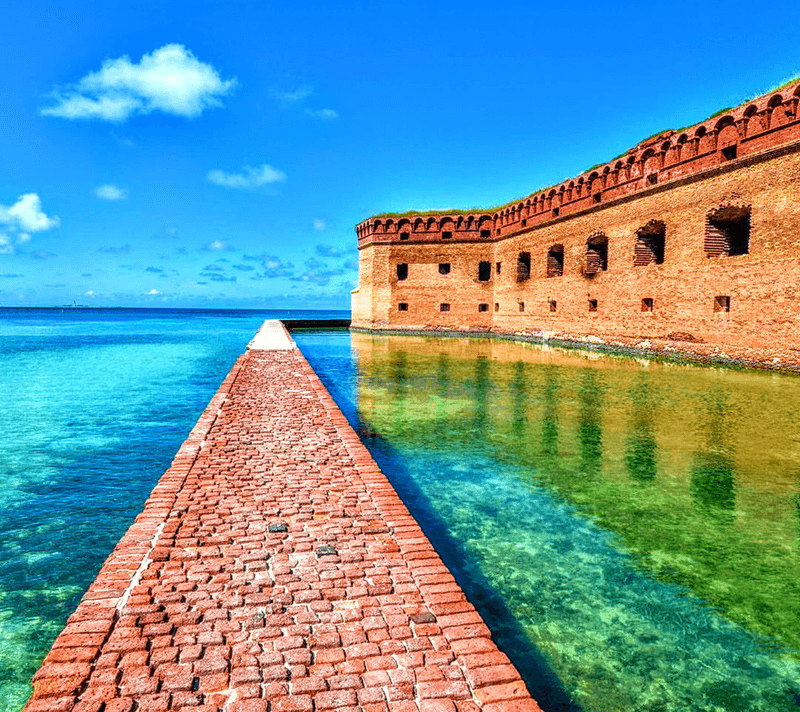
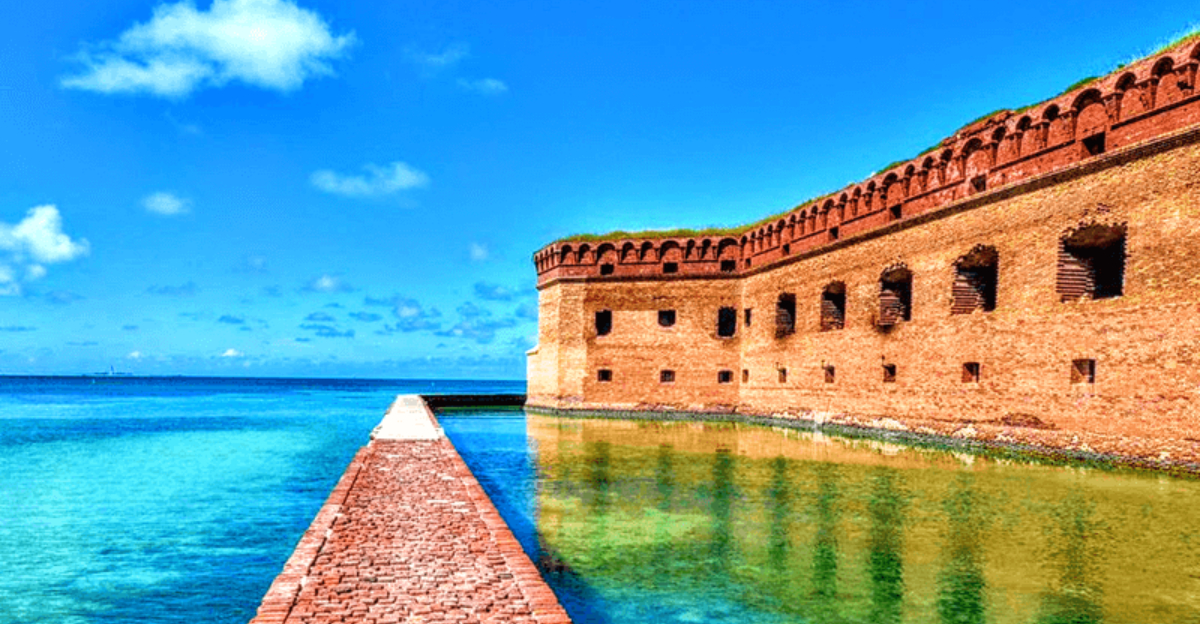
Seventy miles west of Key West, accessible only by boat or seaplane, sits one of America’s most remarkable and remote fortifications. Fort Jefferson’s massive hexagonal walls rise from a tiny island in the middle of the Gulf of Mexico, creating an almost surreal sight against endless blue water and sky. Construction began in 1846 and continued for thirty years, though the fort was never actually completed.
With over sixteen million bricks, Fort Jefferson ranks as the largest masonry structure in the Western Hemisphere. The fort was designed to control the strategic Dry Tortugas anchorage and protect Gulf Coast shipping lanes. However, advances in rifled cannons made its walls obsolete before construction finished, and it never saw combat action.
Instead, the fort served as a military prison during and after the Civil War. Dr. Samuel Mudd, convicted of conspiracy in Abraham Lincoln’s assassination for setting John Wilkes Booth’s broken leg, spent years imprisoned here. His cell and the harsh conditions prisoners endured add a sobering dimension to the fort’s story.
Today, the journey to reach Fort Jefferson is as memorable as the destination itself. The surrounding waters teem with marine life, making it a world-class snorkeling and diving location. Sea turtles nest on the beaches, and countless seabirds wheel overhead.
Camping on the island lets you experience the fort’s isolation under star-filled skies undimmed by light pollution, exactly as soldiers and prisoners once did.
9. Dade Battlefield Historic State Park – Bushnell
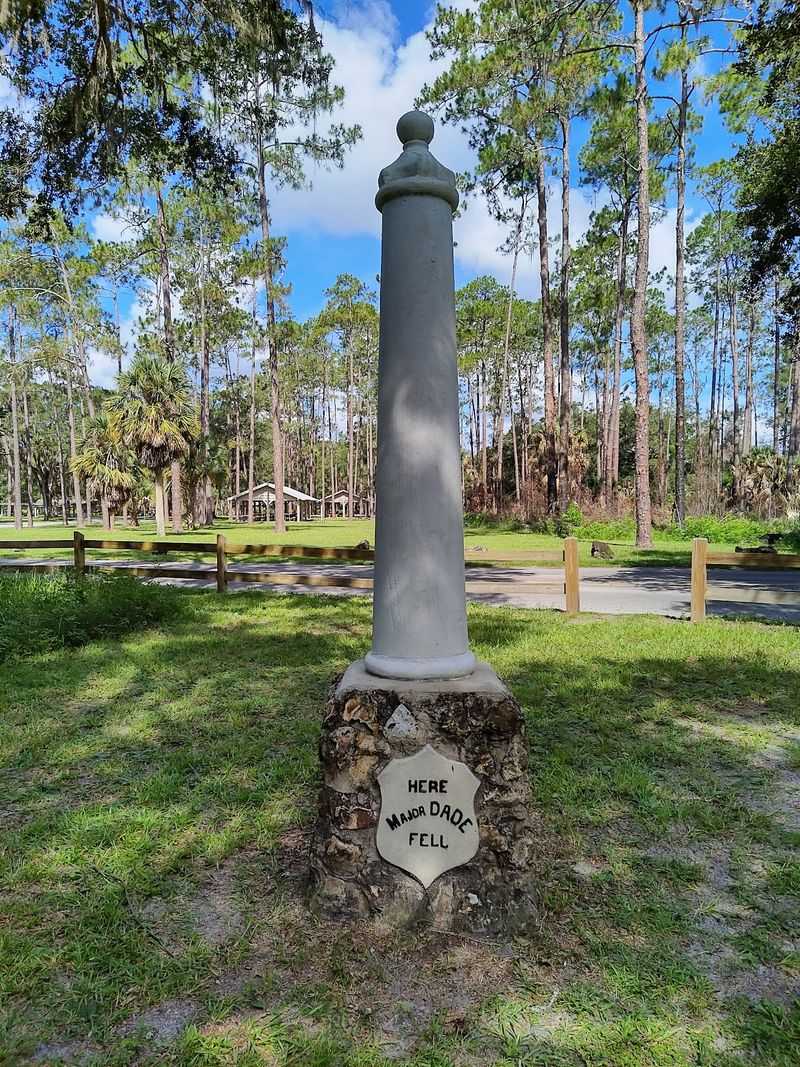
On December 28, 1835, a devastating ambush here sparked the Second Seminole War and changed Florida’s history forever. A force of 110 U.S. soldiers under Major Francis Dade marched from Fort Brooke in Tampa toward Fort King near Ocala, unaware that Seminole warriors tracked their every move. Only three soldiers survived the attack that morning, making it one of the worst military defeats in frontier history.
The battlefield park preserves the site where this dramatic event unfolded across pine flatwoods that look much as they did nearly two centuries ago. A half-mile interpretive trail follows the battle’s progression with markers explaining tactical positions and key moments. The somber monument to fallen soldiers stands near where they made their final, desperate stand against overwhelming odds.
Annual reenactments in late December bring the battle back to life with period-accurate uniforms, weapons, and tactics. Watching these events provides visceral understanding of how quickly the ambush developed and why the soldiers had little chance once surrounded. The crack of musket fire echoing through the pines sends chills down your spine.
Beyond the battlefield itself, the park offers nature trails through typical Central Florida ecosystems. Live oak hammocks, pine flatwoods, and seasonal wetlands support diverse wildlife including gopher tortoises, white-tailed deer, and numerous bird species. The peaceful setting today contrasts sharply with the violence that erupted here, reminding visitors how landscapes hold memories of human conflict long after the last shot fades.
10. Fort Foster State Historic Site – Thonotosassa
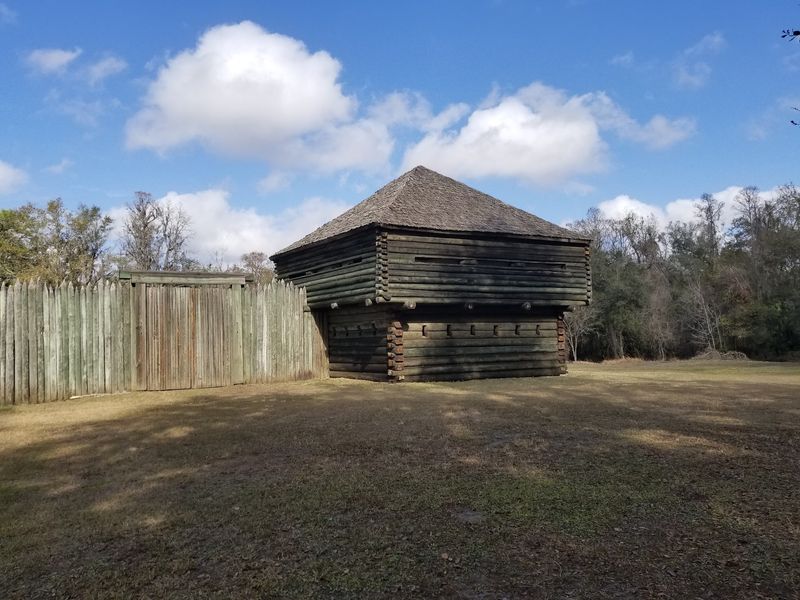
Tucked away in rural Hillsborough County, this reconstructed Second Seminole War outpost offers an intimate look at frontier military life during the 1830s. The original Fort Foster served as a supply depot and refuge for settlers during the conflict that followed the Dade Massacre. Unlike massive coastal fortifications, this simple wooden stockade represents the rough-and-ready defensive structures hastily built across Florida’s interior.
The reconstructed fort features authentic log construction methods and period-appropriate buildings that show how soldiers and civilians lived on the edge of settled territory. A blockhouse anchors one corner, providing elevated views across the surrounding landscape just as sentries once scanned for approaching danger. Inside the stockade, interpreters in period clothing demonstrate daily activities from cooking to weapon maintenance.
Special events throughout the year include living history demonstrations where you can try your hand at tasks like grinding corn, starting fires with flint and steel, or loading black powder muskets. These hands-on experiences make history tangible, especially for younger visitors who might find static exhibits less engaging. The site’s small scale actually enhances the experience, making it easier to imagine yourself in that era.
The surrounding six-acre park includes nature trails through oak hammocks and wetlands typical of the region. Interpretive signs explain both military history and natural features, connecting past and present. Because Fort Foster attracts fewer visitors than better-known sites, you often have the place largely to yourself, creating a more personal connection with this chapter of Florida’s frontier story.
11. San Marcos de Apalache Historic State Park – St. Marks
Where the Wakulla and St. Marks rivers merge before flowing into the Gulf of Mexico, European powers recognized a strategic location worth fighting over for three centuries. Spanish explorers first fortified this spot in 1679, and it changed hands among Spanish, British, and American forces multiple times before finally becoming part of the United States. The layers of history here run deeper than almost anywhere else in Florida.
Though little remains of the original fortifications above ground, archaeological excavations have revealed fascinating details about successive occupations. The museum displays artifacts from different periods, showing how military technology and daily life evolved from Spanish colonial times through the Civil War. Foundation remnants and interpretive markers help you visualize structures that once dominated this riverside location.
Confederate forces built an earthwork fort here during the Civil War, and you can still trace its outline across the grounds. Union naval forces captured it in 1865, ending its long military career. Walking these grounds where soldiers from different nations and different centuries stood guard creates a powerful sense of historical continuity.
The park’s natural beauty rivals its historical significance, with massive live oaks draped in Spanish moss shading picnic areas and trails. The rivers attract paddlers, anglers, and wildlife watchers year-round. Manatees sometimes swim upriver from the Gulf, while ospreys and bald eagles fish from overhanging branches.
This combination of deep history and natural splendor makes San Marcos de Apalache a hidden gem worth the trip to Florida’s Big Bend region.