This Charming Florida Town Is Known as the Sailfish Capital of the World, and It’s Worth Exploring
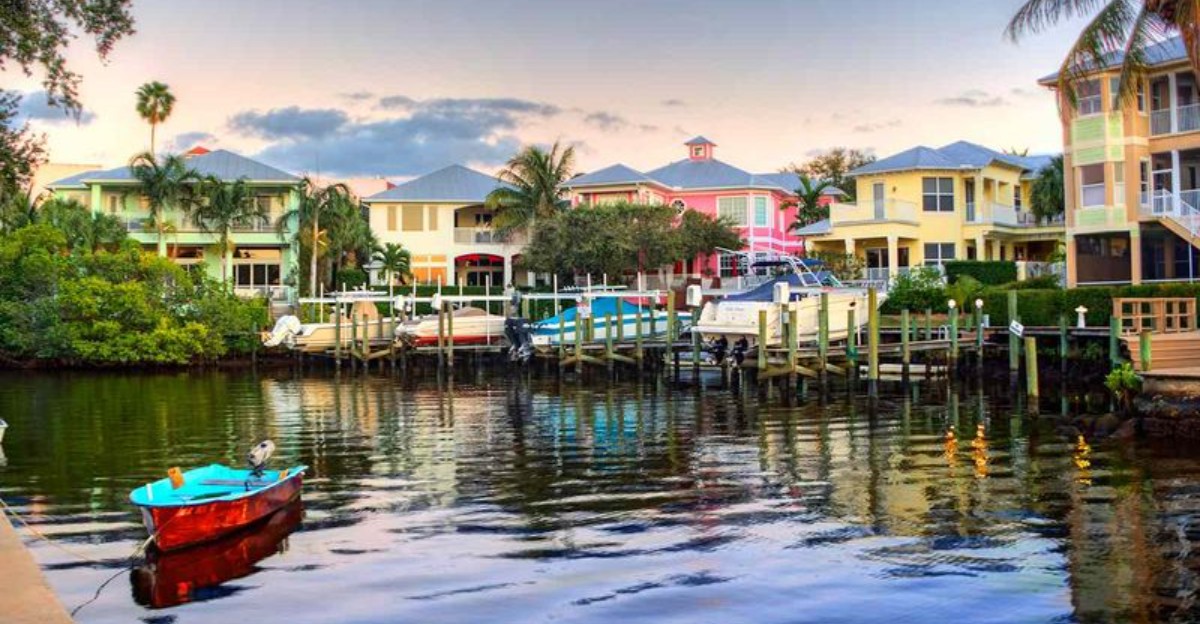
There’s a little Florida town where giant sailfish leap out of the Atlantic, centuries-old shipwreck stories still linger along the shore, and waterfront streets look like something straight out of a postcard.
Welcome to Stuart, the Sailfish Capital of the World, and one of the Treasure Coast’s most underrated destinations. While serious anglers have been coming here for generations, you don’t need a fishing rod to fall in love with this place.
Between its charming historic downtown, secluded beaches, peaceful nature preserves, and beautiful riverfront sunsets, Stuart offers the kind of laid-back Old Florida experience that’s getting harder to find. And once you discover these eight reasons to visit, you might wonder why this little coastal gem isn’t on everyone’s radar.
1. Sailfish Fishing Charters
Picture a long blue sail slicing out of the water and a fish leaping like it has somewhere to be. That is a sailfish, and Stuart built its reputation on chasing them. Winter is prime time, when the fish cruise the nearby Gulf Stream.
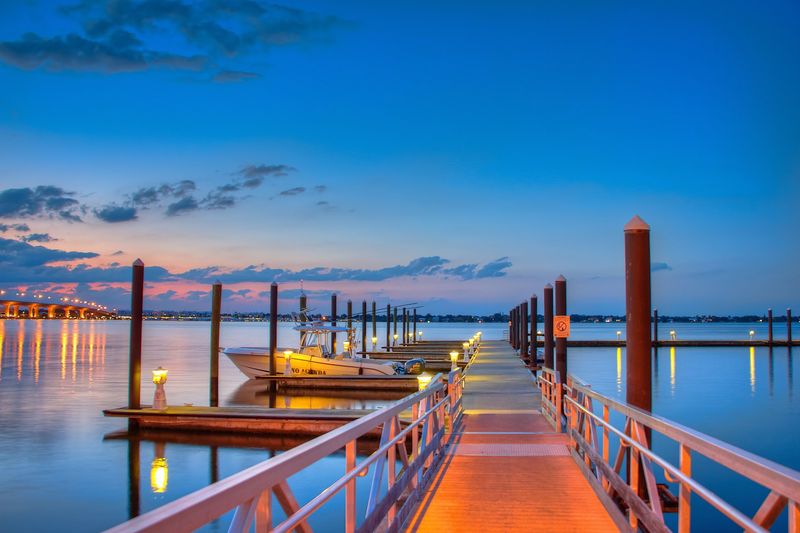
Charter captains here know these waters well. Most trips leave from marinas along the St. Lucie River and head through the inlet to the open ocean. Many captains supply bait, tackle, and even lunch, so you can show up with sunscreen and a good attitude.
Sailfish are fast, acrobatic, and famously hard to land. Many local boats practice catch and release, which keeps the fishery healthy for the next angler. You will often hear captains talk about live baits and kite fishing, a method that dangles baits near the surface to tempt the fish.
Beginners are welcome, and a patient crew will walk you through every step. Book early if you plan to visit from December through April, since the best days fill up fast.
Even if you never see a sail, you will see dolphins, pelicans, and maybe a sea turtle. Bring a hat, wear non-slip shoes, and take motion sickness tablets if waves bother you. A day on the water is the most Stuart thing you can do, and the stories you bring back are half the fun.
Tip: ask your captain where the day’s fish were biting. Locals love to share.
2. House of Refuge at Gilbert’s Bar
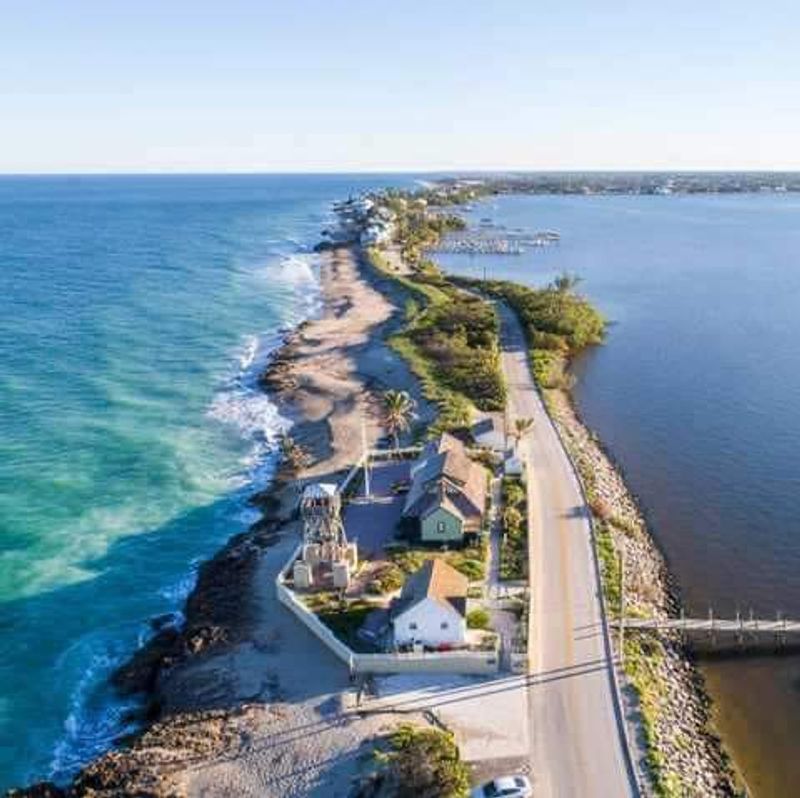
Back in the 1800s, a ship wreck on this coast could leave sailors stranded on a wild shore with no town for miles. The House of Refuge was built to help them. It is the oldest standing structure in Martin County, and it still perches on a rocky point by the Atlantic.
Inside, the rooms show how keepers lived and cared for survivors. You can see old boats, tools, and exhibits about rescues. Many visitors enjoy the small museum feel, where each display has a real story behind it.
Outside, the scenery steals the show. Waves crash over ridges of ancient rock, and the views along the coast are wide and breezy. A little aquarium on site shows off local marine life, which is a nice stop for kids.
Fun fact: keepers once kept food, fresh water, and dry beds ready, and they sometimes walked the beach looking for trouble. That was a lonely job with high stakes.
Plan to spend an hour or two. Wear comfy shoes for the rocks, and bring a camera for sunrise or late afternoon light. Check the hours before you go, since schedules can change.
It is a quiet history lesson with a salty breeze.
3. Downtown Stuart Strolls
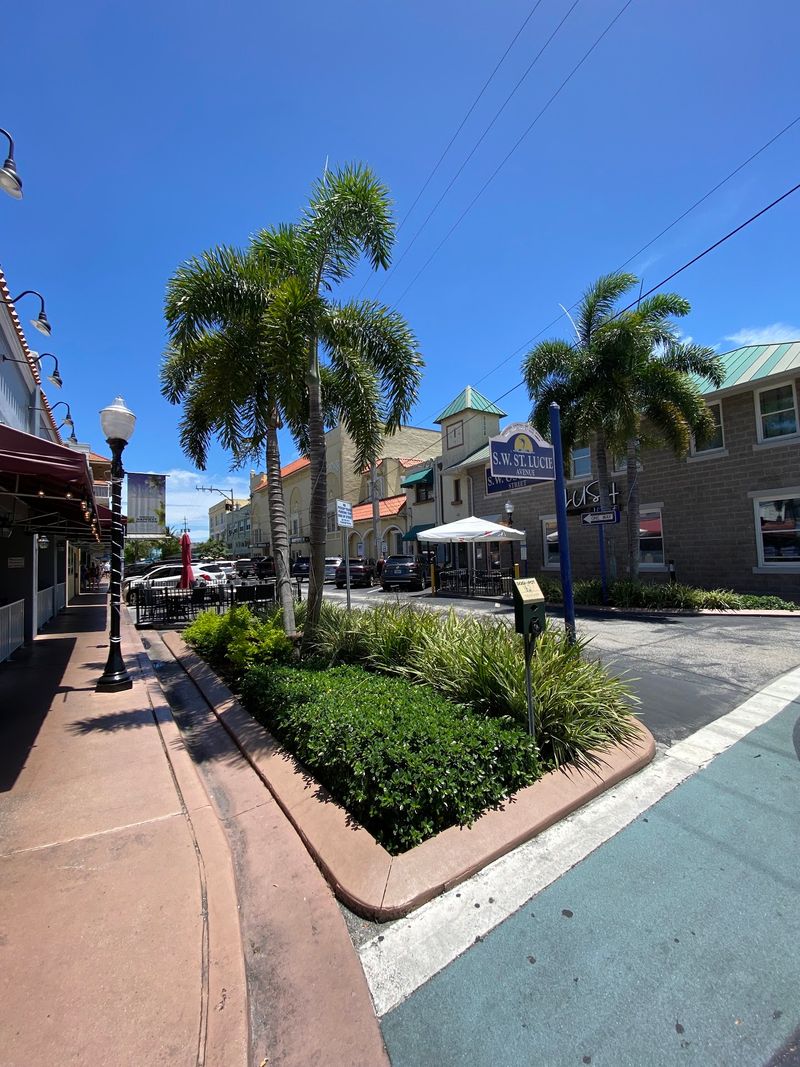
Some towns need a map. Downtown Stuart just needs comfortable shoes. The streets are short, friendly, and packed with boutiques, galleries, and cafes that locals actually use.
Start near the old Martin County Courthouse, a handsome building that sets the tone. From there, wander toward the riverfront and pop into shops that sell everything from beachy clothing to handmade gifts. Murals and public art pop up in surprising corners.
When hunger hits, you have choices. Fresh seafood is easy to find, and so are sandwiches, tacos, and good coffee. Outdoor tables let you people-watch while a breeze drifts in from the water.
Evenings feel especially lively. String lights glow, live music floats out of a few spots, and couples stroll hand in hand. On weekends, a farmers market brings fresh produce, baked goods, and local makers together.
Parking is simple, and the walk is flat, so it works for families and strollers. Give yourself an afternoon, and do not plan too much. The best finds here are usually the ones you did not expect, like a tiny bookstore or a friendly shop owner with a great story.
4. St. Lucie Inlet Preserve State Park
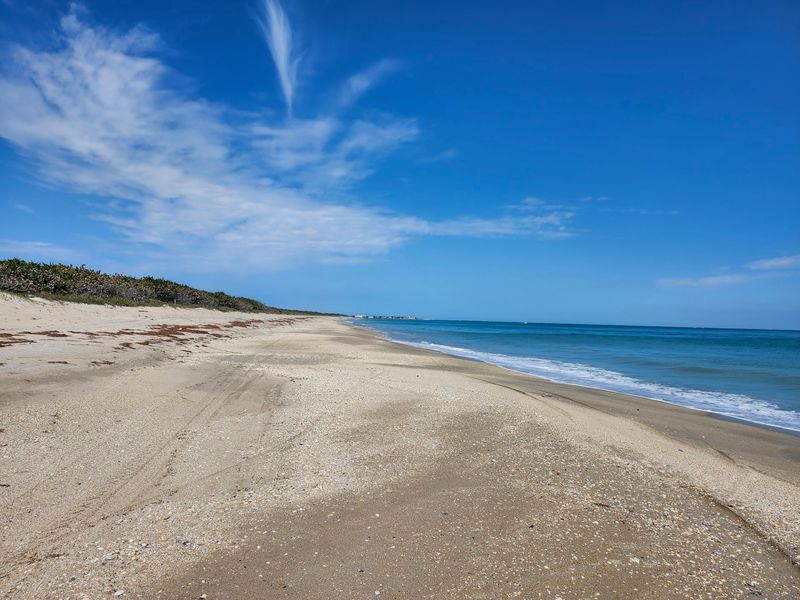
Getting here is part of the adventure, because the park is reached mostly by boat. That keeps crowds low and makes the place feel like a secret. Once you land, you can wander wooden boardwalks through mangroves and out to a long, quiet beach.
The preserve protects a mix of habitats, including coastal hammock, sand pine scrub, and mangrove shoreline. Birds love it, and so do crabs, fish, and other small creatures. Kayakers often glide through the calm waters near the shore.
Sea turtles nest on the beach in warm months. If you see marked nests, give them lots of space and never shine lights at night. Those little hatchlings use the moon to find the water, and bright lights can confuse them.
Pack water, snacks, bug spray, and sun protection, since there are few services. Bring a trash bag too, and leave nothing behind but footprints.
Boat rides and guided trips are offered by local operators, which is handy if you do not own a boat. Pick a calm weather day, and you may have a stretch of sand almost to yourself. It is a peaceful reset after a busy trip.
5. Seabranch Preserve State Park
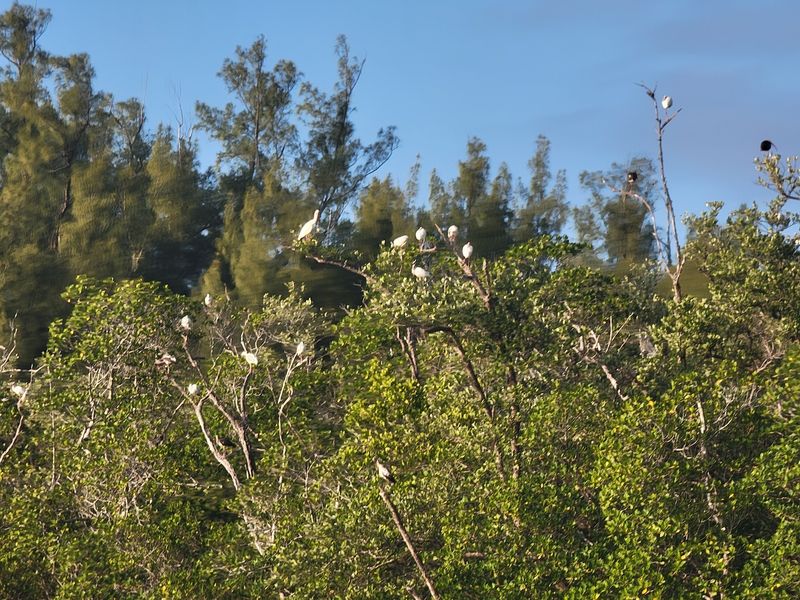
Quiet trails, sandy paths, and birdsong: Seabranch is the opposite of a crowded beach day. Tucked inland, it protects some of the rarest scrub habitat left in the region. If you like spotting wildlife, this is your spot.
The park has several trails of different lengths, so you can pick a short stroll or a longer hike. Look up for woodpeckers and hawks, and look down for gopher tortoises, which dig deep burrows in the sand. Keep your distance, since they are protected.
A small butterfly garden adds color near the trailhead. Plants there draw in fluttering visitors, and it is a lovely place to pause with a camera. Mornings are usually the best time for animals and cooler air.
Fun fact: scrub habitat looks plain at first, but it supports plants and animals found almost nowhere else. Slow down and the details start to pop.
Wear closed shoes, since the sand can be loose and hot. Bring plenty of water, a hat, and bug spray. Horses and bikes use some trails too, so stay alert and share the path.
It is a calm, wild corner of Stuart that most visitors miss.
6. Stuart Heritage Museum
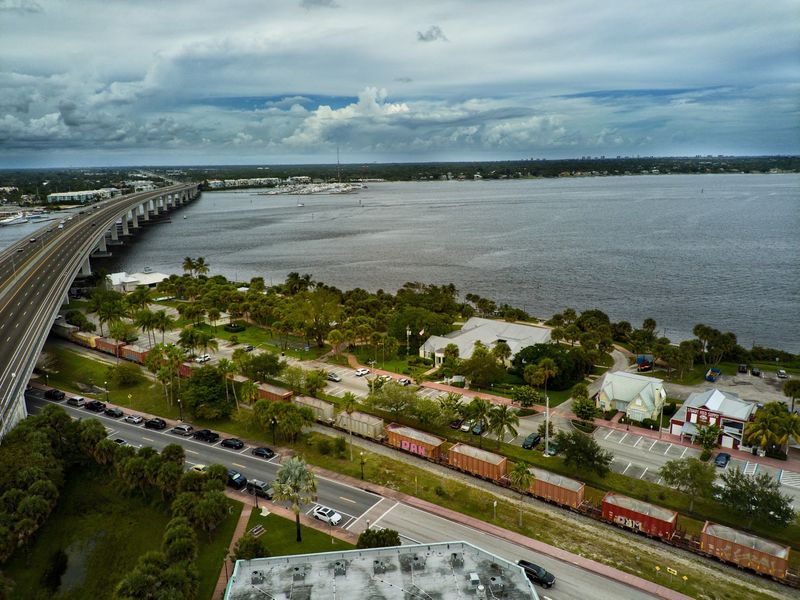
Ever wonder what life looked like before air conditioning and bridges? This little museum answers that in a friendly, hands-off way. It sits in a former power plant building and shows how Stuart grew from a quiet river settlement into a coastal city.
Displays include furniture from early pioneer homes, old tools, and photographs. Seeing a worn rocking chair or an old kitchen item makes the past feel close. You might catch yourself imagining a summer without a fan.
The museum also touches on the area’s fishing and farming roots. Pineapples were once a big crop along this coast, and railroads later helped the town expand. Volunteers are often happy to share stories that never made it onto a wall label.
Plan for about an hour. It is an easy stop for families, and it pairs well with a downtown walk afterward. Check opening days before you head over, since small museums keep limited hours.
Tip: ask what is new in the collection. Local donations arrive often, and sometimes a fresh photo or object has a fun backstory. It is a gentle, thoughtful stop that gives every other place on your Stuart list a little more meaning.
7. Riverwalk and Waterfront Views
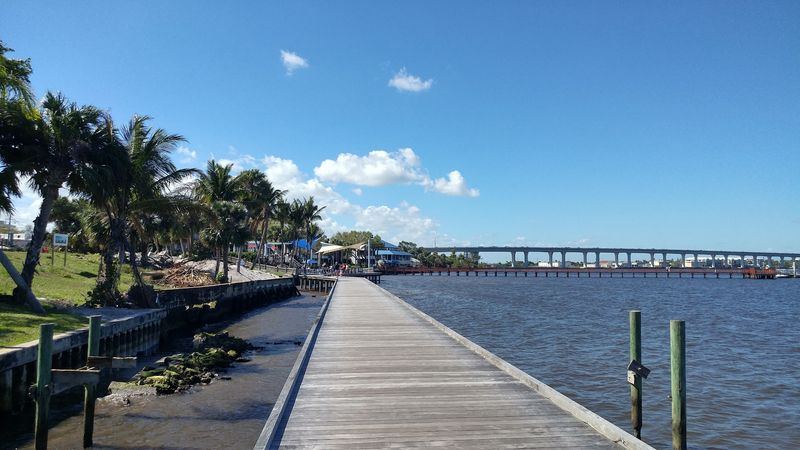
The St. Lucie River is the heartbeat of Stuart, and the best way to feel it is on foot. Waterfront walkways wind past docks, boats, and benches that practically beg you to sit. At sunset, the sky turns orange and pink, and the water shimmers like glass.
Watch the boats come and go. Sportfishing vessels, sailboats, and kayaks share the channel, and you may spot a manatee surfacing for air. Pelicans dive nearby, and egrets stalk the shallows.
Many people bring a coffee in the morning or ice cream in the evening. Restaurants along the water serve fresh catches, so dinner with a view is easy. Local events, from boat shows to holiday parades, often center on the riverfront.
Fun fact: the river mixes fresh and salty water, which is why so many kinds of wildlife thrive here. It is also a nursery for young fish.
Wear light layers, since breezes can be cool after sunset. Bring a camera and a little patience, because wildlife appears when it feels like it. This free, easy activity ends up being a favorite memory for many visitors, and it costs nothing.
8. Beach Days on Hutchinson Island
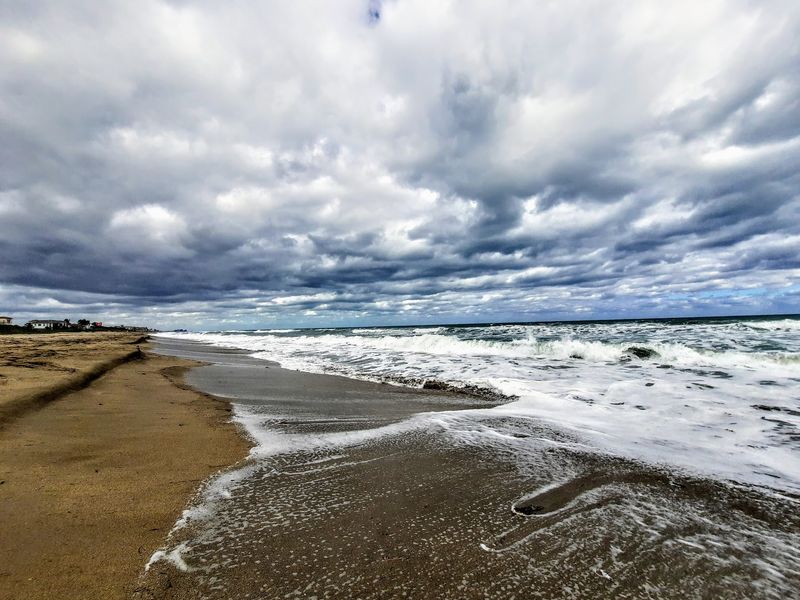
Cross the bridge and the pace drops a notch. Hutchinson Island has sandy beaches, rolling surf, and a laid-back feel that suits a lazy day. Stuart Beach is a favorite, with lifeguards in season, restrooms, and a boardwalk lined with sea grapes.
Families like the gentle waves and the easy access. Surfers drift out when swells roll in, and walkers drift along the shoreline at sunrise. Bring a chair, a good book, and a cooler of snacks.
Look closely at the sand and you may see tracks from nesting sea turtles. From spring through summer, their nests dot the coast, and volunteers mark them carefully. Keep flashlights off at night and fill in any holes you dig.
Snorkelers can try nearby rocky areas close to shore, where small fish gather around the reef-like ledges. Always check flag warnings and currents before swimming. Safety comes first, even on a postcard day.
After the beach, rinse off and grab tacos or a fresh fish sandwich nearby. Sunscreen is a must, because the Florida sun is sneaky even on cloudy days. It is a classic coastal day that fits right in with everything else Stuart offers.