Searching for Seashells? These Key West and Florida Keys Spots Deliver
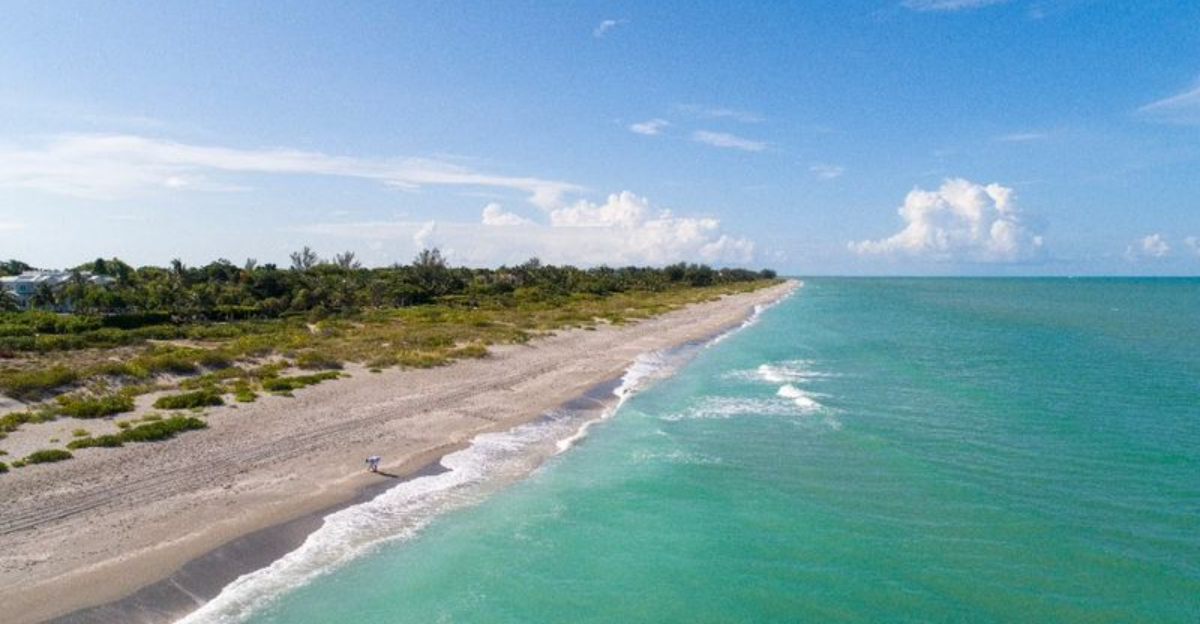
Florida’s coastline is basically a treasure chest waiting to be opened, and you don’t need a map to find the good stuff. From the Gulf’s calm, shallow waters to hidden barrier islands barely touched by tourists, the Sunshine State serves up some of the best shelling in the entire country.
Whether you’re a seasoned collector chasing a rare junonia or a first-timer hoping to fill a bucket with colorful finds, these seven spots are worth every sandy step.
1. Sanibel Island
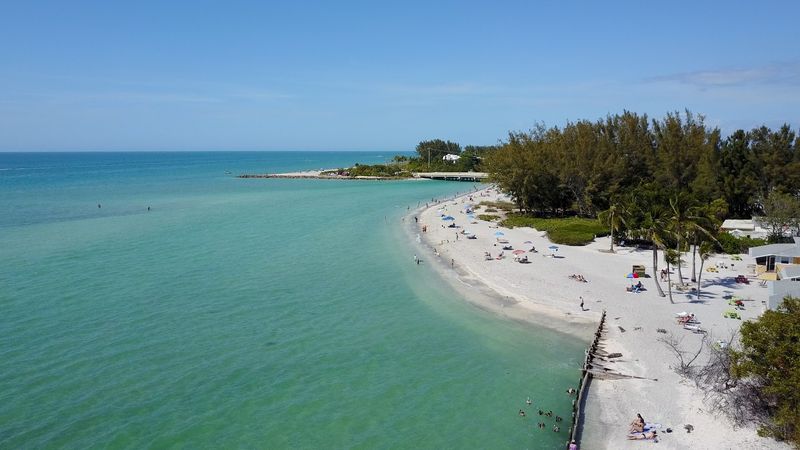
There’s a reason shellers around the world put Sanibel Island at the very top of their bucket lists. The island sits at a unique east-west angle along Florida’s Gulf Coast, which acts like a natural funnel for shells washing in from the Gulf of Mexico.
That geography alone makes it one of the most shell-rich beaches on the planet.
The term “Sanibel Stoop” was literally coined here — it describes the hunched-over walk you’ll catch yourself doing the moment you spot your first lion’s paw or lightning whelk. Locals wear it like a badge of honor.
Early morning low tides are prime time, so set that alarm and beat the crowds to the waterline.
Bowman’s Beach and Blind Pass Beach tend to draw the most dedicated shellers. These spots receive heavy shell deposits and feel less crowded than the more tourist-heavy areas.
Bring a mesh bag, wear water shoes, and go slow — the best shells are often half-buried under the sand.
Sanibel also has the Bailey-Matthews National Shell Museum, which is genuinely one of a kind in the United States. Spending an hour there before hitting the beach gives you a serious edge in identifying what you find.
You’ll leave knowing the difference between a tulip shell and a murex without having to Google it.
One more tip: don’t skip the shoreline just after a storm. Strong winds push incredible hauls onto the beach overnight, and the shells that appear the morning after rough weather are often the freshest and most intact.
Patience and timing are everything on Sanibel.
2. Captiva Island
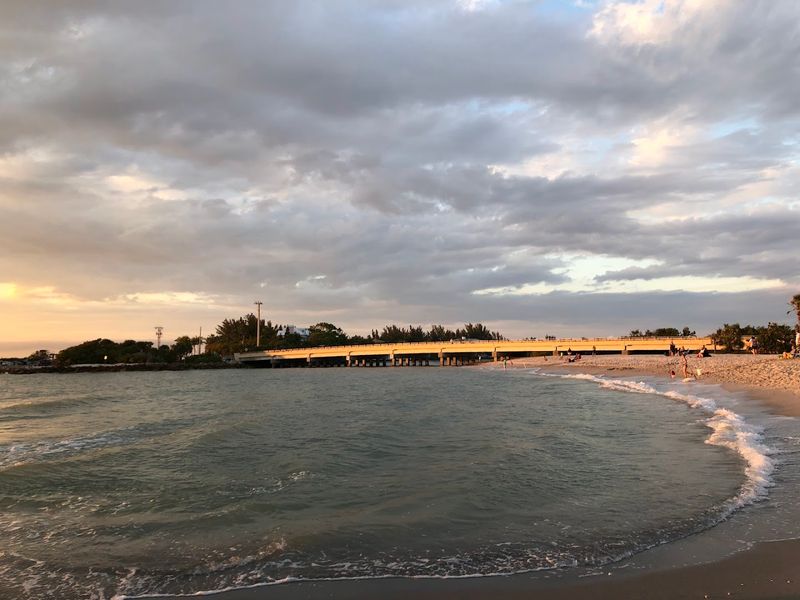
Captiva Island doesn’t get the same headline attention as its neighbor Sanibel, and honestly, that’s part of its charm. Connected to Sanibel by a short bridge, Captiva offers a quieter, more unhurried shelling experience that feels like a well-kept secret among serious collectors.
The vibe here is slower, and the shoreline rewards those willing to wander.
Turner Beach, located right at the pass between Captiva and North Captiva, is a hotspot that shellers keep coming back to. The tidal pass creates strong current movement, which churns up shells from deeper water and deposits them right along the shoreline.
It’s the kind of spot where you might find a whole junonia just sitting there like it was placed for you.
The northern end of Captiva sees fewer footprints, which means less competition for the good finds. Getting there requires a bit of a walk, but every extra step away from the parking lot is a step closer to shells that haven’t been picked over yet.
Wear sunscreen, bring water, and plan to stay longer than you think you need to.
Captiva has a genuinely laid-back local culture that makes the whole experience feel more relaxed than a typical tourist beach day. Small shops, casual seafood spots, and friendly faces set the tone.
It’s the kind of place where nobody judges you for spending four hours staring at the sand.
Shell-wise, look for fighting conchs, olives, and banded tulips here. The variety is impressive, and the condition of shells found at Captiva tends to be excellent because the beach doesn’t see the heavy foot traffic that can break fragile specimens before you ever get a chance to spot them.
3. Barefoot Beach County Preserve
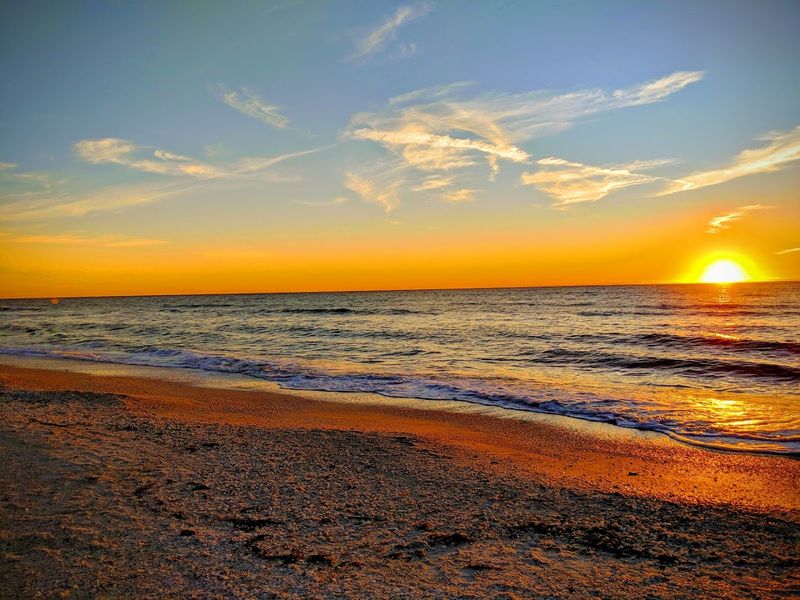
Barefoot Beach County Preserve in Collier County flies under the radar for most visitors, but locals know exactly what they’re sitting on. This stretch of protected coastline in Bonita Springs is one of the last undeveloped barrier beaches in Southwest Florida, and that preservation status means the natural shell cycle here is largely undisturbed.
What washes in tends to stay put until a sheller picks it up.
The beach runs about a mile and a half, and the southern end near the county line tends to accumulate the most shells. Getting there early is a must — the preserve has limited parking, and spots fill up fast on weekends, especially during peak season from November through April when shell activity really picks up.
Gopher tortoises roam freely through the preserve’s upland areas, which adds a fun wildlife element to the trip. Seeing one of these ancient-looking creatures wander past while you’re bent over inspecting a whelk is a genuinely memorable Florida moment.
Keep your distance and enjoy the sighting.
The water here is shallow and calm for a good stretch, making it easy to wade out and spot shells that haven’t quite made it to shore yet. Polarized sunglasses are a game-changer for seeing through the surface glare.
Once you try shelling with them, going back to squinting without them feels impossible.
Shell variety at Barefoot Beach includes horse conchs, shark eyes, and the occasional alphabet cone. The preserve’s limited commercial development means the beach doesn’t get raked or groomed the way resort beaches do.
That raw, natural state is exactly what makes it such a productive and satisfying spot for anyone serious about finding quality shells.
4. Marco Island
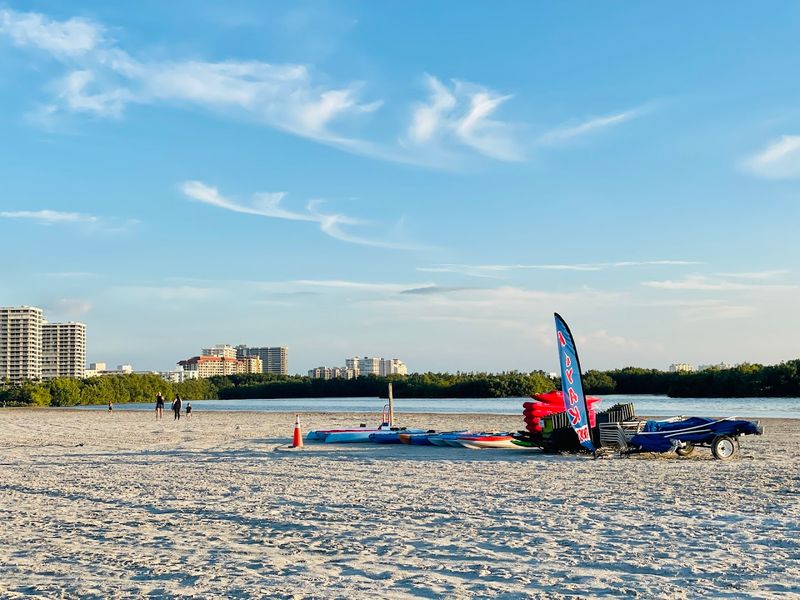
Marco Island is the kind of place that looks like it belongs on a postcard, and the shelling lives up to the scenery. Sitting at the southern tip of Florida’s Gulf Coast, just above the Ten Thousand Islands, Marco benefits from the same favorable Gulf currents that make Southwest Florida such a shelling hotspot.
The island is bigger and more developed than some of the other spots on this list, but that doesn’t mean the shelling is any less rewarding.
South Marco Beach and Tigertail Beach are the two go-to spots for collectors. Tigertail is especially interesting because it features a tidal lagoon that traps shells in a protected area, making it a reliable hunting ground even when conditions on the open beach are less than ideal.
Kids absolutely love wading through the lagoon and discovering what’s hiding in the shallows.
The variety of shells at Marco is genuinely impressive. Lightning whelks, augers, calico scallops, and sand dollars all show up regularly.
After a cold front pushes through and churns up the Gulf, the beach can look like someone spilled a shell shop across the sand. Those post-front mornings are the stuff of shelling legend among regulars.
Marco also offers boat tours that take you to nearby uninhabited islands and sandbars where shells pile up with almost no competition. If you’re serious about scoring a standout find, booking one of those tours is worth every penny.
Captains often know exactly which sandbars are producing the best shells on any given week.
The island has solid dining and lodging options, making it easy to plan a multi-day trip. Staying a few nights means you can hit the beach at multiple low tides, which dramatically increases your chances of walking away with something truly special.
5. Ten Thousand Islands
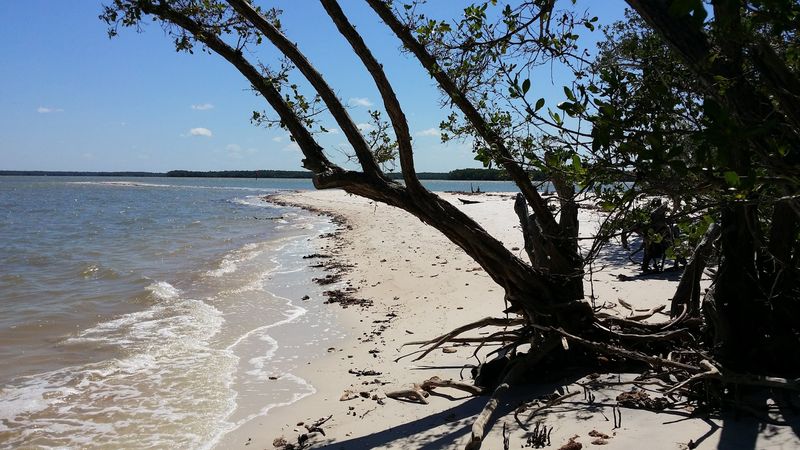
If you’ve ever wanted to feel like a real explorer, the Ten Thousand Islands will scratch that itch in the best possible way. This sprawling network of mangrove islands, sandbars, and shallow bays tucked along Florida’s southwestern coast is part of the Everglades National Park system, and it is about as wild and remote as Florida gets.
Shelling here isn’t a casual stroll — it’s an adventure.
Getting to the best spots requires a boat, kayak, or guided tour. That barrier alone keeps crowds minimal, which means the shells that wash up on these isolated sandbars often sit untouched for days.
It’s not unusual to find large, pristine specimens that would be snapped up within minutes on a more accessible beach. The seclusion is the whole point.
Horseshoe crabs, manatees, dolphins, and an almost overwhelming variety of birds share this ecosystem with you. The natural setting makes the shelling feel secondary to the experience as a whole, which is a rare thing.
Most people who visit the Ten Thousand Islands for the first time say they had no idea this kind of place still existed in Florida.
Crown conchs, lightning whelks, and tulip shells are common finds on the sandbars here. The shells tend to be in excellent shape because they’re not getting tumbled repeatedly by heavy surf.
Calm, protected water means gentler delivery, and that translates to shells with intact lips and sharp color.
Local outfitters in Everglades City offer guided kayak and boat tours specifically designed for shellers and nature lovers. Booking with a knowledgeable guide makes a big difference — they know which sandbars are active and can read the tides in ways that take years of local experience to develop.
Don’t skip the guide on your first visit.
6. Cedar Key
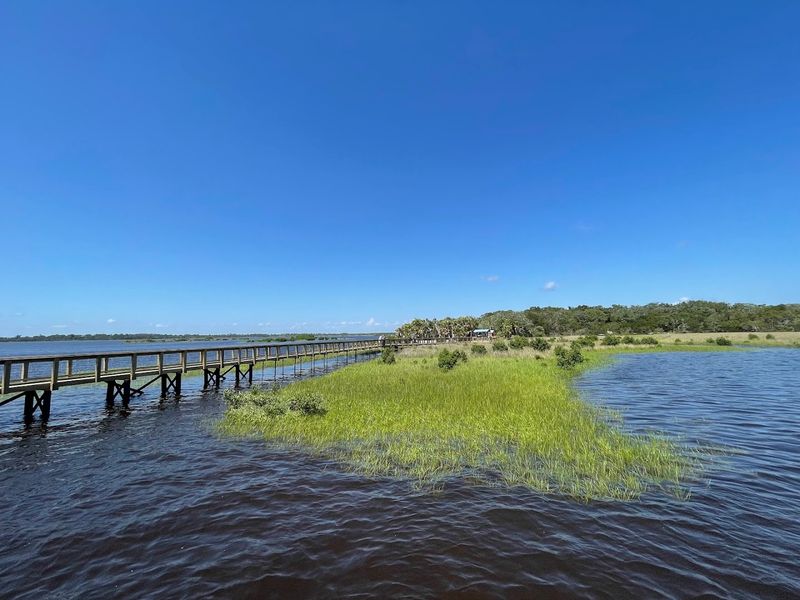
Cedar Key sits on Florida’s Nature Coast, a stretch of the Gulf shoreline that has resisted overdevelopment in ways that most of the state has not. This tiny island town about 50 miles southwest of Gainesville has a salty, weathered character that feels completely authentic.
The shelling here isn’t the flashiest on the Gulf, but what it lacks in quantity it more than makes up for in atmosphere and surprise finds.
The surrounding archipelago of small, largely uninhabited islands is where the real shelling action happens. Low tide exposes flats and sandbars around islands like Seahorse Key and Atsena Otie Key that are loaded with shells, shark teeth, and fossilized material that tells the story of Florida’s ancient sea floor.
Kayaking between these islands is one of those experiences that stays with you.
Cedar Key’s waters are exceptionally clear and shallow during low tide, which makes spotting shells from a kayak or paddleboard surprisingly easy. The area is a major hub for clam aquaculture, so the water quality is carefully monitored and consistently clean.
That clarity is a genuine advantage for shellers scanning the bottom.
The town itself has a quirky, artsy personality with galleries, seafood shacks, and a laid-back pace that encourages lingering. Spend a morning shelling the nearby flats, then grab a plate of fresh clams at one of the waterfront restaurants before heading back out for an afternoon session.
It’s a simple rhythm that feels almost impossibly good.
Fossil shark teeth are a bonus find in this area, which adds another layer of excitement to the hunt. Combining shell collecting with fossil hunting makes Cedar Key especially appealing for families with curious kids who want more than just shells to bring home.
7. Cayo Costa State Park
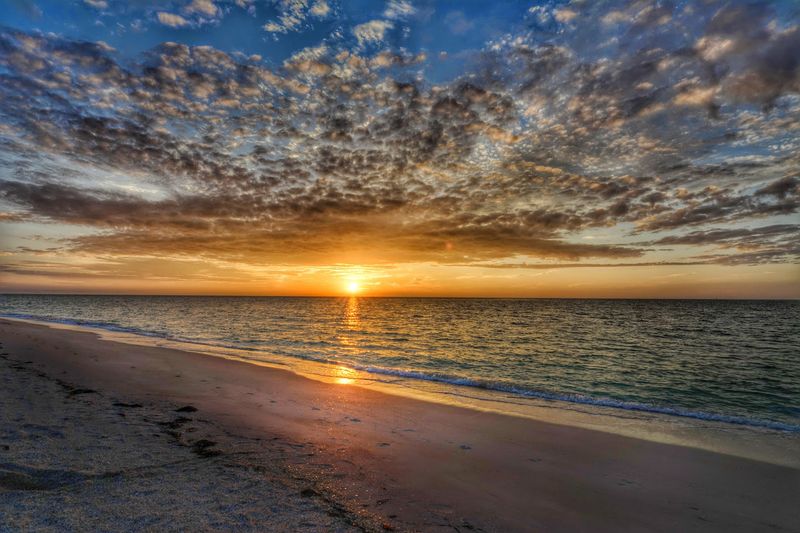
Cayo Costa State Park might be the most rewarding shelling destination in all of Florida, and it earns that status by being genuinely hard to reach. Accessible only by ferry or private boat from Pine Island or Bokeelia, this undeveloped barrier island sits between Captiva and Boca Grande and sees a fraction of the foot traffic that more accessible beaches attract.
That isolation is its greatest asset.
The park covers about 2,400 acres and includes nine miles of Gulf-facing shoreline. With no roads, no resorts, and no restaurants, the only thing to focus on is the beach in front of you.
Shell deposits here can be staggering after a good storm or a strong cold front, with windrows of shells stretching for hundreds of yards along the waterline. Regulars call it one of the last truly wild shelling beaches in the state.
Horse conchs — Florida’s official state shell — show up here in impressive numbers. Lightning whelks, olives, alphabet cones, and calico scallops round out the typical haul.
If you’re patient and willing to dig a few inches into the wet sand at the waterline, the quality of what you find goes up dramatically. Buried shells are often the most pristine.
The ferry schedule runs seasonally, so checking ahead before planning a trip is essential. Primitive camping is available inside the park, which means you can wake up directly on the beach at sunrise — the single best time to shell before other visitors arrive on the morning ferry.
Those first golden hours of light on an empty beach with shells scattered everywhere feel almost surreal.
Wildlife sightings are a near-constant bonus here. Bald eagles, osprey, roseate spoonbills, and even the occasional black bear have all been spotted within the park.
Cayo Costa isn’t just a shelling destination — it’s a full Florida wilderness experience wrapped around one exceptional beach.