This Hidden Florida Nature Center Lets Kids Explore Touch Tanks, Mangrove Trails, and Wildlife
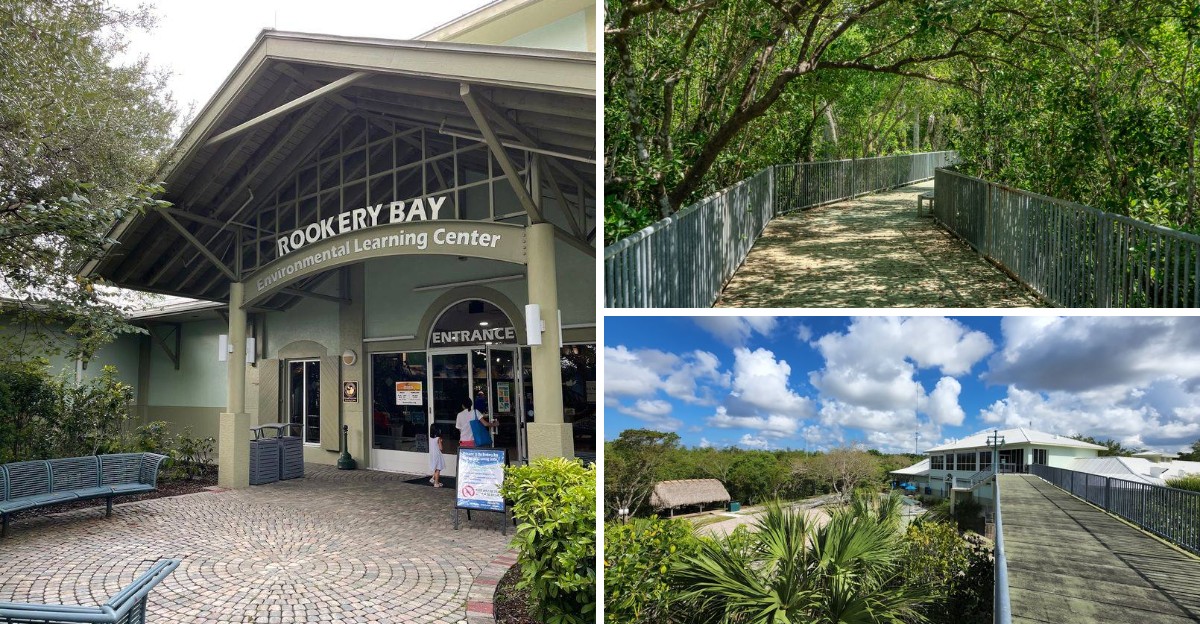
What if your next family adventure included meeting strange sea creatures, exploring winding mangrove trails, and discovering an entire underwater world without ever getting on a boat? Just outside Naples, Rookery Bay Environmental Learning Center is one of those overlooked Florida gems that makes learning feel more like an adventure than a school field trip.
Kids can get an up-close look at sea urchins and horseshoe crabs, peer through microscopes, wander through butterfly gardens, and discover the wildlife hiding in Southwest Florida’s coastal ecosystems. And with knowledgeable volunteers bringing every exhibit to life, even adults might leave knowing a few things they never learned in school. If you’re looking for an affordable family outing that goes beyond the usual beaches and theme parks, this little nature center might be exactly what you’ve been missing.
1. The Touch Tank With Real Guides
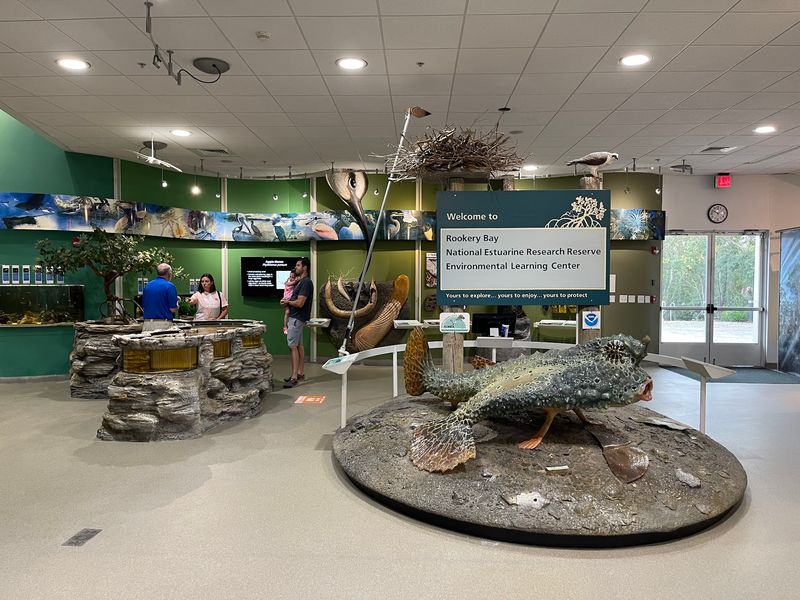
Kids lean in, eyes wide, as a volunteer lifts a spiky sea urchin out of the water. That is the moment the touch tank wins everyone over. Reviewers mention it again and again, and it is easy to see why.
Here is how it works. A trained volunteer or docent stays by the tank and picks up the animals. They decide what is safe to touch, which protects both the kids and the creatures.
Some visitors have wished for more hands-in-the-water time, so go in expecting a guided experience instead of a free-for-all.
The payoff is the talking. Volunteers explain what each animal eats, how it moves, and why it matters to the bay. Kids ask wild questions, and the guides seem to enjoy every one of them.
One family said their five-year-old got a one-on-one chat with a volunteer during a community event.
You might see snails, urchins, shells, and even a horseshoe crab, a creature that has been around for hundreds of millions of years. It looks like something from a dinosaur movie.
A smart tip is to visit the tank early in your trip, while little ones still have patience. Ask the guide to point out the strangest animal in the tank. Kids love being told they are about to meet the weird one, and the answer often surprises adults too.
Bring curiosity, and let the questions lead.
2. Mangrove Trails and the Snail Trail
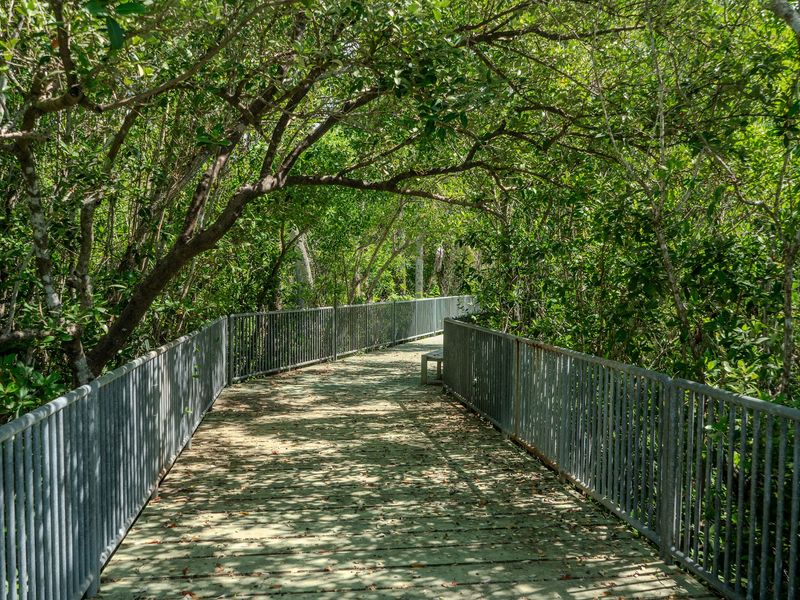
Outside the building, the real Florida starts. Trails lead you through scrub and toward mangrove country, where roots arch out of the water like tall tangled legs. It feels a world away from the beach crowds.
The Snail Trail gets special praise from parents. One mom said it was just the right distance for her four-year-old, which is rare in a nature spot. Short, easy walking means no meltdowns and no long hauls back to the car.
Plan for the weather. Florida heat is real, and shade comes and goes depending on the section. Some visitors found the paths mostly shady, while others wished for more cover.
Wear a hat, carry water, and go earlier in the day if you can.
Mangroves are more than pretty scenery. They protect shorelines from storms and give young fish and crabs a safe place to grow up. Point that out to kids and the tangled roots suddenly look like a nursery.
Keep your eyes open for birds, little fiddler crabs, and busy insects. Walk slowly and quietly, and you will spot far more than if you rush. Treat it like a scavenger hunt where the prizes are movement and color.
Closed-toe shoes make the walk much more comfortable.
3. Bug Spray Is Your Best Friend
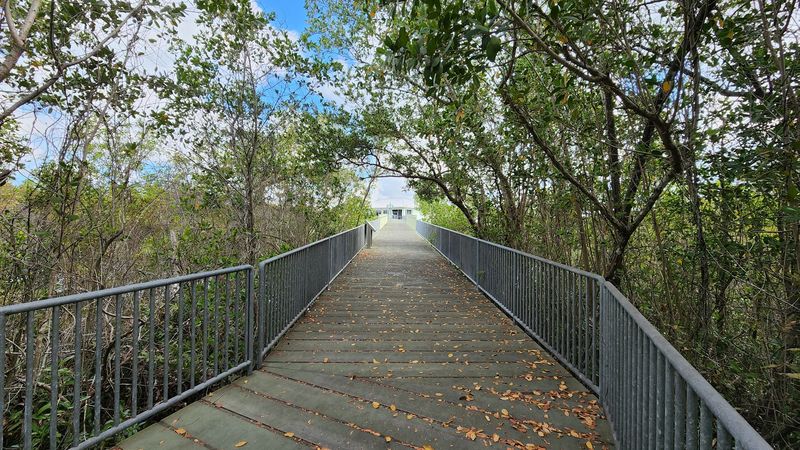
Let us talk about the mosquitoes. Several reviewers called them giant, and one said they were fierce on the bridge over the creek. Nobody is exaggerating for fun.
The staff are honest about it too. They note that mosquitoes follow the rainy season, so a dry winter day feels very different from a steamy summer afternoon. Checking the season before you go can save you a lot of itching.
The easy fix is preparation. Put on repellent before you leave the car, and wear light long sleeves and pants if the day is humid. The gift shop also sells bug spray, so a forgotten bottle is not a disaster.
Kids handle bugs better when they know the plan. Make it a game, like checking each other for bites at the end of the trail. Frame it as being a smart explorer, not a scared one.
If the bugs are really bad, do not give up on the visit. The inside exhibits, the touch tank, and the auditorium are all bug-free. You can do the indoor part first, then decide about the trail.
A little planning keeps the whole outing happy. Wet, buzzing days are part of real Florida nature, and being ready makes them far more fun.
4. Volunteers Who Make It Personal
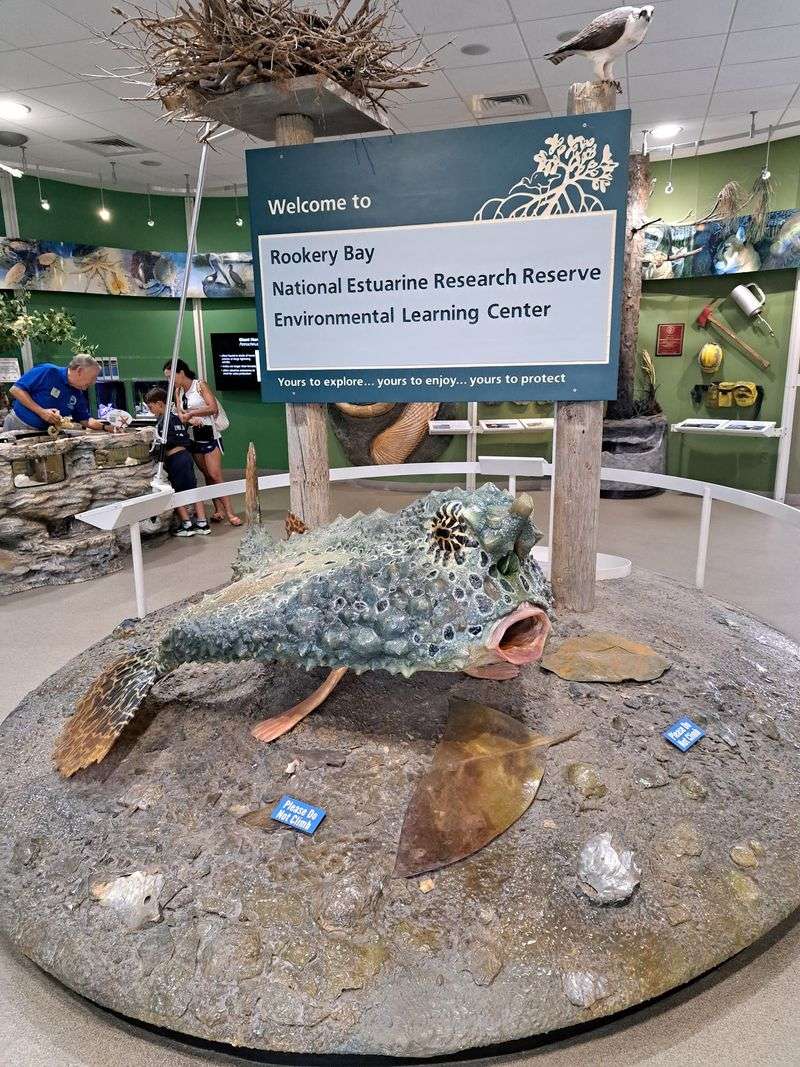
Staff friendliness is the most-mentioned topic in the reviews, and you feel it from the front door. People here seem genuinely excited to talk. One visitor said it felt like getting a personal tour.
Many of the volunteers have deep knowledge about local wildlife, plants, and history. They are happy to answer the odd questions kids throw at them, like why crabs walk sideways or how oysters clean water. Do not be shy about asking.
Volunteers also run special activities. Families have described learning to cast a fishing pole, sorting recyclables in a game, and hearing facts from a shark research expert. Those moments tend to stick in a child’s memory far longer than a sign on a wall.
Here is a pro move. Ask the first volunteer you meet what they would not miss today. You will get a tip that no brochure includes.
Guided tours get high praise too. One reviewer said you learn incredible things if you take one. The guides turn a simple walk into a story about the land and the people who lived on it long before us.
Say thank you on the way out. Most of these helpers give their time for free, and a kind word means a lot.
5. Exhibits, Aquariums, and the Microscope
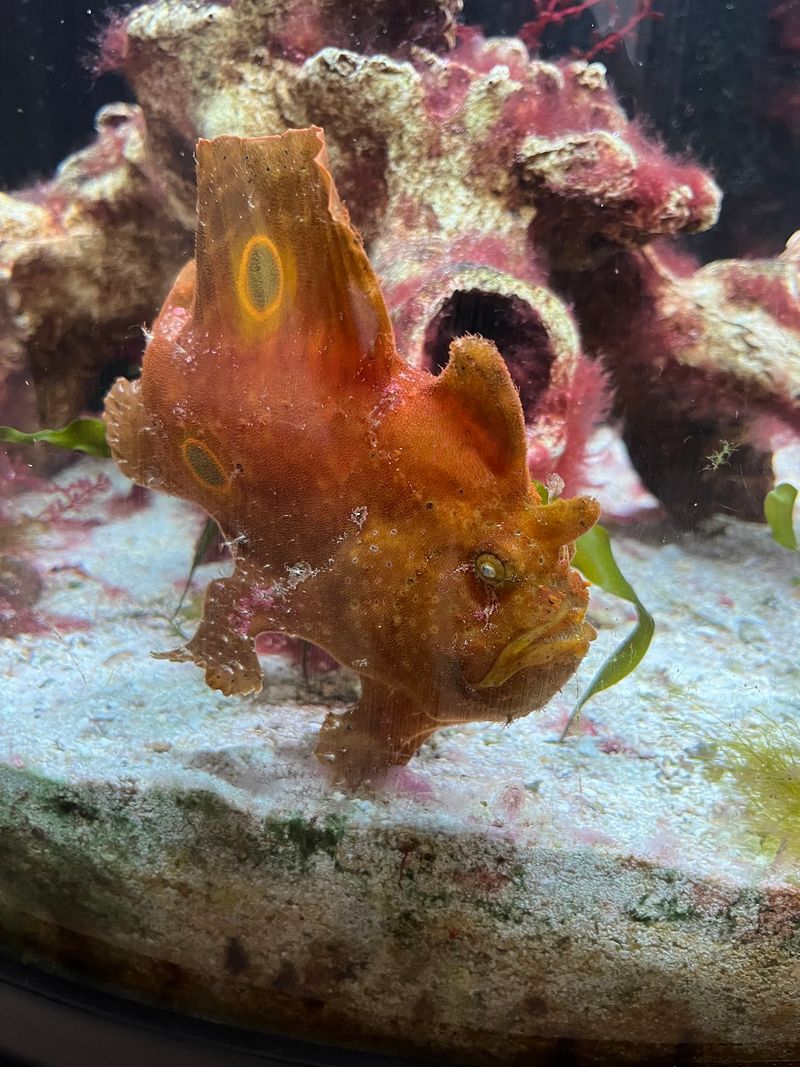
Rainy day? This is your spot. Inside, the learning center keeps kids busy with displays, fish tanks, and gadgets that reward curiosity.
The interactive microscope is a star. A nephew in one review loved it, and a mom said the same about her kids. Tiny bits of the bay world look surprisingly wild when magnified, and children often spend longer there than at any other stop.
Fish tanks show off the animals that live in local waters. A big tank holds a few fish, and a smaller one displays shells and other finds. It is not a giant aquarium, and one visitor admitted the indoor space is small.
Still, they said it was well worth the time.
Displays also cover history, including the Indigenous people who walked this land long ago. One toddler-friendly family said they learned plenty about marine life and the area’s past in a single stop.
Look for the local art and photo spots too. They add color and make easy souvenirs for your phone.
Plan on an hour inside if you read and chat, longer if kids get hooked. Budget a bit more if the microscope has a line.
Small footprint, big curiosity payoff. That sums up the indoor side.
6. The Butterfly Garden Stroll
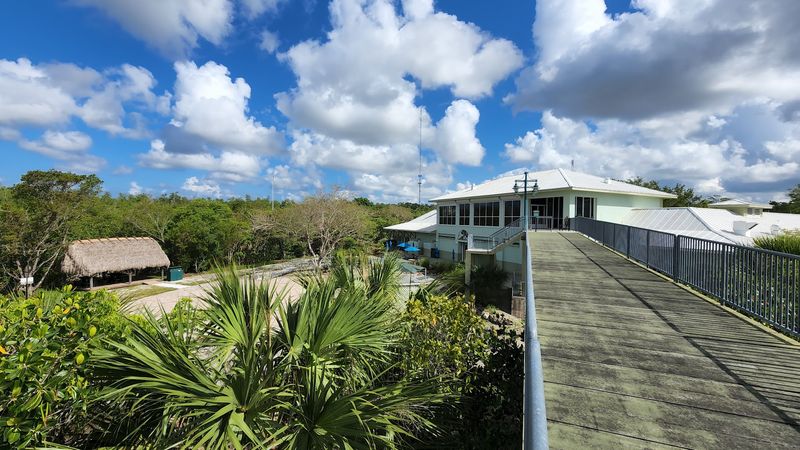
Butterflies keep their own schedule. Some days the garden flutters with color, and other days it is quiet. The staff explain that visits depend on what is blooming.
That honesty is helpful. One family went and saw few butterflies, while others enjoyed a pleasant stroll among butterfly-friendly plants. Treat it as a bonus, and enjoy whatever shows up.
The garden is also a lesson in native plants. Each flower is there for a reason, offering nectar or leaves that insects need. Kids can learn that a garden can be a restaurant for wildlife.
Try going on a warm, sunny morning, when butterflies tend to be most active. Move slowly, keep your shadow off the flowers, and let kids hold still for a minute. Patience often brings a visitor landing close by.
Bring a phone or camera. Even without butterflies, the blooms, bees, and small lizards make good pictures. Challenge your child to find three different insects and tell you what they are doing.
Afterward, you can wander back toward the gift shop. It sells local honey, which a reviewer enjoyed tasting and buying.
A short, sweet stop, this garden shows how small yards can help wildlife thrive.
7. Community Days, Free Fridays, and Scavenger Hunts
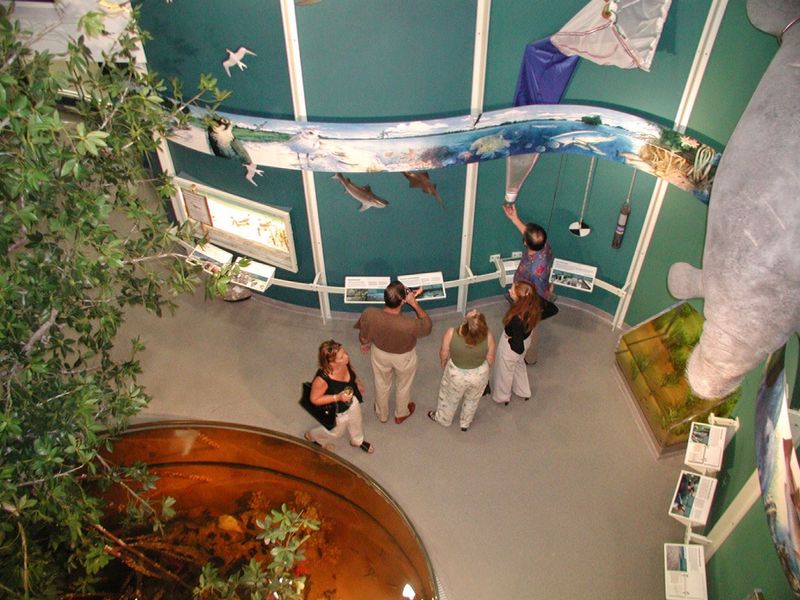
Check the calendar before you go. Rookery Bay hosts events that turn a nice visit into a full adventure. Guided hikes, special programs, and community days all show up on the schedule.
One grandparent attended a community day and listed what her grandson did. He cast a fishing pole, heard shark facts from a research expert, and sorted recyclables like a pro. She wished they had arrived two hours earlier.
Boat experiences are popular and book up early. If a trip on the water interests you, reserve a spot as soon as you can. Showing up on the day may leave you out.
Scavenger hunts are another winner. Parents say they keep kids moving and looking closely at everything. A simple list of things to find can turn a quiet exhibit into a race.
Past reviewers also mentioned free summer Fridays for kids. Programs change, so confirm current offerings on the website or by phone before planning around one.
Memberships come up often. One family signed up after their first visit and now returns regularly. If you live nearby, that can be a smart choice.
Planning ahead is the secret. A little research turns a short stop into a full day of learning.
8. Planning Your Visit: Hours, Costs, and Gift Shop
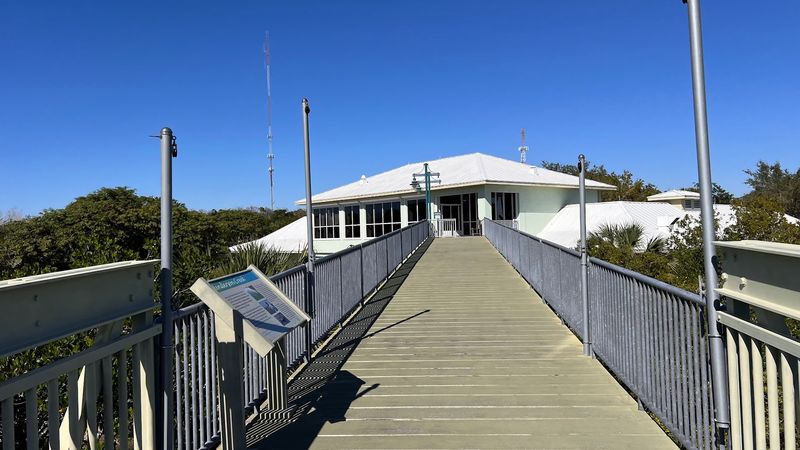
Here are the basics. The center sits at 300 Tower Rd in Naples and opens from 9 a.m. to 4 p.m., Tuesday through Saturday. It is closed on Sundays and Mondays, so mark that on your calendar.
Admission has been affordable. The owner has shared prices of ten dollars for adults and five dollars for kids ages four to twelve. Rates can change, so check the website at rookerybay.org or call 239-530-5972 for the latest.
Pack smart. Bring water, sunscreen, a hat, and bug spray, though the gift shop sells repellent if you forget. Wear comfortable shoes for the trails.
Expect to spend a couple of hours. Some families stayed for a full afternoon, and others popped in on the way back from Marco Island. Either way works.
Do not skip the gift shop. You can find local honey, keepsakes, and educational goodies that make nice reminders of your day. Purchases also support the center’s mission.
The place has a great reputation, with a 4.8 rating from hundreds of reviews. Visitors love the helpful staff and family-friendly feel.
Go with realistic expectations and an open mind. You will leave knowing more about Florida’s coast than when you arrived.