How Greek Sponge Divers Helped Shape Tarpon Springs, Florida More Than A Century Ago
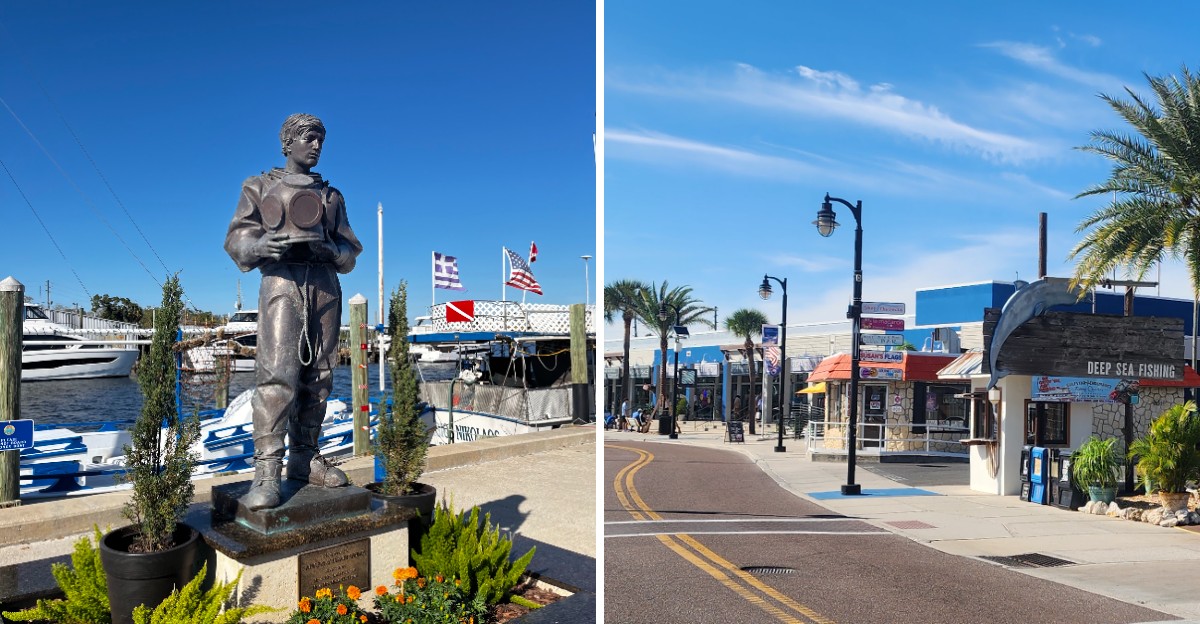
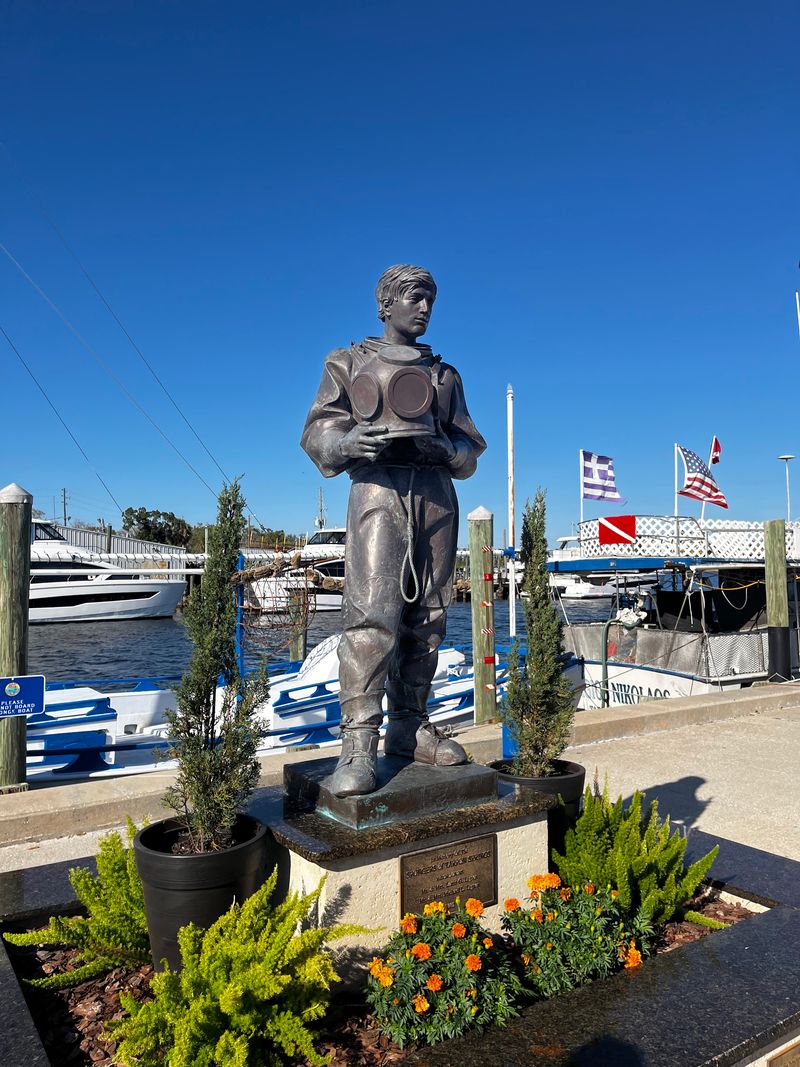
Divers once walked the Gulf floor in heavy copper helmets, hunting for sponges. Their heavy rubberized canvas suits were built for deep work, and the copper-and-brass helmets looked like something from a science fiction movie.
Those divers came from Greek islands far across the ocean. They brought their boats, their skills, their faith, and their recipes to a small Florida waterfront. I like how their story still shows up in the shops, the food, and the boats tied up along the water.
Sponges became big business here. For a while, this spot ranked among the busiest sponge markets anywhere in the world.
I believe few places let you touch history this easily. You can hold a natural sponge, hear a boat captain explain the old ways, and smell fresh bread nearby. So how did a few brave divers shape an entire town?
A Copper Helmet Changed Everything Around Here
Sponge hunting at the Tarpon Springs Sponge Docks started before the Greek divers arrived. Early crews used long hooks from small boats, which only reached sponges in shallow water.
Then John Cocoris, a Greek sponge buyer, saw bigger possibilities. In 1905, he brought over experienced divers from Greece who used heavy diving suits and helmets. That gear let them walk the Gulf floor and reach beds the hookers never touched.
The difference was huge. Divers could gather far more sponges in a single trip, and buyers took notice fast. Word spread back to the Greek islands, and more families made the long journey to Florida.
Many came from the Dodecanese islands, such as Kalymnos, Symi, and Halki. Sponge diving was already a family tradition there. They knew the sea, the risks, and the patience the job required.
That new method dramatically expanded an already-growing sponge port and helped turn Tarpon Springs into the center of the U.S. sponge-diving industry. When you see a diving helmet on display today, you’re looking at the tool that started it all. Not bad for gear that could weigh well over 100 pounds once a diver was fully suited up, right?
The Street Name Is A Love Letter To The Islands
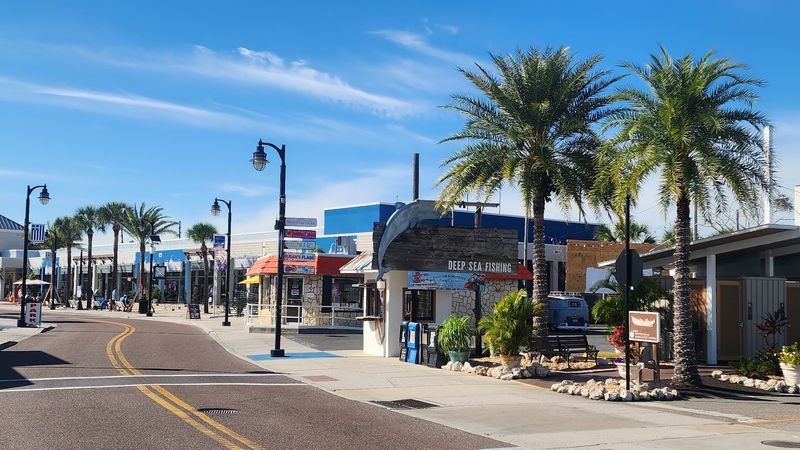
Look closely at the street sign, and the history jumps right out. The waterfront road is called Dodecanese Boulevard, named after the Greek island group many divers called home.
That name isn’t just decoration. It tells you where the town’s sponge story really began. Families from Kalymnos, Halki, and Symi helped build the community that still shapes this area.
You’ll find the Tarpon Springs Sponge Docks at 735 Dodecanese Blvd, Tarpon Springs, FL 34689. The strip runs along the Anclote River, with boats on one side and shops on the other. It’s an easy area to explore on foot.
Bring water, sunscreen, and a hat, because Florida sunshine doesn’t take days off. Shade can be limited along the docks. Your future self will thank you.
Parking lots nearby are usually paid, so cash can come in handy. Going early on a weekday often makes the visit more relaxed. Then you can wander without rushing.
I love that a single street name keeps an ocean-crossing story alive every day. Plenty of roads are named after people. This one honors a whole set of islands.
Sponge Boats Still Tie Up Along The River
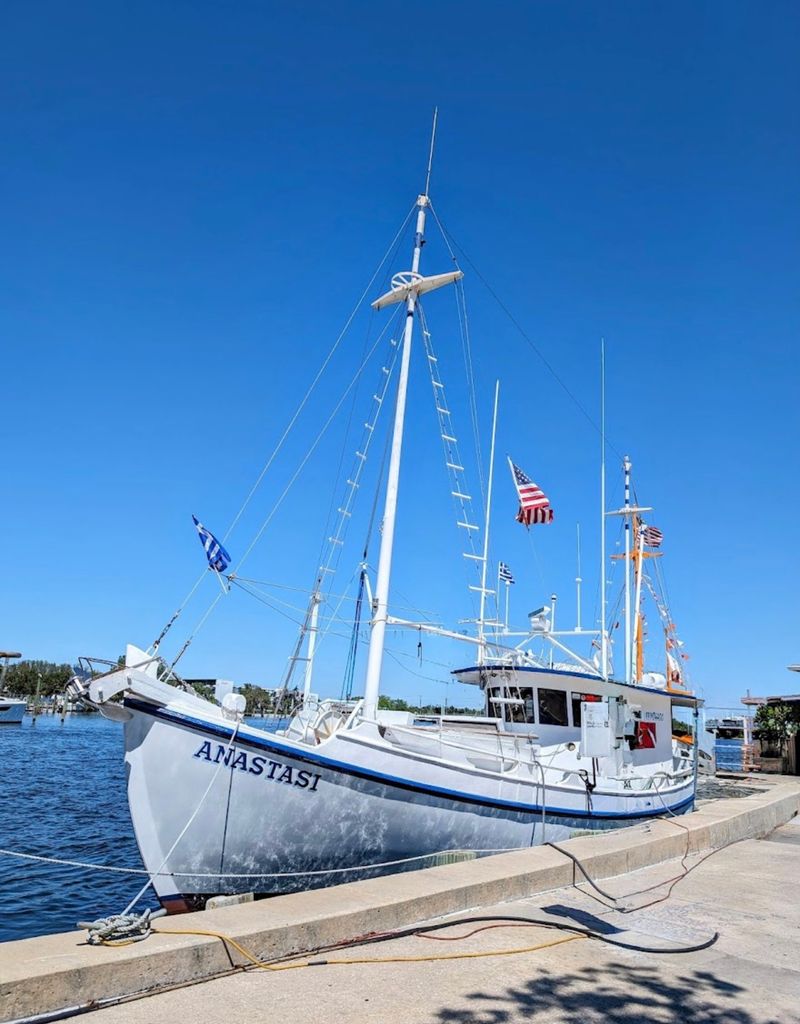
Boats here aren’t just props for photos. Working sponge boats still dock along the Tarpon Springs Sponge Docks, carrying on a trade that started over a century ago.
The early Greek fleet used sturdy wooden boats inspired by designs from home. Bright paint and simple lines made them easy to spot on the water. Many boats today keep that classic look.
Seeing them up close helps the history click. You can picture divers suiting up on deck before heading out into the Gulf. It feels a lot more real than reading about it in a book.
Sponges are still harvested from Gulf waters today. Modern divers often use lighter gear, but the basic goal hasn’t changed. Find good sponges, bring them back, and get them ready to sell.
Take a slow walk along the waterfront and check out the boat names. Many honor saints, family members, or Greek places. Each one hints at someone’s story.
Kids usually love spotting the different colors and comparing the boats. Adults might enjoy guessing which ones look the oldest. Either way, the docks make history feel close enough to touch.
You Can Watch A Diver Go Over The Side
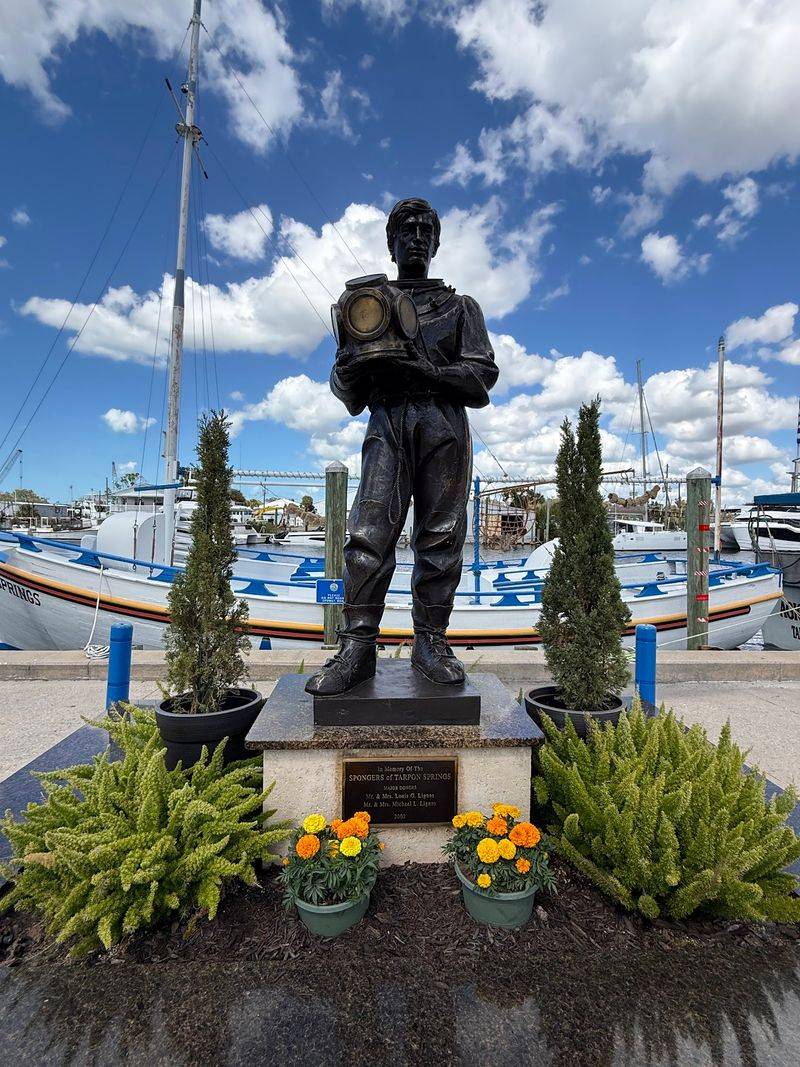
Sponge boat tours are one of the most popular things to do here. On some trips, a diver in a traditional suit climbs into the water to show how the job worked.
St. Nicholas Boat Line is one well-known option at the Tarpon Springs Sponge Docks. The tour shares how sponges are found, harvested, and cleaned. You’ll hear about Greek divers and the early sponge trade too.
Watching a diver vanish under the surface is a little thrilling. Then the bubbles show up, and everyone starts waiting. When the diver returns with a sponge, the history suddenly makes perfect sense.
These tours work well for first-time visitors. They give you background before you start shopping or eating. Everything else on the docks feels more meaningful afterward.
Check tour times when you arrive, since schedules can change. Bring sun protection, because boats can get bright and warm on the water. A small camera or phone is a good idea too.
Don’t mix this up with a dolphin cruise. Both can be fun, but the sponge tour tells the founding story. If you only pick one, start with the divers.
Squeeze A Natural Sponge And Feel The Difference
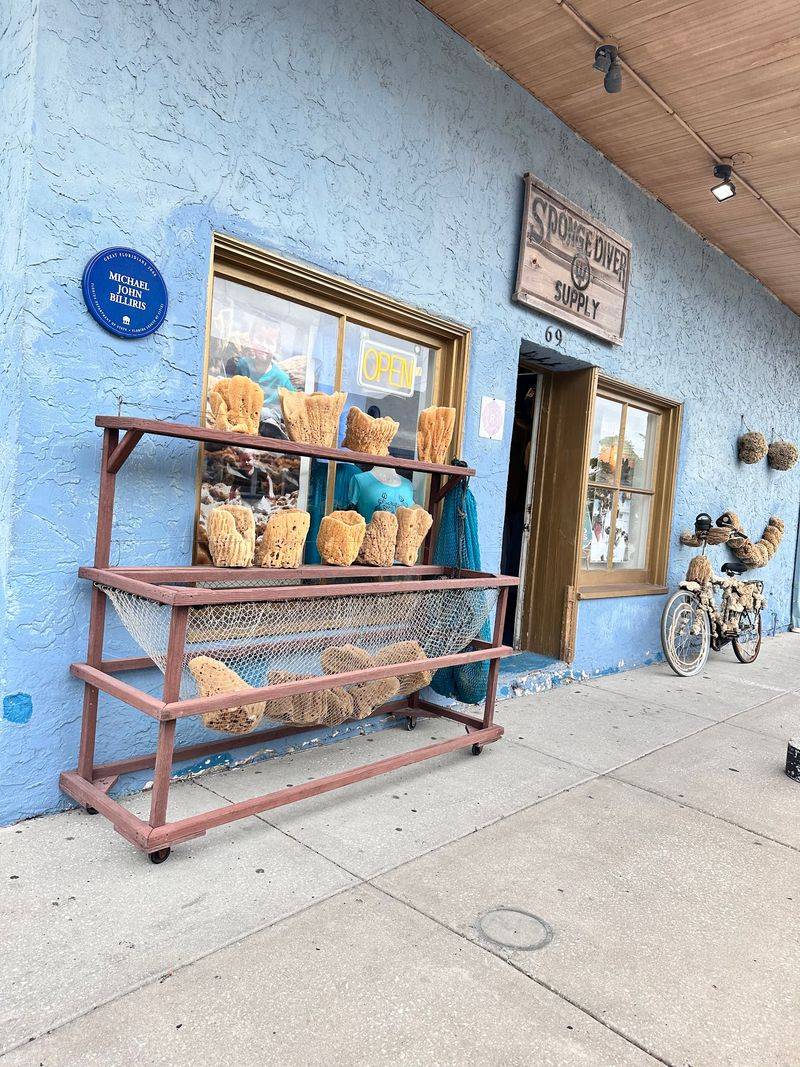
Natural sea sponges feel nothing like the bright yellow kitchen kind. They’re soft, springy, and full of tiny holes that hold lots of water.
Shops around the Tarpon Springs Sponge Docks sell many types. You might see wool sponges, yellow sponges, and grass sponges. Each kind has a different texture and best use.
Wool sponges are often prized for bathing because they feel soft. Others work better for cleaning, crafts, or painting. Ask shop staff which one fits what you need.
Here’s a fun detail. A sponge is actually a simple sea animal, not a plant. What you buy is its cleaned skeleton, which is why it feels so unusual.
Greek divers built their living on these odd sea creatures. Sponges were once a major part of Tarpon Springs’ economy. Buying one today keeps a little piece of that story going.
Before you buy, give a few sponges a gentle squeeze. Compare how they bounce back and how they feel in your hand. Taking home a natural sponge makes a useful souvenir, and it beats another fridge magnet.
Greek Food Followed The Divers Across The Ocean
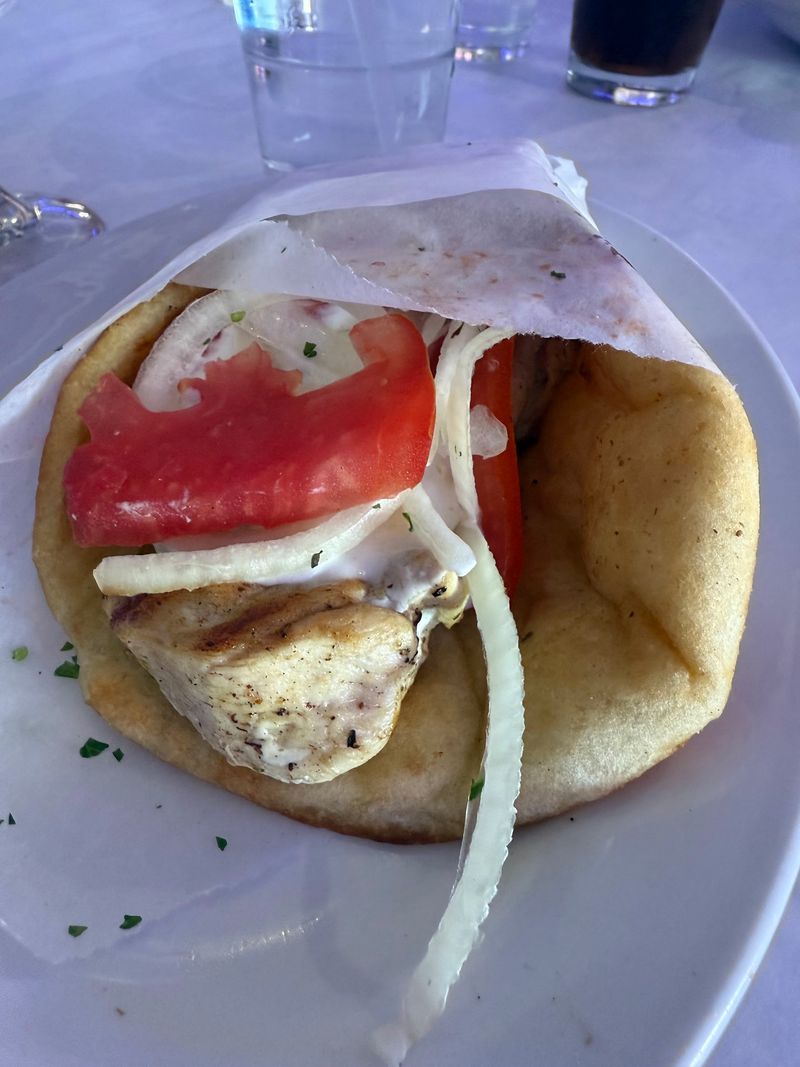
Hungry divers needed home cooking, and Greek families made sure they got it. Over time, that tradition grew into a dining scene that still defines the area.
The Tarpon Springs Sponge Docks are packed with Greek restaurants and bakeries. You’ll find favorites like gyros, souvlaki, spanakopita, and Greek salads. Seafood also shows up often, which fits a waterfront town perfectly.
Hellas Restaurant and Bakery is one of the best-known names. Its bakery case can make anyone slow down and stare. Pastries like baklava are hard to walk past.
Other spots offer quick bites you can carry while exploring. Some places sit right by the water, so you can watch boats while you eat. That view adds a little extra flavor.
A smart plan is to eat after your boat tour. You’ll have learned about the divers, and the food will connect to that story. History tastes better with a side of pita.
Save room for something sweet. Greek pastries often use honey, nuts, and flaky layers of dough. Grab one for later, if it lasts that long.
Faith Gave The Community Its Strongest Anchor
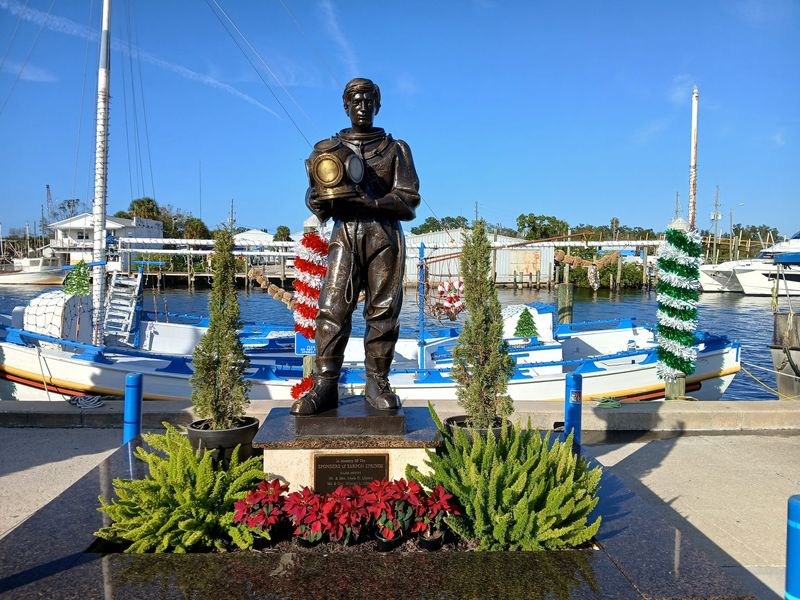
Divers faced real danger every time they went down. Faith helped many Greek families handle the worry, and the church became the center of community life.
St. Nicholas Greek Orthodox Cathedral sits a short trip from the Tarpon Springs Sponge Docks. St. Nicholas is known as a protector of sailors. That makes him a fitting patron for a sponge-diving town.
The cathedral hosts one of the town’s most famous traditions every January. On Epiphany, a cross is tossed into Spring Bayou. Young men dive into the water to retrieve it.
Finding the cross is considered a blessing for the year ahead. The event draws large crowds and connects modern families to their Greek roots. It’s one of the biggest Epiphany celebrations in the United States.
Visiting the area during this season adds another layer to the sponge story. You can see how faith, water, and diving all link together. It’s a tradition that started with the early Greek community.
If you visit the cathedral, dress respectfully and check visiting hours. The building’s beauty is worth the short side trip. It helps explain the heart behind the history.
Shops Mix Old Traditions With Fun Souvenirs
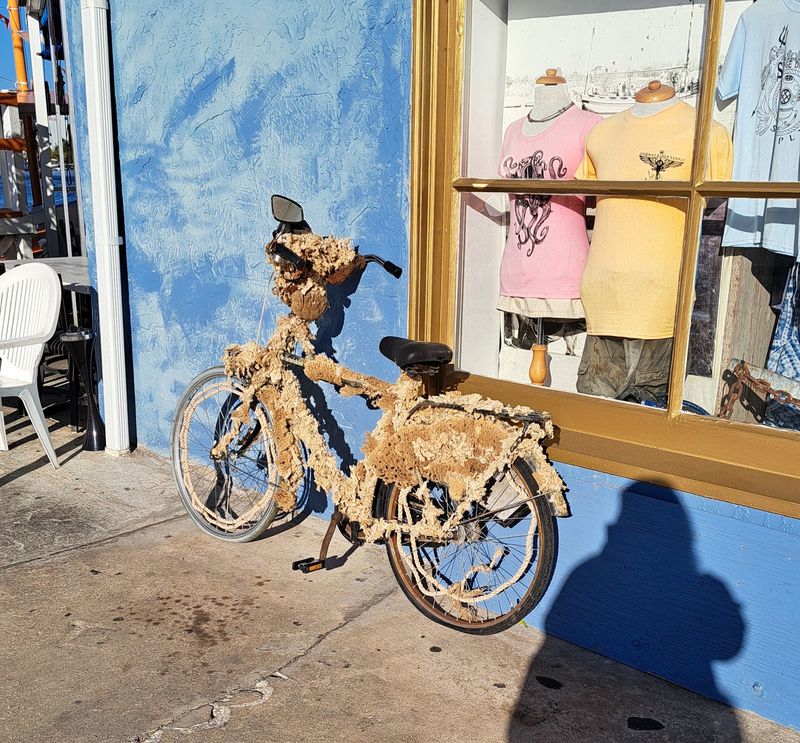
Shopping here comes with a side of history. Many stores along the Tarpon Springs Sponge Docks sell items tied to the sponge trade and Greek culture.
You’ll spot sponges, of course, but there’s more. Scented soaps, shells, Greek goods, and beach souvenirs fill plenty of shelves. Some shops lean playful, while others focus on local tradition.
Shopping works best at a relaxed pace. Pop into a few stores, compare items, and ask questions when something catches your eye. Some shop owners love sharing stories about the area.
Candy shops and bakeries add a sweet break between stops. Saltwater taffy and Greek treats make easy gifts. They also make the walk back to the car more pleasant.
Watch for shops connected to diving history. Old photos, tools, and displays can teach you a lot without a single ticket. Keep your eyes open as you browse.
Set a budget before you start. It’s easy to grab one more soap or one more sponge. Then again, nobody ever complained about smelling nice on the drive home.
Your Day Can Keep Going Out On The Water
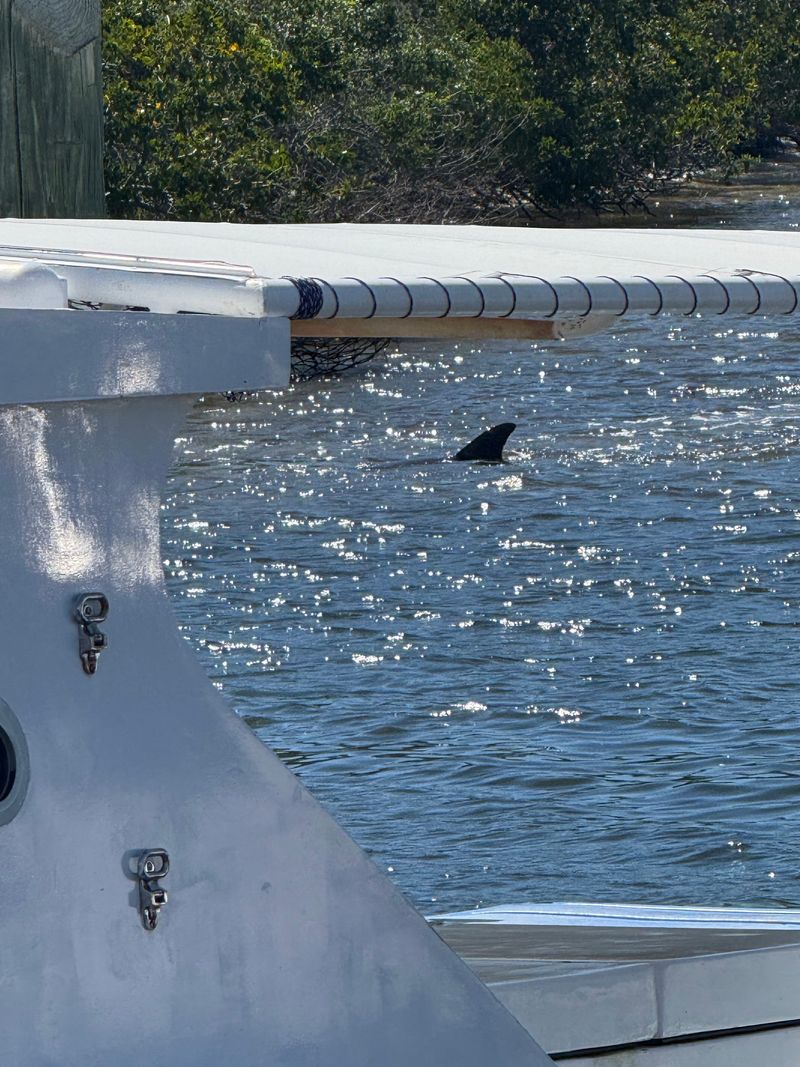
Dolphins might steal the spotlight once you leave the dock. Several tour companies run dolphin-watching trips from the waterfront.
Other boats head toward nearby islands for shelling. Anclote Key and other spots offer sandy shores and quiet natural views. It’s a nice way to see the waters Greek divers once worked.
Fishing charters and trips to nearby islands are also available from the Tarpon Springs Sponge Docks, and snorkeling is possible in the waters around Anclote Key. Each option shows a different side of the Gulf. You can choose based on your group’s mood.
Families often enjoy mixing history with nature. Start with a sponge boat tour, then grab lunch. Later, try a dolphin cruise if everyone still has energy.
Check schedules and weather before booking. Boat trips depend on conditions, and summer storms can pop up quickly in Florida. A flexible plan keeps the day fun.
The docks are open daily, so you have plenty of chances to visit. Each trip can feel a little different depending on what you choose. More than a century after the divers arrived, the water is still the main attraction here.