Centuries of Florida History Remain Inside This Jacksonville Island Plantation House
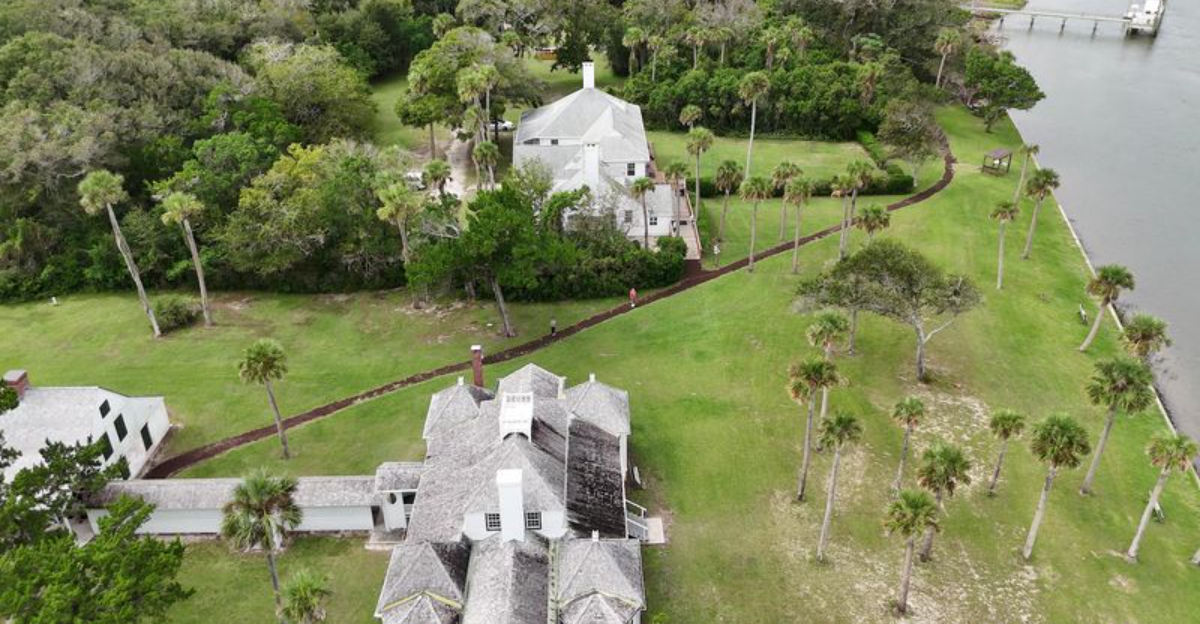
Centuries of complicated Florida history remain visible at Kingsley Plantation, a remarkably preserved site on Fort George Island near Jacksonville. Surrounded by marshes, waterways, and massive oak trees, the property offers visitors a glimpse into plantation life during Florida’s territorial era while preserving the stories of both the people who controlled the estate and the enslaved people whose labor sustained it. The plantation house dates to the late 18th century and is considered the oldest surviving plantation-era house in Florida.
Its weathered wooden construction immediately sets it apart from grander plantation homes found elsewhere in the South. Rather than presenting an idealized picture of the past, the site provides an opportunity to examine the difficult realities of slavery, labor, family, and life along Florida’s northeastern coast. Among the property’s most significant features are the remains of more than 20 tabby slave cabins arranged in a distinctive semicircle.
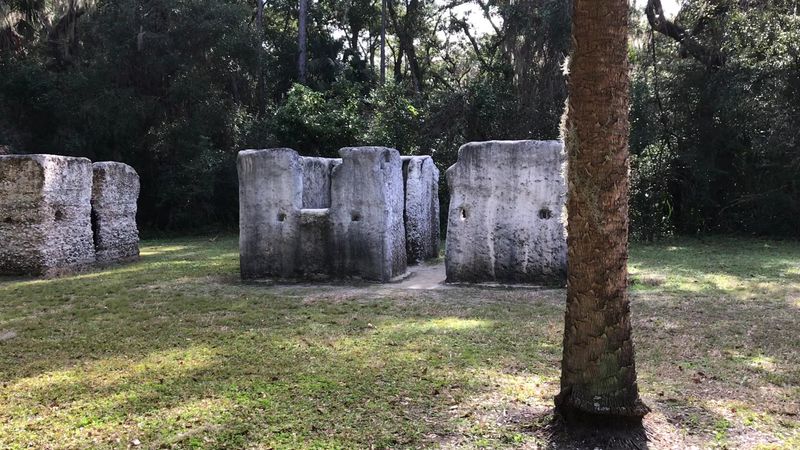
Built using a mixture that incorporated oyster shells, these structures provide powerful physical evidence of the community of enslaved men, women, and children who lived and worked here. Other surviving features include a barn and waterfront landscape that help visitors understand how the plantation functioned. The history of Kingsley Plantation is also closely connected to Zephaniah Kingsley and Anna Madgigine Jai Kingsley, whose lives reflect the complex racial and social dynamics of Spanish Florida.
Their story adds another layer to a place already filled with challenging and important history. Today, Kingsley Plantation is part of Timucuan Ecological and Historic Preserve, allowing visitors to experience both cultural history and the natural beauty of Fort George Island. Walking these quiet grounds isn’t simply a tour of an old Florida house; it’s an opportunity to confront and better understand the people, systems, and events that shaped this region centuries ago.
The Main Plantation House Tells an Unusual Story
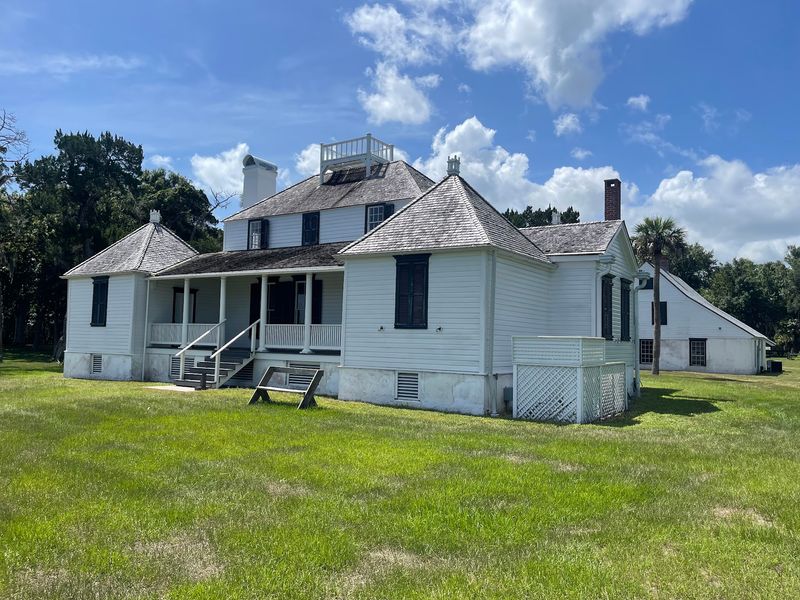
Built around 1798, the main house at Kingsley Plantation isn’t your typical grand Southern mansion. Its simple two-story design with tabby construction (a concrete-like mixture of oyster shells, lime, sand, and water) reflects the practical needs of coastal Florida living. The wraparound porches weren’t just for show but helped catch breezes during brutal summer months.
What makes this house truly remarkable is the man who lived here from 1814 to 1839. Zephaniah Kingsley was a slave trader and plantation owner, yet he married Anna Madgigine Jai, an enslaved African woman he later freed. Their relationship challenges simple narratives about the antebellum South, showing the complicated and often contradictory nature of that period.
Walking through the rooms today, you can almost picture daily life unfolding. The house sits elevated to avoid flooding, with windows positioned to maximize airflow. Original heart pine floors creak underfoot, and the sparse furnishings help visitors imagine how families actually lived rather than presenting a sanitized version of history.
Rangers lead discussions about the Kingsley family’s unusual dynamics and how Anna managed the plantation with considerable authority. She owned property and enslaved people herself, demonstrating the complex power structures that existed. The house doesn’t shy away from these uncomfortable truths.
Preservation efforts have kept the structure stable while maintaining its authentic appearance. Unlike heavily restored sites, Kingsley Plantation shows its age honestly, with weathered wood and faded paint that speak to centuries of Florida’s humid climate. Visitors appreciate this raw authenticity because it feels more genuine than a polished recreation.
The views from the upper porch stretch across the Fort George River, offering the same panorama that residents saw generations ago. Standing there connects you directly to the past in a way few historic sites can match.
The Slave Quarters Village Preserves Painful Truths
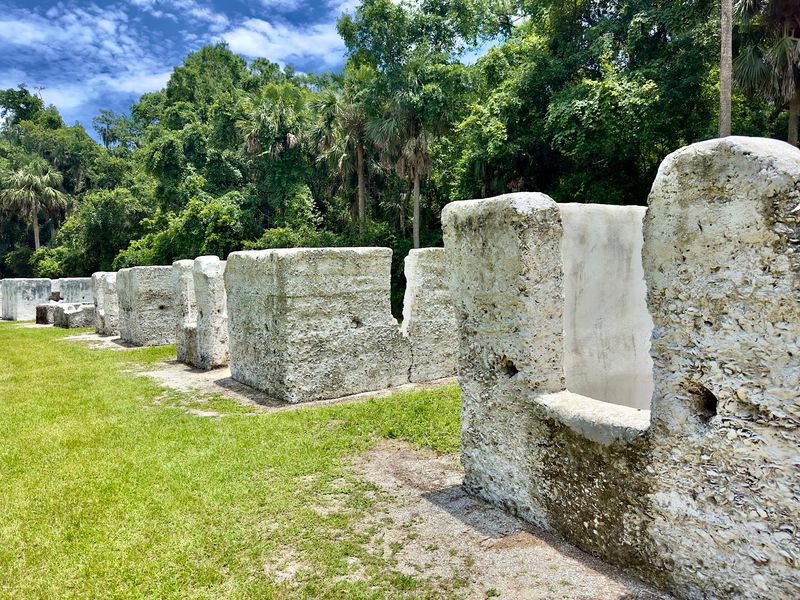
Twenty-three slave quarters still stand at Kingsley Plantation, forming a haunting semicircle behind the main house. These tabby structures are among the oldest surviving examples of slave housing in the United States. Their durability comes from that oyster shell mixture, which has withstood hurricanes, heat, and time for over two centuries.
Each cabin measures roughly 10 by 12 feet with a single room and small fireplace. Families of six or more people crowded into these tiny spaces, sleeping on dirt floors with minimal protection from insects and weather. The cramped, dark interiors make the harsh realities of enslaved life impossible to ignore.
Walking through the quarters village creates a sobering experience. The small doorways force you to stoop, and the lack of windows in some cabins emphasizes how little comfort or privacy anyone enjoyed. These weren’t just work buildings but homes where people raised children, cooked meals, and tried to maintain dignity under brutal circumstances.
Historical records indicate that Kingsley Plantation operated differently from many Southern plantations. Enslaved workers could earn money through a task system, and some eventually purchased their freedom. This doesn’t minimize the horror of slavery but adds complexity to understanding how different systems of forced labor functioned.
The National Park Service has done remarkable work preserving these structures without romanticizing them. Interpretive signs share stories of specific individuals who lived here, giving names and humanity to people history often reduces to numbers. You learn about Ma’am Anna (Kingsley’s wife) and others who navigated impossible situations with courage and intelligence.
Visitors often report feeling deeply moved walking among the quarters. The physical reality of seeing where people actually lived makes abstract historical knowledge suddenly concrete and personal. It’s history you can touch, smell, and feel in your bones.
The Kitchen House Shows Daily Plantation Operations
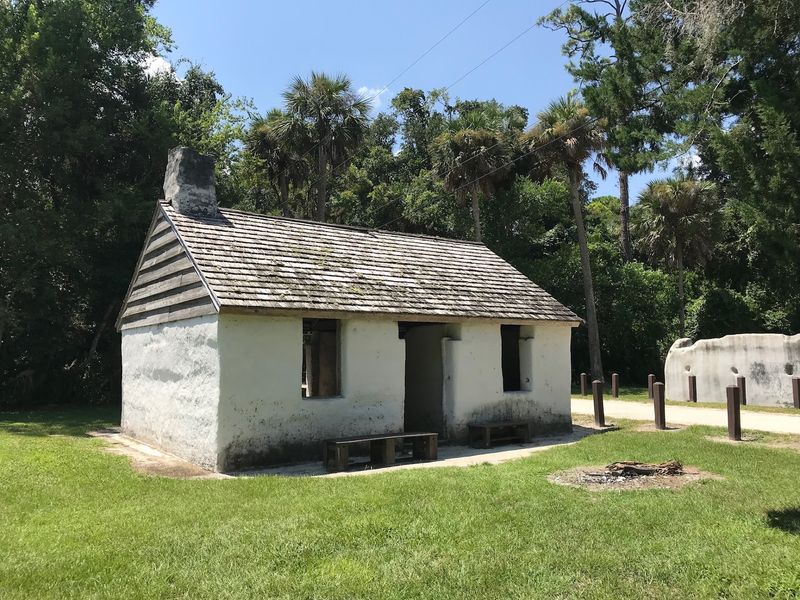
Standing apart from the main house, the kitchen building represents typical plantation design where fire hazards and heat were kept away from living quarters. This tabby structure contained massive fireplaces where enslaved cooks prepared meals for the Kingsley family and managed food preservation in Florida’s challenging climate.
Cooking in the 1800s required serious skill and endurance. Without refrigeration, cooks had to smoke meats, dry vegetables, and use root cellars creatively. The kitchen’s large fireplace could accommodate multiple pots simultaneously, and hooks for hanging game and fish still mark the walls.
The separation of the kitchen also maintained social hierarchies. Enslaved workers labored over hot fires in oppressive humidity while the main house stayed relatively cooler. Food traveled across the yard, often losing temperature, which shows how maintaining status symbols mattered more than practical comfort.
Archaeological digs around the kitchen have uncovered pottery shards, animal bones, and tool fragments that reveal what people actually ate. Contrary to popular belief, diets included diverse ingredients beyond basic rations. Enslaved people often maintained personal gardens and supplemented meals with fish from the river and game from surrounding forests.
The building’s construction demonstrates the same tabby technique used throughout the plantation. Oyster shells weren’t just abundant but provided excellent insulation and pest resistance. Modern visitors marvel at how well these structures have survived when wooden buildings from the same era have long since rotted away.
Rangers sometimes discuss the kitchen’s role as a social space where enslaved workers gathered, shared information, and maintained cultural traditions through food preparation. Recipes and cooking techniques passed down from African ancestors helped preserve identity and community despite attempts to strip away cultural connections.
Looking at the kitchen today helps visitors understand plantation operations beyond just field work. The complex logistics of feeding dozens of people daily required organization, skill, and exhausting physical labor.
The Barn and Outbuildings Reveal Agricultural Life
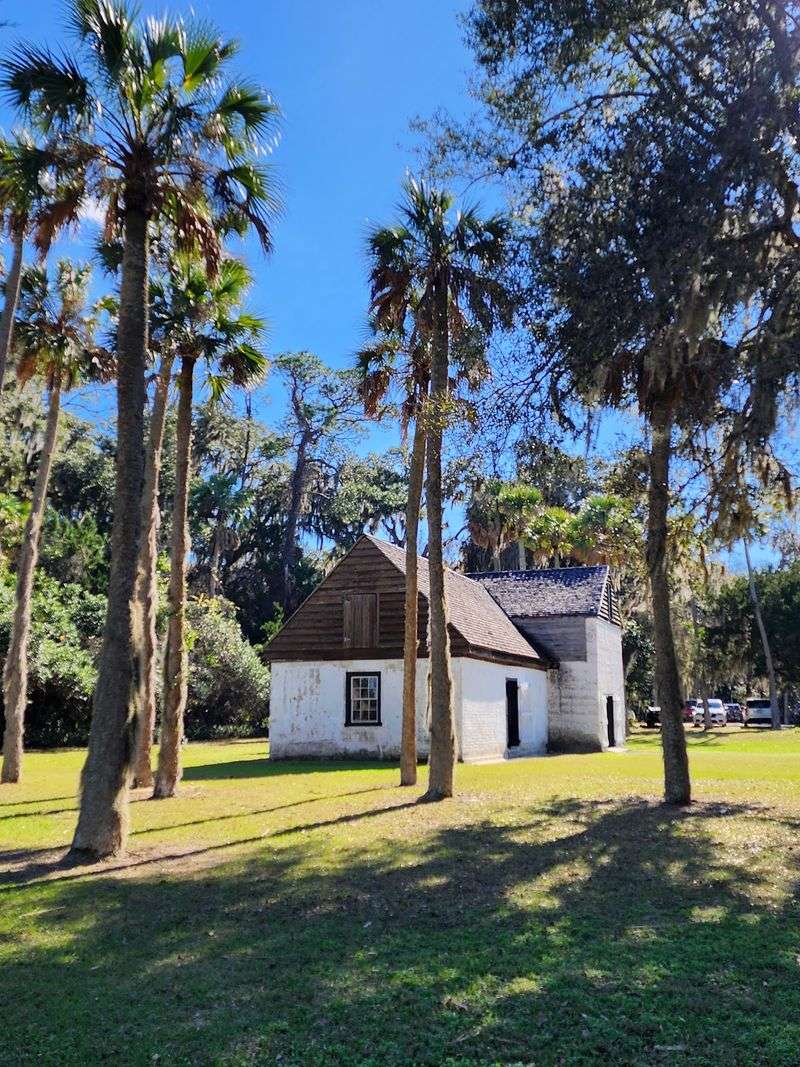
Beyond the main structures, several outbuildings scattered across the property illustrate how Kingsley Plantation functioned as a working agricultural enterprise. The barn stored equipment, housed animals, and provided workspace for repairs and tool maintenance. Though less impressive than the main house, these buildings kept the entire operation running.
Kingsley Plantation primarily grew Sea Island cotton, a long-staple variety prized for its quality and softness. The crop required intensive labor from planting through harvesting and processing. Workers also cultivated corn, sugarcane, and vegetables while managing livestock that included cattle, pigs, and chickens.
The barn’s design reflects practical Florida considerations. Wide doors allowed airflow to prevent mold in stored crops, and the structure sat elevated to discourage flooding during heavy rains. Original tool marks on wooden beams show where workers shaped materials by hand, a reminder of how labor-intensive even basic construction proved.
Surrounding the barn, visitors can spot remnants of fencing, garden plots, and pathways that connected different work areas. The plantation operated like a small village with specialized zones for various tasks. Blacksmiths repaired metal tools, carpenters built and fixed structures, and field workers rotated through different agricultural duties based on seasons.
Historical accounts describe how Kingsley implemented a task system rather than gang labor. Enslaved workers received specific daily assignments and could use remaining time for personal projects or rest. While still exploitative, this system differed from the sunrise-to-sunset forced labor common on many plantations.
The outbuildings also housed workshops where skilled craftspeople produced goods for plantation use and sale. Some enslaved workers became expert coopers, making barrels for shipping cotton and other products. Others mastered carpentry, metalwork, or textile production, skills that occasionally enabled them to earn money toward purchasing freedom.
Exploring these structures gives visitors a fuller picture of plantation economics and the diverse labor required to maintain such operations in early Florida.
The Scenic Drive Through Maritime Forest Creates Atmosphere
Getting to Kingsley Plantation involves a memorable three-mile drive down a narrow dirt road that winds through pristine maritime forest. This isn’t just a commute but part of the experience, transporting you away from modern Jacksonville into a landscape that looks much as it did centuries ago. Massive live oaks draped with Spanish moss create a tunnel effect overhead.
The road itself sparks conversation among visitors. Some find the bumpy, narrow path inconvenient, while others appreciate how it filters out casual tourists and creates a sense of journey. You’ll need to pull over into wider spots when meeting oncoming traffic, which encourages a slower, more mindful pace.
This maritime hammock ecosystem represents one of Florida’s most threatened habitats. The forest combines salt-tolerant species like cabbage palms with hardwoods that thrive in the slightly elevated terrain. Wildlife abounds, with deer, raccoons, and numerous bird species calling this area home.
Lucky visitors spot peacocks wandering the grounds, descendants of birds introduced decades ago.
The drive also builds anticipation and helps visitors mentally transition from contemporary life to historical immersion. By the time you reach the plantation, you’ve left behind strip malls and traffic noise for something quieter and more contemplative. This psychological shift enhances the educational experience waiting ahead.
Photographers love this road for its dramatic lighting and natural beauty. Morning visits offer the best conditions when sunlight filters through the canopy, creating ethereal patterns on the dirt path. The Spanish moss sways gently in breezes, and the forest feels almost prehistoric in its untouched appearance.
Park rangers maintain the road carefully, balancing preservation needs with accessibility. The dirt surface prevents excessive speed and protects tree roots from damage that paving would cause. Occasional washouts after heavy rains get repaired quickly, ensuring visitor safety while maintaining the road’s historic character.
This approach journey reminds us that not everything needs modernizing. Sometimes the path matters as much as the destination.
The Audio Tour Brings Stories to Life
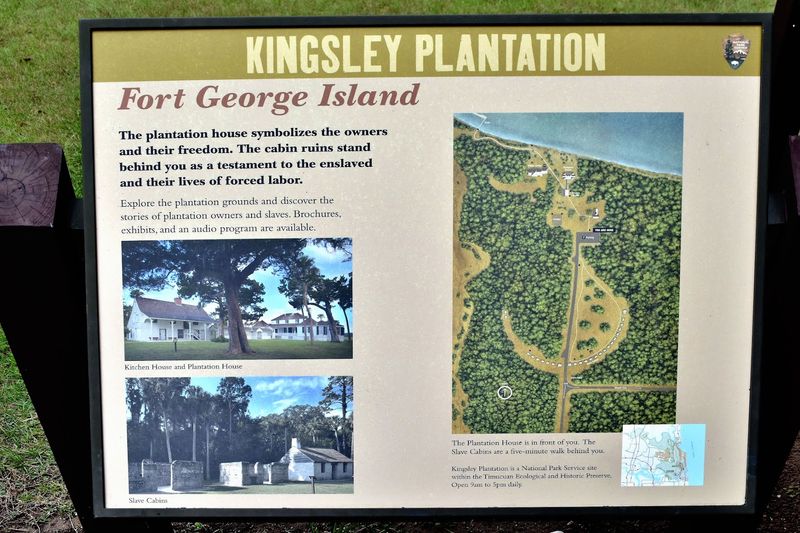
One of the best decisions you can make when visiting Kingsley Plantation is downloading the free audio tour before you arrive. This self-guided experience transforms your visit from simply looking at old buildings into understanding the real people whose lives unfolded here. The professionally produced recordings feature historians, park rangers, and descendants sharing knowledge you won’t find on plaques alone.
The audio tour works through your smartphone, with numbered stops corresponding to locations throughout the site. Each segment runs about three to five minutes, providing just enough detail without overwhelming listeners. You control the pace, replaying sections or skipping ahead based on your interests and available time.
What makes this tour especially powerful is hearing directly from descendants of enslaved people who lived at Kingsley. Their voices add emotional depth and personal connection that third-person narration can’t match. They share family stories passed down through generations, filling gaps that written records left behind.
The tour doesn’t shy away from difficult topics. It addresses the brutality of slavery while also exploring the unusual aspects of Kingsley Plantation, including interracial relationships and the limited opportunities some enslaved people had to gain freedom. This balanced approach helps visitors understand complexity without minimizing injustice.
Technical quality is excellent, with clear audio and minimal background noise. The recordings work offline once downloaded, so you don’t need cell service while walking the grounds. This reliability matters because coverage can be spotty in the maritime forest surrounding the plantation.
Many visitors report that the audio tour changed their entire experience. Instead of wandering aimlessly, they followed a narrative thread that connected buildings, people, and events into a coherent story. Children and adults both benefit from the engaging presentation style that uses vivid descriptions and historical context.
Rangers at the visitor center can help you access the tour and answer technical questions. They also offer printed guides for those who prefer reading to listening, ensuring everyone can engage with the site’s history meaningfully.
The Visitor Center and Rangers Enhance Understanding
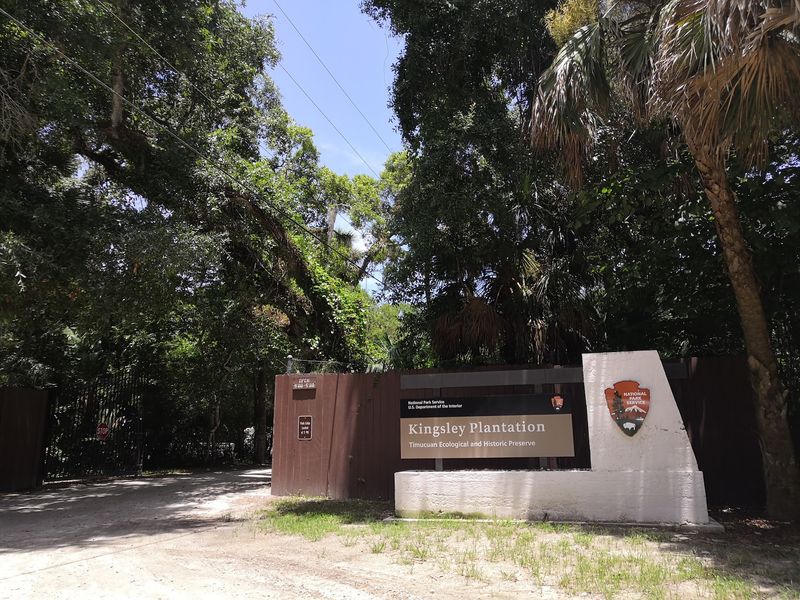
Before exploring the grounds, stop at the visitor center where knowledgeable rangers and volunteers provide orientation and answer questions. These aren’t just ticket-takers but passionate historians who love sharing insights about the plantation’s complex past. Their enthusiasm and expertise elevate your visit from tourist activity to genuine learning experience.
The small museum inside features artifacts recovered from archaeological digs, including pottery, tools, and personal items that belonged to people who lived here. Display cases show the evolution of the plantation through different ownership periods, and maps illustrate how the property connected to broader trade networks spanning the Atlantic world.
Rangers offer informal talks throughout the day, discussing topics like tabby construction techniques, the task system of labor, and Anna Kingsley’s remarkable life story. They encourage questions and discussions rather than delivering lectures, creating an interactive environment where curiosity gets rewarded. Their depth of knowledge extends beyond memorized facts to genuine understanding of historical context.
The gift shop stocks thoughtfully curated books about Florida history, slavery, and the Timucuan people who originally inhabited this region. Purchases support the National Park Service’s preservation and education efforts. You’ll find items you won’t see at typical tourist shops, including academic works and personal narratives that deepen understanding.
Free admission makes Kingsley Plantation accessible to everyone, regardless of budget. The National Park Service maintains the site as a public resource, believing everyone deserves access to this important history. Donation boxes allow visitors to contribute voluntarily if they wish to support ongoing preservation work.
Restrooms near the visitor center are clean and well-maintained, an appreciated amenity given the site’s remote location. Drinking water and covered seating areas provide comfort during hot Florida days when shade becomes essential.
The rangers’ dedication shines through in every interaction. They clearly care deeply about preserving this site and ensuring visitors leave with greater historical awareness. Their commitment transforms what could be a quick stop into a meaningful encounter with the past.
The Waterfront Location Shaped Plantation Economics
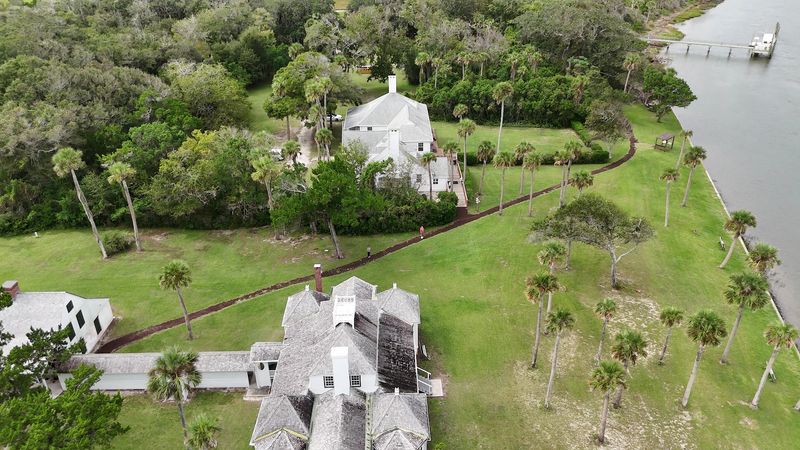
Kingsley Plantation’s position on the Fort George River wasn’t accidental but central to its economic success. This tidal waterway provided transportation for people and goods when roads barely existed in early Florida. Boats carried cotton, lumber, and other products to markets in Jacksonville and beyond, while bringing back supplies the plantation couldn’t produce.
The river also supplied food through fishing and oyster harvesting. Enslaved workers supplemented plantation rations with seafood caught in surrounding waters, providing protein and variety to otherwise monotonous diets. Shell middens scattered around the property show where generations of people processed oysters, clams, and other shellfish.
Standing at the waterfront today, you can watch tides rise and fall just as plantation residents did. The marsh grasses and mud flats support incredible biodiversity, with herons, egrets, and ibises hunting for small fish and crustaceans. Dolphins occasionally swim past, reminding visitors that this ecosystem extends far beyond human history.
The river’s strategic importance extended beyond economics to safety and communication. Water routes allowed quick travel and news sharing among coastal settlements. During uncertain times, including conflicts with Seminole tribes and the approach of the Civil War, river access provided potential escape routes.
A small dock extends into the water where visitors can walk out for better views and photo opportunities. The peaceful scene today contrasts sharply with the bustling activity that once characterized this waterfront. Imagine boats loading cotton bales, workers repairing nets, and children playing in the shallows under watchful eyes.
Environmental changes over two centuries have altered the shoreline, but the essential character remains. The same tides that brought Zephaniah Kingsley’s ships continue their eternal rhythm. The same sun sets over the marsh, painting the sky in oranges and pinks that inspired and consoled people across generations.
This connection to water reminds us that Florida’s history has always intertwined with its unique geography. The plantation couldn’t have existed without this river, making the natural setting as important as the human-built structures.