Locals Can’t Get Enough Of The Bargains At This Enormous Florida Flea Market
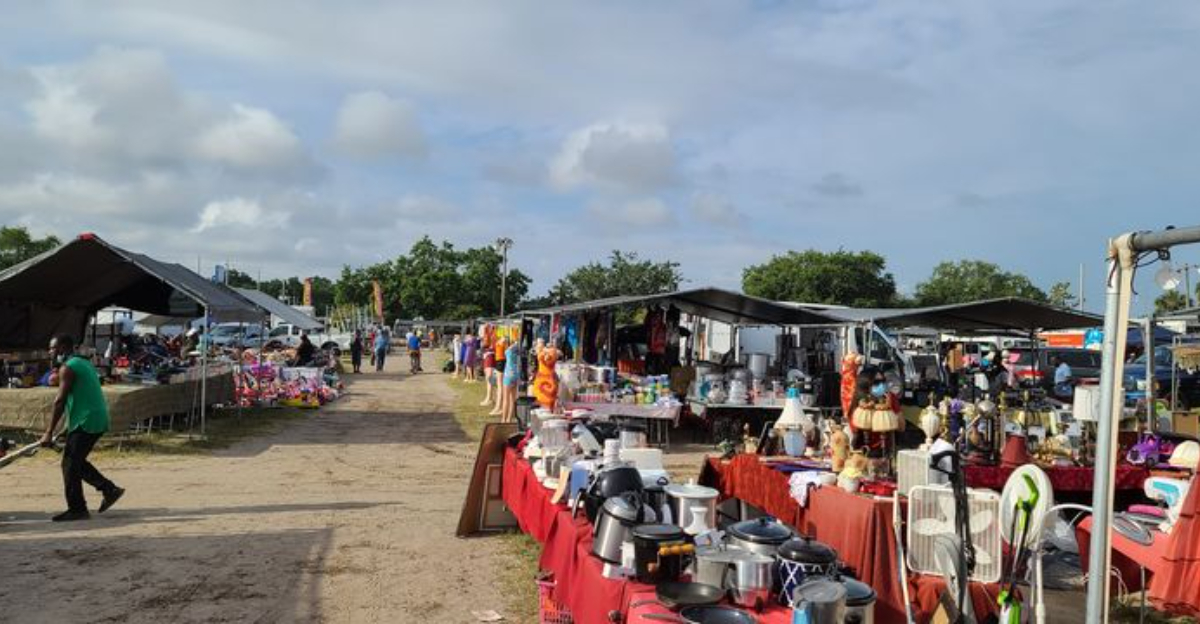
Every weekend, treasure hunters and bargain seekers flock to the Orlando Outdoor Market on West Colonial Drive for deals that big-box stores simply cannot match. This sprawling flea market transforms into a bustling bazaar where locals score everything from exotic plants to vintage finds at prices that make your wallet happy. Open only on Saturdays and Sundays, this hidden gem has earned a loyal following among Orlandoans who know that showing up early means snagging the best bargains before they disappear.
1. Plant Paradise With Unbeatable Prices
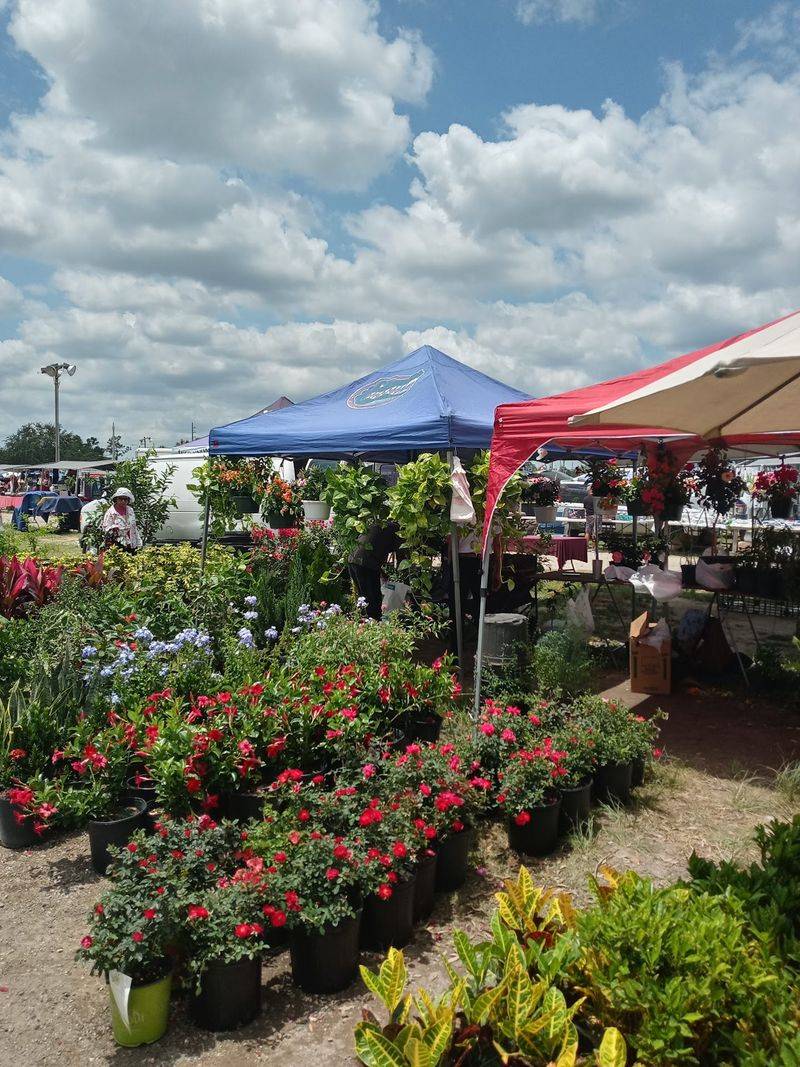
Plant enthusiasts have discovered their secret weapon at this market, where nursery-quality greenery sells for a fraction of retail prices. Fruiting calomondin trees that command over $150 at garden centers go for just $65 here, already loaded with bright orange citrus. Vendors like Eddy offer double-colored hibiscus trees for $25, while four-inch herb pots cost only $2 each.
The selection changes with the seasons, so regulars know to visit often. Kaffir lime trees stand four feet tall for $35, and fragrant camellias appear during blooming season at $20 instead of the typical $40. Fifteen-gallon pots filled with established plants represent serious savings for anyone looking to landscape their yard without breaking the bank.
Serious plant shoppers arrive when gates open at 7 AM on weekends. Many sellers pack up by 2 PM, especially the popular plant vendors who sell out quickly. Bring cash for the best deals, and don’t be shy about asking vendors for care tips since many grow these plants themselves and genuinely want them to thrive in your garden.
2. Fresh Sugarcane Juice Pressed Right Before Your Eyes
Nothing beats Florida heat quite like a cold glass of sugarcane juice, and this market serves it fresher than anywhere else in Orlando. Vendors press the stalks right in front of you, extracting vibrant liquid that bursts with natural sweetness and earthy undertones you will never find in bottled drinks. The juice flows pale green and foamy, reaching peak flavor the moment it hits your cup.
Regular visitors rave about this refreshing treat, with one reviewer writing an entire love letter to the beverage’s cooling qualities and nostalgic charm. Some vendors add lime juice and fresh ginger to create a zesty variation that wakes up your taste buds. The drink carries cultural significance for many market-goers, evoking memories of street markets and summer celebrations from their homelands.
Expect to pay around $3 to $5 for a generous serving. The juice oxidizes quickly, so drink it immediately for maximum freshness and health benefits. On sweltering Saturday mornings, the sugarcane stands draw long lines of locals who consider this sweet elixir an essential part of their market routine, not just a beverage but an experience worth repeating every weekend.
3. Food Trucks Serving Up Viral Sensations
Social media has turned some of the market’s food vendors into local celebrities, with taco trucks earning enough TikTok fame to draw crowds from across the city. One enthusiastic reviewer admitted visiting the same taco truck twice in one day after discovering it online, promising to return the following weekend. These mobile kitchens serve authentic flavors that rival sit-down restaurants at prices that keep your budget intact.
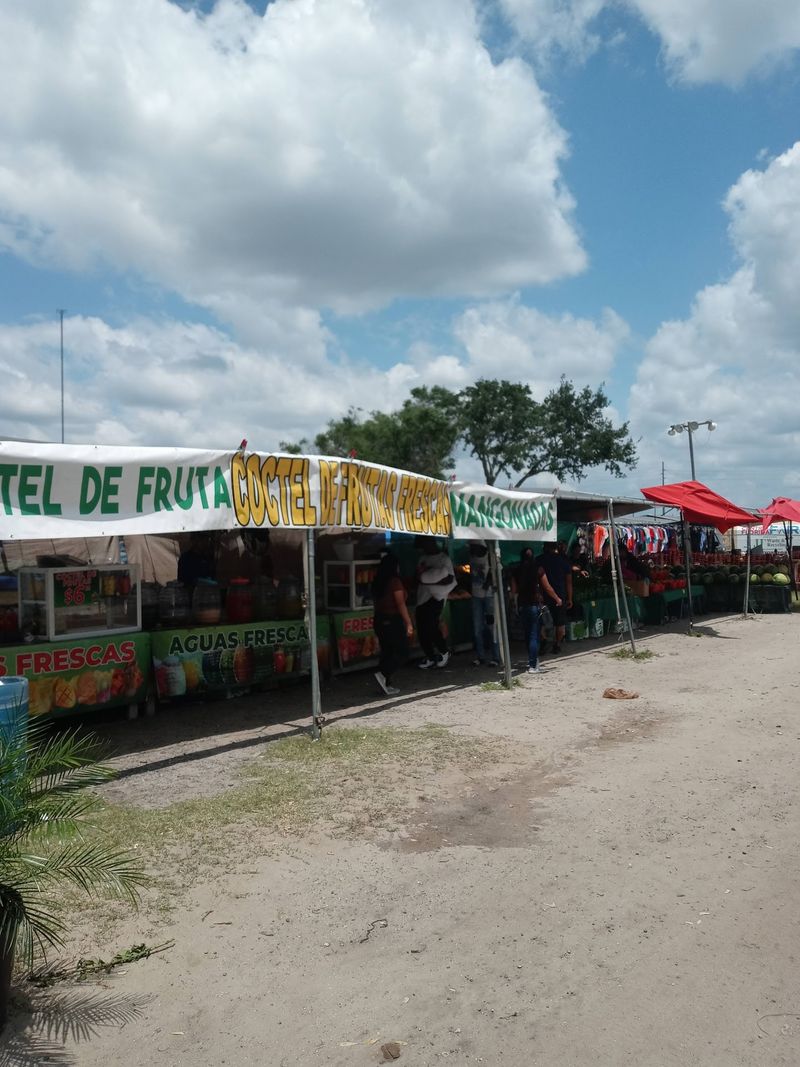
Beyond tacos, the market hosts various food stalls offering international cuisines that reflect Orlando’s diverse community. Fresh fruit juice stands blend tropical smoothies using produce sold just steps away. Some vendors prepare traditional dishes that transport you to different countries without leaving central Florida.
The cordial atmosphere mentioned in reviews extends to the food area, where vendors chat with regulars and recommend their specialties. Arriving hungry makes sense because the aromas alone will convince you to try something new. Most food prices stay reasonable, typically under $10 for satisfying portions that fuel your shopping adventure through the rest of the market without requiring a second mortgage.
4. Fresh Coconuts Cracked Open On The Spot
Families selling fresh coconuts from trucks loaded with the tropical fruit offer an authentic taste of Florida for just $4 each. These are not the brown hairy coconuts from grocery stores but young green ones filled with sweet water and soft meat. Vendors crack them open with practiced machete swings, creating an instant refreshing snack perfect for hot market mornings.
Buying in bulk often unlocks better deals, and savvy shoppers ask to select directly from the truck rather than settling for pre-picked options. The coconut water inside provides natural electrolytes that rehydrate better than sports drinks, while the tender meat scoops out easily with a spoon. Some vendors also sell coconut-based products like fresh coconut milk and shredded meat.
Watch the cracking process if you have never seen it before because the skill involved is impressive. The vendors know exactly where to strike for a clean opening that preserves the maximum amount of water. Bring a cooler if you are buying multiple coconuts to keep them fresh during the rest of your market adventure, and do not worry about making a mess since this is a casual outdoor environment where everyone expects a little coconut water spillage.
5. Garage Sale Treasures Mixed With Brand New Bargains
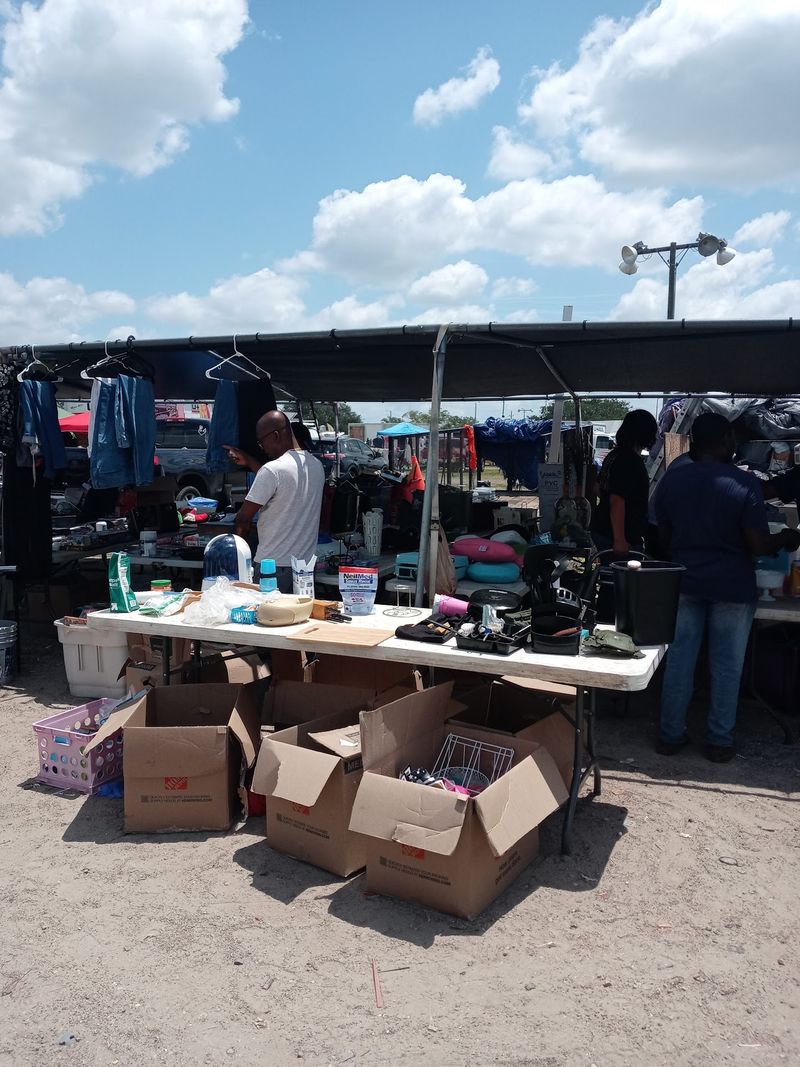
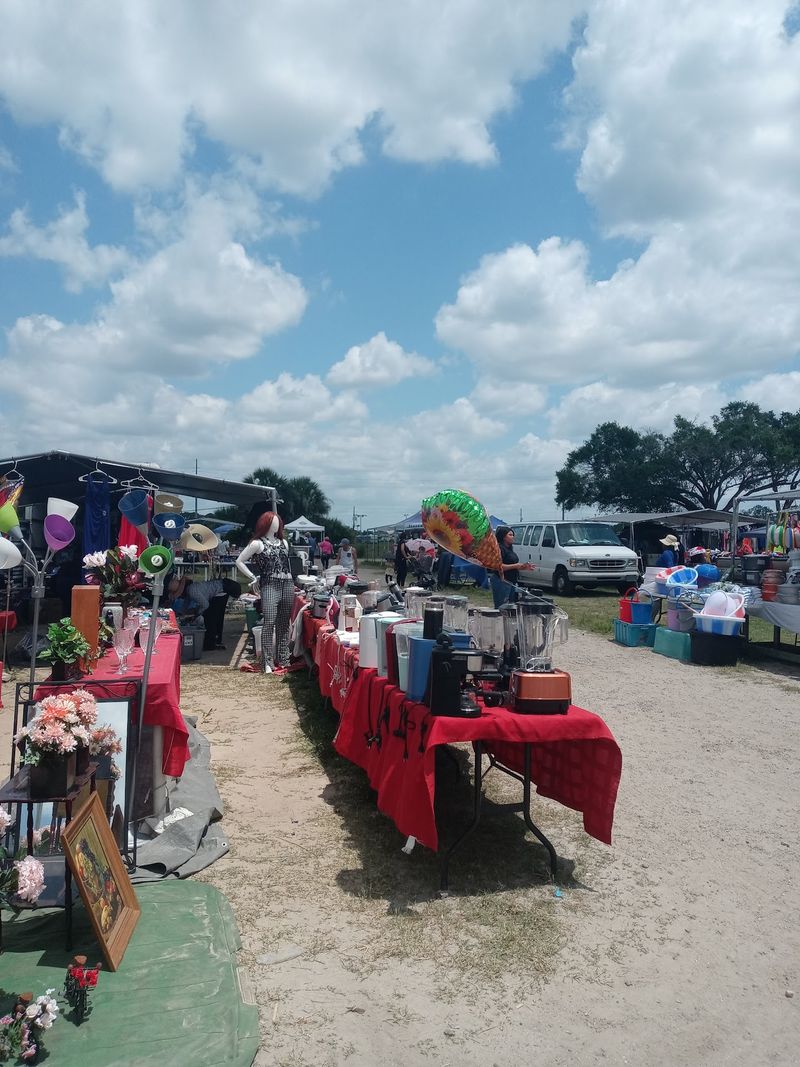
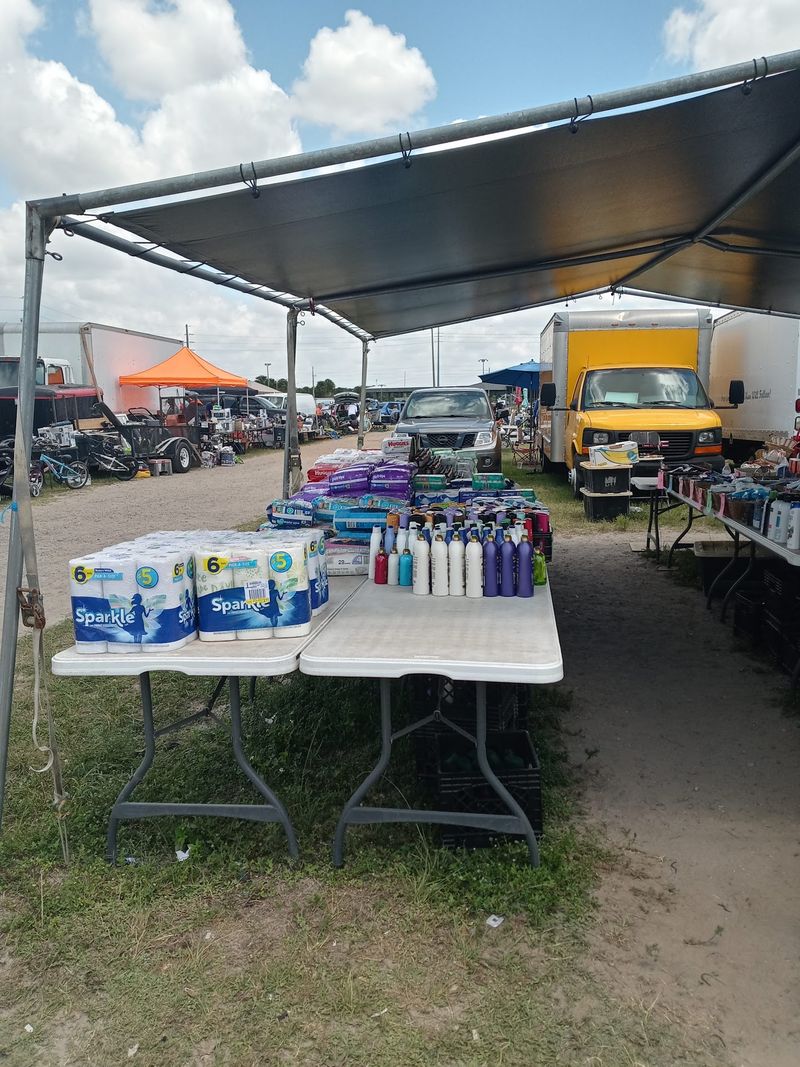
Half the thrill comes from not knowing what you might discover among the eclectic mix of merchandise sprawling across hundreds of vendor tables. One shopper scored a brand new Hamilton Beach iron worth $90 for just $30, still sealed in its original box. Another found a Crock-Pot for $15, proving that patience and early arrival can unearth legitimate steals on quality household items.
The presentation style definitely leans toward organized chaos rather than polished retail displays. Some vendors pile merchandise on tables or even the ground, creating a true treasure hunt atmosphere. You might spot vintage tools, secondhand clothes, toys, car parts, and kitchen gadgets all within the same row.
Prices fluctuate since many items lack tags, making negotiation part of the experience.
Seasoned shoppers recommend comparing prices between vendors before committing since similar items often appear at multiple stalls with varying price points. Bring cash for better bargaining power, and arrive with a specific shopping list to avoid getting overwhelmed by the sheer volume of stuff. The market rewards those willing to dig through the clutter because genuine bargains hide among the chaos for anyone patient enough to search.
6. Weekend-Only Schedule Keeps Things Special
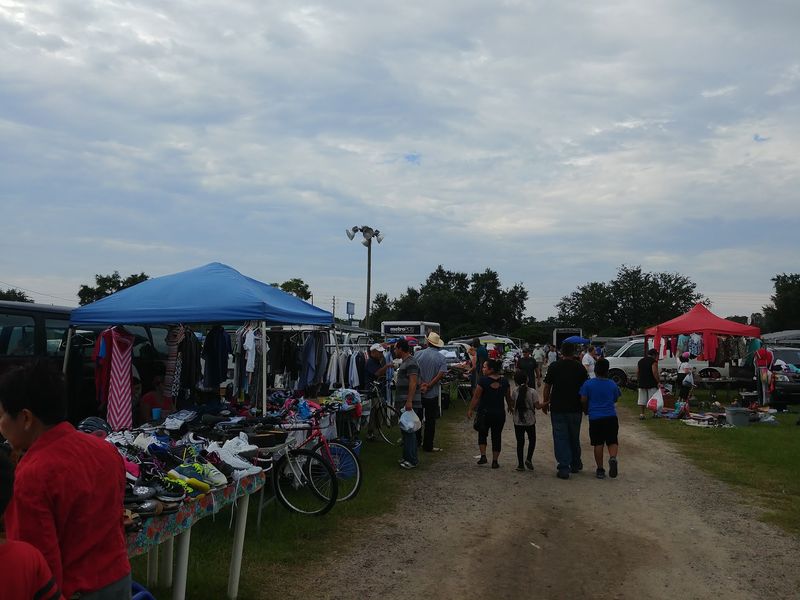
Forget dropping by after work because this market only operates Saturday and Sunday, opening at 7 AM and winding down by mid-afternoon. Saturday hours run until 4 PM while Sunday wraps up at 3 PM, creating urgency that keeps the experience feeling like a special event rather than just another errand. Vendors begin packing up around 2 PM, especially those with popular items that sell out quickly.
The limited schedule actually works in shoppers’ favor by concentrating both vendors and customers into predictable time windows. Everyone knows the best selection appears in the morning when tables overflow with fresh inventory. Serious bargain hunters set alarms for early arrival, understanding that sleeping in means missing primo picks.
Free parking and no admission fees sweeten the deal, though the dirt lot entrance features some serious potholes that require cautious navigation. The fairgrounds location provides ample space for the sprawling market, with parking available on both sides. Plan for at least two hours if you want to browse thoroughly, though focused shoppers hunting specific items can cover the entire market in thirty minutes by walking briskly through the rows and scanning for their targets.
7. No-Frills Atmosphere With Genuine Character
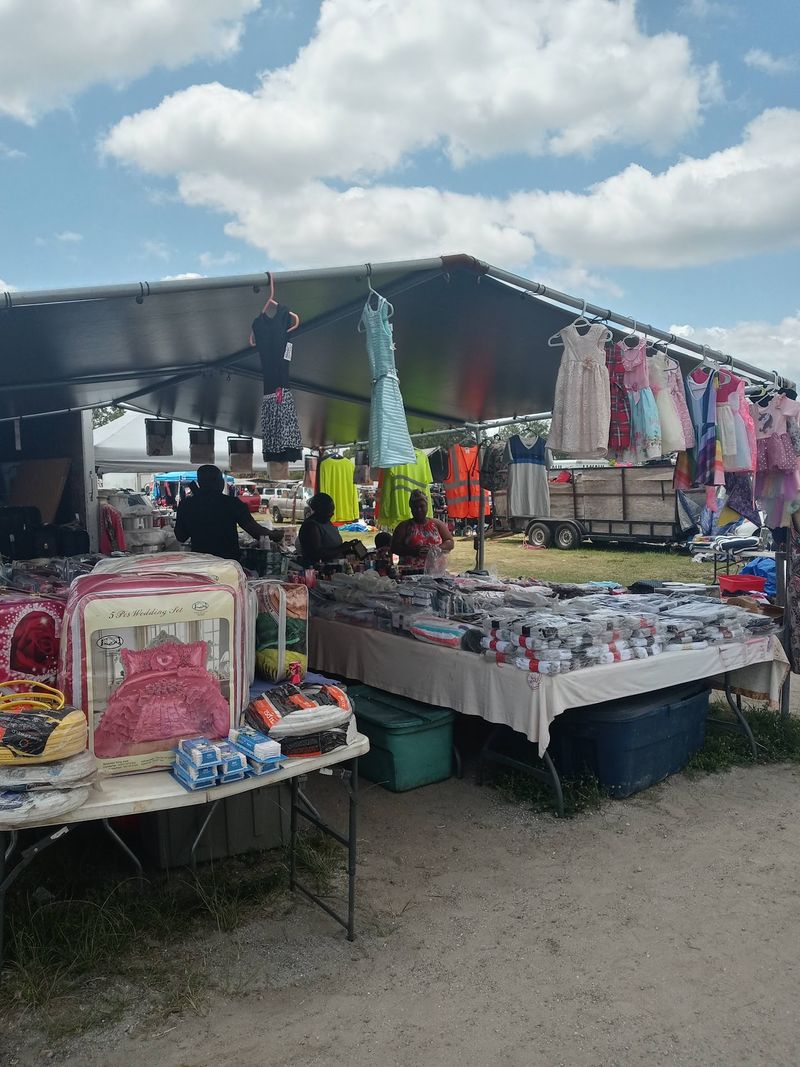
Polished retail environments this is not, and regulars appreciate the raw, unfiltered vibe that comes with rutted sand walkways and merchandise displayed with more enthusiasm than organization. Dust swirls when breezes pick up, fans circulate air under covered sections, and the whole scene feels authentically local rather than tourist-targeted. Reviews describe it as everything from a hidden gem to an overwhelming hoarder house divided into rows.
Cultural diversity defines the market’s character, with vendors and shoppers representing Orlando’s international community. The atmosphere strikes some visitors as cordial and welcoming while others feel uncomfortable with the unstructured presentation and variable pricing. Your experience likely depends on expectations since approaching this as an adventure rather than a traditional shopping trip leads to greater satisfaction.
Clean bathrooms earn consistent praise despite the otherwise rustic setting. The market occupies fairgrounds space, giving it room to sprawl without feeling cramped even on busy mornings. Some find the lack of organization charming and part of the treasure hunt appeal, while others prefer the predictability of conventional retail.
Either way, this represents authentic Orlando culture that big shopping malls simply cannot replicate, offering a glimpse into how locals actually shop and socialize on weekends.
8. Price Negotiation Is Part Of The Game
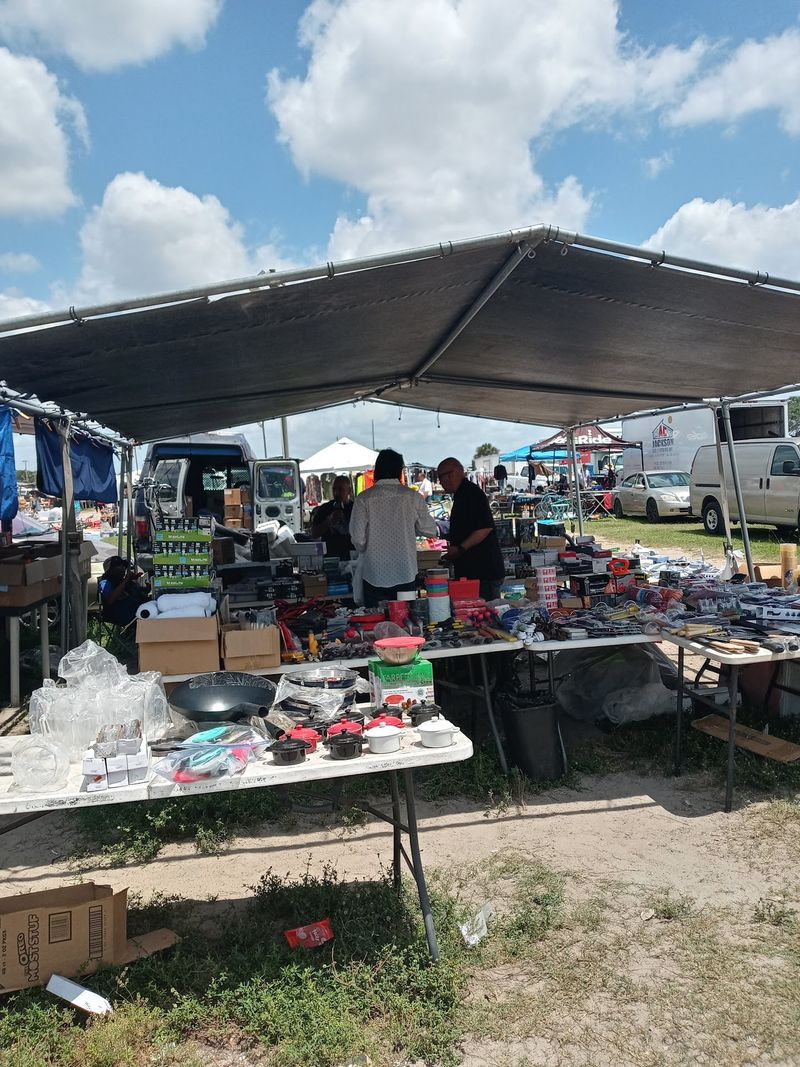
Sticker shock works differently here since most items lack price tags, leaving vendors to quote figures based on their assessment of each customer. This practice frustrates some shoppers who feel sized up for their perceived spending power, while others relish the opportunity to negotiate and wheel-deal their way to better prices. Comparing prices between stalls before buying helps establish fair market value for similar goods.
Locals with negotiation skills and Spanish language abilities often score better deals than obvious tourists, according to multiple reviews. Vendors quote higher starting prices when they sense someone unfamiliar with typical market rates. Dressing casually and bringing reusable shopping bags signals that you are a regular rather than a one-time visitor, potentially improving your bargaining position.
Cash remains king for negotiations since card processing fees motivate vendors to prefer physical currency.