Climb 203 Steps to the Top of This Florida Lighthouse for an Unforgettable View
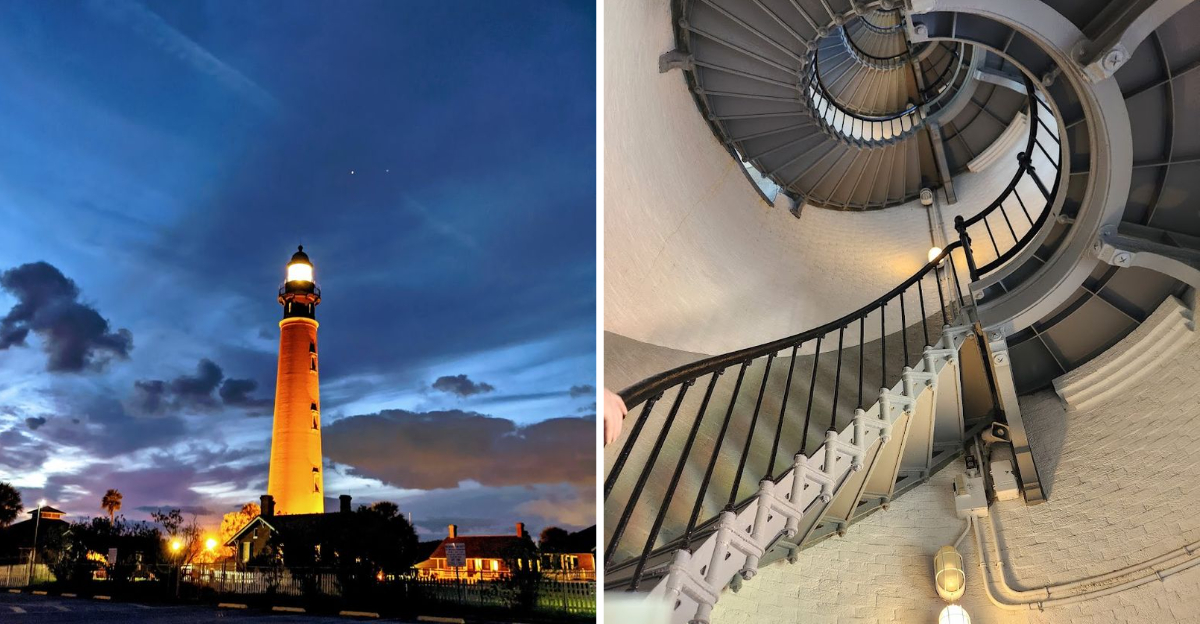
Standing tall since the 1880s, the Ponce de Leon Inlet Lighthouse isn’t just Florida’s tallest lighthouse—it’s a living piece of history that rewards curious climbers with some of the most stunning coastal views you’ll find anywhere in the Sunshine State. This brick-and-granite beauty stretches 175 feet into the sky, and yes, those 203 steps are real, but trust us when we say every single one is worth it.
Whether you’re a history buff, a lighthouse enthusiast, or just someone looking for an afternoon adventure that doesn’t involve another theme park, this Ponce Inlet gem delivers an experience that’s equal parts educational and breathtaking.
The Legendary 203-Step Climb to Panoramic Perfection
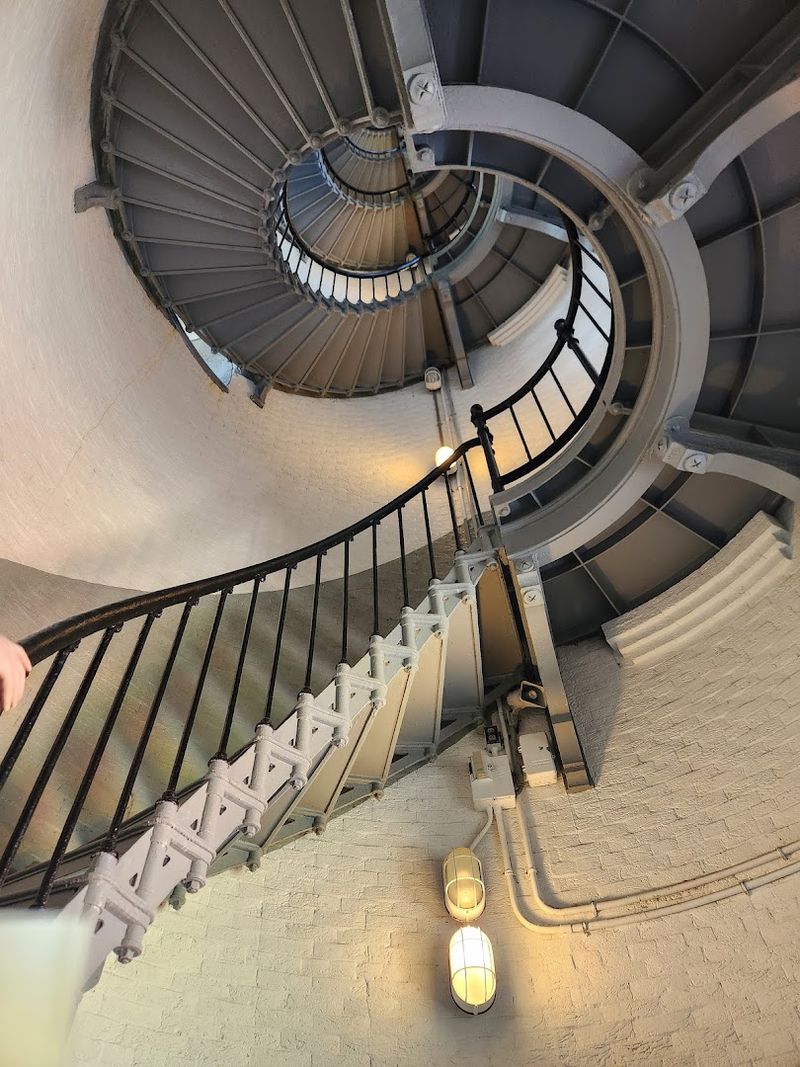
Let’s talk about those stairs. The 203-step journey to the top of Florida’s tallest lighthouse isn’t a casual stroll, but it’s also not the Mount Everest expedition some folks make it out to be.
The spiral staircase winds upward through the tower’s brick interior, with landings every so often where you can catch your breath and pretend you’re just admiring the architecture.
Here’s what makes it manageable: the stairs are sturdy iron with reliable handrails, and there’s enough room that you won’t feel claustrophobic even when other visitors are making the climb. On hot Florida days, the interior stays surprisingly cool thanks to those thick 19th-century walls.
Kids as young as five tackle this climb regularly, though you’ll want to keep little ones close since the stairs are steep.
The real magic happens when you emerge at the top. Suddenly you’re standing 175 feet above sea level with 360-degree views that stretch from the Atlantic Ocean to the Intracoastal Waterway.
On clear days, you can spot Daytona Beach to the north and New Smyrna Beach to the south.
The observation deck wraps around the lens room, giving you plenty of space to walk around and take photos from every angle. That ocean breeze at the summit feels absolutely incredible after the climb, especially during summer months.
Pro tip: visit on a weekday morning when it’s less crowded, and you might have the entire top platform to yourself for a few peaceful moments.
Coming back down is actually trickier than going up—your legs get a workout, and you’ll want to grip that handrail firmly. Take your time, enjoy the unique perspective from inside this historic tower, and feel pretty darn accomplished when your feet hit solid ground again.
Walk Through Authentic Lighthouse Keeper Homes Frozen in Time
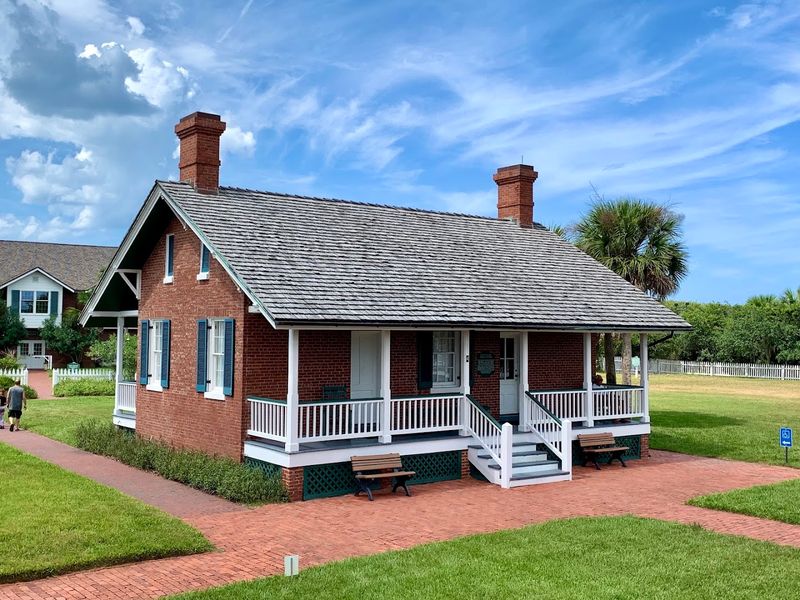
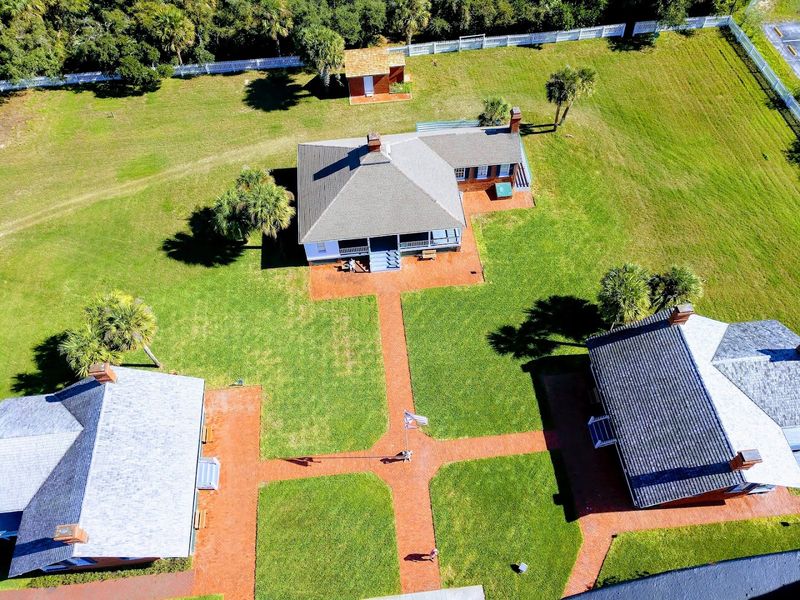
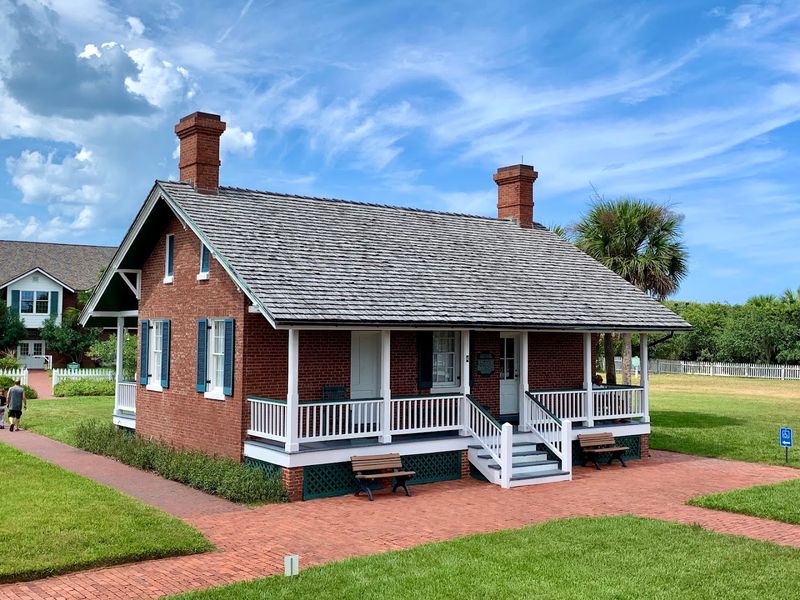
Scattered around the lighthouse grounds are three beautifully restored keeper’s cottages that transport you straight back to the 1880s. These aren’t roped-off museum pieces you view from a distance—you actually walk through the rooms, getting an up-close look at how lighthouse keepers and their families actually lived more than a century ago.
It’s like stepping into a time machine, except with better lighting and air conditioning in the museum building.
Each cottage tells a different story. The Principal Keeper’s Dwelling showcases the slightly more spacious quarters afforded to the head keeper, complete with period furniture, kitchen implements, and personal items that bring the era to life.
You’ll see everything from vintage clothing to children’s toys, making it easy to imagine a family going about their daily routines.
The Assistant Keepers’ Dwellings are smaller but equally fascinating, highlighting the challenges of maintaining a lighthouse that required constant attention. These families lived in relative isolation, responsible for keeping that beacon burning every single night to guide ships safely past the dangerous inlet.
The exhibits explain the meticulous routine of trimming wicks, polishing lenses, and maintaining logbooks—tasks that never stopped, regardless of weather or holidays.
What really brings these homes to life are the small details: a child’s schoolbook left open on a desk, period cookware in the kitchen, clothing hanging as if someone just stepped out for a moment. The museum staff has done exceptional work researching and recreating these spaces with historical accuracy.
Families especially love these buildings because kids can actually see where lighthouse children slept, played, and did their homework. It’s hands-on history that beats any textbook, and the self-guided nature means you can spend as much or as little time as you want in each building without feeling rushed.
Explore Five Different Museum Buildings Packed with Maritime History
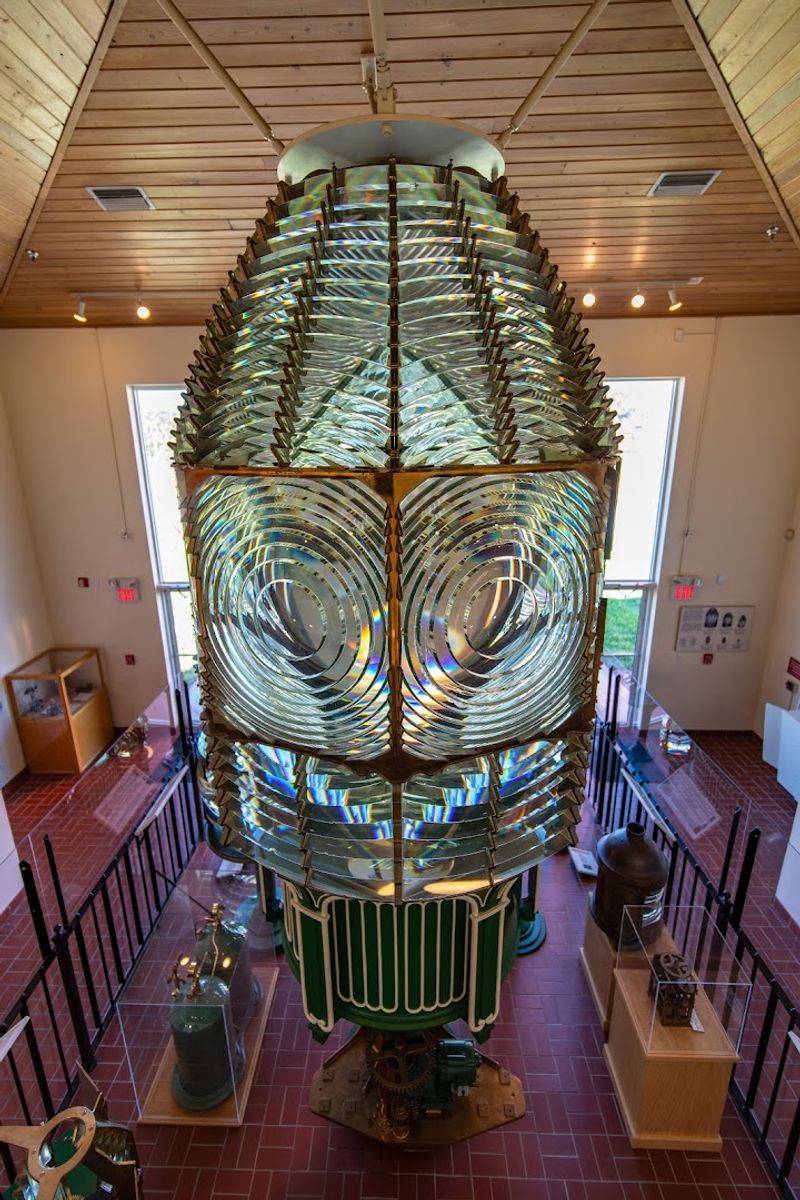
Your admission ticket unlocks way more than just the lighthouse itself—you get access to five separate museum buildings spread across the property, each packed with fascinating maritime artifacts and exhibits. This isn’t one of those museums where you’re done in twenty minutes.
Plan on spending at least two to three hours if you want to actually see everything, and history enthusiasts could easily fill an entire afternoon.
The Lens Exhibit Building houses one of the most impressive collections of lighthouse lenses in the country. These massive Fresnel lenses are engineering marvels from the 19th century, with precisely cut prisms that could magnify a simple flame into a beam visible for miles.
Standing next to one of these giants gives you a whole new appreciation for the ingenuity of lighthouse technology.
Over at the museum building across the street, you’ll find detailed scale models that are absolutely stunning in their precision. The model of the lighthouse complex shows every building, walkway, and landscape feature in miniature.
There’s also a fascinating exhibit on shipwrecks along Florida’s coast, complete with recovered artifacts and stories of dramatic rescues.
The exhibits cover everything from the daily life of lighthouse families to the technical aspects of maritime navigation. Interactive displays keep kids engaged while adults dive into the historical details.
You’ll learn about the construction of the lighthouse, the challenges of maintaining it through hurricanes and harsh weather, and its evolution from oil lamps to electric power.
Each building is climate-controlled and well-maintained, with clear signage and informative placards that explain what you’re seeing without overwhelming you with text. The staff and volunteers are genuinely passionate about lighthouse history and happy to answer questions or point out particularly interesting items you might otherwise miss.
Discover the Hidden Pacetti Hotel Museum Down the Road
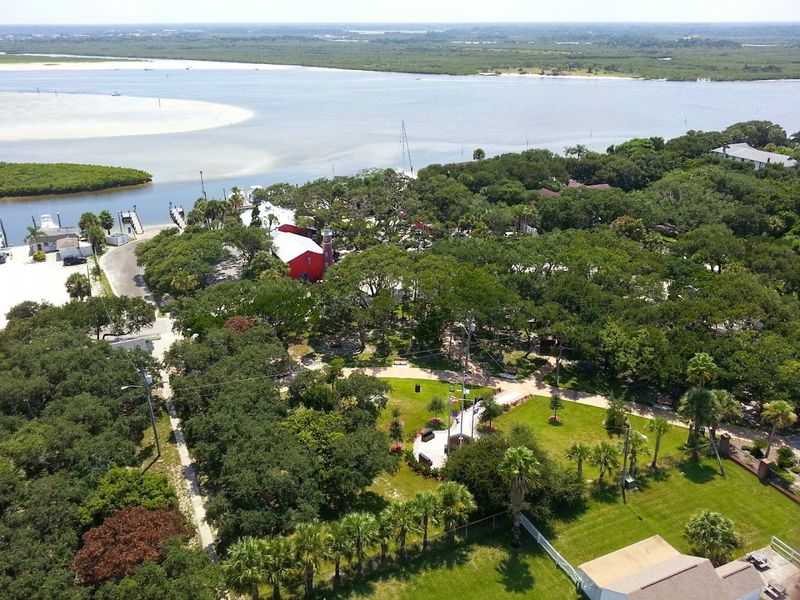
Here’s something most visitors almost miss: your lighthouse admission also includes access to the Constance D. Hunter Historic Pacetti Hotel Museum, located about a mile down the road.
Seriously, ask the staff for directions because this beautifully restored early 1900s hotel is absolutely worth the short drive or walk. It sits on an incredible piece of waterfront property that alone makes the visit worthwhile.
The Pacetti Hotel served travelers and tourists during Florida’s early tourism boom, when people arrived by steamship and stagecoach rather than rental cars and GPS. The building has been meticulously restored to showcase what accommodations looked like during that era.
You can walk through guest rooms furnished with period pieces, see the old dining areas, and get a sense of what a Florida vacation meant to people over a century ago.
What makes this place special is how it connects to the broader story of Ponce Inlet’s development. The hotel wasn’t just a place to sleep—it was a social hub where lighthouse keepers, fishermen, and wealthy tourists from up north all mingled.
The exhibits include photographs, documents, and artifacts that tell the story of this small coastal community’s evolution.
The grounds surrounding the hotel are stunning, with views of the Intracoastal Waterway and native Florida vegetation that hasn’t been overly manicured. It’s peaceful and picturesque, perfect for taking a breather after climbing all those lighthouse steps.
There’s a small parking lot right at the hotel if walking from the main lighthouse complex seems too far.
Because it’s slightly off the beaten path, the Pacetti Hotel rarely gets crowded. You might have entire rooms to yourself, which creates a more intimate and contemplative museum experience.
Don’t skip this gem—it adds important context to the lighthouse story and showcases a different slice of Florida coastal history.
Meet Nelly on the Nature Trail Adventure
Tucked away on the lighthouse grounds is a short nature trail that tells the story of Nelly, a beloved lighthouse cat whose tale has captured visitors’ hearts for years. The trail winds through a small wooded area that gives you a taste of Florida’s coastal maritime forest ecosystem.
It’s a nice change of pace from the historical buildings and offers a shaded break on hot days.
The path features interpretive signs that share Nelly’s story while also pointing out native plants and wildlife you might spot along the way. Kids especially love this part because it combines storytelling with a bit of outdoor exploration.
The trail isn’t long or challenging—even toddlers can manage it—but it adds a whimsical element to your visit that you won’t find at most historical sites.
Here’s where things get unexpectedly touching: the trail leads to a small pet cemetery where Nelly and other lighthouse cats are memorialized. This tiny graveyard stops kids in their tracks and sparks genuine interest.
It’s a sweet reminder that lighthouse life included animal companions who were just as much a part of the station’s history as the human keepers.
Parents appreciate that the trail gives active kids a chance to burn off energy between museum buildings. Instead of hearing “I’m bored” while you’re reading historical placards, the little ones can zip through the wooded path while you catch up at a more leisurely pace.
The trail emerges near some of the other buildings, making it easy to incorporate into your overall tour.
The nature trail might seem like a minor attraction compared to climbing the lighthouse, but it’s these thoughtful touches that make the Ponce de Leon Inlet experience feel complete. It shows that the museum staff understands their audience includes families with varying interests and attention spans, not just hardcore lighthouse enthusiasts.
Shop the Charming Gift Store and Grab Tickets
Your lighthouse adventure begins in the gift shop, which serves double duty as the ticket counter and your introduction to the property. But calling it just a gift shop doesn’t do it justice—this place is packed with lighthouse-themed treasures, maritime books, local artwork, and souvenirs that actually feel worth buying rather than the typical tourist trap junk you find elsewhere.
The staff working here consistently get praised in reviews for being friendly, knowledgeable, and genuinely enthusiastic about the lighthouse. They’ll answer questions about the property, recommend which buildings to visit first, and share insider tips that enhance your experience.
Some visitors mention staff members by name in their reviews, which tells you something about the personal touch you’ll encounter.
Admission prices are remarkably reasonable—around twelve dollars per person gets you access to everything: the lighthouse climb, all the museum buildings, the keeper’s cottages, and the Pacetti Hotel. That’s an incredible value considering you could easily spend three to four hours exploring everything.
The staff might mention opportunities to donate beyond the ticket price, which supports ongoing preservation and education efforts.
The merchandise selection includes lighthouse replicas, nautical decor, books about Florida maritime history, children’s educational toys, and locally made items. It’s the kind of gift shop where you actually want to browse rather than rush through.
Prices are reasonable, and you’ll find options ranging from inexpensive postcards to higher-end collectibles.
Before you leave, many visitors circle back to the gift shop to pick up souvenirs after experiencing the lighthouse. That climb to the top somehow makes you want a memento to remember the achievement.
Plus, there’s something satisfying about buying a lighthouse replica when you’ve just climbed the actual thing and can now explain its history to anyone who asks about your new decor.
Time Your Visit Right and Beat the Crowds
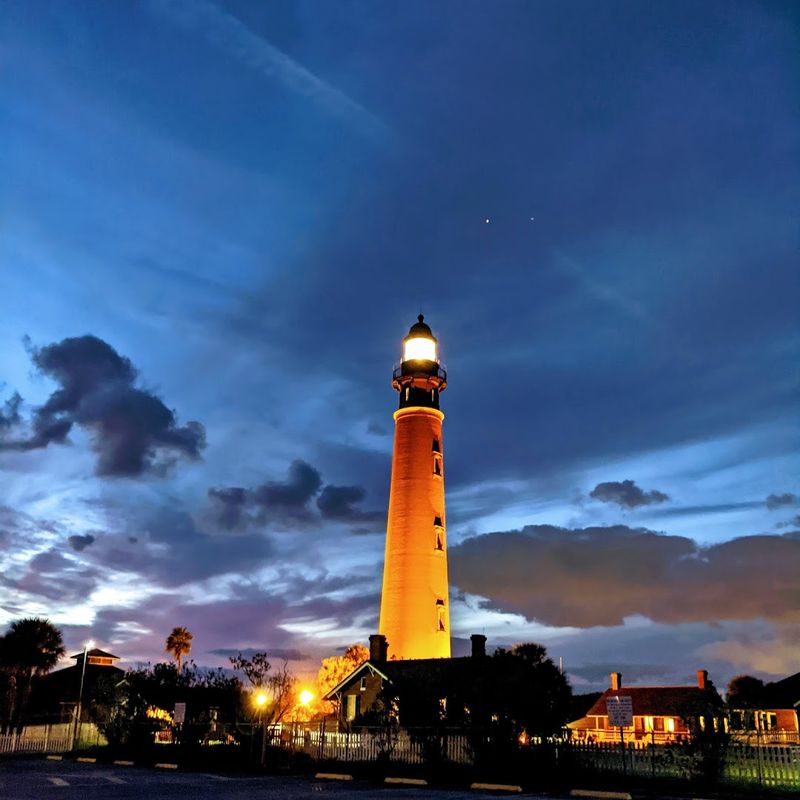
Timing can make or break your lighthouse experience, and locals know the secrets to getting the best visit possible. The lighthouse is open daily from 10 AM to 9 PM during most of the week, which gives you plenty of flexibility.
However, showing up right when doors open on a weekday morning is your golden ticket to a more peaceful, less crowded experience.
Early birds often have the lighthouse tower almost entirely to themselves for that first hour. Imagine making that 203-step climb without having to squeeze past other visitors or wait for people taking photos at every landing.
The top observation deck becomes your private viewing platform, and you can take all the pictures you want without strangers photobombing your shots.
Weekends and school vacation periods naturally draw bigger crowds, especially during Florida’s peak tourist season from December through April. If you must visit during these busy times, consider arriving either right at opening or later in the afternoon when day-trippers have moved on to other attractions.
The extended hours until 9 PM during the week give you the option of a sunset visit, which offers spectacular lighting for photography.
Weather matters too. Overcast days might seem less appealing, but they actually provide excellent conditions for climbing since you won’t be dealing with intense sun and heat.
Plus, dramatic cloud formations can make for stunning photos from the top. Just avoid visiting during thunderstorms—the lighthouse closes when lightning threatens.
Plan at least three hours for a thorough visit if you want to see everything without rushing. Families with young children might want even more time since kids often want to linger in certain exhibits or take multiple breaks.
The property has benches and shaded areas where you can rest between buildings, and there’s an ice cream shop right across the street that makes for a perfect post-climb reward.