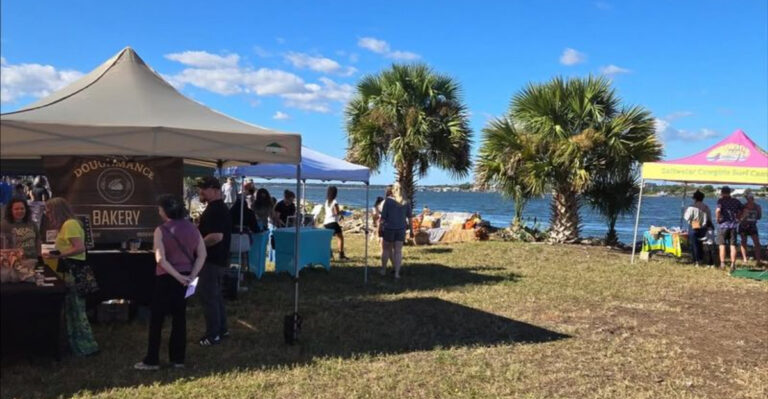
Everyone Heads to Panama City Beach, but We’d Choose This Florida Town Instead
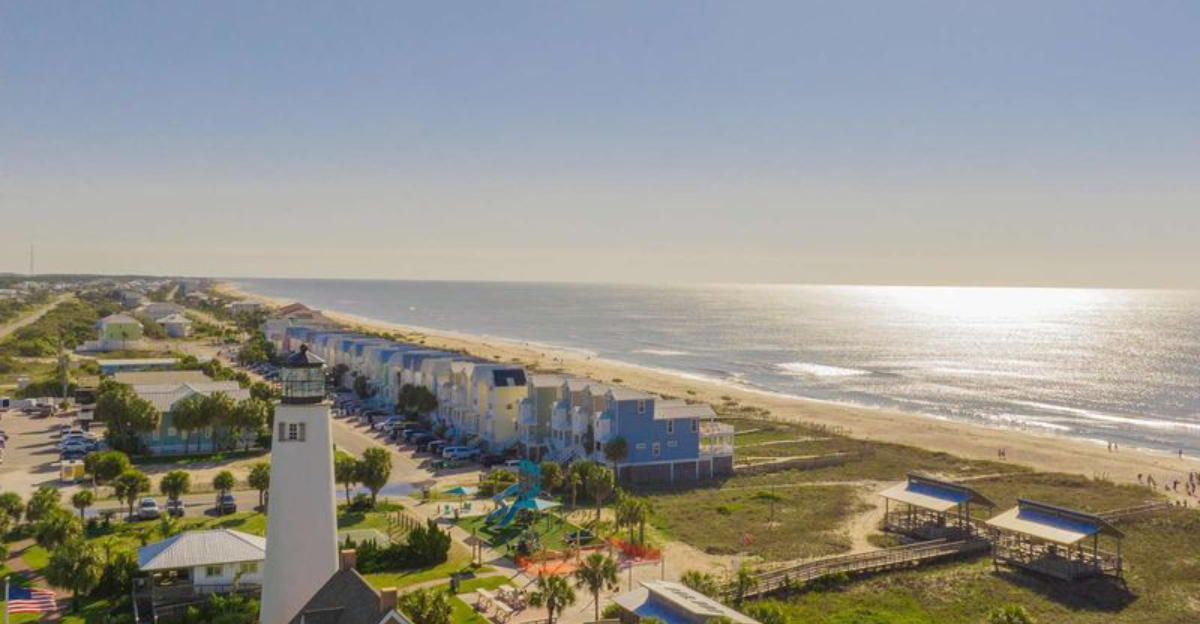
Panama City Beach gets all the attention with its packed shorelines and spring break crowds, but smart travelers know there’s a better option just down the coast. St. George Island offers the same stunning emerald waters and sugar-white sand without the overwhelming tourist chaos that defines its famous neighbor. This 28-mile barrier island keeps things refreshingly low-key, trading high-rise hotels and neon-lit attractions for natural beauty and genuine coastal charm that feels like stepping back to Old Florida.
1. Beaches That Actually Feel Like Yours
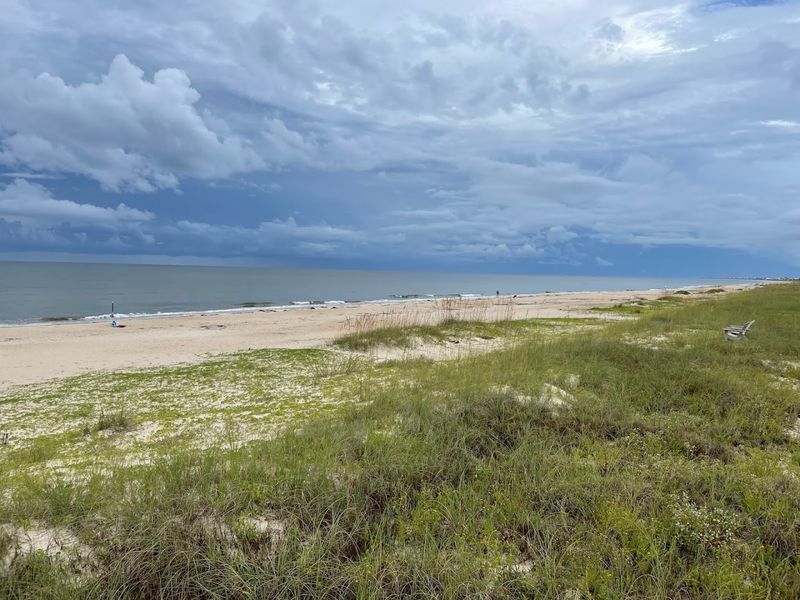
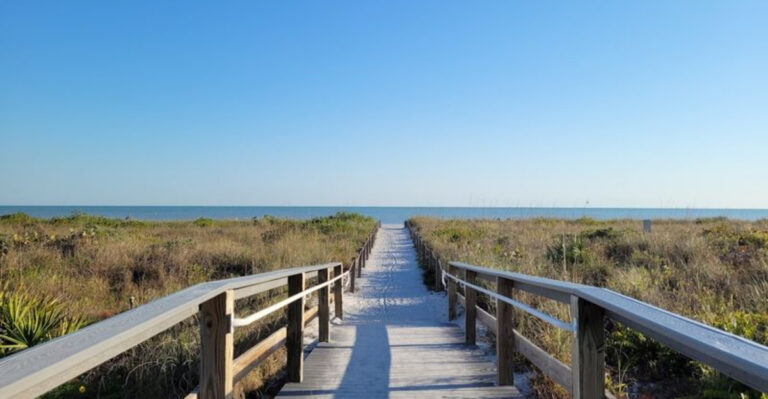
Forget fighting for a sliver of sand among thousands of spring breakers. The beaches here stretch for miles with enough room that you can actually hear the waves instead of someone’s questionable playlist. Clean white sand meets water so brilliantly blue-green it almost looks fake, except you can wade right in and feel it for yourself.
Visitors consistently mention how uncrowded these beaches stay, even during peak season. You can set up your umbrella, take a long walk, grab lunch, and return to find your spot still waiting. No territorial beach chair wars required.
The state park section offers covered pavilions, clean restrooms, and outdoor showers for just six bucks per car. Multiple public access points mean you’re never far from the water, whether you’re staying in a rental house or just visiting for the day. The sand stays soft underfoot, and while you’ll find the typical seaweed debris that comes with Gulf beaches, the overall cleanliness impresses most visitors.
Dog owners especially appreciate the pet-friendly policies at many beach areas. Your furry friend can actually enjoy the coast alongside you, splashing in the shallows and leaving paw prints in the sand.
2. Wildlife Encounters You Won’t Forget
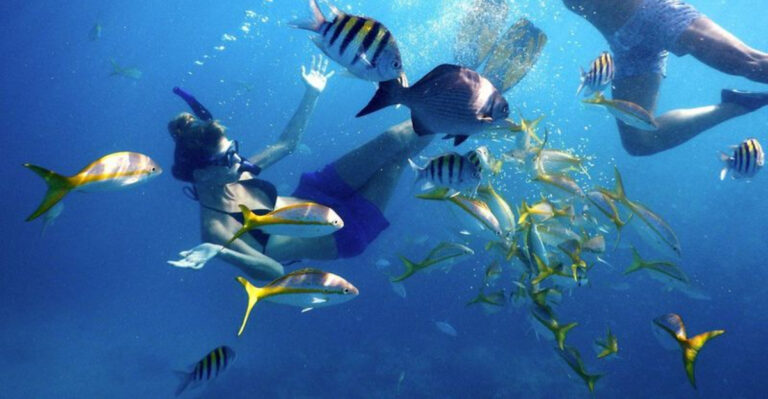
Seeing a dolphin on TV hits different than watching a pod glide past while you’re knee-deep in Gulf water. St. George Island delivers these moments regularly, along with sightings that include manta rays gracefully swimming in schools around beachgoers. Some visitors spot sharks cruising the shallows and starfish clinging to rocks at low tide.
Live sand dollars rest just beneath the surface in certain spots, looking nothing like the bleached white souvenirs sold in gift shops. Watching these fuzzy purple creatures in their natural habitat beats any aquarium display. Families report kids going absolutely wild when they discover what these animals actually look like alive.
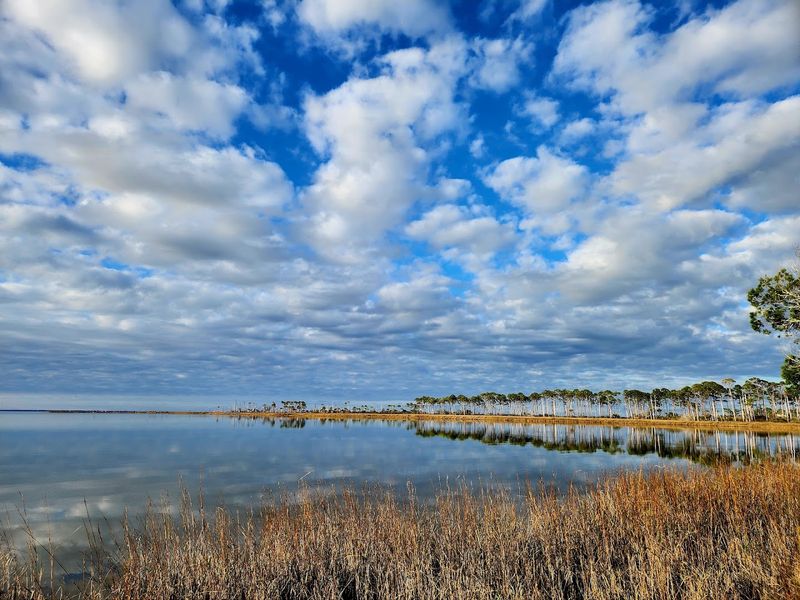
The bay side offers completely different wildlife viewing opportunities. Wading birds stalk the flats at sunrise, and the Federal Estuary at the bridge provides educational displays about local ecosystems. You can spend an hour or two learning about the area’s natural history when the midday sun gets too intense or rain keeps you off the beach.
Shelling here produces actual finds rather than broken fragments. Patient collectors discover intact specimens after storms, and even casual beachcombers fill their pockets with interesting treasures. The abundance of sea life makes every beach day feel a bit like a nature documentary.
3. A State Park Worth the Six Dollar Admission
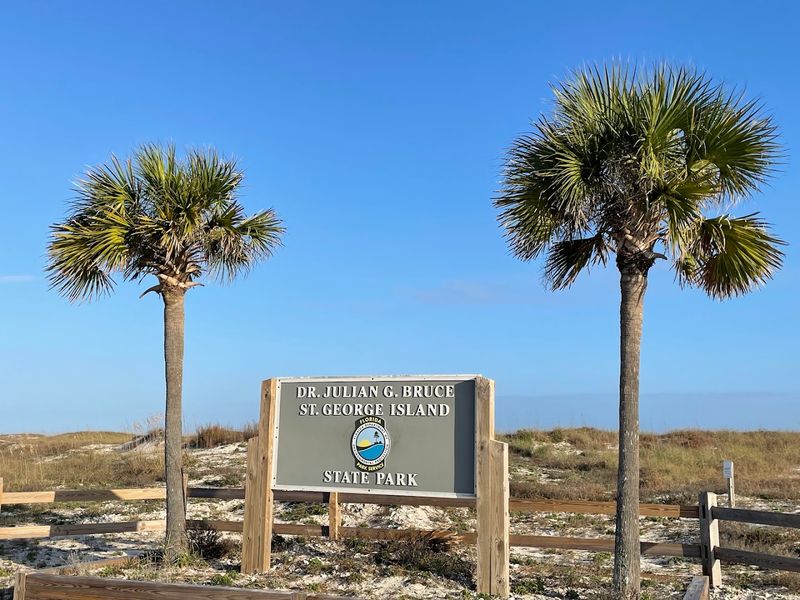
Six dollars gets you into one of Florida’s best-kept secrets. Dr. Julian G. Bruce St. George Island State Park spans nine miles of pristine coastline with facilities that actually work.
Three large pavilions provide shade for groups, boat ramps give water access to both Gulf and bay, and a campground lets you wake up to ocean sounds.
The park maintains its beaches without overdeveloping them. You get the amenities you need—clean bathrooms, pavilions for picnics, outdoor showers to rinse off salt and sand—without the commercial sprawl that ruins so many coastal areas. Miles of undeveloped shoreline stretch in both directions, perfect for long walks where you might not see another person for an hour.
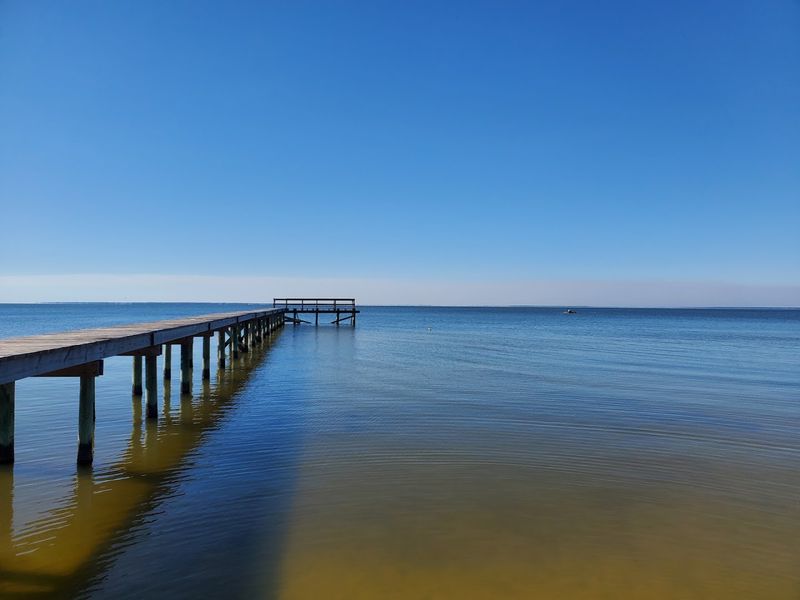
Fishing enthusiasts use the park’s resources heavily. The bay side offers calmer water for kayak launches, while the Gulf side attracts surf fishers hoping for pompano or whiting. A long fishing pier extends into the bay, giving anglers a chance at speckled trout and redfish without needing a boat.
Nature watching reaches peak levels here during migration seasons. Shorebirds work the tide line, and patient observers spot everything from least terns to piping plovers. The park protects nesting sites for sea turtles, and if you visit during summer evenings, you might witness hatchlings making their dash to the water.
4. The Lighthouse Everyone Photographs
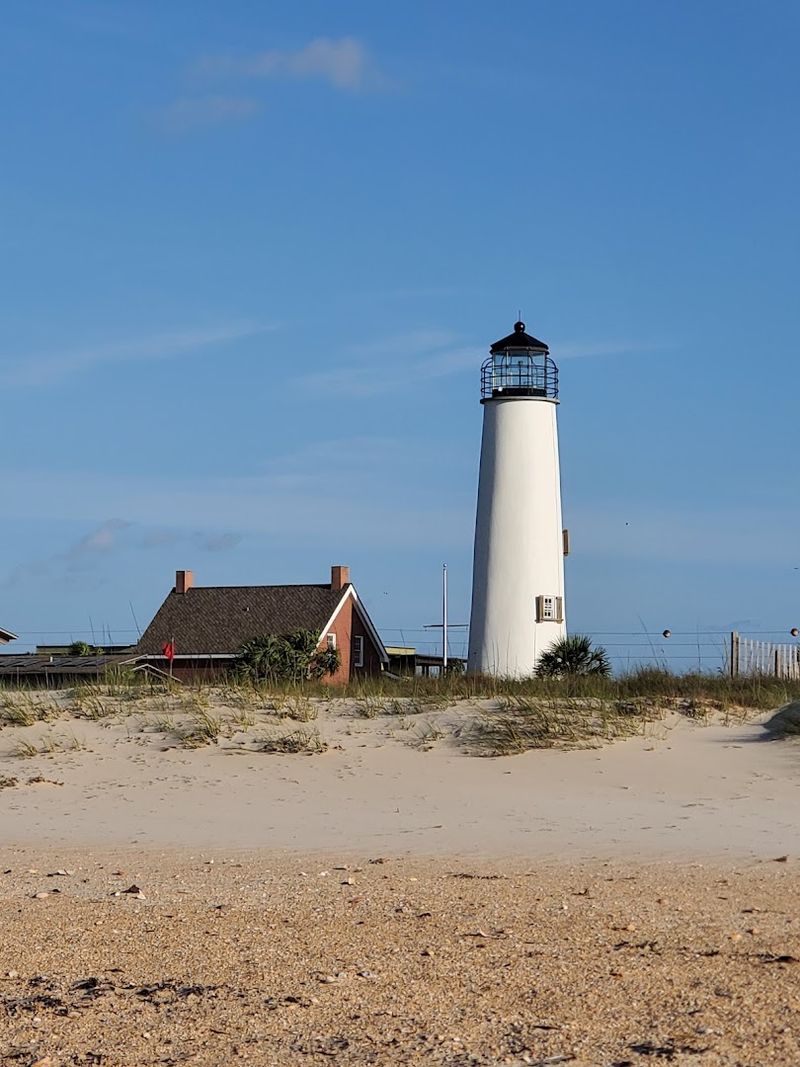
This isn’t your average lighthouse experience. The Cape St. George Light stands as a rebuilt icon after Hurricane Dennis knocked down the original in 2005. Volunteers reconstructed it brick by brick, and now you can climb to the top for views that explain why photographers obsess over this spot.
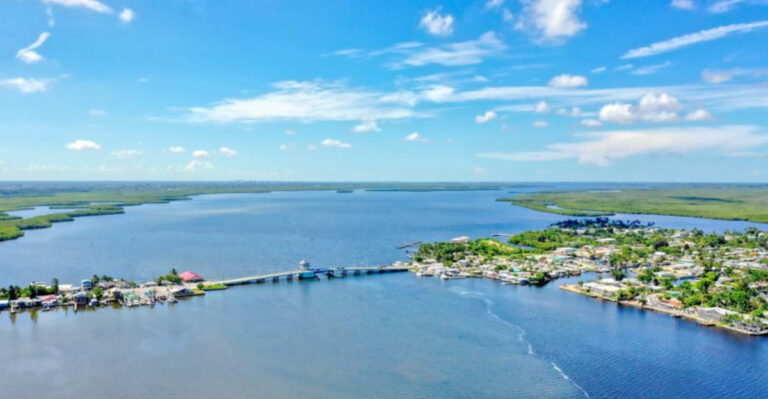
From the observation deck, the entire island spreads below you. The bridge connecting St. George to the mainland creates striking lines across the bay, especially during golden hour when the water turns liquid copper. Sunsets viewed from up here rank among the best coastal photography opportunities in the Panhandle.
The climb itself takes some effort—narrow spiral stairs wind upward in a space that feels tighter than modern building codes would ever allow. But reaching the top delivers that accomplished feeling along with breezes that cool you down after the ascent. On clear days, you can see for miles in every direction, watching boats navigate channels and birds wheel over the marshes.
The beach adjacent to the lighthouse offers excellent access and often stays less crowded than other public areas. Visitors report dolphin sightings from this stretch frequently, and the proximity to parking makes it convenient for families with small children or anyone hauling beach gear. The lighthouse itself operates as a museum, preserving the island’s maritime history for anyone interested in learning beyond just snapping photos.
5. Restaurants That Skip the Tourist Trap Vibe
Finding decent food in beach towns usually means choosing between overpriced mediocrity or driving back to civilization. St. George Island threads this needle better than most, though you need to know where to go. The Blue Parrot consistently earns mentions as the standout spot, serving fresh seafood with Gulf views that justify the prices.
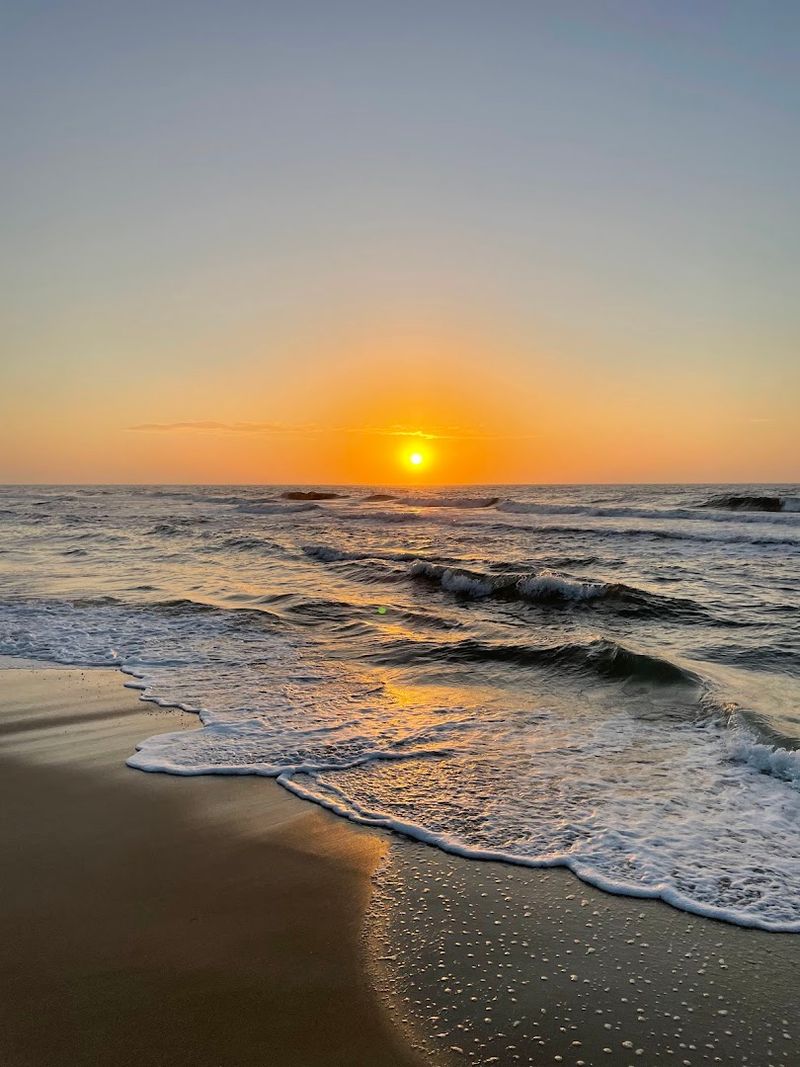
Sitting on the Blue Parrot’s deck with grouper and a cold drink while watching the sun sink into the water creates the exact vacation moment people chase. The portions satisfy without the tourist trap markup that plagues many coastal restaurants. Locals actually eat here, which tells you everything you need to know about the quality.
Beyond the Parrot, options thin out quickly. Several reviewers warn that most island restaurants deliver small portions at high prices with forgettable food. The smart move involves stocking your rental with groceries from the Piggly Wiggly and cooking your own meals, then splurging on one or two restaurant experiences during your stay.
Fresh seafood markets and trucks sell the day’s catch if you want to grill your own. Some vendors will pack and ship your purchases home, letting you extend the island flavors beyond your vacation. Eastpoint and Apalachicola, just across the bridge, expand your dining options considerably with everything from sandwich shops to higher-end establishments serving oysters pulled from the bay that morning.
6. Old Florida Atmosphere That’s Disappearing Everywhere Else
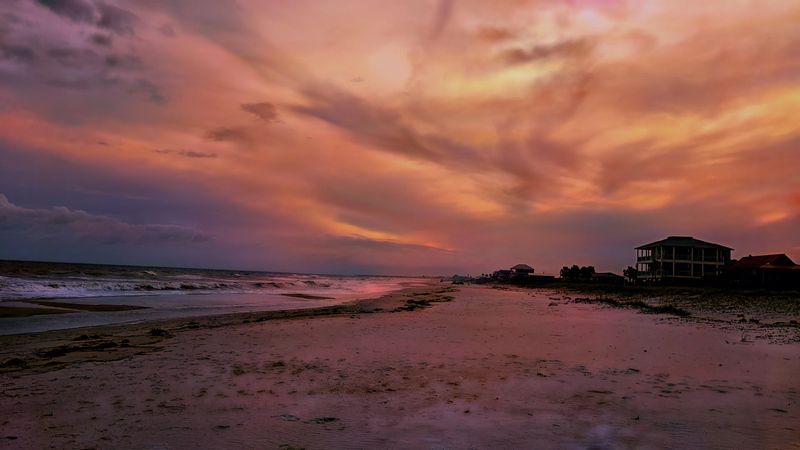
Remember when Florida beach towns felt laid-back instead of like outdoor shopping malls? St. George Island preserves that vanishing vibe through strict development limits that keep high-rises off the skyline. Low-rise rentals blend into the natural landscape, and the absence of chain restaurants and massive resorts lets the island breathe.
Your blood pressure drops the moment you cross the bridge onto the island. Multiple long-term visitors describe this phenomenon, and it’s not just vacation excitement. The slower pace becomes physically noticeable when you’re surrounded by natural beauty instead of concrete and neon.
People ride bikes and golf carts instead of sitting in beach traffic. The loudest sounds come from waves and seabirds rather than jet skis and party boats.
This uncommercial approach means fewer conveniences than Panama City Beach offers. You won’t find mini-golf courses, go-kart tracks, or souvenir shops every fifty feet. For some visitors, especially those with kids expecting constant entertainment, this registers as a downside.
But for anyone seeking actual relaxation rather than stimulation, the tradeoff feels perfect.
The island attracts a different crowd because of its low-key nature. Families return year after year, sometimes for decades, creating a community feeling even among vacationers. You’ll meet the same people at the beach or the grocery store, exchange fishing tips, and actually remember their names by the end of the week.
7. Water Sports and Rentals Without the Crowds
Getting out on the water here doesn’t require reserving spots weeks in advance or standing in line behind fifty other tourists. Multiple rental operations offer kayaks, paddleboards, bikes, and golf carts with the kind of casual availability that’s become rare at popular beaches. You can decide that morning you want to paddle and actually make it happen.
The bay side provides ideal conditions for kayaking, especially for beginners or families with kids. Calmer water and interesting marshlands create perfect exploration territory where you can spot birds, fish, and occasionally dolphins without fighting wind and waves. More experienced paddlers can venture into the Gulf when conditions allow, though the bay offers enough variety to keep most people entertained.
Golf cart rentals transform how you experience the island. Cruising along at low speeds with the breeze in your face captures that vacation feeling perfectly. Carts make beach hopping easy, letting you check out different access points without the hassle of parking and walking long distances with all your gear.
Fishing charters operate from the island if you want a guided experience, but the accessible shoreline and pier fishing opportunities mean you can wet a line without hiring a boat. Surf fishing produces pompano, whiting, and occasional redfish, while the bay side offers speckled trout and flounder. Local bait shops provide advice along with tackle, and the uncrowded beaches mean you can spread out and fish in peace.
8. Accommodations That Range From Camping to Luxury
Where you stay shapes your island experience significantly. The state park campground puts you closest to nature, with sites that let you fall asleep to waves and wake up ready to hit the beach before anyone else arrives. RV hookups and tent sites both available, though booking ahead during peak seasons prevents disappointment.
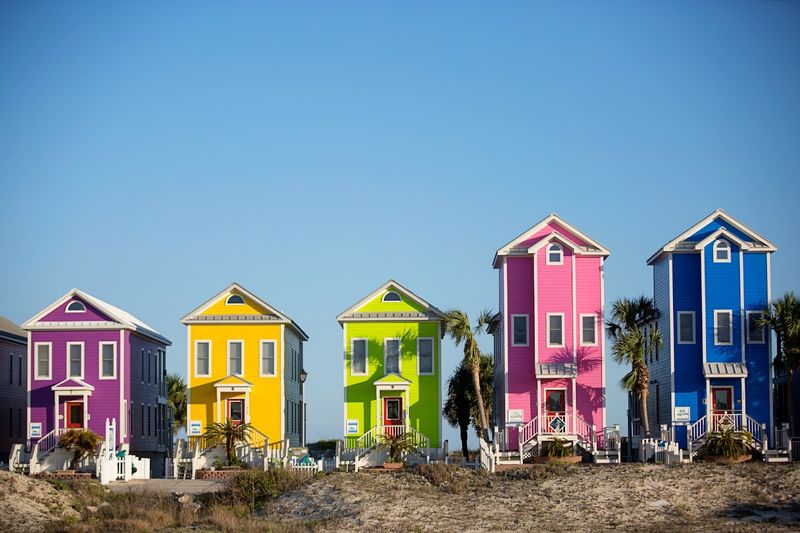
Vacation rental houses dominate the island’s accommodation landscape. These range from basic cottages to luxury homes with private pools and beach access. Many allow pets, which explains why so many visitors bring their dogs along.
Having a full kitchen saves serious money on meals and gives you flexibility that hotels can’t match.
The rental market here has grown considerably as the island’s reputation spread. What used to be a local secret now ranks as a top beach destination, which means availability tightens during summer and holiday periods. Book early if you have specific dates, and expect prices that reflect the island’s growing popularity.
A handful of small motels and inns offer more traditional lodging for visitors who prefer daily housekeeping and front desk service. These typically cost less than renting an entire house, making sense for couples or small groups staying just a few days. Eastpoint across the bridge provides additional motel options at lower price points if island accommodations exceed your budget.