Explore a Moon Colony Simulator at This Incredible Florida Science Museum
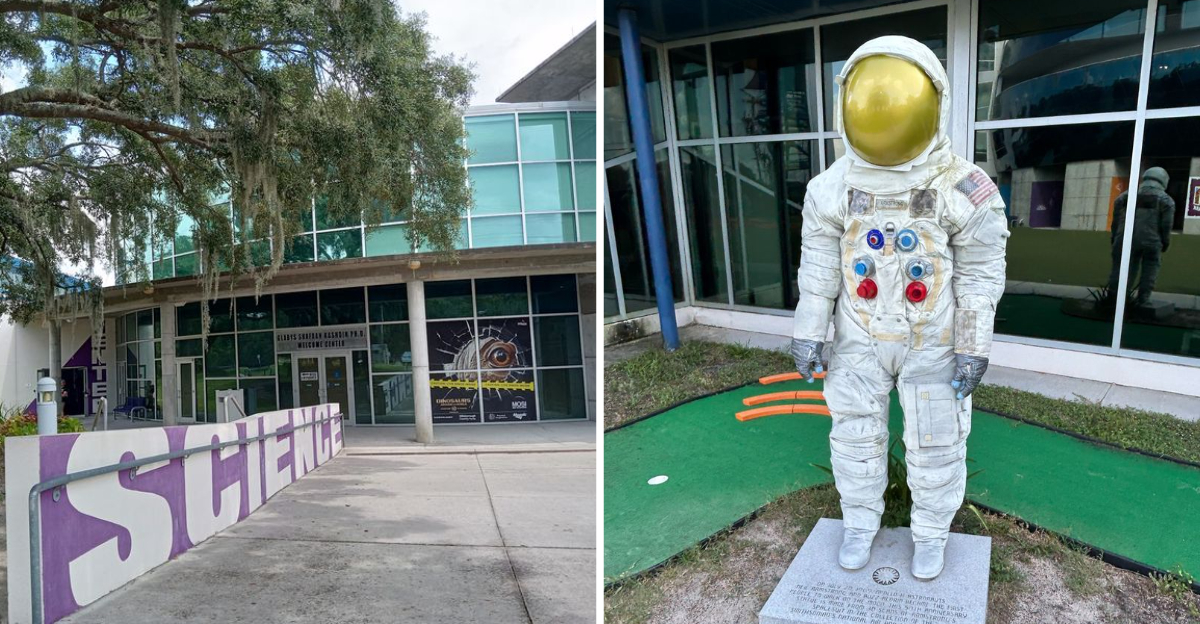
MOSI in Tampa brings outer space right to your fingertips with exhibits that let you experience what astronauts and future space explorers might encounter beyond Earth. The museum’s moon colony simulator stands out as one of the most thrilling ways to step into the shoes of a lunar pioneer without leaving Florida. From interactive displays that teach you about survival on the Moon to hands-on activities that challenge your problem-solving skills, this science center transforms complex space concepts into adventures anyone can understand and enjoy.
Step Inside the Moon Colony Simulator Experience
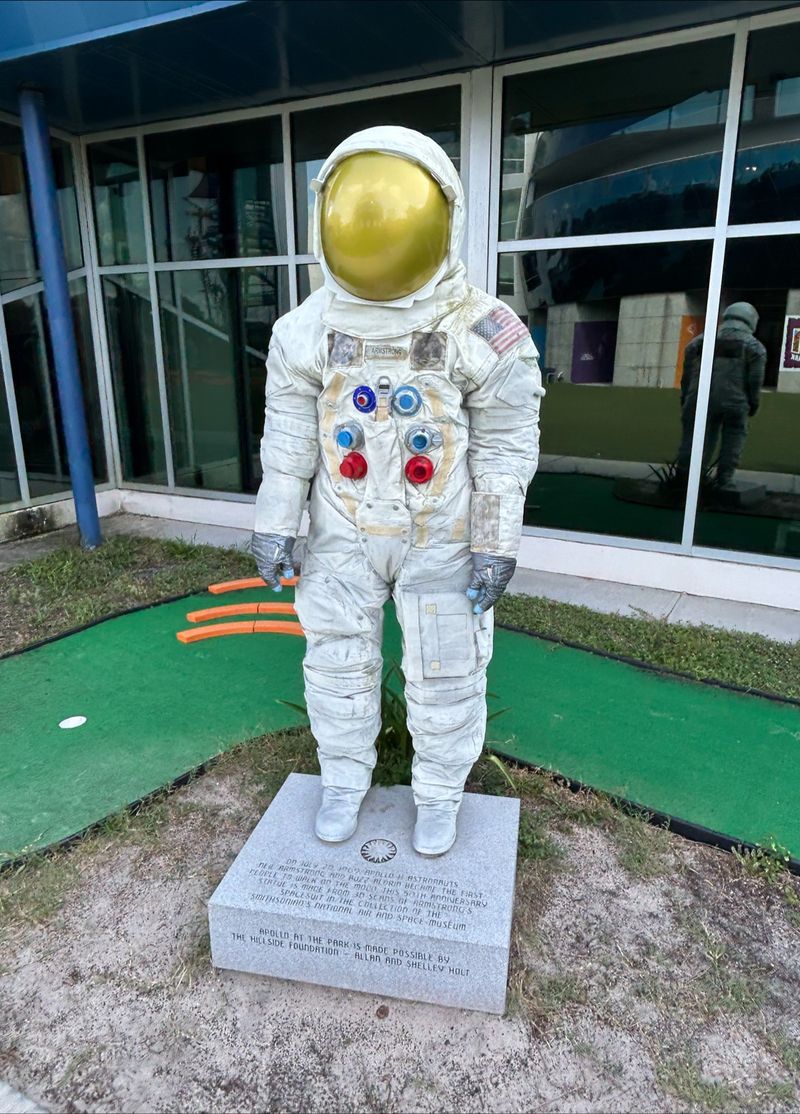
Walking into MOSI’s moon colony simulator feels like boarding a spacecraft bound for Earth’s nearest neighbor. The exhibit recreates the challenges astronauts face when establishing a habitat on the lunar surface, complete with realistic controls and decision-making scenarios. You’ll handle tasks that actual space colonists might tackle, from managing oxygen supplies to selecting the best locations for solar panels.
The simulator doesn’t just show you pretty pictures of the Moon. It puts you in charge of critical operations that determine whether your colony thrives or struggles. Temperature regulation becomes your responsibility as you balance power consumption against the need to keep habitats livable in the Moon’s extreme environment.
Kids especially love the hands-on nature of this exhibit because it transforms abstract science lessons into tangible experiences. Instead of reading about lunar gravity, you’ll see how it affects construction projects and daily activities. The interactive elements respond to your choices, creating different outcomes based on your strategies.
MOSI designed this experience to spark conversations about humanity’s future in space. You’ll leave with a deeper appreciation for the engineering brilliance required to sustain life beyond Earth. The simulator also highlights current NASA research and upcoming missions, connecting today’s science to tomorrow’s possibilities.
Every visit offers something new to discover as you experiment with different approaches to colony management. Whether you’re planning resource distribution or troubleshooting equipment failures, the exhibit keeps you engaged through realistic problem-solving challenges that mirror actual space exploration dilemmas.
Discover How Astronauts Live on Lunar Bases
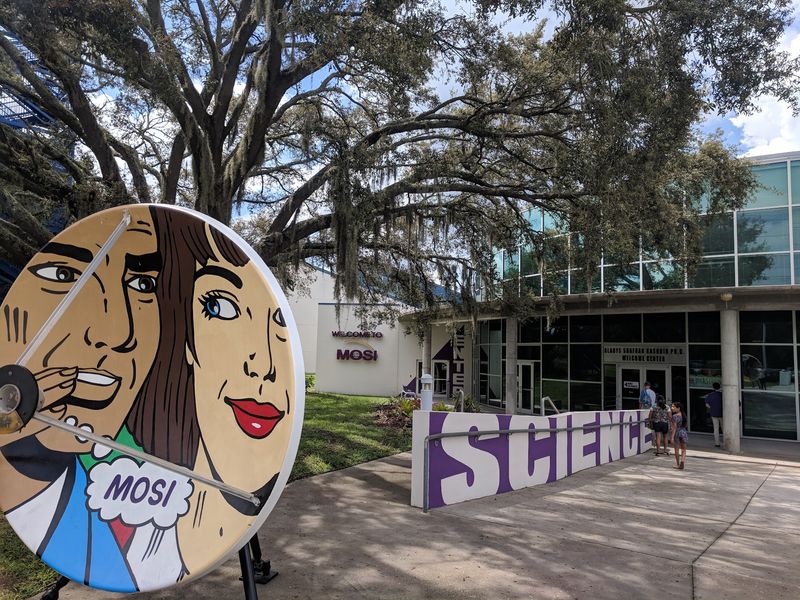
Ever wondered what astronauts eat for breakfast on the Moon or where they sleep after a long day of lunar exploration? MOSI’s exhibits answer these questions through immersive displays that recreate living conditions in space habitats. You’ll see actual prototypes of equipment designed for extended stays beyond Earth’s atmosphere.
The living quarters section reveals how engineers maximize every square inch of space in lunar modules. Sleeping bags attach to walls, food storage systems rotate to preserve freshness in low gravity, and water recycling systems demonstrate how nothing goes to waste. These practical solutions show how creativity solves problems when resupply missions cost millions.
Personal hygiene in space presents unique challenges that the exhibit addresses with surprising detail. You’ll discover how astronauts shower without floating water droplets damaging equipment, and how waste management systems function in environments where gravity can’t be taken for granted. These realities of space living make the experience feel authentic rather than glamorized.
Communication systems displayed throughout the exhibit demonstrate how lunar colonists stay connected with mission control back on Earth. The time delay in messages creates interesting challenges for emergency situations, requiring colonists to develop problem-solving independence. You’ll appreciate how isolation affects mental health and why crew selection involves psychological screening.
Recreation and exercise equipment might surprise you with their specialized designs for lunar gravity. Astronauts need creative ways to maintain muscle mass and bone density while working in conditions that would otherwise cause their bodies to weaken over time.
Navigate the Holloway Digital Dome Theatre’s Space Shows
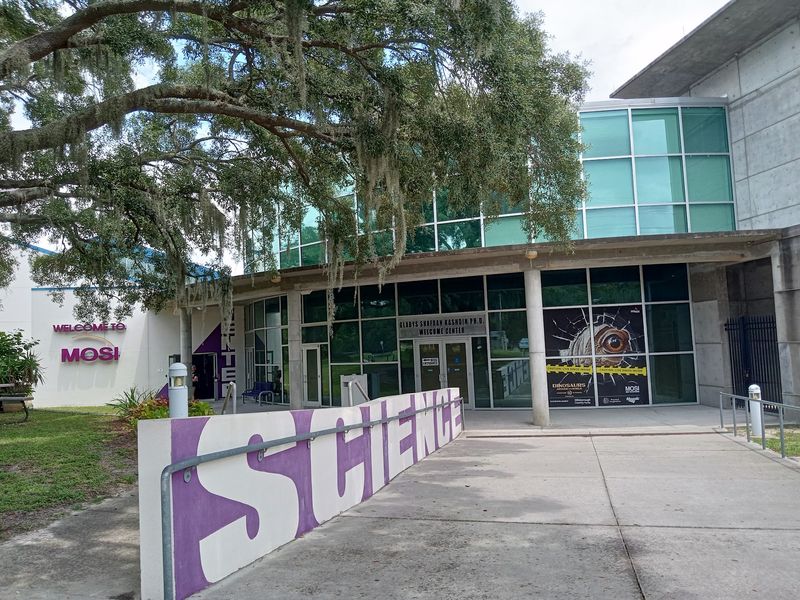
MOSI houses the second-largest planetarium screen in North America, and space-themed shows here transport you across the cosmos without requiring a spacesuit. The Holloway Digital Dome Theatre wraps visuals around you in a 360-degree experience that makes planets, stars, and galaxies feel within arm’s reach. Astronomy programs rotate regularly, ensuring repeat visitors always find fresh content.
The immersive dome technology creates a sensation of floating through space as you journey from Earth to distant galaxies. Shows designed specifically for the moon colony theme explore lunar geography, explaining why certain craters make better building sites than others. You’ll understand how the Moon’s lack of atmosphere affects everything from temperature swings to radiation exposure.
Knowledgeable astronomers narrate many presentations, adding live commentary that answers audience questions in real time. Their expertise transforms technical information into stories that capture imagination while maintaining scientific accuracy. The combination of stunning visuals and expert narration creates learning experiences that stick with you long after leaving the theater.
Laser shows and special events occasionally take over the dome for evening programs that blend music with space imagery. These after-dark experiences attract audiences looking for unique date nights or family outings beyond typical museum hours. The theater’s sound system enhances every show with audio quality that makes meteor showers rumble and rocket launches roar.
Comfortable seating tilts back so your neck doesn’t strain during hour-long presentations. The dome’s curvature means every seat offers excellent views, though arriving early lets you claim preferred spots near the center for the most immersive perspective on cosmic adventures.
Test Your Skills with Hands-On Space Engineering
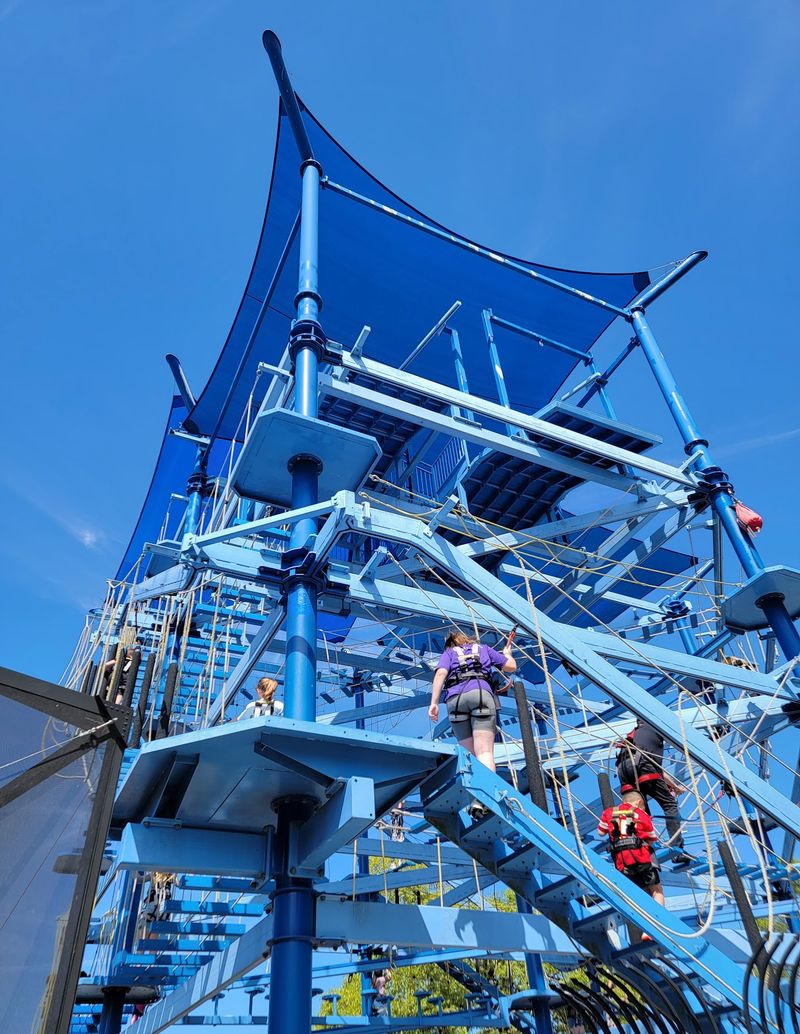
Building structures on the Moon requires different engineering approaches than construction on Earth, and MOSI’s hands-on exhibits let you grapple with these challenges firsthand. You’ll work with materials that simulate lunar regolith, the dusty soil covering the Moon’s surface that poses unique problems for builders. The tactile experience of manipulating these materials teaches lessons that videos and textbooks simply can’t match.
Robotic equipment displays show how machines handle tasks too dangerous or difficult for human astronauts. You might program a simulated rover to navigate crater-filled terrain or design a mechanical arm capable of lifting heavy components in reduced gravity. These activities introduce basic coding concepts and mechanical engineering principles through play rather than lectures.
The engineering stations encourage trial and error, celebrating failures as learning opportunities rather than mistakes. When your lunar habitat design collapses under simulated conditions, you’ll analyze what went wrong and try again with improved strategies. This iterative process mirrors how actual engineers develop solutions for unprecedented challenges.
Collaborative activities at these stations often spark conversations between strangers working toward common goals. Parents and kids team up to solve problems, while school groups compete to see whose designs perform best under testing. The social aspect of these exhibits creates memorable experiences that extend beyond individual learning.
Periodic demonstrations by MOSI staff showcase advanced concepts using the same equipment available to visitors. Watching experts manipulate the exhibits reveals possibilities you might not discover independently, inspiring you to return and apply new techniques to your own experiments with space construction challenges.
Explore the Above and Beyond Aerospace Exhibition
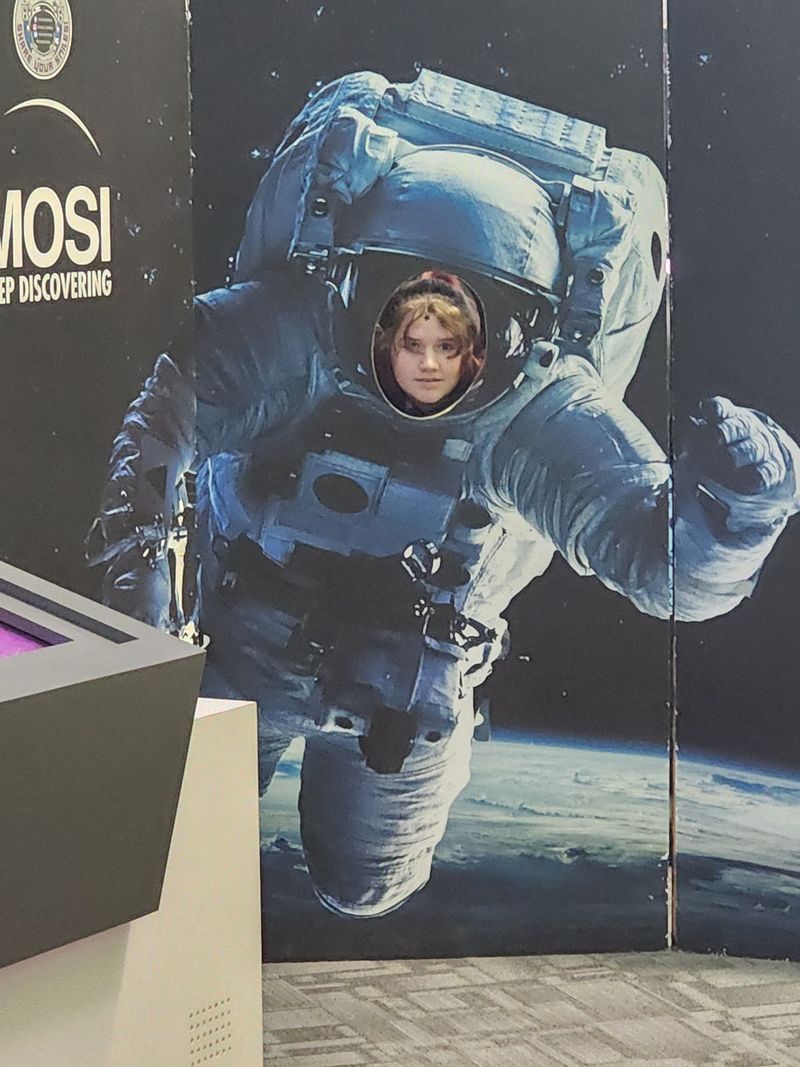
MOSI’s traveling Above and Beyond exhibition traces humanity’s journey from early flight experiments to plans for establishing permanent off-world settlements. The moon colony theme connects directly to displays showcasing how today’s aerospace innovations build upon decades of accumulated knowledge. You’ll see how technologies developed for military aircraft eventually enabled civilian space travel.
Actual artifacts from space missions share exhibit space with futuristic concepts still in development stages. This juxtaposition of past and future helps visitors understand that today’s science fiction often becomes tomorrow’s reality. Interactive timelines let you explore how quickly aerospace technology evolved from the Wright brothers’ first flights to lunar landings within a single human lifetime.
The exhibition doesn’t shy away from discussing failures alongside successes, acknowledging that progress comes through learning from mistakes. Stories of astronauts who overcame equipment malfunctions demonstrate the courage and quick thinking required for space exploration. These human elements make the technical achievements more relatable and inspiring.
Scale models of spacecraft allow close examination of design details often hidden in photographs. You’ll appreciate the complexity of heat shields, the precision of docking mechanisms, and the redundancy built into life support systems. Understanding these details deepens respect for the engineers and astronauts who stake their lives on these technologies.
Virtual reality components within the exhibition offer first-person perspectives on historic aerospace moments. You might experience a shuttle launch from the astronaut’s seat or walk on the Moon alongside Apollo mission crews. These VR experiences complement physical exhibits by adding emotional impact to historical events that might otherwise feel distant.
Engage with Interactive STEM Learning Throughout the Museum
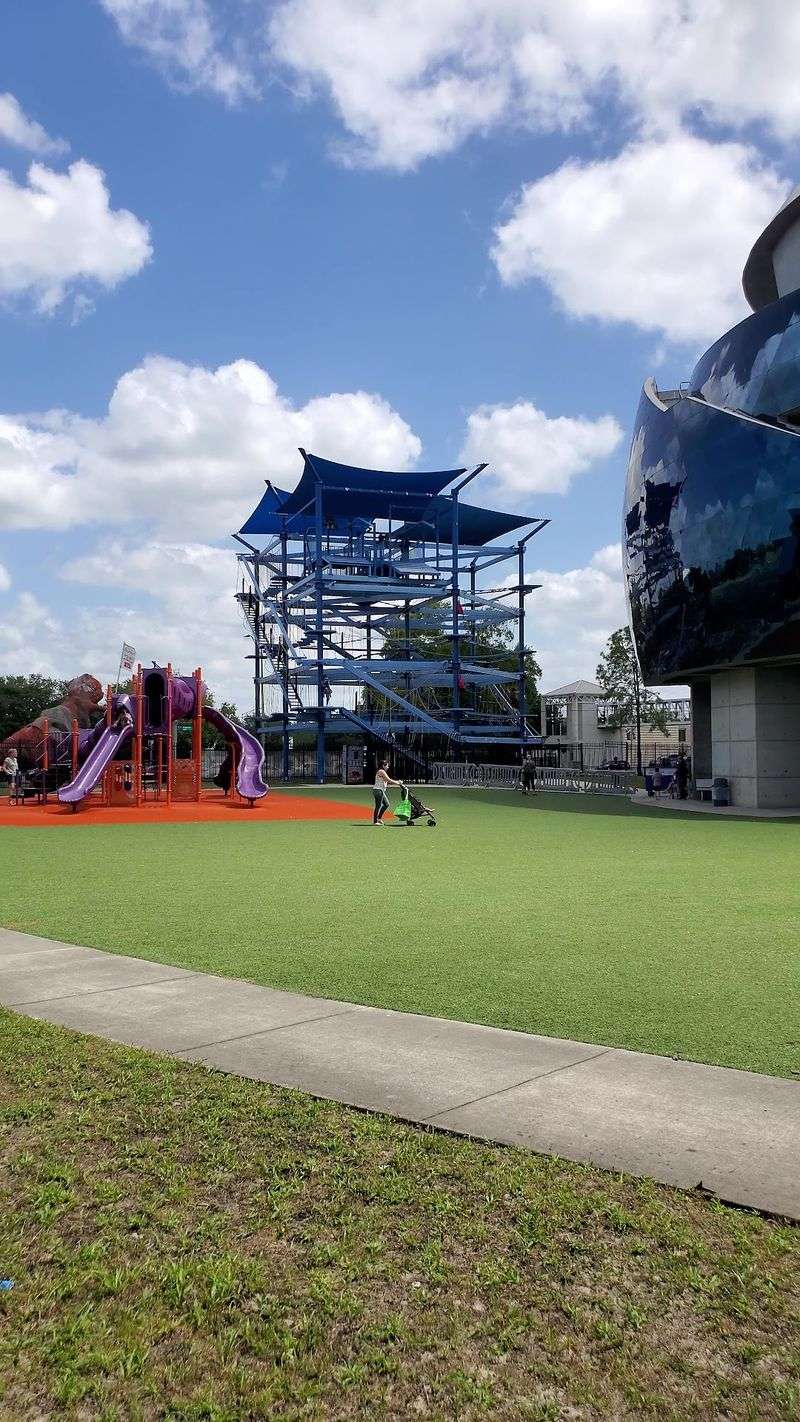
MOSI built its reputation on making science tangible through exhibits you can touch, manipulate, and experiment with rather than just observe. The moon colony theme weaves throughout various STEM stations, connecting physics demonstrations to space applications and biology exhibits to life support challenges. This integrated approach shows how different scientific disciplines collaborate in real-world projects.
Physics concepts come alive when you see how they apply to spacecraft navigation and orbital mechanics. Simple experiments with momentum and energy transfer suddenly matter more when you understand their role in docking procedures or landing craft design. The museum excels at drawing these connections without oversimplifying the underlying science.
Biology stations explore how plants might grow in lunar greenhouses, introducing concepts of photosynthesis and hydroponics through the lens of space agriculture. You’ll consider which crops provide the best nutrition-to-space ratio and how to create sustainable food systems when importing supplies costs astronomical sums. These practical applications make abstract biology lessons concrete and relevant.
Chemistry exhibits demonstrate how astronauts generate breathable oxygen from lunar ice deposits, turning science fiction scenarios into achievable goals. You’ll experiment with chemical reactions that separate elements, understanding how the periodic table represents more than classroom memorization. The museum’s approach emphasizes that chemistry knowledge enables survival in hostile environments.
Mathematics stations challenge you with calculations astronauts actually use, from trajectory plotting to resource rationing. Working through these problems reveals how algebra and geometry serve practical purposes beyond passing tests. The satisfaction of solving real-world math problems often surprises visitors who previously considered mathematics their least favorite subject.
Plan Your Visit to MOSI for Maximum Space Exploration
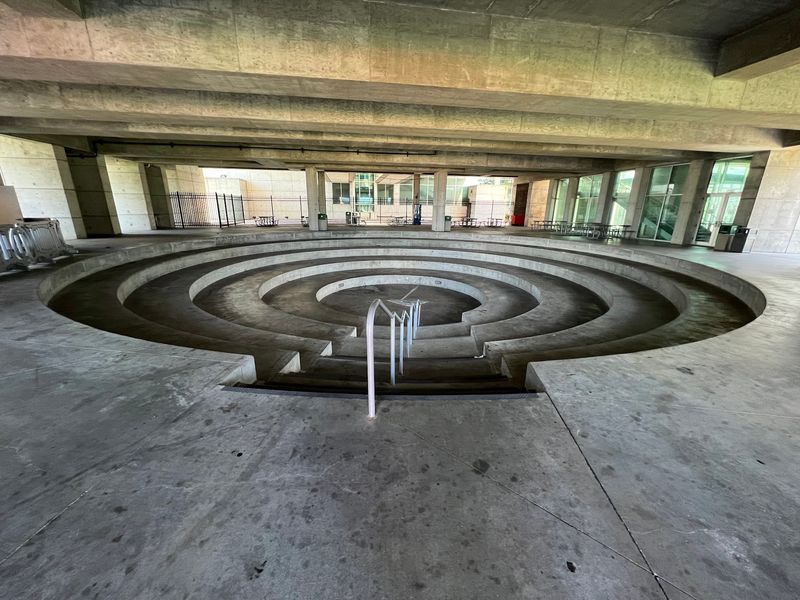
MOSI opens daily from 10 AM to 5 PM at 4801 East Fowler Avenue in Tampa, making it accessible for both locals and tourists exploring the area. Free parking eliminates one common museum frustration, and the location just off major roads means you won’t spend extra time navigating confusing residential streets. Arriving when doors open gives you first crack at popular exhibits before afternoon crowds arrive.
Membership options provide excellent value for Tampa residents planning multiple visits throughout the year. Members enjoy unlimited admission plus discounts on planetarium shows and special events like Science After Dark evenings designed for adult audiences. The museum also offers reciprocal benefits with other science centers nationwide, extending value beyond Florida.
Food trucks stationed outside daily provide meal options, though you’re welcome to bring your own snacks and use the designated eating areas. The gift shop stocks space-themed merchandise ranging from affordable trinkets to high-quality educational toys that extend learning beyond your visit. Staff members throughout the facility demonstrate genuine enthusiasm for helping visitors maximize their experiences.
School groups and scout troops can arrange specialized programs that align with educational standards and merit badge requirements. The museum’s overnight astronomy events let kids sleep under the stars (or at least under the planetarium dome) while completing educational activities. These special programs require advance booking but create unforgettable experiences that standard visits can’t match.
Accessibility features ensure visitors with mobility limitations can enjoy all public exhibit areas, including elevator access to the planetarium. The museum maintains ADA compliance while preserving the hands-on nature that makes MOSI special, proving that inclusive design benefits everyone regardless of physical abilities.