Key West Gets All the Attention, but These 10 Florida Islands Feel Even More Like an Escape
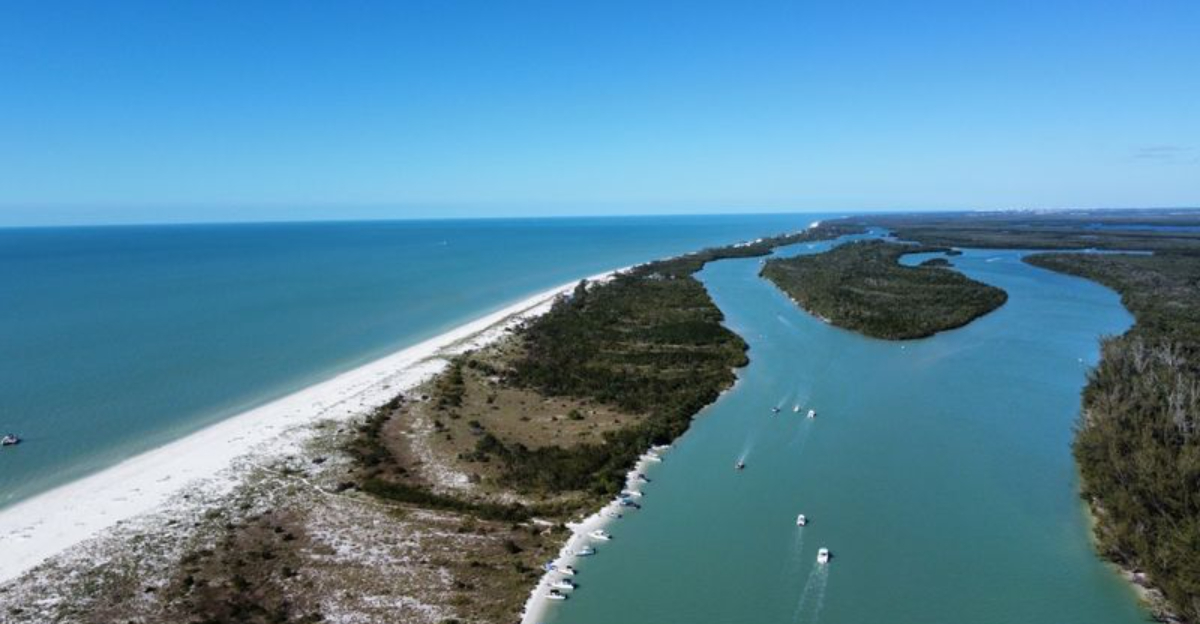
Key West is famous, sure, but Florida hides dozens of quieter islands where the crowds thin out and the vibe shifts from party-central to pure peace. Some you can only reach by boat, others require a ferry ride or a long wade through warm shallows. What they all share is a slower pace, wilder beaches, and that rare feeling of discovering something most tourists miss entirely.
1. Cayo Costa Island (Boca Grande)
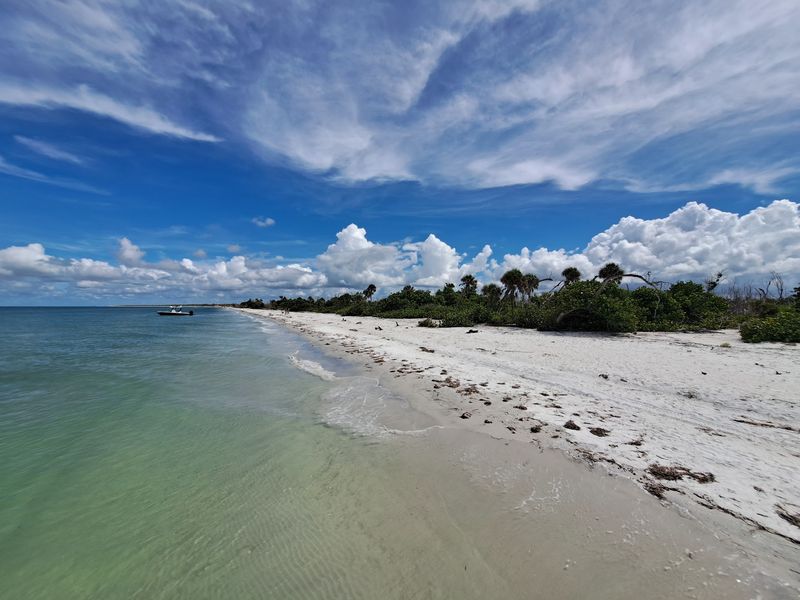
Miles of empty beach stretch in both directions, and you will not find a single hotel, restaurant, or souvenir shop anywhere on Cayo Costa. This state park island sits off the coast near Boca Grande, accessible only by private boat or passenger ferry. The lack of development means the shoreline looks much like it did centuries ago, with dunes, sea oats, and shells piled thick along the tide line.
Bring everything you need for the day because services are minimal. A small ranger station, restrooms, and a few picnic shelters provide basic amenities, but no food or drink is sold on-site. Many visitors pack coolers, beach umbrellas, and snorkel gear to make the most of their time.
The water stays shallow and clear, perfect for spotting rays and small fish near the shore.
Camping is allowed in rustic cabins or tent sites if you want to extend your stay overnight. Waking up to sunrise over the Gulf with only the sound of waves and birds is an experience few other Florida spots can match. The island attracts serious beachcombers and nature lovers who appreciate solitude over convenience.
If your idea of escape means leaving the modern world behind for a few hours, Cayo Costa delivers exactly that.
2. Caladesi Island (Dunedin)
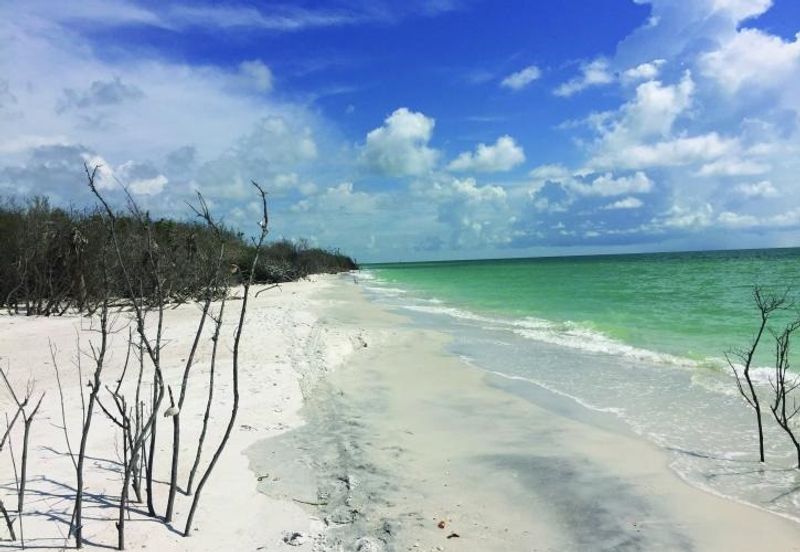
Caladesi Island regularly lands on lists of America’s best beaches, and once you step off the ferry from Honeymoon Island, you understand why. Soft white sand, calm aquamarine water, and a peaceful atmosphere make this state park feel like a postcard come to life. Unlike many Gulf Coast beaches, Caladesi remains largely undeveloped, so the scenery stays natural and unspoiled.
A three-mile nature trail winds through the island’s interior, passing through mangrove forests and coastal scrub where you might spot ospreys, herons, or even a gopher tortoise. The trail is flat and easy, suitable for families with kids who want a break from the sand. Kayak rentals are available at the marina, and paddling through the mangrove tunnels offers a completely different perspective on the island’s ecosystem.
The beach itself curves gently along the Gulf side, with plenty of room to spread out even on busier weekends. Concessions near the marina sell snacks and drinks, and picnic pavilions provide shaded spots for lunch. Most visitors arrive by ferry, though boaters can dock at the marina if they prefer.
Because access is limited, the crowds never reach the levels you see at mainland beaches. Caladesi proves that Florida still has places where nature takes priority over development, and the result is a beach experience that feels genuinely special.
3. North Captiva Island (Captiva)
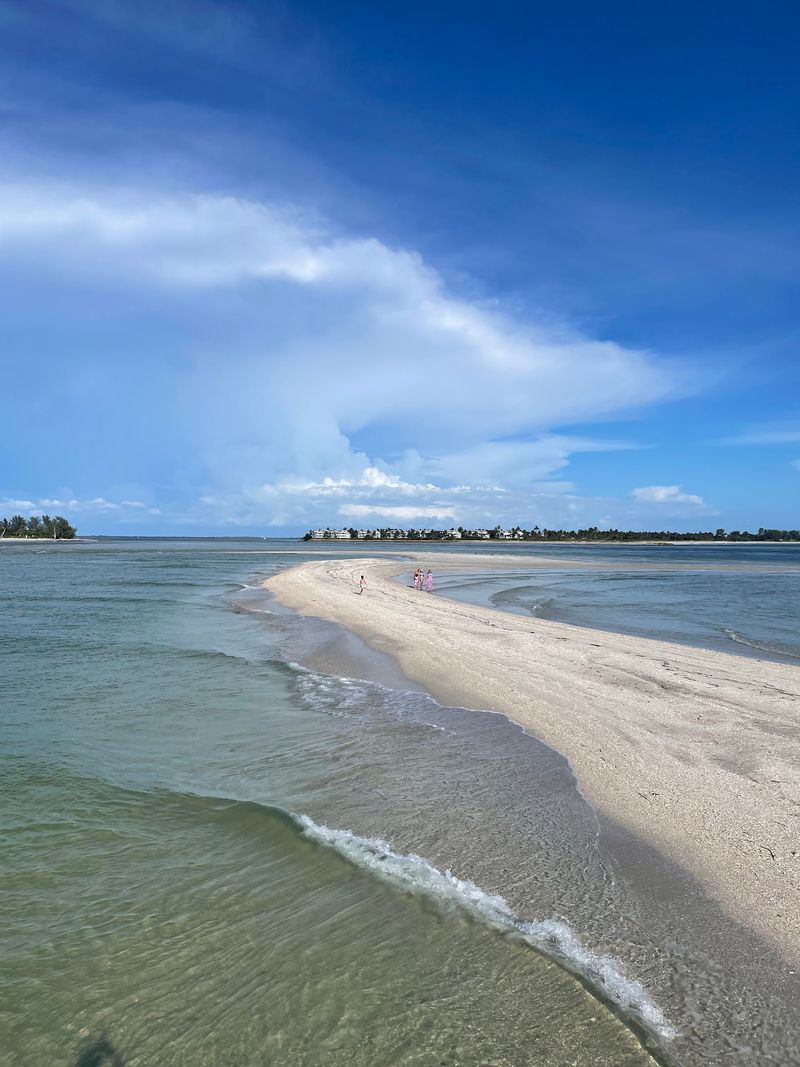
No bridge connects North Captiva to the mainland, and that single fact shapes everything about this barrier island. Visitors arrive by boat or small plane, and once here, golf carts replace cars as the main way to get around. The island’s northern section remains completely wild, with miles of beach where you might walk for an hour without seeing another person.
Vacation rentals and a small resort provide lodging, but there are no chain hotels, no traffic lights, and no fast food. The pace of life slows immediately, and most people spend their days shelling, fishing, or simply lounging in the sun. A small marina and general store serve as the island’s commercial hub, offering basic supplies and a casual restaurant.
Everything else is either sand, sea, or subtropical vegetation.
Hurricane Charley cut a pass through the island in 2004, splitting it into two sections and creating a new inlet that continues to shift and change. The storm reshaped the landscape but also reinforced North Captiva’s wild character. Shelling is exceptional here, especially after storms, and the beaches collect colorful specimens that draw collectors from across the state.
If your idea of a Florida island escape involves trading convenience for seclusion, North Captiva fits the bill perfectly. The lack of easy access keeps the crowds away, leaving more space for those who make the effort to reach it.
4. Keewaydin Island (Naples)
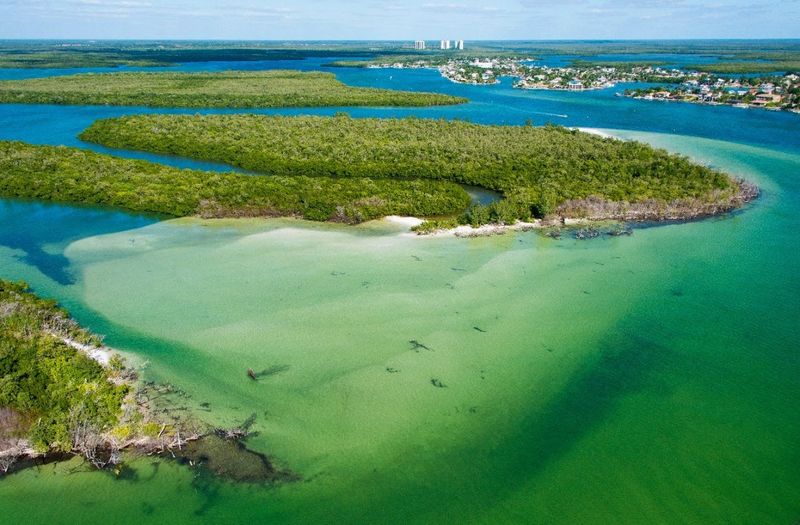
Just offshore from Naples, Keewaydin Island stretches for eight miles without a single paved road, restaurant, or public restroom. Access is by private boat only, which keeps visitor numbers low and the beach experience refreshingly quiet. The island’s Gulf side features soft sand and gentle waves, while the bay side hosts mangroves and tidal flats that attract wading birds and marine life.
A handful of private homes dot the southern end, but the majority of Keewaydin remains completely undeveloped. This creates a sense of wilderness that is increasingly rare along Florida’s southwest coast. Beachcombers find excellent shelling, especially after winter storms when the Gulf deposits fresh treasures along the tide line.
Dolphins often swim close to shore, and sea turtles nest here during summer months.
Because there are no facilities, visitors must bring all supplies, including water, food, and shade. Many boaters anchor offshore and wade in, setting up portable chairs and umbrellas for the day. The lack of amenities is precisely the point for people who choose Keewaydin over more accessible beaches.
Solitude and natural beauty matter more here than convenience. Sunset views from the western shore are spectacular, with nothing but open Gulf stretching to the horizon. If you want to experience a Florida beach the way it looked before development, Keewaydin offers that rare opportunity just minutes from downtown Naples.
5. Little Gasparilla Island (Placida)
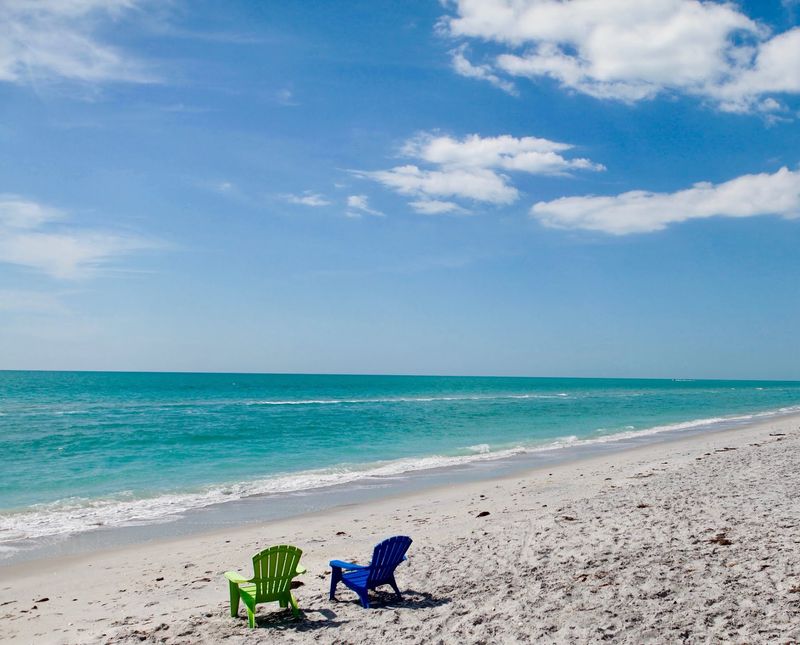
Cars do not exist on Little Gasparilla Island, and that simple fact transforms the entire experience. Accessible only by private boat or water taxi from Placida, this narrow barrier island attracts visitors who want to unplug completely. Golf carts and bicycles handle all transportation, and the loudest sounds you will hear are waves, wind, and the occasional laugh from a nearby porch.
Vacation rentals line the island, ranging from simple cottages to upscale homes, but there are no hotels or commercial businesses beyond a small general store. Residents and visitors bring groceries and supplies by boat, and most people cook in their rentals rather than dining out. The beach runs the entire length of the island, offering miles of walking and shelling opportunities.
The sand stays soft and white, and the water remains shallow far from shore, making it ideal for families with young children.
Fishing from the shore or nearby docks is popular, with snook, redfish, and tarpon all present in local waters. Kayaking the bay side reveals mangrove tunnels and quiet coves where herons and egrets hunt in the shallows. The island’s small size and limited access create a tight-knit community feel, even among short-term visitors.
People wave as they pass, and evenings often involve watching sunsets from the beach with neighbors. Little Gasparilla proves that Florida still has places where the modern world fades into the background.
6. Egmont Key (St. Petersburg)
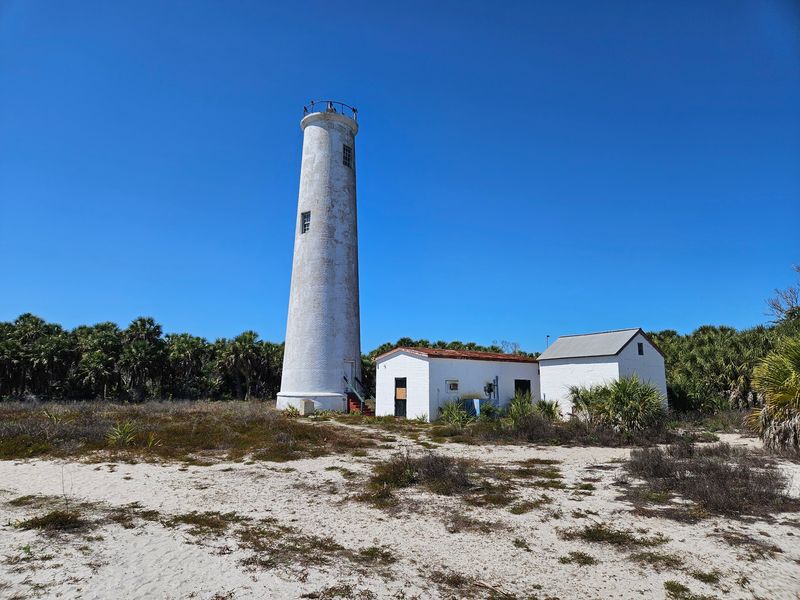
History and nature collide on Egmont Key, a small island guarding the entrance to Tampa Bay. The ruins of Fort Dade, a military installation built in the 1890s, still stand along the beach, their weathered brick walls slowly surrendering to sand and vegetation. A functioning lighthouse continues to guide ships into the bay, just as it has for over 150 years.
The combination of historical structures and wild beach creates an atmosphere unlike any other Florida island.
Access requires a boat, and several tour operators run trips from Fort De Soto Park and other nearby locations. Once you arrive, hiking trails loop through the fort ruins and coastal vegetation, offering glimpses into the island’s military past. Interpretive signs explain the fort’s role in protecting Tampa Bay during the Spanish-American War.
The island also served as a prison camp for Seminole Indians during the Third Seminole War, adding another layer to its complex history.
Gopher tortoises roam freely across Egmont Key, and their burrows dot the sandy paths. These protected reptiles seem unbothered by visitors, often crossing trails just feet from hikers. The beaches on the Gulf side provide excellent shelling and swimming, though currents can be strong near the bay entrance.
Snorkeling around the island’s edges reveals rocky structure that attracts tropical fish and occasional rays. Egmont Key offers a rare combination of historical exploration and natural beauty, making it a fascinating day trip for anyone willing to take a boat ride.
7. Shell Key (Tierra Verde)
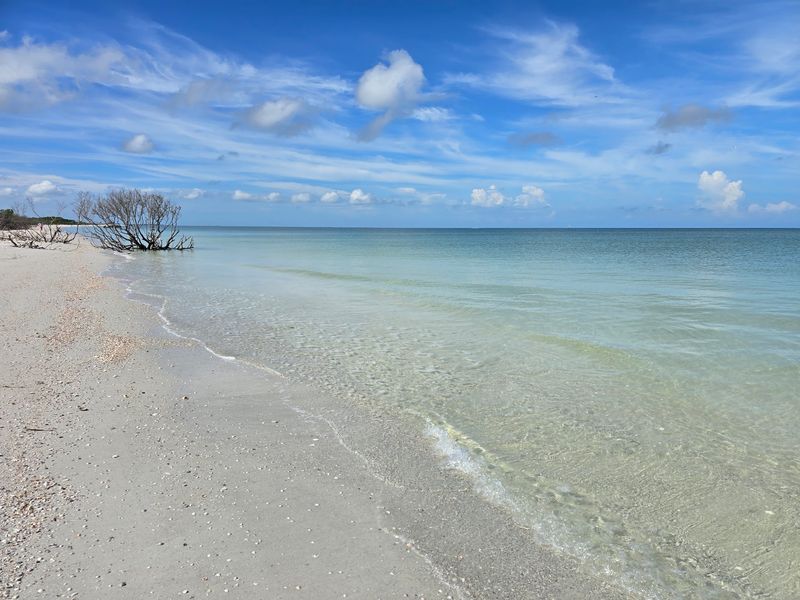
Shell Key sits just offshore from Fort De Soto Park, but the short boat ride creates a world of difference in atmosphere and crowds. This undeveloped island offers pristine beaches, clear shallow water, and a peaceful setting that feels far more remote than its actual location. Many visitors kayak or paddleboard from Fort De Soto, making the journey part of the adventure.
Water taxis also run regularly for those without their own watercraft.
The island is small enough to walk around in less than an hour, but most people settle into one spot and stay put. The beach consists of soft white sand mixed with shells, and the water stays shallow for a long distance from shore. Snorkeling near the edges of the island reveals grass flats where small fish, crabs, and rays feed.
The western shore faces the Gulf, while the eastern side looks back toward Fort De Soto and the mainland.
Because Shell Key has no facilities, visitors must pack everything they need, including shade, water, and food. The lack of amenities is part of the appeal, creating a true escape from developed beaches. Dolphins frequently swim past, and during nesting season, shorebirds claim sections of the upper beach.
The island’s proximity to Fort De Soto makes it an easy day trip, but the experience feels much more adventurous than simply visiting another beach. Shell Key proves that sometimes the best escapes are hiding just offshore from popular spots.
8. St. George Island (Eastpoint)
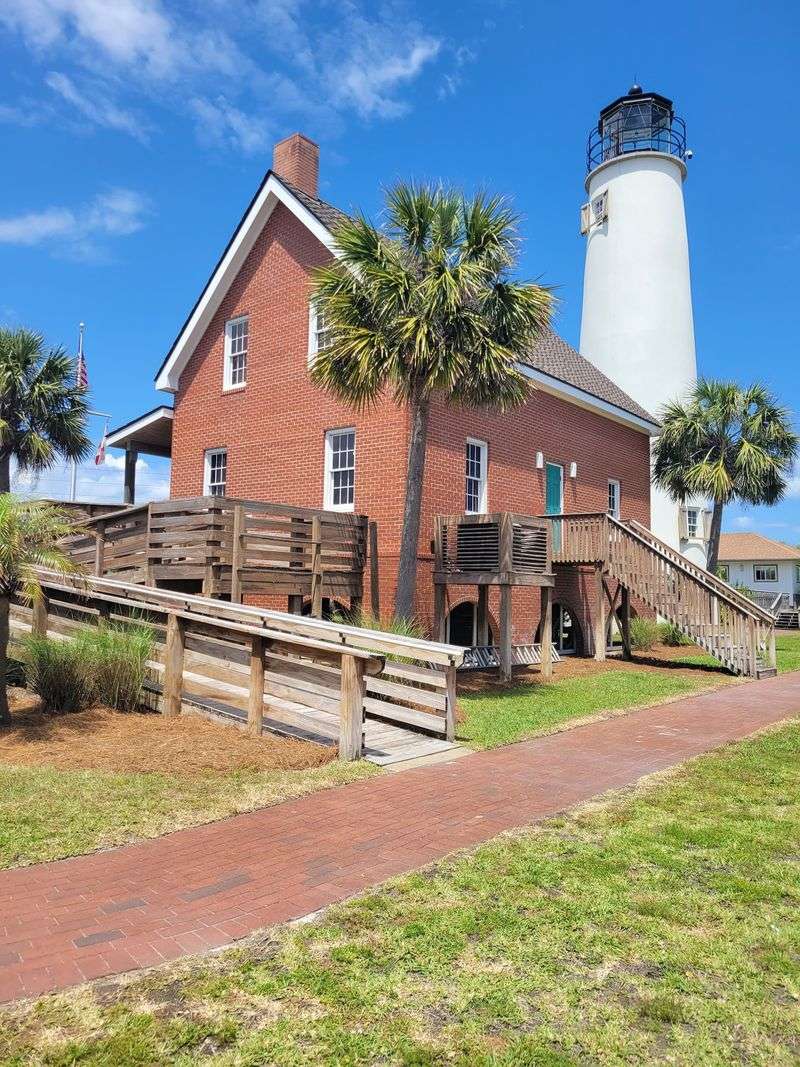
St. George Island stretches for 28 miles along Florida’s Panhandle coast, connected to the mainland by a bridge but retaining a laid-back vibe that sets it apart from busier beach towns. The island’s eastern section is a state park, offering nine miles of undeveloped beach where nature takes center stage. The western end holds a small town with vacation rentals, restaurants, and shops, but development stays low-key and the pace remains slow.
The beaches here rank among Florida’s finest, with sugar-white sand and water that shifts from emerald green to deep blue depending on depth and light. The shore stays relatively uncrowded even during peak season, and you can walk for miles without passing many other people. Fishing is excellent from the beach, the bay, or one of several piers, with redfish, trout, and flounder all common catches.
The island’s narrow width means you are never far from water on either side. The Gulf side offers classic beach experiences with waves and swimming, while the bay side provides calmer water perfect for kayaking and paddleboarding through salt marshes. Birdwatching is superb, especially during migration seasons when thousands of birds stop to rest and feed.
St. George Island attracts families, couples, and solo travelers who value natural beauty and quiet over nightlife and crowds. The island feels like a step back to an earlier era of Florida beach vacations, before high-rises and theme parks dominated the coast.
9. Cedar Key (Cedar Key)
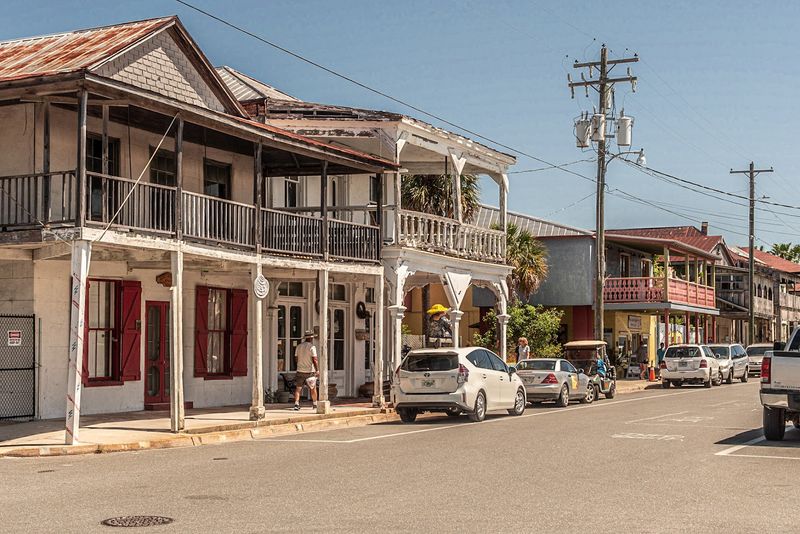
Cedar Key occupies a cluster of small islands on Florida’s Nature Coast, connected by a single road that ends at a downtown waterfront frozen in time. This is Old Florida at its finest, with weathered docks, seafood shacks, and a pace of life that refuses to accelerate. The town was once a thriving port for lumber and pencil manufacturing, but those industries faded long ago, leaving behind a quiet fishing village that attracts artists, retirees, and visitors seeking authenticity over polish.
The downtown area consists of a few blocks lined with galleries, restaurants, and shops selling local art and handmade goods. Most buildings date back decades, and the overall vibe feels more like a Gulf Coast outpost than a typical tourist destination. Seafood restaurants serve fresh clams, oysters, and fish caught by local boats, and eating on a dock while watching the sunset is a near-perfect Florida experience.
Kayaking the surrounding islands and salt marshes reveals a maze of waterways teeming with birds, manatees, and dolphins. The Cedar Keys National Wildlife Refuge protects several nearby islands, offering opportunities for hiking and wildlife observation. The beaches are not the white-sand variety found further south, but they provide quiet spots for swimming and shelling.
Cedar Key appeals to people who prefer character over convenience, and its remote location on the Nature Coast keeps it off the radar for most tourists. That isolation is precisely what makes it special.
10. Peanut Island (Riviera Beach)
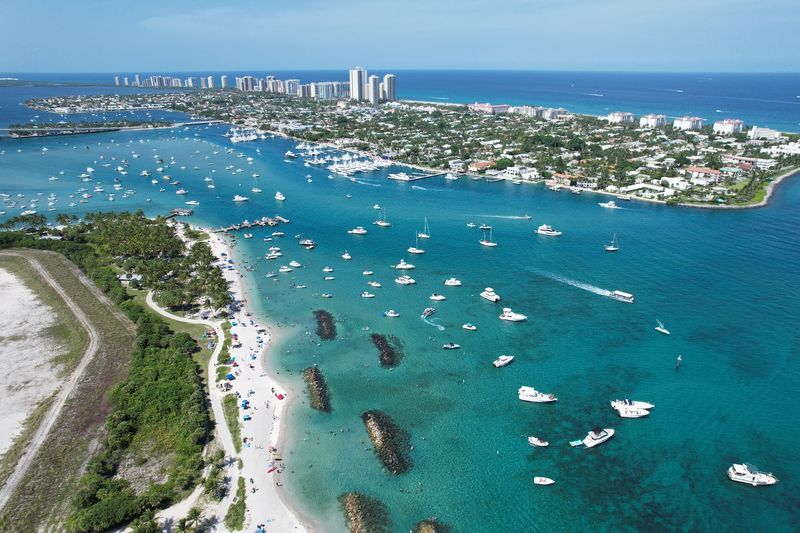
Peanut Island sits in the middle of Lake Worth Lagoon, just offshore from Riviera Beach and directly across from Palm Beach. This 80-acre island serves as a popular day-trip destination for boaters and beachgoers, accessible by private boat or water taxi. The island’s most unusual attraction is a Cold War-era bunker built for President John F.
Kennedy, now open for tours and offering a fascinating glimpse into 1960s nuclear fears.
The beach on the island’s eastern shore faces the Intracoastal Waterway, providing calm water perfect for swimming and snorkeling. An artificial reef just offshore attracts tropical fish, and many families bring snorkel gear to explore the underwater structure. The western side of the island features a campground with tent sites and a few rental cabins, allowing overnight stays for those who want to extend their visit.
Hiking and biking trails loop around the island, and picnic areas with grills and tables make Peanut Island a popular spot for weekend gatherings. The island also serves as a staging area for divers heading to nearby wrecks and reefs. Despite its proximity to West Palm Beach and the busy Intracoastal, Peanut Island maintains a relaxed atmosphere where the focus stays on outdoor activities and water fun.
The combination of beach, history, and easy access makes it a favorite among South Florida locals who want a quick island escape without traveling far from home.