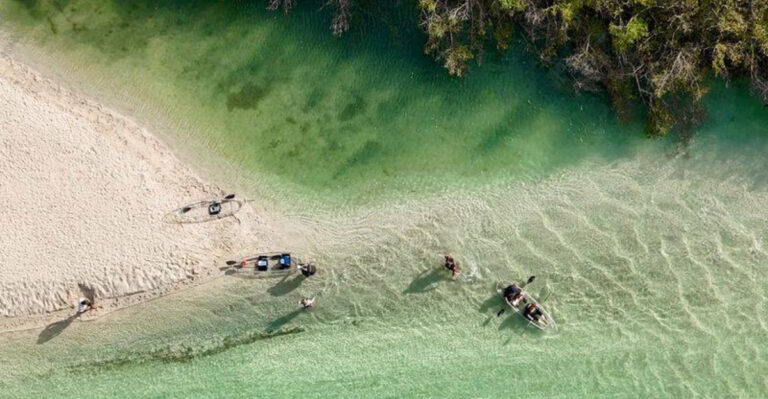
Grab Your Gear and Head to These 11 Florida Campgrounds Without a Reservation
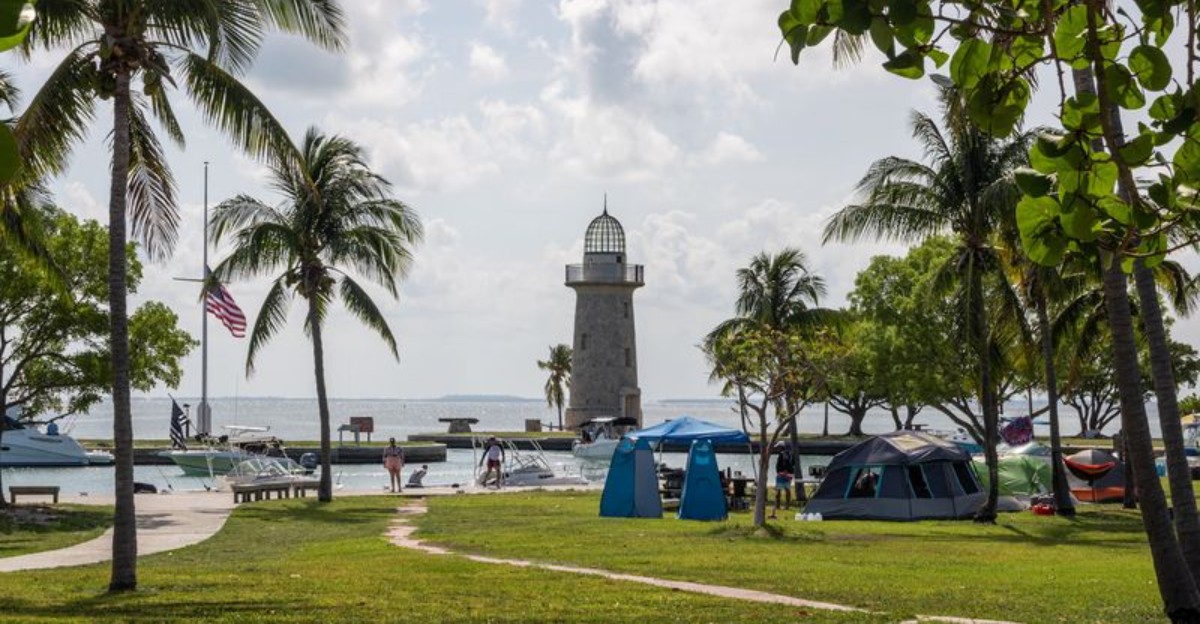
Not every Florida camping adventure needs to be planned months in advance. For travelers who prefer spontaneous road trips, several campgrounds around the state offer first-come, first-served opportunities or allow campers to arrive without booking far ahead when space is available. These 11 camping spots trade crowded resorts for experiences ranging from quiet forests and riverside retreats to wildlife-rich landscapes and island escapes.
Depending on the destination, you might spend the evening beneath towering trees, wake beside the Suwannee River, paddle before breakfast, or enjoy a night surrounded by some of Florida’s least-developed scenery. The freedom comes with a little uncertainty. Walk-up availability can change quickly, especially on weekends and during Florida’s cooler camping season.
Some locations may also require permits, entrance fees, or same-day registration even when an advance campsite reservation isn’t necessary. Checking current rules before leaving home can prevent an unexpected change of plans. For campers willing to stay flexible, that spontaneity is part of the adventure.
Pack the tent, load the cooler, and keep these Florida campgrounds in mind the next time an ordinary weekend suddenly feels like the perfect excuse to get outside.
1. Boca Chita Key Campground, Biscayne National Park
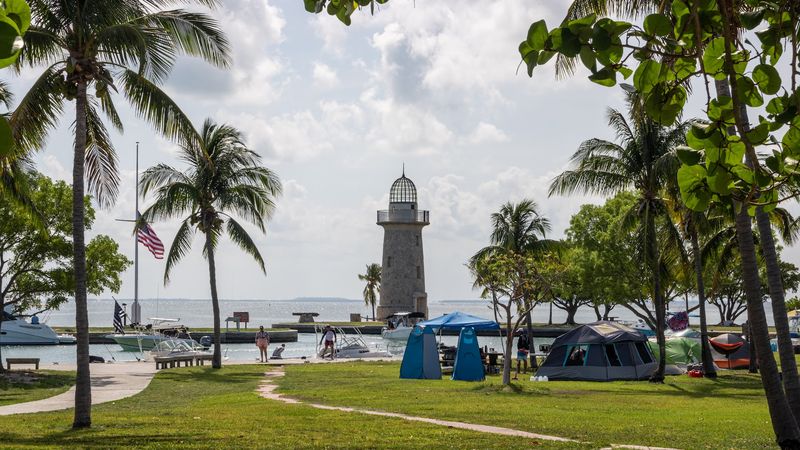
Getting to this campground is half the adventure since you need a boat to reach Boca Chita Key. Once you arrive at this tiny island in Biscayne National Park, you’ll find primitive campsites right along the water with views that make every effort worthwhile. The historic lighthouse stands as a landmark, and the surrounding coral reefs create some of the best snorkeling opportunities in South Florida.
No reservations means you take your chances, especially on weekends when boaters flock to the island. Arriving early gives you the best shot at snagging one of the limited spots. Keep in mind there’s no freshwater available, so pack everything you need including drinking water, food, and fuel for cooking.
The campground operates on a first-come basis with a small nightly fee collected by rangers who patrol the island. Facilities are basic with composting toilets and nothing else, so plan accordingly. This spot rewards those who come prepared with incredible sunsets, calm waters perfect for kayaking, and a sense of isolation that’s rare to find so close to Miami.
Mosquitoes can be intense during warmer months, so bug spray isn’t optional here. The island closes at sunset to day visitors, which means campers get the entire key to themselves once darkness falls. Stars shine brighter without city lights, and the sound of waves becomes your nighttime soundtrack in this unique camping experience.
2. Goose Pasture Campground, Monticello
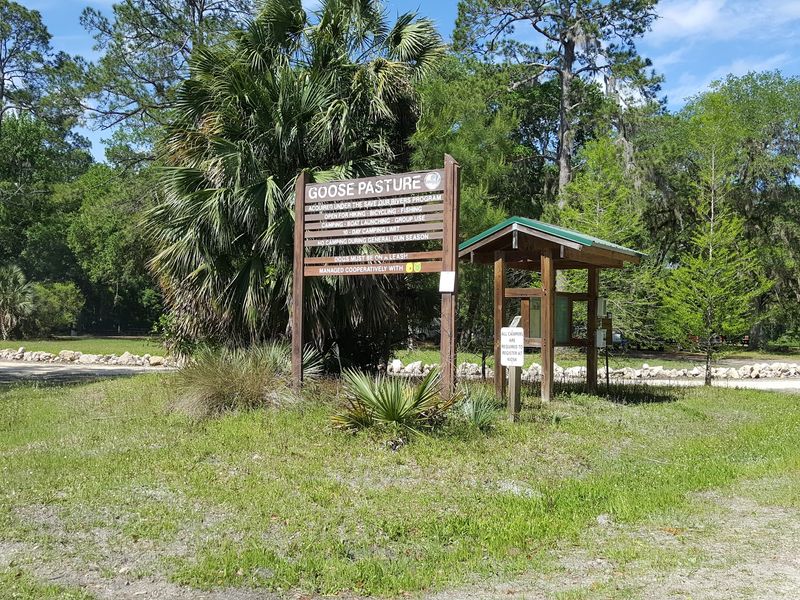
Tucked away in Jefferson County, this campground sits on land managed by the Northwest Florida Water Management District. Goose Pasture offers a quiet escape where the main sounds come from birds and wind moving through longleaf pines. Sites are spread out enough that you won’t feel crowded even when other campers are present, and the lack of reservations keeps things refreshingly simple.
The area works well for RVs and tent campers alike, though amenities remain minimal by design. You’ll find fire rings and cleared spots for pitching tents, but don’t expect hookups or running water. A vault toilet provides the only facility, so bring your own supplies and leave nothing behind when you pack up.
Fishing and hiking trails wind through the property, giving you plenty to explore during daylight hours. The nearby Aucilla River offers additional recreation if you bring a kayak or canoe. Wildlife sightings happen regularly here since the surrounding forest provides habitat for deer, wild turkeys, and various bird species that call North Florida home.
Camping is free, which makes this spot especially appealing for budget-conscious adventurers. The honor system applies, with a self-registration station where you fill out basic information. Roads leading to the campground are unpaved but generally passable for most vehicles, though checking conditions after heavy rain is smart before making the drive out.
3. East Camp Zone, Little Big Econ State Forest, Geneva/Chuluota
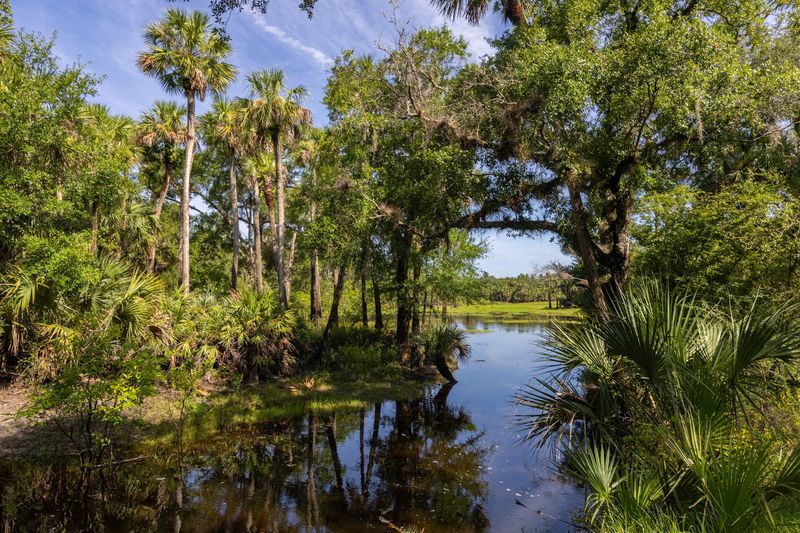
Just east of Orlando’s sprawl, Little Big Econ State Forest offers a wilderness experience that feels much farther from civilization than it actually is. The East Camp Zone provides primitive sites where you can set up camp after hiking or biking into the forest. This arrangement filters out casual visitors and rewards those willing to carry their gear a bit to reach more secluded spots.
Trails crisscross the forest, connecting camping areas to the Econlockhatchee River where paddling opportunities await. The forest protects diverse habitats including wetlands, pine flatwoods, and hardwood hammocks that support an impressive variety of wildlife. Gopher tortoises, deer, and even the occasional black bear call this area home, so proper food storage matters here.
No fees apply for camping, but you must obtain a free permit from the forest office before heading out. Rangers patrol regularly and check for permits, so skipping this step isn’t worth the hassle. The permit system helps manage visitor numbers and ensures campers understand the leave-no-trace principles that keep these areas pristine.
Facilities are non-existent beyond designated camping zones, so pack everything in and pack everything out. Water sources exist but require treatment before drinking. Summer heat and humidity can be intense, making spring and fall the most comfortable seasons for overnight stays.
The forest opens opportunities for equestrian camping too, with separate areas designated for visitors bringing horses along.
4. Ralph E. Simmons Memorial State Forest, Hilliard
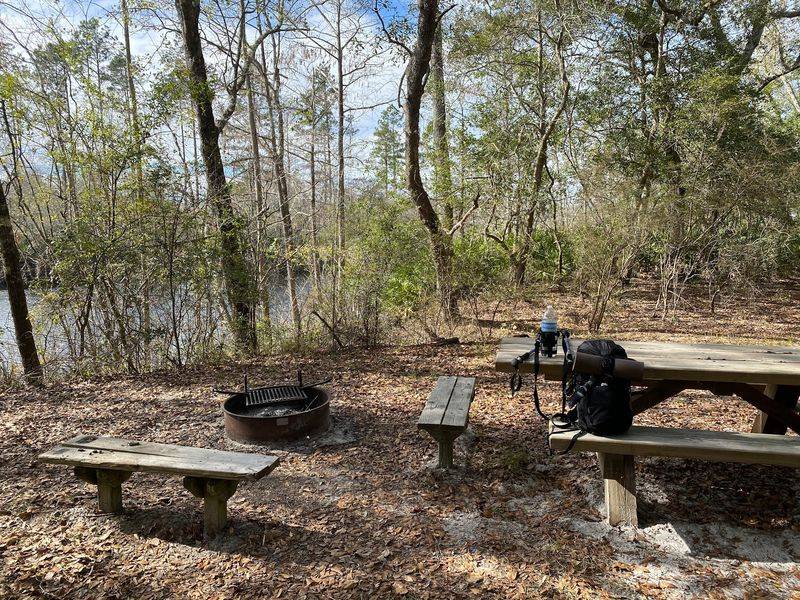
Way up in Nassau County near the Georgia border, this state forest flies under the radar for most Florida campers. Ralph E. Simmons Memorial State Forest manages over 3,600 acres of working timberland where camping is permitted in designated areas without advance reservations.
The forest serves multiple purposes including timber management, wildlife habitat, and recreation, creating a landscape that changes as you explore different sections.
Camping options include both developed sites with basic facilities and more primitive spots for those seeking solitude. A small campground near the forest entrance offers fire rings and vault toilets, while backcountry zones allow dispersed camping for self-sufficient adventurers. Roads throughout the forest range from paved to sandy two-tracks that require attention during wet weather.
Hunting seasons bring increased activity to the forest, so checking the schedule before your trip helps avoid conflicts and ensures safety. Outside hunting periods, you’ll likely have large sections of forest practically to yourself. Hiking, mountain biking, and wildlife viewing fill the days, with plenty of dirt roads to explore on foot or bicycle.
The forest charges no camping fees but operates on a first-come basis with self-registration at the entrance. Bring your own water since none is available on-site. The remote location means supplies and services require a drive to Hilliard or nearby communities.
Cell coverage is limited, which adds to the off-grid appeal for those wanting to disconnect completely from daily routines.
5. Three Lakes Wildlife Management Area, Kenansville
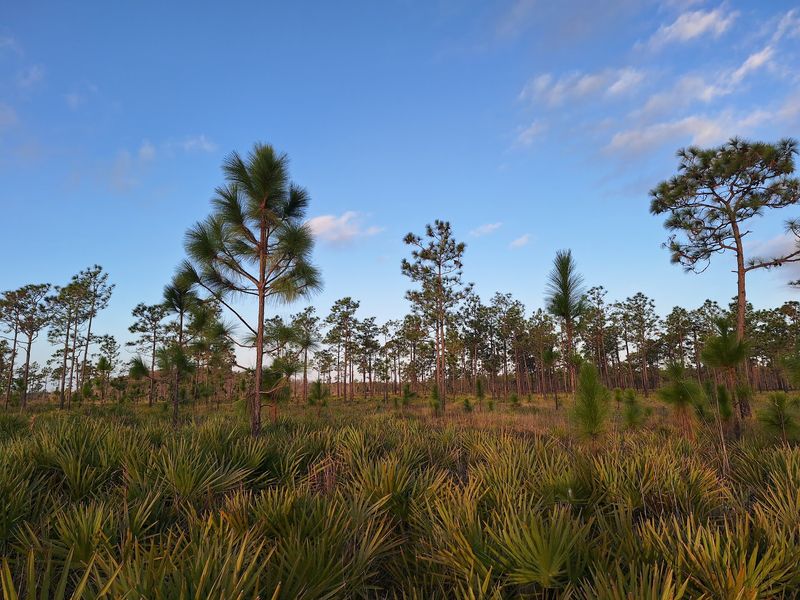
Sprawling across more than 63,000 acres in Osceola County, Three Lakes WMA offers one of Florida’s largest public camping opportunities. The area gets its name from three shallow lakes that dominate the landscape, surrounded by prairies, marshes, and patches of oak hammock. Camping happens in designated zones scattered throughout the property, with most accessible by vehicle though some require a short walk from parking areas.
This place caters heavily to hunters during fall and winter seasons, but the rest of the year it transforms into a peaceful retreat for campers, birders, and photographers. The flat terrain and open spaces create excellent conditions for spotting wildlife, especially during early morning and late evening hours. Sandhill cranes, wild hogs, and white-tailed deer appear regularly, while alligators inhabit the lakes and wetland edges.
Facilities are minimal with vault toilets at some camping zones and absolutely nothing at others. All camping is primitive, meaning you provide your own shade, water, and everything else needed for comfortable nights outdoors. The lack of trees in many areas makes sun protection crucial, and afternoon thunderstorms during summer can be impressive across the open prairie.
A daily use permit is required and available for purchase at self-service stations throughout the WMA. Camping is free once you have the entry permit. Roads are mostly unpaved and can become challenging after rain, with some routes requiring high-clearance vehicles.
The remote setting and vast size mean you can find solitude even on busy weekends if you’re willing to explore beyond the main entrances.
6. Woods Ferry River Camp, Live Oak
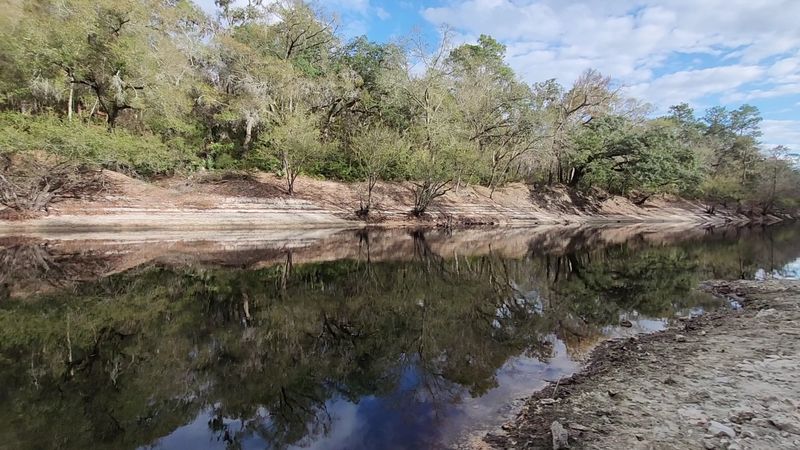
Along the legendary Suwannee River, Woods Ferry River Camp provides a jumping-off point for paddling adventures and lazy river days. The Suwannee River Water Management District maintains this site as part of a network of river camps that serve boaters and campers exploring the waterway. Large oak trees shade most sites, and the gentle current of the river creates a soothing background noise that helps you sleep better than any sound machine.
The campground accommodates both RVs and tent campers with plenty of space to spread out. A boat ramp allows easy access to the river for fishing, kayaking, or simply floating on a hot afternoon. The river runs clear and spring-fed in this section, staying cool even during summer’s peak heat.
Sandbars emerge during low water, creating natural beaches perfect for wading and picnicking.
Amenities include vault toilets and a covered pavilion that provides relief from sun or rain. No hookups exist, but the spacious sites and riverside location more than compensate for the lack of electricity and water connections. Campfires are allowed in designated rings, and gathering firewood from the surrounding area is permitted as long as you only collect dead and downed material.
The honor system applies here with a self-pay station collecting a modest nightly fee. The camp rarely fills to capacity except during major holiday weekends and spring break. Wildlife thrives along the river corridor, with otters, turtles, and wading birds providing entertainment throughout the day.
Night brings a chorus of frogs and the occasional owl calling from the forest.
7. Holton Creek River Camp, White Springs/Live Oak Area
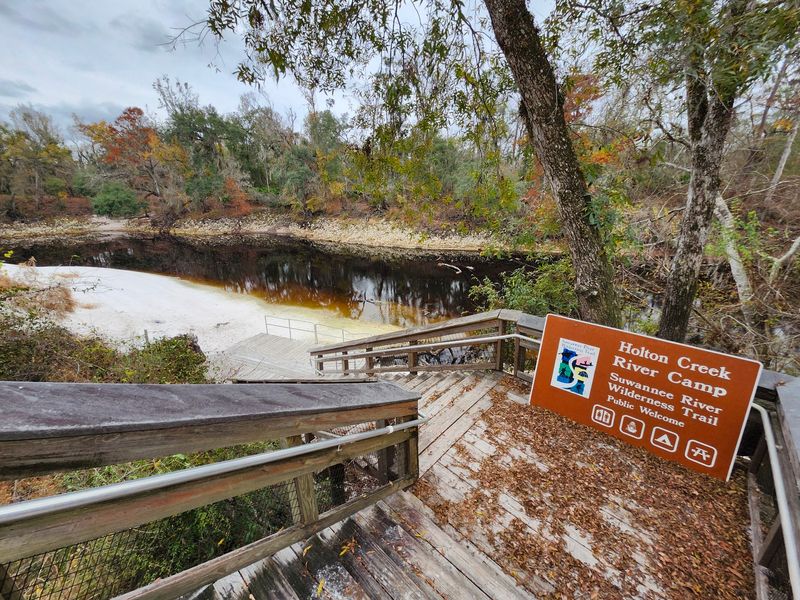
Where Holton Creek flows into the Suwannee River, this quiet camp sits tucked among hardwoods and pines that have watched the water flow for decades. The location offers excellent access to both the main river and the smaller creek, giving paddlers options depending on their skill level and adventure goals. Sites are arranged in a loose pattern that provides privacy while keeping the riverside within easy reach.
A mix of sun and shade characterizes the camping area, with some spots completely covered by tree canopy and others more open to the sky. The boat ramp sees steady use from anglers targeting bass, bream, and catfish that thrive in these waters. During spring, the creek swells with runoff and creates gentle rapids that add excitement to kayak trips.
Summer drops the water level, revealing rocky shoals and deeper pools where fish congregate.
The camp provides vault toilets and a small picnic pavilion but nothing else in terms of facilities. Campers bring their own water, food, and supplies for the duration of their stay. Fire rings mark established camping spots, and the smell of campfire smoke mingles with river air to create that classic outdoor experience.
The remote setting means light pollution stays minimal, revealing stars in numbers that surprise first-time visitors.
Self-registration and payment work on the honor system with a small fee per night. The camp welcomes RVs that can navigate the access road, though tight turns and low-hanging branches require careful driving. Most weekdays see only a handful of campers, while weekends bring more activity without ever feeling crowded or noisy.
8. Dowling Park River Camp, Live Oak
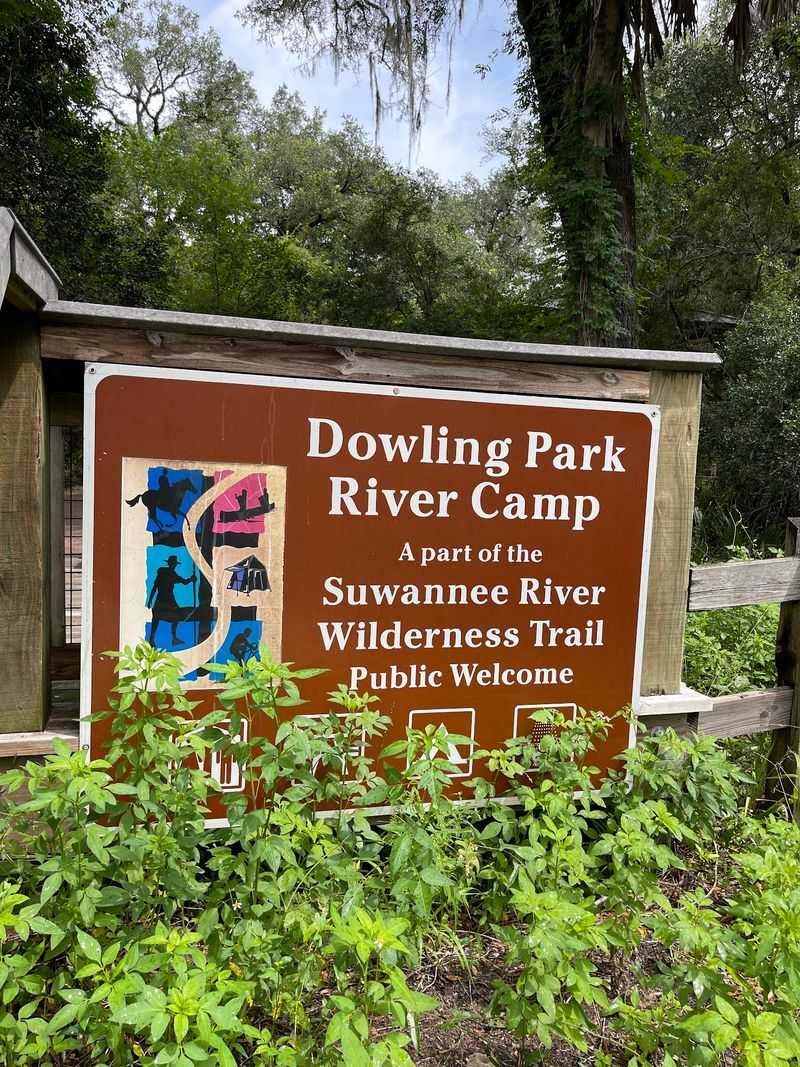
Named for the nearby community, Dowling Park River Camp sits on a scenic bend of the Suwannee where the current slows and deepens. Ancient cypress trees lean over the water, their knees rising from the shallows like sentinels guarding the river’s secrets. The camping area spreads across a high bank that stays dry even during periods of elevated water levels, and the elevation provides cooling breezes that make summer evenings more bearable.
Sites vary in size from cozy spots perfect for a single tent to larger areas that accommodate big rigs and multiple vehicles. The river here runs deep enough for swimming, and a natural sandy area creates a beach-like entry point for wading. Paddlers launch easily from the camp, heading upstream toward White Springs or downstream toward the Gulf of Mexico depending on how much time and energy they want to invest.
Fishing produces consistent action with largemouth bass, chain pickerel, and various panfish willing to bite most days. The river supports a healthy population of freshwater turtles that sun themselves on logs, diving with a splash when approached too closely. Alligators inhabit the area but generally keep their distance from campers and swimmers who respect their space.
Basic amenities include vault toilets and designated fire rings at each site. A self-pay station collects the nightly fee, which remains affordable for families and solo travelers alike. The camp operates year-round with no reservations accepted, making it ideal for spontaneous trips.
Fall and spring bring the most comfortable temperatures, though dedicated campers visit during every season to experience the river’s changing moods.
9. Peacock Slough River Camp, Mayo
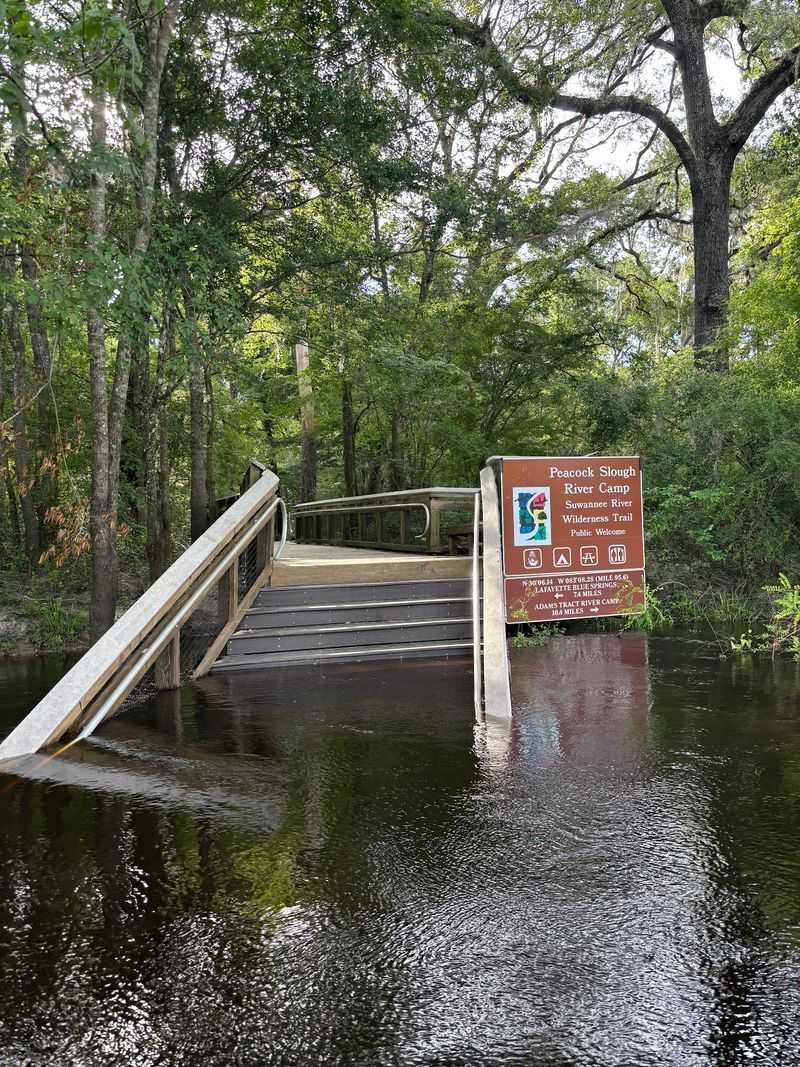
Further north along the Suwannee, Peacock Slough River Camp marks the confluence where Peacock Slough merges with the main river channel. This creates a unique setting where two waterways meet, forming deeper pools and interesting current patterns that attract both fish and the anglers pursuing them. The camp itself maintains a wild character with minimal development beyond the essentials needed for comfortable primitive camping.
Access requires driving several miles on dirt roads that wind through private timber land before reaching the public camping area. The journey keeps casual visitors away and ensures that those who make the effort truly want to be there. Sites nestle among mature trees that provide excellent shade and natural beauty, with some positioned right at the water’s edge for maximum river views.
The remote location means you’ll encounter fewer people here than at camps closer to towns and highways. Weekdays often see zero other campers, giving you the entire area to yourself. The solitude appeals to those seeking genuine wilderness experiences without traveling to distant national forests or expensive private campgrounds.
Night sounds include owls, whippoorwills, and the constant murmur of moving water.
A vault toilet serves the camping area, but water and all other necessities must be packed in. The slough itself offers calm water perfect for beginners learning to paddle, while the main Suwannee provides more challenge with its steady current and wider channels. Self-registration and a modest fee apply, with payment collected via honor box.
Cell service is essentially non-existent, so plan accordingly and let someone know your itinerary before heading out.
10. Adams Tract River Camp, Branford Area
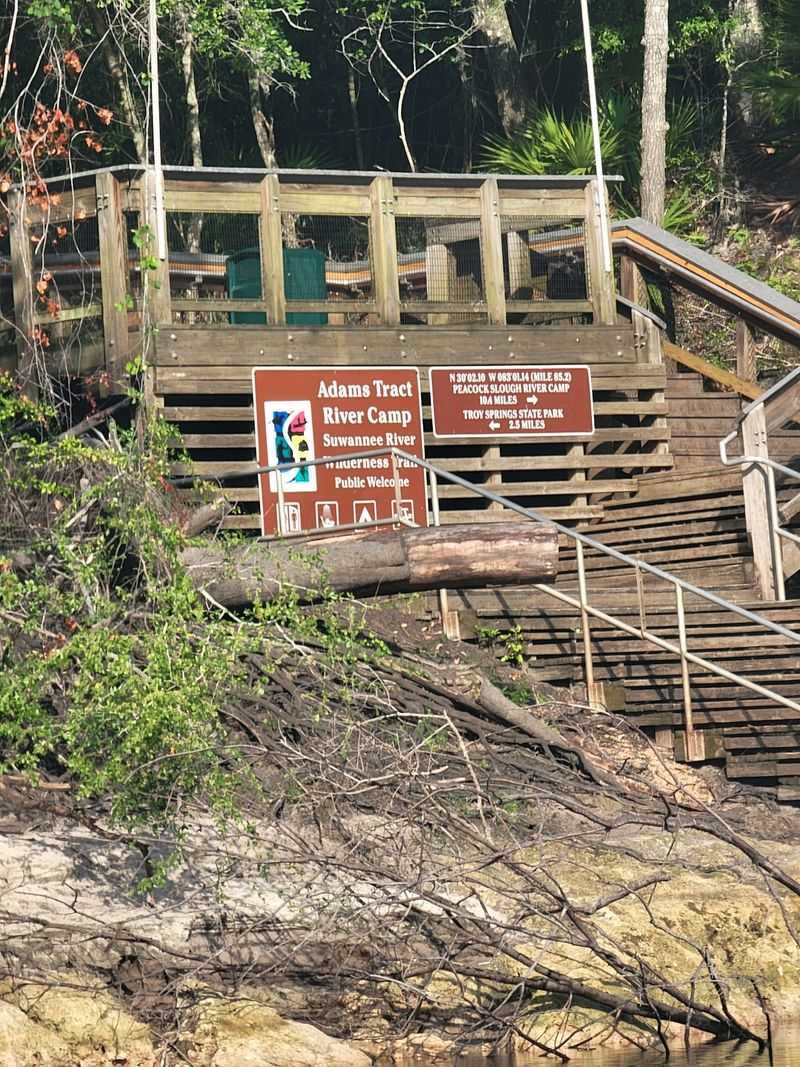
Between Branford and the Gulf, Adams Tract occupies a special section of the Suwannee where multiple springs feed into the river and create crystal-clear water that stays refreshingly cool year-round. The camping area benefits from this influx of spring water, sitting close enough to several springs that adventurous campers can kayak or hike to them for a midday swim. The tract protects significant acreage of natural Florida landscape, and camping here feels like stepping back to a time before development changed the state.
Sites are primitive but well-established, with fire rings and cleared tent pads marking the best spots for setting up camp. Trees provide good shade, and the understory remains relatively open thanks to regular prescribed burns that maintain the natural fire ecology. The river flows steadily past the camp, its tannic water mixing with spring flow to create swirls and eddies that mesmerize anyone who stares long enough.
Paddling opportunities abound with both upstream and downstream routes offering full-day adventures. The nearby springs draw snorkelers and divers who come to observe fish, turtles, and the occasional manatee that wanders up from the Gulf during warmer months. The water clarity in spring runs creates visibility that rivals tropical destinations, all within a short paddle from your campsite.
Vault toilets provide the only facility, keeping the experience truly primitive. A small self-service fee applies per night. The camp welcomes tent campers, RVs, and everything in between, though large rigs may find maneuvering challenging on the access roads.
The tract borders the river for miles, offering hiking trails that explore upland areas away from the water.
11. Mystic Springs Free Campground, McDavid/Walnut Hill Area
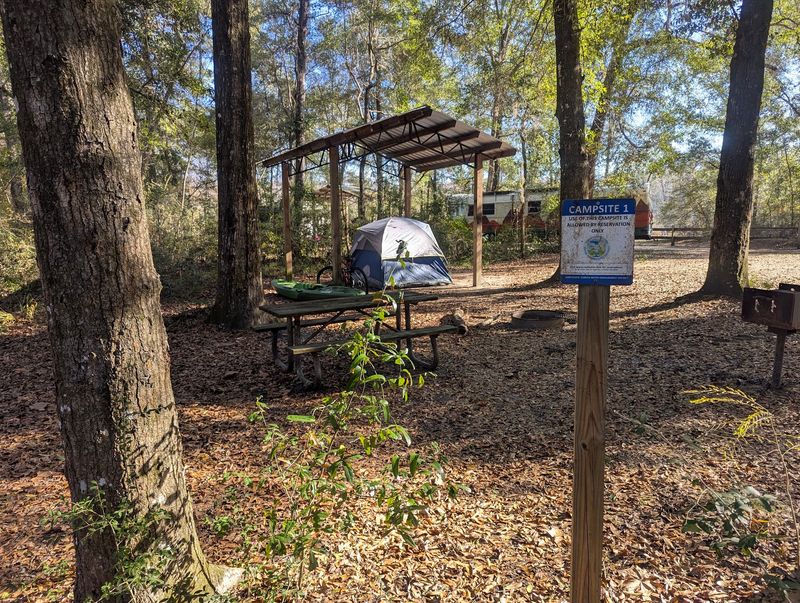
Up in the western panhandle near the Alabama border, Mystic Springs offers completely free camping in a quiet forest setting that most Florida residents don’t even know exists. The Escambia County facility manages this small campground that serves local residents and travelers passing through the area. Sites are basic but functional, with enough space between them to provide reasonable privacy despite the compact layout.
The name suggests water features, though the springs themselves are more modest than the major springs found in other parts of Florida. Still, the area provides a pleasant woodland atmosphere with tall pines and rolling terrain that differs from the flat landscape common in much of the state. Trails wind through the property, and the surrounding forest offers opportunities for wildlife observation and nature photography.
Since camping is free, this spot attracts a mix of weekend campers, long-term travelers, and locals who want a quick overnight escape. The free status means you take the facilities as they are, which includes basic vault toilets and fire rings but nothing else. No hosts or rangers patrol regularly, so the camp operates entirely on the honor system with visitors expected to clean up after themselves and respect others.
The location puts you within reasonable driving distance of Pensacola while keeping you far enough away to enjoy actual darkness and quiet at night. The small size means the campground can fill up, especially during nice weather weekends. Arriving early in the day or visiting mid-week gives you the best shot at claiming a site.
Cell service works adequately for most carriers, allowing you to stay connected if needed.