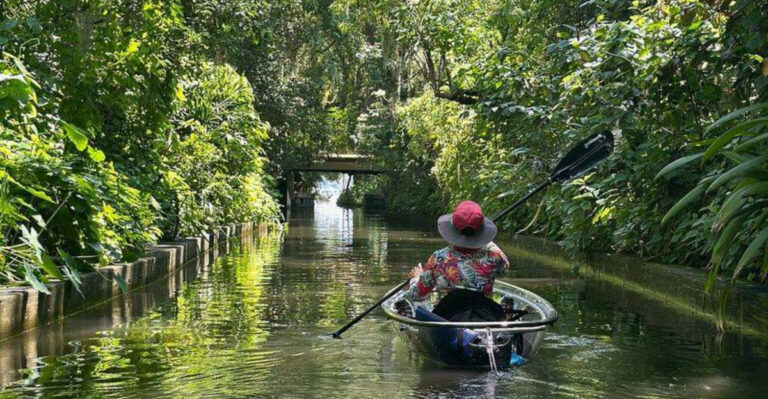
Walk These 10 Florida Streets and You’ll Feel Like You Traveled Back in Time
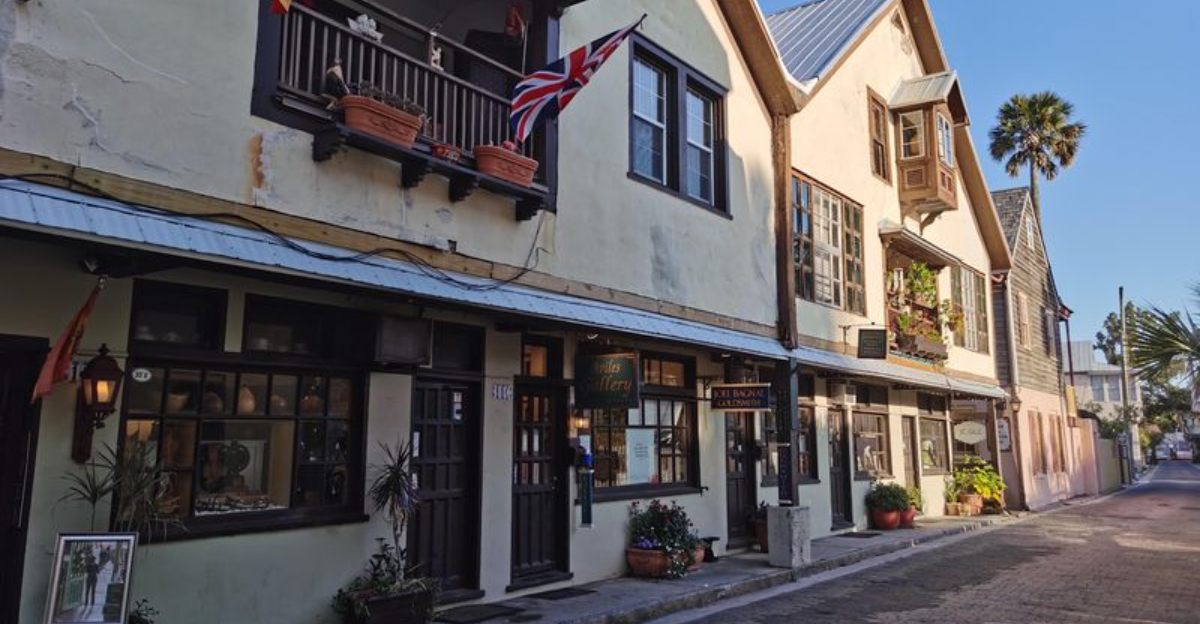
Florida isn’t just theme parks and modern beaches. Tucked away in corners of the state are streets that look almost exactly like they did a century or more ago. Walking down these historic lanes, you’ll see old storefronts, century-old architecture, and details that transport you straight back to Florida’s early days.
Each of these ten streets offers a genuine glimpse into the past, and they’re all still there waiting for you to explore.
1. Aviles Street (St. Augustine)
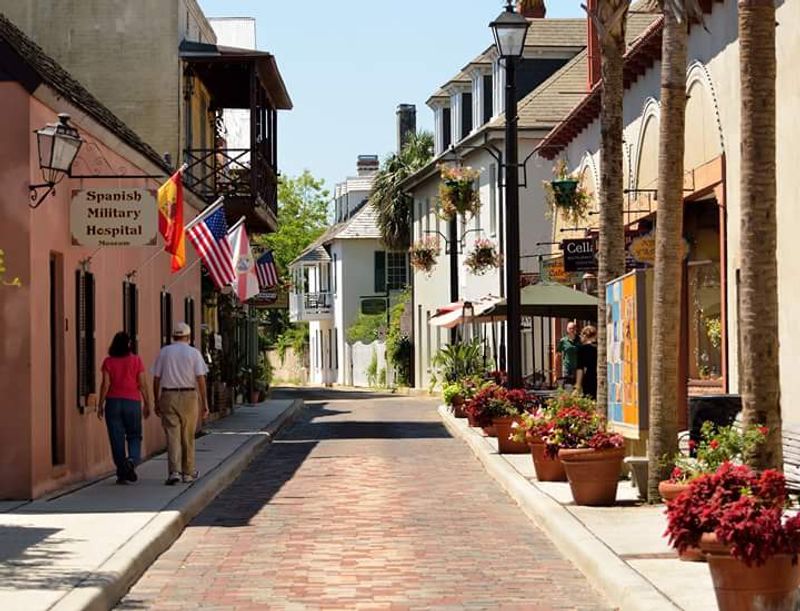
Step onto Aviles Street and you’re walking the oldest continuously occupied street in the entire continental United States. This narrow lane was laid out during Spanish colonial rule, and the feeling here is completely different from anywhere else in Florida. Stone walls, hidden courtyards, and buildings that have stood for centuries line both sides.
The street runs just one block, but that single block is packed with history. You’ll find art galleries inside buildings with walls several feet thick, tiny museums tucked into colonial-era structures, and even a historic Spanish military hospital. Every doorway and window tells a different story.
What makes Aviles Street so special is how authentic it feels. There’s no artificial theming or recreation here. These are actual buildings from the 1700s and 1800s, carefully preserved and still in use today.
The uneven pavers under your feet have been walked on for hundreds of years.
Moss hangs from nearby trees, and the narrow width of the street creates shade that feels cool even on hot days. Small shops and cafes operate out of the historic structures, but they don’t overwhelm the atmosphere. You can easily imagine Spanish soldiers, British merchants, and early American settlers walking this exact same route centuries before you arrived.
2. Cholokka Boulevard (Micanopy)
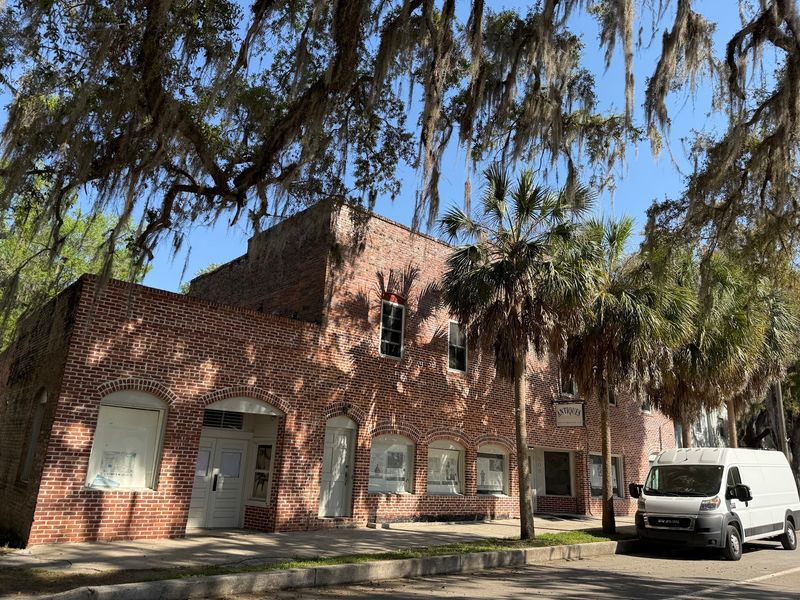
Micanopy might be one of Florida’s smallest towns, but Cholokka Boulevard makes it one of the most atmospheric. Giant live oaks create a canopy over the entire street, their branches heavy with Spanish moss that sways in the breeze. The effect is pure Old Florida, the kind of scene that feels like it belongs in a different century.
The boulevard runs through the heart of this tiny historic town, lined with antique stores, old wooden buildings, and storefronts that look barely changed since the early 1900s. Many of the structures date back to Micanopy’s heyday as a trading post and agricultural center. Walking here feels like stepping onto a movie set, except everything is completely real.
Local preservationists have worked hard to keep Cholokka Boulevard authentic. You won’t find chain stores or modern construction interrupting the historic streetscape. Instead, you’ll discover quirky antique shops filled with treasures, small cafes in century-old buildings, and sidewalks that encourage slow, relaxed strolling.
The town itself has fewer than 1,000 residents, which adds to the time-capsule feeling. On weekdays, Cholokka Boulevard can be almost eerily quiet, with just the sound of wind through the oaks and the occasional screen door closing. It’s the kind of place where time genuinely seems to have slowed down and decided to stay awhile.
3. Centre Street (Fernandina Beach)
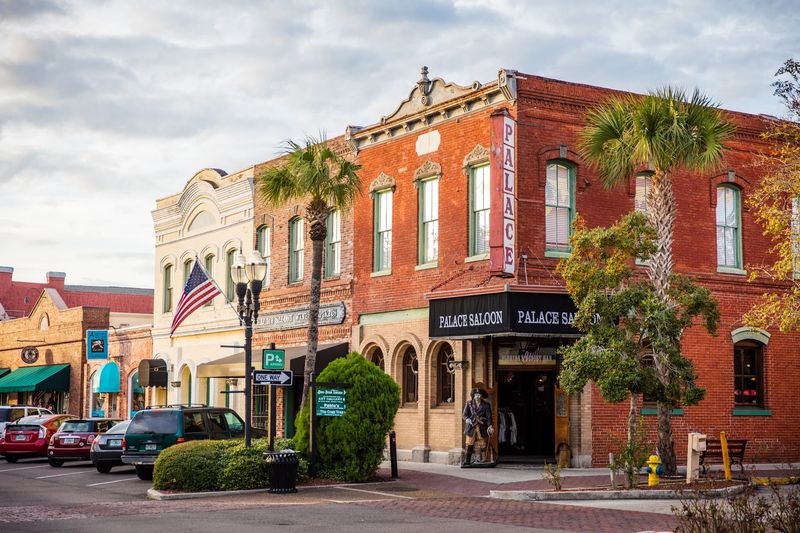
Centre Street cuts straight through the heart of Fernandina Beach’s historic district, and it’s one of the most beautifully preserved Victorian-era streets in the entire state. Brick buildings with ornate facades line both sides, many dating back to the late 1800s when this was a booming port town. The architecture here tells the story of Florida’s Gilded Age.
Fernandina Beach was once one of Florida’s most important seaports, and Centre Street was where business happened. Ship captains, merchants, and traders all walked these sidewalks. Today, those same historic buildings house restaurants, boutiques, and galleries, but the bones of the street remain unchanged.
What’s remarkable is the sheer number of preserved buildings. The historic district spans about 50 blocks, with Centre Street running through its core. Wrought-iron balconies, tall windows with original glass, and decorative cornices give the street a distinctly old-fashioned elegance.
Palm trees add a Florida touch to the Victorian setting.
Walking Centre Street at sunset is particularly magical. The warm light hits the brick facades just right, and the street takes on a golden glow. You can imagine horse-drawn carriages rolling past and women in long dresses browsing shop windows.
The modern world feels very far away, even though the ocean is just a few blocks in the distance and the present day is still very much around you.
4. East 7th Avenue (Ybor City, Tampa)
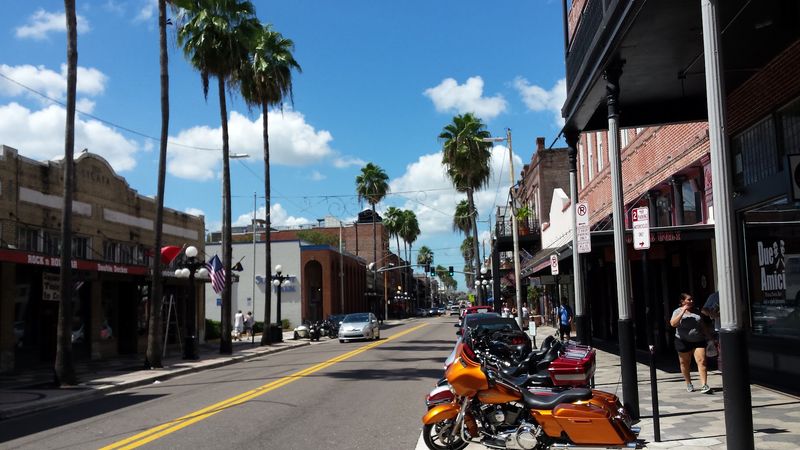
East 7th Avenue is where Tampa’s cigar-rolling past comes alive. Brick streets, wrought-iron balconies, and century-old storefronts line this historic thoroughfare through Ybor City. This was once the cigar capital of the world, and the architecture reflects the Cuban, Spanish, and Italian immigrants who built the neighborhood starting in the 1880s.
The street still has its original brick paving in many sections, and the buildings on either side are mostly original cigar factories and workers’ social clubs. Many have been converted into restaurants, bars, and shops, but the exteriors remain beautifully preserved. Walking here, especially during the day when it’s quieter, you can almost hear the sounds of thousands of cigar rollers at work.
Ybor City was a true melting pot, and 7th Avenue was its main commercial spine. Families from different countries lived and worked side by side, creating a unique cultural blend. That heritage is still visible in the restaurant names, the architectural details, and even the street signs written in multiple languages.
Balconies overhang the sidewalks in classic Latin style, providing shade and adding visual interest. Old streetlamps, decorative tilework, and faded painted signs on brick walls complete the historic atmosphere. Yes, the area gets busy and touristy at night, but come during the morning or early afternoon and you’ll have a much better sense of what this street looked like when Tampa was building its cigar empire.
5. Dodecanese Boulevard (Tarpon Springs)
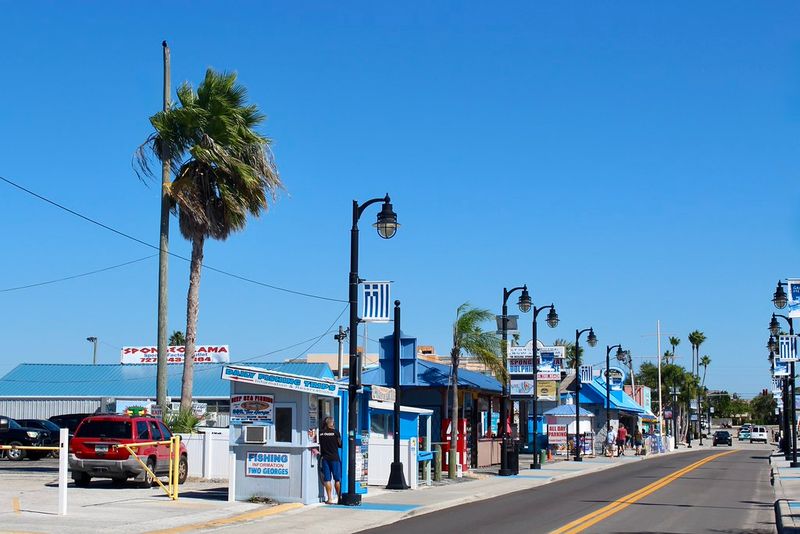
Dodecanese Boulevard doesn’t feel like Florida at all. It feels like a Greek island village somehow got transplanted to the Gulf Coast. Sponge boats bob in the water, Greek restaurants line the street, and the smell of fresh baklava drifts from bakeries housed in old waterfront buildings.
This is Tarpon Springs’ historic sponge dock district, and it’s been this way for more than a century.
Greek immigrants arrived here in the early 1900s to dive for natural sponges, and they built a thriving industry. Dodecanese Boulevard became the commercial heart of that community. The street runs right along the water, where sponge boats are still moored and sponges are still sold from old-fashioned shops and stalls.
The buildings here are a mix of practical waterfront structures and Mediterranean-inspired storefronts. Many date back to the early 1900s, and they’ve been continuously used by Greek families ever since. You’ll see signs in both English and Greek, and you’ll hear Greek spoken on the sidewalks.
This isn’t a tourist recreation. It’s a living, working community.
What makes the street so transportive is how complete the atmosphere is. Everything from the architecture to the food to the language creates a sense of place that’s totally distinct from modern Florida. Walk down Dodecanese Boulevard in the early morning when fishing boats are heading out, and you could easily convince yourself you’re somewhere in the Aegean instead of the Sunshine State.
6. Palafox Street (Pensacola)
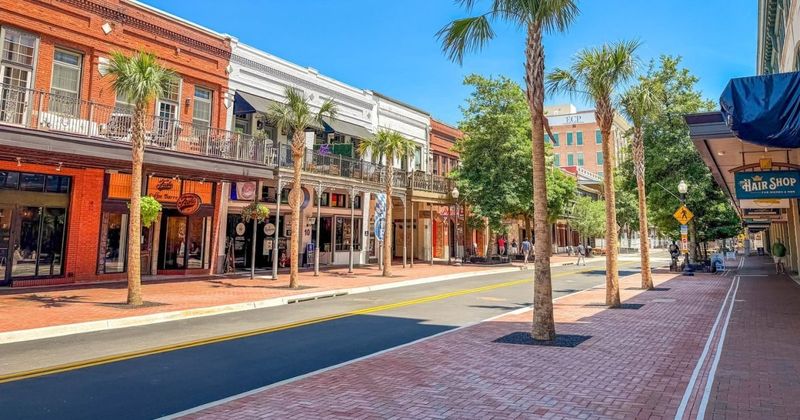
Palafox Street has seen more history than just about any other street in Florida. The street grid here dates back to British colonial rule in the 1760s, making it one of the oldest planned streets in the state. Over the centuries, Spanish, British, French, Confederate, and American flags have all flown over these blocks.
The historic business district along Palafox contains buildings spanning from the late 1800s through the mid-1900s. You’ll see everything from ornate Victorian-era commercial buildings to Art Deco theaters to early 20th-century storefronts. Each building represents a different chapter in Pensacola’s long, layered past.
What’s fascinating is how the street reflects all those different eras at once. Stand on one corner and you can see architectural styles from three different centuries. The mix creates a visual timeline of Florida history, all compressed into a few walkable blocks.
Pensacola’s position as Florida’s first European settlement makes this street especially significant.
Recent preservation efforts have brought new life to Palafox while respecting its history. Old theaters have been restored, historic storefronts have been renovated, and the street has become a thriving downtown destination again. But the bones remain old, and the feeling of walking through time is still strong.
You can almost feel the weight of centuries under your feet as you stroll past buildings that have watched Pensacola change hands and evolve for more than 250 years.
7. 2nd Street (Cedar Key)
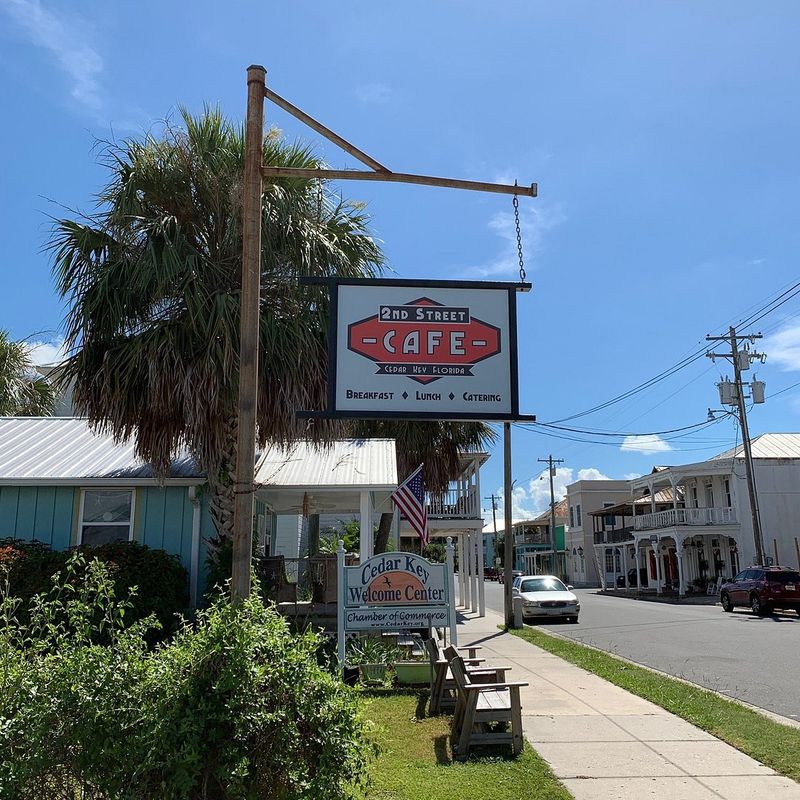
Cedar Key feels like Florida forgot to modernize, and 2nd Street is the heart of that time-warp feeling. This tiny Gulf Coast island town has buildings along 2nd Street that date back to the late 1800s and early 1900s. Weathered wooden structures, old storefronts, and a sleepy waterfront atmosphere make the whole street feel frozen somewhere around 1920.
The street runs parallel to the water, and many of the buildings were originally built to serve the island’s fishing and oyster industries. Some still do. You’ll find old fish houses, simple restaurants in century-old structures, and shops that look like they’ve barely changed in decades.
Everything here is low-key and unpretentious.
Cedar Key never experienced the explosive growth that transformed most of coastal Florida. That means 2nd Street still looks and feels like Old Florida in the truest sense. No high-rises, no chains, no modern development.
Just simple wooden buildings, shell-covered ground, and the sense that time moves slower here than anywhere else in the state.
Walk 2nd Street in the late afternoon and you’ll see locals sitting on porches, pelicans perched on pilings, and boats rocking gently in the harbor. The whole scene is incredibly peaceful and nostalgic. It’s the kind of place that makes you wonder what Florida was like before air conditioning and interstate highways. 2nd Street gives you a pretty good answer to that question.
8. Woodland Boulevard (DeLand)
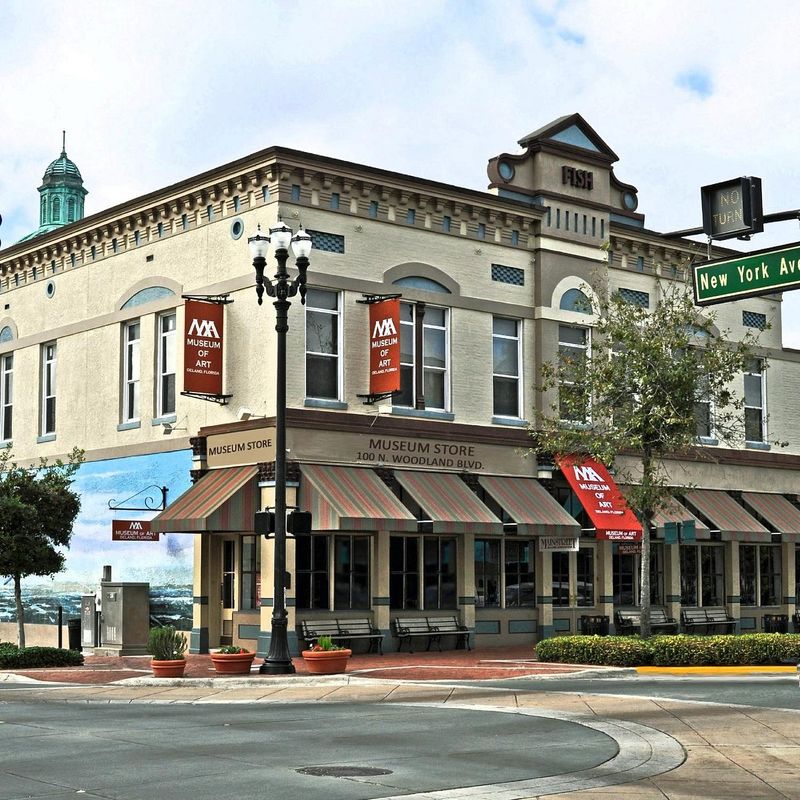
Woodland Boulevard is DeLand’s historic main street, and it’s one of Central Florida’s best-preserved downtown districts. The boulevard runs through the heart of the city, lined with buildings from DeLand’s early boom years in the late 1800s and early 1900s. Brick facades, tall windows, and decorative details give the street a classic small-town Florida character.
DeLand was founded as a planned community, and Woodland Boulevard was always intended to be the commercial center. That original vision is still visible today. The Downtown DeLand Historic District contains dozens of historic structures, and most of the best ones face Woodland Boulevard.
Walking here feels like stepping into a Florida that existed before Orlando and the theme parks changed everything.
The street has beautiful old oak trees providing shade, wide sidewalks perfect for strolling, and a mix of local businesses filling the historic storefronts. You’ll find antique shops, cafes, bookstores, and galleries, all housed in buildings that have been standing for more than a century. The atmosphere is relaxed and genuinely charming.
What sets Woodland Boulevard apart is how authentic the preservation feels. This isn’t a recreated historic district. It’s a real downtown that never completely died and has been carefully maintained over the decades.
The buildings show their age in the best possible way, with worn brick, original architectural details, and a patina that can’t be faked. It’s a street that rewards slow exploration and makes you appreciate Florida’s quieter, older towns.
9. Duval Street (Key West)
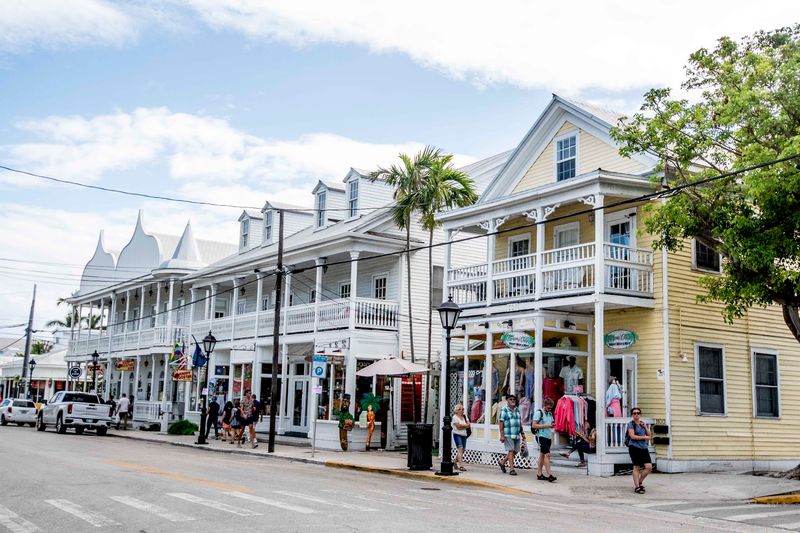
Yes, Duval Street is famous and crowded, but look past the tourist scene and you’ll see genuine history everywhere. Key West has one of the largest collections of historic wooden buildings in the entire country, and many of them line Duval Street. The street has been part of Key West’s story since the island’s earliest days as a wrecking and shipping port.
The architecture here is unique to the Keys. Classic Conch houses with wide porches, Victorian mansions built by ship captains and cigar barons, and Caribbean-influenced wooden structures create a streetscape unlike anywhere else in Florida. Many buildings date back to the 1800s, and they’ve survived hurricanes, fires, and economic ups and downs.
Duval Street runs the entire length of the island, from the Gulf to the Atlantic. That mile-long stretch takes you through different historic neighborhoods, each with its own character. The northern end is quieter and more residential, while the southern end near Mallory Square is where the action happens.
Both sections have historic buildings worth noticing.
The crowds can be overwhelming, especially at night, but visit during the morning or early afternoon and you’ll have a better chance to appreciate the architecture and history. Look up at the second and third floors where the historic details are most visible. Notice the widow’s walks, the decorative trim, and the way buildings are raised off the ground to deal with flooding.
Duval Street may be touristy now, but its bones are very, very old.
10. Bridge Street (Bradenton Beach)
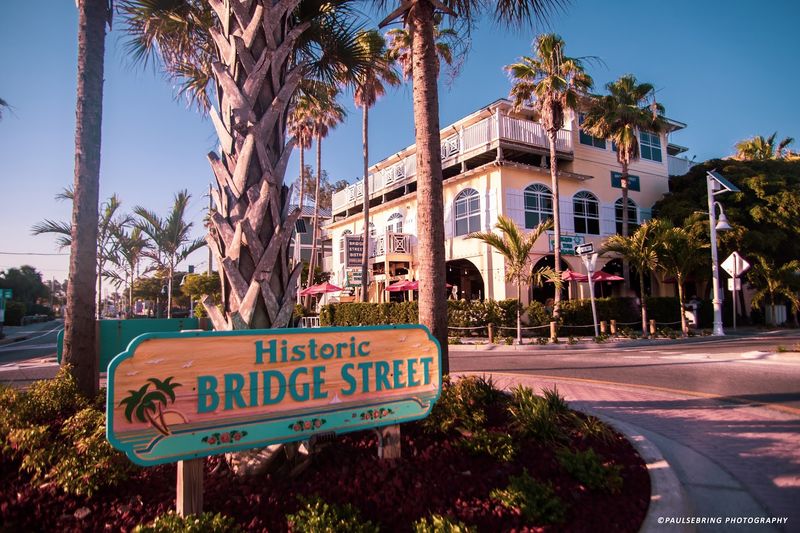
Bridge Street is pure Old Florida beach town, and it’s the perfect way to end this list. This little street became the center of Bradenton Beach when the island’s first bridge to the mainland opened here in 1921. The street grew up around that bridge, and it still retains the laid-back, funky character of an early Florida beach community.
The buildings along Bridge Street are mostly small, simple structures that look like they’ve been here forever. Many date back to the 1920s, 30s, and 40s, when Bradenton Beach was just starting to develop as a destination. You’ll find old beach shops, casual restaurants, and vintage storefronts that haven’t been over-renovated or modernized.
The whole street feels authentically weathered and sun-bleached.
What makes Bridge Street special is how unpretentious it is. This isn’t a fancy historic district with perfectly restored buildings. It’s a working beach town street that has simply stayed true to its roots.
The buildings show their age, the atmosphere is relaxed, and the whole scene feels refreshingly real in a state where so much coastal development is brand new.
The street is part of Bradenton Beach’s Historic Old Town District, which helps protect its character. Walking here, especially in the off-season when it’s quieter, you get a strong sense of what Florida’s beach towns were like before condos and resorts took over. It’s a little worn, a little quirky, and completely charming in its refusal to change too much.