Hidden Deep in a Florida Swamp, This Once-Luxurious Resort Has a Fascinating Past
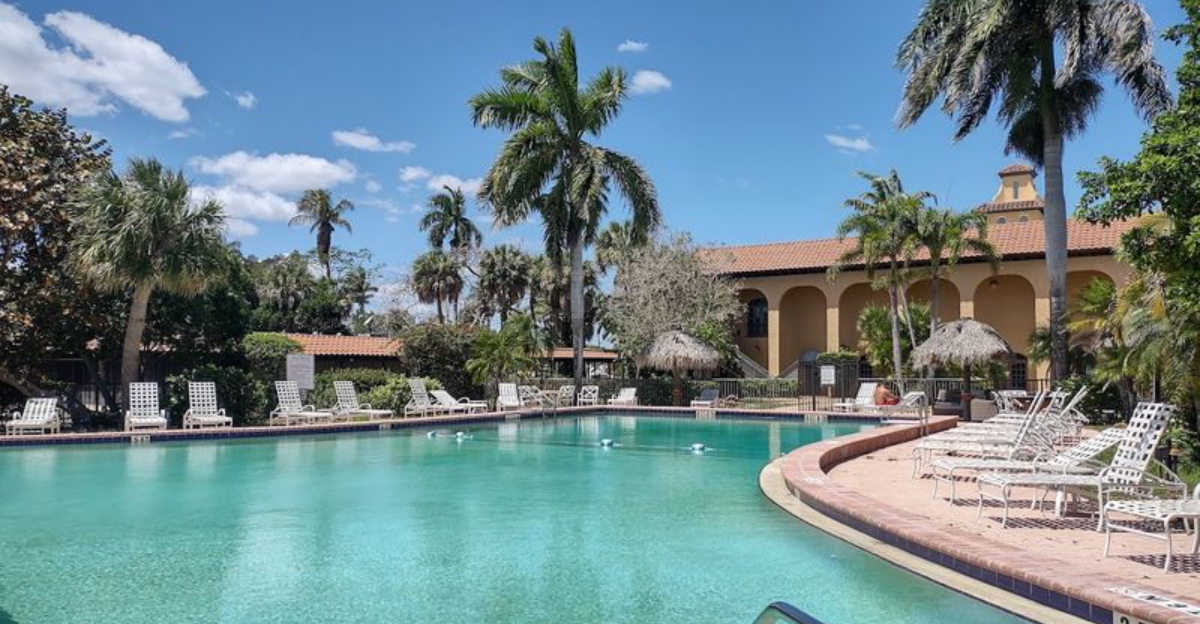
Hidden amid the vast wetlands of Southwest Florida, Port of the Islands Resort offers a peaceful escape surrounded by the beauty of the Everglades. Originally developed as part of an ambitious waterfront resort vision, the property has a fascinating history shaped by changing times and the rugged landscape around it.
Today, visitors come for the quiet atmosphere, easy access to boating and fishing, and the chance to spot manatees, dolphins, and other native wildlife. Far from Florida’s crowded tourist hotspots, this secluded destination combines a storied past with unforgettable natural scenery, making it one of the state’s most intriguing hidden retreats.
The Ambitious Beginning of a Swampland Dream
Back in the 1960s, developers looked at this chunk of swampy wilderness and saw dollar signs dancing in the humid air. The original plan called for a sprawling resort community complete with canals, marinas, and upscale accommodations that would rival anything Naples had to offer.
Investors poured money into dredging operations and construction, convinced that wealthy northerners would flock to this remote paradise.
The location seemed perfect on paper. Positioned right along the Tamiami Trail between Naples and the Everglades, the resort would serve as a jumping-off point for nature lovers and fishing enthusiasts.
Early promotional materials painted pictures of elegant waterfront living where guests could dock their boats steps from their rooms. The vision included restaurants, shops, and all the amenities expected from a first-class destination.
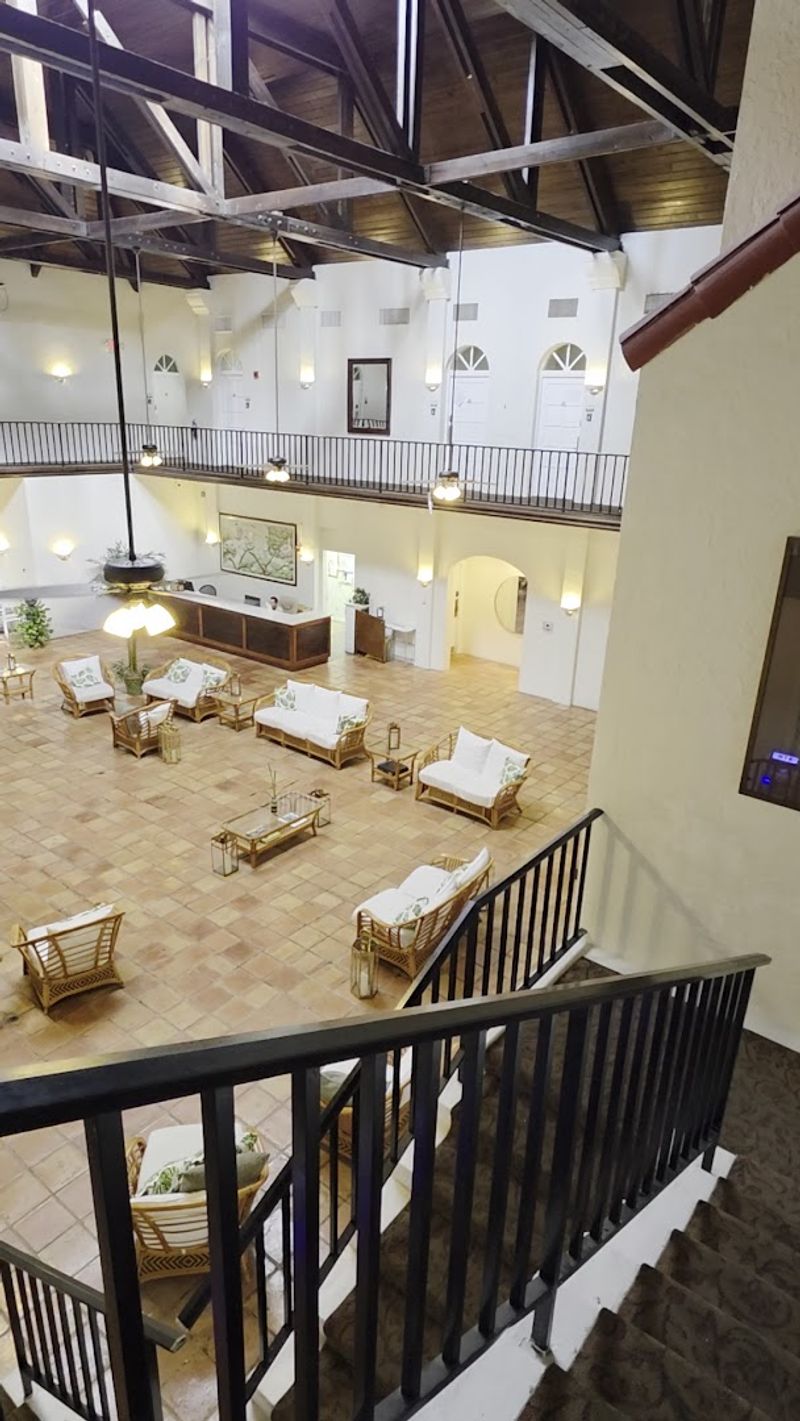
Construction crews worked against the unforgiving Florida environment, battling mosquitoes, heat, and the challenges of building on wetlands. The main lodge went up first, featuring architectural details that reflected the optimism of the era.
Developers carved out the canal system and built docks to accommodate the flotilla of boats they expected would arrive. For a brief moment, it looked like the dream might actually come true.
The resort did open and attracted guests in those early years. Fishermen appreciated the access to prime waters, while families enjoyed the novelty of staying deep in Florida’s wild interior.
But maintaining a luxury property in such a remote, harsh environment proved far more expensive than anyone anticipated. The costs of fighting back nature, combined with shifting tourism patterns, meant the resort never quite achieved the grandeur its founders envisioned.
What remains today is a shadow of those ambitious plans, a reminder that not every development dream survives contact with reality.
Life Between Two of Florida’s Wildest Parks
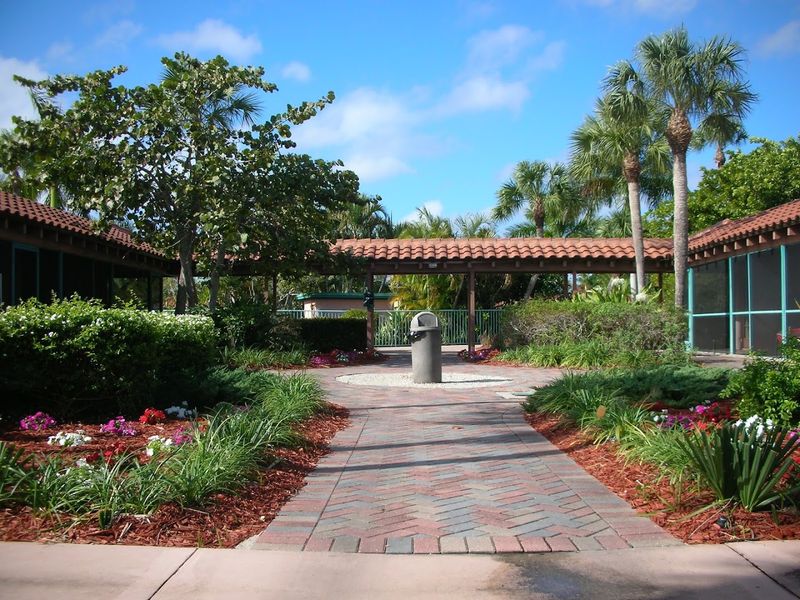
Geography dealt Port of the Islands an interesting hand. The property sits wedged between Collier-Seminole State Park to the west and Fakahatchee Strand Preserve State Park to the east, with Everglades National Park just 15 miles away.
This means guests are literally surrounded by some of the most pristine and untamed wilderness left in Florida. You can’t throw a rock without hitting protected swampland teeming with wildlife.
Collier-Seminole offers visitors a glimpse into old Florida with its mangrove swamps and rare Royal Palm hammocks. The park serves as home to alligators, manatees, and the endangered Florida black bear.
Guests staying at the resort can easily drive over for hiking, kayaking, or camping without the commitment of sleeping in a tent. The proximity makes it incredibly convenient for nature enthusiasts who want creature comforts after a day in the wild.
On the other side, Fakahatchee Strand earns its reputation as the Amazon of North America. This linear swamp forest contains the largest concentration of native orchids and bromeliads anywhere in the continent.
Panthers prowl through the cypress strands while rare ghost orchids bloom in secret locations that botanists guard jealously. The preserve draws serious nature photographers and plant nerds from around the world.
This sandwich position means the resort experiences intense wildlife activity. Alligators cruise the canals regularly, and guests report seeing everything from otters to exotic birds without leaving the property.
The downside? Mosquitoes breed in astronomical numbers in the surrounding wetlands, making bug spray an absolute necessity rather than a suggestion.
The location also means zero light pollution, so stars explode across the night sky in ways city dwellers never witness. For visitors prioritizing access to authentic wilderness over resort polish, the geography delivers something genuinely special that no manicured property in downtown Naples can match.
The Marina That Keeps Fishermen Coming Back
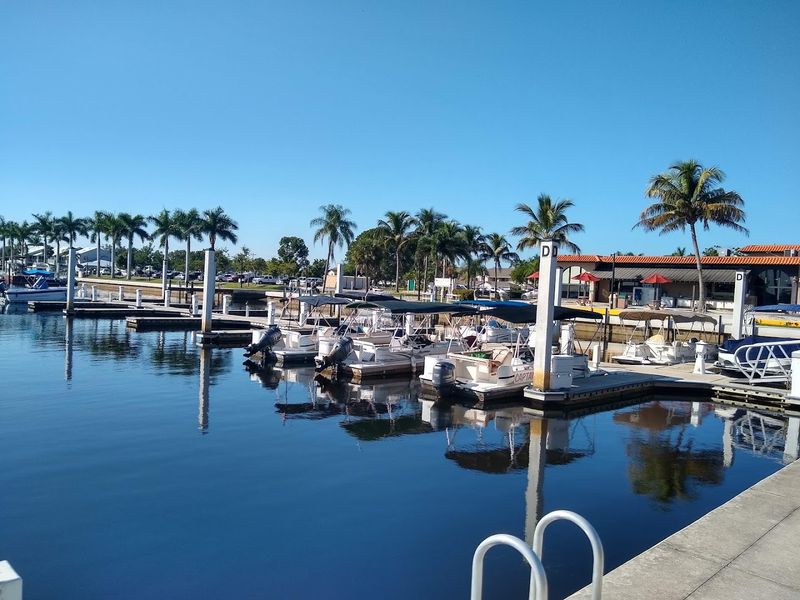
Despite all the complaints about room conditions and spotty service, one feature keeps certain guests returning: the marina. Fishermen who know these waters swear by the access Port of the Islands provides to some of Southwest Florida’s best fishing grounds.
The Faka Union Canal connects to a network of waterways leading to the Ten Thousand Islands, a maze of mangrove islands that produces trophy catches year-round.
The marina itself shows its age but remains functional for those who prioritize fish over fancy amenities. Boat slips line the canal, and the property offers direct water access that eliminates the hassle of trailer launching.
Early morning departures mean you can be in prime fishing territory while other anglers are still loading their gear at public ramps. Snook, redfish, and tarpon all cruise these waters depending on the season.
However, recent reviews highlight a significant problem: there’s no longer a functioning bait shop on site. This oversight forces anglers to drive nine miles to the nearest tackle shop, which defeats much of the convenience factor.
For a property marketing itself to fishing enthusiasts, the absence of basic supplies like live shrimp or frozen bait seems like a massive oversight. It’s the kind of detail that separates a fishing resort from a place that just happens to have a dock.
Local guides and serious anglers who live on the marina create an interesting subculture at the property. These folks know every oyster bar and backcountry channel in the area.
Strike up conversations at the bar and you’ll hear fish stories that range from believable to absolutely ridiculous. The regulars treat Port of the Islands as their home base, tolerating the property’s shortcomings because the fishing remains exceptional.
For them, a clean room ranks far below knowing they can run their boat to secret spots where snook stack up like cordwood during the fall run.
The Great Decline and Maintenance Nightmare
Ask anyone who stayed at Port of the Islands in recent years and you’ll hear a familiar refrain: this place desperately needs an injection of cash and care. Guest reviews paint a picture of a property caught in a downward spiral of deferred maintenance and minimal investment.
The gap between what the resort advertises and what guests actually encounter has grown into a canyon.
The rooms tell the story most dramatically. Guests report everything from broken door handles and malfunctioning air conditioners to sticky floors and furniture held together with duct tape.
One visitor described finding cockroaches on the bed and couch, while others mention moldy shower curtains that should have been thrown away years ago. These aren’t minor cosmetic issues but fundamental failures in basic cleanliness and upkeep.
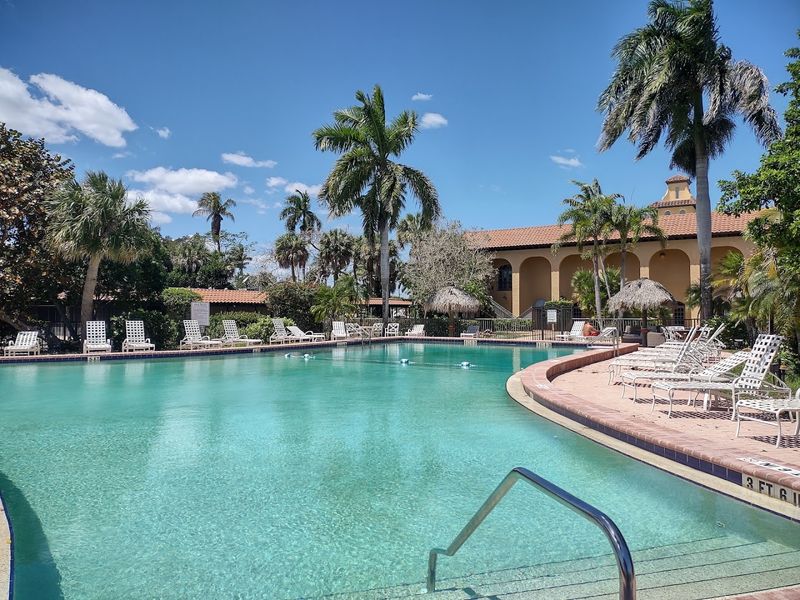
The pool situation became particularly notorious. Multiple reviews from recent months describe the pool as an algae-filled swamp, with water so green and murky it resembled the surrounding wetlands more than a swimming facility.
Photos shared by disgusted guests show conditions that would make any health inspector reach for their citation pad. For a resort in hot, humid Florida, having an unusable pool represents a catastrophic amenity failure.
Staffing appears minimal to the point of absurdity. The front desk operates unstaffed for long periods, with guests directed to text a manager for assistance.
This system works poorly when problems arise, as frustrated visitors wait hours for responses about basic issues like WiFi codes or room changes. The skeleton crew struggles to keep up with cleaning and maintenance, creating a vicious cycle where problems multiply faster than anyone can address them.
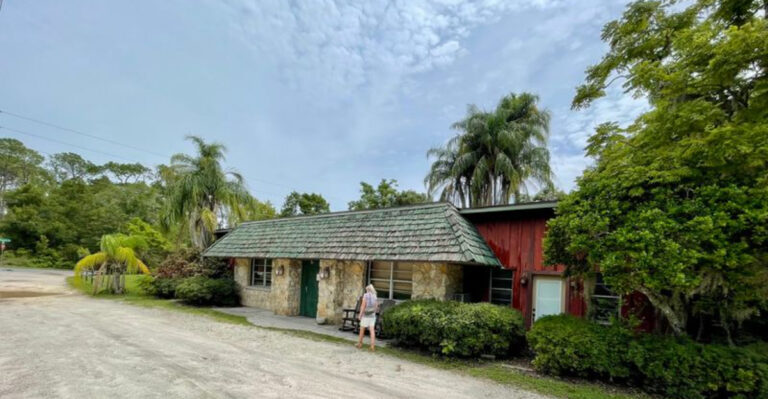
What makes the decline particularly sad is the property’s bones remain solid. The location is genuinely special, the marina still functions, and the main building retains architectural charm beneath the grime.
Guests repeatedly mention the resort’s potential, imagining what it could become with proper investment. Instead, it seems caught in limbo between the glory days and complete abandonment, frustrating visitors who arrive hoping for something better than what currently exists.
The Mysterious Check-In Process
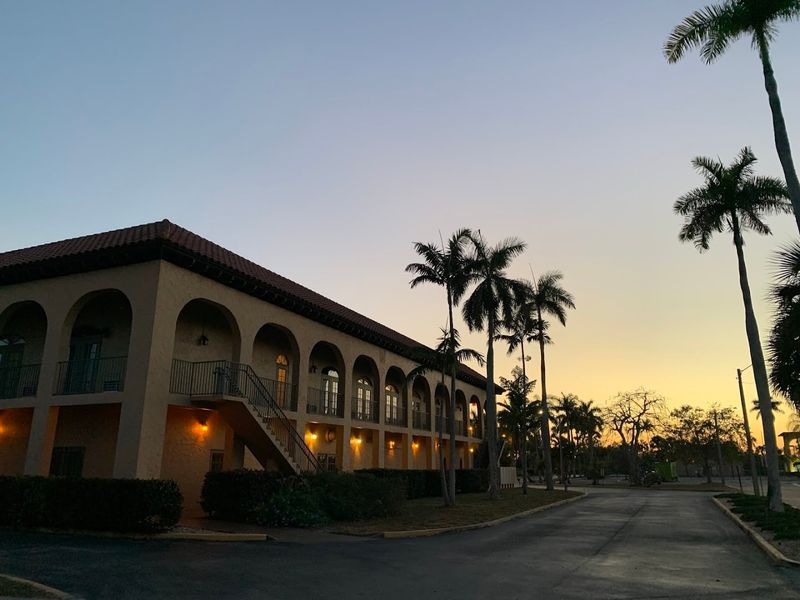
Modern hotels have experimented with automated check-ins and keyless entry, but Port of the Islands takes the concept to bizarre extremes. Guests arrive to find the front desk completely unmanned, with instructions to text a phone number for their room code.
When it works, the system provides a certain efficiency. When it doesn’t, travelers find themselves stranded in the middle of nowhere with no immediate recourse.
The text-based system creates particularly acute problems when issues arise. Guests who discover their rooms smell terrible, lack basic amenities, or contain unwelcome wildlife must communicate through sporadic text messages with a manager who may or may not respond promptly.
The lack of face-to-face interaction removes accountability and makes resolving problems frustratingly slow. One guest reported texting about a smell and receiving only “one minute” before being completely ghosted.
Confusion about payments adds another layer of chaos. Multiple guests with prepaid, confirmed reservations arrived only to be told they owed additional money.
When they showed confirmation emails proving full payment, staff sometimes became hostile rather than helpful. In one disturbing incident, a woman and her child were left without a room on Memorial Day weekend after a screaming match over a billing error that customer service confirmed was the resort’s mistake.
The minimal staffing means guests who arrive outside narrow check-in windows face serious uncertainty. The resort lists check-in times until 5 or 7 PM, with vague mentions of making other arrangements possible.
But reaching anyone to coordinate late arrivals proves nearly impossible, as phones go unanswered and emails disappear into the void. Travelers booking last-minute accommodations risk losing their money if they can’t reach someone to confirm access.
This hands-off approach might work at a well-oiled operation where rooms are spotless and systems function smoothly. At a property with as many maintenance issues as Port of the Islands, the absent management creates a perfect storm.
Guests need help, but nobody’s around to provide it. The resulting frustration shows up repeatedly in reviews from people who feel abandoned by a business that took their money but couldn’t be bothered to provide basic customer service.
The Restaurant and Bar Scene
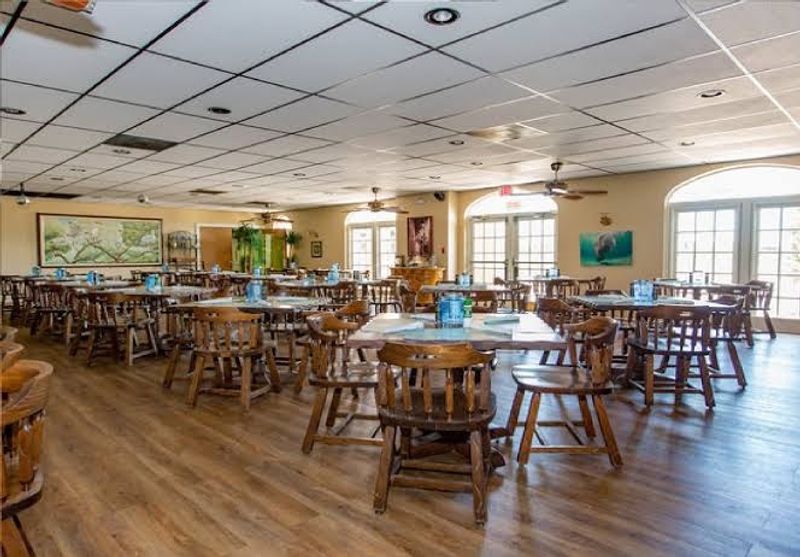
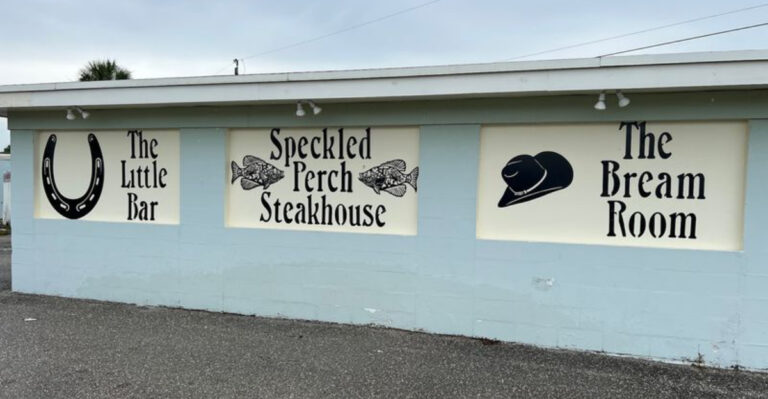
Having an on-site restaurant at such a remote location should be a major selling point, but Port of the Islands manages to turn this advantage into another source of guest frustration. The restaurant operates on a limited schedule, closing completely from Sunday through Wednesday.
For visitors staying during those days, the nearest dining options sit nine miles away in either direction along the Tamiami Trail.
Guest opinions about the food quality swing wildly depending on who you ask. Some visitors rave about specific dishes, with the pho earning particular praise from multiple reviewers.
The happy hour deals attract locals and marina residents who treat the bar as their regular hangout spot. During live music nights, the place apparently comes alive with a fun, energetic atmosphere that surprises first-time visitors expecting a depressing scene.
Other diners report disappointing experiences that match the resort’s overall decline. One guest waited an hour for a noodle dish that arrived underwhelming and overpriced.
The “free breakfast” situation causes particular confusion, as the complimentary meal doesn’t appear on menus and guests must specifically ask about it. When visitors do claim their included breakfast, they receive minimal options that one person described as “less than satisfactory” while being charged extra for coffee.
The bar itself serves as a social hub for the property’s unusual mix of guests. Fishing guides, long-term marina residents, tourists, and locals mingle over drinks with varying quality.
Some guests complain the cocktails taste terrible, while others appreciate the laid-back vibe and reasonable prices. Thursday nights feature live music that draws crowds beyond just resort guests, creating a surprisingly lively scene in the middle of the swamp.
The restaurant’s inconsistency reflects the broader problems plaguing the entire property. When staffed properly with competent kitchen workers, it can deliver decent food and good times.
But the operation clearly lacks the resources and management attention needed for consistent quality. Visitors gambling on the restaurant should probably pack backup snacks and prepare for the possibility of disappointment, especially if their stay falls during the multi-day closure period.
The Everglades Access Advantage
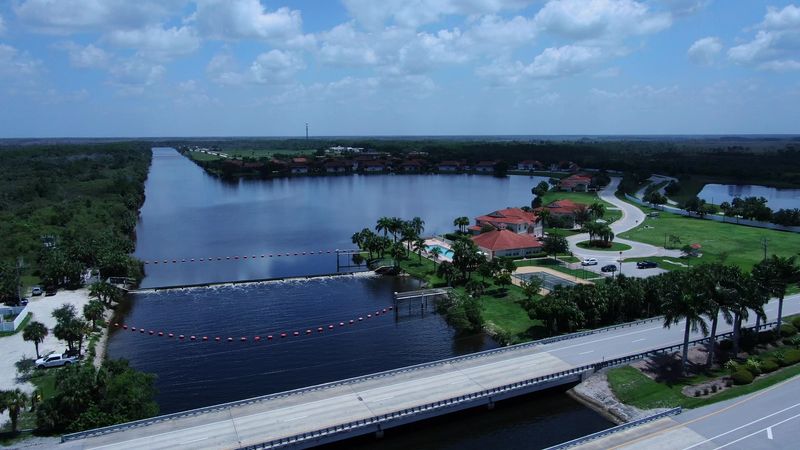
Strip away all the property’s problems and one advantage remains crystal clear: Port of the Islands offers unmatched proximity to Everglades National Park. The park entrance sits just 15 miles away, making the resort an ideal base for visitors planning multiple days exploring America’s largest subtropical wilderness.
You can’t get much closer without actually camping in the backcountry.
Early risers can reach the park before crowds arrive and heat becomes oppressive. The short drive means you’re photographing alligators and wading birds while day-trippers from Naples or Miami are still fighting traffic.
After spending hours hiking trails like Anhinga or paddling through mangrove tunnels, returning to air conditioning and a bed beats setting up a tent in mosquito-infested campsites. The convenience factor can’t be overstated for serious Everglades enthusiasts.
The resort also positions guests perfectly for exploring lesser-known areas like the Loop Road and Turner River. These spots offer incredible wildlife viewing with fewer tourists than the main park attractions.
Photographers staking out specific locations for dawn shoots appreciate not having to drive an hour each way from coastal hotels. The time savings add up over multiple days, allowing visitors to maximize their Everglades experience.
However, the location advantage comes with significant tradeoffs. You’re genuinely in the middle of nowhere, surrounded by wilderness that brings both beauty and challenges.
The nearest grocery store, pharmacy, or any other services require a 20-minute drive. Cell service can be spotty, and if the resort’s WiFi isn’t working (a common complaint), you might find yourself completely disconnected.
Medical emergencies would require a significant response time given the remote location.
For hardcore nature enthusiasts willing to overlook subpar accommodations, the Everglades access makes Port of the Islands worth considering despite its many flaws. If your primary goal involves spending dawn to dusk in the park and you just need a place to crash, the location delivers real value.
But tourists expecting a relaxing resort experience with Everglades visits as a side activity should probably book something in Naples proper and accept the longer commute to wilderness areas.
The Mosquito and Wildlife Reality
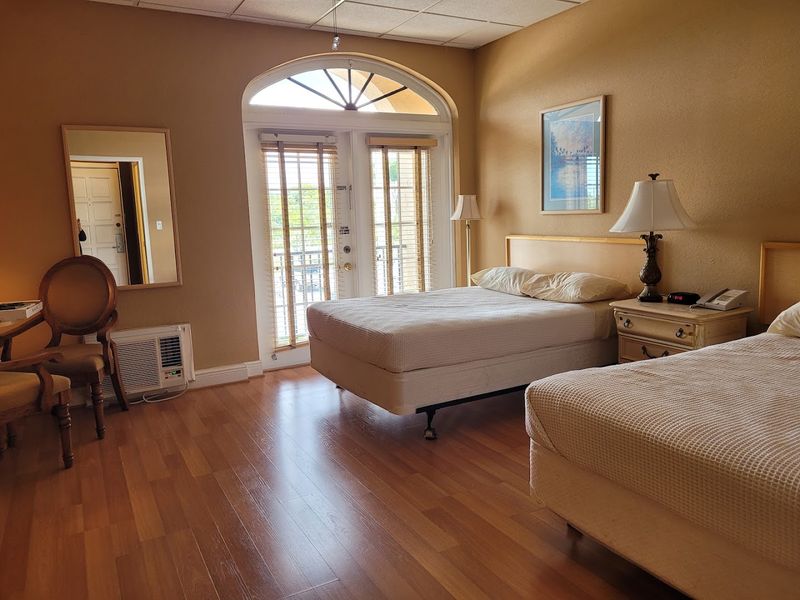
Anyone considering a stay at Port of the Islands needs to understand one non-negotiable truth: the mosquitoes here don’t mess around. Built in the heart of prime mosquito breeding habitat, the resort sits surrounded by the kind of wetlands that produce biblical swarms of bloodsucking insects.
Guest reviews repeatedly emphasize bringing industrial-strength repellent and applying it constantly, not just occasionally.
One visitor noted the mosquitoes are so aggressive that bug spray becomes necessary everywhere, from the pool area to the walk between your car and room. The resort apparently doesn’t invest in professional pest control, leaving guests to fend for themselves against insects that seem to view humans as an all-you-can-eat buffet.
These aren’t the casual mosquitoes you swat away at a backyard barbecue but serious, disease-carrying pests that can ruin an outdoor experience in minutes.
The wildlife extends well beyond insects. Alligators treat the canal system as their personal highway, cruising past boat docks and occasionally sunning themselves near walking paths.
Most gators ignore humans, but their constant presence requires awareness and respect. Guests with small children or pets need to exercise real caution around any water, as these are wild predators in their natural habitat, not zoo animals behind barriers.
The surrounding wilderness brings other creatures too. River otters play in the canals, providing delightful entertainment for guests watching from balconies.
Exotic birds ranging from herons to roseate spoonbills hunt the shallows. At night, you might hear barred owls calling or spot raccoons investigating garbage areas.
For nature lovers, this wildlife parade represents a major attraction rather than a problem.
The resort’s location in genuine wilderness means accepting nature on its terms. You can’t spray away all the mosquitoes or relocate the alligators to make the property more comfortable.
Visitors need to arrive with realistic expectations about what living in a swamp actually means. Bring bug spray, wear long sleeves at dawn and dusk, and remember that you’re the guest in an ecosystem that existed long before the resort and will continue thriving long after.
The wildlife and insects aren’t flaws but rather inevitable consequences of choosing to stay deep in one of Florida’s wildest remaining places.
The Long-Term Residents and Marina Community
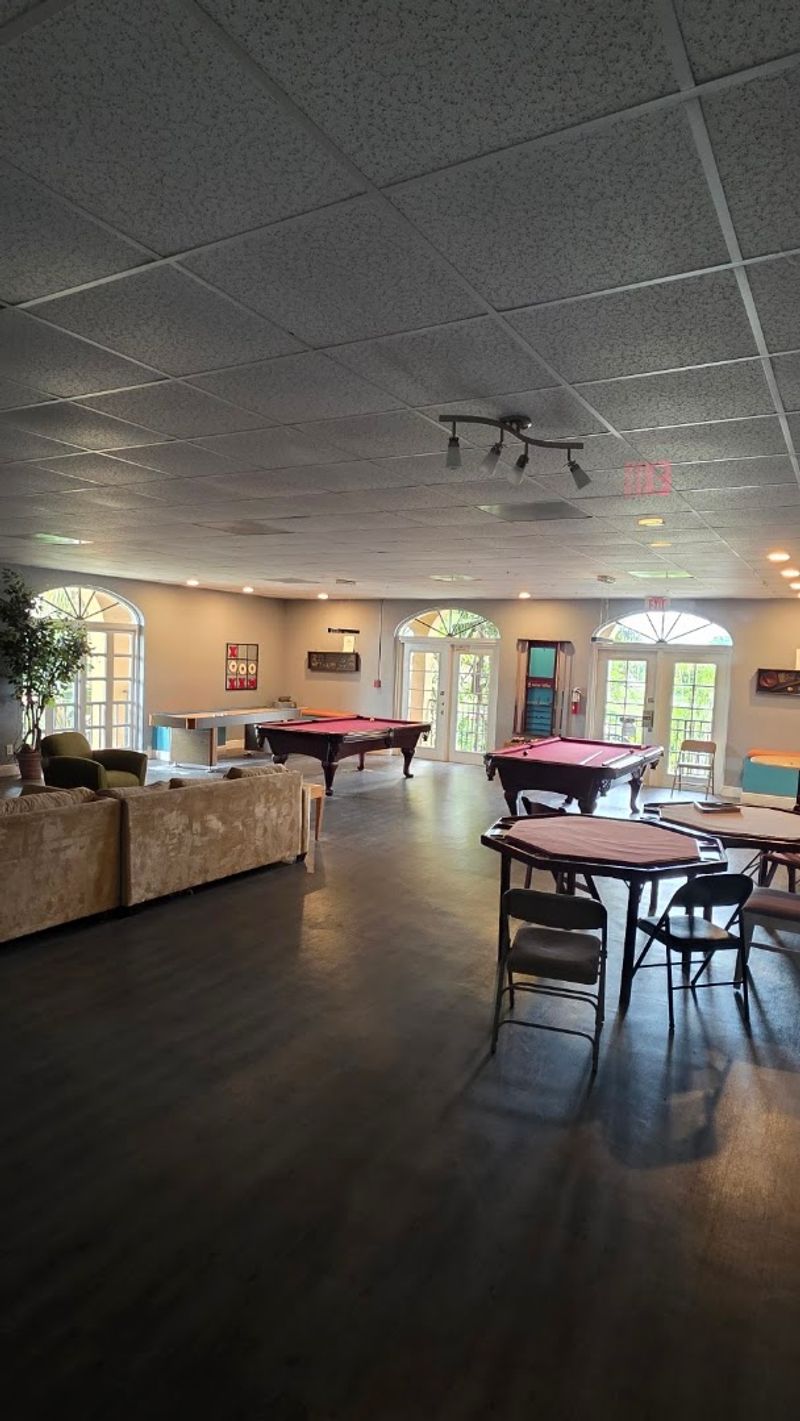
Port of the Islands houses an unusual population that most casual visitors never expect: long-term residents who call the marina home. Some live on boats docked permanently at the slips, while others occupy rooms on extended stays that blur the line between hotel and apartment complex.
This creates a strange dynamic where temporary tourists mix with folks treating the place as their permanent address.
The marina residents form a tight-knit community of fishing enthusiasts, retirees, and characters who prefer life on the water to conventional housing. They know every staff member, occupy the best parking spots, and generally operate as if they own the place.
For short-term guests, this can feel territorial and unwelcoming, especially when trying to find parking near your room or access marina facilities.
These permanent residents provide the resort with steady income that probably keeps it operating despite all the negative tourist reviews. They’ve made peace with the property’s shortcomings because the location and lifestyle outweigh the maintenance issues.
Many seem to view complaints from tourists with amusement, having long ago adjusted their expectations to match reality. Their presence explains why management might feel less pressure to improve conditions that drive away casual visitors.
The bar and restaurant serve as social centers for this community. Regulars gather for happy hour, swap fishing reports, and watch sports while tourists eat quietly in the corner wondering what they’ve stumbled into.
Thursday night live music attracts both groups, creating an interesting cultural collision between locals seeking entertainment and visitors who just wanted a quiet dinner after a day in the Everglades.
Understanding this dynamic helps explain some of the resort’s quirks. The minimal front desk staffing makes more sense when you realize many guests are long-term residents who don’t need daily check-ins or concierge services.
The tolerance for maintenance issues reflects a population that’s chosen affordable waterfront living over pristine conditions. For tourists expecting a traditional resort experience, encountering this semi-permanent community can feel jarring and contribute to the sense that Port of the Islands exists in its own strange reality separate from normal hospitality standards.
The Question of What Comes Next
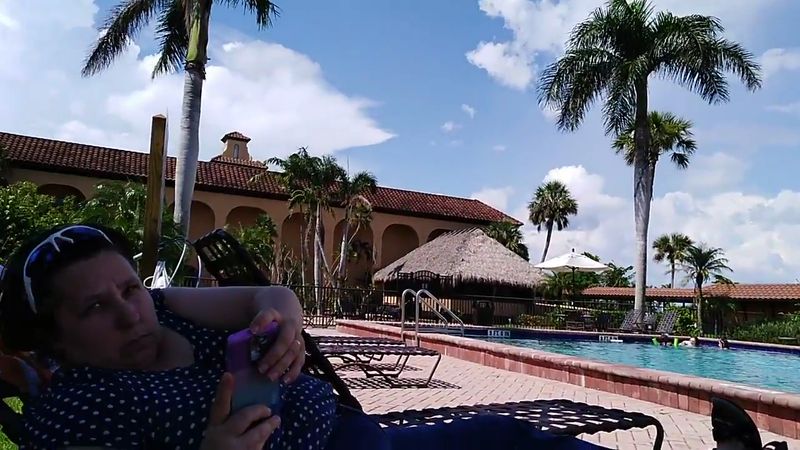
Port of the Islands sits at a crossroads, caught between its faded past and an uncertain future. The property clearly can’t continue indefinitely in its current state of decline, but what happens next remains anyone’s guess.
Will new owners arrive with capital and vision to restore the resort, or will it slide further into disrepair until closure becomes inevitable?
The bones of something special still exist beneath the grime and neglect. The location offers genuine value that no amount of poor management can erase.
The main building retains architectural character that could shine with proper restoration. The marina and canal access provide assets that developers dream about acquiring.
With significant investment, Port of the Islands could transform into either an upscale eco-resort or a budget-friendly base camp for Everglades adventurers. Both models could succeed with competent execution.
However, the property’s remote location and the challenges of maintaining anything in such a harsh environment work against easy solutions. The same isolation that attracts certain visitors makes staffing difficult and expensive.
Fighting back the encroaching wilderness requires constant effort and resources. Any renovation would need to account for ongoing maintenance costs that bankrupted previous attempts at luxury.
The property might make more sense as a bare-bones operation focused on fishermen and park visitors rather than trying to compete with Naples resorts.
Current guests express frustration precisely because they see the wasted potential. Reviewers repeatedly mention that with proper care, Port of the Islands could be amazing.
The disappointment stems from witnessing something special being slowly destroyed through neglect rather than celebrated and maintained. It’s the hospitality equivalent of watching a classic car rust in someone’s yard when it could be restored to glory.
For now, Port of the Islands limps along serving guests who prioritize location over comfort and regulars who’ve accepted its flaws as the price of waterfront living. Whether the property survives long enough for someone to rescue it or eventually succumbs to the swamp remains to be seen.
The resort’s fascinating past deserves a better future than its present condition suggests, but turning that around would require vision, capital, and commitment that haven’t materialized yet. Until then, it remains a cautionary tale about dreams deferred and maintenance ignored, slowly sinking into the very swamp it was built to tame.