It Kills Me That People Drive Florida’s Interstates and Miss These 10 Scenic Roads
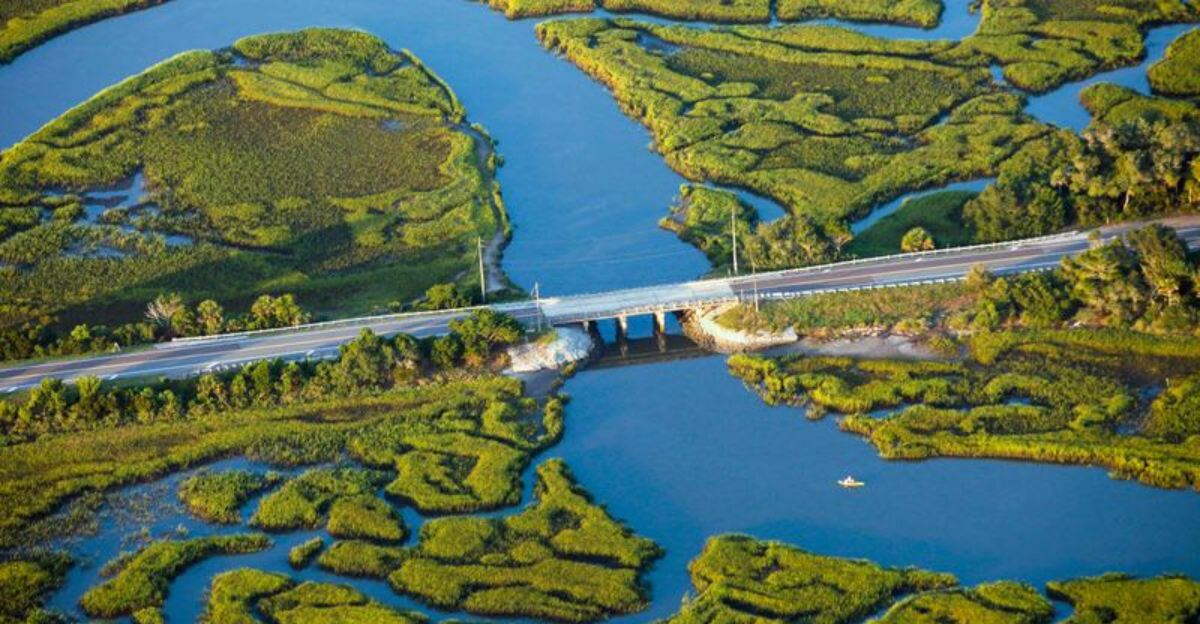
Most visitors to Florida stick to the interstates, racing between theme parks and beaches without ever glimpsing the state’s quieter beauty. That means they miss moss-draped oaks, turquoise bridges over open ocean, rolling citrus groves, and wild coastlines where nature still runs the show. These ten scenic roads reveal a completely different Florida, one where the journey matters as much as the destination and where every curve brings something worth slowing down for.
1. Florida Keys Scenic Highway (Key Largo to Key West)
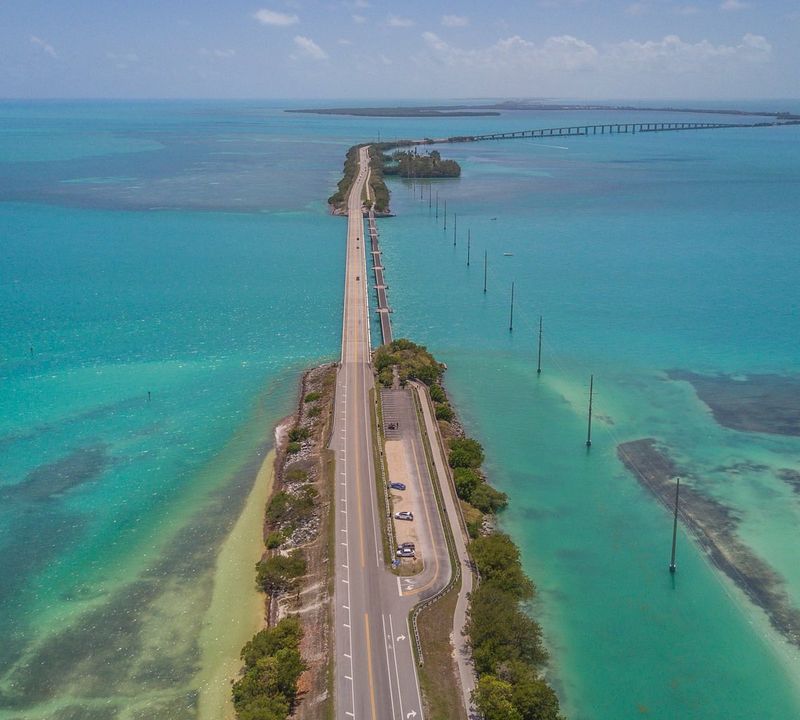
Driving the Overseas Highway feels less like a road trip and more like piloting a boat on pavement. You start in Key Largo and roll southwest across 42 bridges, each one lifting you over impossibly blue water dotted with mangrove islands and fishing boats.
The famous Seven Mile Bridge is the showstopper, a concrete ribbon floating above open ocean with nothing but sky and sea in every direction. Stop in Marathon for fresh conch fritters or Islamorada to watch charter boats unload their catch.
Tiny fishing villages pop up between bridges, each one lined with colorful bait shops, tiki bars, and dive operators. Bahia Honda State Park offers a perfect beach break with water so clear you can count fish from the shore.
By the time you reach Key West, you’ve crossed an entire chain of islands without ever losing sight of the water. Sunset here is mandatory, preferably with key lime pie in hand. This drive transforms Florida from a mainland state into a tropical archipelago, proving that sometimes the best destination is the road itself.
2. A1A Scenic & Historic Coastal Byway (Ponte Vedra Beach to Flagler Beach)
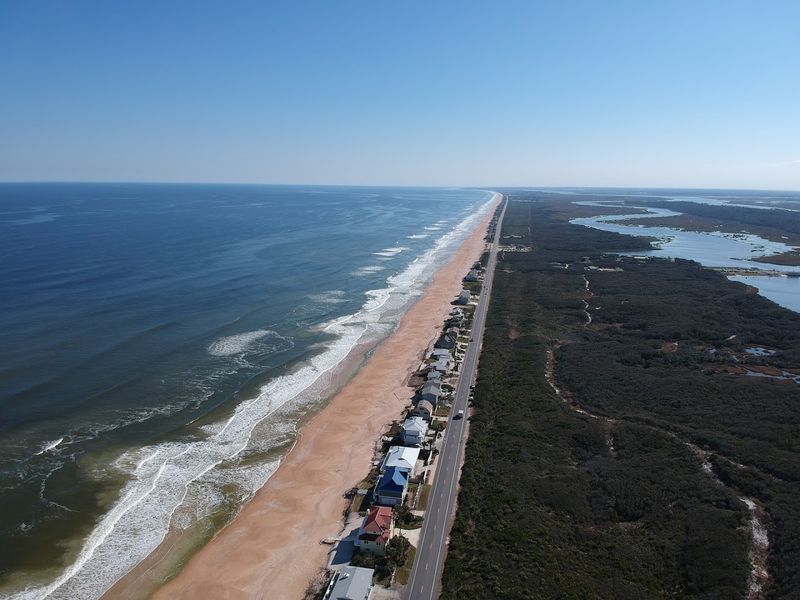
Salt air and history collide on this stretch of A1A, where the Atlantic Ocean stays glued to your passenger window for miles. Windswept dunes topped with sea oats roll past, interrupted by wooden boardwalks leading to uncrowded beaches.
St. Augustine anchors the route with 450 years of stories packed into narrow brick streets. The Castillo de San Marcos sits right on the water, its coquina walls still bearing scars from colonial battles. Wander past horse-drawn carriages and outdoor cafes before heading north.
Guana Tolomato Matanzas National Estuarine Research Reserve protects miles of coastal scrub and tidal marsh where dolphins surface and ospreys hunt. Pull over at Washington Oaks Gardens State Park to see coquina rock formations the ocean has been sculpting for centuries.
Flagler Beach marks the northern end with a laid-back surf town vibe, locally owned restaurants, and a fishing pier stretching into the waves. This drive proves Florida has real history beyond theme parks and that sometimes the best beach is the one without high-rises blocking the view.
3. Martin Grade Scenic Highway (Palm City to Okeechobee)
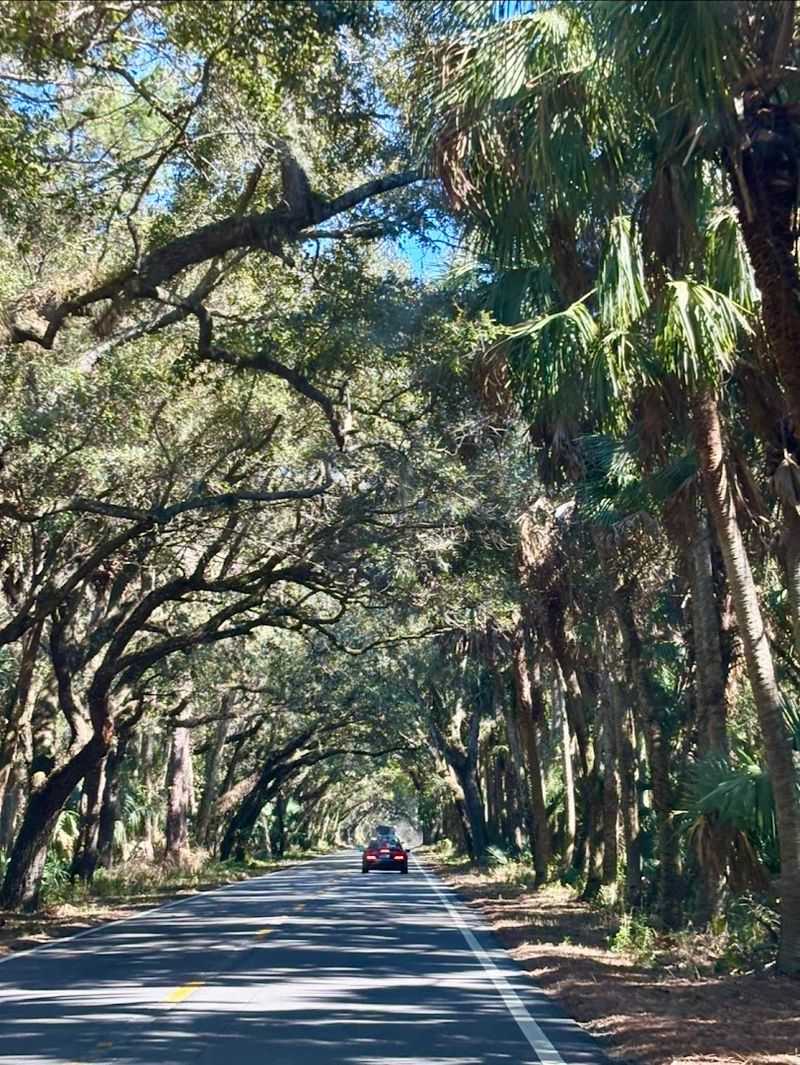
You know you’ve left typical Florida behind when the traffic disappears and oak trees close overhead like a green cathedral. Martin Grade runs arrow-straight through ranch country, where cattle outnumber people and the only billboards advertise feed stores.
These aren’t beach-town palms or landscaped subdivisions. Enormous live oaks line both sides of the road, their branches meeting in the middle to create a shaded tunnel that stays cool even in summer. Spanish moss hangs in long curtains, swaying whenever a breeze finds its way through.
Pastures stretch toward the horizon, dotted with Brahman cattle and white egrets following tractors. Occasionally a ranch road cuts through the trees, leading to weathered barns and metal-roofed farmhouses that have stood here for generations.
Near Okeechobee, the landscape opens up to reveal Florida’s agricultural heartland, where sugar cane and citrus groves replace the oaks. This drive is proof that Florida still has quiet corners where development hasn’t arrived and where the loudest sound is wind moving through leaves overhead.
4. Ormond Scenic Loop & Trail (Ormond Beach)
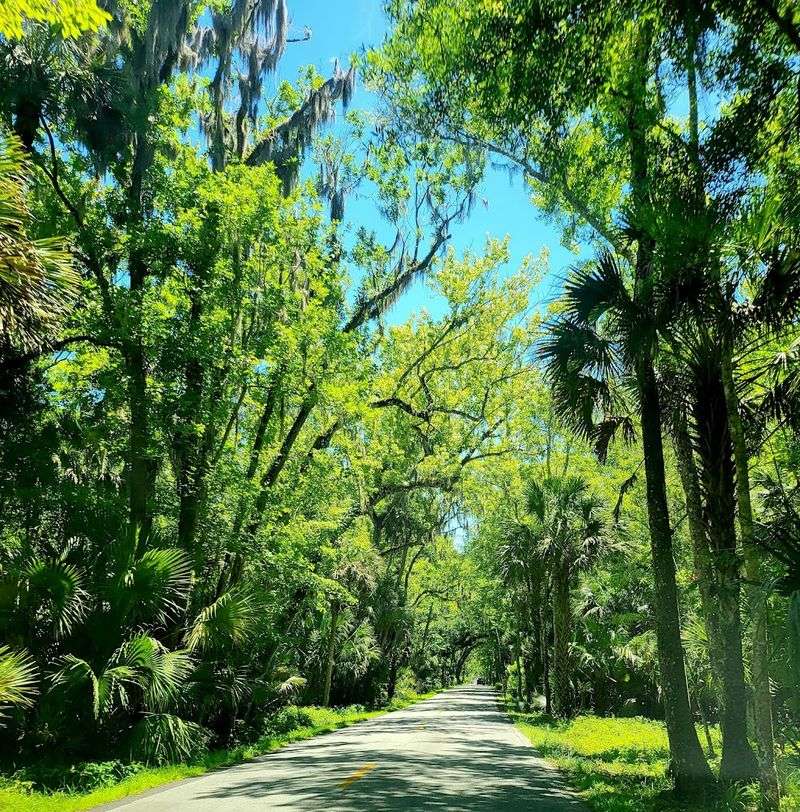
This looping drive packs more variety into 30 miles than most Florida roads manage in a hundred. Start beneath moss-draped oaks so thick they block the sun, then emerge minutes later beside tidal marshes where herons stalk through shallow water.
The Tomoka River winds through the landscape, its dark water reflecting overhanging trees and occasional alligators sunning on muddy banks. Tomoka State Park preserves a Timucuan shell mound and offers paddling trails that disappear into cypress swamps.
Keep driving and the road opens to coastal scrub, then suddenly delivers you to undeveloped Atlantic beachfront where sea turtles nest in summer. Bulow Creek State Park protects the largest live oak in the South, a 400-year-old giant with branches spreading wider than most houses.
Historic sugar mill ruins hide in the woods, their coquina walls crumbling back into the earth. The loop circles back through Ormond Beach’s quiet neighborhoods before returning you to the oaks where you started. It’s a sampler platter of Old Florida ecosystems, all connected by a road that refuses to rush.
5. Big Bend Scenic Byway (Tallahassee to the Forgotten Coast)
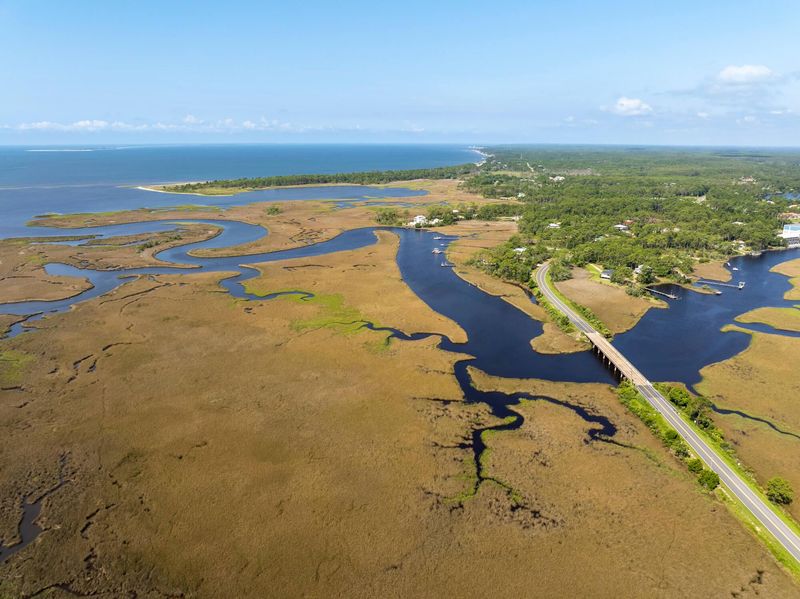
Florida’s Panhandle hides some of the state’s wildest coastline, and this byway delivers you straight into it. Forget spring break crowds and condo towers. Out here, pine forests meet salt marshes and fishing villages still outnumber tourists.
The road weaves through Apalachicola National Forest, where longleaf pines tower overhead and occasional dirt roads lead to hidden springs. St. Marks National Wildlife Refuge sprawls across coastal marshes where thousands of migrating birds stop to rest each fall.
Tiny towns like Panacea and Carrabelle feel untouched by modern development. Working oyster boats tie up at weathered docks, and roadside shacks sell smoked mullet and stone crab claws by the pound. The world’s smallest police station in Carrabelle is literally a phone booth.
St. George Island offers miles of undeveloped beach accessible by a single bridge, with sand so white it squeaks underfoot. Cape San Blas curves into the Gulf like a bent finger, protecting marshes and forests that look exactly as they did centuries ago. This route proves Florida still has forgotten corners worth finding.
6. Florida Black Bear Scenic Byway (Ocala National Forest)
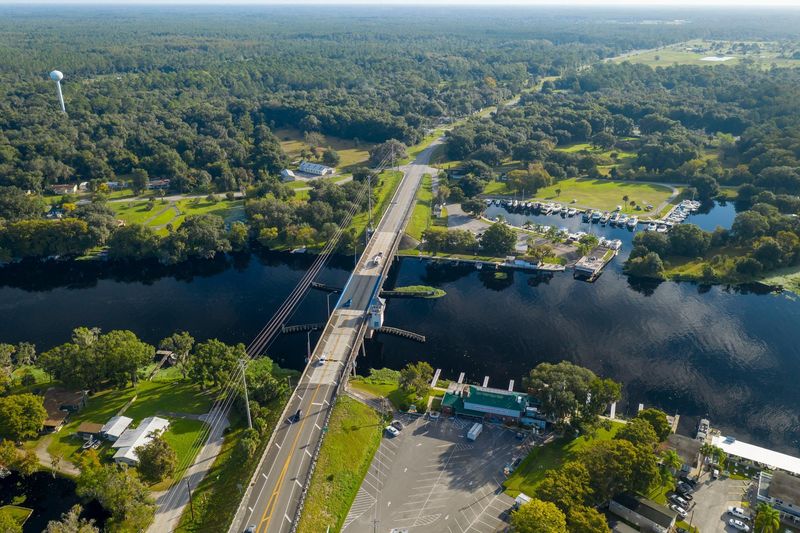
Ocala National Forest feels like it belongs in North Florida’s past, before highways and housing developments carved up the landscape. This byway runs through the heart of it, where sand pine scrub and longleaf forests stretch unbroken for miles.
Yes, black bears really do live here, along with deer, wild turkeys, and the occasional bobcat. Pull over at Juniper Springs and you’ll find water so clear it looks fake, bubbling up from underground and flowing through a stone-lined swimming area built by the Civilian Conservation Corps in the 1930s.
Alexander Springs offers another crystalline swimming hole where you can rent canoes and paddle downstream through cypress swamps. Salt Springs Recreation Area sits on the edge of Lake George, Florida’s second-largest lake, where manatees gather in winter.
The forest roads connecting these springs pass through ecosystems found nowhere else, including Florida scrub-jay habitat and sandhill communities that depend on periodic wildfires to survive. Camping here means falling asleep to cricket songs instead of traffic noise, and waking to mist rising off lakes that reflect nothing but trees and sky.
7. The Ridge Scenic Highway (Haines City to Frostproof)
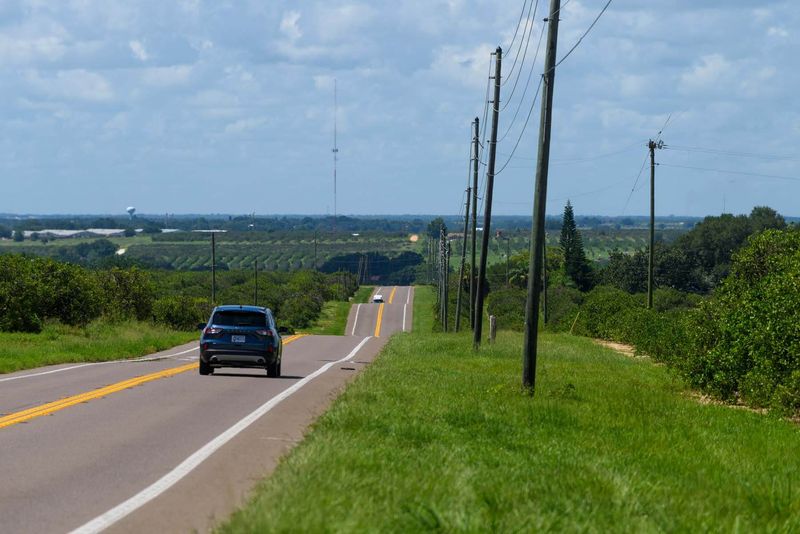
Who knew Florida had hills? The Lake Wales Ridge rises just enough to create actual elevation changes, a geological oddity that makes this drive feel completely un-Florida-like. Citrus groves blanket the hillsides, their dark green leaves hiding oranges and grapefruits depending on the season.
Lakes appear around every bend, sparkling blue against red clay soil. Bok Tower Gardens crowns one of the highest points, where a 205-foot singing tower chimes every half hour over manicured gardens and pine forests.
Stop in Lake Wales to experience Spook Hill, where cars appear to roll uphill when shifted into neutral. It’s an optical illusion caused by the landscape, but locals prefer the legend about a giant alligator and a Seminole chief.
Frostproof earned its name by surviving citrus-killing freezes that devastated neighboring towns, though recent winters have been kinder. Historic downtown buildings line the main street, many dating to the citrus boom of the early 1900s. This route showcases Central Florida’s agricultural heritage, proving the state grows more than just tourists and retirees.
8. Old Florida Heritage Highway (Micanopy and southern Alachua County)
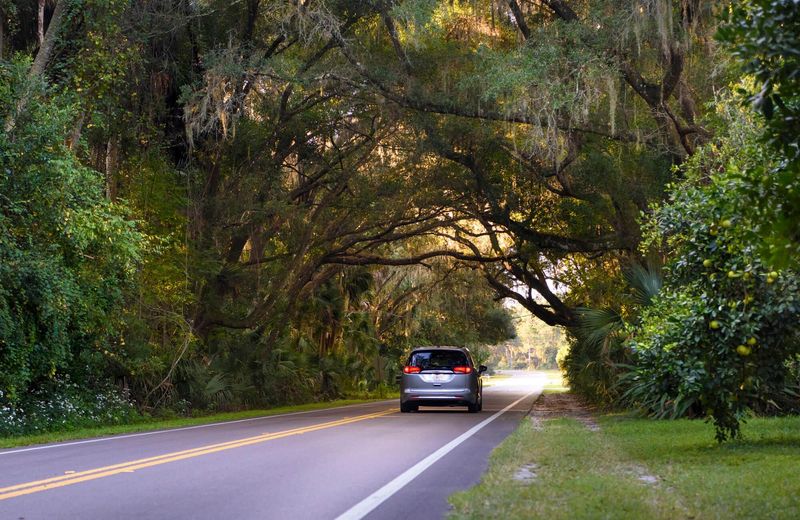
Driving through Micanopy feels like accidentally time-traveling to 1950s Florida. Moss hangs so thick from the oaks it brushes car roofs, and wooden farmhouses sit back from the road behind white-painted fences.
This tiny town claims to be Florida’s oldest inland settlement, and it looks the part. Antique shops fill buildings that predate the Civil War, and the post office has operated continuously since 1821. Herlong Mansion offers a glimpse of how wealthy Florida families lived before air conditioning.
Paynes Prairie Preserve State Park spreads south of town, a vast wet prairie where Spanish explorers once watched massive bison herds. Today, reintroduced bison and wild horses roam the grasslands, visible from observation platforms along the highway.
Rural roads connecting Micanopy to nearby communities pass working cattle ranches, horse farms, and forests that haven’t changed much in a century. Locals still wave from pickup trucks, and roadside produce stands operate on the honor system. This drive proves that Old Florida isn’t entirely gone, just hidden along back roads that most people speed past without noticing.
9. Green Mountain Scenic Byway (Lake and Orange counties)
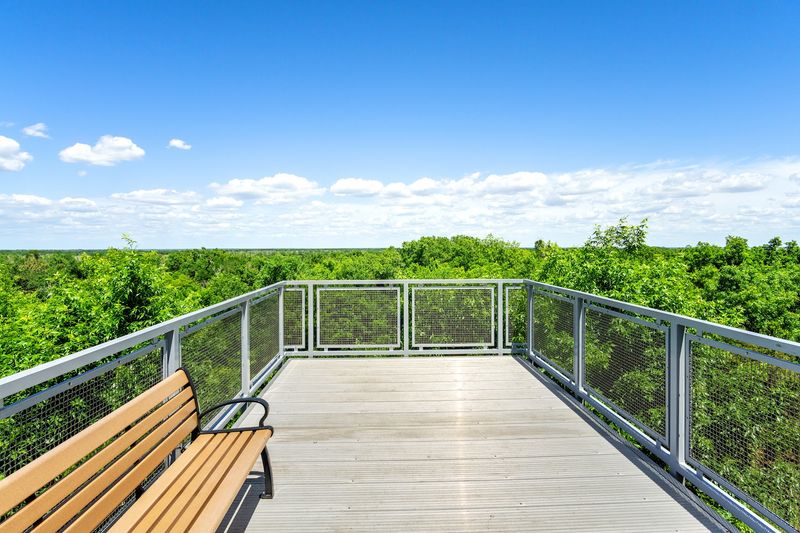
Florida has a mountain. Well, sort of. At 295 feet above sea level, Green Mountain won’t impress anyone from Colorado, but in pancake-flat Florida it’s enough to create actual views.
The scenic overlook delivers panoramas across Lake Apopka and surrounding countryside, a sight rare enough to make this byway worth the drive.
The road winds through surprisingly hilly terrain, past citrus groves, horse farms, and lakes that seem to appear every few miles. This is Central Florida’s lake district, where spring-fed waters create a landscape more varied than the state’s reputation suggests.
Oakland and Winter Garden anchor the route with historic downtown districts that survived the citrus industry’s decline and reinvented themselves as small-town destinations. The West Orange Trail runs nearby, a 22-mile paved path connecting communities through oak hammocks and farmland.
Lake Apopka North Shore offers birding so good that enthusiasts travel internationally to visit. Wading birds, raptors, and waterfowl gather in restored wetlands that were once polluted farmland. The byway proves that Florida has legitimate topography and that sometimes the best views require a little elevation.
10. Indian River Lagoon–Treasure Coast Scenic Highway (Sebastian to Fort Pierce)
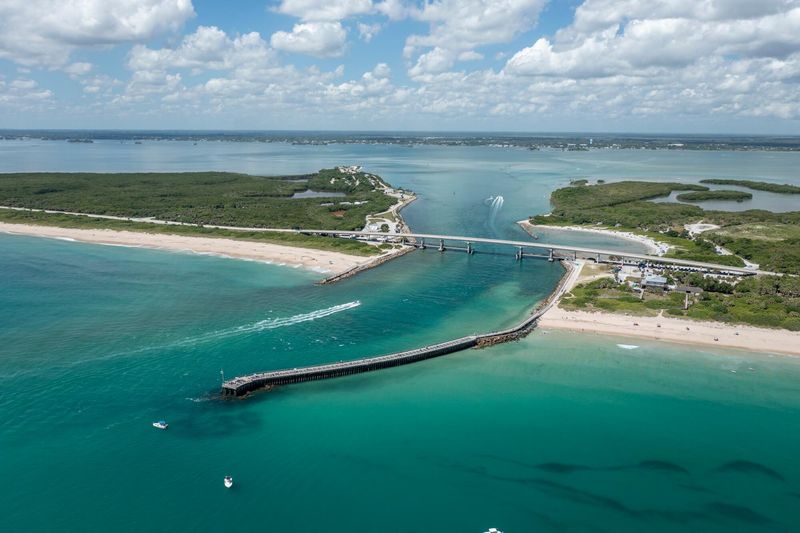
Squeezed onto a narrow barrier island between ocean and lagoon, this highway delivers water views in stereo. The Atlantic crashes against beaches on one side while the calmer Indian River Lagoon stretches toward the mainland on the other, creating a drive that feels more like island-hopping than typical Florida cruising.
Sebastian Inlet State Park offers world-class surfing, fishing piers extending into the current, and a maritime museum explaining why so many Spanish treasure ships sank offshore. The inlet itself funnels water between ocean and lagoon, creating currents that attract massive schools of fish and the anglers who chase them.
Pelican Island National Wildlife Refuge, America’s first national wildlife refuge, protects nesting colonies visible from observation points along the route. Mangroves fringe the lagoon shore, their tangled roots providing nursery habitat for countless fish and crustaceans.
Fort Pierce Inlet State Park marks the northern end with more pristine beaches and the Jack Island Preserve, where boardwalks wind through mangrove forests and marsh overlooks. This drive showcases Florida’s barrier island ecosystems, proving that the state’s most interesting landscapes exist in the narrow spaces between land and sea.