Long Before Disney World Took Over, This Florida Gator Farm Was Already Famous
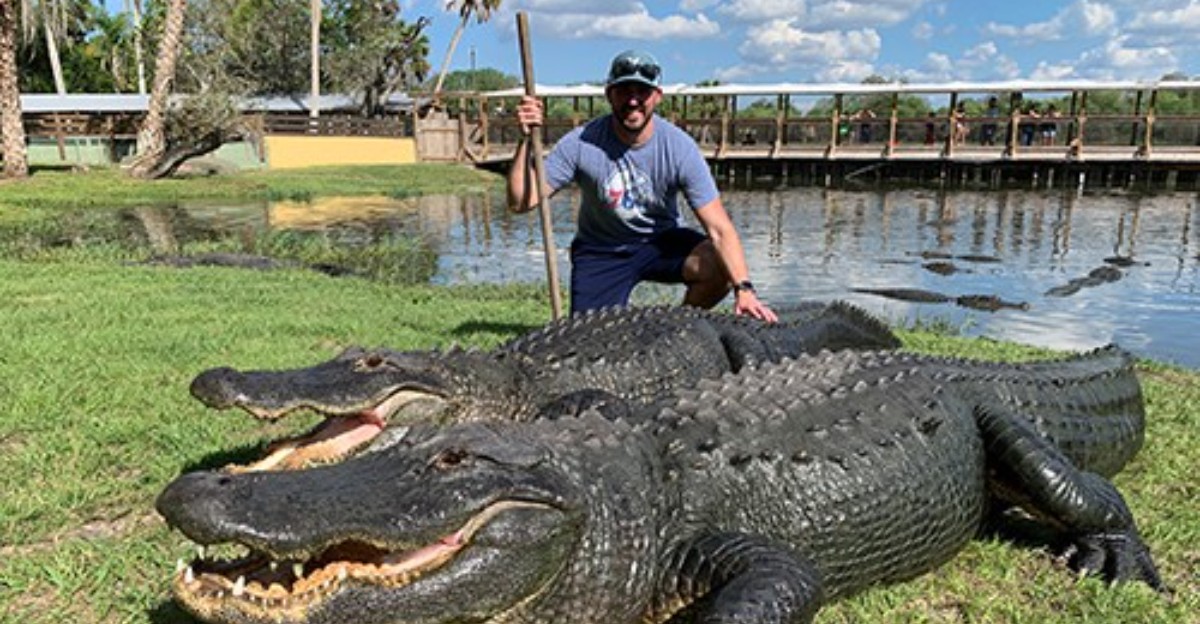
Deep in the heart of rural Florida, there’s a place where thousands of alligators have been sunning themselves and snapping their jaws long before Mickey Mouse ever set foot in the Sunshine State. Gatorama opened its gates back in 1957, making it one of the oldest continuously operating alligator attractions in Florida. While theme parks came and went, this family-owned gator farm stayed true to its roots, offering visitors an authentic, up-close look at some of nature’s most fascinating reptiles without all the corporate polish.
1. A Working Farm That Became a Tourist Destination
Back in 1957, Owen Godwin had a vision that most folks thought was downright crazy. He wanted to start a commercial alligator farm in the middle of nowhere, raising gators for their hides and meat. What started as a working farm quickly caught the attention of curious travelers passing through on US-27, and before long, people were stopping to see what all the fuss was about.
The Godwin family realized they had something special on their hands. Instead of just running a commercial operation behind closed doors, they opened up to visitors who wanted to see real Florida wildlife up close. This wasn’t some sanitized zoo experience with animals hidden behind thick glass.
Guests could walk right up to the pens and watch these prehistoric creatures in action. The farm’s practical purpose never went away, though. Even today, Gatorama operates as both a conservation facility and a working farm, maintaining that authentic connection to Florida’s agricultural heritage.
This dual identity sets it apart from the flashy attractions that would later dominate Central Florida. While Disney was building fantasy castles, Gatorama kept things real, muddy, and magnificently wild. That authenticity is exactly what keeps families coming back generation after generation, looking for a taste of Old Florida.
2. Thousands of Gators in Every Size Imaginable
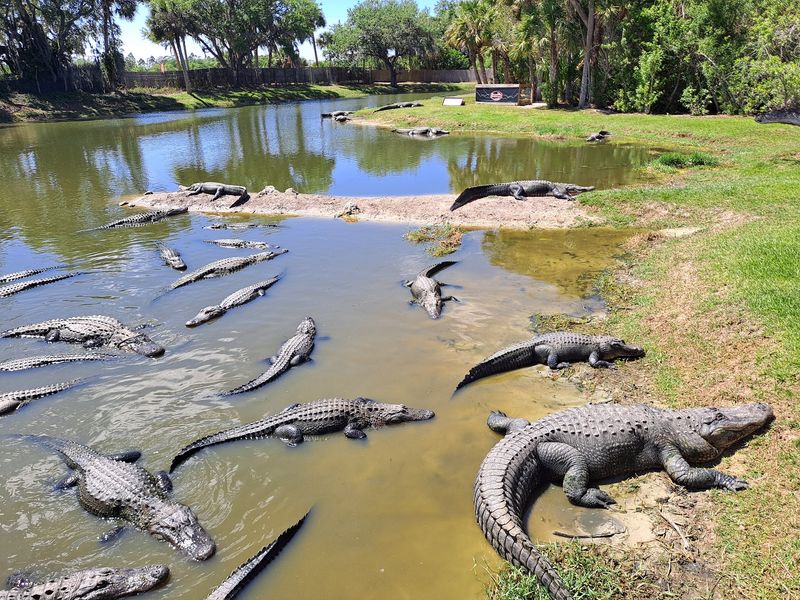
Walking through Gatorama feels like stepping into a reptile wonderland where gators outnumber visitors by the hundreds. The facility houses thousands of American alligators ranging from tiny hatchlings you could hold in your palm to massive adults stretching over thirteen feet long. These aren’t just a few gators lounging around for show.
The sheer number of animals creates an atmosphere that’s both thrilling and slightly nerve-wracking in the best possible way. You’ll spot baby gators barely bigger than your hand swimming in shallow nursery pools, learning the ropes of gator life. Meanwhile, the big adults bask in larger pens, their powerful tails and armored backs serving as reminders of why these creatures have survived for millions of years.
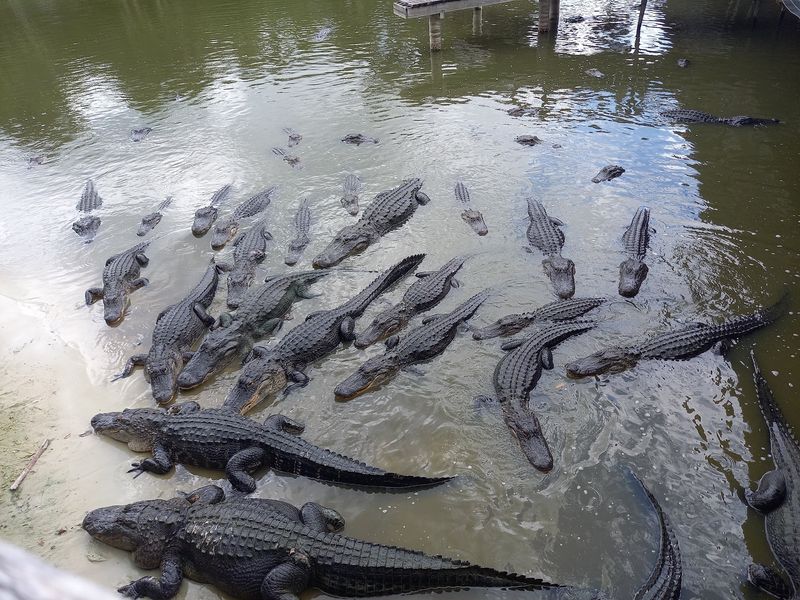
What makes the experience even more impressive is how well you can observe them. The walkways and viewing platforms put you right over the action, close enough to see every scale and tooth. During feeding times, the place erupts with activity as hundreds of gators surge toward their meals.
The sound alone is unforgettable, a chorus of hisses, splashes, and powerful jaws snapping shut. This isn’t some controlled environment where animals barely move. The gators here are active, healthy, and living in conditions that let them behave naturally, giving visitors a genuine look at what makes these reptiles such successful survivors.
3. Catch Your Own Baby Alligator Experience
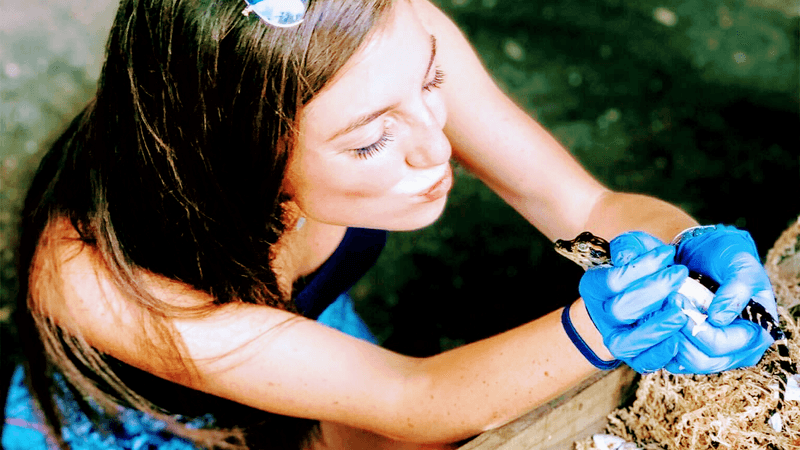
Forget looking at animals through glass or from a distance. Gatorama offers something most places would never dream of letting guests do: wading into a shallow pond to catch live baby alligators. Armed with nothing but your hands and some basic instruction from experienced staff, you step into the water and try your luck at catching one of the squirmy little reptiles darting around your feet.
Kids absolutely lose their minds over this experience. There’s something magical about the moment when you finally manage to scoop up a baby gator and hold it safely in your hands. The little ones are surprisingly fast and slippery, making the chase part of the fun.
Staff members are right there with you, showing proper handling techniques and making sure both humans and gators stay safe throughout the encounter. Once you’ve caught one, you get to examine it up close, feeling its smooth belly and rough back scales while learning about baby alligator behavior and development.
This hands-on approach to wildlife education beats any textbook or documentary. Parents often mention this as the highlight of their visit, watching their children’s faces light up with excitement and maybe a little bit of healthy fear. The experience costs extra beyond admission, but families consistently say it’s worth every penny for the memories and photos alone.
You won’t find this kind of interactive wildlife encounter at your typical theme park.
4. Meet the Rare Cuban Crocodiles
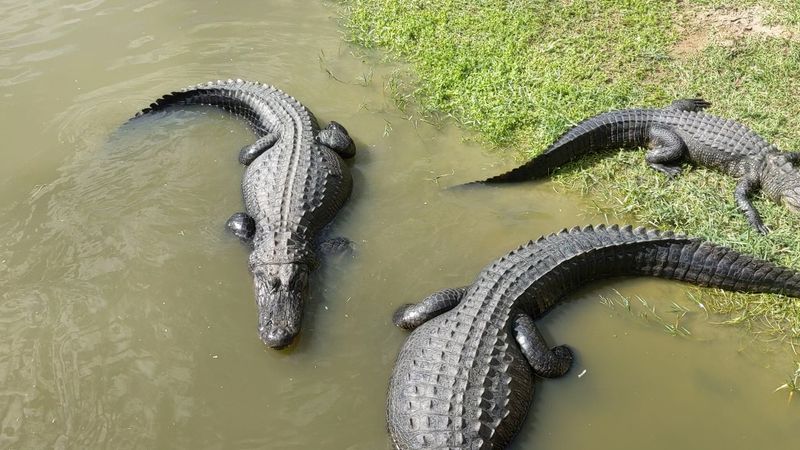
Among Gatorama’s impressive collection of reptiles, the Cuban crocodiles stand out as something truly special. These critically endangered animals are rarely seen outside specialized facilities, making this one of the few places in the United States where you can observe them up close. Unlike their alligator cousins, Cuban crocs have a reputation for being more aggressive and athletic, capable of launching themselves almost completely out of the water.
Watching them during feeding time is like witnessing pure prehistoric power. Their distinctive yellowish coloring and shorter, broader snouts give them a different look compared to the American alligators sharing the property. These crocs are built differently too, with stronger legs that make them surprisingly fast on land.
In the wild, they’re found only in Cuba’s Zapata Swamp and the Isle of Youth, with populations declining due to habitat loss and hunting. Facilities like Gatorama play a crucial role in conservation efforts, maintaining healthy breeding populations and educating visitors about why these animals matter. Staff members are passionate about sharing facts about Cuban crocodile behavior, diet, and the challenges facing the species.
Many visitors mention these crocs as their favorite part of the visit, impressed by their unique appearance and the conservation story behind them. Seeing such rare animals in a well-maintained habitat drives home the importance of protecting wildlife, even the scaly, toothy kind that makes some people nervous.
5. The Legendary Gator Feeding Shows
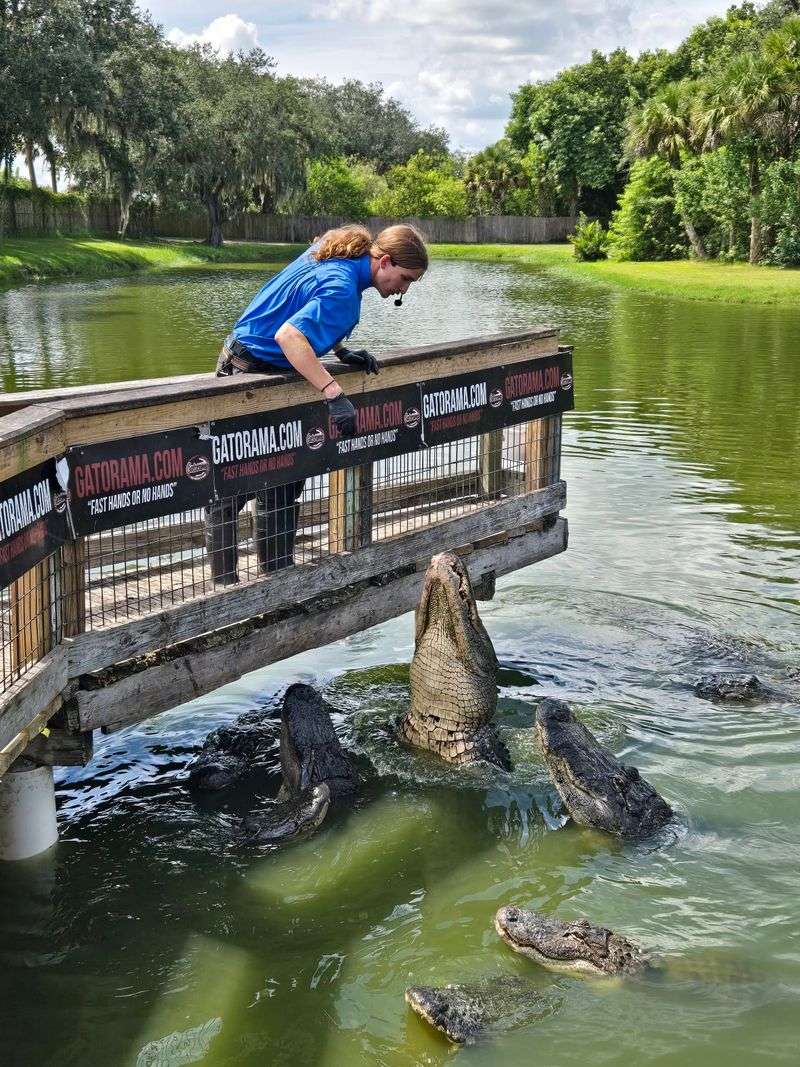
Twice daily, the wooden bridge at Gatorama transforms into the stage for one of Florida’s most thrilling wildlife demonstrations. A keeper armed with buckets of food steps onto the bridge, and suddenly hundreds of gators that were lazily sunbathing moments before surge toward the action. The water churns as massive reptiles compete for their share, their powerful jaws creating loud snaps that echo across the property.
What sets these shows apart from typical zoo presentations is the genuine education woven throughout. Keepers like Kyle, who gets mentioned repeatedly in visitor reviews, don’t just toss food and call it a day. They explain gator behavior, discuss conservation challenges, and answer questions while casually standing just feet above animals that could easily take down a deer.
The enthusiasm of the staff is infectious. You can tell these aren’t people just going through the motions of a scripted show. They genuinely love these animals and want guests to appreciate them beyond the scary movie stereotypes.
Between scheduled feeding times, you can purchase bags of gator food and feed smaller animals yourself from safe viewing areas. Watching a gator’s eyes lock onto the food in your hand before it launches toward you is an adrenaline rush that’s hard to match. The combination of education, entertainment, and up-close wildlife interaction makes these feeding demonstrations a must-see part of any Gatorama visit.
6. Beyond Gators: The Supporting Cast of Critters
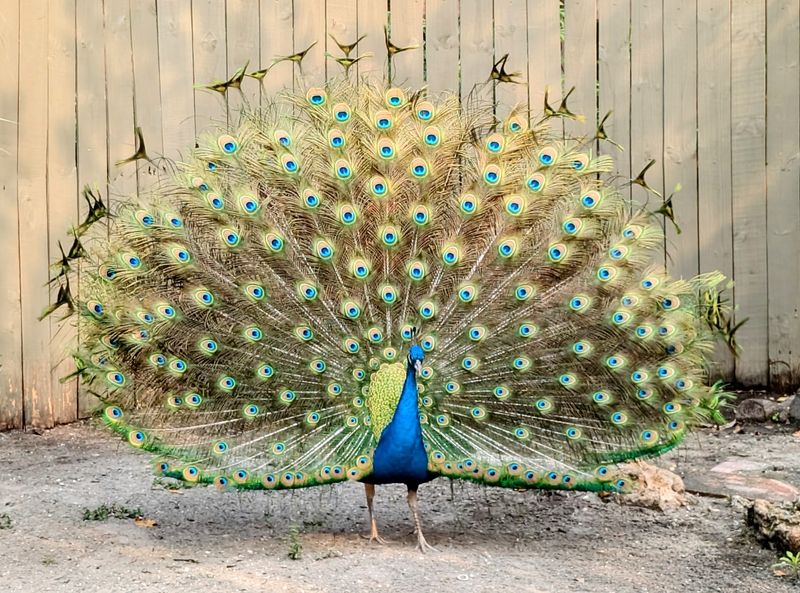
While alligators and crocodiles are obviously the main attraction, Gatorama houses a charming collection of other animals that add variety to your visit. Goats, pigs, a friendly donkey, turtles, and even a peacock named Ricky roam the property, giving younger children who might be nervous around the big reptiles something gentler to interact with. The bobcat enclosure draws plenty of attention too, though this wild feline is understandably less social than the farm animals.
Staff members take time to talk about all the animals, not just the toothy ones. Watching a keeper feed the bobcat provides insight into wild cat behavior and the challenges of caring for these beautiful but solitary creatures. The farm animals serve as a nice palate cleanser between gator encounters, especially for families spending several hours exploring the property.
Kids love the small play area where they can burn off energy between animal viewings. Even the plant life gets some appreciation, with visitors occasionally commenting on the impressive staghorn ferns growing throughout the property. These touches of Old Florida landscaping add to the authentic atmosphere.
The variety of animals means there’s always something new to discover as you walk the grounds. You might spot turtles sunbathing on logs, watch Ricky the peacock strutting around showing off his tail feathers, or hear the pigs grunting for attention. This mix of species makes Gatorama feel less like a single-focus attraction and more like a genuine Florida wildlife experience.
7. Witness Rare Alligator Hatching Events
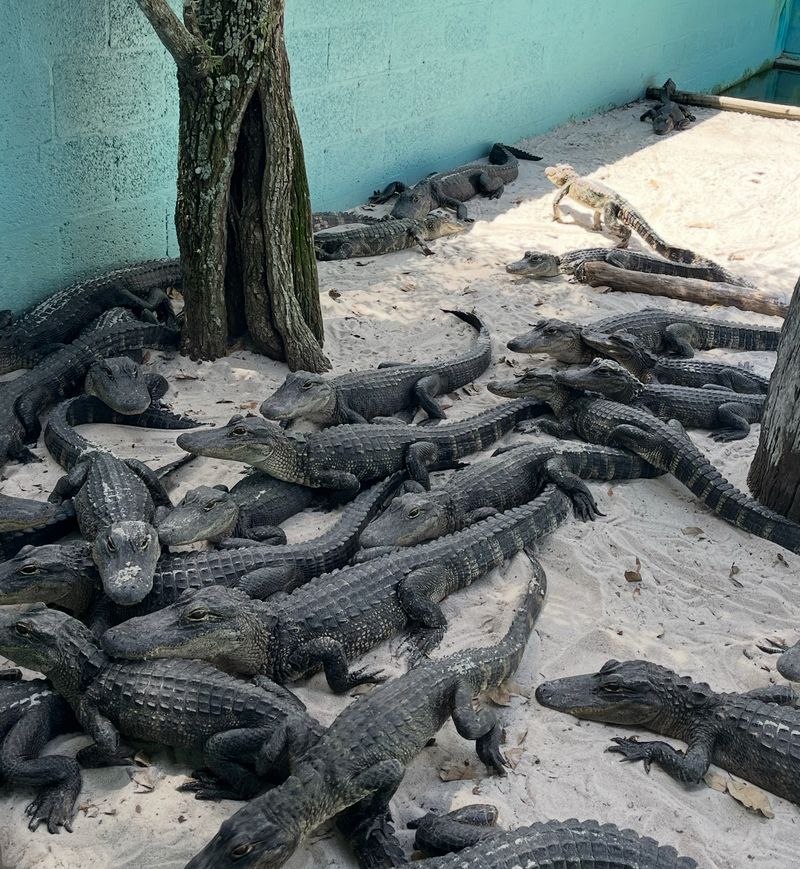
Few experiences in the wildlife world match the magic of watching baby alligators break free from their eggs. Gatorama offers guests the extraordinary opportunity to witness gator hatching events, a rare behind-the-scenes look at the beginning of a reptile’s life. These events happen during specific times of year when eggs are ready to hatch, and families plan their visits specifically around these dates.
The process is fascinating to watch. Baby gators use a special egg tooth to crack through their shells, sometimes taking hours to fully emerge. Staff members explain the entire reproductive cycle, from nest building to egg incubation to the crucial first days of a hatchling’s life.
You learn about temperature-dependent sex determination, how mother gators protect their nests, and the survival challenges baby gators face in the wild. This isn’t just entertainment. It’s genuine conservation education that helps visitors understand the complete life cycle of these ancient reptiles.
Families who have attended multiple hatching events say each one feels special. There’s something powerful about seeing new life emerge, even when that life is destined to grow into a formidable predator. The experience creates lasting memories and often sparks a deeper interest in wildlife conservation among children and adults alike.
Combined with Gatorama’s other hands-on experiences, the hatching events demonstrate the facility’s commitment to education and conservation, not just entertainment. It’s this authentic approach to wildlife tourism that has kept people coming back for over sixty years.
8. Family-Owned Authenticity in an Age of Corporate Parks
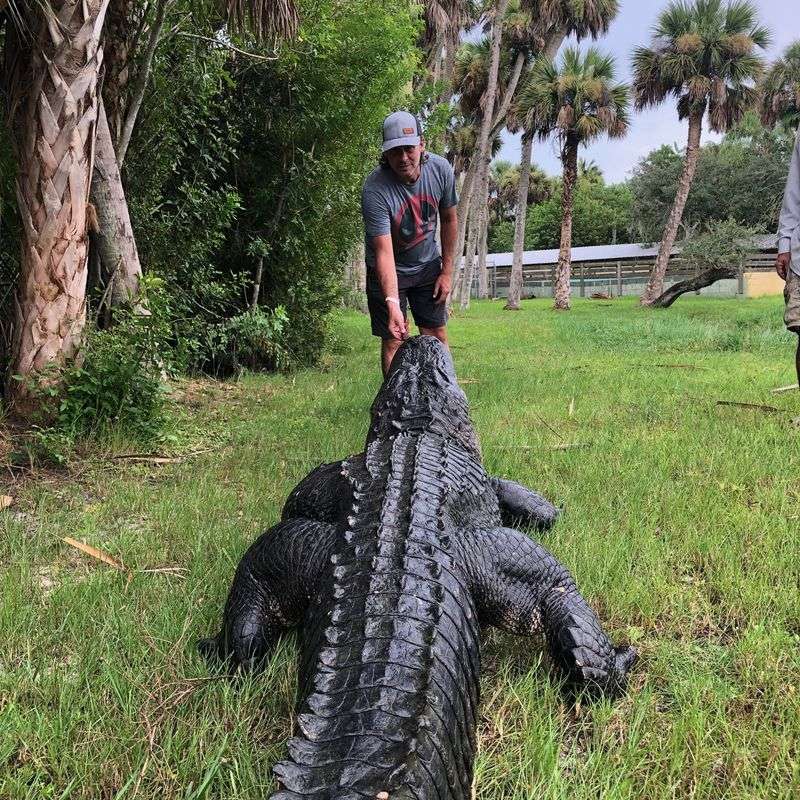
In a state dominated by massive corporate theme parks, Gatorama remains proudly family-owned and operated, maintaining the kind of personal touch that’s increasingly rare in modern tourism. The owner, Allen, still responds to guest reviews personally and can often be found on the property chatting with visitors. This isn’t some faceless corporation running things from a distant boardroom.
The staff’s passion for their work shines through in every interaction. Team members like Kyle, Brian, and Ebony get mentioned by name in review after review, with guests praising their knowledge, enthusiasm, and genuine care for the animals. These aren’t seasonal workers reading from scripts.
They’re dedicated professionals who love educating people about reptiles and Florida wildlife. That authentic enthusiasm makes every visit feel personal rather than like you’re just another ticket number. The facility itself reflects this family-business approach, focusing on substance over flash.
You won’t find elaborate theming or cartoon characters, just well-maintained animal habitats, clean facilities, and straightforward Florida charm. The gift shop sells actual souvenirs worth keeping rather than overpriced junk. Admission prices remain remarkably reasonable compared to the corporate parks, with add-on experiences priced fairly for what you receive.
This combination of authenticity, affordability, and genuine passion for wildlife education represents everything that made Old Florida tourism special. While Disney World certainly has its place, Gatorama offers something money can’t manufacture: real people sharing real animals in a real working farm that’s been doing things right since 1957.