Most Beachgoers Have No Idea This Florida Spot Is Great for Shark Tooth Hunting
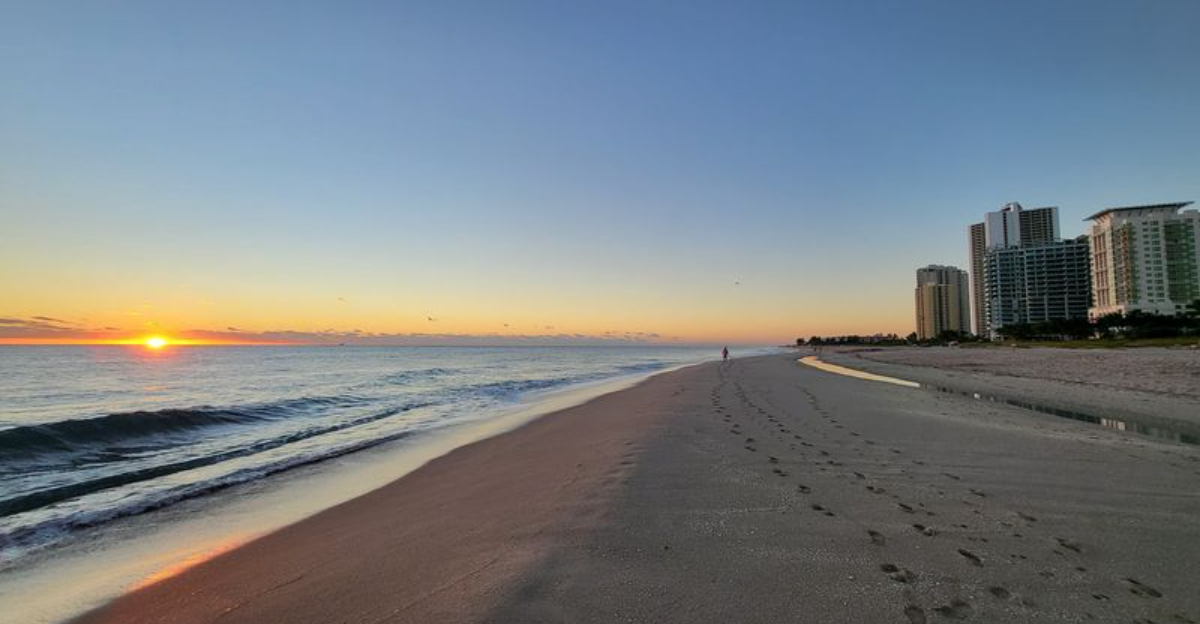
Riviera Beach holds a secret that most visitors walk right past without ever knowing. Hidden beneath the sand and surf lies one of Florida’s best-kept treasures for fossil hunters and beachcombers. While tourists flock to more famous beaches, this Palm Beach County gem offers incredible opportunities to discover ancient shark teeth that have been washing ashore for thousands of years, making it a paradise for collectors and curious explorers alike.
1. Ocean Reef Park Offers Prime Hunting Grounds
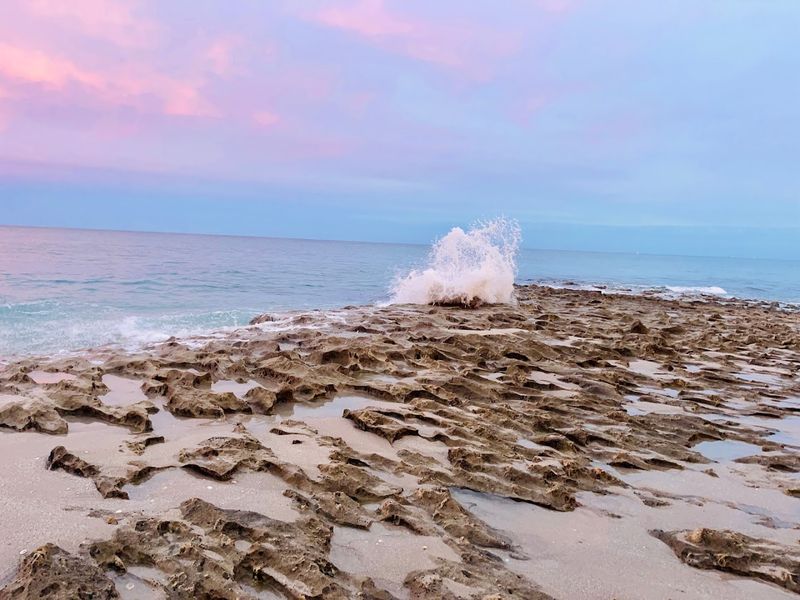
Ocean Reef Park stands as the crown jewel for shark tooth hunting in Riviera Beach. Located right along the Atlantic coastline, this park features a unique combination of rocky outcroppings and sandy stretches that create perfect conditions for fossil accumulation. Strong currents sweep ancient teeth from deeper waters and deposit them along the shore, especially after storms.
The best hunting happens during low tide when more seafloor gets exposed. Early morning visits reward dedicated hunters before crowds arrive and pick over the prime spots. Walk slowly along the waterline where waves recede, keeping your eyes trained on the wet sand where darker objects stand out against lighter grains.
Many hunters report finding teeth from various shark species including tiger sharks, bull sharks, and even the occasional megalodon fragment. The park’s rock jetties act as natural traps, catching teeth as currents flow past. Check around these structures carefully, as teeth often lodge between crevices.
Bring a small mesh bag or container to collect your finds. Some experienced collectors use sand scoops with mesh bottoms to sift through promising areas more efficiently. The park provides convenient parking, restrooms, and picnic areas, making it comfortable for extended hunting sessions with family or friends.
2. Phil Foster Park Attracts Serious Collectors
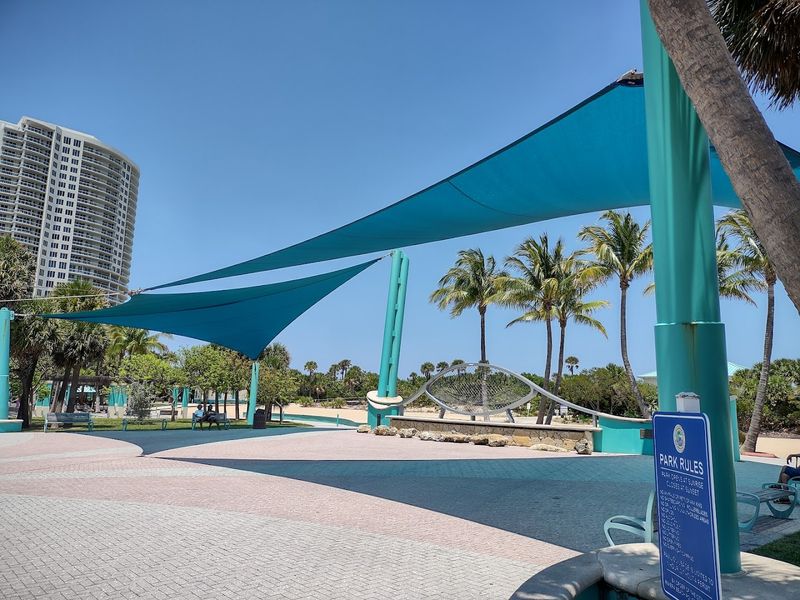
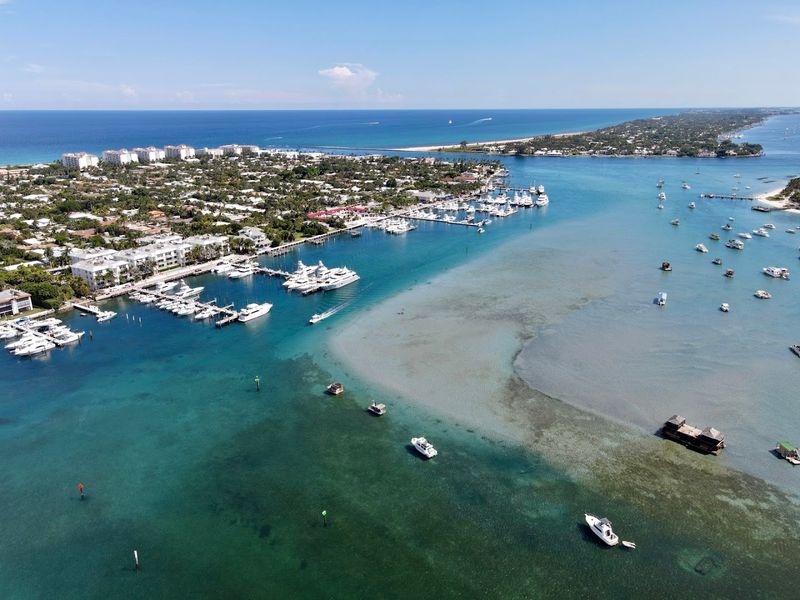
Phil Foster Park sits beneath the Blue Heron Bridge and draws fossil enthusiasts from across the state. This unique location combines a popular snorkeling site with excellent beachcombing opportunities. The bridge pilings and surrounding structures create underwater habitats that concentrate marine life and fossils in predictable patterns.
What makes this spot exceptional is the constant movement of sediment caused by tidal changes flowing through the Intracoastal Waterway. These currents continuously churn up material from the bottom, bringing fresh teeth to accessible areas. Snorkelers often find impressive specimens in the shallows that non-divers can spot from shore after they wash up.
The park features a designated beach area separate from the boat launch, giving hunters plenty of space to search without interference. Weekend mornings see the most activity, with local collectors sharing tips and showing off their latest discoveries. This community atmosphere makes it welcoming for beginners who want to learn proper identification techniques.
Parking fills quickly on nice days, so arriving before 8 AM ensures a good spot. The park offers shaded pavilions, making it comfortable to take breaks between hunting sessions. Many families make a full day of it, combining tooth hunting with swimming and picnicking while enjoying the waterfront views.
3. Post-Storm Conditions Create Bonanza Finds
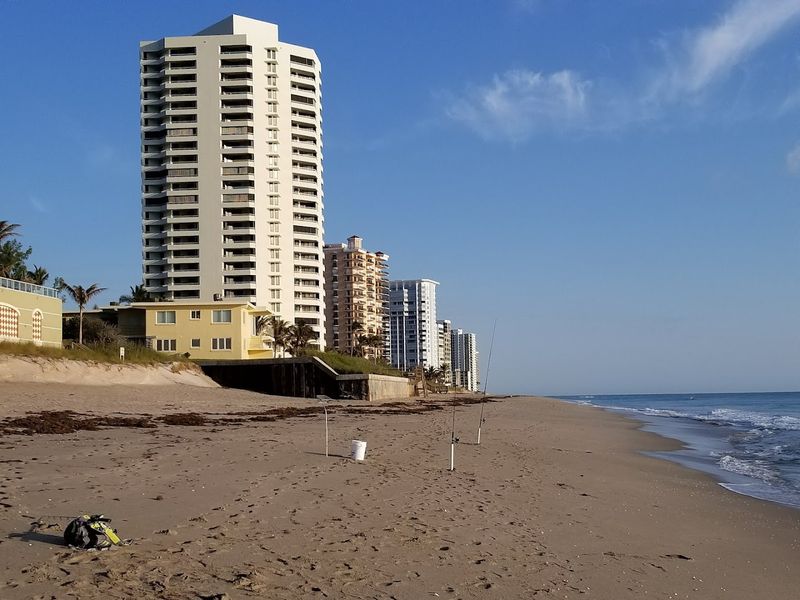
Tropical storms and hurricanes might seem like beach vacation killers, but they create paradise for tooth hunters. Strong wave action churns the ocean floor, dislodging teeth that have been buried for centuries and washing them onto Riviera Beach shores in impressive quantities. The day after a storm passes represents your best chance for significant discoveries.
Weather systems don’t need to make direct hits to produce results. Even storms passing offshore generate enough wave energy to stir up sediment and transport fossils to the beach. Pay attention to wind direction during storms, as teeth accumulate more heavily on shores receiving direct wave impact.
Fresh deposits appear as dark patches or lines running parallel to the water. These concentration zones form where waves lose energy and drop heavier materials. Focus your search along these natural sorting lines rather than randomly wandering the entire beach.
You’ll cover more productive ground and find more teeth in less time.
Bring proper footwear since storms often expose sharp shells and rocks that weren’t visible before. The changing beach topography can create drop-offs and uneven surfaces. Safety comes first, but the rewards justify the extra caution when you’re filling your collection bag with teeth that might include rare species or unusually large specimens.
4. Singer Island Beaches Extend Your Search Area
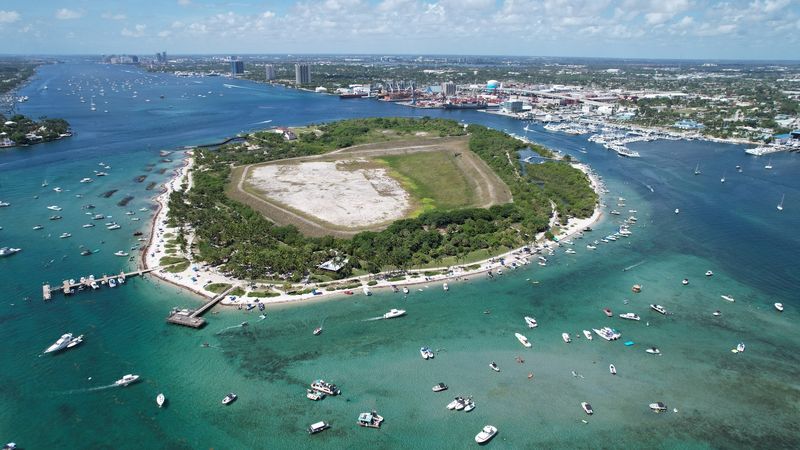
Singer Island forms the barrier island section of Riviera Beach, offering miles of additional coastline for tooth hunting adventures. While technically part of the same municipality, these beaches provide different hunting conditions than mainland spots. The island’s eastern exposure to open Atlantic waters means stronger wave action and different sediment patterns.
Public beach access points dot the island, with parking available at various locations along Ocean Drive. Each access point leads to slightly different beach conditions, so exploring multiple spots during a single outing increases your chances. Northern sections near the inlet tend to accumulate more fossils due to current patterns.
The wider beaches here give you more territory to cover, especially during low tide when extensive flats get exposed. Look for shell beds mixed with small pebbles and coral fragments, as teeth often hide among these materials. The contrast between black teeth and white shells makes spotting easier in these mixed deposits.
Weekday visits encounter fewer crowds than weekends, leaving more undisturbed sand for hunting. Local residents often walk these beaches at sunrise, so arriving mid-morning still provides good opportunities after the early birds have passed. The island’s resorts and restaurants make it easy to combine tooth hunting with a full beach day experience.
5. Proper Identification Skills Enhance Your Success
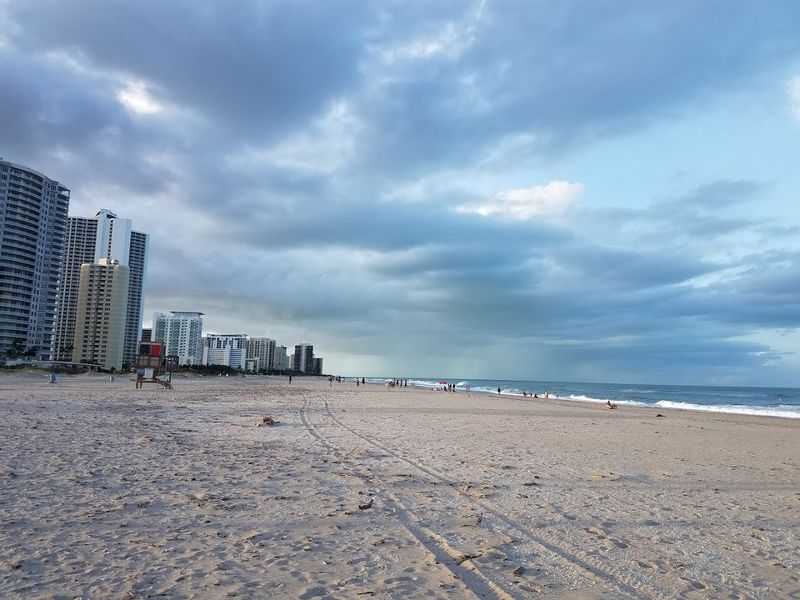
Finding teeth is only half the fun; knowing what you’ve discovered makes collecting truly rewarding. Riviera Beach yields teeth from numerous shark species, each with distinctive characteristics. Bull shark teeth appear triangular with serrated edges and broad bases.
Tiger shark teeth show curved, cockscomb shapes with coarse serrations. Lemon shark teeth feature narrow, pointed crowns with smooth edges.
Color provides clues about age and origin. Darker teeth usually indicate greater age, having absorbed more minerals during fossilization. Lighter brown or tan teeth might be more recent, sometimes only centuries old rather than thousands of years.
Jet black teeth often come from deeper, older deposits that storms occasionally expose.
Size matters when determining species and maturity. Modern shark teeth rarely exceed two inches, but prehistoric species grew much larger. Finding a tooth over three inches suggests something special, possibly from an extinct species.
Megalodon teeth, though rare, do appear occasionally and represent the ultimate find for any collector.
Invest in a basic fossil identification guide specific to Florida sharks. Many free resources exist online showing actual specimens found in the region. Taking photos of your finds and posting to fossil collecting forums helps confirm identifications while connecting you with experienced collectors who share knowledge freely and enthusiastically.
6. Essential Gear Makes Hunting More Productive
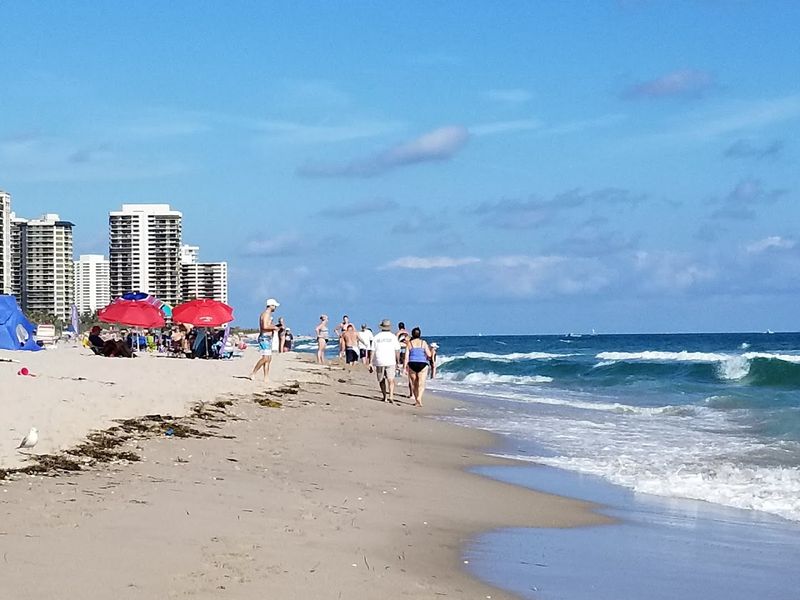
Smart hunters come prepared with tools that increase efficiency and comfort. A small mesh scoop or sand sifter lets you process larger volumes of material quickly, filtering out sand while retaining teeth and shells. Hardware stores sell inexpensive kitchen strainers that work perfectly for beginners before investing in specialized equipment.
Knee pads or a foam cushion protect your joints during extended searching sessions. Much hunting happens while kneeling or crouching to examine promising areas closely. Your knees will thank you after a few hours on the sand.
Some collectors prefer small folding stools that keep them off the ground entirely.
A small magnifying glass or jeweler’s loupe helps distinguish teeth from similarly shaped shell fragments. Beginner hunters often mistake broken shells for teeth until they learn the differences. Real teeth show distinct root structures, enamel crowns, and often retain serrations even after thousands of years.
Bring multiple collection containers to separate finds by size or species. Small ziplock bags work great and prevent teeth from rubbing against each other and damaging delicate specimens. Label bags with the date and location to track which spots produce the best results.
This record-keeping helps you return to productive areas during optimal conditions like after storms or during extreme low tides.
7. Understanding Tides and Timing Maximizes Results
Successful tooth hunting depends heavily on timing your visits correctly. Low tide exposes the most beach area, revealing spots normally underwater where teeth concentrate. Extreme low tides during new and full moons provide even better conditions, sometimes exposing areas that remain submerged during regular cycles.
Check tide charts before heading out and plan to arrive about an hour before low tide. This timing lets you work the receding waterline as more beach gets exposed. The active zone where waves wash up and retreat constantly refreshes the hunting grounds with newly deposited material.
Early morning visits offer multiple advantages beyond beating crowds. Overnight tides may have deposited fresh teeth that no one has picked over yet. Morning light angles make spotting easier as the sun rises over the Atlantic, illuminating the beach from the side rather than directly overhead.
Seasonal patterns influence tooth availability too. Winter months often produce better hunting as stronger storms and rougher seas churn up more material. Summer brings calmer conditions but also more competition from tourists and seasonal residents.
Spring and fall offer good middle ground with decent weather and moderate crowds. Moon phases, tides, and seasons all work together, so planning around multiple factors yields the best outcomes.
8. Respecting Regulations Protects Future Hunting
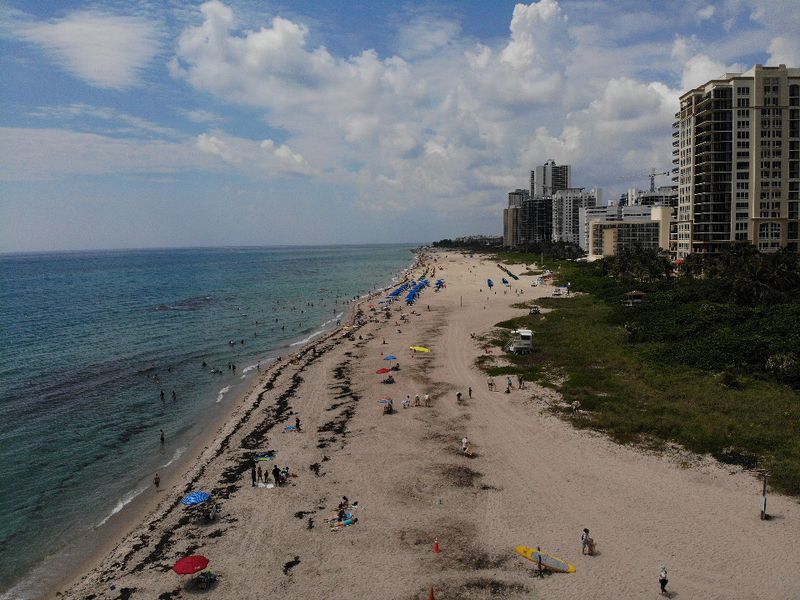
Collecting shark teeth from Riviera Beach beaches remains perfectly legal for personal use, but understanding and following regulations ensures this activity stays available for future generations. Take only what you’ll keep for your collection or educational purposes. Commercial harvesting requires permits and follows different rules entirely.
Never disturb protected dune vegetation or wildlife while hunting. Stick to sandy beach areas and avoid trampling sea oats or other stabilizing plants. Nesting season for sea turtles runs from March through October, so watch for marked nests and give them wide berth.
Your hobby shouldn’t harm the ecosystem that makes this area special.
Some parks have specific rules about using tools or digging. Check posted regulations at each location before breaking out scoops or sifters. Most areas allow surface collecting without issue, but excavating or using motorized equipment crosses the line.
When in doubt, ask park staff who generally appreciate responsible collectors.
Consider joining local fossil clubs or online communities focused on ethical collecting. These groups organize beach cleanups, share hunting spots, and promote conservation. Leaving beaches cleaner than you found them builds goodwill with park managers and other beach users.
Pick up trash you encounter while hunting, and your presence becomes a positive force for these amazing natural spaces.