Most Floridians Don’t Know This Charming Little Chapel Is Hidden Inside a Historic Village
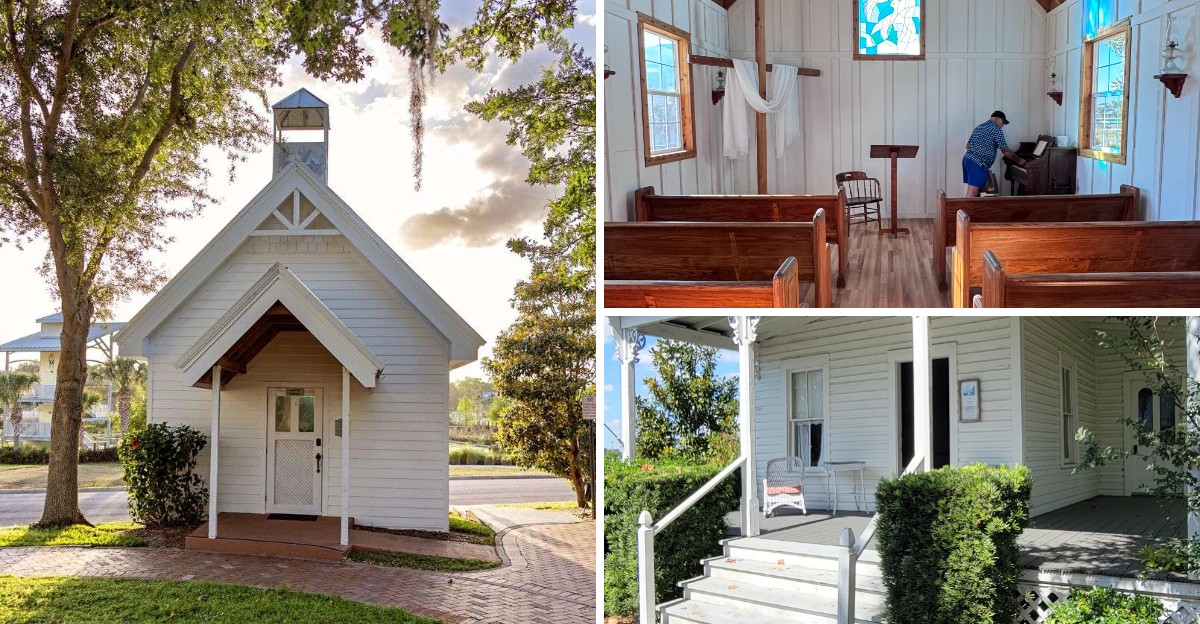
Hidden a few steps from downtown Clermont sits a tiny village where time slows way down. Inside its gates, a sweet little chapel waits for visitors who like quiet corners and old stories. The village is free to explore, and it is full of old homes, a depot, and a school.
Ready to find out why locals keep calling it a gem?
1. A Tiny Chapel With Big Charm
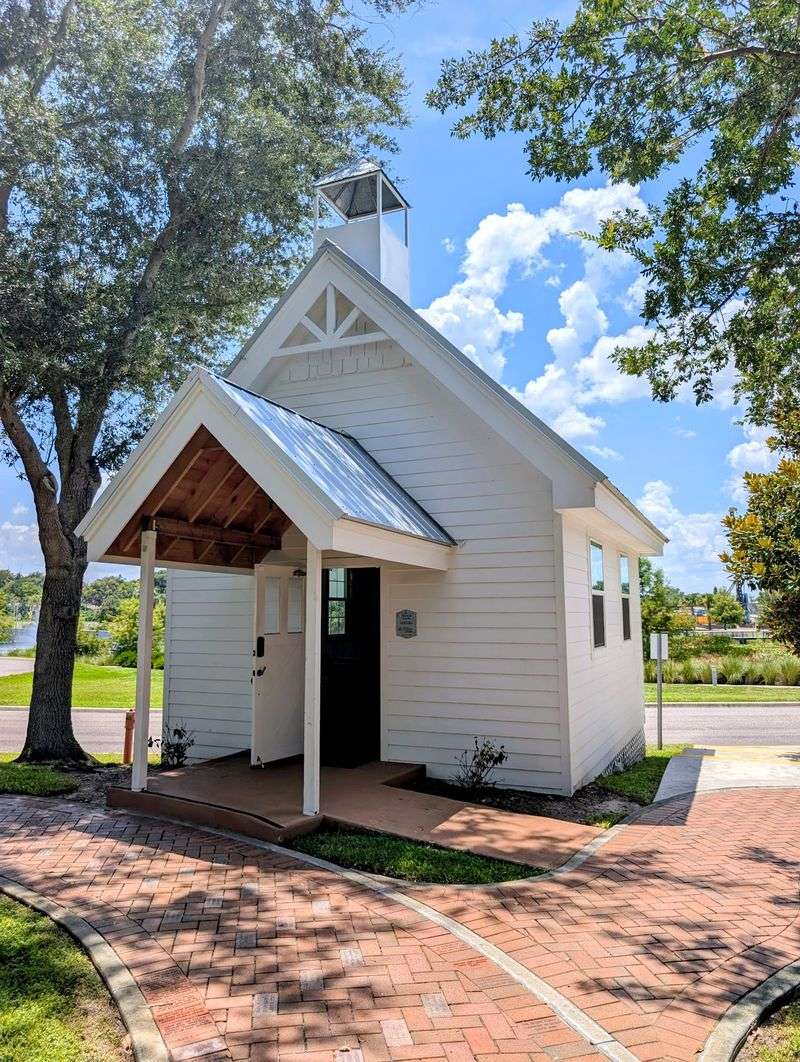
Picture a little white building with a steeple, tall windows, and a front door that seems to say, come on in. That is Grace Chapel, and it sits right inside the Clermont Historic Village. Most people drive past downtown Clermont without ever knowing it is there.
The chapel is small, and that is part of its magic. Wooden pews, soft light, and a hush that feels almost like a held breath make it a peaceful stop. You can sit for a minute and let the day slow down.
One reviewer who has officiated many weddings here called the place gorgeous, quaint, and lovely. That tells you a lot. Couples choose it because it feels warm and personal, not big and fancy.
Even if you are not planning a ceremony, the building gives you a taste of how neighbors once gathered. Small towns in old Florida leaned on places like this for celebrations, sad days, and everything in between.
Take a few photos outside, then step in and look up at the ceiling and windows. Details like these are easy to miss if you rush. Give yourself time, and the chapel rewards you with a calm moment you did not know you needed.
2. Weekend Hours You Should Plan Around
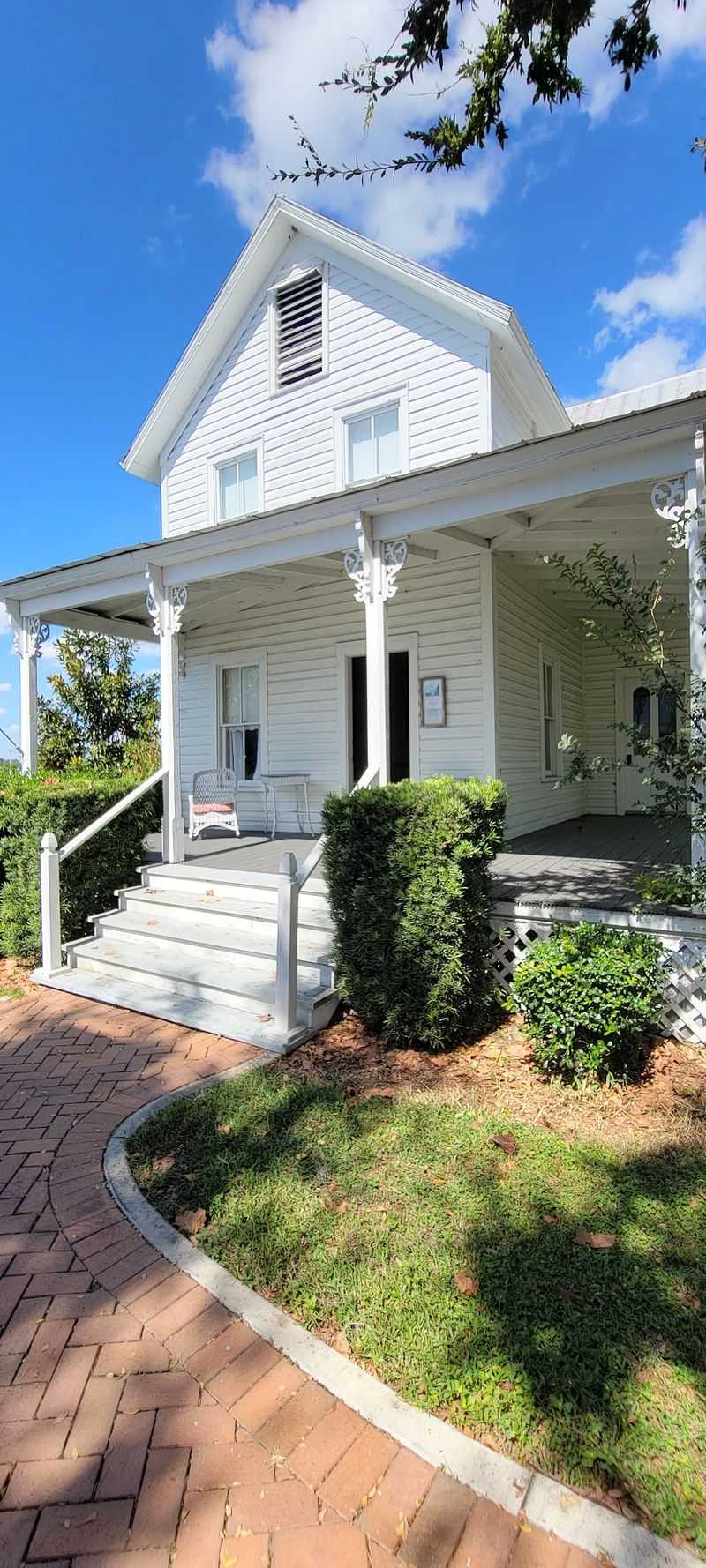
Here is the catch that trips people up. The village opens only on weekends, from 1 to 4 PM on Saturday and Sunday. Show up on a Tuesday and you will find a quiet, closed gate.
Plan ahead and the visit is easy. Admission is free, though donations help keep the old buildings standing. When you arrive, head to the reception area and sign in before you wander.
Three hours sounds short, but the grounds are compact. Most visitors can see the chapel, the homes, the depot, and the school without feeling rushed. If you love chatting with guides, you may want to stay longer.
A smart move is to pair your trip with the downtown Farmers Market on Sunday. One visitor suggested exploring the market first, then strolling over for the afternoon. You get fresh snacks and a history lesson in one outing.
Bring a bottle of water, since Florida sun can sneak up on you. Comfortable shoes help too, because the paths are meant for walking and looking. Check the website before you go, just in case a special event changes the schedule.
3. The Townsend House and Its Big Legacy
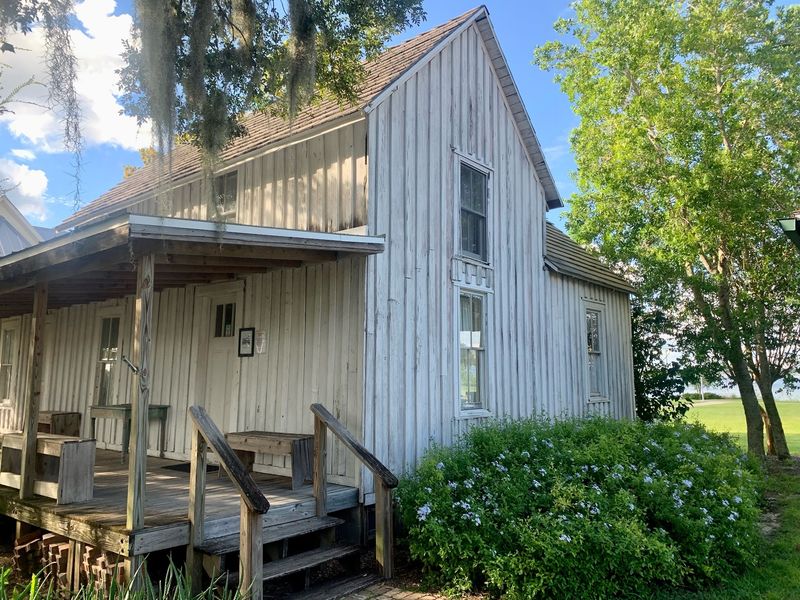
Some houses are just houses. The James and Sallie Townsend House is a whole story you can walk through. It is the oldest home in Clermont, and the couple who lived there shaped the town in lasting ways.
James started the first school for Black children in Clermont. He also helped found the city’s first African American church, St. Mark A.M.E. Those two choices opened doors for many families.
Sallie was a midwife, and she is credited with delivering more than 1,000 babies. In the 1940s she opened a maternity home so mothers had a safe place for care. Think about how rare that kind of help was back then.
Inside, the rooms feel lived in, not staged like a stiff display. One visitor said they nearly cried because the home felt so true to its time. That is the power of careful details.
Kids can follow along too, since the stories are about real people doing brave things. Ask a guide to share extra details. You will leave with a deeper respect for the folks who built this community before it looked like it does today.
4. Music From a Player Piano and Old Records
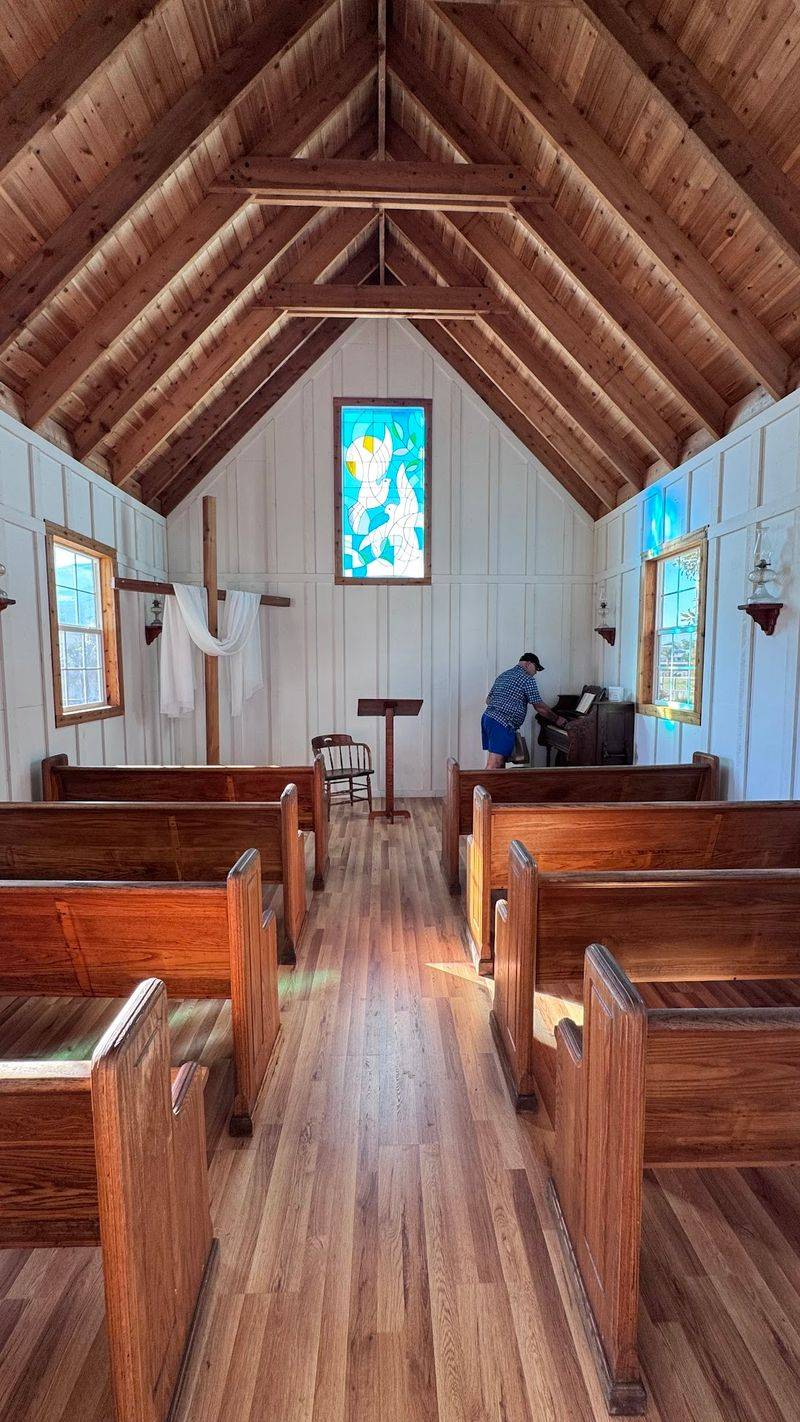
Ever heard a 100-year-old record spin for real? Here you can. The village has a working phonograph, and guests who stop by can listen to music older than their grandparents.
Over in the WWII building, a player piano waits in a corner. One visitor needed help turning it on, but once it started, the keys moved all on their own. It feels like a tiny magic show.
Do not be shy about asking a volunteer for a demo. They enjoy it as much as you do. Their eyes light up when a tune fills the room.
Sounds change how a place feels. A faded photo can be interesting, yet a crackly song makes you picture a family gathered around the parlor. Suddenly the past is not so far away.
Little kids often love this part best, since pressing and watching beats reading a label. Teens may be surprised too, because nothing here needs a charger. It is a fun reminder that people made their own entertainment long before screens.
5. The WWII-Era Quonset Hut
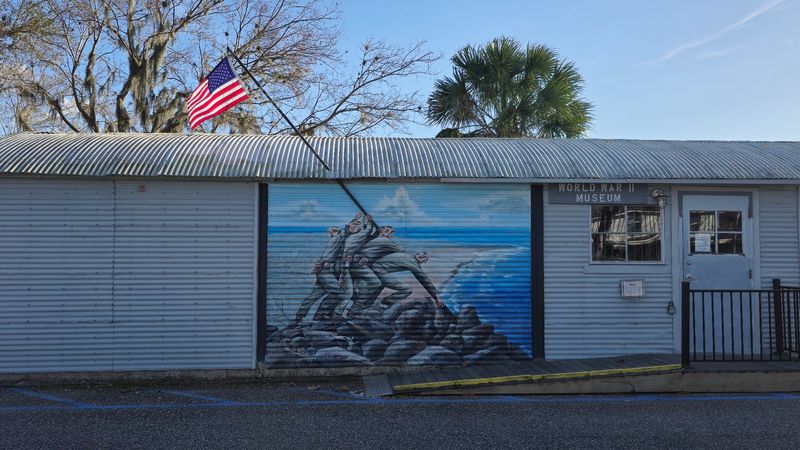
A curved metal building stands out among the wooden homes, and that is on purpose. It is a WWII-era Quonset hut, the kind of quick, sturdy shelter built during the war years. Inside, it serves as a memorial packed with history.
Look for uniforms, photographs, and everyday items that belonged to local people. These objects make big world events feel personal. A letter or a medal says more than a textbook paragraph.
Visitors have praised the number of artifacts in such a small space. Volunteers can explain where items came from and who donated them. Many come from nearby families.
Walk slowly and read the labels. You might spot a name that matches a street or a business downtown. That is the fun of local history, since the past connects to places you already know.
Older guests sometimes share their own memories while touring, which makes the room feel even richer. If you bring children, challenge them to find three objects they have never seen before. It turns the visit into a friendly scavenger hunt and keeps curious minds busy.
6. Quilts, Dresses, and Other Fabric Treasures
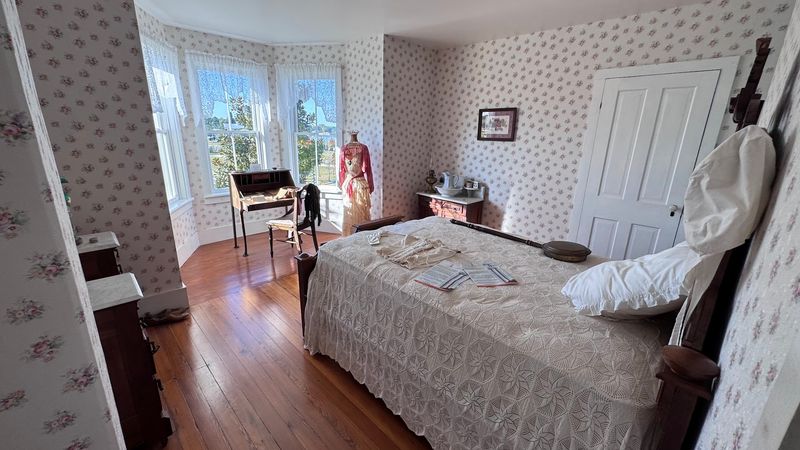
Fabric rarely survives a hundred years, especially in Florida’s humid air. That is why the textiles here feel so surprising. Quilts, dresses, tablecloths, and everyday clothing have somehow stayed intact.
One reviewer said they expected little and found a lot. The collection grew through donations, which means each piece likely carries a family story. Behind every stitch, someone once sat by a lamp and worked.
Look closely at the quilts. Tiny patterns, mismatched scraps, and careful stitching show how people made beauty from what they had. Nothing was wasted.
Dresses tell stories too. Their sleeves, buttons, and waistlines show what people wore for church, chores, and celebrations. Try imagining wearing one in a Florida summer.
If you enjoy sewing, crafts, or fashion, give this part extra time. Guides can explain how items were cared for and why some are rarely handled. Please keep your hands off the displays, since oils from skin can harm old cloth.
Looking is enough to be impressed, and you will leave with new respect for handmade things.
7. Guides Who Make the Past Talk
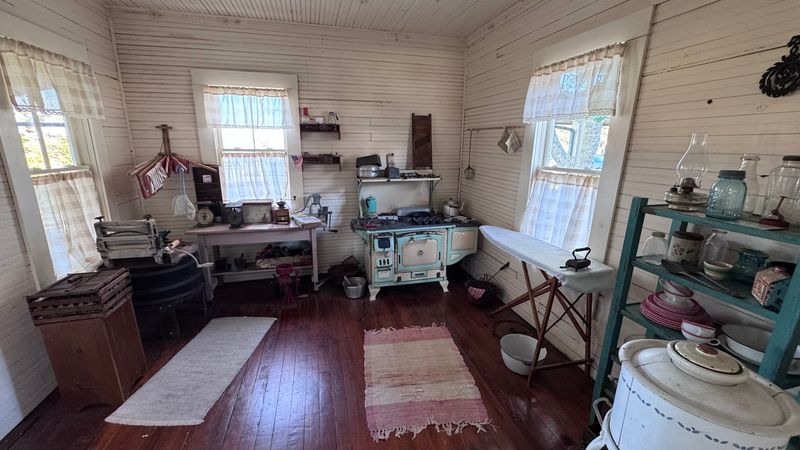
Ask a question and watch what happens. The volunteers here light up like they have been waiting all week to tell you something. Several visitors mention that some guides have personal ties to the history they share.
Tours can reach back to life in the 1800s, before Clermont was even built. You hear how early settlers lived, worked, and learned. Details like that never fit on a small sign.
Locals benefit too. One reviewer who grew up nearby said they learned plenty they had never heard. So even if you think you know your town, there may be surprises waiting.
Do not rush past the people. Take your time, ask about a certain object, or request the story behind a room. You will often get a funny or touching detail.
If you are planning a group outing, the staff seems welcoming, and visitors have suggested it would work well for group tours. Reach out through the website first. A little notice helps volunteers prepare, and everyone gets more out of the afternoon.
8. Make It a Full Downtown Clermont Day
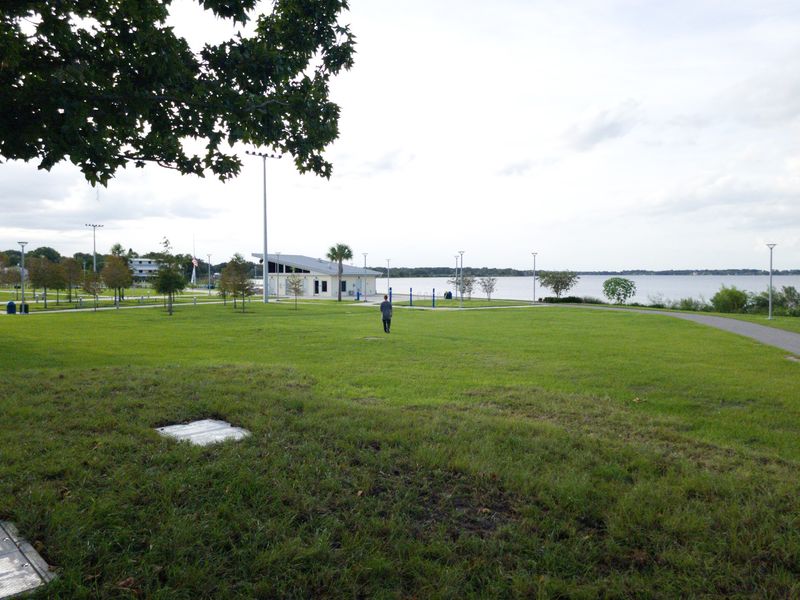
The village sits right in downtown Clermont, so the fun does not have to stop at the gate. Step outside and you are close to the riverwalk, shops, and places to eat. It makes planning easy.
Start with a stroll to stretch your legs. One visitor noted the museum is next to the downtown riverwalk, which is a nice spot to relax after touring. Fresh air feels great after hours of reading old labels.
Sunday visitors can add the Farmers Market to the plan. Browse the stalls, grab a treat, then wander over when the village opens at 1 PM. It is a tidy way to enjoy both food and history.
There are picnic tables on site as well, and guests mention the peaceful atmosphere. Pack a small lunch or snack and enjoy it under the trees. Kids will appreciate the break.
Special events sometimes pop up, like a People’s Choice Challenge that one family loved. Check the calendar before you go. If you leave a donation on the way out, you help keep this little treasure open for the next curious visitor.