Ocean Water Erupts Up to 50 Feet at This Incredible Florida Beach
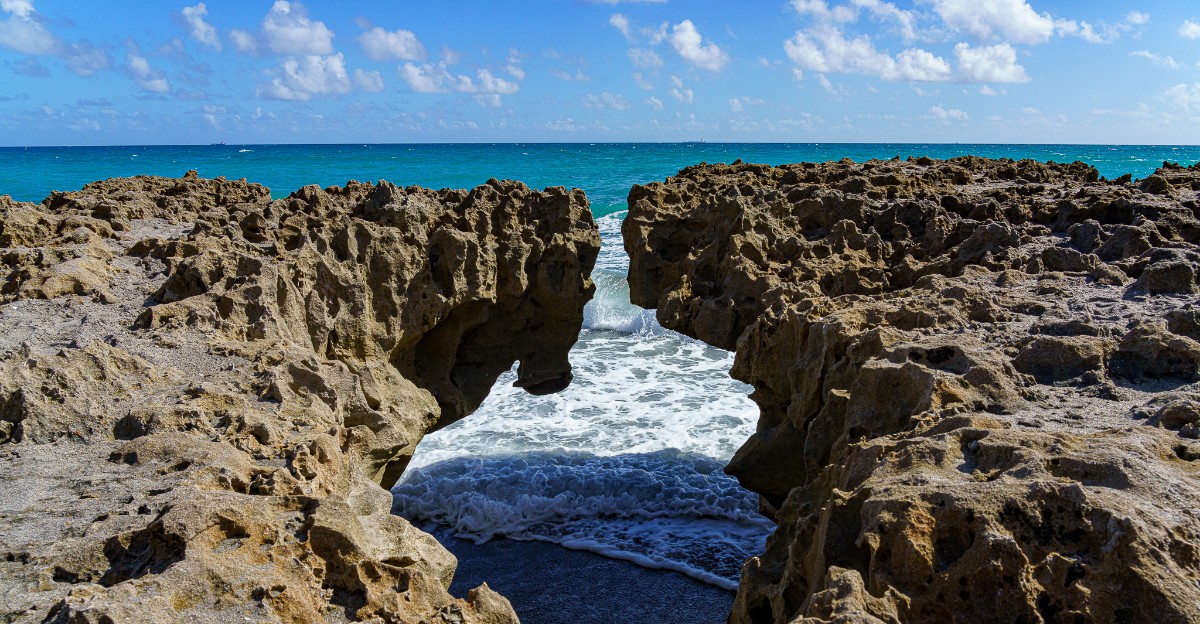
Most Florida beaches are flat, sandy, and calm, but one stretch of shore on Jupiter Island likes to show off. At Blowing Rocks Preserve in Hobe Sound, big waves slam into holes in ancient limestone and blast seawater up to 50 feet into the sky. It is one of the rarest coastlines on the whole Atlantic side of the country, and it sits quietly next to mangroves, trails, and a free nature center. Here is what makes this place so special and how to plan a visit that actually catches the show.
The Rock Shelf That Spits Seawater Skyward
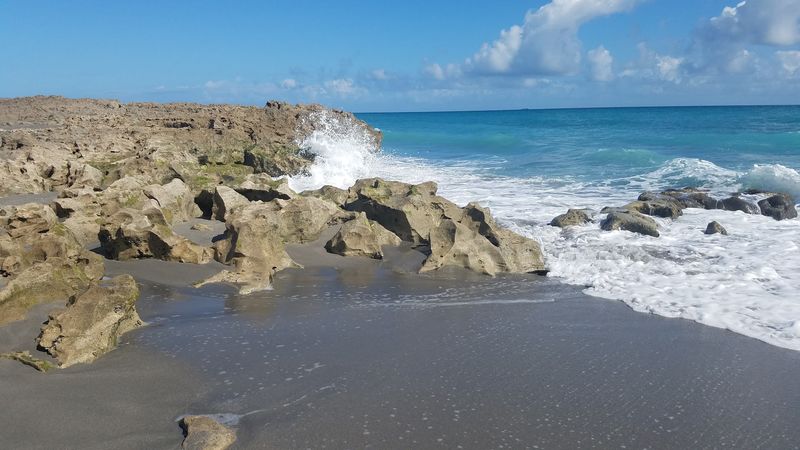
A wave rolling toward shore, sliding under a ledge of rock, and then exploding straight up like a giant whale just cleared its blowhole. That is the main event at Blowing Rocks Preserve. On the right day, the spray can climb as high as 50 feet.
So how does it work? The shoreline here is lined with Anastasia limestone, a rock full of tunnels, cracks, and holes carved out by the sea over thousands of years. When strong waves push water into those openings, the pressure has nowhere to go but up.
The result is a series of plumes that shoot out of the rocks, sometimes one at a time and sometimes in a wild, noisy chain. You hear a deep thump first, then a hiss, and then the sky fills with salty mist. Kids scream, adults grab their phones, and everyone gets a little wet.
Here is the honest part, straight from visitors. Plenty of people show up on a calm day and see nothing but pretty rocks and gentle water. One reviewer even said the site felt smaller than expected because the ocean was flat.
That does not mean the preserve is overhyped. It just means the ocean runs the schedule, not you. When conditions line up, the display is unforgettable, and when they do not, you still get one of the most unusual beaches in the state.
A smart move is to treat the blowing rocks like a bonus instead of a guarantee. Come for the whole preserve, and if the sea decides to perform, you win big. Many locals keep an eye on surf reports and make a quick trip when a strong east wind kicks up.
Bring a phone case or a zip bag for your camera. The spray drifts farther than you might think, especially with an onshore breeze. And stay back from the edge of the rock shelf, because the water that shoots up has to come down somewhere, and it often brings a surprise wave with it.
Florida’s Rare Rocky Coastline
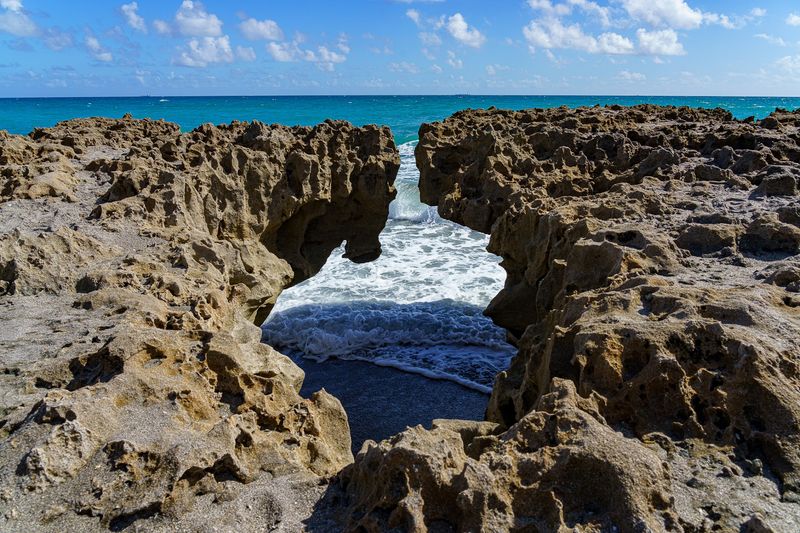
Fun fact to drop at your next family dinner: Blowing Rocks has the largest exposed stretch of Anastasia limestone on the entire Atlantic Coast. Yes, the whole thing. From Maine down to the Keys, nothing else quite matches it.
Anastasia limestone is a natural mix of broken shells, sand, and tiny sea creatures that got cemented together over a very long time. If you look closely, you can spot bits of shell pressed right into the rock. It feels a bit like reading a history book written by the ocean.
The formations here are not little pebbles, either. Some sections rise like small cliffs, and one visitor compared them to a mini version of California’s Big Sur. That comparison might be a stretch, but for Florida, it is seriously impressive.
The rocks create a landscape that looks nothing like the typical palm-and-white-sand postcard. Deep ridges, caves, and pockets are carved all along the shore. At low tide, you can even peek under some of the overhangs and see how the sea has hollowed them out.
Several visitors were also surprised by the sand. Instead of bright white, parts of the beach have a darker, grayish color. It pairs with the rugged stone to create a moody, dramatic look that photographers love.
Walking here takes a little care. Limestone can be sharp, slippery, and uneven, so wear water shoes or sturdy sandals instead of flip-flops. Watch younger kids closely, because the rocks invite climbing and a fall on stone hurts more than a fall in sand.
Remember that you are in a protected preserve. Climbing on the formations can wear them down, and the rock does not grow back on any schedule you will see. Enjoy them with your eyes and camera, keep your feet on the sand where you can, and leave every piece of stone right where you found it.
Timing the Tide Like a Local
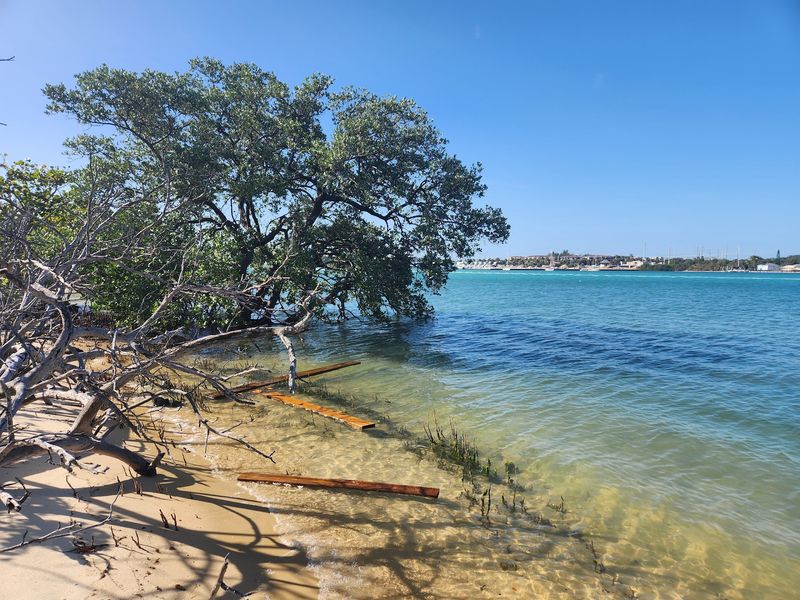
Ask anyone who has seen the full show, and they will tell you the same secret. It is all about the tide. Show up at the wrong hour and you get a lovely beach walk, but show up at the right one and you get fireworks made of water.
High tide is your best friend. When the water level rises, waves reach deeper into the limestone holes and have more power to launch spray upward. At low tide, the ocean simply cannot reach those spots.
Wind matters too. Strong winds blowing from the east push bigger waves onto the shore, and bigger waves mean taller plumes. Stormy weeks, cold fronts, and the rough seas of winter are often prime time.
Here is the catch. The preserve is open from 9 AM to 4:30 PM every day, so you need high tide to land inside those hours. One reviewer missed the action because the tide was just starting to rise as closing time arrived.
Before you go, look up a tide chart for Jupiter Inlet or Hobe Sound. Aim to arrive about an hour before high tide so you can find parking, walk the path, and settle in before the peak. Then check a marine forecast for wave height and wind direction.
If the forecast shows calm seas and tiny waves, adjust your expectations. You can still have a great day, but the rocks may stay quiet. Many visitors say they plan to return on a rougher day, and honestly, that is a great excuse for a second trip.
Low tide has its own perks, so do not write it off. With the water pulled back, you can explore the base of the rocks, look into shallow pools, and see the carved caves up close. Some people like to visit twice in one day, once for each mood of the ocean. Just keep safety first, since rough surf can surprise you, and there is no lifeguard on duty.
Mangroves and Shady Trails on the Lagoon Side
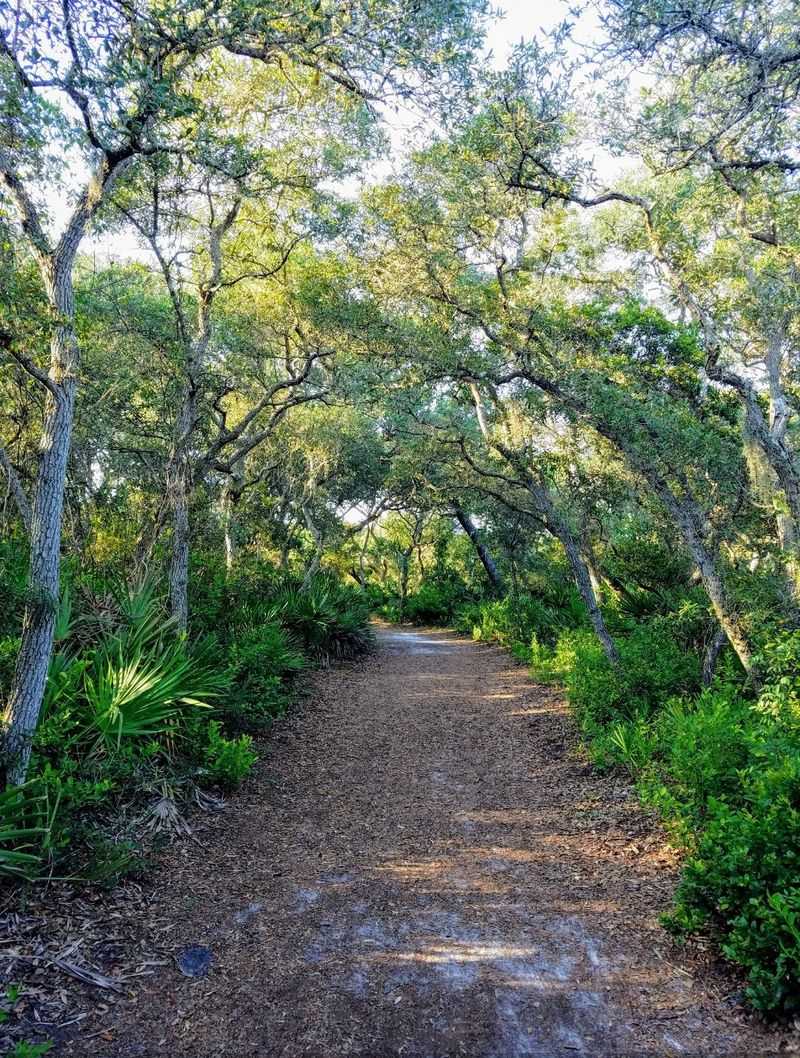
Cross the road from the beach and the whole mood changes. The crashing waves fade, the breeze softens, and suddenly you are surrounded by twisting mangroves and quiet water. It feels like stepping into a secret garden.
The preserve stretches from the Atlantic Ocean all the way to the Indian River Lagoon. That means you get two very different worlds in one visit. The lagoon side is calm, green, and full of little surprises.
Mangroves are the stars here. Their roots arch out of the water like wooden legs, giving young fish, crabs, and birds a safe place to hide. Scientists call them nurseries of the sea, because so much ocean life gets its start among those tangled roots.
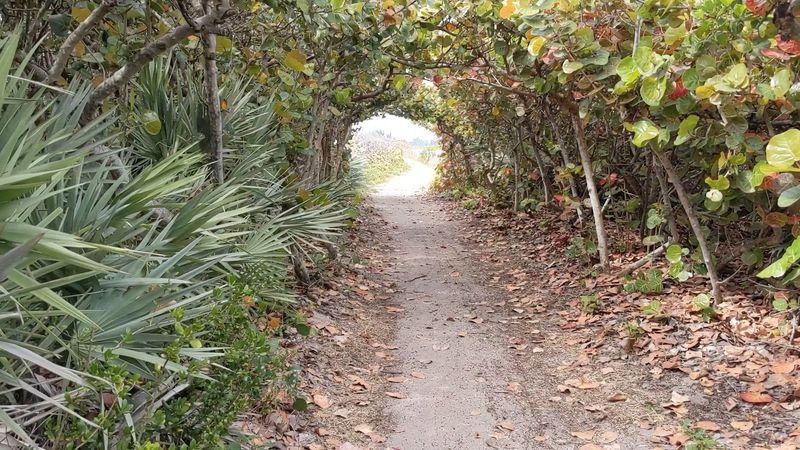
Trails loop through the area, including a short path visitors call the Maggie Trail. The loops are easy, flat, and simple to follow whichever direction you choose. You can stroll the whole thing without feeling rushed or tired.
Keep your eyes open for wading birds, lizards darting across the path, and fish rippling the lagoon surface. There are spots with benches and small views of the water that make perfect rest stops. Several visitors said this side gave them the best photo ops of the day.
A friendly warning for tall folks: spiders love these trails. Big webs stretch between branches, so wave a hand in front of your face or let a shorter friend lead. The spiders are harmless to people, just very dedicated builders.
Bring bug spray, especially in warmer months, because mosquitoes enjoy the shade as much as you will. Water bottles are a good idea too. Florida humidity sneaks up quickly, even under the trees.
If the ocean is calm and the rocks are not blowing, the lagoon trails can save the day. They offer a slower, gentler side of the preserve that many beach-only visitors miss completely, and they remind you how much wild Florida still exists on this narrow island.
Shells, Snorkeling, and Clear Blue Water
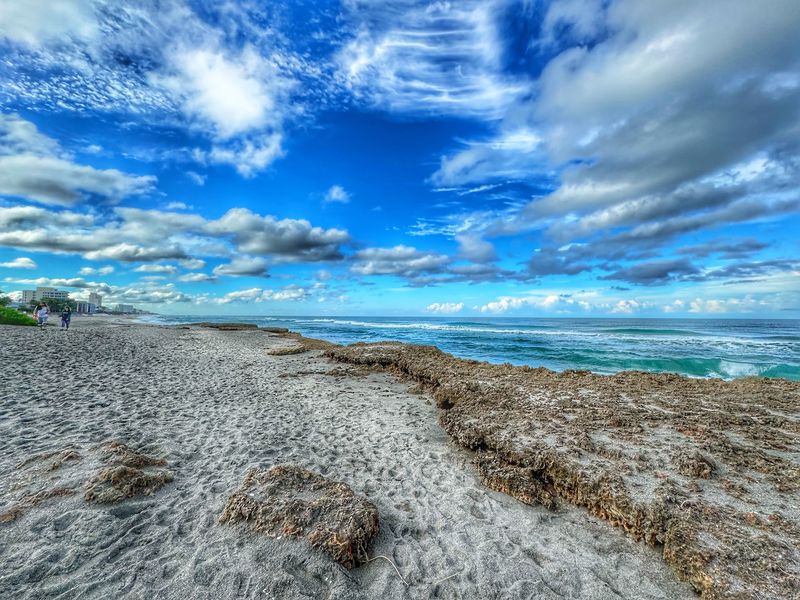
One family spent two hours face-down in the water here and came up talking about fish, a lobster, and all kinds of sea creatures. That is not what most people expect from a place famous for rocks. Yet the water at Blowing Rocks can be surprisingly clear and blue.
On calm days, the limestone ledges act like a natural reef. Fish gather around the rocks for food and shelter, which makes snorkeling a real treat. Bring your own mask and fins, since there are no rental stands on site.
Shell hunters, get ready. Visitors regularly mention finding pretty shells along the shoreline, and the rocks help trap them as the waves roll in. Early morning, right after high tide, is often the best time to search.
Look for small cockles, colorful coquinas, and bits of shell polished smooth by the surf. You might also spot interesting driftwood, including a well-known weathered tree that shows up in plenty of photos. Take pictures, but remember this is a preserve, so check posted rules before pocketing anything.
Swimming here comes with some serious common sense. There is no lifeguard on duty, and conditions change fast. Rocks under the surface can scrape skin, and currents can be strong when the surf picks up.
A good rule is simple. Only swim or snorkel when the ocean is calm, stay close to shore, and never go alone. If waves are big enough to make the rocks blow, they are big enough to knock you around, so enjoy that day from the sand instead.
After your swim, there is a small shaded rinse-off area tucked near the mangroves. It is handy for washing salt and sand off before hopping back in the car. Pack a towel, reef-safe sunscreen, and a snack. Seaweed sometimes piles up on the beach, so water shoes help, and they also protect your feet from sharp stone.
The Education Center and Butterfly Garden
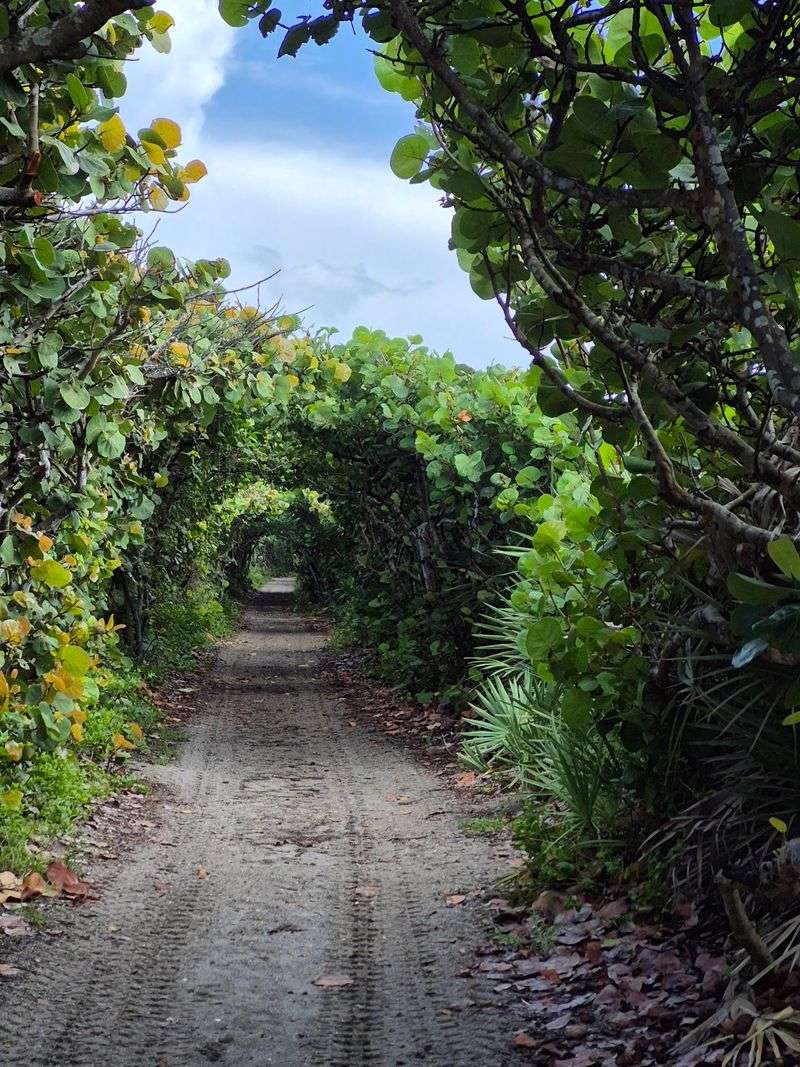
Plenty of visitors breeze past the education center on their way to the waves. That is a mistake worth avoiding. A few minutes inside can make the rest of your trip feel a lot more interesting.
Blowing Rocks is protected by The Nature Conservancy, a group that works to save important natural places. The center explains why this stretch of coast matters, how the limestone formed, and which plants and animals depend on it. Think of it as a cheat sheet for everything you are about to see.
Exhibits cover topics like sea turtles, dunes, and the difference between native and invasive plants. Years ago, much of this land was overrun by non-native plants. Volunteers and staff worked hard to replace them with native species, and the results are all around you.
Right outside, there is a butterfly garden filled with plants that local butterflies love. One visitor admitted she did not spot a single butterfly because they were probably on break. Still, the garden is peaceful and a nice lesson in how small plantings can help wildlife.
Restrooms are located near the office area across the road from the beach. They are open during preserve hours, so plan your bathroom stops around that schedule. The staff can also answer questions about tides, trails, and what is happening that day.
Interested in giving back? The preserve offers volunteer opportunities, and helpers do a lot of the work that keeps it looking so clean. Some visitors were thrilled to find buckets available for beach cleanup, a simple way to leave the place better than you found it.
For families, the center is a perfect way to turn a beach day into a mini science lesson without anyone noticing. Kids can connect the rocks they climb near with the stories they just read. Teachers and homeschool parents especially love that combo, and it only takes a short stop to make the visit richer.
Parking, Hours, and Smart Visit Tips
Here is the tip every regular will shout at you: get there early. Parking at Blowing Rocks is limited, and the small lots fill up fast. One visitor arrived at about 10:20 in the morning and grabbed the very last space.
You also cannot park along the side of the road. Signs make that clear, and enforcement is real. If the lots are full, you may have to circle back later or try another day.
The preserve sits at 574 S Beach Rd in Hobe Sound, on Jupiter Island. It is open daily from 9 AM to 4:30 PM. Weekdays tend to be quieter, and some visitors said it felt like they had the beach to themselves.
Entry has been free for many visitors, though a small donation is often requested. People have mentioned around two dollars per person, and almost everyone says it is worth more. Your money helps care for the trails, the center, and the fragile shoreline.
A few rules to know before you pack. Pets are not allowed, so leave your pup at home. The preserve is also not fully accessible for wheelchairs, since sandy paths and rocky areas can be tough to navigate.
What should you bring? Water, sunscreen, bug spray, sturdy shoes, a towel, and a camera with a protective case. Pack your own snacks, because there is no food stand, and your stomach will thank you later.
Plan for at least an hour, but two or three lets you enjoy both the ocean and the lagoon sides. Check the tide and surf forecast the night before so you can decide which part to hit first. If you have questions, call the preserve at 561-744-6668.
With a 4.7-star rating from thousands of reviews, this spot clearly wins hearts. Respect the rules, keep the beach clean, and you might just catch the ocean putting on its wildest show in all of Florida.