People Pay $100 for a Florida Day Out When These 11 Adventures Cost Under $20
Florida vacations can drain your wallet faster than sunscreen in July. Theme parks and tourist traps charge premium prices for experiences that last just a few hours, leaving families wondering if they got their money’s worth. But scattered across the Sunshine State are hidden gems and natural wonders that deliver unforgettable memories without the hefty price tag, proving that the best adventures often cost less than a fancy brunch.
1. Silver Springs Glass-Bottom Boat Tour
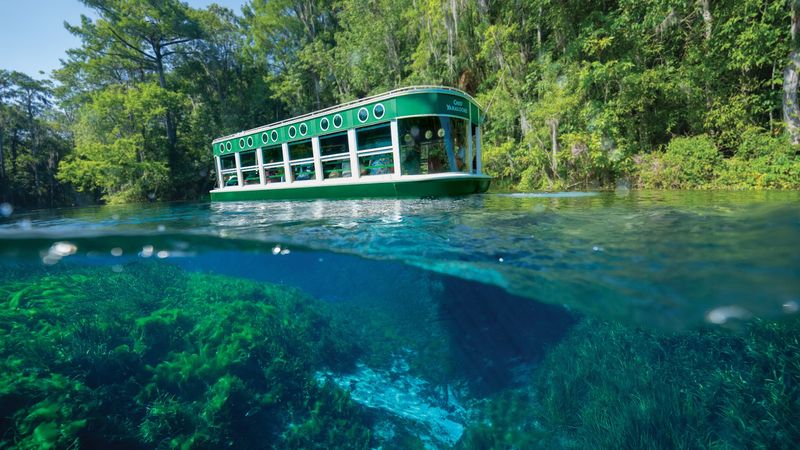
Gliding across water so clear you can count fish scales from a boat deck sounds expensive, but Silver Springs delivers this magic for just $17. The glass-bottom boats have been cruising these waters since the 1870s, making this one of Florida’s oldest tourist attractions that somehow never got overpriced. Through the viewing panels in the boat floor, you’ll spot bass, turtles, and even the occasional alligator navigating through underwater forests of eelgrass.
The springs pump out 550 million gallons of water daily, creating visibility that reaches up to 80 feet on good days. Your guide points out limestone formations and explains how the springs became a Hollywood filming location for movies like Creature from the Black Lagoon. The 30-minute tour covers about a mile of the spring run, and the temperature stays a comfortable 72 degrees year-round.
Bring a camera with a polarizing filter to cut through surface glare and capture the underwater world. Morning tours offer the best visibility before afternoon winds ripple the surface. The park itself charges a separate entry fee, but once inside, you can combine the boat tour with hiking trails and wildlife viewing.
Most visitors spend three to four hours exploring the entire park, making it a full morning of entertainment for less than the cost of a single theme park churro.
2. Wakulla Springs River Boat Tour
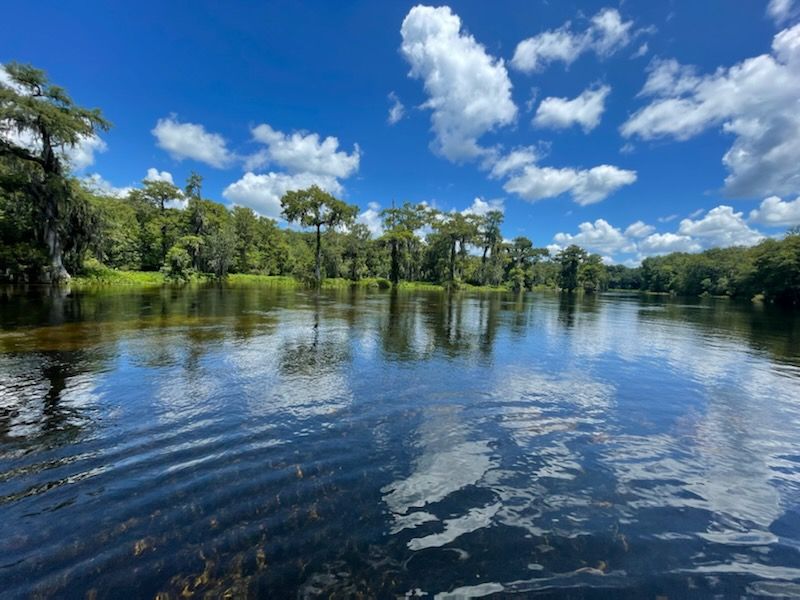
At just $8 per person plus park entry, Wakulla Springs offers one of the deepest freshwater springs in the world and a boat tour that feels like stepping into a nature documentary. The spring basin plunges 185 feet down, and on calm days, you can see all the way to the bottom where mastodon bones were discovered by archaeologists. The 45-minute guided tour winds through a cypress-lined river where alligators sunbathe on logs and anhinga birds dive for fish.
Your boat captain doubles as a naturalist, identifying birds by their calls and spotting wildlife most visitors would miss. Herons, egrets, and limpkins are practically guaranteed sightings, while manatees occasionally drift through during cooler months. The spring itself pumps 250 million gallons daily, keeping the water at a constant 70 degrees regardless of season.
The historic Wakulla Springs Lodge sits at the park entrance, and its Mediterranean Revival architecture makes for excellent photos even if you’re not staying overnight. Tarzan movies were filmed here in the 1930s, and guides love sharing Hollywood stories between wildlife sightings. Pack binoculars and wear neutral colors to avoid spooking animals.
The tour runs rain or shine, and afternoon trips often see more active wildlife as temperatures cool. Combined with swimming in the designated spring area, this park delivers a full day under $20 per person.
3. Florida Caverns Guided Cave Tour
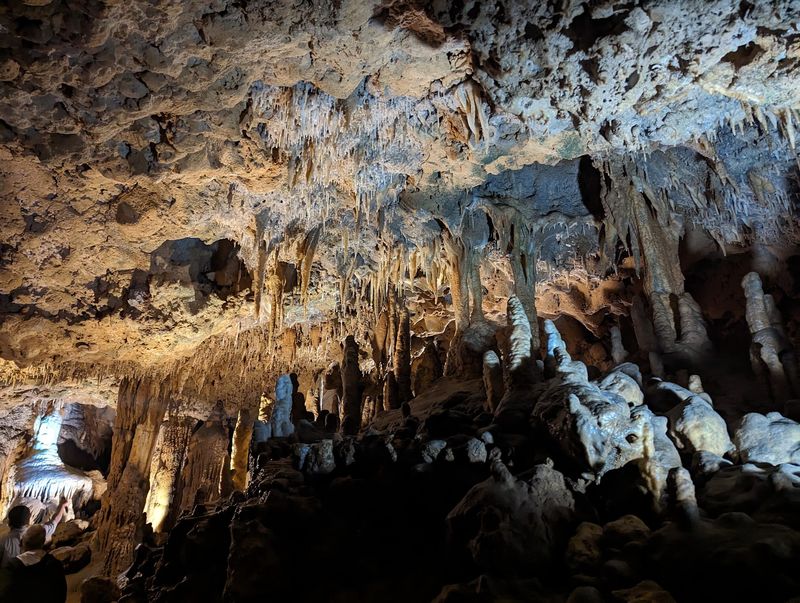
Most people don’t realize Florida has caves, let alone caves you can tour for $16. Florida Caverns near Marianna breaks the stereotype of Florida being flat and featureless, taking visitors 65 feet underground into a world of stalactites, stalagmites, and flowstone formations. The 45-minute ranger-led tour covers about half a mile of paved pathways through chambers with names like the Cathedral Room and the Wedding Room, where couples actually get married surrounded by limestone formations millions of years in the making.
Rangers explain how acidic groundwater carved these caverns from limestone bedrock over countless centuries. The temperature stays at 64 degrees year-round, making it a refreshing escape from summer heat or a cool adventure in winter. Formations include delicate soda straws hanging from ceilings and massive columns where stalactites and stalagmites met after thousands of years of growth.
Wear closed-toe shoes with good grip since cave floors can be slippery, and bring a light jacket even in summer. Photography is allowed, but flash can be tricky in the dim lighting. The park above ground offers hiking trails, a natural swimming hole, and picnic areas, extending your visit well beyond the cave tour.
Tours run hourly during peak season and require climbing stairs, so they’re not suitable for everyone. This geological wonder costs less than most museum admissions and delivers an experience you can’t replicate anywhere else in the state.
4. Ponce Inlet Lighthouse Climb
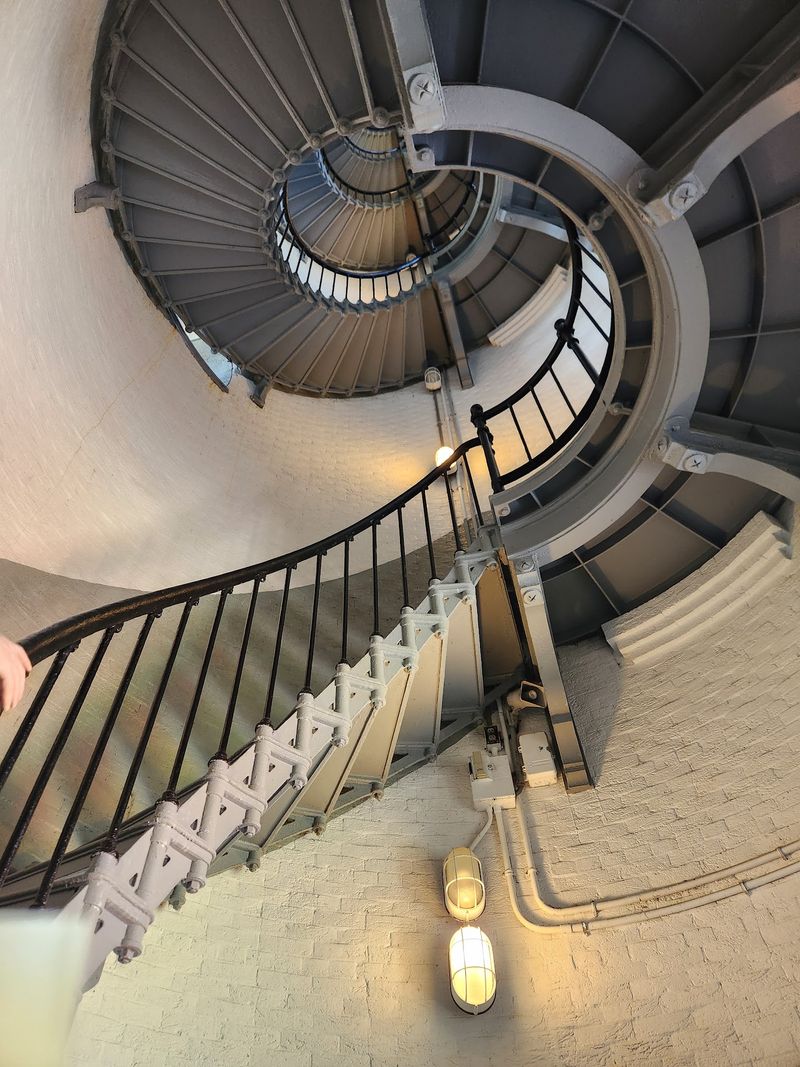
Climbing 203 steps inside Florida’s tallest lighthouse costs just $6.95 and rewards you with views stretching from Daytona Beach to Cape Canaveral on clear days. Built in 1887, Ponce Inlet Lighthouse still operates as a navigational aid, and its red brick tower stands 175 feet tall. The spiral staircase winds through ten levels, with small landings where you can catch your breath and read historical placards about shipwrecks and lighthouse keepers.
At the top, a narrow walkway circles the Fresnel lens, and the Atlantic Ocean spreads out in every direction. On windy days, you can feel the tower sway slightly, a reminder that you’re standing inside a structure that has weathered over a century of hurricanes. The lighthouse grounds include restored keeper’s cottages turned into museums, displaying everything from Victorian-era furnishings to maritime artifacts recovered from offshore wrecks.
The lens room houses a first-order Fresnel lens weighing several tons, with prisms that magnify the light beam visible 20 miles out to sea. Kids love counting the steps and earning their climber certificate at the gift shop. The climb takes about 15 minutes up and 10 minutes down, but most visitors spend two hours exploring the entire site.
Sunset climbs are available during summer months for an additional fee, but the daytime admission gives you the same spectacular views. Parking is free, and the nearby inlet offers fishing and beach access, making this a perfect half-day adventure that costs less than movie tickets.
5. National Naval Aviation Museum

Walking through the National Naval Aviation Museum costs absolutely nothing, yet it houses over 150 restored aircraft spanning a century of naval aviation history. Located on Naval Air Station Pensacola, this 350,000-square-foot museum ranks among the world’s largest aviation museums and features everything from biplanes to space capsules. The Blue Angels’ practice field sits right next door, and if you time your visit right, you’ll catch their training sessions for free between March and November.
Four massive hangars display aircraft arranged by era and conflict, from World War I Jennys to modern F/A-18 Super Hornets. You can climb into cockpits of certain aircraft, touch a moon rock brought back by Navy astronauts, and watch restoration specialists working on vintage planes through glass-walled workshops. The museum also houses a flight simulator attraction and an IMAX theater, both requiring separate tickets, but the main galleries and outdoor displays remain completely free.
Plan at least three hours to see the highlights, or make it a full day if you’re an aviation enthusiast. The museum opens at 9 a.m., and arriving early means smaller crowds and better photo opportunities. Bring ID for base access, and allow extra time for security screening at the gate.
A cafe serves lunch, or you can pack a picnic for the outdoor seating areas. The gift shop sells everything from model aircraft to flight suits. This free attraction delivers more educational value and entertainment than most paid museums, proving that sometimes the best things really don’t cost anything.
6. Fort Clinch State Park And Historic Fort
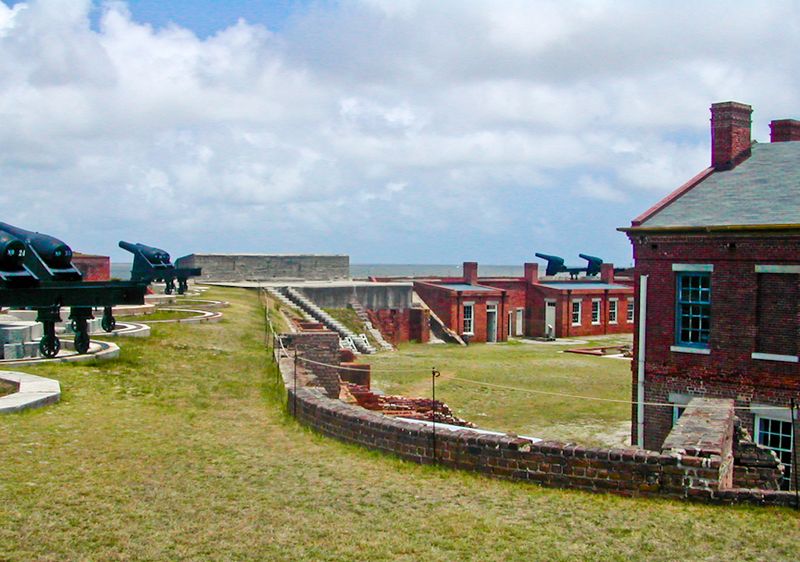
For $6 per vehicle plus $2 fort admission, Fort Clinch delivers a surprisingly complete Civil War experience on Florida’s northeastern coast. The brick fortification was built between 1847 and 1867 but never saw combat, leaving it remarkably intact compared to battle-scarred forts elsewhere. Rangers in period uniforms portray Union soldiers stationed there in 1864, demonstrating cannon drills and explaining daily life in a frontier military outpost.
The fort’s design follows a classic pentagonal bastion pattern, with tunnels, barracks, and gun emplacements you can explore at your own pace. Climb to the ramparts for views across Cumberland Sound to Georgia’s coastline. The fort sits within a 1,400-acre state park offering beaches, fishing piers, and nature trails through coastal hammock forests.
Amelia Island’s north end feels remote despite being minutes from historic Fernandina Beach downtown.
Living history demonstrations happen on the first full weekend of each month, when additional reenactors set up camp and fire cannons. Even without special events, the self-guided tour through furnished rooms and dimly lit corridors creates an atmospheric journey into the past. The beach access alone justifies the modest entry fee, with wide sandy shores and excellent shelling after storms.
Fishing from the park pier requires no extra charge beyond your state license.
Pack a lunch and make it a full day combining fort exploration with beach time and hiking. The park rarely feels crowded except on holiday weekends. This combination of history, nature, and recreation for under $10 beats any manufactured tourist attraction.
7. Devil’s Millhopper Sinkhole Hike
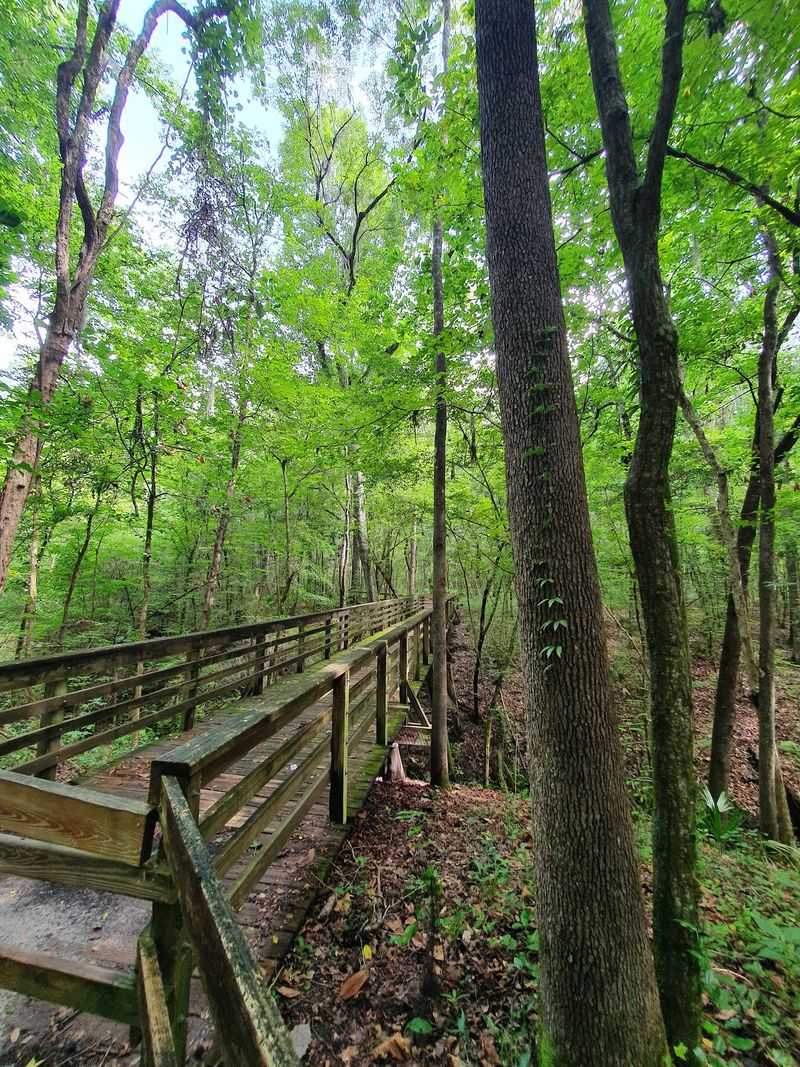
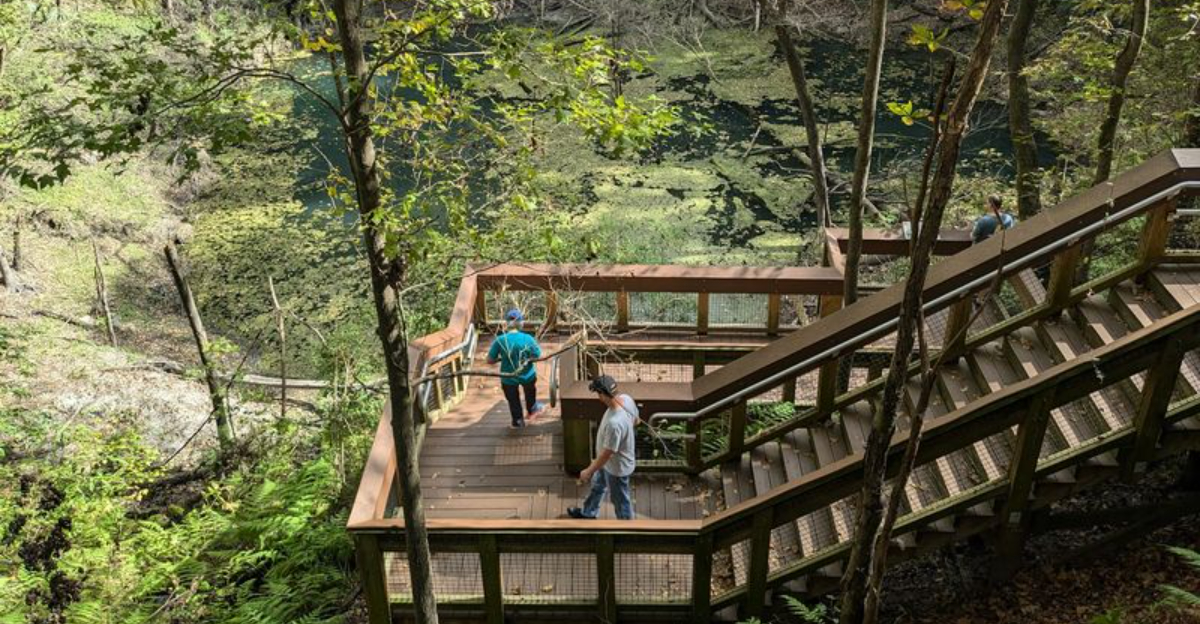
A 120-foot-deep sinkhole in the middle of Gainesville sounds ominous, but Devil’s Millhopper is actually a lush miniature rainforest you can explore for just $4 per vehicle. The geological depression formed when the limestone roof of an underground cave collapsed thousands of years ago, creating a bowl-shaped depression 500 feet across. A 232-step wooden staircase spirals down the side, descending through distinct climate zones as temperatures drop and humidity rises.
Twelve small waterfalls trickle down the sinkhole walls, fed by streams that disappear into cracks and emerge inside the pit. The name comes from early settlers who thought the funnel shape resembled a grain hopper, and the bones of extinct animals found at the bottom suggested something devilish. Today, ferns, wildflowers, and hardwood trees thrive in the perpetually moist environment at the bottom, while drier scrub vegetation grows along the rim.
The descent takes about 15 minutes, and the climb back up provides a decent workout without being grueling. Interpretive signs along the stairs explain the geology and ecology of sinkholes. A short nature trail circles the rim, offering different perspectives into the pit.
The site includes a small visitor center with exhibits about Florida’s karst topography and the fossilized remains discovered here.
Visit after recent rains when the waterfalls flow strongest, but avoid going during downpours since the stairs get slippery. The canopy provides natural shade, making this a comfortable outing even on hot days. Most visitors spend 45 minutes to an hour exploring both the sinkhole and rim trail, making it an easy addition to any Gainesville itinerary.
8. De Leon Springs Swimming Area And Trails
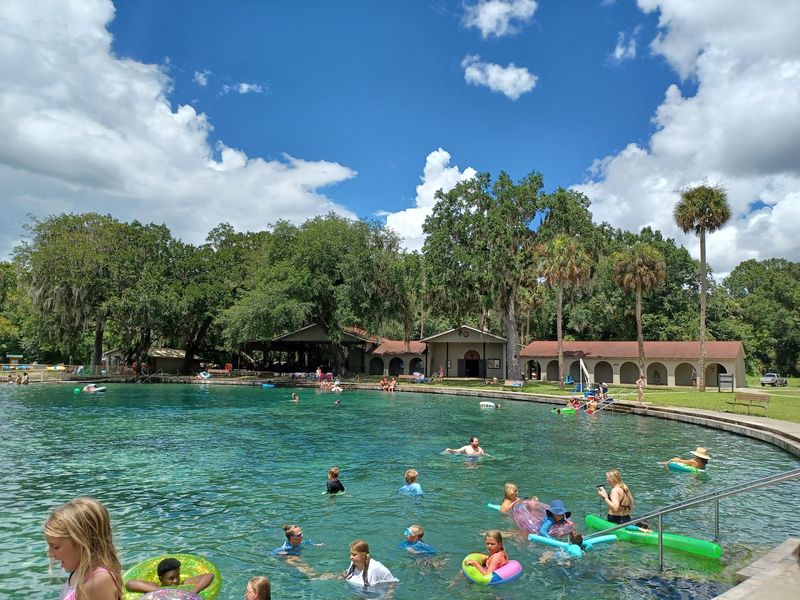
Swimming in a 72-degree natural spring year-round costs just $6 per vehicle at De Leon Springs, and the park throws in hiking trails and a unique restaurant where you cook your own pancakes at your table. The spring basin produces 19 million gallons of crystal-clear water daily, maintaining a constant temperature that feels refreshing in summer and surprisingly warm during winter months. The designated swimming area includes a roped-off section of the spring run, with a sandy bottom that gradually deepens.
Snorkeling reveals a underwater world of fish, turtles, and aquatic plants swaying in the gentle current. The spring run flows into Lake Woodruff, and you can rent kayaks or canoes to paddle downstream through cypress swamps and marshes. Five miles of trails wind through the park, ranging from easy boardwalks to longer loops through pine flatwoods and hammock forests.
The Old Spanish Sugar Mill restaurant operates inside the park and serves breakfast and lunch with a twist. Each table has a built-in griddle where you pour your own pancake batter and flip your own flapjacks. The novelty appeals to kids, and the all-you-can-make pancakes are reasonably priced.
Arrive early on weekends since the restaurant doesn’t take reservations and lines form quickly.
The park gets busy during summer and on warm winter weekends, but the spring area is large enough to accommodate crowds without feeling packed. Changing facilities and outdoor showers are available. Many families make this a regular destination, packing picnic lunches and spending entire days swimming, hiking, and paddling.
The combination of activities and amenities makes the $6 entry fee almost comically cheap.
9. Blue Spring State Park
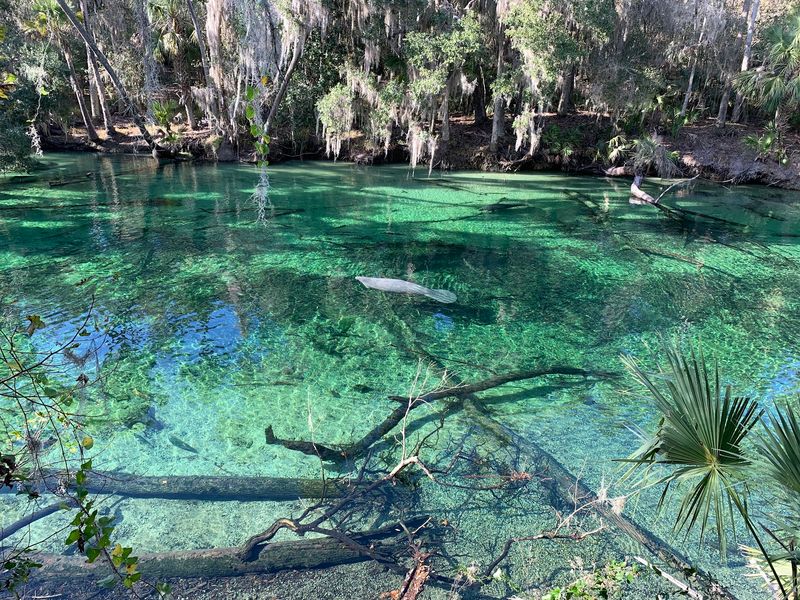
Between November and March, Blue Spring becomes Florida’s most reliable place to see manatees, and viewing these gentle giants costs only $6 per vehicle. The spring maintains a 72-degree temperature year-round, and when river temperatures drop, manatees swim up from the St. Johns River seeking warmth. On cold mornings, hundreds of manatees pack into the spring run, visible from elevated boardwalks that provide perfect viewing angles without disturbing the animals.
Rangers conduct daily counts during manatee season, and the park posts numbers at the entrance. The record stands at over 500 manatees in a single day. Outside manatee season, the spring opens for swimming and snorkeling in water so clear you can see the limestone bottom 30 feet down.
The spring produces 104 million gallons daily, creating a strong current that carries swimmers downstream before they wade back up for another drift.
Hiking trails loop through ancient live oak hammocks draped with Spanish moss, and a boardwalk leads to the historic Thursby House, a restored pioneer home from the 1870s. The park offers canoe rentals for paddling the St. Johns River, and camping facilities range from tent sites to full-hookup RV spots.
Arrive before 10 a.m. during manatee season since the park closes when capacity is reached, usually by late morning on weekends. Bring binoculars for better views from the boardwalks, and dress in layers since mornings can be chilly. The park’s combination of wildlife viewing, swimming, and recreation makes it one of Central Florida’s best bargains.
10. Ravine Gardens Suspension Bridge Hike
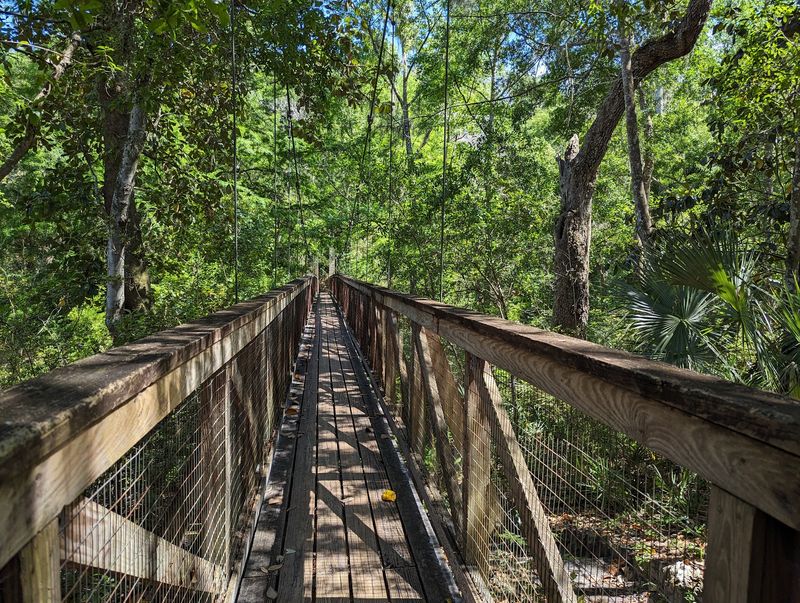
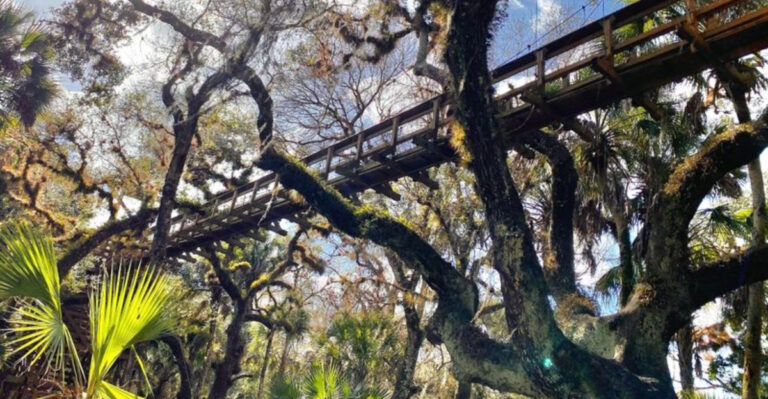
Walking across a 240-foot suspension bridge that sways gently with each step costs just $5 per vehicle at Ravine Gardens State Park in Palatka. The bridge spans a steep-sided ravine carved by natural springs, connecting hiking trails that wind through one of Florida’s most unique state parks. Created during the Great Depression as a public works project, the gardens showcase thousands of azaleas that explode into bloom each February and March, painting the ravine walls in shades of pink, red, and white.
Even outside bloom season, the park offers surprising beauty with its dramatic topography unusual for Florida. The ravines drop 120 feet below the surrounding terrain, creating microclimates where ferns and shade-loving plants thrive. Two miles of paved trails loop through the gardens, crossing the suspension bridge twice and offering multiple overlooks into the ravines below.
The bridge itself became a popular filming location and wedding backdrop, with its wooden planks and cable railings photogenic from every angle. During azalea season, festival weekends bring live music and guided tours, but visiting on regular days means having the trails mostly to yourself. The park’s compact size makes it perfect for a morning or afternoon visit rather than requiring a full day.
Photographers love the dappled light filtering through the canopy, and the bridge provides a unique foreground element for shots. Spring-fed streams trickle through the ravines, and benches placed at scenic spots invite lingering. The small entrance fee supports park maintenance while keeping this hidden gem accessible to everyone.
Most visitors are locals who return regularly, proof that the park delivers repeat value few tourist attractions can match.
11. Ponce de Leon Springs State Park
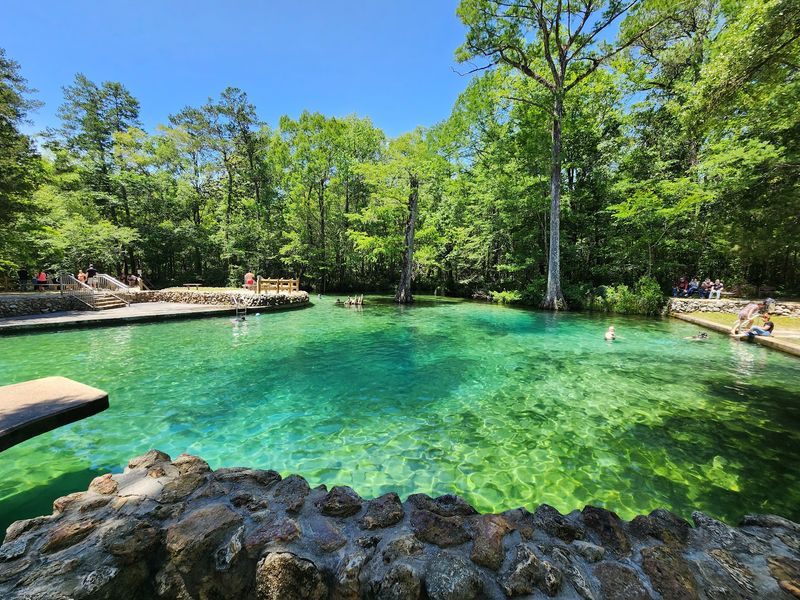
For just $4 per vehicle, Ponce de Leon Springs offers one of the Florida Panhandle’s prettiest swimming holes and a slice of Old Florida that hasn’t been commercialized into oblivion. The spring bubbles up at a rate of 14 million gallons daily, filling a natural pool surrounded by limestone outcroppings and towering trees. The water stays at 68 degrees year-round, feeling bracingly cold on hot summer days and almost tropical during winter months when air temperatures drop.
A concrete retaining wall creates a designated swimming area about 100 feet across, with depths ranging from wading-friendly shallows to a deep section perfect for diving. Underwater, you can see the spring vents releasing water from cracks in the limestone, and fish dart between submerged logs. The park includes picnic pavilions, a playground, and nature trails through longleaf pine forest.
Local families treat this park like their private swimming hole, returning weekend after weekend during summer. The lack of crowds compared to more famous springs makes it feel like a secret, though it’s right off Highway 90. Changing rooms and outdoor showers provide basic amenities without the commercialization of larger parks.
Pack a cooler and make it a picnic day, or visit for a quick afternoon swim between other Panhandle adventures. The spring’s small size means it can feel crowded when more than 30 people show up, but weekday visits often find you sharing the water with just a handful of others. This authentic Florida experience costs less than a fancy coffee drink and delivers memories that last far longer.