The Tarpon Capital of the World Is a Quiet Florida Island Where the Fish Steal the Show
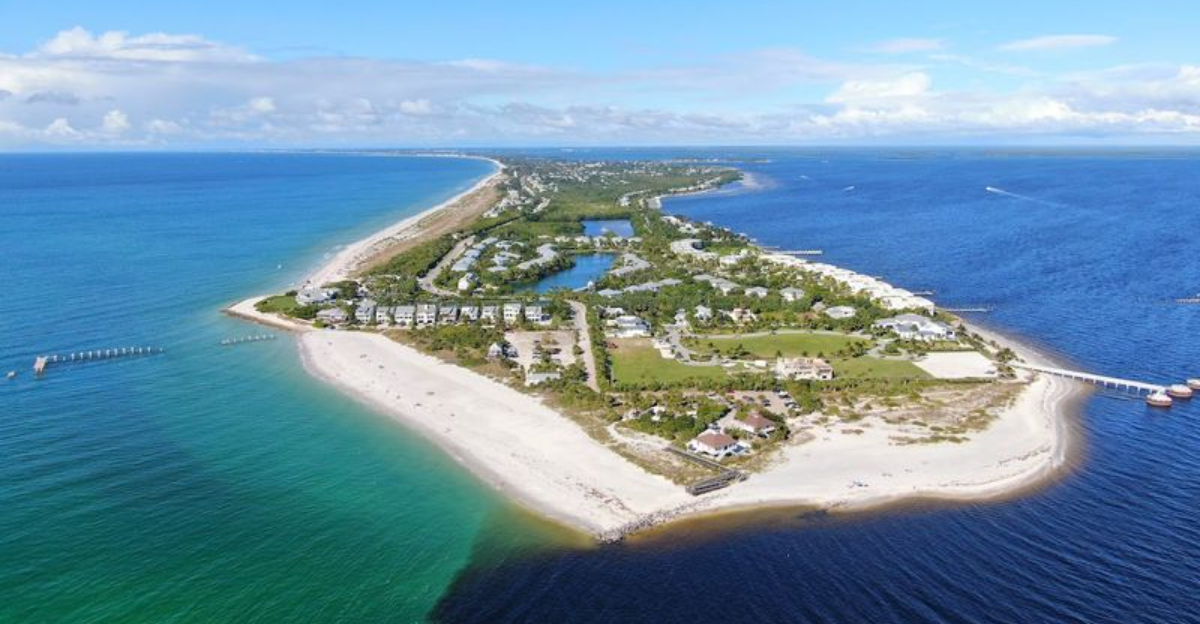
Tucked along the southwest coast of Florida, Boca Grande sits on Gasparilla Island like a well-kept secret that anglers and nature lovers have been quietly sharing for decades. Every spring, something remarkable happens here — massive silver tarpon roll through Boca Grande Pass in numbers that make this tiny village the undisputed tarpon fishing capital of the world.
Beyond the fishing, the island moves at its own unhurried pace, with charming streets, old Florida architecture, and a laid-back vibe that feels nothing like the crowded resort towns nearby. If you have never heard of Boca Grande, consider this your invitation to pay attention.
Boca Grande Pass: Where Tarpon Dreams Come True
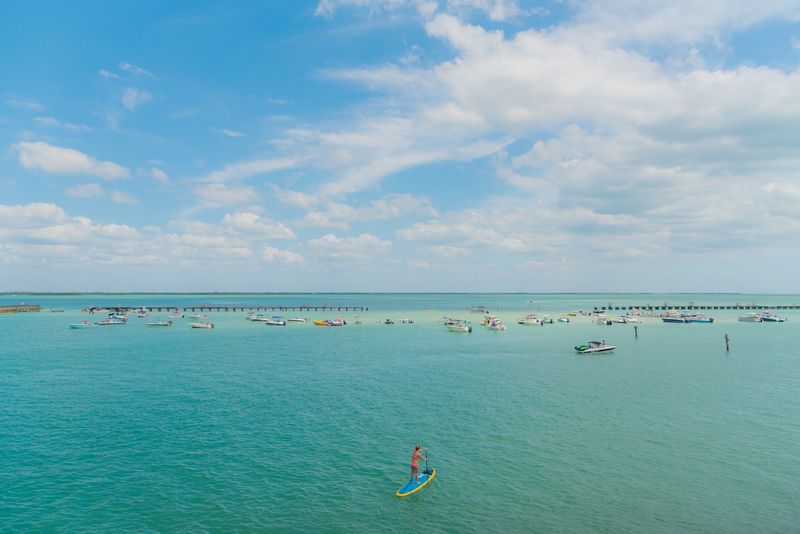
Every May, something almost cinematic unfolds just off the southern tip of Gasparilla Island. Dozens of fishing boats gather at Boca Grande Pass, a deep channel carved between the Gulf of Mexico and Charlotte Harbor, waiting for the silver kings to show up.
And show up they do — in staggering numbers.
Tarpon, which can weigh well over 100 pounds and leap six feet out of the water when hooked, have been making this same migration for thousands of years. The deep waters of Boca Grande Pass — reportedly dropping to around 70 feet in places — create the perfect environment for these massive fish to congregate.
Baitfish get funneled through the pass, and tarpon follow close behind.
Locals call it the “World’s Richest Tarpon Tournament” territory for a reason. The pass draws not just weekend anglers but serious sport fishers from across the country who plan their entire season around this window.
Watching a 150-pound tarpon explode out of the water while someone holds on for dear life is a sight that stays with you.
Even if fishing is not your thing, standing on the beach near the pass during peak season and watching all the action unfold on the water is genuinely thrilling. Charter captains who have worked these waters for 20 or 30 years will tell you that no two days here are exactly alike.
The pass has a personality all its own — sometimes calm, sometimes churning, always alive.
Booking a guide early is essential because spots fill up fast. Most experienced captains recommend light tackle or fly fishing for the most exciting experience.
Catch-and-release is strongly encouraged here, which helps keep this legendary fishery healthy for future generations.
Gasparilla Island State Park: Old Florida at Its Most Honest
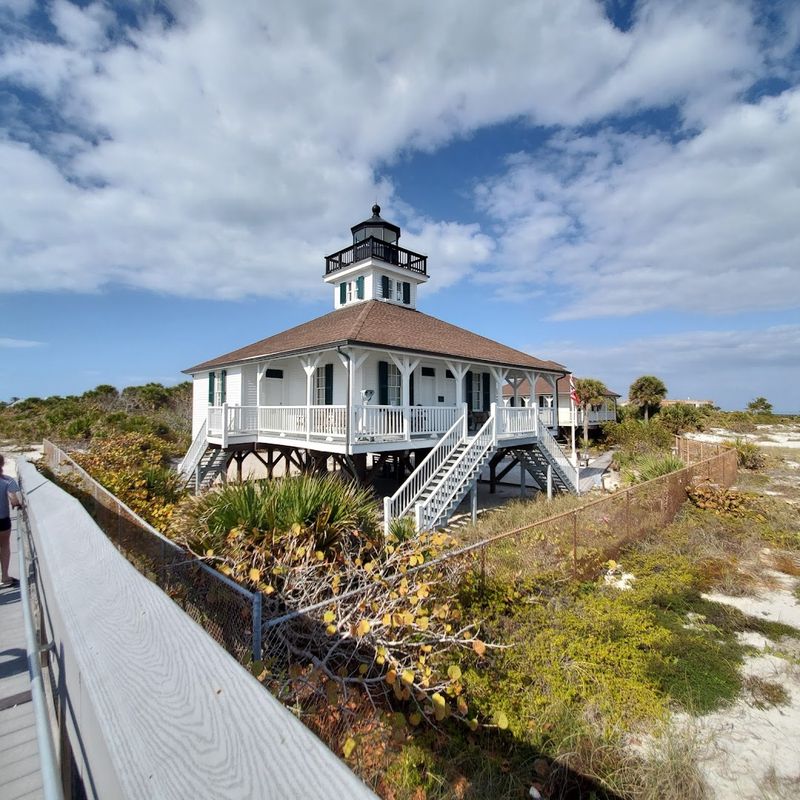
There is a version of Florida that existed before the resorts, the water parks, and the souvenir shops — and Gasparilla Island State Park preserves a slice of it beautifully. Located at the southern end of the island, the park wraps around the historic lighthouse and stretches along a stretch of beach that feels almost untouched.
The Gulf waters here are typically calm and clear, with gentle waves that make it easy to wade in and spot shells along the shoreline. Shelling is genuinely good at this end of the island, particularly after a storm pushes fresh finds onto the beach.
You might find lightning whelks, sand dollars, and the occasional horse conch without having to fight a crowd for them.
The park is also home to the historic Gasparilla Island Lighthouse, which was built in 1890 and later moved to its current location in 1927. Standing near the lighthouse with the Gulf on one side and the pass on the other gives you a real sense of how remote and self-contained this island truly is.
It is the kind of place that makes you put your phone away without even trying.
Wildlife here is abundant. Ospreys nest in the trees near the shoreline, dolphins cruise the pass regularly, and gopher tortoises wander through the scrub like they own the place — which, honestly, they kind of do.
The park has picnic areas, restrooms, and a small ranger station, but it never feels overly developed.
Admission is modest, and the park is open daily. Visiting early in the morning before the heat builds gives you the best light, the calmest water, and the most wildlife activity.
Bring sunscreen and a reusable water bottle because shade is limited.
The Village of Boca Grande: Small-Town Florida With Serious Charm
Park the car — or better yet, rent a bike — because the village of Boca Grande is best explored at a slow pace. The main drag, Park Avenue, is lined with boutique shops, art galleries, and restaurants tucked into historic buildings that look like they belong in a different era entirely.
There are no chain restaurants here. No big box stores.
Just small businesses with actual personality.
The architecture alone is worth a slow stroll. Many of the homes and commercial buildings date back to the early 1900s, when Boca Grande was a hub for the phosphate industry.
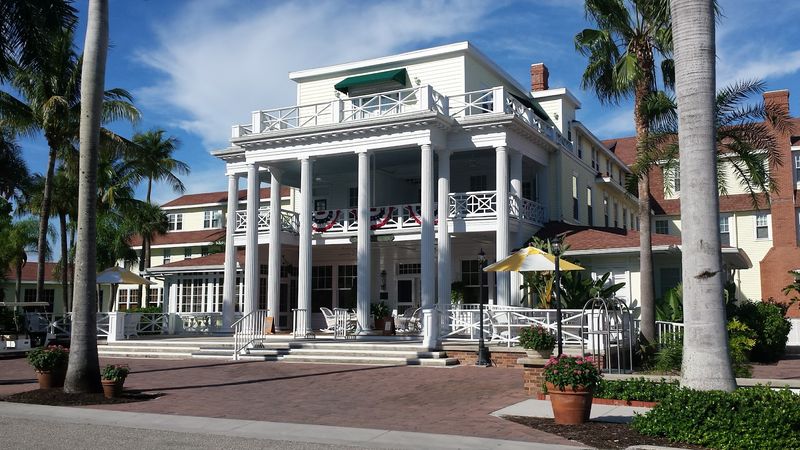
The Gasparilla Inn, which opened in 1913 and still operates today, anchors the town with its grand yellow facade and old-money elegance. It has hosted presidents, celebrities, and generations of families who return every winter like clockwork.
What makes Boca Grande feel genuinely different from other Florida resort towns is the absence of urgency. Nobody seems to be rushing anywhere.
Locals wave at strangers. The pace of life here is deliberate, and after about 20 minutes on the island, you start to adopt it yourself without realizing it.
Shopping here leans toward quality over quantity. You will find handmade jewelry, local artwork, fishing gear from shops that have been around for decades, and clothing boutiques that carry things you actually want to wear.
The dining scene is small but solid — fresh seafood is a given, but there are also spots serving excellent breakfast and casual lunch options that locals swear by.
Boca Grande has a permanent population of only a few hundred year-round residents. In winter and spring, seasonal residents arrive and the island wakes up, but it never feels overwhelmed.
That balance is the whole point.
Tarpon Season: Spring’s Most Spectacular Wildlife Event
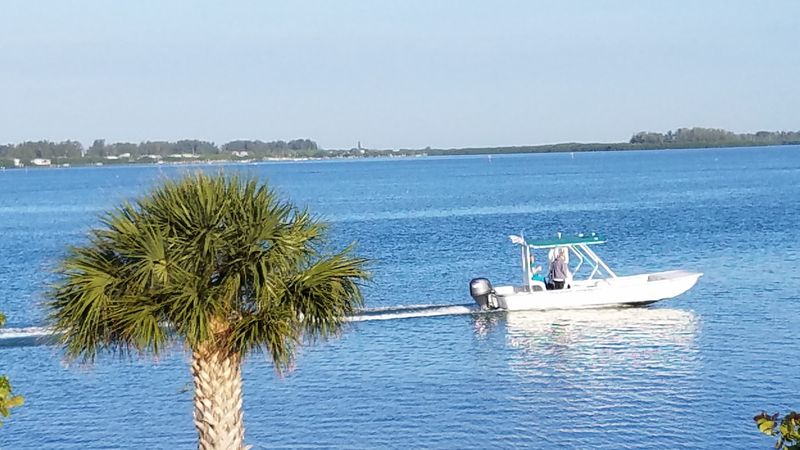
Calling tarpon season in Boca Grande a fishing event almost undersells it. From roughly May through July, these prehistoric-looking fish migrate through Boca Grande Pass in numbers that can genuinely take your breath away.
On a good day, you can see them rolling at the surface — giant silver shapes moving in slow, confident circles just below the waterline.
Tarpon are not easy to catch, and that is a big part of their appeal. They have hard, bony mouths that make hooksets difficult.
They are incredibly powerful, capable of running long distances and jumping repeatedly when hooked. Landing one requires patience, skill, and a fair amount of physical strength.
Many experienced anglers have spent entire seasons chasing tarpon without ever landing one, and they come back the next year anyway.
The fish themselves are ancient in the truest sense. Tarpon have existed largely unchanged for millions of years, and they can live for several decades.
They can breathe air by rolling at the surface, which is one reason they can survive in low-oxygen water. Watching one roll is oddly hypnotic — like seeing a creature from a completely different world surface briefly into yours.
Beyond the sport fishing angle, tarpon season has an ecological significance that is hard to overstate. The congregation of so many large predators in one area draws other wildlife too.
Dolphins are frequently spotted near the pass during peak season, likely drawn by the same abundance of baitfish. Ospreys dive nearby.
The whole ecosystem seems to hum with energy.
Even if you never pick up a rod, being near Boca Grande Pass during tarpon season is an experience worth arranging your schedule around. Nature does not always put on a show this obvious or this grand.
Cycling Gasparilla Island: The Best Way to Feel Like a Local
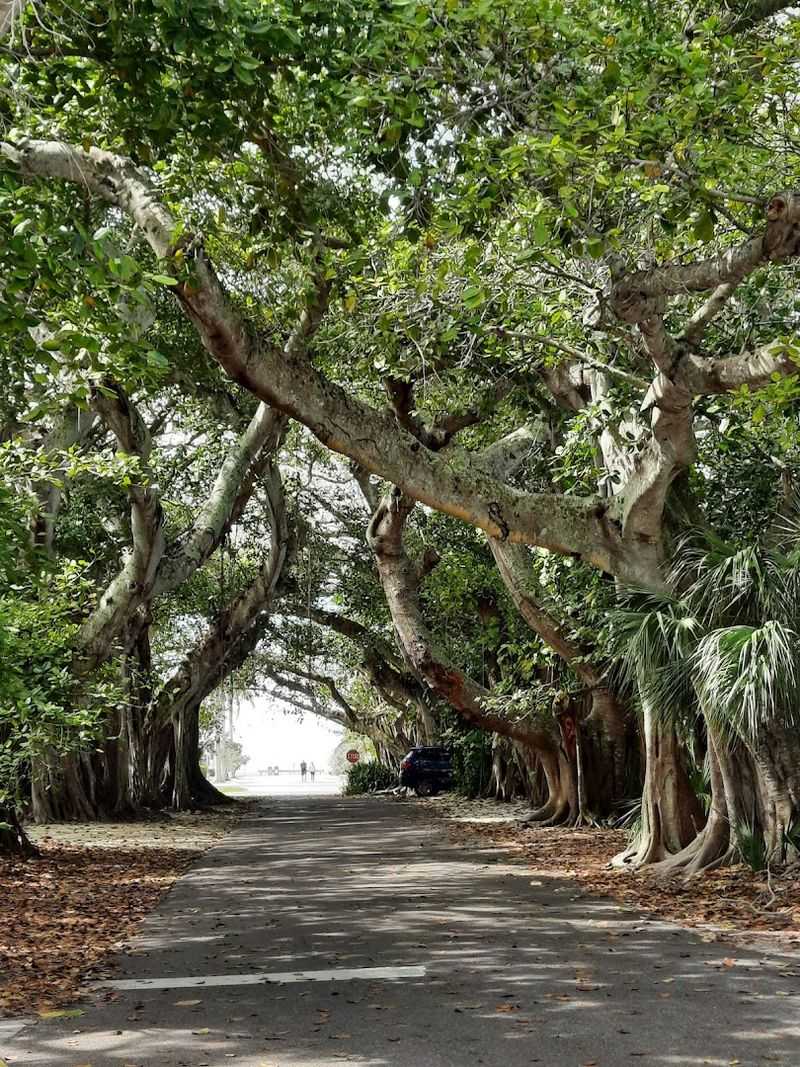
Forget the car. Seriously.
The best way to experience Gasparilla Island is on two wheels, and the island seems almost designed with cyclists in mind. A dedicated bike path runs along the length of the island, winding past historic homes, through shaded canopy roads, and eventually down to the state park at the southern tip.
It is flat, scenic, and completely manageable even for casual riders.
Bike rentals are easy to find near the village, and most shops offer beach cruisers, tandem bikes, and even surreys for families. Rates are reasonable, and staff are usually happy to point you toward the best routes depending on how much time you have.
A full island loop takes a couple of hours at a leisurely pace, with plenty of reasons to stop along the way.
One of the quiet pleasures of cycling here is discovering the residential streets that run parallel to the main path. Grand old homes sit behind mature banyan trees and lush tropical landscaping, giving you glimpses into the island’s long history as a winter retreat for wealthy families.
The architecture shifts from rustic fish camp to elegant colonial, sometimes within the same block.
The bike path also passes close to the water in several spots, where you can pull over and watch boats heading out to the pass or pelicans diving into the shallows. These are the kinds of unplanned moments that end up being the best parts of a trip.
No tour guide required, no schedule to keep.
Going early in the morning is the move if you want cooler temperatures and quieter roads. The island feels particularly magical just after sunrise, when the light comes in low and golden and the birds are still doing most of the talking.
The Gasparilla Inn: A Living Piece of Florida History
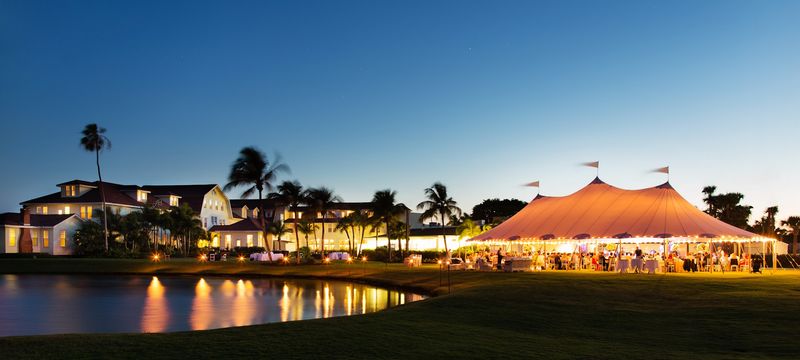
Some hotels are places to sleep. The Gasparilla Inn is a place to step back in time.
Opened in 1913 and still operating under the same careful stewardship, this grand yellow landmark has been the heartbeat of Boca Grande for over a century. Walking through its front doors feels like entering a world where things were built to last and hospitality was taken seriously.
The inn sits on a generous piece of land in the village center, with manicured grounds, a golf course, a beach club, and a dining room that has been feeding guests for generations. The rooms and cottages are elegant without being fussy — think crisp linens, hardwood floors, and ceiling fans instead of aggressive air conditioning.
It is the kind of place that encourages you to slow down and actually enjoy where you are.
Historically, the Gasparilla Inn attracted guests from the upper tiers of American society. DuPonts, Rockefellers, and several U.S. presidents have reportedly stayed here over the decades.
That legacy gives the place an undeniable weight, but it never feels stuffy or exclusionary. The staff are warm and genuinely attentive without hovering.
Even if staying here is not in the budget, it is worth walking the grounds or having a meal in the dining room just to experience the atmosphere. The inn also hosts events throughout the season that are open to the public, including tennis tournaments and social gatherings that give visitors a taste of old-school Florida resort culture.
The inn operates seasonally, typically from late fall through spring, which aligns perfectly with tarpon season and the island’s general peak period. Booking well in advance is not just recommended — it is practically required if you want your preferred dates.
Wildlife Beyond the Tarpon: What Else Lives on This Island
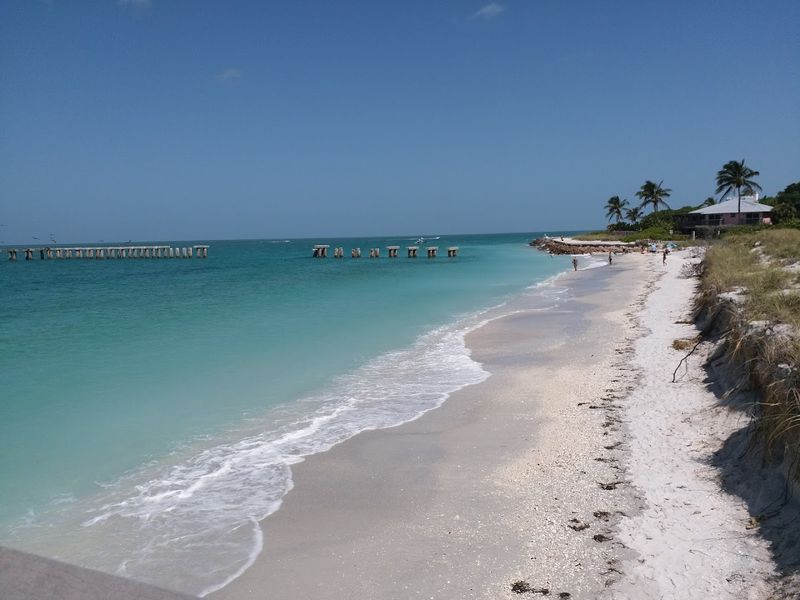
Boca Grande gets all the headlines for tarpon, but the island is genuinely teeming with wildlife that has nothing to do with fishing. Gopher tortoises are everywhere — wandering across lawns, sunning themselves on the bike path, and generally going about their slow-motion business with zero concern for humans nearby.
They are a protected species in Florida, and the island takes that seriously.
Birding here is exceptional year-round, but particularly during migration seasons. Roseate spoonbills, with their improbable pink coloring and spatula-shaped bills, wade through the shallows along the island’s bay side.
Ospreys build massive nests on channel markers and light poles. Bald eagles are spotted regularly.
Great blue herons stand motionless in the water with the patience of a professional card player.
The mangrove systems along the bay side of the island act as nurseries for countless marine species and provide critical habitat for birds seeking shelter and food. Kayaking or paddleboarding through these areas gives you an entirely different perspective on the island — quieter, more intimate, and surprisingly lush.
You might spot a manatee drifting through the calm water, particularly in cooler months when they seek warmer spots near the shoreline.
Dolphins are practically a daily sighting here, especially near the pass and along the beach. They move in small groups and seem completely unbothered by the fishing boats and kayakers sharing their space.
Watching a pod of dolphins work together to herd baitfish near the surface is one of those experiences that reminds you how much is happening in the water beneath your feet at any given moment.
The island’s commitment to preserving natural habitat means future visitors will find the same wildlife-rich environment that makes Boca Grande special today.
Getting to Boca Grande: The Journey Is Part of the Experience
Reaching Boca Grande requires a small amount of intention, and honestly, that is one of the things that keeps it special. The island is accessible via the Boca Grande Causeway, a toll bridge that connects Gasparilla Island to the mainland.
That short drive across the water — with the Gulf on one side and Charlotte Harbor on the other — signals a mental shift that happens almost automatically. You are leaving the mainland world behind.
The nearest major airports are in Fort Myers (RSW) and Sarasota, both roughly an hour’s drive away depending on traffic. There is no shuttle service to the island, so renting a car is practical for getting there, even if you ditch it once you arrive.
Many visitors park near the village center and explore entirely by bike or on foot for the rest of their stay.
There is no bridge drama here — the causeway is straightforward and well-maintained. But the toll serves a quiet purpose: it filters out impulse visitors and keeps the island from becoming a drive-through attraction.
Most people who make it to Boca Grande came specifically for Boca Grande, and that intentionality shows in how they treat the place.
Accommodation options on the island range from the historic Gasparilla Inn to vacation rentals scattered throughout the residential areas. Booking early is critical during tarpon season and the winter months when snowbirds arrive.
Off-season visits in fall can be surprisingly rewarding — the crowds thin out dramatically, prices drop, and the island takes on a quieter, more introspective character that longtime fans actually prefer.
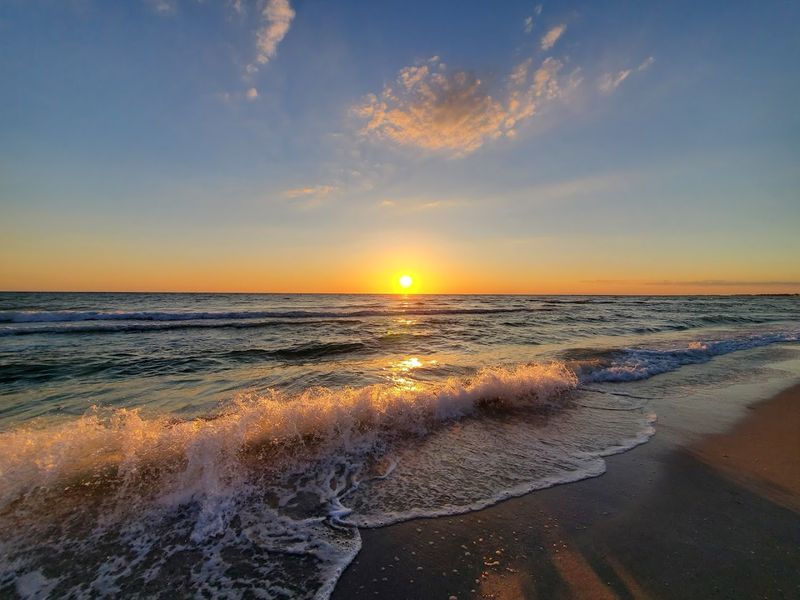
The drive over the causeway at sunset, with the water glowing orange and pink on both sides, is the kind of arrival moment that makes the whole trip feel worth it before you have even parked the car.