These 10 Florida Small Towns Have the Cutest Downtowns and Best Local Flavor
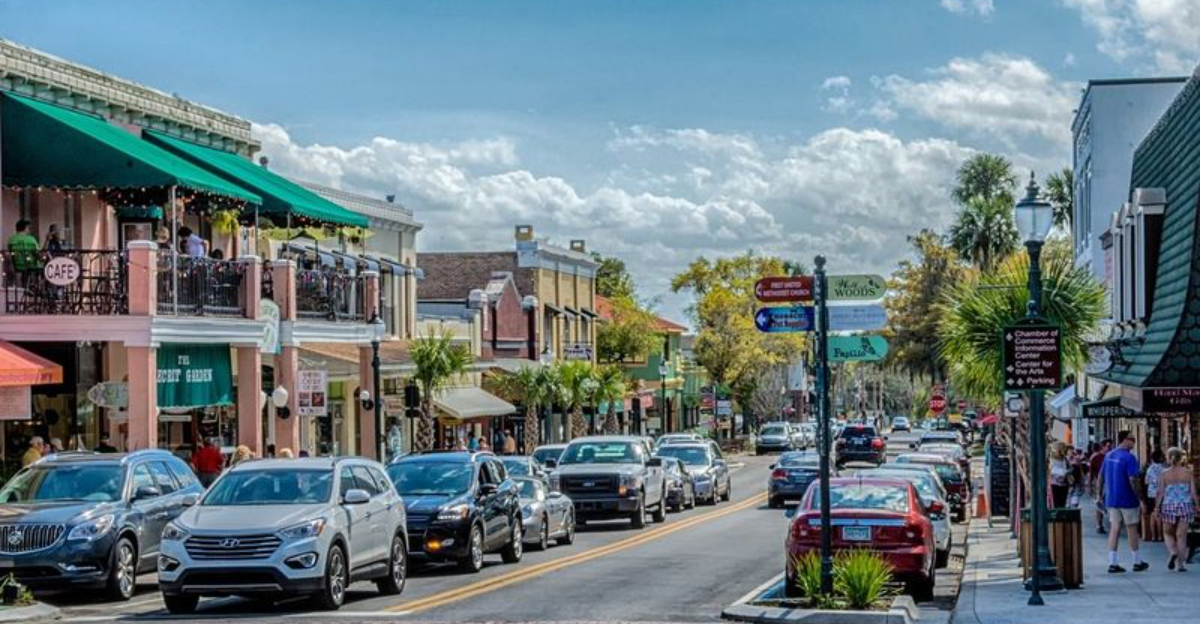
Florida’s small towns pack serious charm without the crowds or chaos. These walkable downtowns deliver independent shops, family-run restaurants, and authentic local culture you won’t find in tourist traps. Whether you’re craving waterfront seafood, browsing antique stores, or just soaking up Old Florida vibes, these ten towns prove that the best experiences happen off the beaten path.
1. Mount Dora
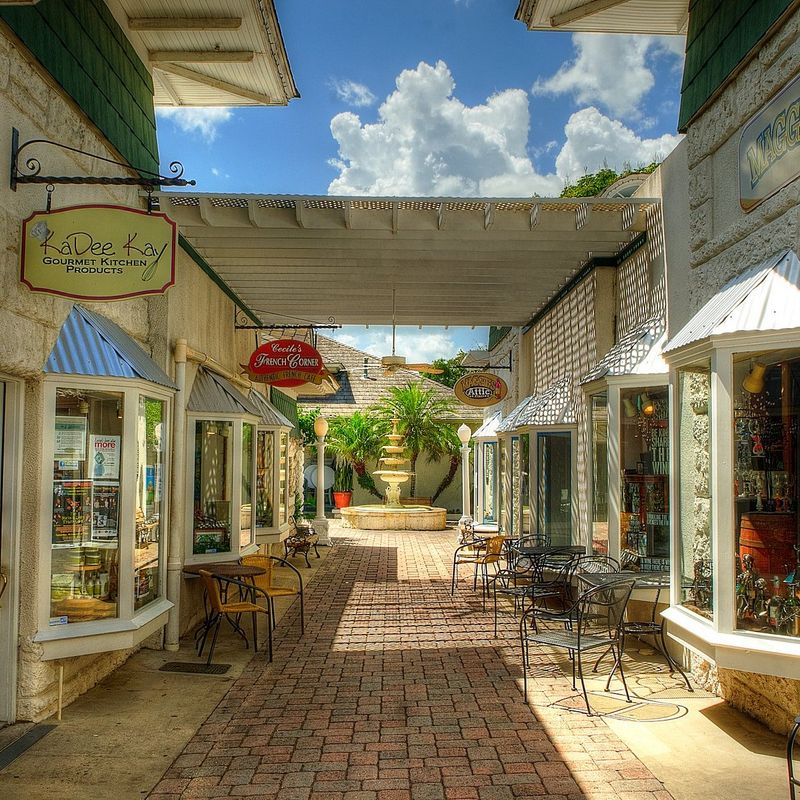
Picture a downtown straight out of a postcard, where every corner reveals another locally owned café or gallery worth exploring. Mount Dora delivers that storybook feel without trying too hard, and locals have kept it refreshingly real.
Antique hunters could spend days here, hopping between shops packed with vintage treasures and one-of-a-kind finds. The restaurant scene leans heavily local, with family-run spots serving everything from Southern comfort food to creative farm-to-table plates. You won’t find many chains disrupting the vibe.
Art galleries line the streets, showcasing Florida artists and craftspeople who actually live and work in the area. Coffee shops invite you to linger, not rush. The pace here rewards slow wanderers over quick stoppers.
Weekends bring extra energy, with events and markets drawing crowds from nearby cities, but the town never feels overrun. Mount Dora has figured out how to welcome visitors while protecting what makes it special. That balance shows in every independently owned storefront and unhurried conversation on the sidewalk.
2. Fernandina Beach
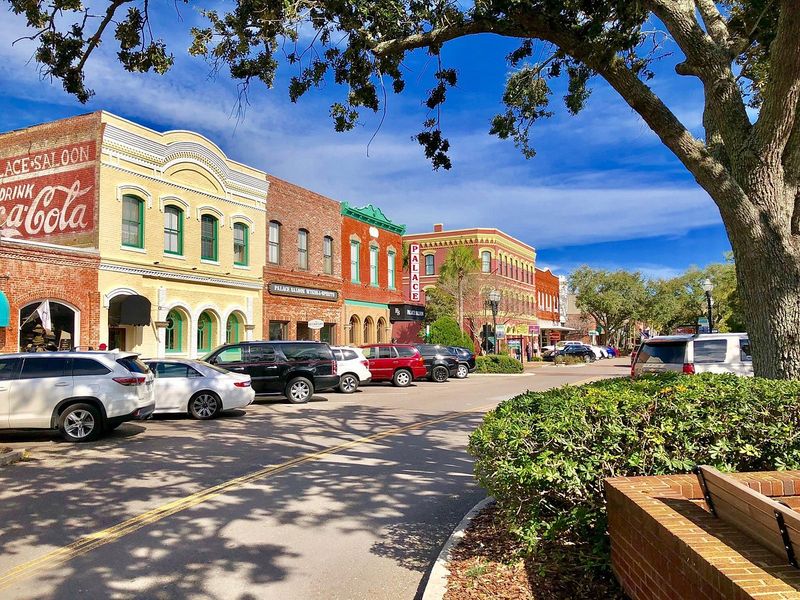
Victorian architecture gives this downtown serious character, with brick-lined streets leading past buildings that have stood since the 1800s. Fernandina Beach wears its history proudly but never feels stuck in the past.
Independent boutiques fill the storefronts, offering coastal fashion, handmade jewelry, and home goods you won’t see everywhere else. Owners often work the counters themselves, happy to chat about their products or point you toward the best local spots. That personal touch matters here.
Fresh seafood defines the dining scene, pulled straight from local waters and served in restaurants that range from casual to upscale. Shrimp boats still dock nearby, keeping the maritime connection alive and authentic. You’re eating what the fishermen caught this morning, not something shipped frozen from halfway across the country.
The walkability factor makes exploring effortless, with everything clustered along a few charming blocks. You can park once and spend hours discovering new favorites. Evening strolls reveal a different side of downtown, with string lights and outdoor seating creating an inviting after-dark atmosphere that feels safe and welcoming.
3. Dunedin
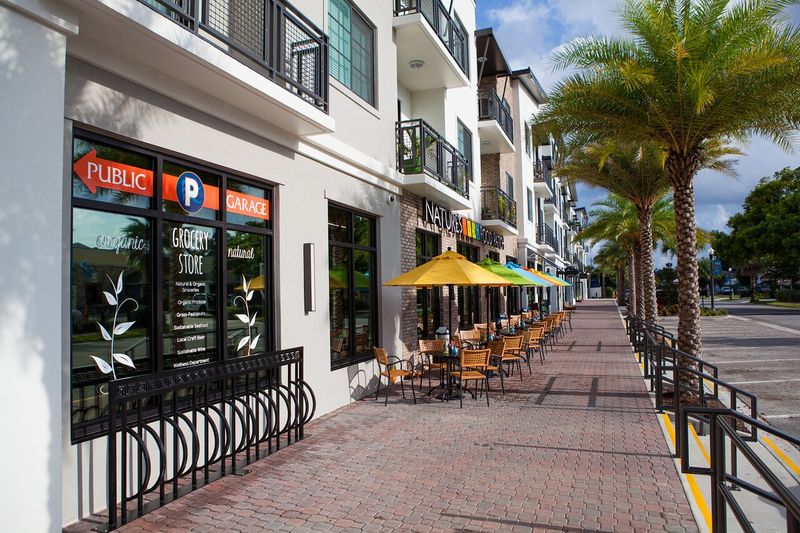
Bikes outnumber cars in this Scottish-named town, where the Pinellas Trail runs straight through downtown and pedaling is the preferred transportation method. Dunedin has built its identity around that bike-friendly, laid-back energy.
Independent eateries pack the main drag, serving everything from creative tacos to elevated pub fare. Breweries have become a major draw, with several craft spots pouring locally made beers in funky taprooms where regulars and tourists mingle easily. The food truck scene adds even more variety, with rotating vendors setting up shop near the breweries.
Quirky shops line the streets, selling vintage clothing, handmade goods, and oddities you didn’t know you needed until you spotted them in the window. Owners curate their collections carefully, avoiding mass-produced merchandise in favor of unique finds. Browsing here feels like a treasure hunt, not a mall trip.
The community vibe runs strong, with locals genuinely invested in keeping their downtown independent and interesting. Festivals and events happen regularly, drawing crowds without overwhelming the small-town feel. Dunedin proves that growth and authenticity can coexist when a community stays intentional about both.
4. Winter Garden
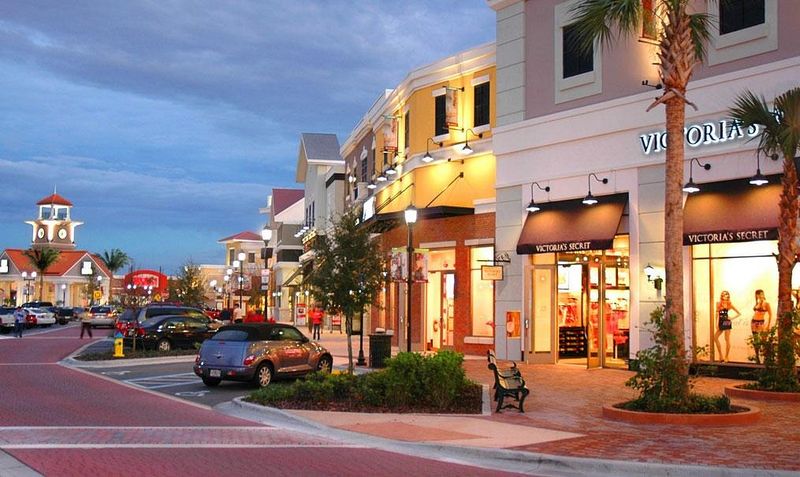
Restoration work has transformed this historic district into one of Central Florida’s most appealing small-town destinations. Winter Garden took its beautiful bones and gave them new life without erasing the past.
Restaurants dominate the downtown lineup, offering diverse cuisines in spaces that blend modern design with original architectural details. The farmers market draws serious crowds, with local growers and producers setting up shop weekly to sell fresh produce, baked goods, and artisan products. You’re buying directly from the people who grew or made what you’re taking home.
The West Orange Trail cuts right through town, bringing cyclists and joggers into the heart of downtown where they can refuel at cafés and restaurants. That trail connection keeps the area active and accessible, linking Winter Garden to neighboring communities while maintaining its distinct identity.
Evening energy rivals daytime activity, with string lights and outdoor seating creating a festive atmosphere that feels special without being touristy. Live music often fills the air on weekends, adding to the community gathering vibe. Winter Garden has mastered the art of being both a destination and a genuine neighborhood, where locals and visitors share the same spaces naturally.
5. Apalachicola
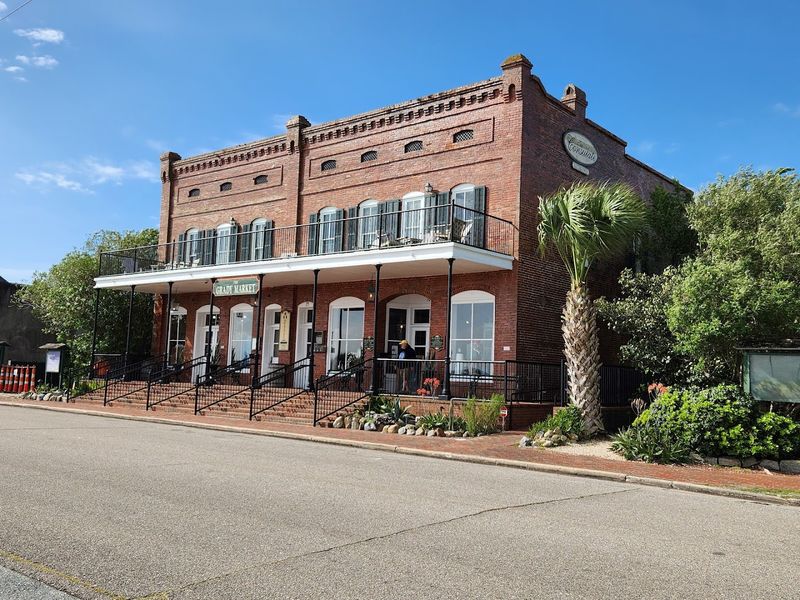
Commercial fishing still drives this Gulf Coast town, where working boats dock alongside downtown and the seafood restaurants serve oysters harvested from nearby waters. Apalachicola hasn’t been sanitized for tourists, and that authenticity shows everywhere.
Historic buildings line the streets, many dating back over a century when the town thrived as a major cotton port. The maritime character runs deep, with museums, shops, and restaurants occupying structures that have weathered countless hurricanes and economic shifts. Walking these streets feels like stepping into Florida’s working past.
Gulf Coast seafood defines the local cuisine, particularly the famous Apalachicola oysters that have made this town a seafood lover’s pilgrimage site. Family-run restaurants serve fried fish, shrimp, and oyster plates in no-frills settings where the quality speaks louder than any fancy décor. You’re here for the food, and the food delivers.
The pace stays deliberately slow, with locals moving through their days without rush or pretense. Downtown invites lingering, whether you’re browsing the handful of shops or just watching boats come and go from a waterfront bench. Apalachicola rewards visitors who arrive without rigid schedules, ready to sync with its unhurried rhythm.
6. Stuart
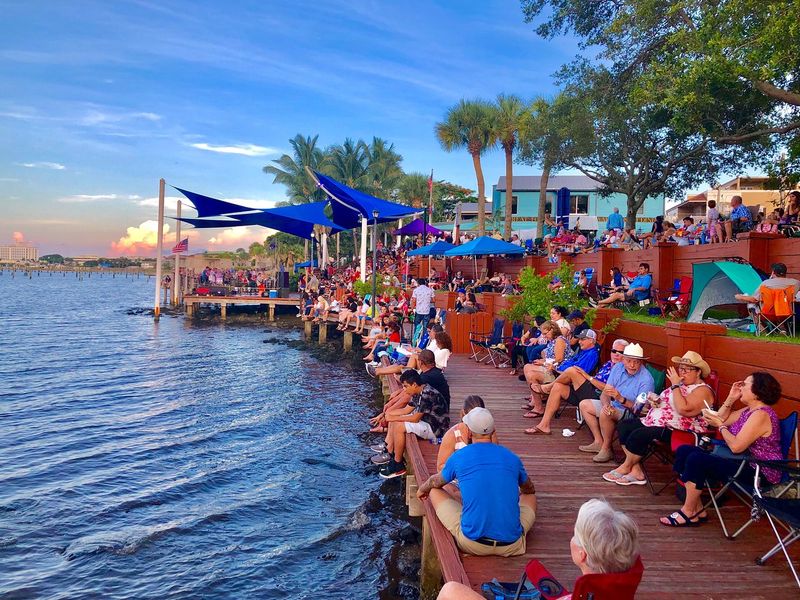
Riverfront location gives this downtown serious scenic appeal, with a boardwalk offering water views and easy strolling. Stuart has capitalized on that natural asset while keeping the commercial district walkable and human-scaled.
Colorful boutiques fill the storefronts, selling coastal fashion, home décor, and gifts that reflect the town’s waterfront identity. Local restaurants range from casual seafood spots to upscale dining rooms, many offering outdoor seating where you can watch boats cruise past while you eat. The variety means you can visit repeatedly without exhausting your options.
The boardwalk connects downtown to the water in a way that feels organic, not forced. You can easily flow between shopping, dining, and riverside relaxing without needing to drive or make complicated plans. That seamless connection between town and water defines Stuart’s appeal.
Art galleries and cultural venues add depth beyond shopping and eating, with local artists displaying work that captures the area’s coastal character. Events happen regularly along the riverfront, from concerts to festivals, but the town never feels overrun. Stuart has found its sweet spot, offering enough activity to stay interesting while maintaining the relaxed pace that makes small towns worth visiting in the first place.
7. Tarpon Springs
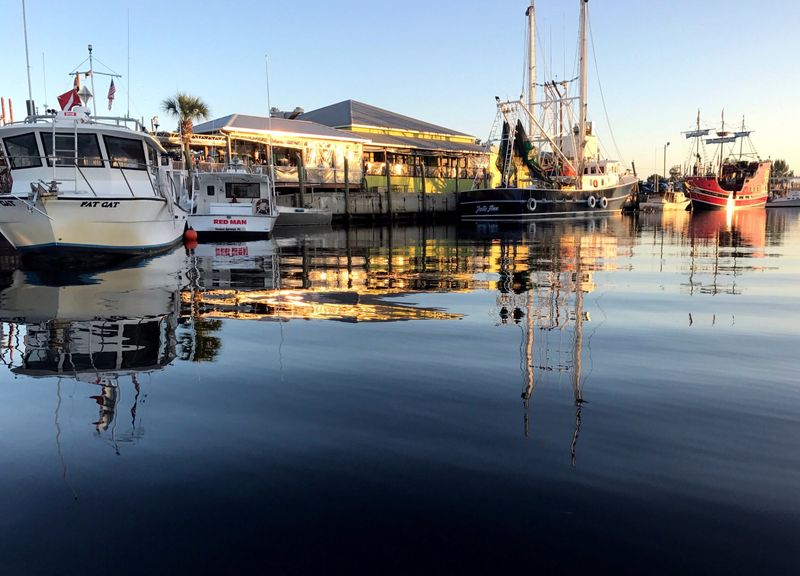
Greek heritage saturates this waterfront town, where family-run bakeries serve authentic pastries and restaurants dish out genuine Greek cuisine alongside fresh Gulf seafood. Tarpon Springs delivers cultural authenticity you won’t find in most Florida beach towns.
The sponge docks area remains the heart of downtown, where boats still harvest natural sponges using traditional diving methods. Shops sell those sponges alongside Greek imports, religious items, and souvenirs that actually connect to the town’s history. Walking these streets feels like visiting a Greek island village that somehow landed on Florida’s Gulf Coast.
Seafood restaurants line the waterfront, many operated by Greek families who have been here for generations. You can watch pelicans dive for fish while eating plates piled with grilled octopus, fresh grouper, or traditional Greek specialties. The food quality reflects decades of family recipes and fishing expertise, not corporate test kitchens.
Bakeries deserve their own visit, with cases full of baklava, galaktoboureko, and other Greek sweets made daily using old-country techniques. Owners often greet customers personally, sharing stories about their recipes and family histories. Tarpon Springs proves that genuine cultural preservation creates way more interesting destinations than manufactured theme-park versions ever could.
8. Cedar Key
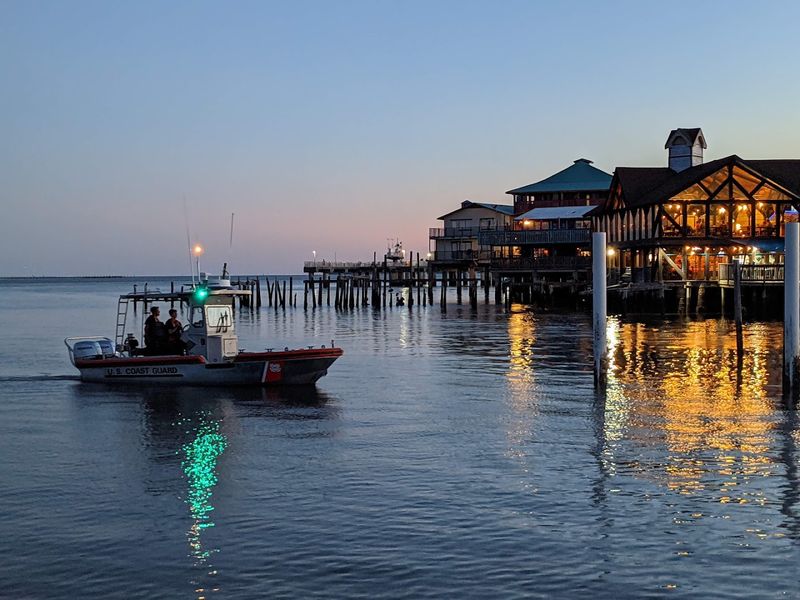
Island isolation has preserved Cedar Key’s Old Florida character, where seafood shacks outnumber fancy restaurants and the waterfront sets the entire town’s pace. Getting here requires commitment, and that keeps the crowds manageable.
Walkability defines the tiny downtown, where you can cover everything on foot in an afternoon. Restaurants serve clam chowder, smoked mullet, and whatever fish came in that morning, prepared simply because the ingredients don’t need much help. Outdoor seating lets you eat with your toes practically in the sand, watching the sun sink over the Gulf.
Art galleries and craft shops occupy old buildings that lean slightly and wear their age proudly. Local artists create work inspired by the surrounding nature, from paintings of wading birds to jewelry made from shells and sea glass. Everything feels handmade and unhurried.
The vibe stays deliberately low-key, with no chain stores or corporate influence disrupting the independent spirit. Locals know most visitors by sight after a day or two, and that small-town familiarity creates genuine connections. Cedar Key rewards travelers seeking authenticity over amenities, where a spectacular sunset and fresh seafood count for more than luxury accommodations or trendy restaurants.
9. Venice
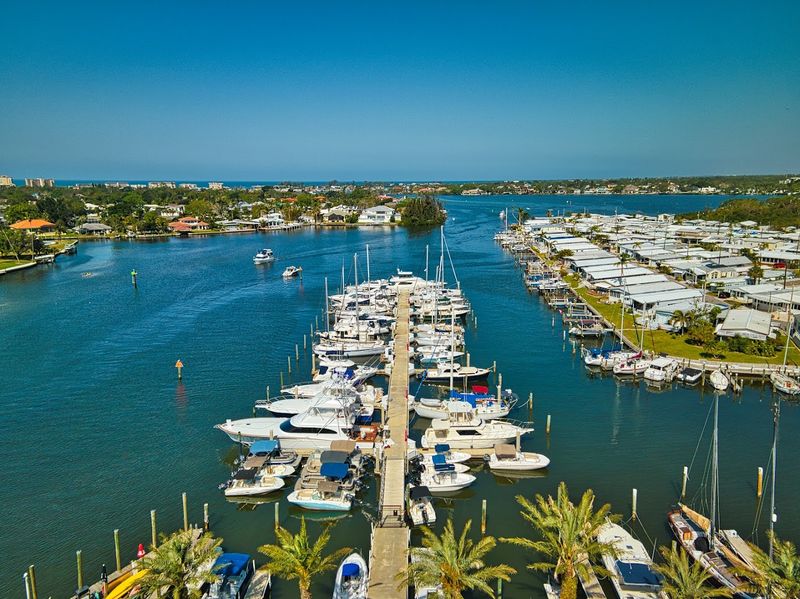
Over one hundred independently owned businesses pack this palm-lined downtown, creating shopping and dining variety that rivals much larger cities. Venice has intentionally resisted chain store takeovers, and that commitment shows in every unique storefront.
The historic district stretches several blocks, with restaurants serving everything from fresh seafood to international cuisines. Art galleries showcase local and regional artists, while boutiques offer clothing, jewelry, and home goods you won’t find in mall stores. That independence creates a browsing experience where every shop visit might reveal something unexpected.
Outdoor dining thrives here, with sidewalk tables and patios letting you people-watch while you eat. The walkable layout means you can park once and spend hours exploring without moving your car. Palm trees provide natural shade, and the architectural details reward attention from anyone interested in historic preservation done right.
Community events activate the downtown regularly, from art walks to seasonal festivals, but the area never feels like it exists solely for tourists. Locals shop and eat here daily, giving the district authentic neighborhood energy alongside its visitor appeal. Venice proves that small-town charm and business diversity aren’t mutually exclusive when a community prioritizes both intentionally.
10. Micanopy
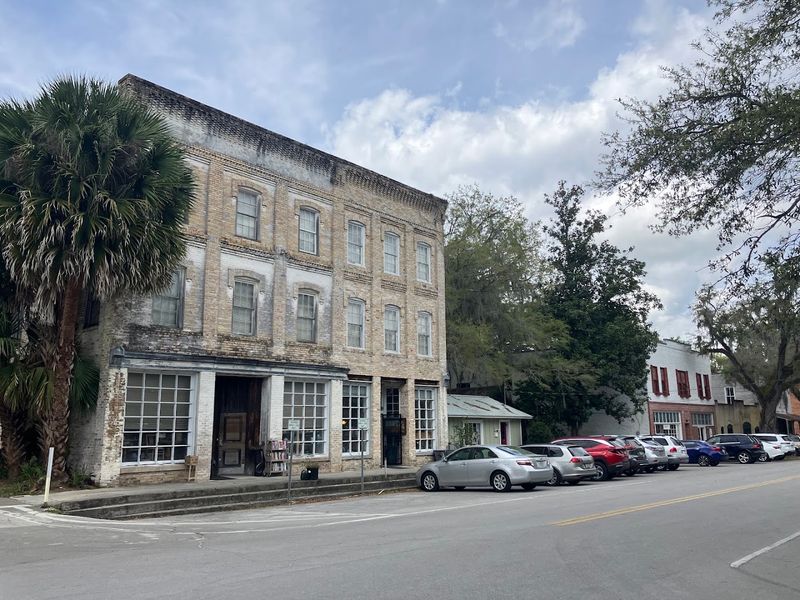
Moss drapes from ancient oaks over streets where antique stores occupy buildings that predate the Civil War. Micanopy moves at yesterday’s pace, and visitors either sync with that rhythm or move along quickly.
Antique shopping defines the main activity, with several excellent stores packed with furniture, collectibles, and vintage treasures that serious collectors travel hours to browse. Owners know their inventory and the stories behind many pieces, turning shopping into education for anyone interested. You’re not just buying old stuff but connecting with history.
Cozy cafés offer places to rest between shop visits, serving sandwiches, baked goods, and coffee in settings that encourage lingering over rushing. The village atmosphere discourages hurry, with no traffic lights or chain stores breaking the small-town spell. Even the few restaurants lean local and low-key.
Serious small-town charm radiates from every weathered storefront and shaded sidewalk. Film crews have used Micanopy as a location precisely because it looks authentically old without feeling staged or theme-park fake. Walking these streets requires slowing down and noticing details, from architectural elements to the way light filters through Spanish moss.
Micanopy rewards contemplative visitors who appreciate preservation over progress.