These 13 Florida Island Escapes Are the Break You’ve Been Waiting For
Florida’s islands offer something most mainland beaches can’t: a real sense of escape. Whether you reach them by bridge, boat, or seaplane, these coastal hideaways feel worlds apart from the usual vacation rush. From shell-covered Gulf shores to remote Atlantic retreats, each island brings its own personality, pace, and reason to unplug for a while.
1. Sanibel Island
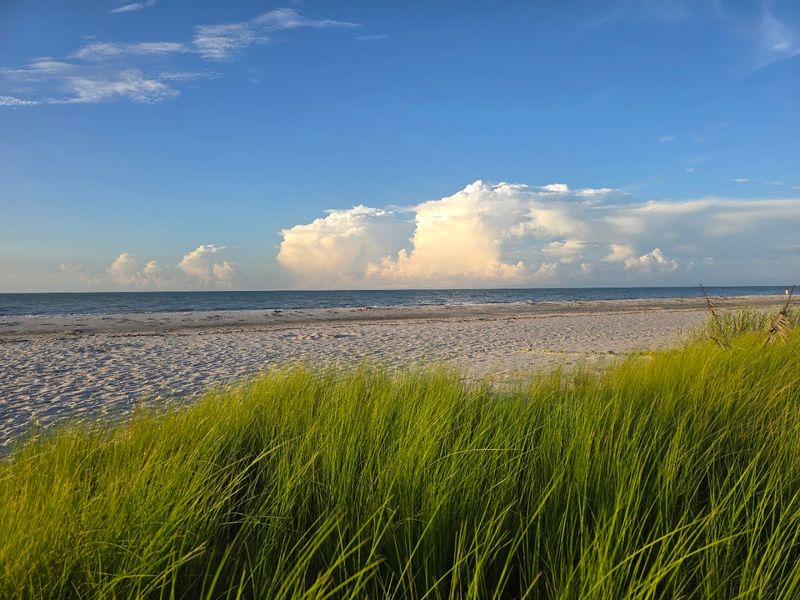
Sanibel has earned its reputation as one of Florida’s most relaxed Gulf Coast destinations, and it’s not hard to see why. The island curves like a bent elbow into the Gulf, which means shells wash ashore by the thousands. You’ll spot visitors doing the “Sanibel Stoop,” heads down, hunting for lightning whelks and junonia shells along the tide line.
Biking is the preferred way to get around. More than 25 miles of paved paths wind through the island, connecting beaches, nature preserves, and casual restaurants. The J.N. “Ding” Darling National Wildlife Refuge takes up a huge chunk of the island and protects mangrove forests, tidal flats, and nesting areas for herons, egrets, and roseate spoonbills.
The pace here is intentionally slow. There are no high-rises, no chain hotels crowding the sand, and no rush-hour traffic to speak of. Families return year after year because Sanibel feels like a place where time moves differently.
You wake up early to catch the shelling tide, spend afternoons on two wheels, and end the day watching the sun melt into flat Gulf water. It’s simple, and that’s exactly the point.
2. Captiva Island
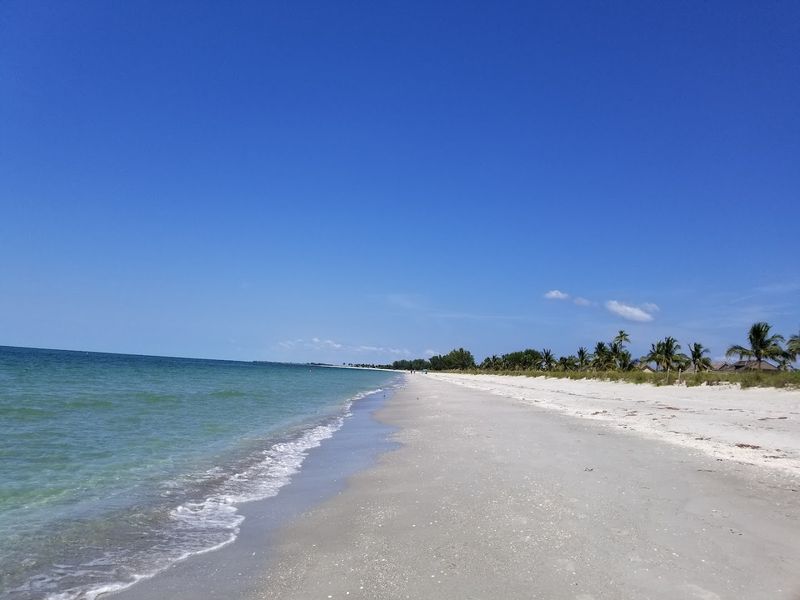
Just north of Sanibel, Captiva feels even more tucked away. The island is smaller, quieter, and lined with powdery white sand that seems to glow under the late afternoon sun. There’s no causeway directly to Captiva—you have to pass through Sanibel first—which keeps the crowds thinner and the vibe more private.
Shelling is just as good here, maybe better depending on the tide. The beaches slope gently into calm Gulf water, making it easy to wade out and search for sand dollars and fighting conchs. Captiva also has a handful of laid-back restaurants where you can eat grouper sandwiches with your toes still sandy, no shoes required.
The island attracts people who want to unplug without sacrificing comfort. You’ll find boutique inns, beachfront cottages, and a few upscale resorts, but nothing feels overdone. Captiva has managed to stay charming without trying too hard.
Sunsets here are spectacular, especially from the northern tip where the sky opens up wide and the water turns pink and gold. If Sanibel is relaxed, Captiva is the place you go when you want to disappear a little more completely.
3. Anna Maria Island
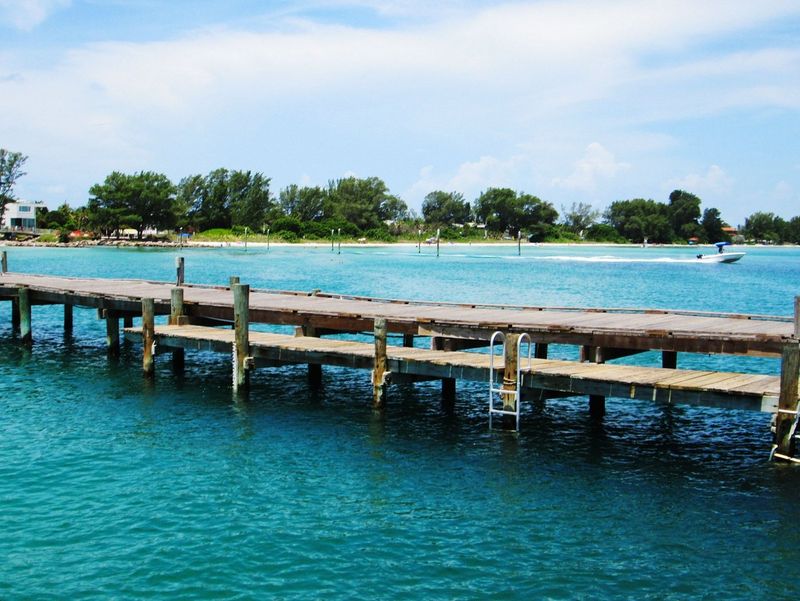
Anna Maria Island stretches seven miles along the Gulf and feels like a throwback to old Florida. The beaches are wide and white, the towns are walkable, and the island has held onto its small-town charm despite being just a short drive from Tampa and Sarasota. No high-rises here—just low-slung beach cottages, mom-and-pop motels, and a few outdoor cafes where locals linger over coffee.
The island is divided into three small communities: Anna Maria, Holmes Beach, and Bradenton Beach. Each has its own personality, but all share the same laid-back Gulf atmosphere. You can rent a golf cart, bike the island, or just park yourself on the sand for the day.
The water stays shallow for a long stretch, which makes it ideal for families with younger kids.
Pier fishing is popular here, especially at the historic Anna Maria City Pier, which juts 678 feet into the Gulf. You’ll see anglers casting for snook, redfish, and Spanish mackerel while pelicans dive-bomb the water nearby. The sunsets are reliably gorgeous, and the pace is refreshingly slow.
Anna Maria Island is proof that Florida still has corners where you can unwind without a resort schedule or a crowded boardwalk.
4. Amelia Island
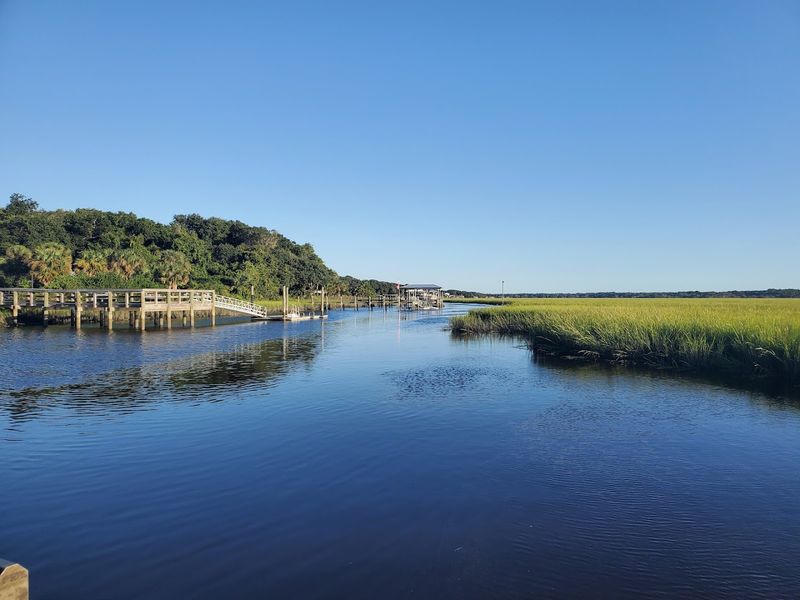
Amelia Island sits at the northeastern edge of Florida, right where the state meets Georgia, and it has a polished, historic feel that sets it apart from the Gulf Coast islands. The beaches here face the Atlantic, which means bigger waves, darker sand, and a different kind of coastal energy. The island has been shaped by centuries of history—Spanish, French, British, and American flags have all flown here at one point or another.
Downtown Fernandina Beach is the heart of the island, with brick streets, Victorian-era buildings, and locally owned shops and restaurants. You can tour Fort Clinch, a Civil War-era fort that’s now a state park, or explore the island’s network of nature trails and tidal creeks by kayak. Golf courses, upscale resorts, and waterfront dining give Amelia Island a more refined vibe, but it never feels stuffy.
The island also has a strong equestrian culture, and horseback rides along the beach are a popular way to experience the shoreline. Wildlife is abundant—loggerhead sea turtles nest here in the summer, and dolphins are a common sight offshore. Amelia Island is perfect for travelers who want a mix of outdoor adventure, coastal history, and a little more polish without losing that island escape feeling.
5. Gasparilla Island / Boca Grande
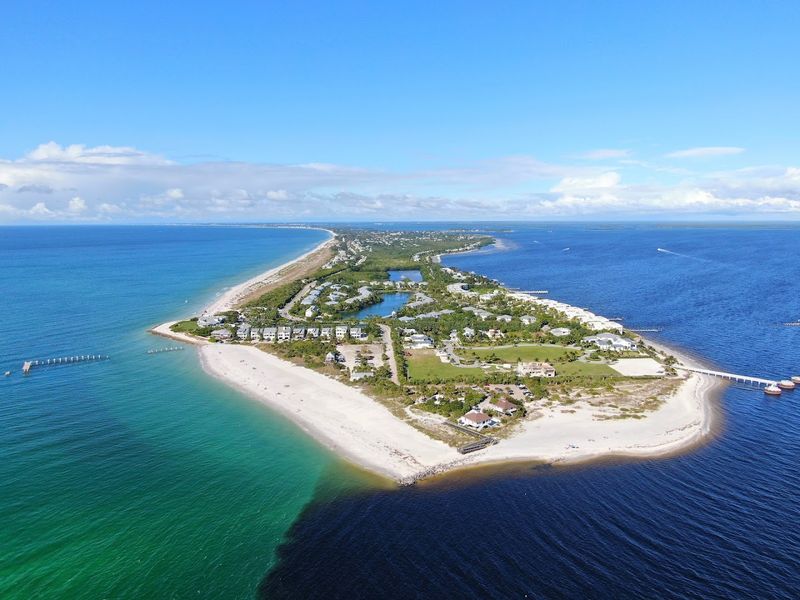
Gasparilla Island, better known as Boca Grande, is Old Florida at its finest. The island has managed to stay quiet, charming, and refreshingly free of the usual tourist trappings. White sand beaches stretch for miles, and the pace is so slow you’ll find yourself adjusting to it within hours.
Boca Grande is the kind of place where people still bike everywhere and nobody’s in a rush to get anywhere.
The Port Boca Grande Lighthouse sits at the southern tip of the island and has been guiding boats since 1890. It’s now a museum and one of the most photographed spots on the island. The lighthouse beach is a favorite for shelling, and the water stays calm and clear most of the year.
Tarpon fishing is legendary here—anglers from all over come to Boca Grande Pass hoping to hook one of the giant silver fish during their spring migration.
The village of Boca Grande has a handful of restaurants, galleries, and shops, but it never feels crowded or commercialized. You’ll see more golf carts than cars, and the dress code is decidedly casual. Gasparilla Island is for people who appreciate understated elegance, natural beauty, and a slower way of doing things.
It’s a place that rewards you for unplugging.
6. Cayo Costa
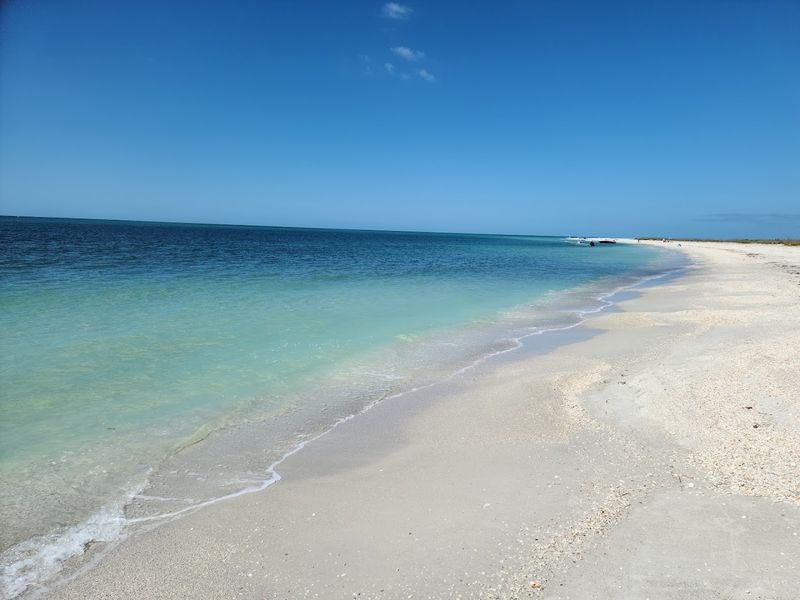
Cayo Costa is what Florida looked like before anyone built anything. The island is accessible only by boat, which means no cars, no paved roads, and no crowds. Nine miles of untouched beach stretch along the Gulf side, and the only footprints you’ll see are your own—and maybe a few from raccoons or shorebirds.
It’s raw, wild, and completely unspoiled.
The island is a state park, and camping is available for those who want to spend the night. Primitive cabins are also an option, though they’re basic and fill up fast during peak season. Most visitors come for the day, arriving by ferry or private boat to shell, snorkel, fish, or just walk the beach in blissful solitude.
The water is clear and shallow, perfect for spotting sea stars and sand dollars.
There’s something deeply restorative about being on an island where nature is still in charge. You won’t find WiFi, air conditioning, or a single restaurant. What you will find is quiet, space, and a reminder of how good it feels to be somewhere truly remote.
Cayo Costa is for travelers who crave simplicity and aren’t afraid to rough it a little. Bring water, sunscreen, and a sense of adventure.
7. Caladesi Island
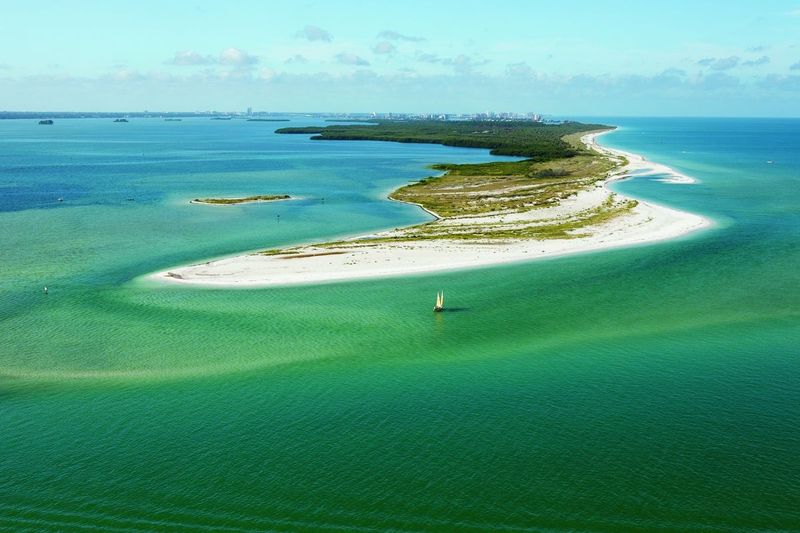
Caladesi Island is one of the few remaining undeveloped barrier islands on Florida’s Gulf Coast, and it’s only accessible by boat or ferry from Honeymoon Island. That limited access has kept the island in near-perfect condition. The beaches here are consistently ranked among the best in the country, with soft white sand, clear water, and almost no crowds even during busy weekends.
The island is a state park, so everything is protected. You can hike a nature trail that winds through a coastal hammock filled with slash pines, saw palmettos, and gumbo limbo trees. The trail is shady, quiet, and offers a nice break from the sun.
A three-mile kayak trail loops through the island’s mangrove-lined bay, where you’re likely to spot herons, ospreys, and maybe even a dolphin or two.
There’s a small concession stand near the dock where you can grab snacks and drinks, but otherwise, the island is all about nature. Shelling is excellent, especially after a storm, and the shallow water makes it easy to wade out and search. Caladesi Island is a reminder that some of Florida’s best places are the ones that haven’t been touched, paved, or overdeveloped.
It’s worth the boat ride.
8. Honeymoon Island
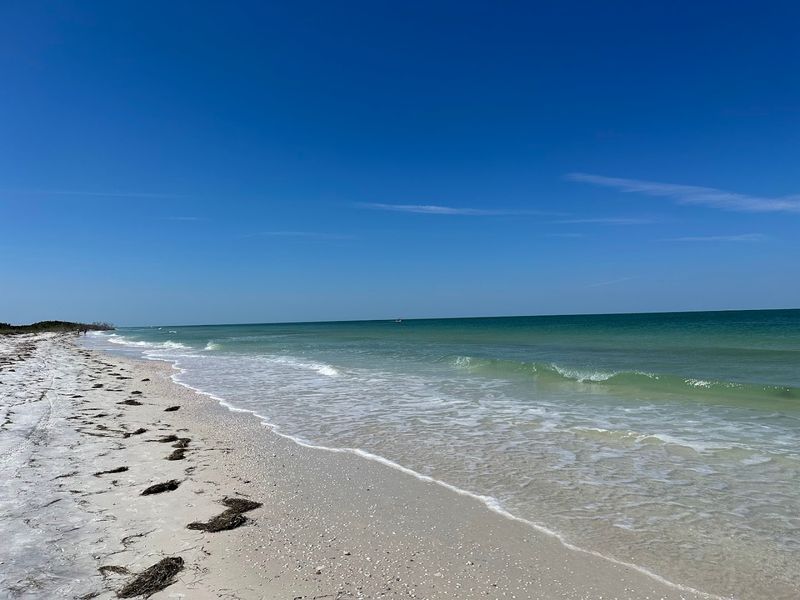
Honeymoon Island is a barrier island state park just off the coast of Dunedin, connected to the mainland by a causeway. The island has more than four miles of white sand beaches, and because it’s a state park, the natural environment has been carefully preserved. Dunes, sea oats, and coastal scrub give the island a wild, windswept look that feels refreshingly uncommercialized.
The park has several nature trails that wind through different habitats, including pine flatwoods and tidal flats. Birdwatching is excellent here—Honeymoon Island is a stopover for migratory species, and you’ll often see ospreys nesting in the tall pines. The beach on the Gulf side is wide and calm, perfect for swimming, shelling, or just stretching out with a book.
One of the island’s most popular features is the dog beach, where leashed dogs are allowed to romp in the sand and splash in the shallows. It’s one of the few beaches in Florida where your four-legged friend is officially welcome. There’s also a small cafe near the entrance where you can grab a sandwich or cold drink before heading to the beach.
Honeymoon Island is an easy escape that doesn’t require a boat or a big budget—just a state park pass and a few hours to unwind.
9. Key Biscayne
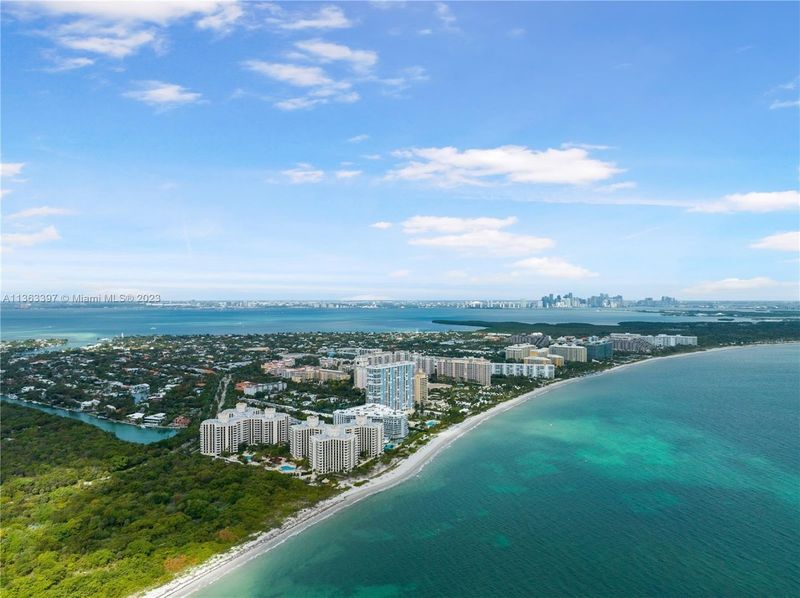
Key Biscayne sits just offshore from Miami, connected by a scenic causeway that arcs over Biscayne Bay. Despite being so close to the city, the island has a much calmer, more residential feel. You’ll find wide beaches, green parks, and plenty of room to breathe.
It’s the kind of place where Miami locals go when they need a break from the urban hustle but don’t want to drive too far.
Bill Baggs Cape Florida State Park covers the southern tip of the island and is home to the historic Cape Florida Lighthouse, which dates back to 1825. The park has a beautiful beach, picnic areas, and a nature trail that winds through a coastal hammock. You can climb the lighthouse for sweeping views of the Atlantic and the bay, or rent a bike and explore the park’s paved paths.
Crandon Park, on the northern end of the island, has one of the best family beaches in South Florida. The water is calm, the sand is soft, and there’s a nature center where kids can learn about local wildlife. Key Biscayne is perfect for travelers who want easy access to Miami’s energy but prefer to sleep somewhere quieter, greener, and closer to the water.
It’s an island escape without the isolation.
10. Marco Island
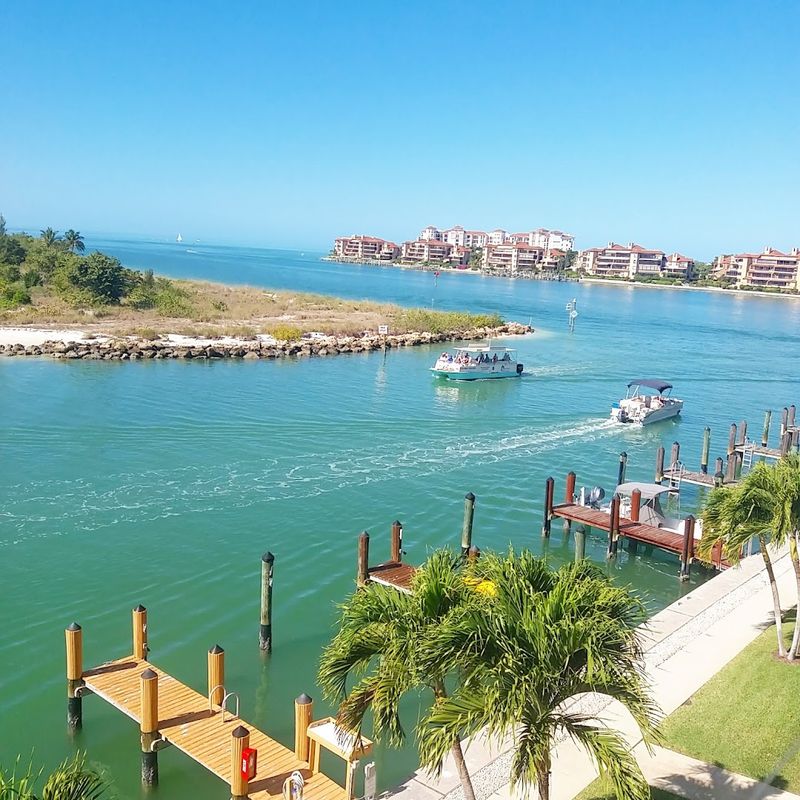
Marco Island is the largest of Florida’s Ten Thousand Islands, and it has a polished, resort-town feel that attracts visitors looking for comfort and convenience along with their coastal escape. The beaches here are wide and clean, with soft white sand and warm Gulf water that stays calm most of the year. It’s a popular spot for families, couples, and anyone who wants a little more infrastructure without sacrificing the island vibe.
The island has plenty of upscale hotels and beachfront condos, but it never feels overly crowded. You can spend your days lounging by the pool, kayaking through mangrove tunnels, or taking a boat tour into the Ten Thousand Islands, a maze of waterways and uninhabited islets that’s home to dolphins, manatees, and wading birds. Fishing charters, sunset cruises, and eco-tours are easy to book and offer a great way to explore the area.
Downtown Marco Island has a handful of shops, restaurants, and art galleries, but it’s low-key compared to busier beach towns. The island is also a short drive from Everglades National Park, which makes it a good home base for exploring Southwest Florida. Marco Island is ideal for travelers who want a little polish, a lot of beach, and easy access to some of the state’s wildest natural areas.
11. St. George Island
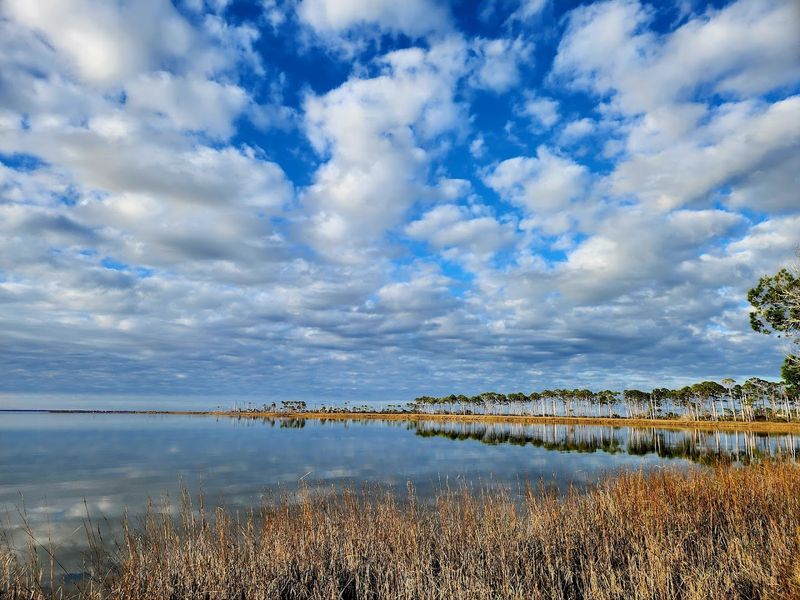
St. George Island is a 22-mile-long barrier island in the Florida Panhandle, and it’s managed to stay wonderfully quiet. There are no high-rises here, no boardwalks, and no big commercial developments. Just soft white sand, rolling dunes, and a peaceful Gulf rhythm that slows everything down.
The island attracts families, anglers, and anyone who prefers their beach vacations low-key and uncomplicated.
Most of the island is protected as part of St. George Island State Park, which means miles of undeveloped beach where you can walk for hours without seeing another soul. The water is clear and warm, and the sand is so fine it squeaks under your feet. Shelling is good here, and the fishing is even better—redfish, trout, and flounder are common catches in the bay and surf.
The small town of St. George Island has a few restaurants, a grocery store, and some vacation rentals, but that’s about it. There’s no nightlife, no traffic lights, and no pressure to do anything other than relax. The island is connected to the mainland by a long bridge, so it’s easy to reach but still feels removed.
St. George Island is for people who want a real escape, not a resort experience. It’s simple, beautiful, and exactly what a barrier island should be.
12. Little Gasparilla Island
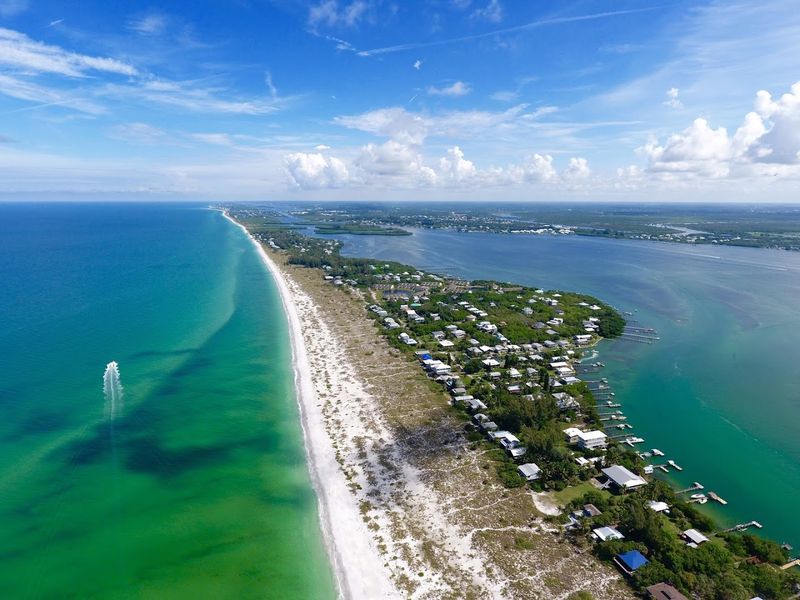
Little Gasparilla Island is one of Florida’s best-kept secrets. The island is accessible only by boat, and there are no cars, no paved roads, and no commercial development. What you will find are quiet beaches, a handful of private homes, and a sense of seclusion that’s increasingly rare in Florida.
It’s the kind of place you go when you want to completely disconnect and spend your days doing as little as possible.
The island is small—just a few miles long—but the beaches are beautiful and almost always empty. The Gulf side has soft sand and calm water, perfect for swimming, shelling, or just floating in the shallows. The bay side is lined with mangroves and offers good fishing and kayaking.
There’s no WiFi, no restaurants, and no distractions, which is exactly the point.
Most visitors rent a vacation home for the week and bring their own groceries and supplies. It’s a place for families who want to unplug, couples looking for privacy, and anyone who’s tired of crowded beaches and overbooked schedules. Little Gasparilla Island isn’t for everyone, but if you’re craving solitude, simplicity, and a true sense of escape, it’s hard to beat.
Just remember to bring everything you need—once you’re on the island, you’re on island time.
13. Dry Tortugas
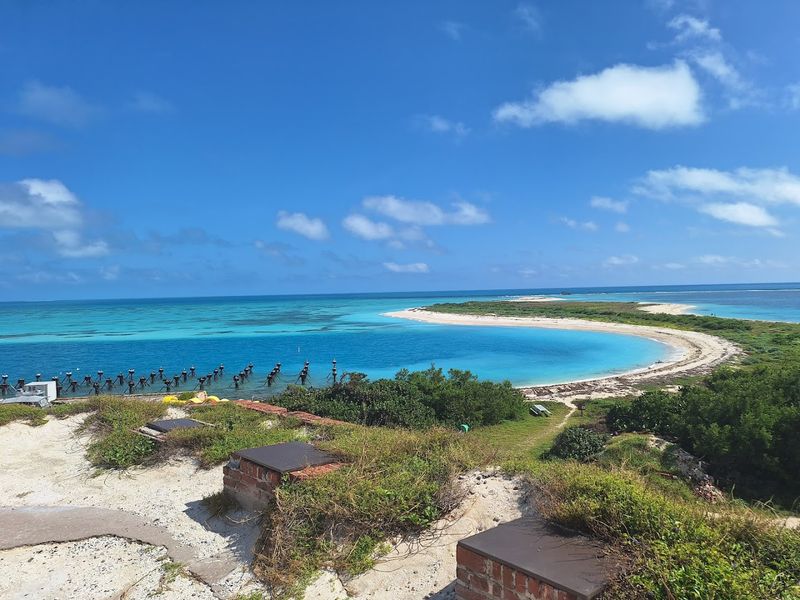
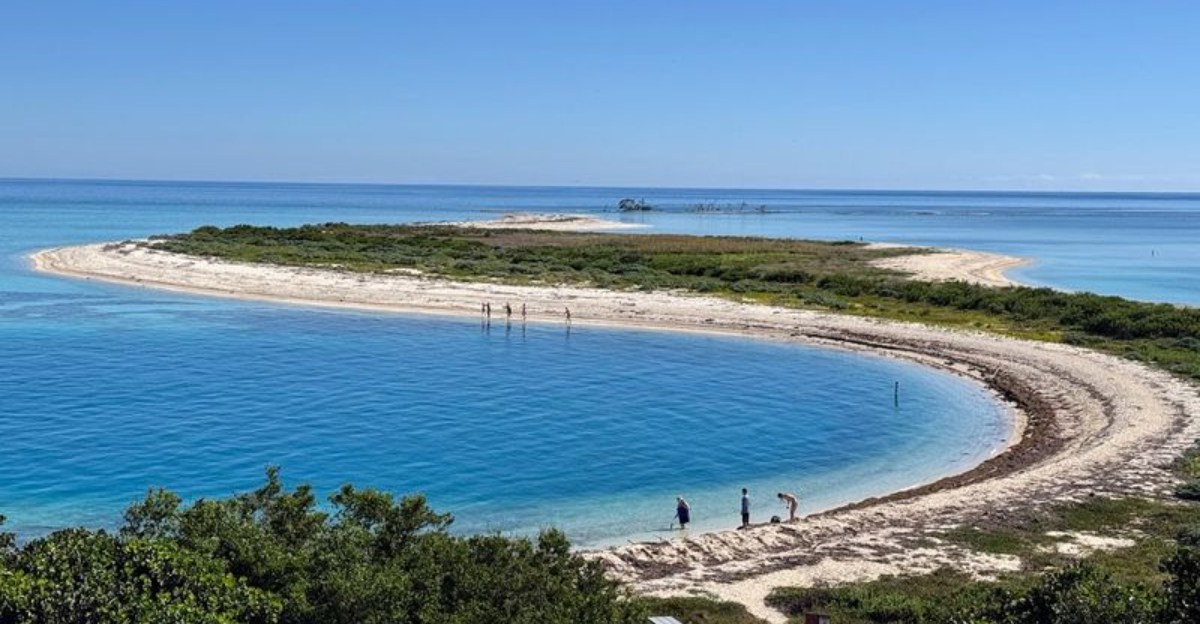
Dry Tortugas National Park is about as remote as it gets in Florida. The park sits 70 miles west of Key West, accessible only by boat or seaplane, and the journey alone makes it feel like an adventure. The main attraction is Fort Jefferson, a massive 19th-century fortress built on Garden Key.
The fort is surrounded by impossibly blue water, white sand beaches, and some of the healthiest coral reefs in the continental United States.
Snorkeling here is world-class. The water is so clear you can see fish, sea turtles, and coral formations from the surface. Moat walls around the fort create a protected area where marine life thrives, and the snorkeling trail is easy to follow.
Birdwatchers come here to spot species that don’t appear anywhere else in North America, including sooty terns and brown noddies that nest on nearby Bush Key.
There’s no food, water, or lodging on the island, so day-trippers need to bring everything they need. Camping is allowed with a permit, and spending the night under the stars with the fort looming nearby is an unforgettable experience. Dry Tortugas is for travelers who want something truly different—a place where history, nature, and isolation come together in one stunning, remote package.
It’s worth every mile of the trip.