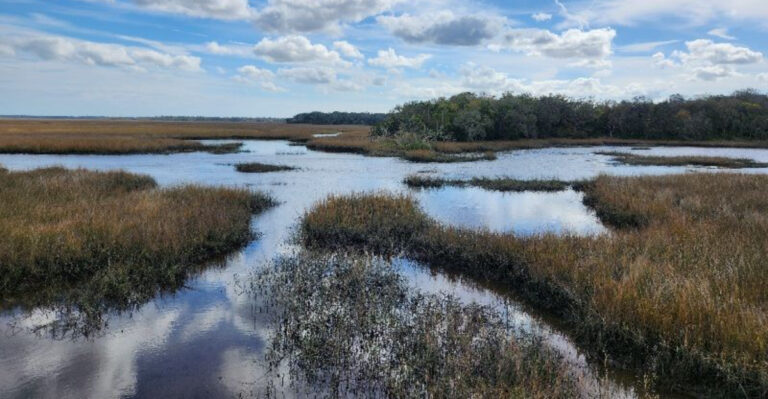
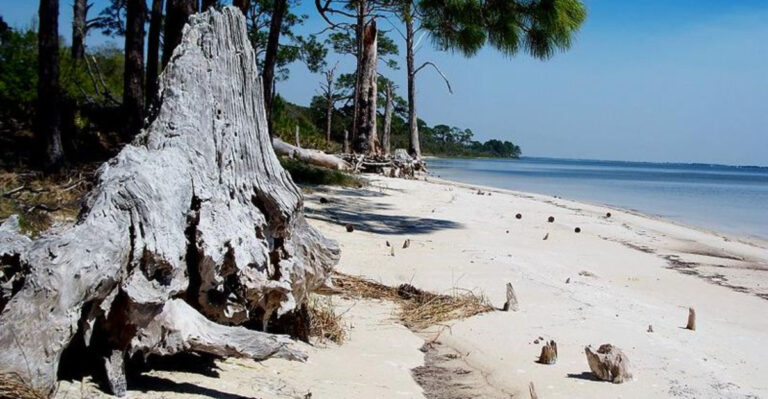
This 19th-Century Florida Fort Has Mysterious Tunnels Hiding Underground
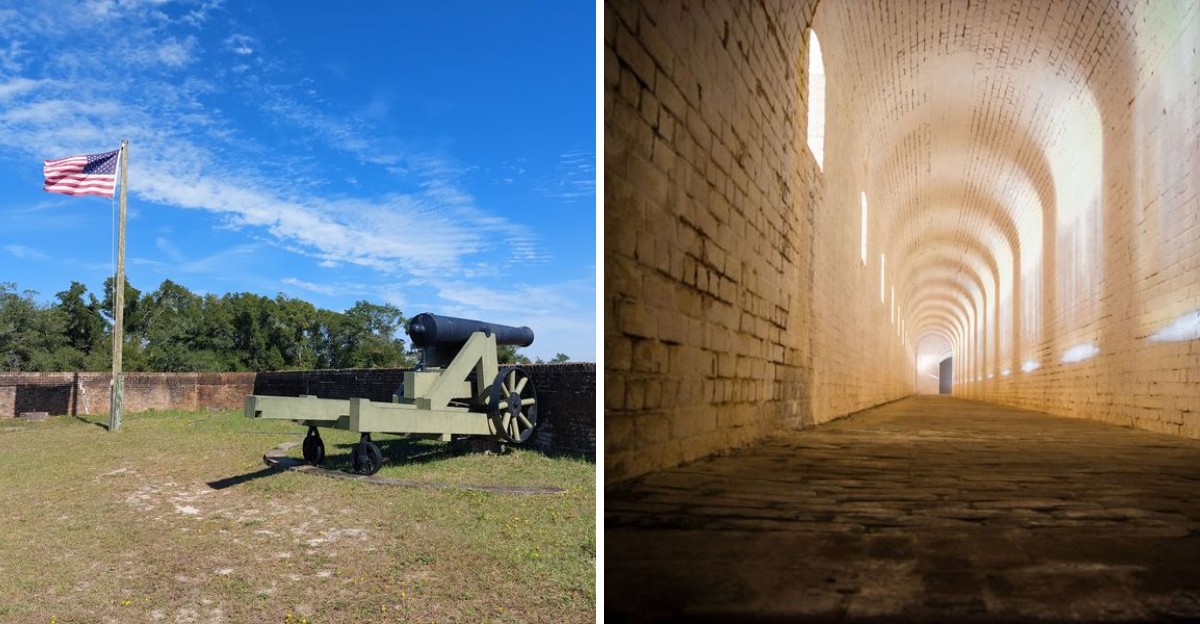
Historic Fort Barrancas in Pensacola offers far more than weathered brick walls and sweeping views of Pensacola Bay. Built by the U.S. Army in the 1800s, this imposing fortification contains underground passages that add an intriguing layer to an already fascinating piece of Florida history.
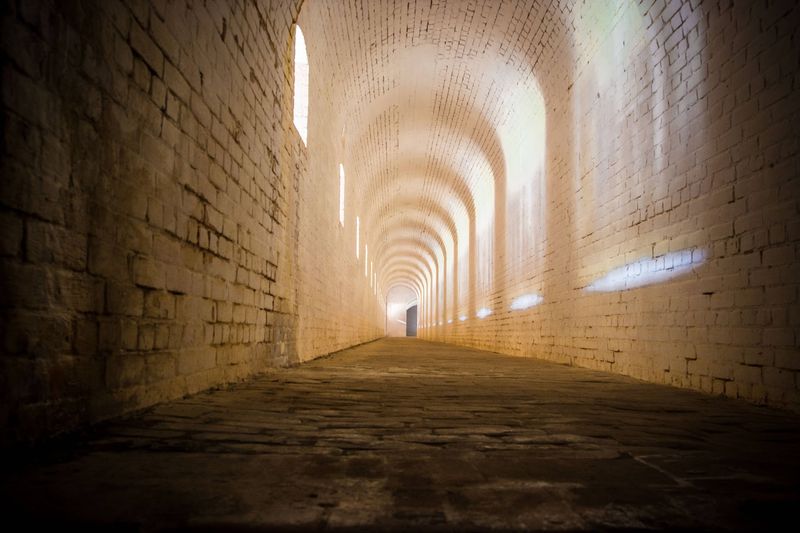
Visitors exploring the fort can descend into brick-lined corridors and passageways designed as part of its defensive system. These shadowy spaces once allowed soldiers to move through protected areas of the fort, and walking through them today provides a much different experience from simply viewing the structure from outside. Thick masonry, narrow openings, and cool interiors make it easy to imagine what military life here might have felt like more than a century ago.
Above ground, Fort Barrancas reveals another side of its strategic importance. Its position overlooking the entrance to Pensacola Bay helped protect the valuable harbor, while nearby military sites illustrate just how heavily defended this stretch of Florida coastline once was. Part of Gulf Islands National Seashore, Historic Fort Barrancas combines architecture, military history, and atmospheric exploration in one memorable stop.
The underground passages may draw curious visitors inside, but the fort’s remarkable history gives them plenty of reasons to keep exploring.
A Fort With Layers of History Spanning Centuries
Fort Barrancas did not just appear overnight. Spanish forces first claimed this strategic bluff in the 1690s, recognizing its commanding view over the bay. Over the centuries, control shifted from Spain to Britain, back to Spain, and finally to the United States in 1821.
Each occupying power left its mark, layering defenses one atop another like chapters in a very thick history book.
The fort you see today was constructed between 1839 and 1844 by the U.S. Army Corps of Engineers. Enslaved laborers and skilled craftsmen worked side by side to carve out a defensive masterpiece.
The design incorporated lessons learned from European fortifications, blending thick masonry walls with hidden tunnels and covered passageways. Walking through the fort feels like stepping into a time capsule where every stone has a story.
During the Civil War, Confederate forces briefly held the fort before Union troops reclaimed it in 1862. The fort remained active through the Spanish-American War and even into World War II, serving various roles as military technology evolved. Today, it stands as a testament to resilience and adaptation.
The National Park Service maintains the site, preserving its architecture and offering visitors a chance to explore rooms, ramparts, and those famously mysterious underground corridors.
What makes Fort Barrancas especially fascinating is how well-preserved it remains. Unlike some historic sites that feel frozen and lifeless, this fort invites you to roam freely. You can touch the cool stone walls, peer through cannon embrasures, and imagine the soldiers who once stood guard here.
The layers of history are not just read about in plaques but felt in every shadowy corner and echoing hallway.
Underground Tunnels That Feel Like a Hidden World
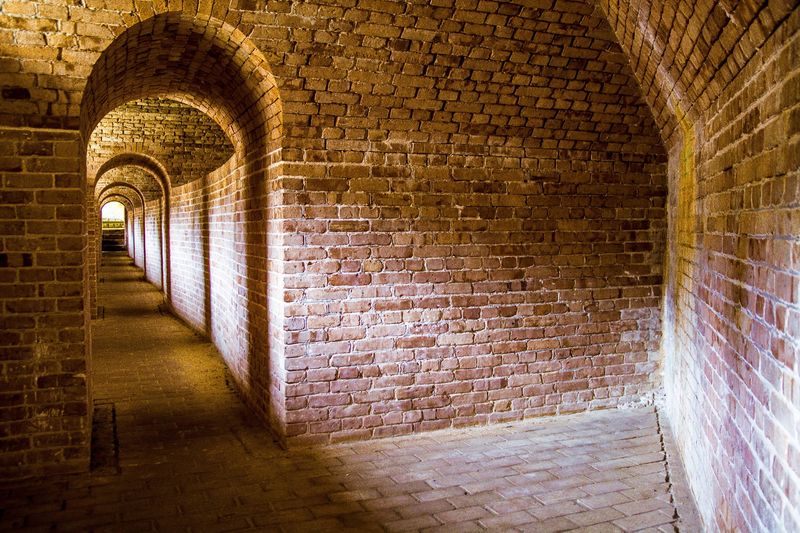
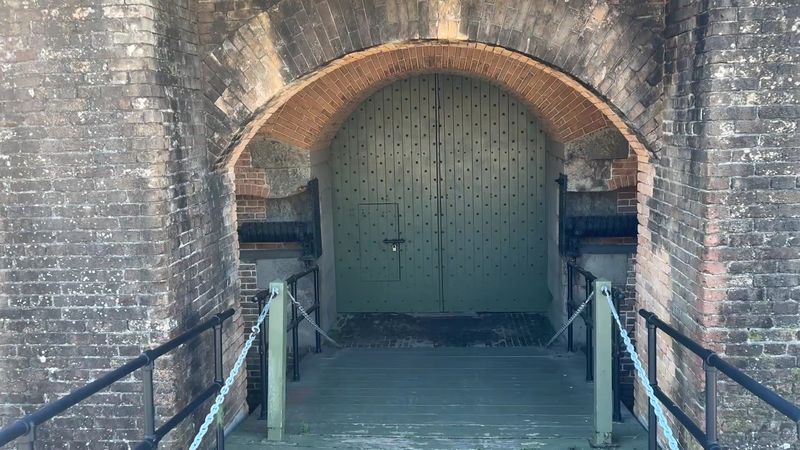
Step through the entrance, and suddenly the Florida sunshine disappears. The air cools, your footsteps echo, and you find yourself in a maze of tunnels that twist and turn beneath the fort. These underground passageways were not built for show.
They served critical military functions, allowing soldiers to move unseen between defensive positions, store ammunition safely, and protect themselves from enemy bombardment.
The tunnels stretch longer than most visitors expect. Some corridors run straight for dozens of yards before branching off into side chambers and storage rooms. Others curve gently, following the natural contours of the bluff.
Brick arches overhead create a rhythmic pattern, and the dim lighting adds an eerie, almost cinematic quality to the experience. It is easy to imagine soldiers hurrying through these same passages during a crisis, torches in hand.
One of the most intriguing features is how the tunnels connect different parts of the fort. You might enter near the main gate and emerge on the opposite side, having traveled entirely underground. This design gave defenders a tactical advantage, making it harder for attackers to predict troop movements.
The engineering skill required to construct these passages in the mid-1800s, without modern machinery, is nothing short of impressive.
Visitors often mention the slightly spooky vibe of the tunnels, especially when you venture deeper and the daylight fades. Some have spotted bats hanging from the ceilings, adding to the atmosphere. The Park Service encourages exploration but reminds guests to watch their step and bring a flashlight if you want to see into the darker alcoves.
Walking these tunnels offers a visceral connection to the past that no textbook can replicate.
Free Admission and Easy Access for All Ages
Here is some good news: you do not need to empty your wallet to experience this piece of history. Fort Barrancas offers completely free admission, making it an ideal stop for budget-conscious travelers or families looking for an educational outing. There are no tickets to purchase, no entrance fees to worry about.
Just show up during operating hours, and the fort is yours to explore.
The site is located on Naval Air Station Pensacola, which means you will need to pass through a security checkpoint to enter. All adults over 18 must present a valid, unexpired ID. Since October 2020, a Real ID or passport is required for entry.
Foreign nationals can visit if accompanied by a U.S. citizen escort. The process is straightforward, but it is worth planning ahead to ensure everyone in your group has proper identification.
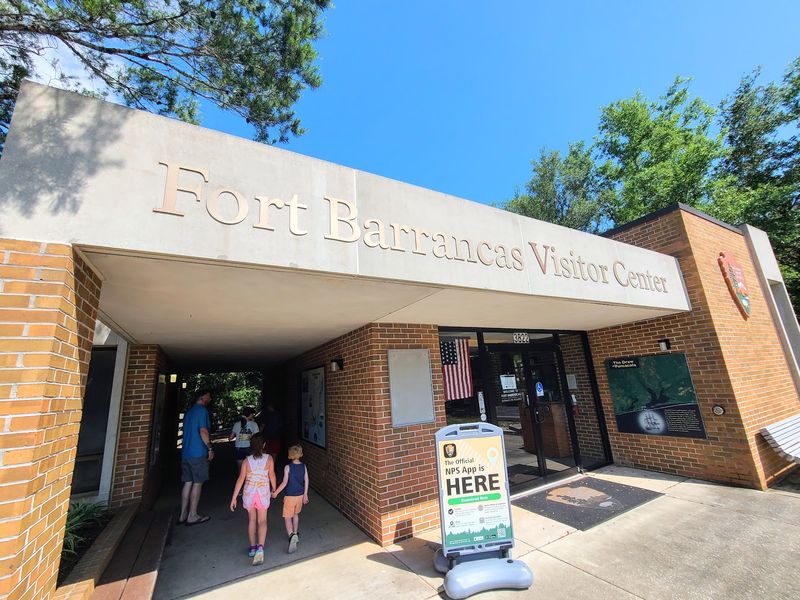
Once you clear the gate, the fort is open Wednesday through Sunday from 9 a.m. to 3:30 p.m. The visitor center, staffed by knowledgeable Park Rangers, provides maps, historical context, and answers to any questions. Many visitors recommend watching the 12-minute introductory video before heading out to explore.
It sets the stage beautifully, explaining the fort’s strategic importance and architectural features. The staff is friendly and enthusiastic, often going above and beyond to share fascinating tidbits about the site.
Accessibility is generally good, though the underground tunnels and some ramparts involve stairs and uneven surfaces. Families with young children find the fort engaging, as there is plenty of open space to roam and enough nooks and crannies to spark young imaginations. The Junior Ranger program is available, offering kids a fun way to learn while earning a badge.
Overall, the combination of free entry, welcoming staff, and rich history makes Fort Barrancas a standout attraction in the Pensacola area.
Stunning Views and Photo Opportunities Everywhere
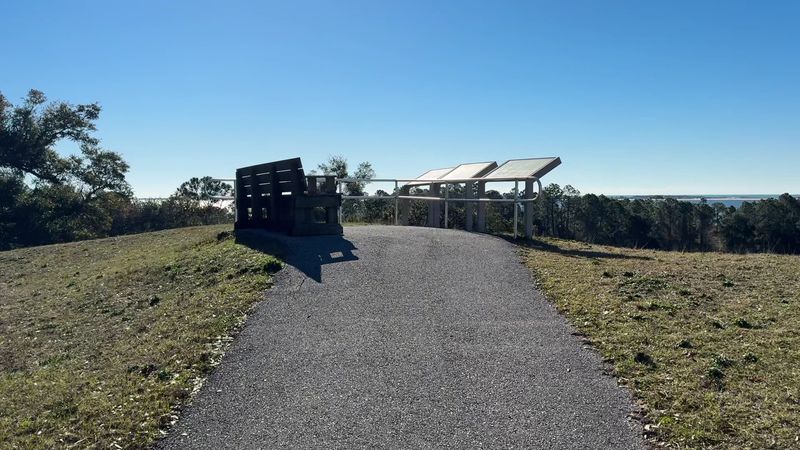
Forget boring selfies in front of bland backgrounds. Fort Barrancas offers some of the most striking photo opportunities in Northwest Florida. From the elevated ramparts, you get sweeping views of Pensacola Bay, the Naval Air Station runways, and even Fort Pickens across the water.
On a clear day, the vista stretches for miles, blending blue sky, emerald water, and lush greenery into a postcard-perfect scene.
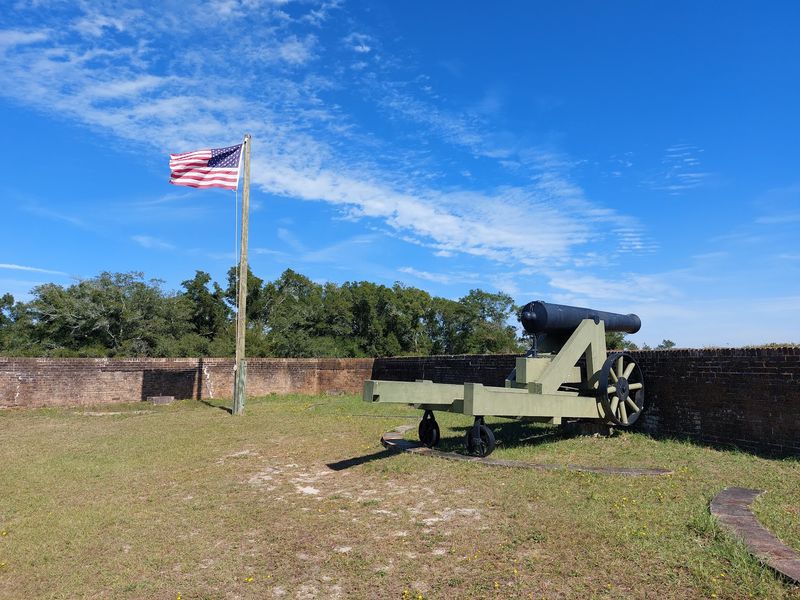
Photographers love the contrast between the weathered brick walls and the bright Florida sun. The fort’s architecture provides endless angles: arched doorways framing distant horizons, shadowy corridors leading to sunlit courtyards, and rusted cannons pointing toward the bay. Whether you are shooting with a professional camera or just your smartphone, you will leave with a memory card full of keepers.
The location has become a popular spot for special occasions, too. Couples have taken engagement photos here, drawn by the romantic, timeless atmosphere. Families schedule senior portraits against the historic backdrop, capturing a unique blend of past and present.
One visitor mentioned returning years later with her son for senior pictures, just as she had done for her own engagement photos in 2004. The fort’s visual appeal never gets old.
Inside the fort, the play of light and shadow through the tunnels creates dramatic effects. Early morning and late afternoon light cast long shadows across the stone floors, adding depth and mood to your shots. Even the overgrown grass and wild vegetation, which some reviews mention needs trimming, adds a certain untamed beauty to the scene.
Just watch out for low-hanging branches and remember to keep your eyes on the path while framing that perfect shot.
Ranger Tours and the Advanced Redoubt Adventure
Walking the fort solo is rewarding, but joining a ranger-led tour takes the experience to another level. The National Park Service rangers at Fort Barrancas are passionate historians who bring the past to life with vivid storytelling and little-known facts. Weekend tours are typically available, though schedules can vary, so checking ahead is wise.
The rangers explain how the fort was built, its role in various conflicts, and the daily lives of soldiers stationed here.
For those craving a more adventurous experience, the Advanced Redoubt tour is not to be missed. This separate site, located a short distance from the main visitor center, is only accessible with a ranger escort. The Advanced Redoubt is an older, partially abandoned structure that predates the main fort.
Its dark passageways, crumbling walls, and overgrown surroundings give it an Indiana Jones vibe that appeals to thrill-seekers.
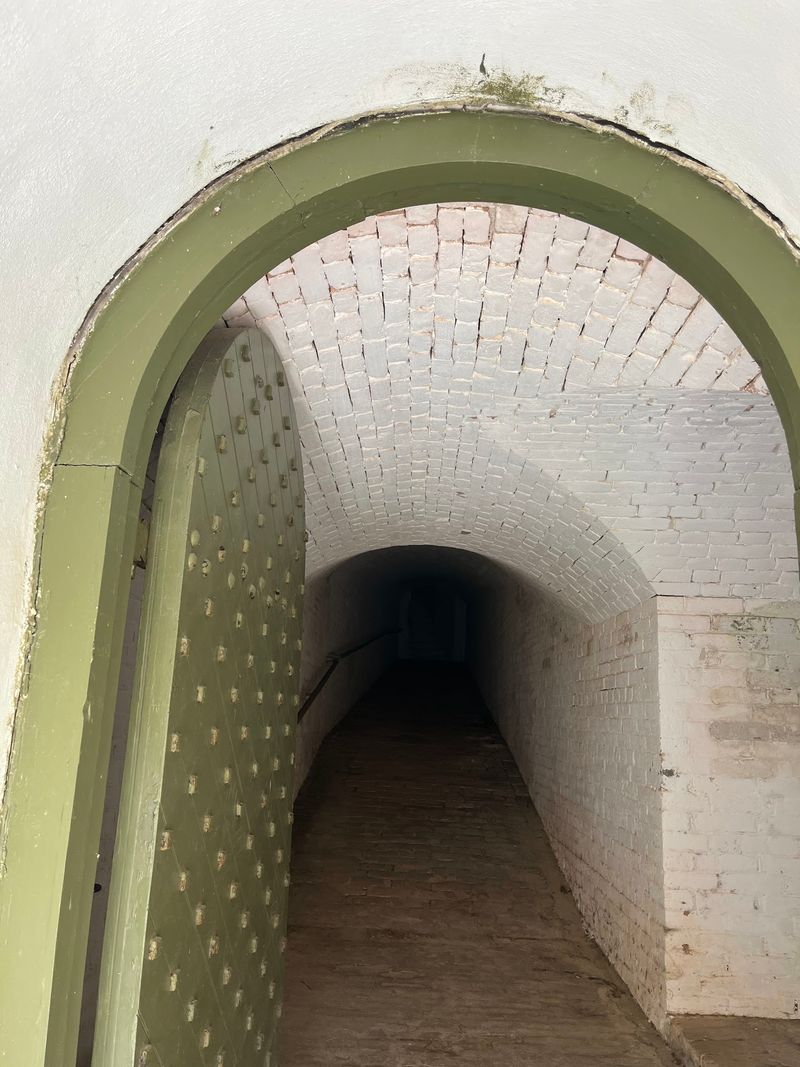
The Advanced Redoubt tour involves navigating narrow, unlit corridors where you might encounter bats, snakes, or other local wildlife. It is not suitable for young children or anyone uncomfortable with tight, dark spaces. But for adventurous souls, it offers a rare chance to explore a piece of history that feels genuinely untouched.
Flashlights are recommended, and sturdy shoes are a must. The ranger provides context and ensures safety, but the atmosphere is undeniably eerie and exciting.
Visitors consistently rave about the knowledge and enthusiasm of the rangers. One review highlighted Dan, a ranger who gives outstanding presentations in the visitor center. Another mentioned how a ranger swore in kids as Junior Rangers even as the fort was closing for the day, showing dedication and kindness.
Whether you opt for the standard tour or the Advanced Redoubt adventure, the rangers make the history come alive in ways that plaques and signs alone cannot achieve.
Practical Tips for a Comfortable and Safe Visit
A little preparation goes a long way when visiting Fort Barrancas. First and foremost, wear closed-toe shoes, preferably sneakers or hiking boots. The grounds have sandy patches, uneven stone surfaces, and areas where sand spurs and fire ants lurk.
Flip-flops or sandals might seem tempting in the Florida heat, but they will leave you hopping and cursing before long. Comfortable, sturdy footwear makes exploring the tunnels and ramparts much more enjoyable.
Bug spray is your best friend, especially during the warmer months. Multiple reviews emphasize this point, with one visitor calling their failure to bring repellent a “huge mistake.” Mosquitoes and other biting insects thrive in the humid, wooded areas around the fort. A quick spray before you start exploring can save you from itchy misery.
Sunscreen is also wise, as much of the fort is exposed to direct sunlight.
Bring water and snacks, particularly if you plan to spend a few hours exploring. There are no concessions or vending machines on-site, and the Florida sun can be relentless. Staying hydrated keeps your energy up and your mood positive.
A small backpack with essentials, a camera, and perhaps a flashlight for the darker tunnel sections will enhance your visit.
Check the hours before you go. The fort is closed Mondays and Tuesdays, and hours can occasionally change due to special events or maintenance. Some visitors have arrived only to find it unexpectedly closed, so a quick call to the visitor center at 850-934-2622 or a glance at the National Park Service website can prevent disappointment.
Also, remember the Real ID requirement for base access. Without proper identification, you will not get past the gate, no matter how eager you are to explore.
Why Fort Barrancas Deserves a Spot on Your Pensacola Itinerary
Pensacola is packed with attractions, from the famous National Naval Aviation Museum to the sugar-white beaches of the Gulf Islands National Seashore. So why should Fort Barrancas make your must-see list? Because it offers something most other sites cannot: a tangible, immersive connection to centuries of American and international history, wrapped in an atmosphere of mystery and adventure.
The fort is not just a static monument. You can wander freely through its rooms and tunnels, touching the walls, imagining the soldiers, and feeling the weight of history in every echoing footstep. The underground passageways add an element of exploration that appeals to kids and adults alike.
It is history you can physically experience, not just read about on a sign.
The location on Naval Air Station Pensacola adds another layer of interest. After visiting the fort, you can easily combine your trip with a stop at the Naval Aviation Museum or the Pensacola Lighthouse, both nearby. The base itself is steeped in military tradition, and watching modern jets and trainers fly overhead while standing in a 19th-century fortress creates a fascinating juxtaposition of past and present.
Visitors consistently rate Fort Barrancas highly, with a 4.6-star average from over 400 reviews. Comments praise its well-maintained condition, knowledgeable staff, and the sheer fun of exploring its tunnels and ramparts. Many say it exceeded their expectations, especially considering it is free.
One reviewer called it “one of the better historic forts,” while another said it reminded them of Dry Tortugas National Park. The consensus is clear: Fort Barrancas punches well above its weight and deserves more recognition as a top Pensacola attraction. Whether you have an hour or an afternoon, this fort will leave you with memories, photos, and a deeper appreciation for Florida’s rich and complex history.