This Florida Military Museum Brings World War II Back to Life With Tanks, Soldiers, and Historic Encampments
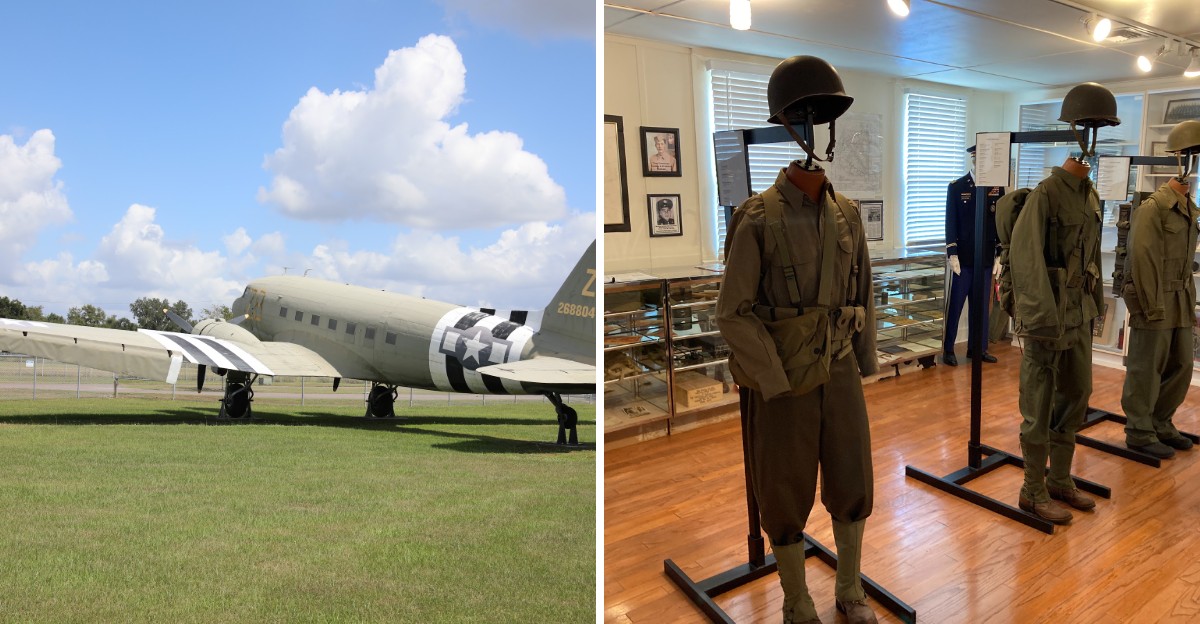
Once a year, tanks roll across a grassy field next to a working Florida airport. Soldiers in period uniforms charge, blanks crack through the air, and kids sprint out afterward to collect spent brass. I can’t imagine a more memorable history lesson.
The museum behind it all sits inside a real World War II era building. The site once served as a training base for the Army Air Forces. That means the walls themselves are part of the story.
I like how the whole place runs on volunteers and generosity. There’s no admission fee, just donation boxes and plenty of passion. Many guides have served in the military themselves.
The catch? The doors open only one day a week. So is a single Saturday enough to see everything waiting inside?
1. Real History Lives Inside These Barracks Walls
Plenty of museums display old artifacts, but few sit inside one. The Zephyrhills Museum of Military History calls a World War II era building home. It stands right at the Zephyrhills Municipal Airport, which still operates today.
Back in the 1940s, this airfield served as a training base for the Army Air Forces. Young airmen learned their skills here before heading overseas. That local connection gives the museum a story many bigger places simply can’t match.
The building looks modest from the outside. Don’t judge it by its siding, though. The inside is packed with displays from floor to ceiling, and every corner seems to hold another surprise.
Florida played a huge role in training troops during that era. The state’s flat land and mild weather made it perfect for flight schools. Zephyrhills was one of many small towns that suddenly found itself buzzing with planes and personnel.
Knowing this changes how you see the place. You’re not just looking at history behind glass. You’re standing where real people trained, worked, and prepared for one of the biggest challenges of the twentieth century.
Take a moment to notice the building itself as you explore. Ask a guide about how the base operated back then. The volunteers enjoy sharing those local details, and the answers often bring the whole town’s past into focus.
It’s a small space with a big backstory. That combination makes the museum feel personal in a way grand halls rarely manage. History feels closer when it’s literally under your feet.
2. Tanks Rumble Onto the Field for the Big Reenactment
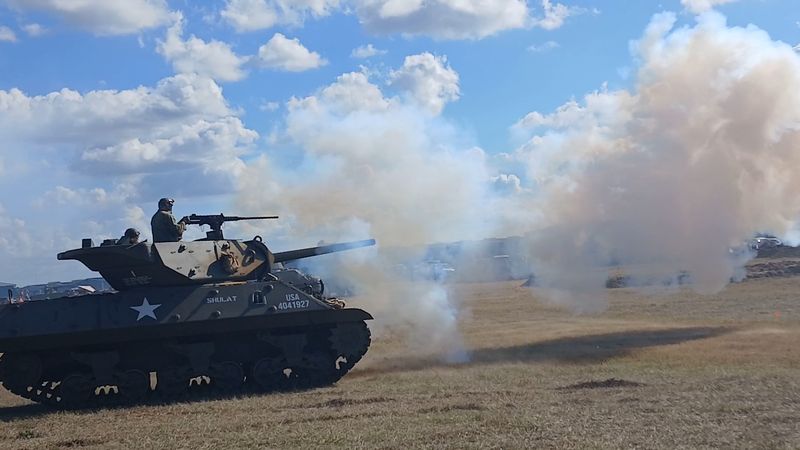
Tanks. Actual tanks, rolling across a Florida field. The museum’s World War II reenactment brings armored vehicles, military trucks, and period weapons together for a show that feels straight out of a history book.
The event has featured American, British, and German tanks over the years. Reenactors dress in carefully chosen uniforms from the 1940s. They act out battle scenes so spectators can see how soldiers moved, communicated, and worked as teams.
Yes, it gets loud. The firing uses blanks, but the booms still echo across the field. Bringing ear protection is a smart move, especially for younger kids with sensitive ears.
One fun tradition happens after the action ends. Spectators are invited onto the field to pick up spent brass casings. Kids treat it like a treasure hunt, and plenty of grown-ups join the search too.
The museum has hosted major World War II reenactments around Veterans Day and D-Day. Its current calendar also lists a Pearl Harbor Remembrance Day event on December 5, 2026, featuring living history displays, military vehicles, aircraft, and reenactors.
Watching history in motion hits differently than reading about it. Seeing the size of a tank up close helps you understand what crews faced. It also builds real respect for the people who served.
Pack a folding chair, some sunscreen, and plenty of patience for traffic. Then get ready for the kind of field trip students wish happened every week.
3. Wander Through Encampments Straight Out of the 1940s
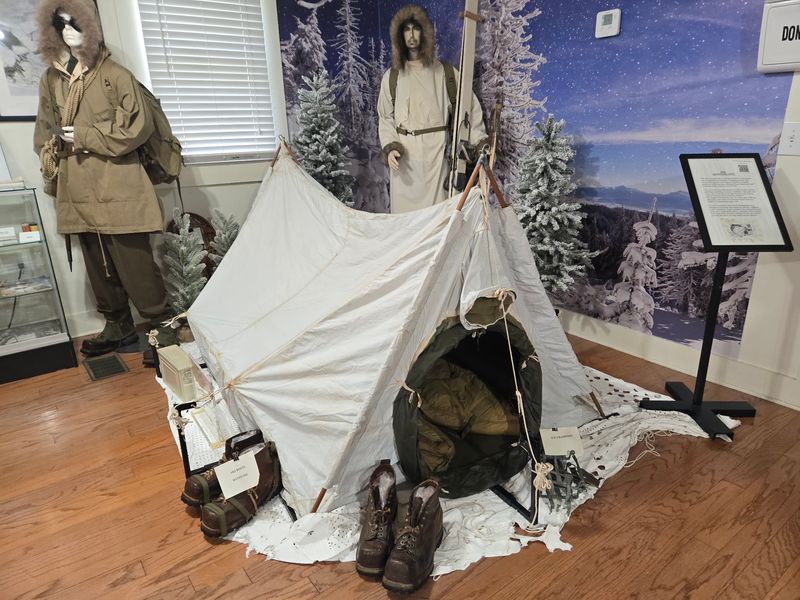
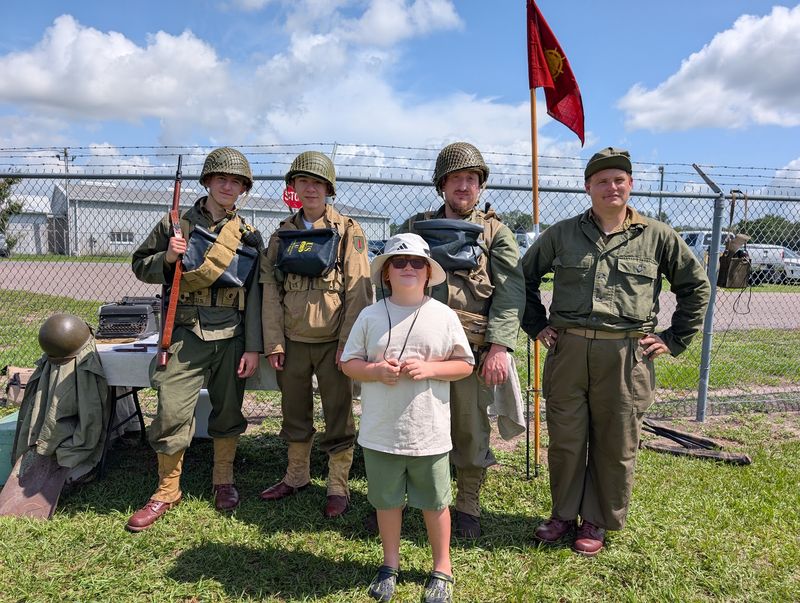
Canvas tents, field gear, and soldiers sipping from tin cups set the scene. During the reenactment weekend, living history encampments pop up around the grounds. They show how troops actually lived when they weren’t on the move.
Each camp represents a different group from the era. You might see American, British, or German setups, each with its own equipment and style. The details make it feel like a time machine parked on a lawn.
Reenactors usually love questions. They can explain what soldiers carried, how they cooked, and how they slept in rough conditions. It’s a hands-on way to learn things textbooks often skip.
Kids especially enjoy this part. Seeing a real field radio or a mess kit sparks curiosity fast. Suddenly, history becomes something you can almost touch instead of something you memorize for a test.
Take your time walking between camps. Notice the differences in uniforms, helmets, and vehicles. Comparing them side by side shows how each army solved the same problems in its own way.
Be respectful while you explore, though. These camps represent hours of research and care from dedicated hobbyists. Ask before touching anything, and you’ll likely get a friendly yes along with a great story.
Encampments add depth to the big battle show. The action on the field grabs attention, but the camps explain the daily reality. Together, they paint a fuller picture of what life looked like for soldiers so many years ago.
4. Every Major Era Gets Its Own Corner
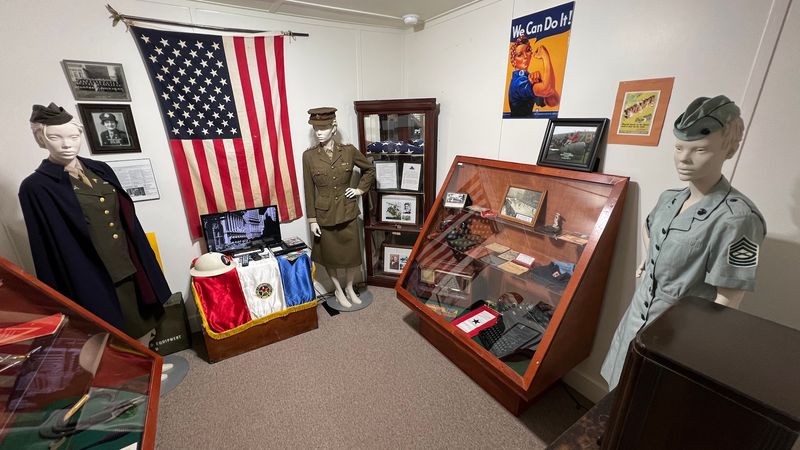
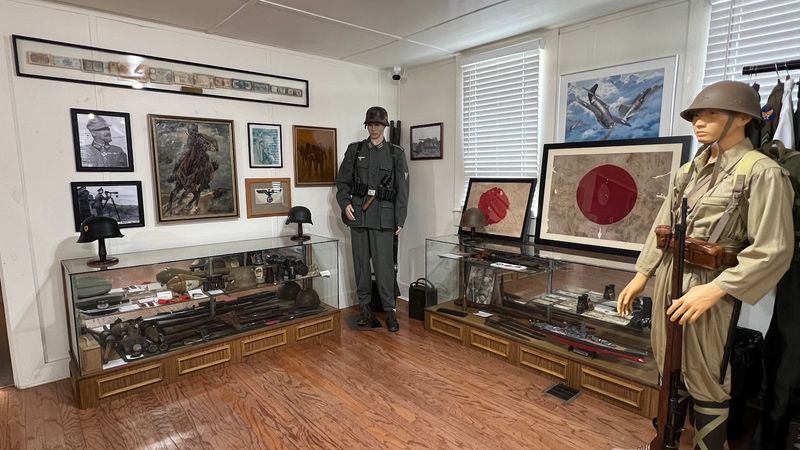
World War II steals the spotlight, but it doesn’t hog the whole stage. Inside the Zephyrhills Museum of Military History, displays cover American military history from the early twentieth century through modern times.
Sections highlight World War I, World War II, Korea, Vietnam, and more recent conflicts. There’s even material connected to September 11. Each area tells part of a larger story about service and sacrifice.
The museum also represents all branches of the military. Army, Navy, Air Force, Marines, and Coast Guard items share the space. That variety makes it easy for families with veterans to find something personal.
One standout display honors the 10th Mountain Division. These soldiers trained for combat in snowy mountains, which feels like a fun twist inside a Florida museum. Their story often surprises first-time visitors.
Real uniforms, medals, paintings, and equipment fill the cases. Some items are truly one of a kind. Looking closely at stitching, patches, and worn edges reveals how real people used these pieces.
Here’s a helpful tip. The museum keeps a detailed online inventory describing its collection. Browsing it before or after a visit helps you understand what you saw, or spot something you missed.
The space is compact, so you won’t need hiking boots. Still, plan for more time than you expect. Packed displays have a sneaky habit of turning a quick look into a full afternoon of reading and wondering.
5. The Guides Might Be the Best Exhibit of All
Artifacts can’t talk, but the volunteers here certainly can. Many of the guides are veterans who bring their own experiences to every tour. That personal touch turns a museum visit into a real conversation.
Ask a question, and you’ll often get a story along with the answer. Guides explain where items came from and why they matter. They also share local history about the airfield and the town.
Private tours are sometimes possible when things are quiet. Even a casual chat can teach you something new. These volunteers clearly enjoy what they do, and that energy is contagious.
For kids who love history, this is gold. A young World War II fan can ask about tanks or uniforms and get thoughtful replies. It beats any search engine for sparking curiosity.
Remember that everyone here gives their time freely. A simple thank you goes a long way. If a guide shares a personal service story, listen closely, because those memories are a kind of history too.
Here’s some practical advice. Come with a few questions in mind before you arrive. Maybe ask about a relative’s branch or a war you studied in school.
The conversations often linger in your mind long after you leave. Objects tell what happened, but people explain how it felt. That human connection is what makes this small museum hit so hard.
6. Your Wallet Can Relax, but Bring Some Cash Anyway
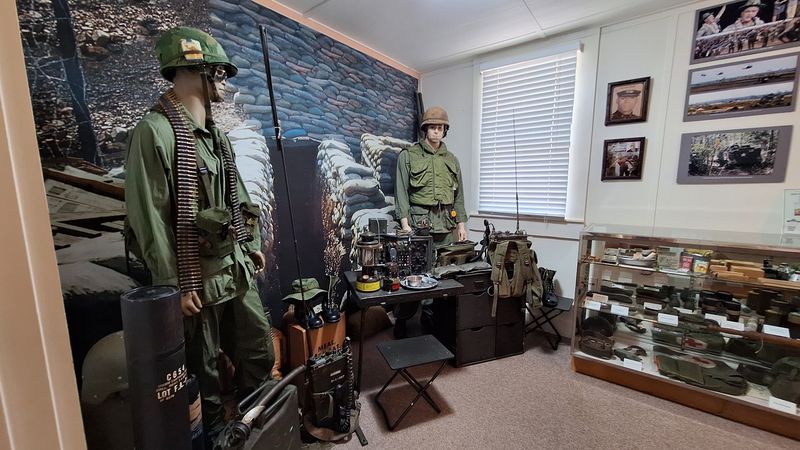
Free admission sounds almost too good to be true. Yet the Zephyrhills Museum of Military History doesn’t charge an entry fee. Anyone can walk in and explore the collection at no cost.
That generosity comes with a gentle request. Donation boxes sit throughout the museum. The nonprofit relies on that support to care for artifacts, maintain the building, and host events.
Bringing a little cash makes giving easy. Even a small amount helps keep the doors open for the next family. Think of it as paying history forward.
The museum also offers items for sale. Look for books, comics, and t-shirts connected to the museum’s mission. They make thoughtful souvenirs and directly help the cause.
Reading material is a great pick for young history fans. A book from the museum can keep the learning going long after the car ride home. It also beats yet another plastic keychain.
Reenactment weekends bring even more ways to support the museum. Vendors often set up booths with food and militaria. Spending a little there adds fun to the day and strengthens the event for future years.
Free museums like this depend on community care. Every dollar helps volunteers preserve stories that could easily fade away. Supporting them feels good, and honestly, it’s one of the easiest ways to honor those who served.
7. Mark Saturday on Your Calendar, Because That’s the Only Day
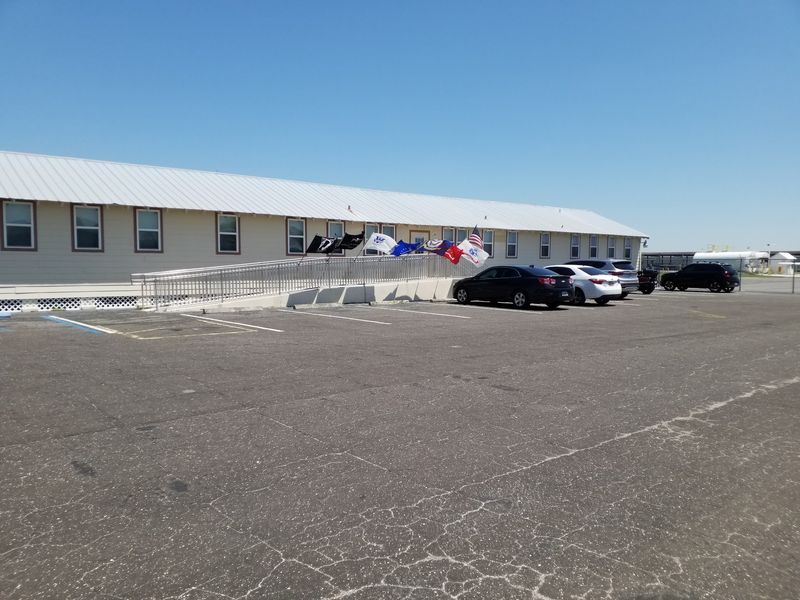
Timing is everything with this museum. Regular hours run only on Saturdays from 10 a.m. to 4 p.m. Show up on a Tuesday, and you’ll be admiring a locked door.
That limited schedule makes sense for a volunteer-run spot. Guides donate their weekends to share history with visitors. A single open day keeps things manageable for the dedicated team.
Plan accordingly. Arriving earlier in the day gives you more time to linger at displays and chat with volunteers. Rushing through the last hour would waste a lot of good stories.
Special events can shift the usual routine. Reenactment weekends sometimes bring different hours or activities on the field. Checking the museum’s calendar ahead of time is always smart.
Restrooms are available on-site, which parents will appreciate. The space is easy to explore at your own pace. Families can split up and regroup without worrying about getting lost.
Here’s a fun idea for Florida families. Turn a Saturday visit into a mini road trip. Pair the museum with lunch in town or a stop at a nearby park to round out the day.
Yes, one day a week takes some planning. Still, that rarity adds a little excitement. When Saturday finally rolls around, the museum feels like a special event instead of just another errand.
8. Planes Overhead Add a Bonus Soundtrack
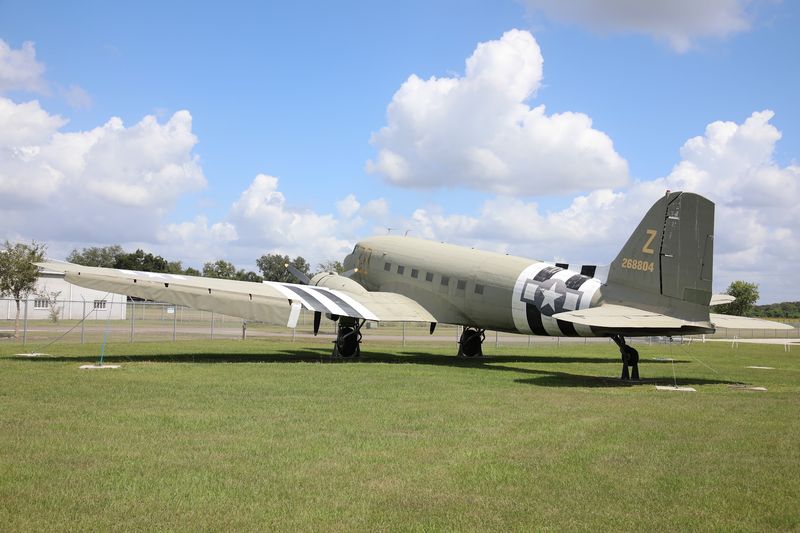
Few museums come with a live airport next door. This one does, and the setting adds extra charm. Small aircraft still use the Zephyrhills Municipal Airport, the same field where Army Air Forces trainees once flew.
Zephyrhills sits in Pasco County, Florida, northeast of Tampa. The town is also famous for skydiving, so don’t be surprised to see parachutes drifting down nearby. It’s a busy little sky for such a quiet town.
To find the museum, head to 39444 South Ave, Zephyrhills, FL 33542. The address puts you right on the airport grounds. Parking and navigation are straightforward for most drivers.
The location helps tell the museum’s story. Standing near active runways makes the training history feel real. You can almost picture young pilots taking off in the 1940s.
Kids usually love watching planes come and go. It’s a natural way to connect past and present. Point out how aviation has changed since the days of propeller trainers.
Bring a hat and water if you plan to spend time outside. Florida sunshine can be intense, even in cooler months. Shade isn’t always easy to find on open airport land.
Getting there is half the fun. The drive offers a peek at small-town Florida life away from theme park crowds. By the time you arrive, you’ll be ready to trade traffic for history.
9. Bring the Kids and Watch History Click for Them
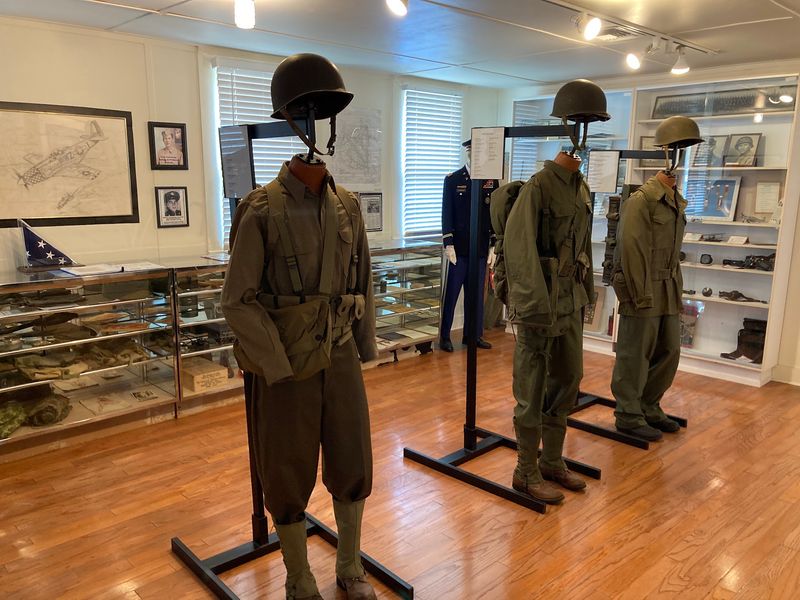
Textbooks rarely make a nine-year-old gasp. Real helmets, uniforms, and tank treads usually do. The Zephyrhills Museum of Military History turns dates and names into objects kids can actually see.
Young World War II fans will feel right at home. Displays are packed with details that spark endless questions. Volunteers happily answer them, which saves parents from frantic phone searches.
The reenactment weekend is especially kid-friendly. Tanks, encampments, and the brass hunt create memories that stick. Just remember the ear protection for little ones.
Visits also open doors to meaningful family talks. Kids may ask about grandparents who served or about why these events mattered. Those chats can become some of the best parts of the day.
Here’s a simple tip. Give children a mission before you arrive. Ask them to find a certain patch, a favorite uniform, or an item from each branch.
The museum’s compact size works in your favor. Little legs won’t wear out too quickly. Families can explore thoroughly without the exhausting marathon of a giant museum.
For homeschoolers and teachers, the museum offers a ready-made history lesson. Pair it with the online inventory for extra learning at home. It’s an easy way to stretch one visit into a whole unit.
Florida has plenty of flashy attractions. This one trades roller coasters for real stories, and it might just inspire a lifelong love of history in someone small.