This Florida Museum Pairs Monet Masterpieces With a Jaw-Dropping Glass Ceiling
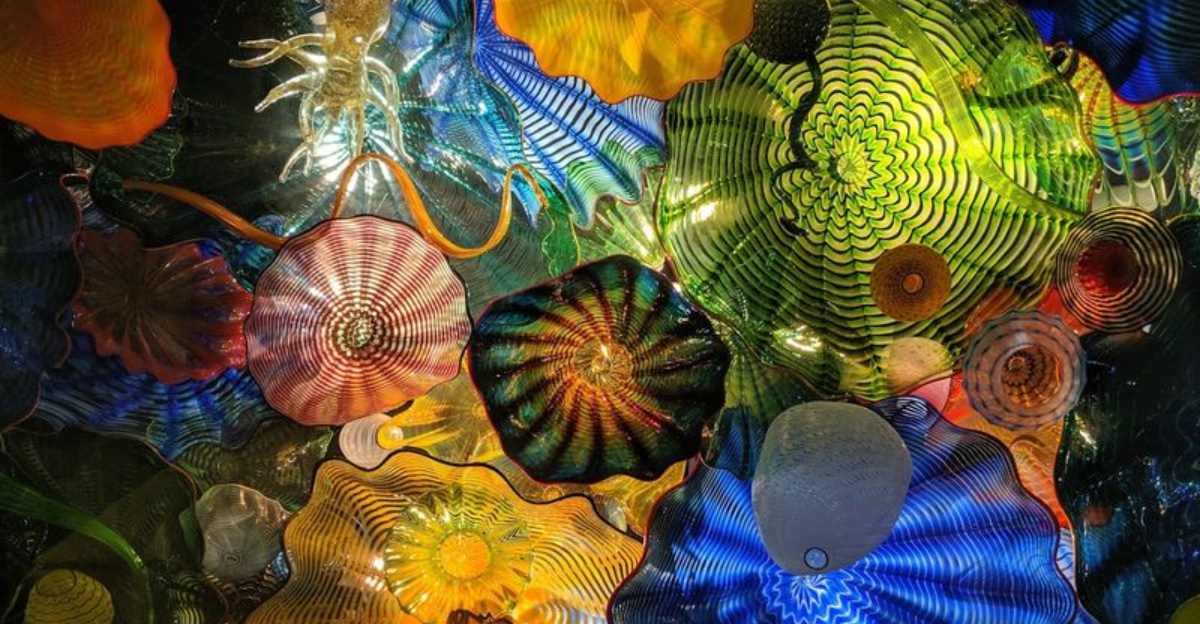
West Palm Beach hides a world-class art museum that most people outside Florida have never heard of. The Norton Museum of Art showcases masterpieces by Monet, Picasso, and Degas under a stunning glass ceiling that floods the galleries with natural light. Whether you’re an art expert or just looking for something different to do on a rainy day, this museum delivers an experience that rivals anything you’d find in New York or Chicago.
1. That Iconic Glass Ceiling Everyone Talks About
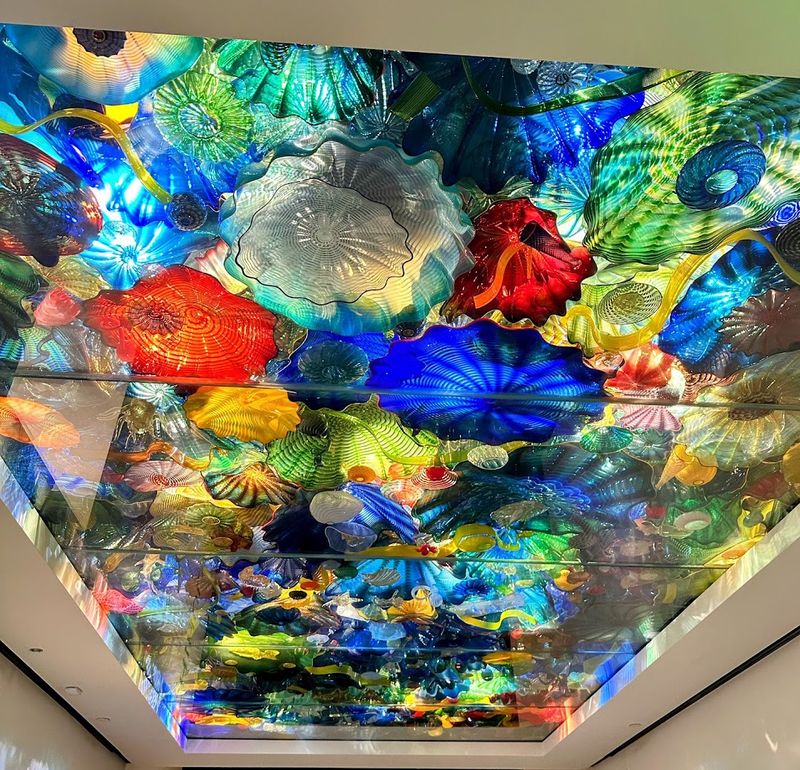
Foster + Partners redesigned the Norton in 2019, and the centerpiece is a massive glass pavilion that changed everything. Natural light pours through 12,000 square feet of glass panels, creating this bright, airy feeling that makes you forget you’re indoors. The architects wanted visitors to feel connected to Florida’s sunshine while viewing priceless art.
Walking under that ceiling feels different than typical museum experiences. Most galleries keep things dim to protect the artwork, but the Norton uses special UV-filtering glass that protects paintings while letting in tons of daylight. You’ll notice how colors pop differently here compared to artificially lit museums.
The glass structure covers the Great Hall, which serves as the museum’s central gathering space. People often just sit on the benches and look up, watching clouds drift by overhead. It’s become the museum’s signature feature and shows up in nearly every visitor photo.
Architects designed the ceiling to handle Florida’s intense weather, from hurricanes to brutal summer heat. The engineering behind those glass panels is pretty impressive, even if you’re not into architecture. This design won awards and put the Norton on the map as a must-see architectural destination in South Florida.
2. Monet’s Water Lilies and French Impressionist Collection
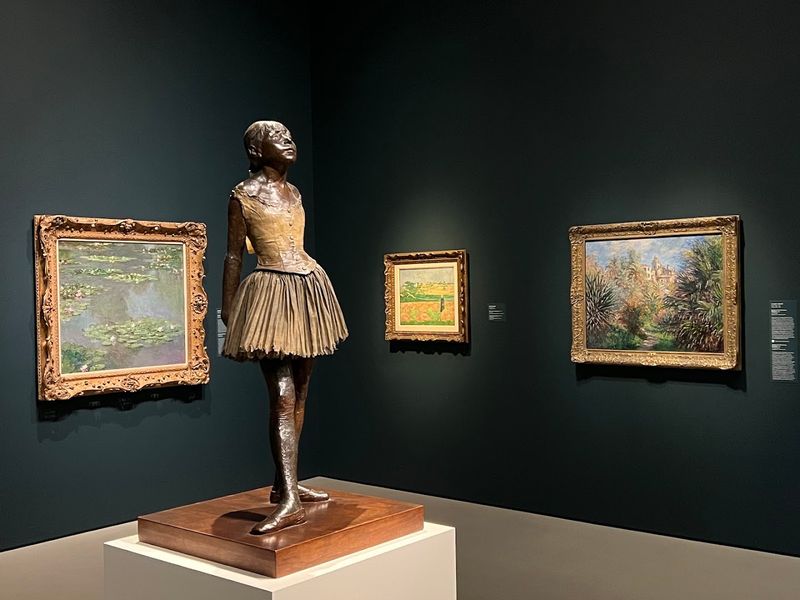
The Norton owns several Monet paintings, including works from his famous water lily series. Seeing these up close beats any textbook photo because you can actually see the brushstrokes and texture. The French Impressionist collection ranks among the best in the Southeast, with pieces that museums in bigger cities would kill to have.
Monet painted his water lily series obsessively during the last decades of his life at his Giverny garden. The Norton’s examples show his signature style of capturing light reflecting off water through loose, dreamy brushwork. Stand close and it looks like random dabs of paint, but step back and suddenly you’re staring at a perfect pond scene.
Beyond Monet, you’ll find works by other French masters like Renoir, Cézanne, and Matisse scattered throughout the galleries. The museum rotates pieces from storage, so repeat visitors often discover paintings they haven’t seen before. One reviewer mentioned stumbling across paintings they’d only seen in books, which happens more often than you’d expect here.
The French collection benefits tremendously from that glass ceiling’s natural light. Impressionists painted outdoors to capture natural sunlight, so viewing their work under actual daylight instead of artificial bulbs reveals details and color variations most people miss.
3. Picasso, Degas, and the European Masters Gallery
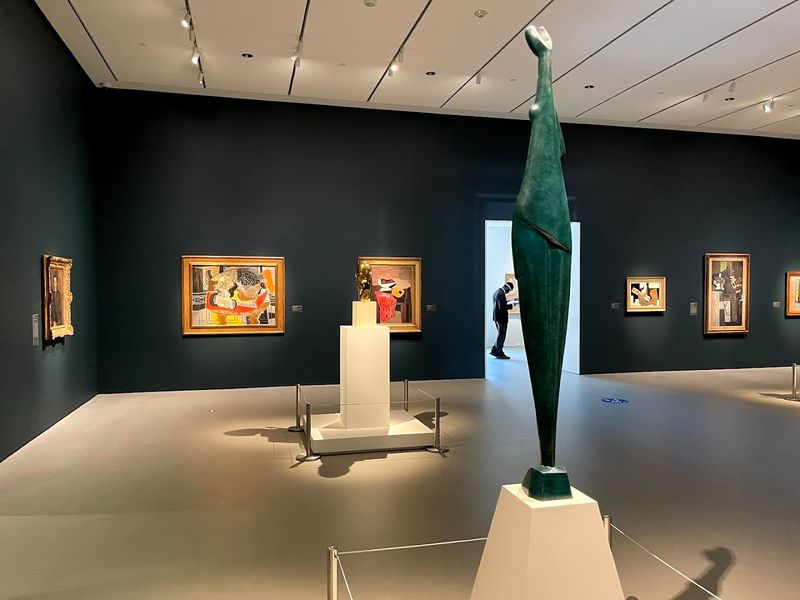
Multiple Picasso works hang in the Norton’s permanent collection, spanning different periods of his career. You’ll also find Degas ballet sculptures that capture dancers in mid-pose with incredible realism. These aren’t lesser-known pieces by famous artists—these are legitimate masterworks that belong in any serious art museum.
The European galleries feel like a greatest hits tour of art history. Van Gogh, Rodin sculptures, Jackson Pollock’s chaotic drip paintings, and Georgia O’Keeffe’s bold flower studies all share space here. Visitors consistently express shock at the quality and variety, especially those who assumed Florida museums couldn’t compete with northern institutions.
What makes the Norton special is how they display these treasures without pretension. There’s no velvet ropes or intimidating guards making you feel unwelcome. The museum wants regular people to enjoy world-class art, not just stuffy collectors and academics.
One couple visiting on a cold day said they had no idea pieces they’d seen in books were actually here until they walked right up to them. That’s the Norton experience—accessibility to museum-quality art that surprises people who expect Florida to only offer beaches and theme parks. The collection proves West Palm Beach deserves recognition as a legitimate cultural destination.
4. Asian Art Collection Spanning Centuries
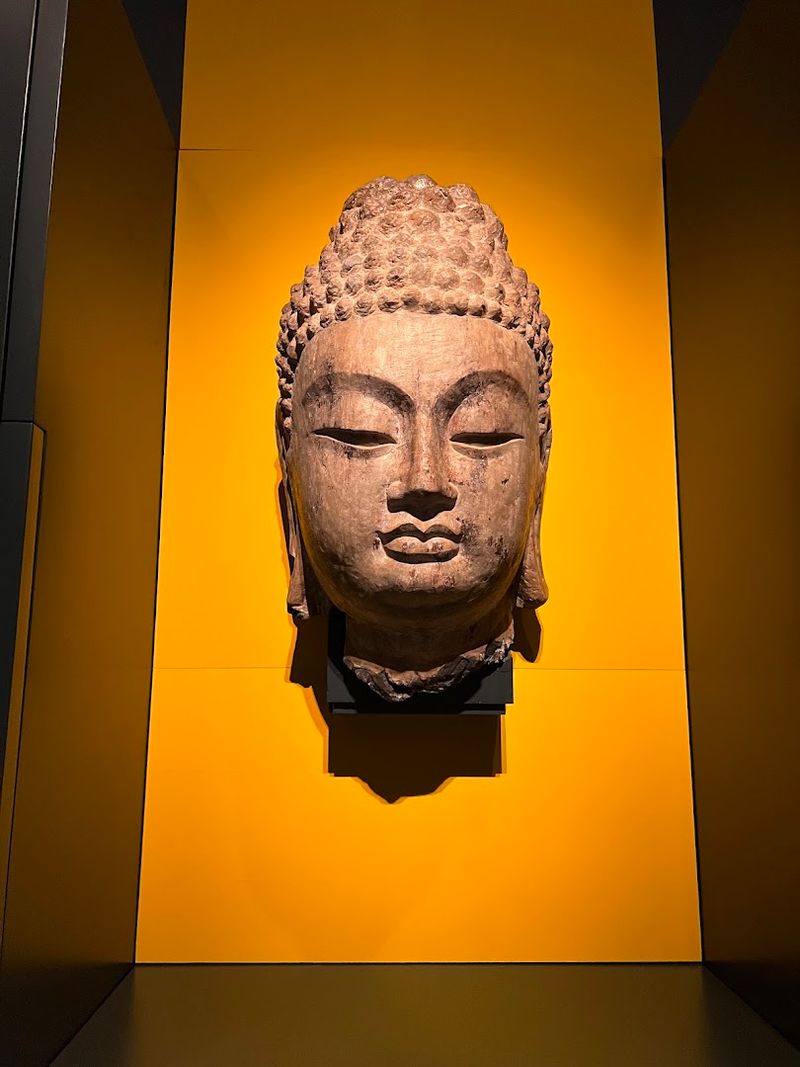
The Norton houses an extensive Asian art collection that many visitors discover by accident and end up spending hours exploring. Chinese ceramics, Japanese woodblock prints, and sculptures dating back centuries fill multiple gallery rooms. The museum takes this collection seriously enough to host annual Chinese New Year celebrations complete with lion dances and traditional performances.
Families particularly love these festivities, which have become a West Palm Beach tradition over the past six years. The museum organizes kid-friendly activities like painting workshops, storytelling sessions, and live music that introduce Asian culture to the community. They even set off fireworks the night before the main celebration.
The permanent Asian galleries showcase pieces most Americans have never encountered outside major metropolitan museums. Intricate jade carvings, delicate scroll paintings, and Buddhist sculptures demonstrate craftsmanship that took lifetimes to master. One reviewer specifically mentioned finding the Asian art really interesting despite having no prior exposure to it.
These galleries provide a nice change of pace from European paintings. The aesthetic is completely different—more meditative and focused on negative space rather than the bold colors and movement of Western art. Walking through these rooms feels like traveling to another continent, which adds unexpected variety to your museum visit.
5. Contemporary and Modern American Art Wings
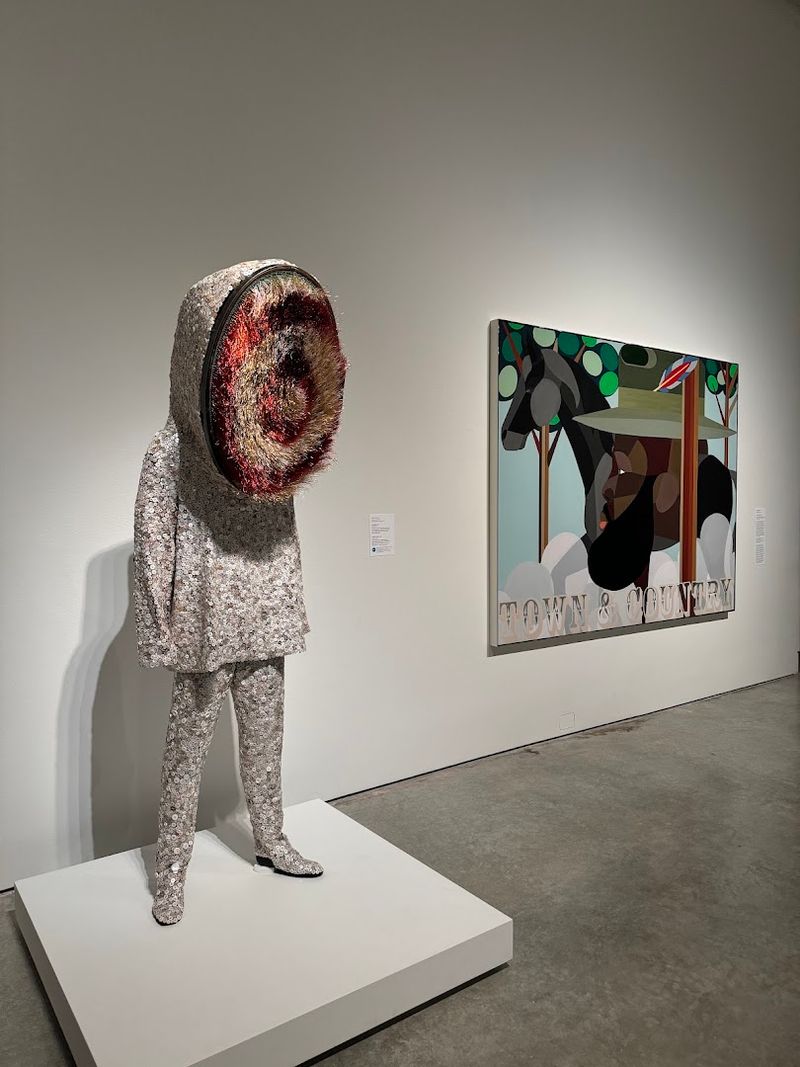
Contemporary galleries showcase living artists alongside modern American masters, creating conversations between different generations of creativity. Recent exhibitions featured artists like Danielle McKinney and Shara Hughes, whose work draws crowds specifically to see their pieces. The Norton doesn’t just collect dead artists—they actively support and display contemporary voices.
American art from the 20th century fills several rooms with pieces by artists who defined their eras. You’ll encounter everything from abstract expressionism to pop art to minimalist sculptures. The variety keeps things interesting even if you’re not typically into modern art.
One visitor drove up from Fort Lauderdale specifically to see the Danielle McKinney exhibition and planned to return multiple times before it closed. That’s the kind of pull these contemporary shows have—they bring art lovers from across South Florida who want to see specific artists’ work in person. The museum curates these temporary exhibitions carefully to complement the permanent collection.
The contemporary spaces benefit from the building’s modern architecture. Clean lines, white walls, and that famous natural light create the perfect environment for viewing bold, colorful modern pieces. Traditional museums with dark wood paneling and dim lighting can make contemporary art feel out of place, but the Norton’s design makes everything feel cohesive and intentional.
6. Outdoor Sculpture Garden and Peaceful Grounds
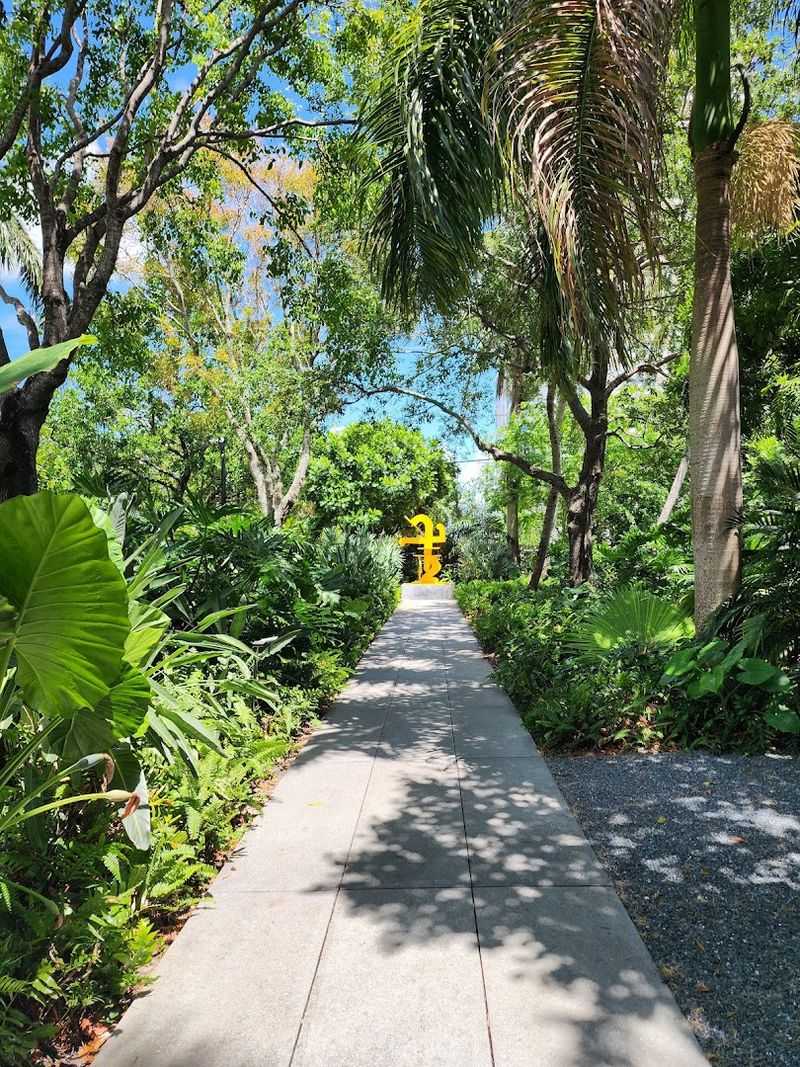
Behind the museum lies a sculpture garden that visitors consistently call beautiful and peaceful. Large-scale outdoor artworks dot the landscaped grounds, giving you a chance to experience art in Florida’s natural environment. Many people specifically mention not missing this area because it offers a completely different vibe from the indoor galleries.
The garden provides a perfect break if you’re feeling museum fatigue. You can sit on benches surrounded by tropical plants and contemporary sculptures, enjoying the fresh air while still being immersed in art. It’s particularly nice during cooler months when Florida weather is absolutely perfect.
Several sculptures are interactive or large enough to walk around, letting you experience art from multiple angles. The landscaping incorporates native Florida plants that attract butterflies and birds, adding natural beauty to the artistic installations. Some visitors spend almost as much time in the garden as they do inside the museum.
There’s also a massive old tree in front of the building that’s become an unofficial landmark. Multiple reviewers mention this tree specifically, with one even asking people to “honor” it. The tree provides shade and photo opportunities, and it’s apparently been there long enough to become part of the Norton’s identity.
Between the sculpture garden and that iconic tree, the museum’s outdoor spaces deserve as much attention as the indoor galleries.
7. Special Events and After Dark Programming
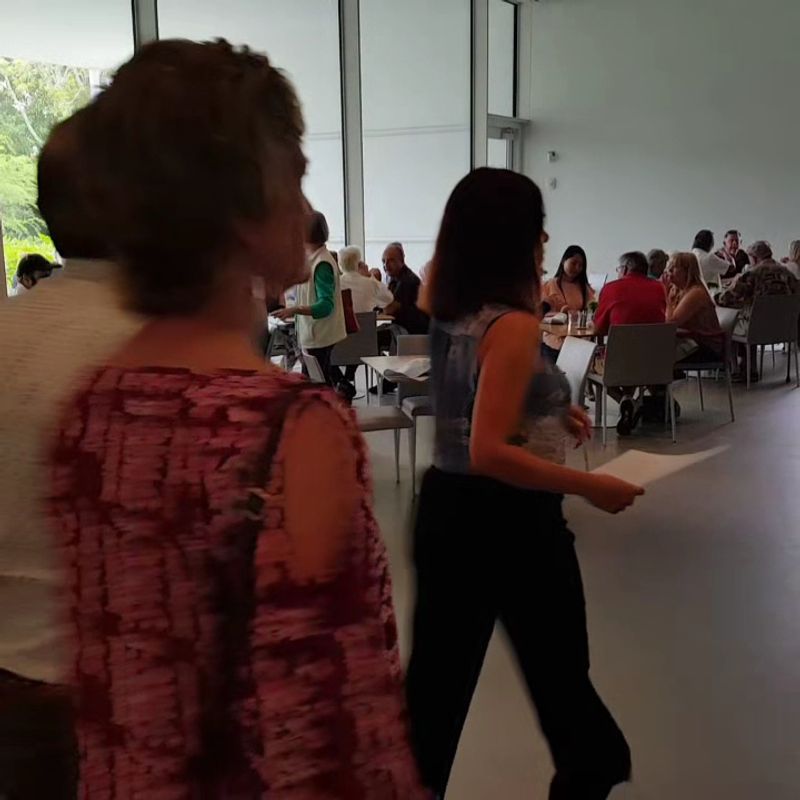
Friday nights the museum stays open until 10 PM, and they frequently host After Dark events that completely transform the space. Live music, opera performances, and special programming create an atmosphere that’s more party than traditional museum visit. These evenings attract a vibrant crowd who appreciate culture without the stuffiness.
One visitor described an After Dark event featuring live musicians and opera singers that made the museum “come alive in a new and exciting way.” The combination of world-class art, live performances, and an elegant yet energetic vibe creates unforgettable experiences. It’s become a popular date night option for locals and a must-do for visitors who want something beyond typical tourist activities.
The museum also offers lecture series, art classes, and workshops that make membership worthwhile. Annual members get access to these programs plus invitations to special exhibition previews. Several reviewers mentioned becoming members specifically to support the institution and take advantage of ongoing educational opportunities.
These events serve an important civic role beyond just entertainment. The Norton functions as a community gathering space where people from different backgrounds connect through shared cultural experiences. West Palm Beach residents express genuine pride in having such a sophisticated venue that brings people together through art, music, and programming that consistently impresses both regulars and first-time visitors.
8. Practical Visitor Information and Getting There
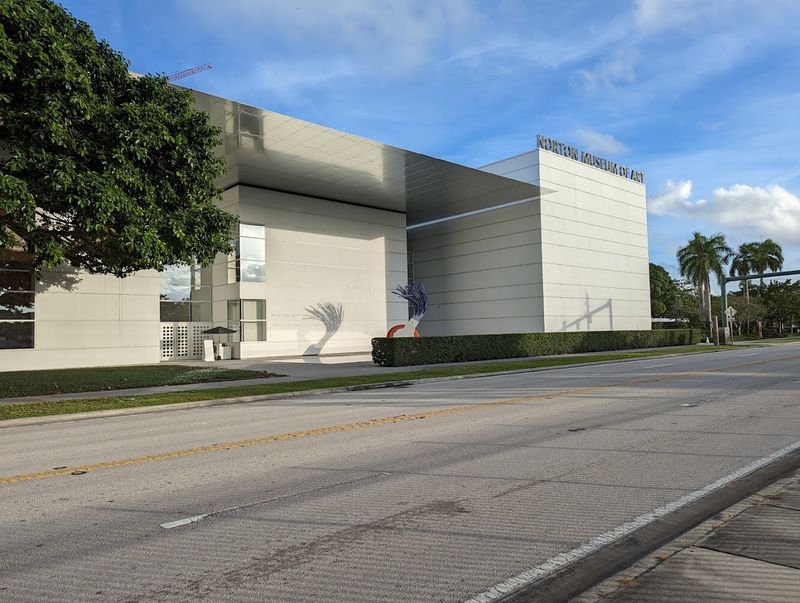
The museum sits at 1450 South Dixie Highway, easily accessible from I-95. Parking is across the street in a self-pay lot that costs three dollars per hour. Some visitors complain about not having on-site parking, but the lot has plenty of spaces and it’s literally just across the street.
Most people spend two to three hours exploring the entire museum.
Admission costs eighteen dollars for adults, with discounts for students (five dollars) and other groups. The building is fully handicap accessible with elevators to upper floors, though some reviews mention occasional elevator outages that force mobility-impaired visitors to struggle with stairs. The museum promotes accessibility, so hopefully they address this recurring maintenance issue.
Hours are Monday and Wednesday through Saturday 10 AM to 5 PM, Sunday 11 AM to 5 PM, and Friday until 10 PM. They’re closed Tuesdays. Call 561-832-5196 or check norton.org before visiting to confirm hours and current exhibitions.
Taking the Brightline train from Fort Lauderdale to West Palm Beach, then using the Circuit shuttle for about a dollar, makes the trip super easy without worrying about parking.
The museum includes a restaurant and gift shop that reviewers consistently praise. Free locker rooms secure larger bags while you explore. The staff earns repeated compliments for being friendly, approachable, and welcoming to everyone regardless of art knowledge.