This Florida Stargazing Spot Feels Like a Front-Row Seat to the Universe
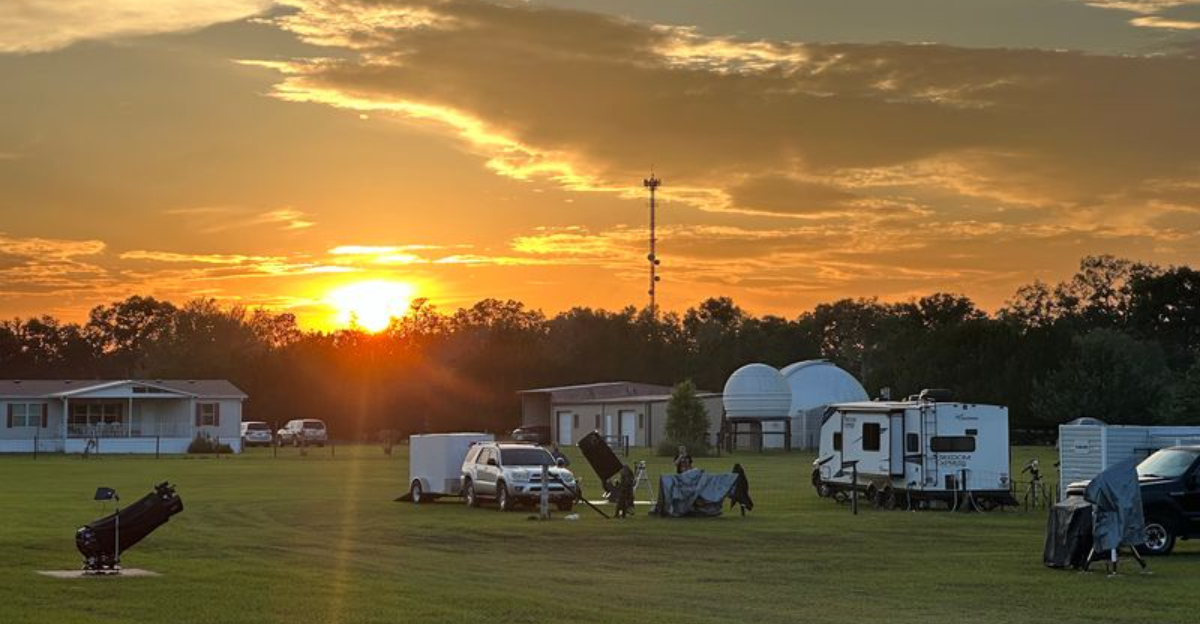
Most people think you need to travel to remote deserts or mountain peaks to see truly dark skies, but Florida holds a secret that stargazers across the Southeast have been whispering about for years. Tucked away in the quiet countryside near Chiefland sits an astronomy paradise where zero light pollution meets world-class facilities and a community of passionate sky watchers. Whether you’ve never looked through a telescope or you’ve been tracking celestial objects for decades, this members-only haven offers experiences that’ll change the way you see the night sky forever.
Zero Light Pollution Makes Every Night a Cosmic Show
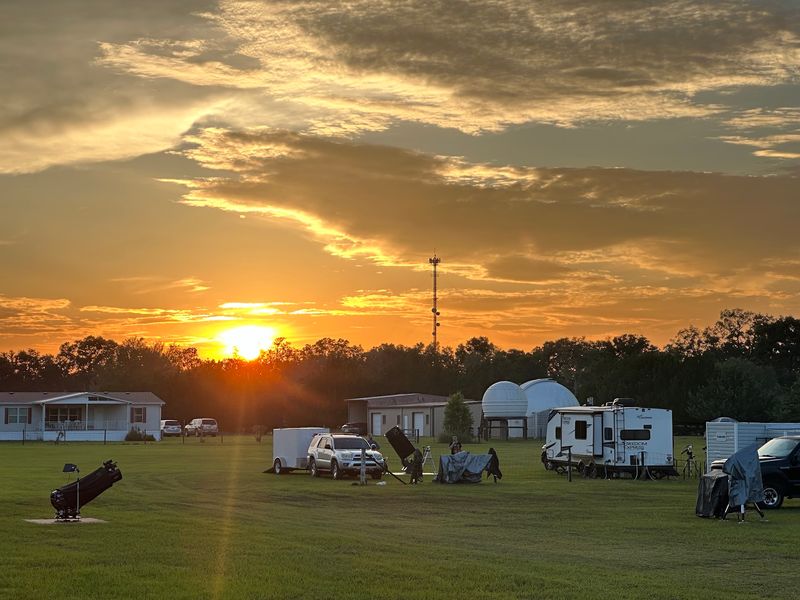
Forget everything you think you know about Florida skies. Out here in Chiefland, the darkness wraps around you like a velvet blanket, and suddenly the universe opens up in ways city dwellers can barely imagine. With absolutely zero light pollution contaminating the view, you’ll see stars you never knew existed and galaxies that textbooks can’t do justice.
The Milky Way stretches overhead like a cosmic river, so bright and detailed you’ll wonder if someone photoshopped the sky. Visitors consistently mention this as their favorite aspect of the village, and it’s easy to understand why. When you can see Saturn’s rings with stunning clarity or pick out nebulae with your naked eye, you realize what humanity has been missing under our orange-tinted city glow.
One traveler who’s visited dark sky locations across 42 states and 25 national parks specifically called out Chiefland as a must-stop destination. That’s not just casual praise from someone who’s seen a few stars. That’s a seasoned astronomer recognizing something truly special.
The village’s rural location means no highways, shopping centers, or stadium lights bleeding into your observations. Just pure, unadulterated darkness that astronomers dream about. You’ll understand why members guard this secret so carefully once you’ve experienced a moonless night here.
What makes it even better is the consistency. Florida weather can be unpredictable, sure, but when conditions cooperate, you’re guaranteed world-class viewing without driving across the country. The facility maintains this darkness through strict lighting protocols and community commitment.
Bring a red flashlight to preserve your night vision, settle into your observation spot, and prepare for your jaw to drop. Whether you’re photographing deep-sky objects or simply lying back to count shooting stars, the absence of light pollution transforms stargazing from a hobby into something almost spiritual. First-timers often stand speechless for several minutes, just processing what they’re actually seeing above them.
The Telescope Museum Showcases Astronomical History
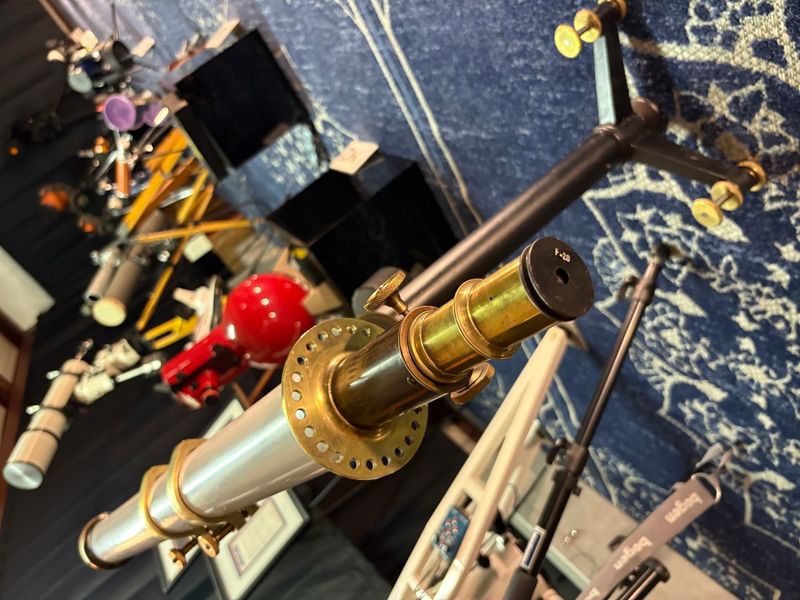
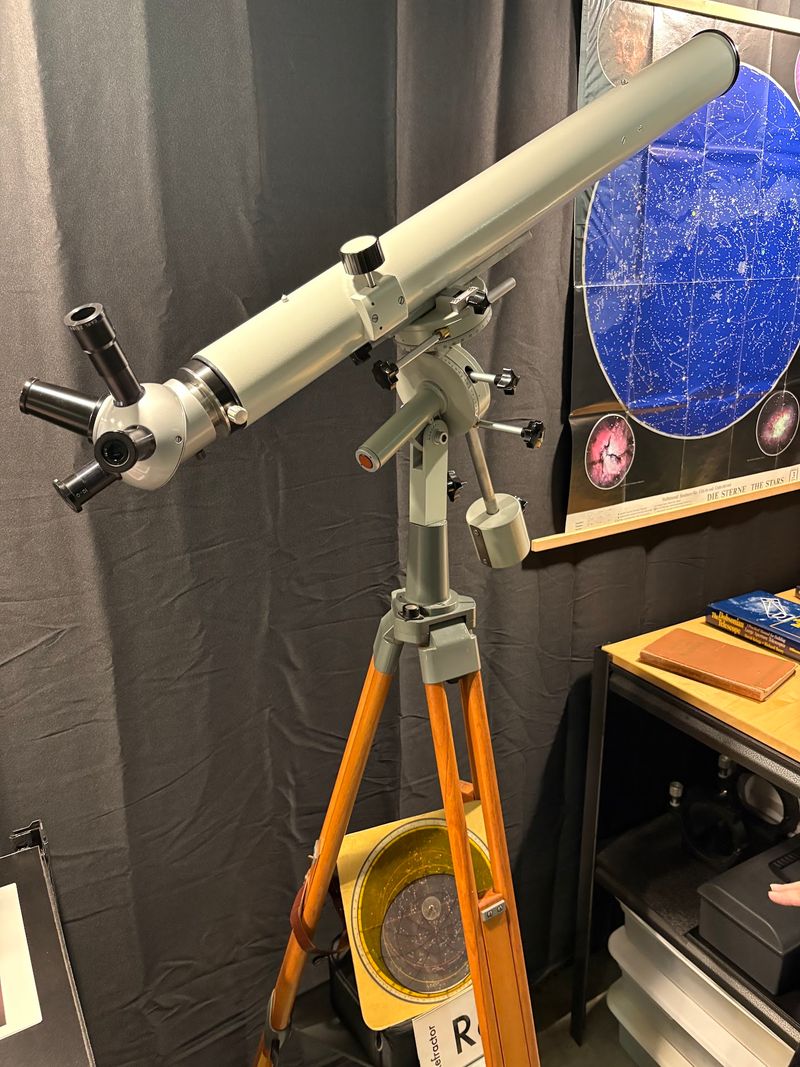
Walking into the telescope museum feels like stepping into astronomy’s personal scrapbook. These aren’t just dusty relics gathering cobwebs in a forgotten corner. Each instrument tells a story about humanity’s obsession with understanding what’s beyond our atmosphere, and the volunteers here know every detail.
You’ll find telescopes ranging from modest beginner scopes to impressive professional-grade instruments that once helped serious astronomers make actual discoveries. The collection represents different eras of astronomical technology, showing how our tools for exploring space have evolved over generations. It’s genuinely fascinating to see the progression from simple refractors to sophisticated computerized systems.
Multiple visitors have specifically mentioned how cool the museum is, which says something considering they came primarily to observe the current night sky. The fact that people take time away from their telescopes to appreciate these historical pieces speaks volumes. Kids especially love seeing the older equipment and imagining what it must have been like to explore the cosmos with such limited technology.
The museum serves an educational purpose beyond just displaying pretty antiques. Understanding how these instruments work helps you appreciate what you’re seeing through modern equipment. When you know the struggles early astronomers faced with manual tracking and primitive optics, using today’s computerized mounts feels almost like cheating.
Volunteers often share stories about specific telescopes in the collection, including who donated them and what observations they enabled. These personal connections transform metal tubes and glass lenses into cherished artifacts. Some pieces have traveled incredible distances or witnessed historic celestial events.
The museum stays open during events, giving you something to explore between observations or during cloudy patches. It’s climate-controlled too, offering a comfortable break from Florida’s humidity. Whether you’re killing time before darkness falls or genuinely interested in astronomical history, the collection provides context that enriches your entire visit.
Photography enthusiasts will find plenty of interesting subjects for close-up shots of vintage brass fittings and hand-ground lenses.
Dome Telescope Delivers Close-Up Views of Celestial Bodies
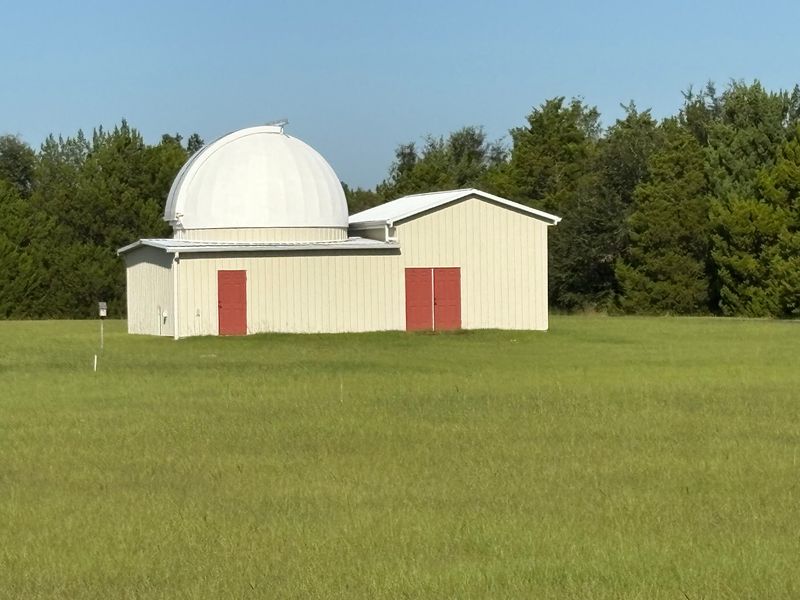
Some experiences you just can’t replicate at home, and peering through the dome telescope ranks high on that list. This isn’t your backyard department store scope. We’re talking about serious astronomical equipment housed in a proper observatory dome, the kind that rotates smoothly to track objects across the sky while keeping weather and stray light at bay.
Visitors rave about the close-up views this instrument provides of planets, star clusters, and other stellar bodies. One family mentioned viewing Saturn through the dome telescope and being absolutely blown away by the detail. Seeing those rings with your own eyes rather than in photographs creates an emotional response that’s hard to describe.
The dome itself adds to the experience. Watching it rotate to align with your target, hearing the mechanical precision of the tracking mount, feeling like you’re in a real research facility rather than just a tourist attraction. It makes you feel like a legitimate astronomer for the night.
What separates this from casual observing is the magnification and clarity these larger instruments provide. Details invisible to smaller telescopes suddenly pop into focus. You’ll see color variations on Jupiter, shadow transits on Saturn, crater details on the Moon that look three-dimensional, and binary stars that appear as single points to lesser equipment.
The volunteers operating the dome telescope know exactly what they’re doing. They’ll find interesting targets, explain what you’re seeing, adjust focus for your eyesight, and answer questions without making you feel ignorant. Their enthusiasm is contagious, and they genuinely want you to have those wow moments.
During special events like Astrofest, the dome telescope stays busy with visitors queuing up for their turn. Even experienced astronomers with their own equipment make a point to look through it. There’s something special about observing through a shared community instrument that brings people together.
Don’t rush your viewing time. Take a moment to really study what you’re seeing, let your eyes adjust, and ask the volunteer to point out specific features. These are memories that’ll stick with you long after you’ve left Florida.
Lawn Telescopes Offer Accessible Viewing for Everyone
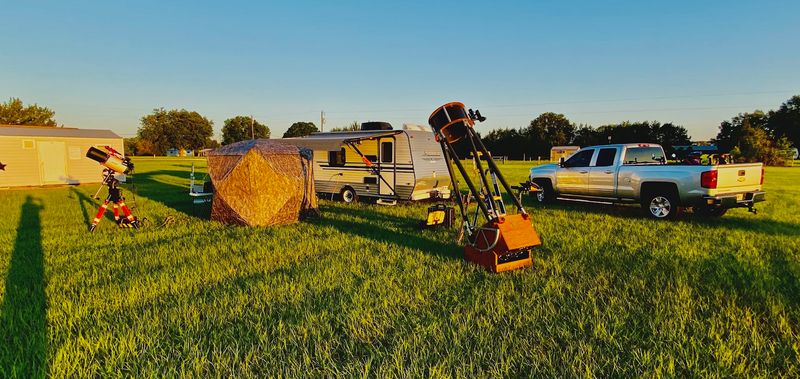
Not everyone needs a massive observatory to enjoy the cosmos. The lawn telescopes at Chiefland provide a more casual, accessible way to explore the night sky, perfect for families and first-time stargazers who might feel intimidated by serious astronomical equipment.
These portable instruments get set up on the grounds during events, creating a social atmosphere where people gather, share observations, and help each other find interesting targets. One family specifically mentioned viewing Saturn from a lawn telescope, and their kids had an absolutely memorable experience. That’s the beauty of these setups: they’re approachable without sacrificing quality.
The lawn telescope experience feels less formal than the dome observatory. You’re outside under the stars rather than enclosed in a building. You can look up with your naked eyes between telescope views, chat with fellow observers, and move between different instruments to compare views.
Volunteers often set up multiple lawn telescopes aimed at different objects, so you can hop from Mars to the Andromeda Galaxy to the Orion Nebula without waiting. Each telescope might be optimized for different types of viewing, giving you a varied experience throughout the night.
What makes these particularly valuable is their teaching potential. Volunteers can physically point to the sky, help you locate constellations, then show you those same objects through the telescope. This connection between naked-eye observing and magnified views helps beginners understand spatial relationships in ways that indoor viewing can’t match.
The informal setting encourages questions and conversation. You’ll hear people sharing tips, discussing what they’re seeing, and building that sense of community that makes Chiefland special. Experienced members often bring their own equipment and happily let visitors peek through, expanding the variety of views available.
Even if you own telescopes, the lawn setup offers something different. Maybe someone has a specialty instrument you’ve never tried, or they’ve targeted an object you haven’t observed before. The collaborative nature of lawn observing creates unexpected learning opportunities and friendships.
Bring a lawn chair, dress in layers for the temperature drop, and prepare to spend hours hopping between different telescopes as the night unfolds.
Membership Access Ensures Serious Stargazing Environment
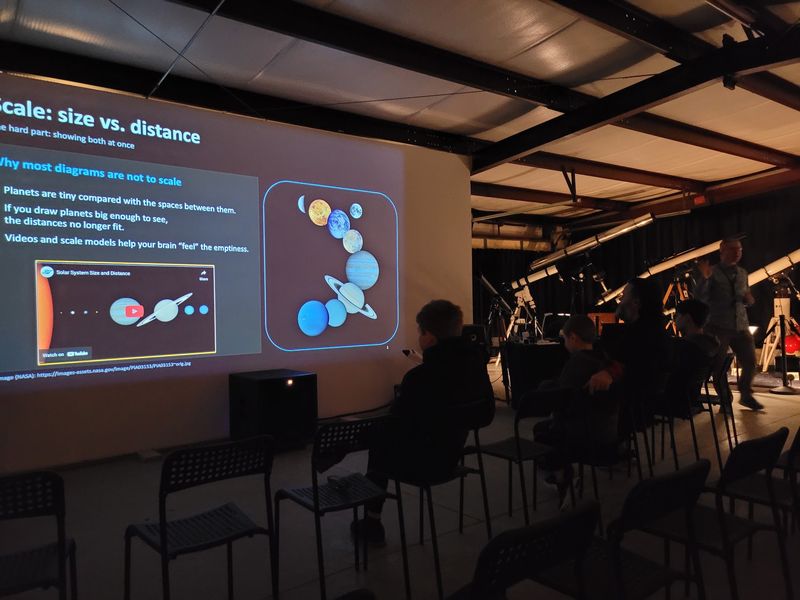
Here’s the thing about Chiefland that catches some people off guard: you can’t just show up whenever you feel like it. Membership is required, and that’s actually one of the facility’s greatest strengths rather than a limitation. This requirement filters out casual curiosity-seekers and creates a community of genuinely passionate astronomy enthusiasts.
Multiple reviewers specifically mention the membership requirement, and they universally frame it as worthwhile rather than restrictive. When everyone present has made that commitment, you get a different atmosphere. People follow the rules about lighting, respect quiet hours, and understand proper observatory etiquette without constant reminders.
The membership process isn’t complicated or expensive compared to what you’re getting access to. You’re basically joining a community rather than just renting a viewing spot. Members gain access to the grounds for overnight observing, use of facilities including showers and break rooms, electricity hookups, and participation in special events throughout the year.
This model keeps the facility sustainable without commercial pressures. There’s no gift shop pushing souvenirs or tour groups trampling through at inappropriate times. The focus stays purely on astronomical observation and education, which is exactly what serious stargazers want.
One reviewer called it the best-kept secret in the Southeast, and the membership requirement helps maintain that special quality. Too much publicity and open access would destroy the very darkness and tranquility that makes Chiefland valuable. Limited membership protects the resource for those who truly appreciate it.
Members-only access also means better availability of equipment and observing spots. You’re not competing with random tourists for telescope time or fighting for the best viewing locations. Everyone shares a common understanding and mutual respect for the space.
The membership connects you with experienced astronomers who become friends and mentors. You’ll get equipment recommendations, imaging tips, and help identifying objects. First-time members often express surprise at how welcoming and helpful the community is.
These aren’t elitist snobs guarding their territory but passionate enthusiasts eager to share their knowledge.
Special member events like Astrofest represent some of the best star parties in the region, drawing astronomers from multiple states. Your membership fee supports facility maintenance, equipment upgrades, and educational programs that benefit the entire astronomical community.
Overnight Viewing Grounds With Full Amenities
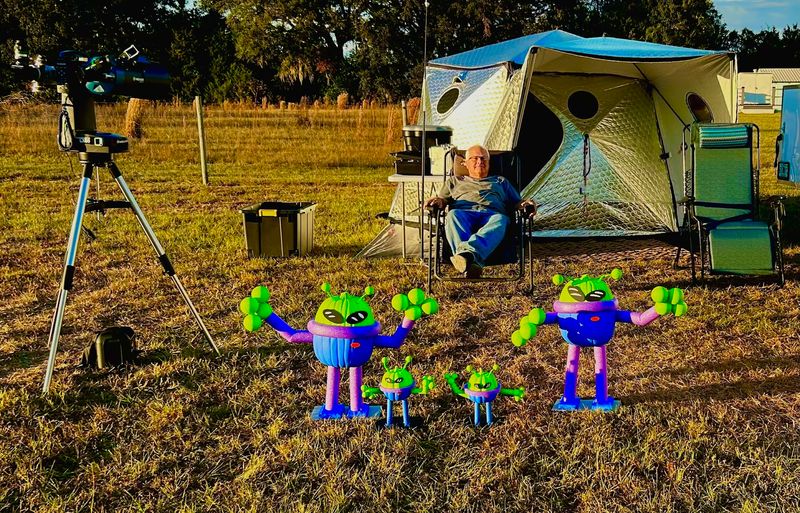
Serious astronomy happens after midnight when most celestial objects reach their optimal viewing positions. That’s why Chiefland’s overnight facilities matter so much. You’re not rushing to finish observations before driving home exhausted.
You can observe all night, sleep a few hours, then catch early morning planetary alignments if you want.
The grounds consistently earn praise for being well-maintained and clean. One visitor who’s experienced dark sky locations across the country specifically called out Chiefland’s facilities as exceptional. That’s high praise from someone with serious comparison points, and it reflects the care volunteers put into maintaining the property.
You’ll find real bathrooms rather than sketchy port-a-potties, which matters more than you might think during a long observing night. Clean, accessible facilities with running water make the experience comfortable rather than an endurance test. The showers let you freshen up after a humid Florida night before heading home.
Electrical hookups mean you can run computerized telescope mounts, charge camera batteries, and power laptops for image processing without draining your vehicle battery. This infrastructure supports serious astrophotography and advanced observing techniques that require consistent power throughout the night.
The break room provides a climate-controlled space to warm up or cool down depending on season, store food, and socialize between observing sessions. Release forms stay available on tables, making check-in straightforward. Coffee and conversation happen here during cloudy patches or while waiting for specific celestial events.
Multiple observers can spread out across the grounds without interfering with each other’s observations. There’s plenty of space for different setups, whether you’re doing wide-field astrophotography, planetary imaging, or visual observing. The thoughtful layout maximizes horizon access while maintaining darkness.
The quiet, relaxed atmosphere gets mentioned repeatedly in reviews. This isn’t a party campground with generators running and music blaring. Everyone respects the environment and each other’s need for darkness and concentration.
You can actually hear the night sounds of rural Florida between observations.
Staying overnight transforms stargazing from a rushed evening activity into an immersive experience. You’ll watch the sky rotate, see different objects rise and set, and truly connect with the rhythm of celestial mechanics in ways day-trippers never experience.
Passionate Volunteers Create Welcoming Community Atmosphere
Equipment and dark skies matter, but people make places special. The volunteers at Chiefland Astronomy Village consistently earn glowing praise for their friendliness, knowledge, and genuine enthusiasm for sharing astronomy with others. They’re not staff punching a clock but passionate astronomers who donate their time because they love what they do.
First-time visitors mention feeling immediately welcome rather than like outsiders crashing an exclusive club. The volunteers remember that everyone started as a beginner once, and they take real joy in creating those first wow moments for newcomers. One family called their visit a memorable adventure made possible specifically by the volunteers, which says everything about the human element here.
These aren’t just telescope operators but educators who can explain what you’re seeing in terms that make sense. They adjust their communication style based on your experience level, whether you’re a curious kid seeing Saturn for the first time or an experienced observer wanting technical details about specific equipment.
The team running Chiefland does outstanding work according to multiple reviewers. They maintain facilities, organize events, curate the telescope museum, and create an environment where astronomy thrives. That level of dedication doesn’t happen by accident but reflects a deep commitment to the astronomical community.
During major events like Astrofest, volunteers coordinate complex logistics while maintaining that friendly, informal atmosphere people love. They manage equipment schedules, handle registrations, and ensure everyone gets quality viewing time without the experience feeling regimented or stressful.
The volunteer culture creates a ripple effect where experienced members help newer ones, and everyone contributes to maintaining the special atmosphere. You’ll see people sharing equipment, offering imaging advice, and helping troubleshoot technical issues. This collaborative spirit makes learning faster and more enjoyable.
Many visitors specifically mention the informal, relaxed vibe despite the serious astronomical work happening. There’s no pretension or judgment, just genuine enthusiasm for exploring the cosmos together. Whether you show up with a multi-thousand-dollar imaging rig or just binoculars and curiosity, you’ll receive the same warm welcome.
The volunteers’ passion becomes infectious. You’ll leave not just with great observations but with renewed excitement about astronomy and perhaps some new friends who share your cosmic curiosity. That human connection transforms Chiefland from a viewing site into a true community.