This Shiny Aluminum Castle Is One of Florida’s Most Unusual Hidden Gems
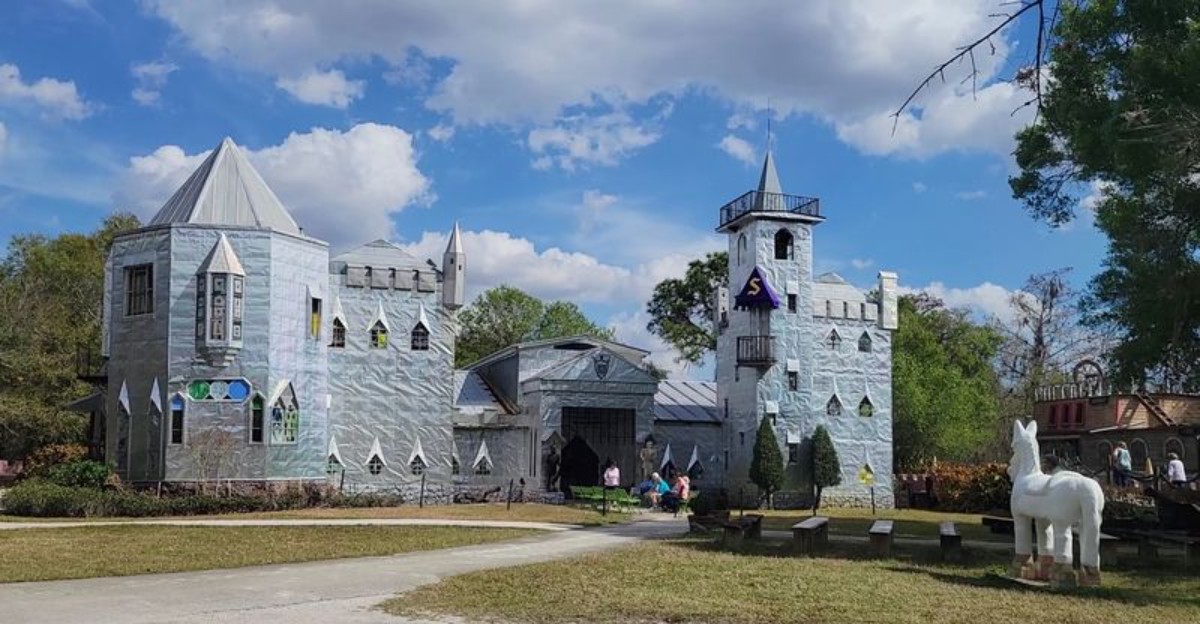
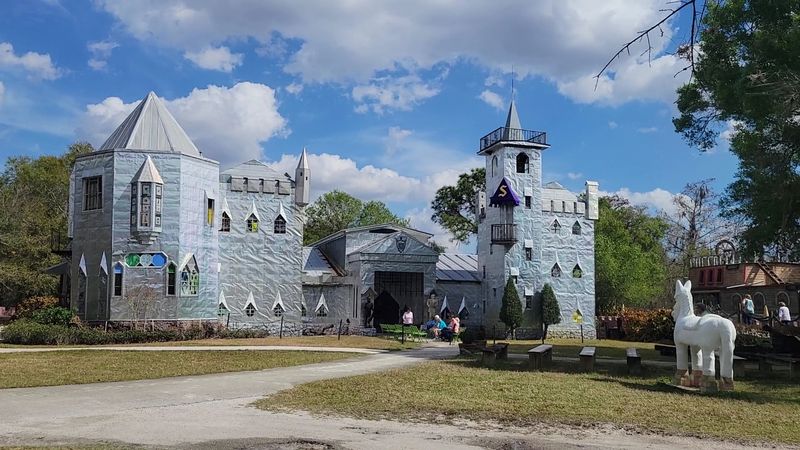
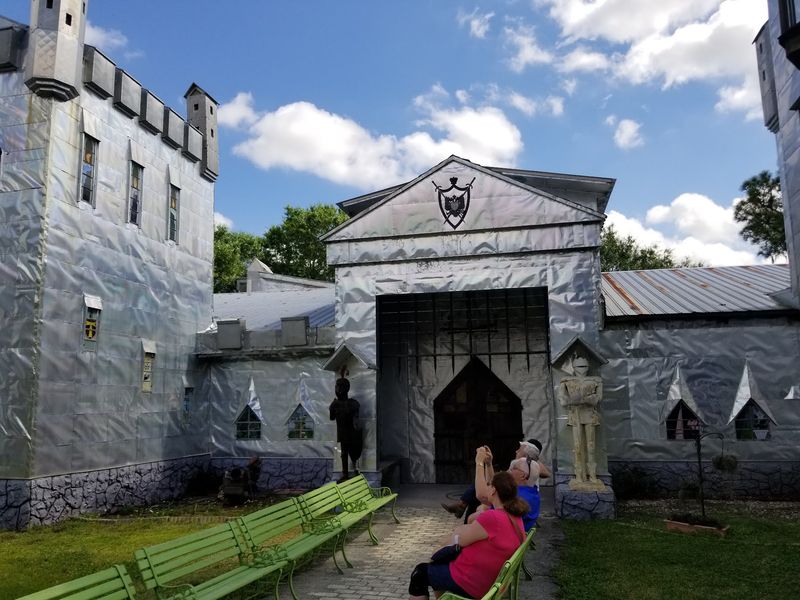
Deep in rural Ona, Solomon’s Castle rises from the Florida landscape like something dreamed up for a storybook. Covered in gleaming aluminum printing plates, the handmade structure reflects the sunlight and immediately signals that this is no ordinary roadside attraction. The castle was the creation of artist Howard Solomon, who transformed salvaged and discarded materials into an imaginative home, gallery, and artistic playground.
Inside, visitors encounter an eclectic collection of sculptures and unusual creations that showcase Solomon’s humor and talent for turning everyday objects into unexpected works of art. Look closely and seemingly ordinary materials become part of elaborate, clever pieces. The surrounding property adds even more personality.
Trees, water, whimsical structures, and additional artwork make exploring the grounds feel like stepping into an eccentric world far removed from Florida’s theme parks and crowded beaches. Even the exterior rewards a slow walk, with quirky details appearing from different angles. Solomon’s Castle is memorable precisely because it refuses to fit neatly into any category.
Part art gallery, part handmade castle, and part classic Florida roadside curiosity, it offers the kind of wonderfully unusual experience that makes taking the back roads worthwhile.
A One-Man Architectural Marvel Built from Recycled Dreams
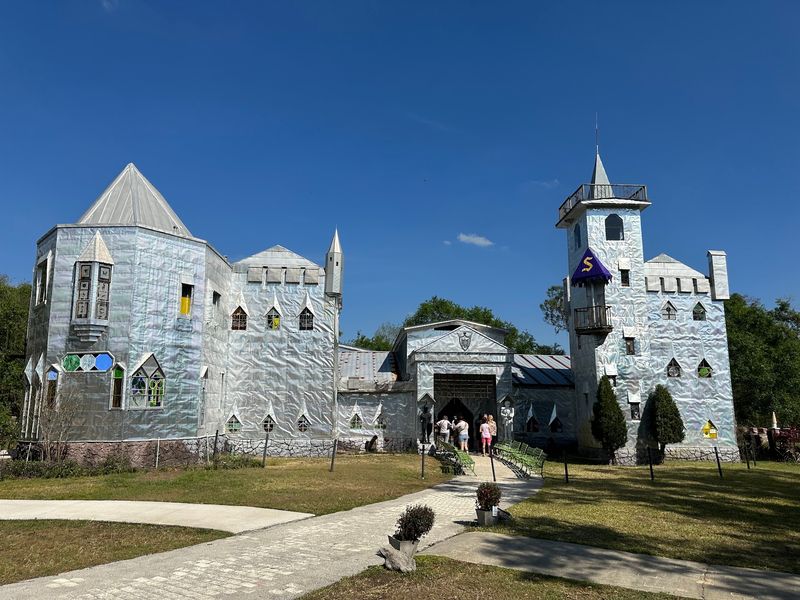
Howard Solomon didn’t just build a house. He created a three-story fortress covered in thousands of recycled aluminum printing plates that shimmer like dragon scales under the Florida sun. Over 18 years, this self-taught artist transformed what started as a simple homestead into an 11,000-square-foot castle that defies every conventional building code and expectation.
The structure itself tells a story of resourcefulness and imagination. Each aluminum plate once served in newspaper printing presses before Solomon gave them new life as his castle’s skin. The result is a building that changes appearance throughout the day as sunlight dances across its metallic surface, creating an almost magical effect that photographs simply can’t capture.
Walking up to the property, you’ll notice stained glass windows peeking through the aluminum exterior. These aren’t purchased pieces but Solomon’s own creations, adding splashes of color to the metallic canvas. The castle sits on 90 acres of beautifully maintained grounds dotted with massive live oaks dripping with Spanish moss.
Inside, the unconventional construction continues. Floors are intentionally uneven, adding to the castle’s quirky charm though visitors should watch their step. Every nook and cranny houses another surprise, another piece of art, another joke embedded in the architecture itself.
What makes this place truly special isn’t just the building technique or the shiny exterior. It’s the realization that one person’s vision, executed with salvaged materials and boundless creativity, could produce something so utterly unique. Solomon proved that castles don’t require stone quarries or royal budgets, just imagination and an unwillingness to build like everyone else.
The castle remains a testament to what’s possible when artistic vision meets stubborn determination. It’s not polished or perfect, and that’s exactly the point.
Guided Tours That Bring the Artist’s Vision to Life
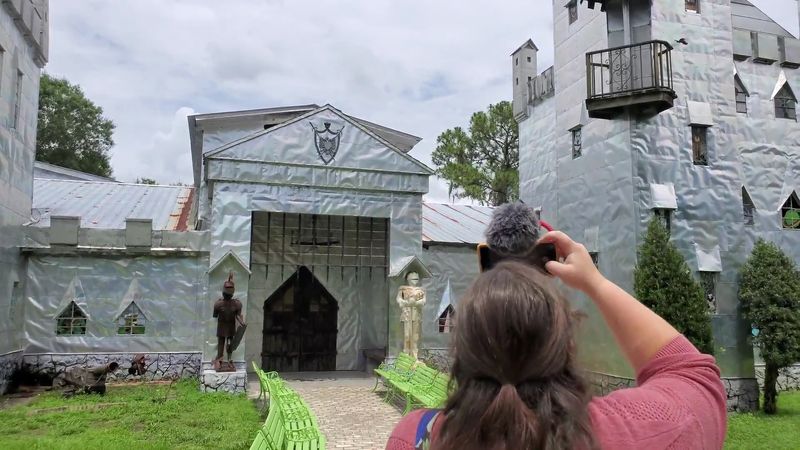
Uncle Jimmy and the other family guides don’t just walk you through rooms. They channel Howard Solomon’s spirit, sharing stories that transform each sculpture and installation from curious objects into windows into the artist’s brilliant, bizarre mind. These aren’t stuffy museum docents reciting memorized facts; they’re family members keeping their father’s and grandfather’s legacy alive with genuine love and humor.
The main castle tour takes about an hour and covers the first floor, which sounds limiting until you realize every single inch contains something worth examining. Solomon created hundreds of sculptures from discarded objects, each accompanied by puns, jokes, and social commentary that range from groan-worthy to genuinely clever. You’ll see chairs made from old tools, lamps constructed from kitchen utensils, and entire scenes crafted from materials most people would throw away.
Photography isn’t allowed inside the castle, which initially frustrates visitors until they realize it forces them to actually look rather than experience everything through a phone screen. The guides encourage questions and interaction, making each tour feel personalized rather than scripted.
For an additional seven dollars, the encore tour showcases Solomon’s impressive vintage automobile collection. All the vehicles remain functional, which seems impossible given their age and pristine condition. The property tour also includes a drive past other buildings on the 90-acre spread, giving context to the full scope of Solomon’s creative compound.
What reviewers consistently praise is how the guides balance education with entertainment. They know when to deliver information and when to let the art speak for itself. They share personal anecdotes about Howard that reveal the man behind the metal, making visitors feel connected to someone they never met.
The tours aren’t just about seeing stuff. They’re about understanding how one eccentric genius saw potential in everything society discarded, then transformed trash into treasure with skill, humor, and zero interest in what anyone else thought.
The Boat in the Moat Restaurant Serves Lunch with a Side of Whimsy
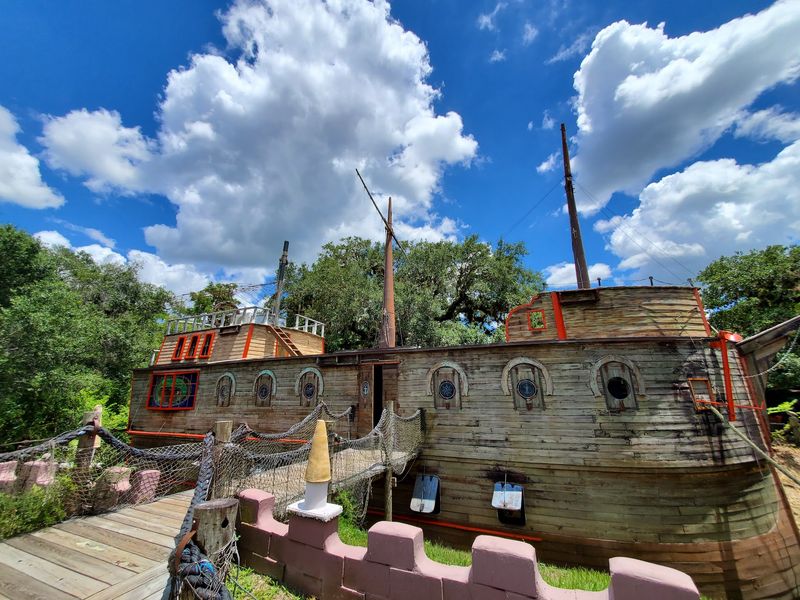
Howard Solomon spent four years building a 60-foot replica Spanish galleon, then instead of putting it in water, he parked it next to his castle and turned it into a restaurant. Because why wouldn’t you? The Boat in the Moat serves simple, delicious food in what might be Florida’s most unusual dining room.
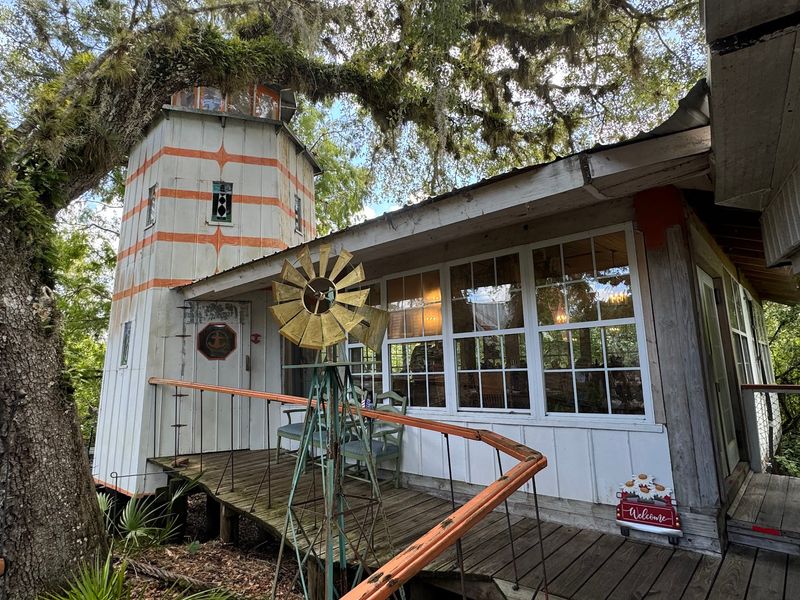
The lighthouse-style interior dining area features bright windows and nautical touches that make you feel like you’re actually aboard a vessel. But most visitors prefer the expansive outdoor seating under those magnificent live oaks, where Spanish moss sways overhead and the temperature drops about ten degrees in the shade. Live music often accompanies weekend lunches at no extra charge.
The menu won’t win culinary awards, but it doesn’t need to. Think hearty sandwiches, fresh salads, and homestyle cooking at reasonable prices. Multiple reviews rave about the chicken salad, shrimp salad, and nachos.
The desserts, particularly the banana splits and chocolate cake, earn special mentions as perfect endings to a castle adventure.
Service moves quickly despite the quirky setting. The staff works as a well-coordinated team, getting food out hot and fresh even during busy periods. They’re friendly without being overbearing, adding to the relaxed, unhurried atmosphere that defines the entire property.
Here’s the catch that catches some visitors off guard: cash only. No credit cards, no debit cards, just old-fashioned paper money or checks. An ATM sits on-site for the unprepared, but bringing cash saves the fee and hassle.
This policy extends to admission tickets and the gift shop too.
The restaurant embodies Solomon’s whole philosophy. Take something unexpected, execute it with craftsmanship, add a healthy dose of humor, and create an experience people remember. You’re not just eating lunch; you’re dining in a landlocked boat next to an aluminum castle in the middle of nowhere Florida, and somehow it all makes perfect sense.
An Antique Car Collection That Belongs in a Museum
Solomon didn’t just collect art materials. He collected cars, and not just any cars but a stunning array of vintage automobiles that somehow all remain in working condition. The encore tour includes access to this automotive treasure trove housed in a separate building on the property, and car enthusiasts consistently rate it as worth every penny of the additional admission.
The collection spans decades of American automotive history. Each vehicle has been meticulously maintained, looking like it just rolled off the showroom floor rather than having survived 50, 60, or 70 years. The fact that they’re all still functional seems almost impossible given their pristine condition and age.
Guides share the history of each vehicle, explaining not just the make and model but the cultural context of when these cars ruled American roads. You’ll learn about engineering innovations, design trends, and the stories behind how Solomon acquired each piece. It’s automotive history brought to life by people who genuinely appreciate these mechanical works of art.
The building itself provides the perfect showcase, with proper lighting and spacing that lets you appreciate each vehicle’s lines and details. Unlike cramped garage collections where cars practically touch, Solomon’s setup gives each automobile room to breathe and be admired from all angles.
What strikes visitors most is the contrast between Solomon’s recycled-materials artwork and these carefully preserved machines. Both represent his appreciation for craftsmanship and design, just expressed in completely different ways. The junk-turned-art in the castle shows his creative genius, while the car collection reveals his respect for engineering excellence.
For families, the car tour provides a nice balance to the castle’s art-heavy focus. Kids who might glaze over during sculpture explanations often perk up when confronted with gleaming chrome and vintage tail fins. It’s a reminder that Solomon’s interests were as eclectic as his artistic output, and that variety makes the entire property more engaging for diverse audiences.
Sprawling Grounds Perfect for Wandering and Discovering
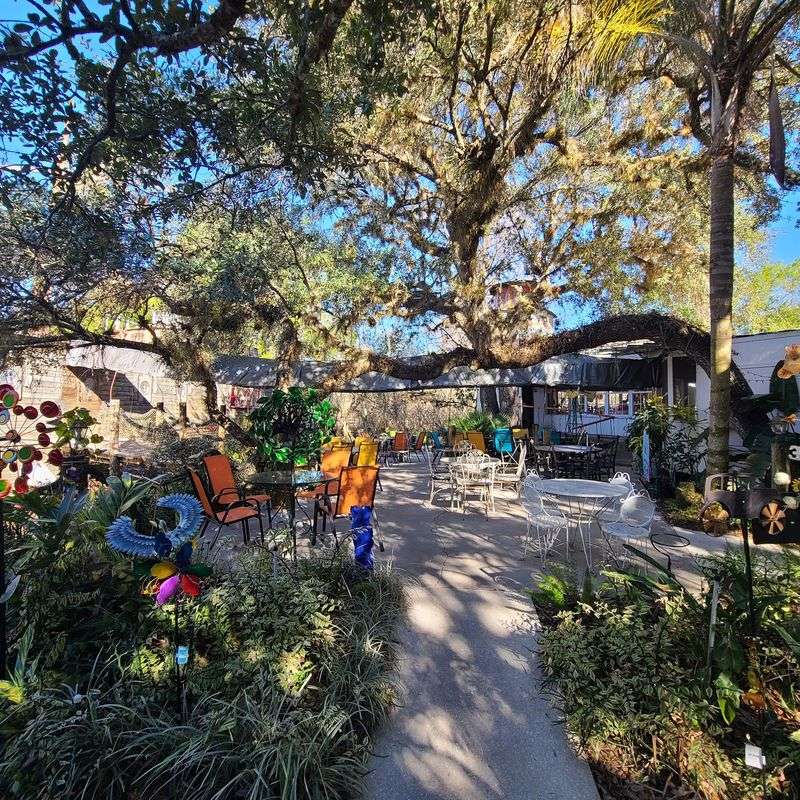
The castle and restaurant grab headlines, but the 90 acres surrounding them deserve equal attention. Solomon’s property isn’t just a building lot; it’s a carefully maintained sanctuary of old Florida, the kind of landscape that existed before strip malls and subdivisions paved over everything interesting. Massive live oaks create natural canopies, their branches twisted into sculptural forms that rival anything inside the castle.
Spanish moss drapes from every tree, swaying in breezes that provide natural air conditioning even on hot days. The grounds stay beautifully maintained without feeling overly manicured or artificial. It’s the perfect balance between tended and wild, civilized and natural.
Scattered throughout the property, you’ll find more of Solomon’s creations. Sculptures peek out from unexpected places, rewarding visitors who take time to explore beyond the main attractions. It’s like an outdoor gallery where nature and art coexist, each enhancing the other.
The encore tour includes a drive through portions of the property not accessible by foot, passing other structures including Solomon’s daughter’s house. Horses graze in pastures, adding to the rural charm. You get a sense of the full compound, understanding how Solomon created not just a building but an entire artistic ecosystem.
Photography is encouraged outdoors, and the grounds provide endless opportunities. The contrast between gleaming aluminum and natural greenery, between human-made structures and ancient trees, creates visual interest from every angle. Golden hour turns the property magical as sunlight filters through Spanish moss and reflects off the castle’s metallic skin.
For visitors overwhelmed by the castle’s visual density, the grounds offer breathing room. You can sit under an oak, process what you’ve seen, and simply exist in a space where creativity and nature merged under one man’s vision. It’s peaceful in a way that feels increasingly rare in modern Florida.
The property reminds you that Solomon wasn’t just building attractions. He was creating a world, a complete environment where every element reflected his aesthetic and values.
A Gift Shop Filled with Unique Handcrafted Treasures
Forget typical tourist trap merchandise. Solomon’s gift shop continues the property’s tradition of showcasing genuine craftsmanship and creativity rather than mass-produced garbage with a logo slapped on. The selection reflects Howard’s artistic spirit, featuring handcrafted items that actually mean something rather than dust-collecting tchotchkes destined for garage sales.
You’ll find pieces created by family members and local artisans, each item chosen because it represents real skill and originality. The inventory changes regularly, so repeat visitors discover new treasures each time. Prices remain reasonable considering you’re buying actual art rather than factory-produced souvenirs.
Some items directly connect to Solomon’s work and aesthetic. Others simply embody the creative, unconventional spirit that defines the entire property. Either way, purchases feel meaningful rather than obligatory, supporting a family-run operation that’s kept one man’s legacy alive through dedication and love.
The shop itself has character, though some reviews mention it could use more frequent dusting. A few cobwebs on merchandise and a slight musty smell in places suggests maintenance sometimes takes a backseat to other priorities. Fair criticism, though it also adds to the authentic, non-corporate vibe that makes Solomon’s Castle special in the first place.
Staff members are helpful without being pushy, answering questions about items and sharing stories about their origins. They genuinely want visitors to find something perfect rather than just making a sale. That personal touch extends the family atmosphere present throughout the property.
Like everything else at Solomon’s Castle, the gift shop operates on a cash-only basis. That ATM on the property gets plenty of use from visitors who’ve fallen in love with something unexpected and need to make a withdrawal. Bringing extra cash specifically for the shop is smart planning.
Walking out with a handcrafted piece feels different than buying typical tourist junk. You’re taking home a tangible connection to a place that exists nowhere else, supporting the family keeping Howard Solomon’s dream alive one visitor at a time.
Cash-Only Policy Adds Old-School Charm to the Experience
In an age where people tap phones to buy coffee, Solomon’s Castle stubbornly refuses credit cards, debit cards, and any payment method invented after 1950. Cash or personal checks only, a policy that horrifies some visitors and delights others who appreciate the throwback simplicity. It’s inconvenient, sure, but also perfectly on-brand for a place built by a man who never cared about doing things the easy way.
The policy applies to everything: admission tickets, restaurant meals, gift shop purchases. An on-site ATM provides emergency access to cash for the unprepared, though it charges the standard fees that make you wish you’d stopped at your own bank first. Savvy visitors check reviews beforehand and arrive with enough bills to cover their entire visit.
Why maintain such an old-fashioned system? Partly because processing fees eat into already-thin margins for small family operations. Partly because it’s simpler for staff who don’t need to deal with card readers, receipts, and digital payment systems.
And partly, you suspect, because it’s just how Howard did things, and changing it would feel like betraying his spirit.
The cash requirement does create one significant benefit: it forces intentionality. You can’t mindlessly swipe a card and forget what you spent. You physically hand over money, making transactions feel more real and considered.
There’s something refreshingly honest about it, even if it requires more planning.
For families, this means having a pre-visit conversation about budgets. Admission runs around $20 per adult for the basic tour, more if you add the encore experience. Factor in lunch, drinks, and potential gift shop purchases, and a family of four should budget $150-200 for the full experience.
Knowing the number upfront prevents awkward moments at the register.
Some reviews complain about the policy feeling outdated or difficult. Others praise it as part of the charm, another way Solomon’s Castle refuses to conform to modern expectations. Either way, it’s non-negotiable, so visitors can either adapt or skip the experience entirely.
A Hidden Gem Worth the Drive from Anywhere in Florida
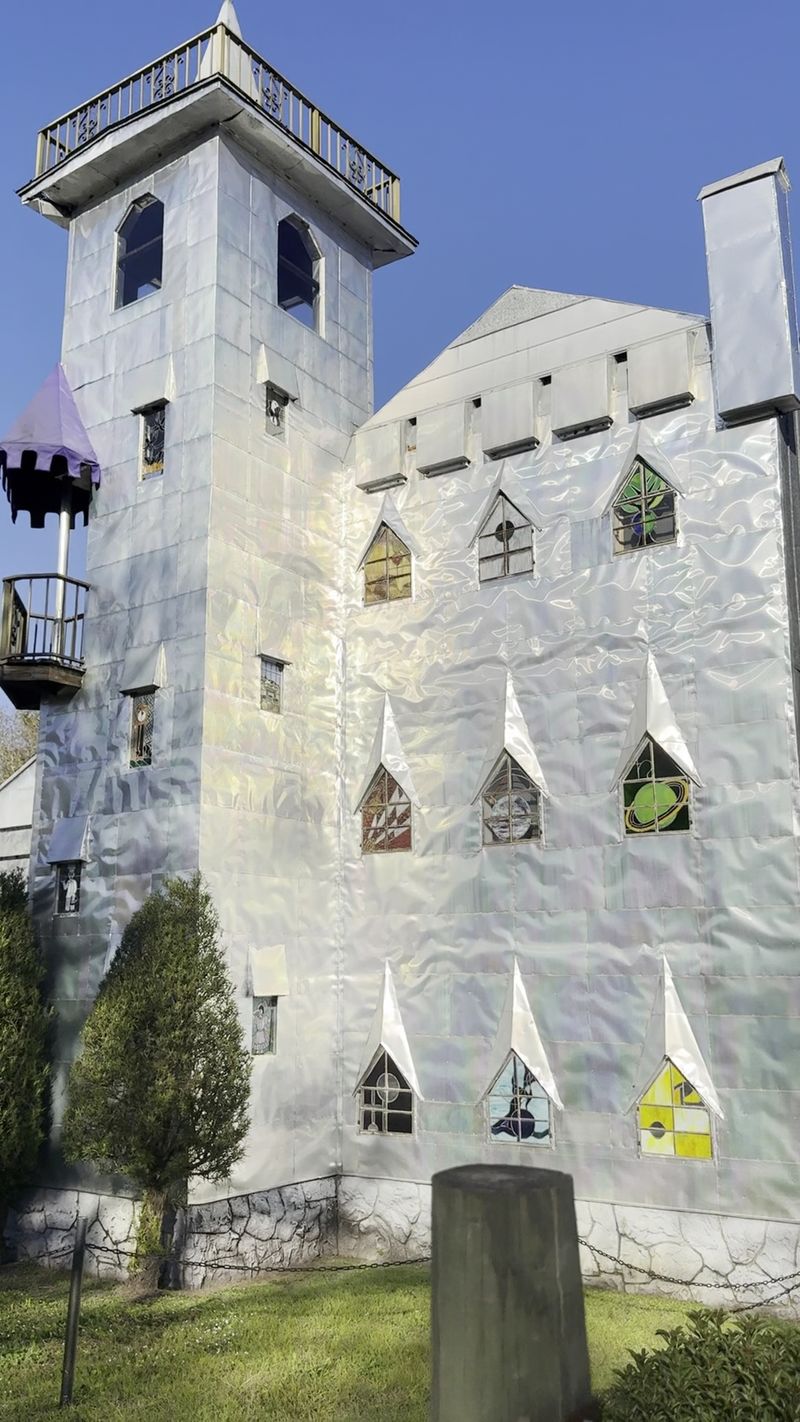
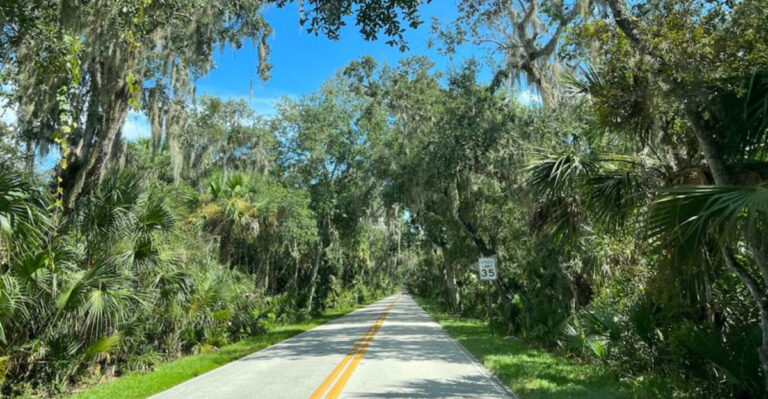
Ona, Florida doesn’t appear on most maps or tourism brochures. It’s the kind of place you drive through without realizing you’ve been anywhere at all, just cattle ranches and citrus groves stretching toward flat horizons. Which makes Solomon’s Castle’s existence there even more remarkable, a glittering anomaly in agricultural countryside that forces travelers to seek it out intentionally rather than stumbling upon it by accident.
The drive takes commitment. From Tampa, you’re looking at 90 minutes. From Miami, three hours.
From Orlando, about an hour and a half through increasingly rural landscapes. But reviews consistently emphasize that the journey proves worthwhile, that Solomon’s creation justifies whatever distance you’ve covered to reach it.
Part of the appeal lies in that remoteness. Solomon’s Castle isn’t surrounded by other attractions competing for attention or traffic-clogged roads full of stressed tourists. You’re making a pilgrimage to see one specific thing, giving the experience weight and intention that’s hard to achieve at easily accessible destinations.
The property operates seasonally, typically closing during summer months when Florida heat makes touring uncomfortable. Check the website or call before planning your trip, because showing up to locked gates after a two-hour drive would crush anyone’s spirit. Current hours show the castle closed, emphasizing the importance of verification.
Visitors consistently recommend arriving when doors open to beat crowds and heat. The property gets busy during peak season, especially weekends, when tour groups can feel cramped inside the castle’s relatively tight spaces. Weekday mornings offer the best experience, with smaller groups and more opportunities for guide interaction.
The surrounding area offers little else, so plan Solomon’s Castle as your main destination rather than one stop on a multi-attraction day. Bring a picnic if you want to extend your visit beyond lunch at the Boat in the Moat. The grounds invite lingering, especially under those magnificent oaks.
Florida natives and tourists alike praise Solomon’s Castle as something genuinely different, a reminder that the state’s best attractions often hide far from theme parks and beaches, waiting for curious travelers willing to venture down unmarked roads toward shining aluminum dreams.